A garden is an act of hope for the future


It’s about that time of year when all you gardeners out there are discovering you have a cucumber situation. I was that gardener once, but these days all I’m growing is pigweeds in my new retaining wall and that’s a story for another day. Turns out pigweeds are the only thing that seem to multiply faster than a cucumber (unless you count zucchini, but I only count it when I’m throwing it in the coulee or trying to figure out how you all make it taste like chocolate cake).

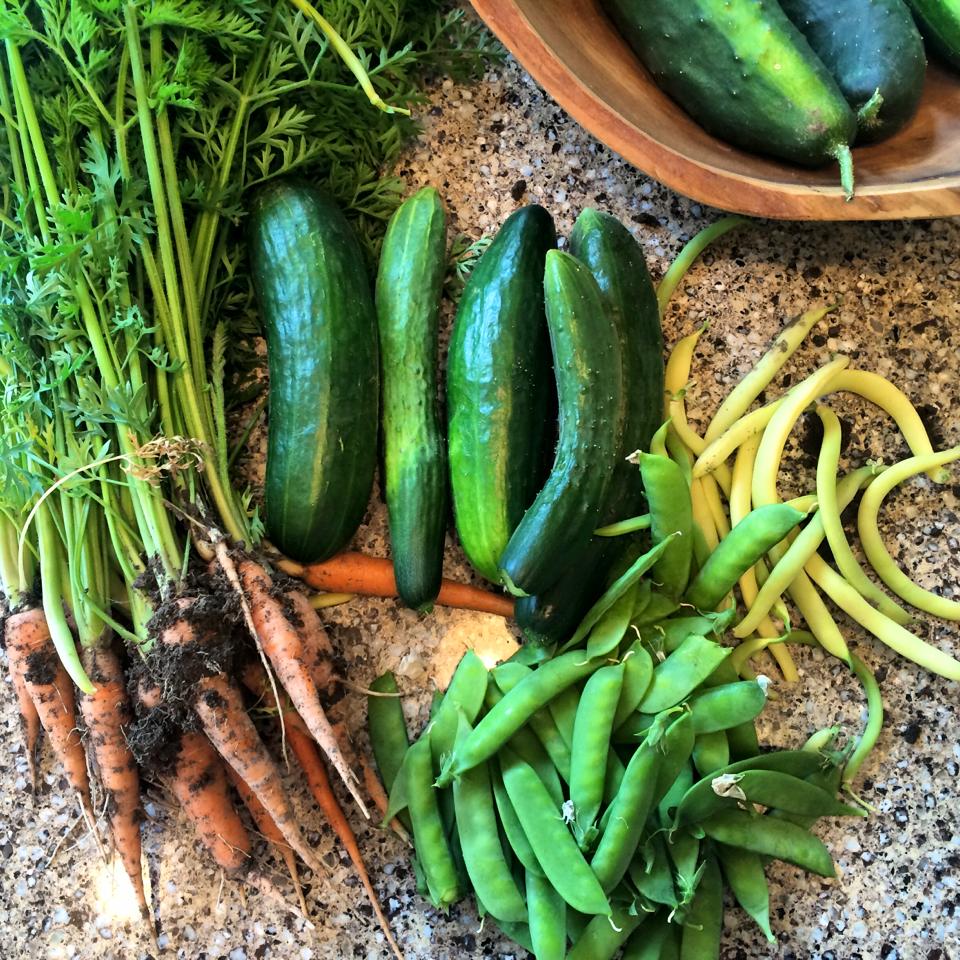
Yes, it’s coming up on garden harvest season and because and I’m feeling nostalgic about gardens of my past. Because there’s something magical about a garden, it’s always been that way for me. As a kid I gladly claimed the role of garden planter and helper each season, carefully spacing and placing the bean seeds two inches apart and finding the right stick to mark the row before moving on to the radish and carrot mix, dreaming of the hot summer day when I could come out and pull a ripe pea pod off the vine.
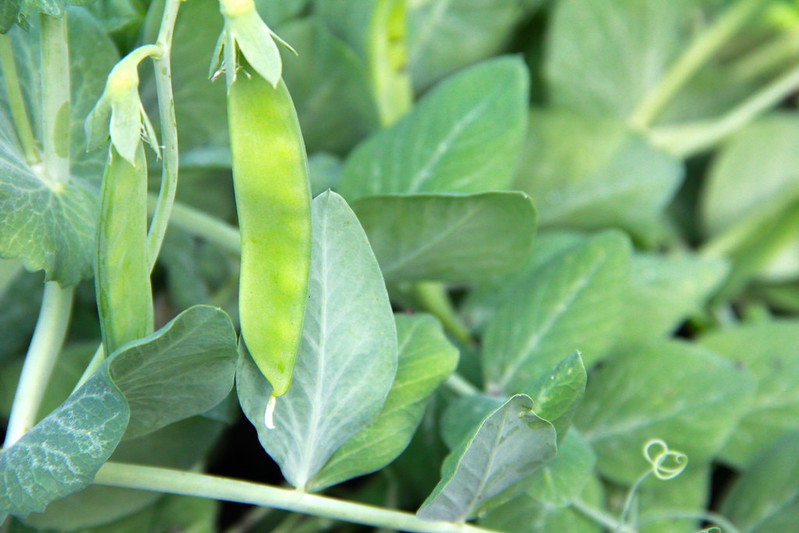
There is no crisp like the fresh snap of a pea pod. There is no orange like the orange on a carrot, the subtle hint of black earth lingering as you take a bite by the garden hose. There’s nothing more fresh than slicing into a ripe, red tomato, its juice and seeds spilling over onto your kitchen counter where you think it’s a shame to waste it on sauce or supper, so you finish the whole thing off right there. And there’s nothing more satisfying than reaping the rewards of a past and personal effort you put in to something that came alive, before your very eyes, simply because you cared.

Because planting a garden is the physical act of hope for the future.
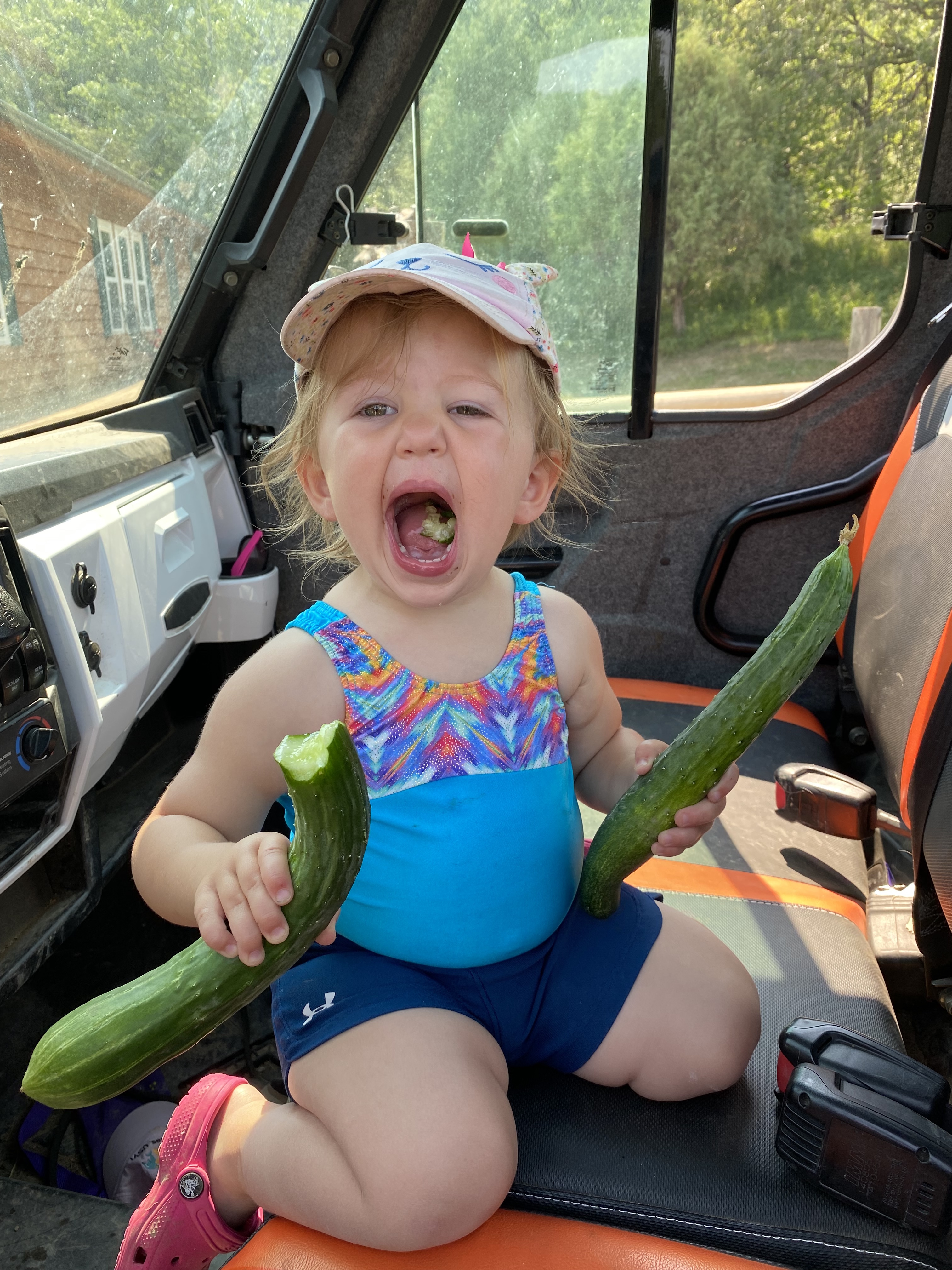
My Niece Emma robbing Papa Gene’s Garden

When I was a young kid and my family lived in Grand Forks, my dad helped my great grandma Eleanor keep her backyard garden. I reach way back in the archives of my memory and I can see my dad disappearing and reappearing from under the leaves of waist-high tomato plants while my great grandmother stood on the edge of her lawn to visit and I itched the fresh mosquito bites on my bare legs.

That Red River Valley dirt held different kind of secrets than the rocky, gumbo clay of my dad’s home in Western North Dakota. I was too young to understand how much that garden must have meant to both him, a ranch kid missing home, and to my great-grandma Eleanor, whose knees were too worn to do the planting and the weeding.

And in the high heat of summer, when the vegetables were ripe for harvesting, my great grandma looked forward to picking and chopping and mixing up her sister Maebelle’s Garden Soup. It’s something my mom looked forward to each year as a way to connect with her grandmother. It was a labor of love, a practice of patience and a tradition tied to family tied directly to the ground beneath our feet.

And so I want to share the recipe for you here as an offering of hope, a reason to take care and a special way to enjoy all that you’ve been watering this season.
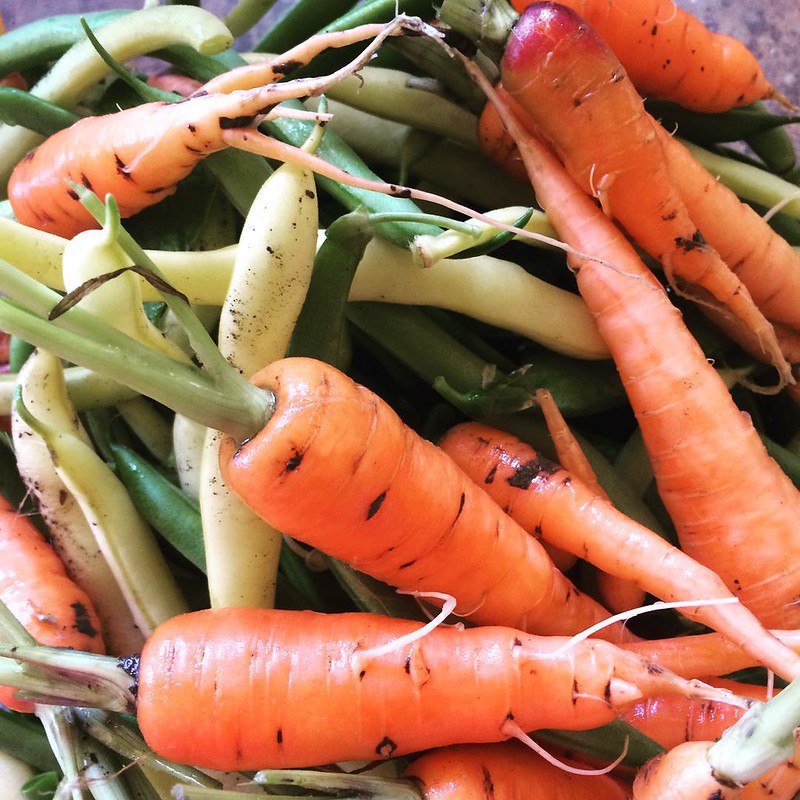
Aunt Maebelle’s Garden Soup

As written on my mom’s recipe card.

Get out your 8 qt. or 12 qt. stainless steel soup kettle (Maebelle was very specific)

Dice 3 LARGE sweet onions (the “heart” of this soup)

Melt a 1/2 stick of butter in the soup kettle and add onion and sauté slowly until they are soft (but not browned). It will take a while.

Add 6 large potatoes, peeled and cubed, and 6 large carrots, peeled and cubed, to the onion and cover all with 3 cups of water. Cook gently. Stir.

When the carrots and potatoes are partially cooked, add 1 pound of yellow beans (summer only) and 1 pound green beans (fresh or frozen). Beans should be cut up in 1/2 inch pieces.

Add lots of fresh chopped flat leafed parsley and lots of fresh dill (or dry dill weed)

Season with Lawry’s Seasoned Salt and Lawry’s Seasoned Pepper (to taste)

When the above has cooked, add a can of cream style corn and stir

(Now here’s my favorite part) Add 1/2 stick butter and let sit (not cooking) for 1 hour or so. (This seems weird, but it’s the rules)

Bring heat up and add 16 oz. package of frozen petite peas

Add 1 1/2 quarts of whole milk (Maebelle was known to slip a little half and half in also)

Adjust to your own taste. Try not to add more than 3 cups water. Maybe more milk, half and half or cream.

When I flipped the recipe card over I discovered that Maebelle often made “bullet” dumplings to add to this soup. I’ve never had this soup with dumplings, but you can’t go wrong with dumplings.

Now invite your family over to help chop, chat and enjoy!
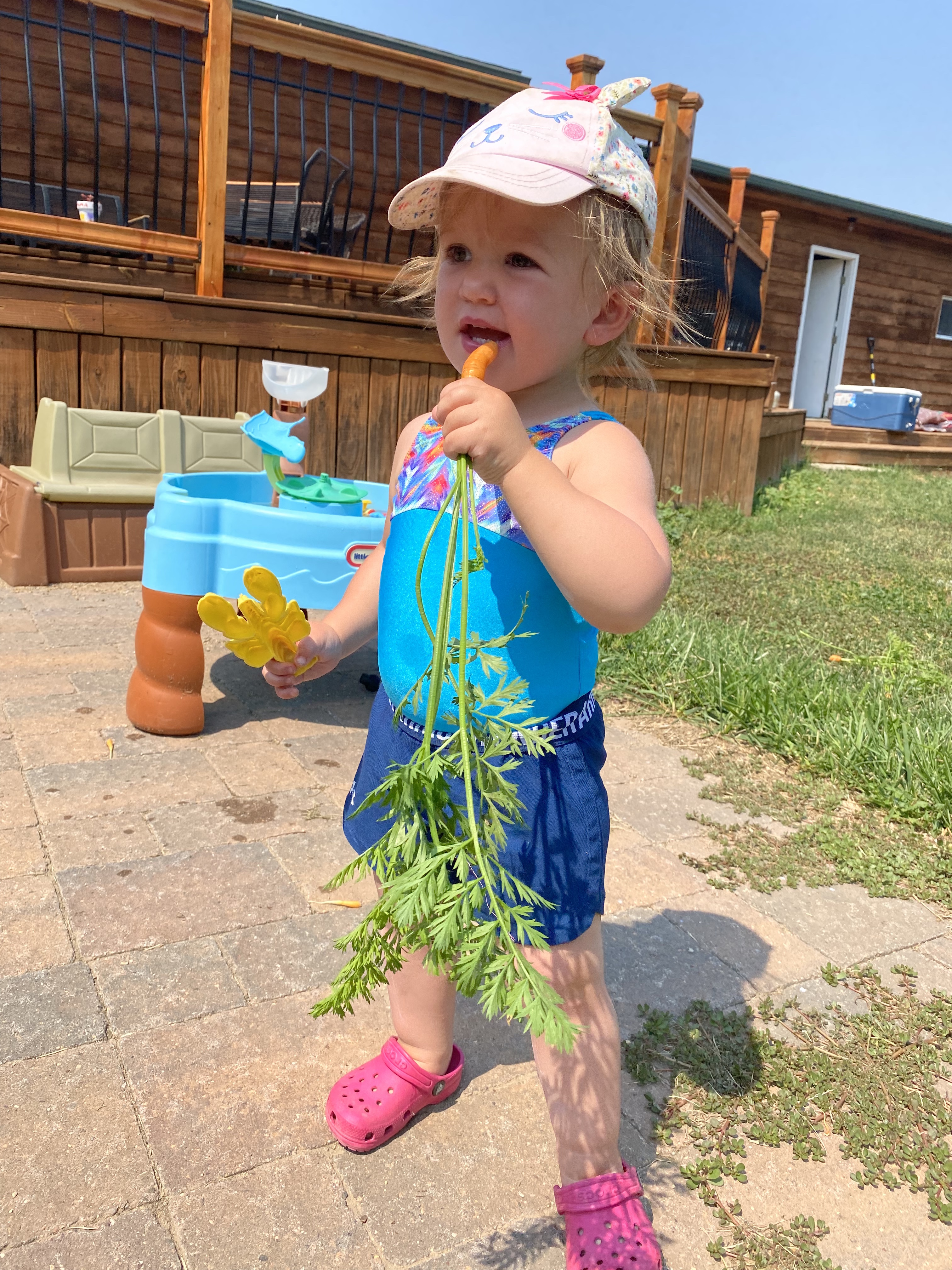
Emma’s outfit is goals.

Mother of Mermaids

I used to be a mermaid. For a land locked girl who only made it to the swimming pool in town once or twice a summer, it seemed unlikely. But my cousin and I, we would use the big rocks up on the hill next to the pink county road to mark out the boundaries of our underwater cove and then we would swim to the surface to sit up on those rocks and see the world from a new perspective, the perspective of a sea dweller.

And we’d pick our mermaid names, and declare the color of our hair and our tails and we would pretend we were weightless and spinning and flipping through the water, and that we held some sort of magic that we don’t have up here on the surface, on the prairie, where the summer heat browned our skin and flushed our cheeks and the wind whipped the curls out of our hair.

Who knew then, when I was 5 or 6 years old, that I would one day become a mother of mermaids. I saw my daughters’ final transformations recently when we headed to the lake cabin in Minnesota to carry out the tradition of spending the holiday with my grandparents, cousins, aunts and uncles. The weather was hot and sticky, and the lake was warm and clear. We had summer sausage sandwiches with potato chips and juice boxes, topped it off with a Popsicle and we moved from the shade to the sun to the water. All the elements seemed to be just right for the magic needed to make a mermaid out of a kid. And so off they went from the dock into the water, with no hesitation, just bare feet first, and then up to their armpits and then, poof, under the water they went to become a part of that little lake with all its mysteries and enchantment, down below the surface with the other swimming, slimy and shiny creatures.

And I didn’t notice the shift right away. I was out there myself, the way moms and dads are, to float and splash, supervise and clear away the dreaded seaweed. I heard them little by little make the declaration, the color of their fins, their mer-names, and the sea-monster older cousin they had to escape from. And after an hour or so, I thought they may want to come in for a break, maybe have an ice cream or warm up under the sun, but they couldn’t be distracted by such mundane human things. And so I sat my human body up on the dock, and then back on the floating hammock thing my mom bought online that looked bigger in the picture but worked just fine for observing mermaids. I watched them splash and screech and swim and play and I wondered if there is anything more magical than a kid in a lake, both things sparkling in the sun? I wondered if there could be any feeling more free than the dive of a little body, young and bursting with energy made for just this, learning with each bend of an arm, arch of a back, kick of a leg or water up the nose, what they’re capable of. What they truly love. Joy embodied.

And if you’re wondering, someone has to come up with a way to feed those who have just grown their tails. And so that evening, before the sun started to sink, before the fireworks crackled across the dark blue sky, I made those sea dwellers a paper plate full of ribs and corn on the cob and macaroni and cheese, and used it to bribe them back up on land.

You see, I used to be a mermaid once, so I know a little magic myself…

Yes, I used to be a mermaid. And those big rocks, well, they’re still there up on the hill next to the pink county road where my mailbox sits now. It’s all these years later, but if I stand up there and the wind’s just right, if I close my eyes tight, I think I might be able to be a mermaid again…

Tiny, perfect things

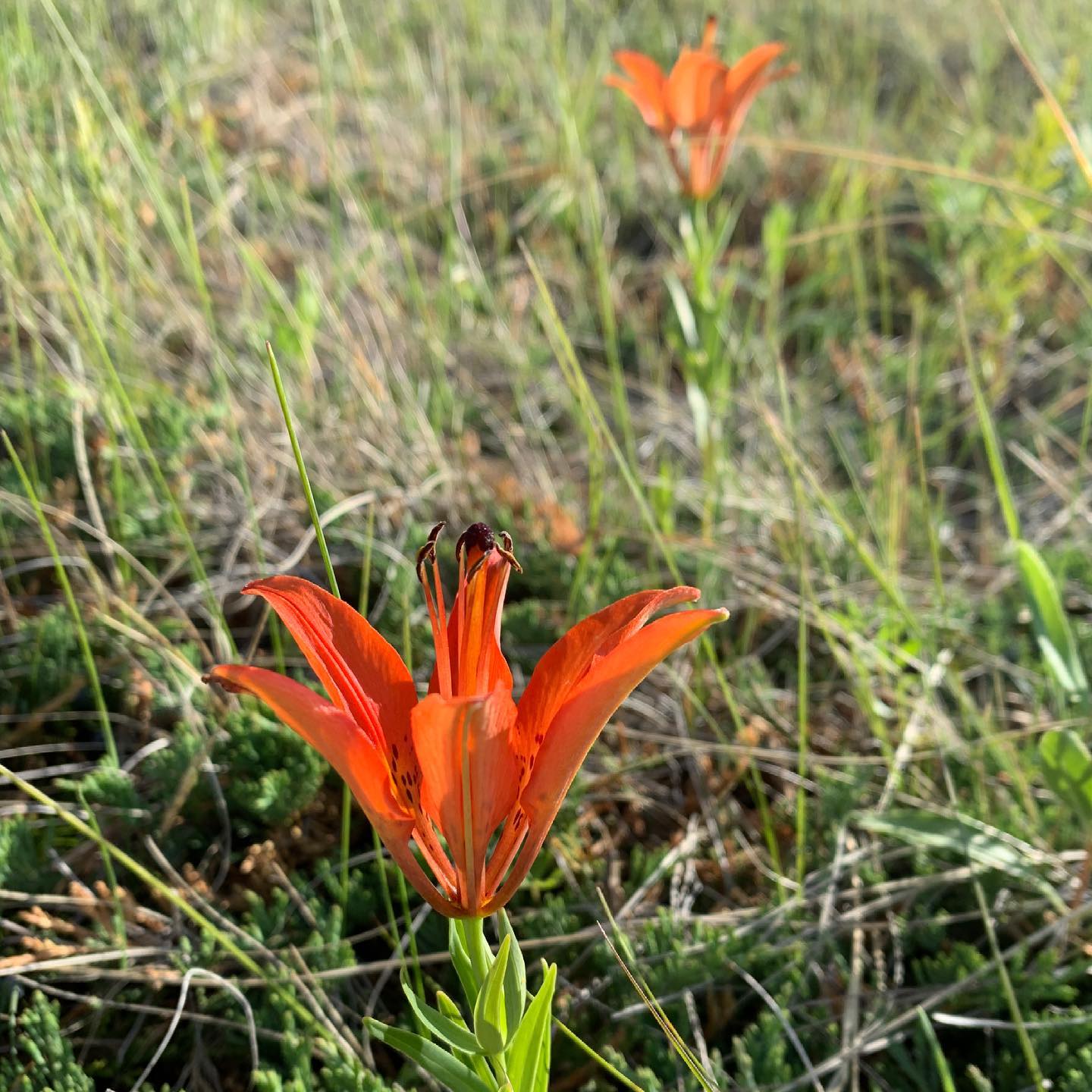
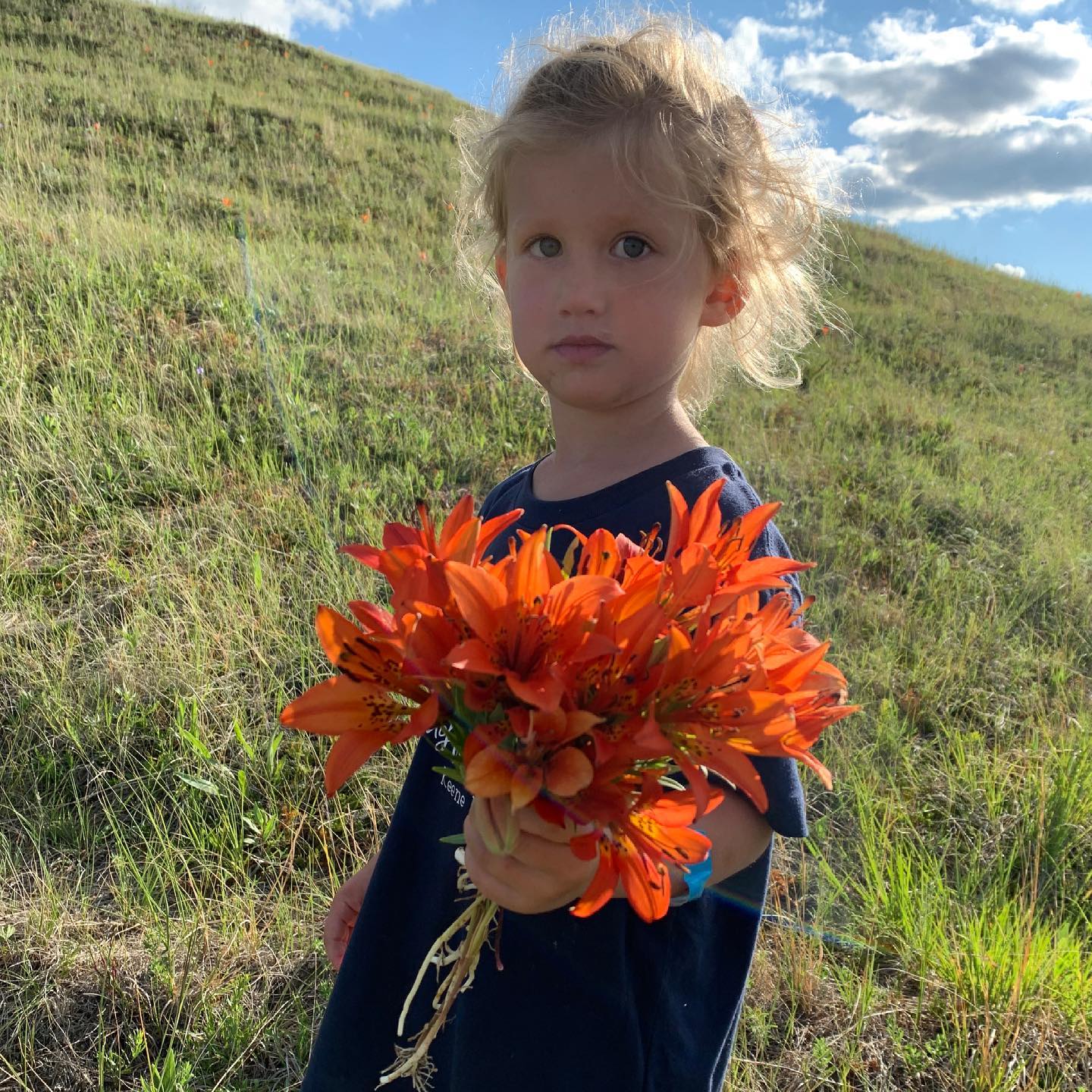
There is a hill on the ranch that is completely covered in tiger lilies. My little sister went on a ride with Dad and they discovered them, a scattering of bright orange petals opening up to the bright blue sky.

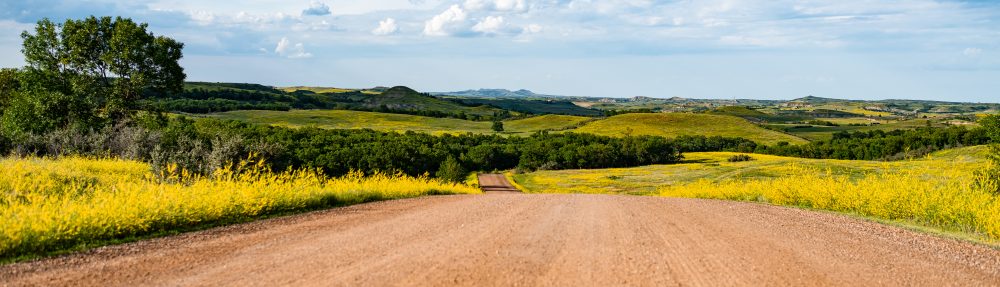
It has been a dry year here, with our spring rain coming to us late, and so our wildflower crop is just now appearing. And this news about the tiger lilies may not seem so thrilling to some, but it’s exciting for us.

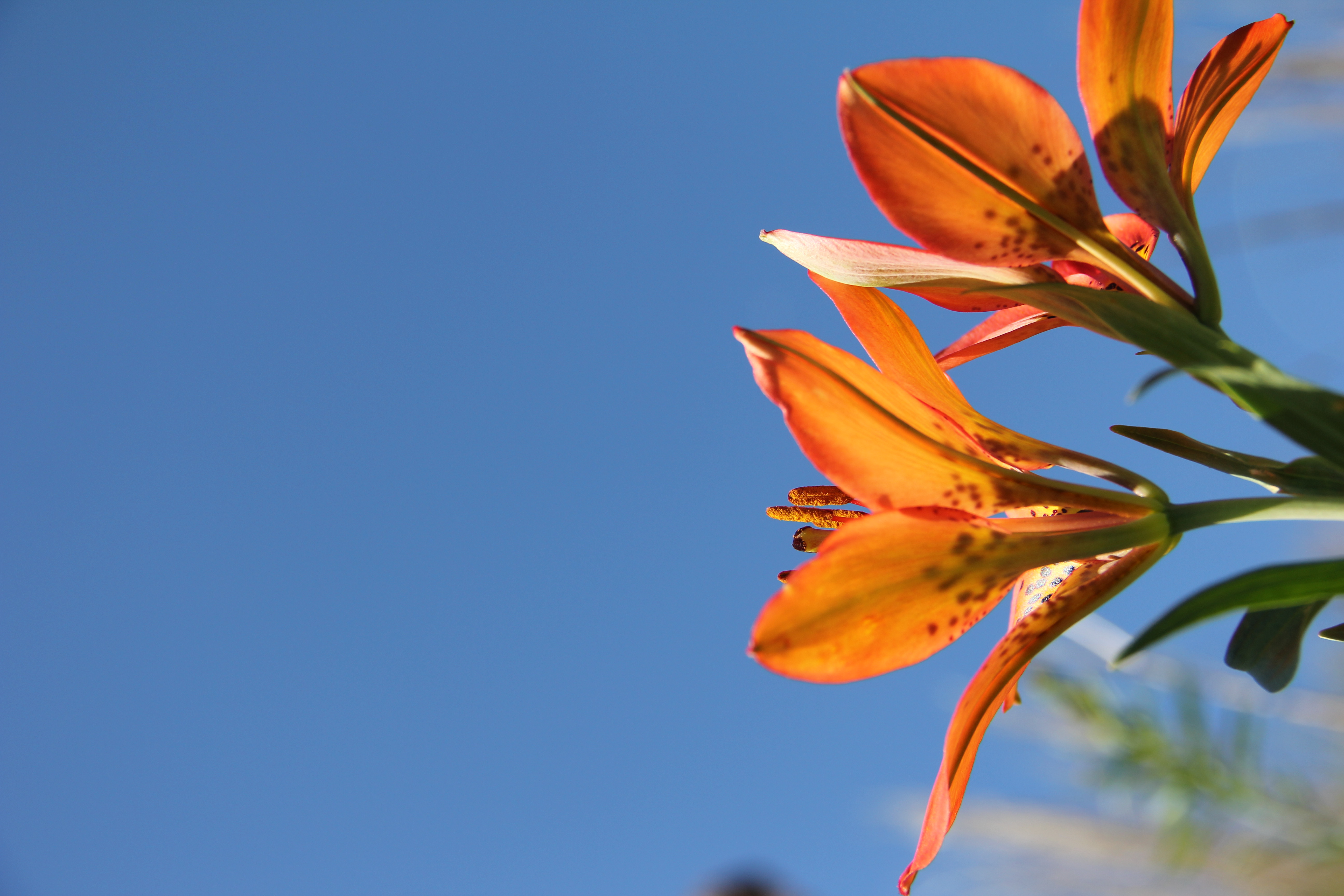
Because the flower is so perfect, and so exotic looking, and they don’t always come up every year. So when they do, we feel like we have access to our own personal florist, Mother Nature.

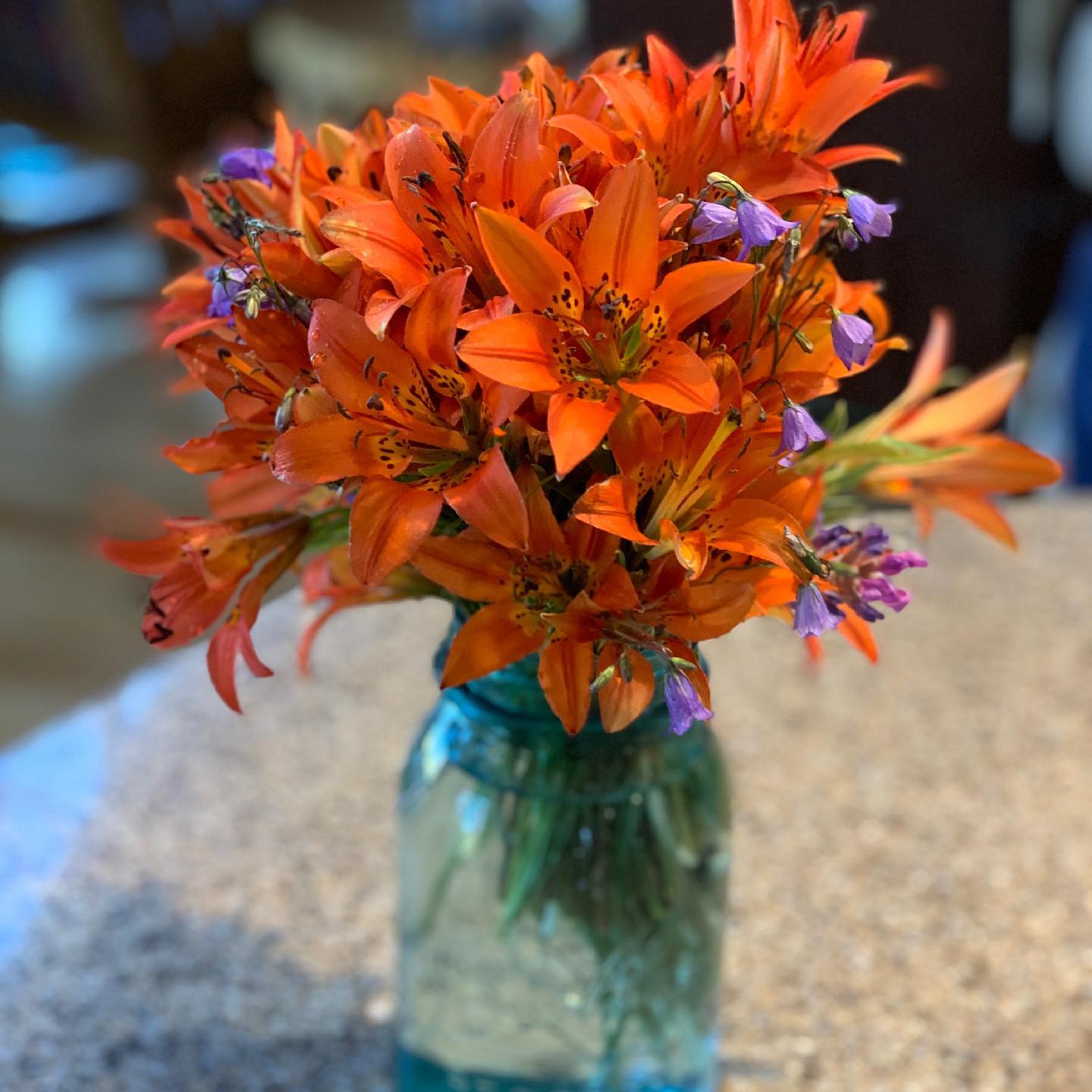
I don’t know if everyone has a favorite flower, but the tiger lily is mine. I carried them at my wedding, a bouquet of orange walking with me down a grassy, makeshift aisle in a cow pasture. We had to mow and build benches and move cow pies to make it presentable for guests, but we didn’t get rid of all of the cactus. My little sister found this out as she was making her trek down the aisle in front of me. I didn’t know if she was crying because of the cactus in her leg, or if she was so happy for us. I think a little of both.

Anyway, that’s what happens when you live in a wild place. No matter how you try to tame it, the flies and the thorns, the barn swallows and the raccoons, they don’t care about your fancy new deck furniture that you got for the family reunion — they will show up to eat the cat food and then poop on it.

And so then you sort of become wild, too. I know because I caught myself standing outside in my underwear one morning yelling at the birds to find a new place to make their messy clay nests. Not here, swallows. Not on the side of my house! And my husband? Well, he likes to scare raccoons at midnight… also in his underwear.

Anyway, I guess that’s why the wildflowers seem so special out here. For so much of the year we’re battling the elements, praying for rain, shoveling snow, bundling up, tracking mud in the house, pulling burs out of horses’ manes, cutting down weeds and clearing and cleaning and building and doctoring. The wildflowers, especially the tiger lily, seem like a reminder that there is perfection in this world, in the smallest things. Tiny, pretty miracles surviving despite and because of the hot sun and clay dirt.

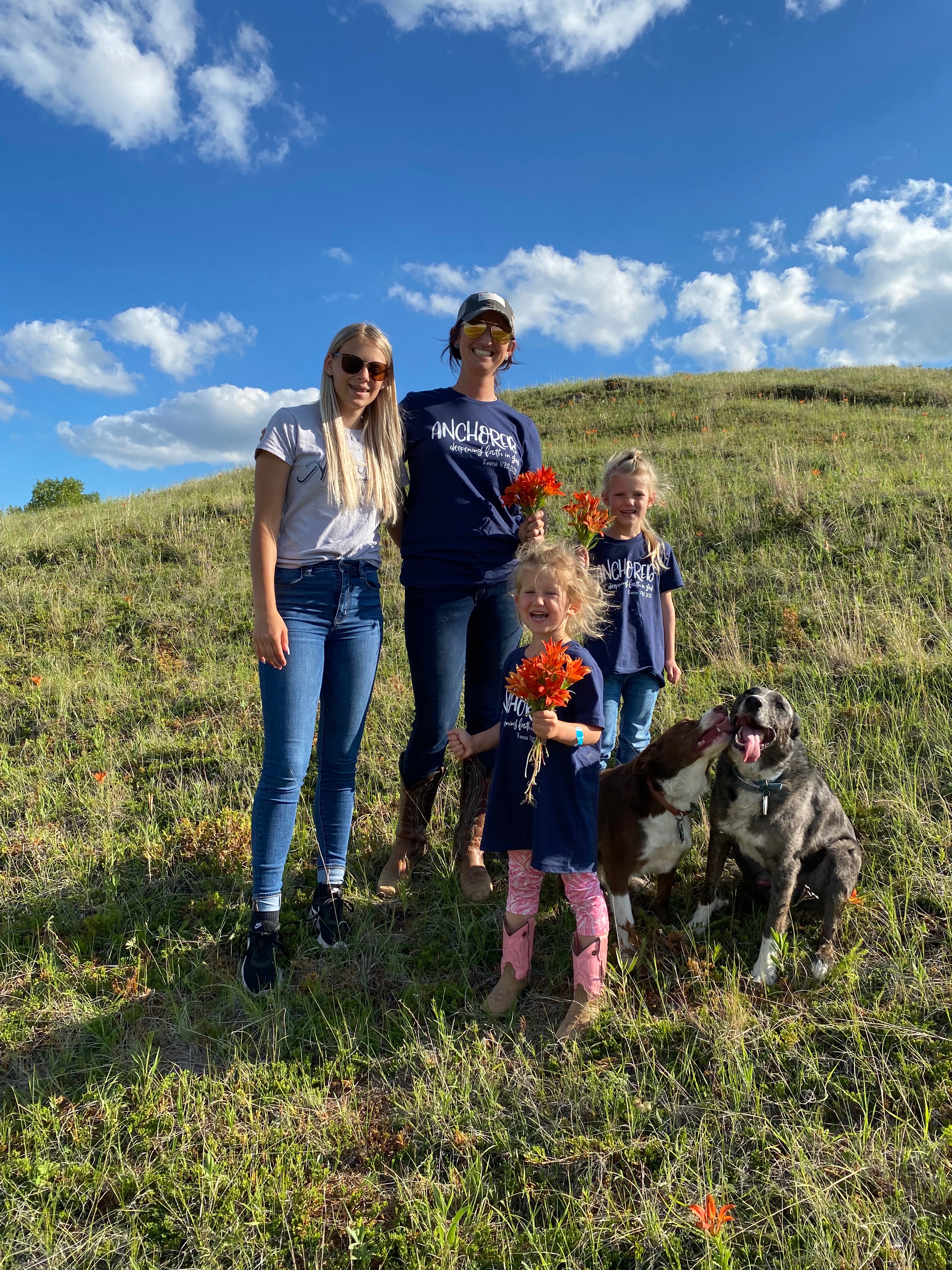
I took my girls to that tiger lily hill the other day to check out this year’s crop. On the way they were singing Bible school songs they just learned, doing the actions and repeating the lines over and not quite right the way little kids do in the cutest way.

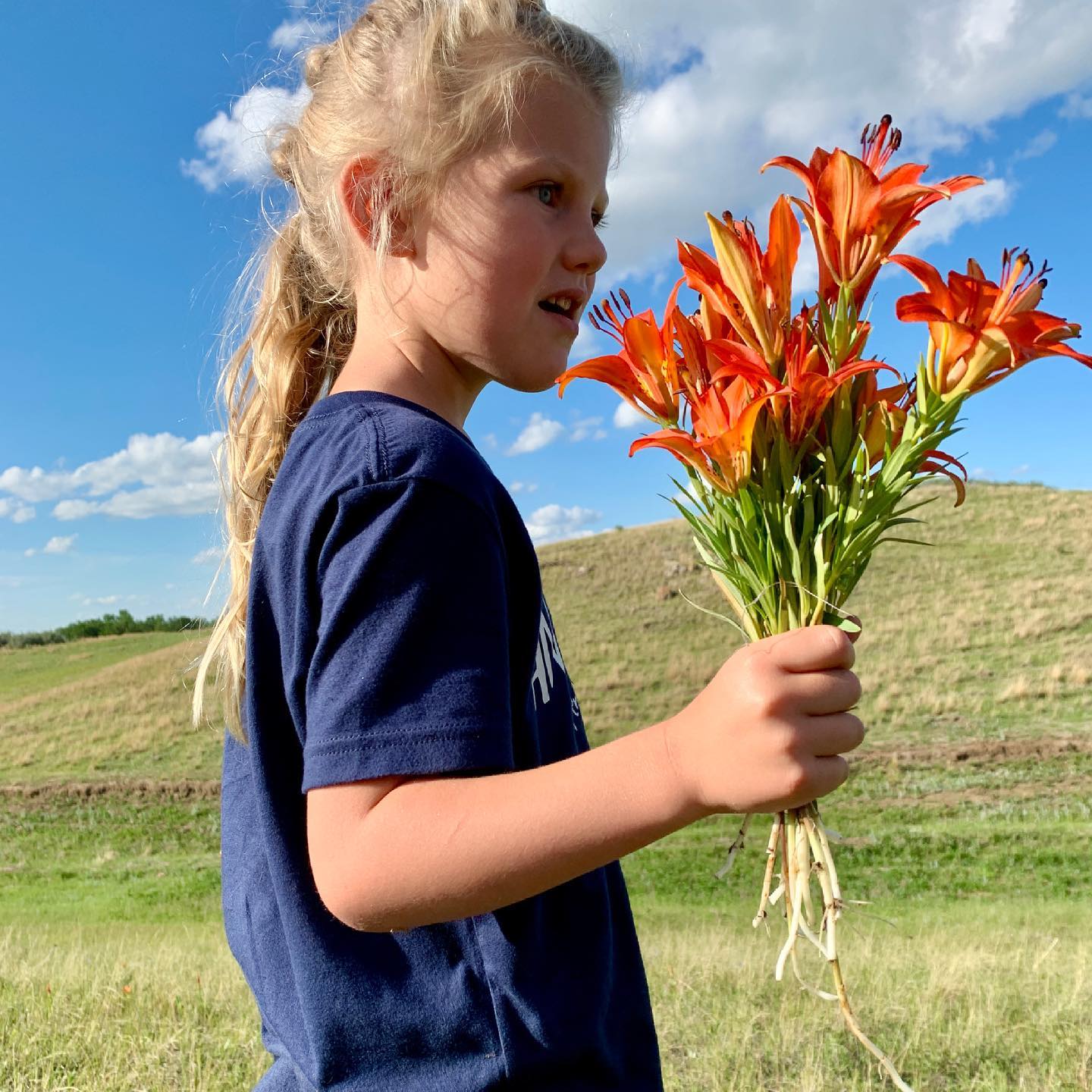
They had never seen a tiger lily before, and so it was a fun and easy Easter egg hunt, each girl grabbing up more than a handful of the flowers and thrilled with it all. With the familiar songs they were humming, and their sun-flushed cheeks and mosquito-bit arms, I couldn’t help but think: Now isn’t this the quintessential ranch summer?

I wonder what they will remember about being a little kid out in these hills. Do they feel as wild and free as I used to feel out here, enamored with the mystery of this place and how it can change so magically by the hour, the sun sinking down, turning the tips of the trees and grass and my daughters’ hair golden?

I hope so. I hope they feel as wild and beautiful and as loved as those lilies, because they are to me. My own little tiger lilies on the hilltop, growing before my eyes.

My favorite little flowers reminding us that there are perfect things in this world.