Dear Daughters:Make Lemonade

Before I share this week’s column I just want to send a heartfelt thank you to everyone who has reached out the past week with support and love regarding this recent development in my cancer story. Every word has been held closely to our hearts and we love you.

We are home now and packing for a family spring break trip and when we get back I’ll be headed straight to Rochester for 6 1/2 weeks of radiation with a small weekly dose of chemo for good measure. I have a place to stay there and a good doctor who says we have like a 95 percent chance of getting rid of it this go ‘round. So I’ll take those odds and I’ll cuss a little and head that way to do the thing with all your words of encouragement as my wings.

The following column I wrote on my phone in between scans and pokes and prods last week. I turned it in three minutes to deadline while the girls were at home with my parents and then Chad’s parents. Dealing with health issues and kids who are old enough to be worried is new for me. I hope I do right by them.

(Also, before I left, Chad put on a timer for three minutes and let them say as many and whatever cuss words they wanted in that time, which is probably not the best parenting choice, but I would highly recommend. In fact, I’m about to go do it myself…)

Anyways, here’s to zapping some tumors and being pissed and annoyed and grateful and worried and hopeful…and here’s my letter to my daughters.

Mayo Clinic

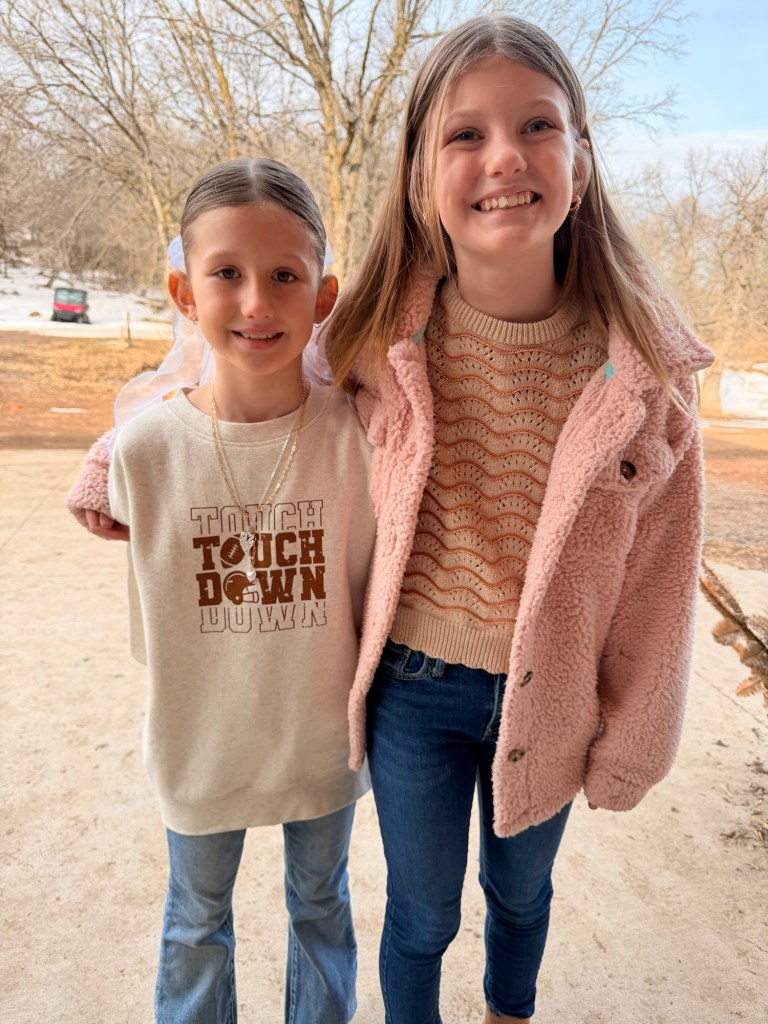
Dear Daughters,

I’m writing to you 694 miles away from the ranch, drinking coffee from a paper cup with your dad outside a big hospital. We drove all day yesterday to get here, or I should say, your dad drove all day while I managed what we were going to listen to, where we would stop to eat and how to get there. 

I’ve spent thousands of hours driving thousands of miles beside this man, for dozens of reasons. This reason, in particular, is so doctors can take pictures of the inside of my body to make a plan to get rid of cancer that has slowly crept back into our lives.

Yes, it’s in my body, but it affects our lives, your lives especially. It means that for a time I will have to be away, and I won’t get to drive you to school, or pick you up, or make you supper, or do your hair, or argue with you about bedtime and cleaning your rooms. And that’s hard for me and you, too.

But it’s all just temporary. A blip. And it gives you a chance to spend more time with your grandparents, who love you and want to help. And your aunts and uncles, too. And your dad, which will be fun, you’ll have him to yourself for a bit, even though he’ll probably make you do the laundry. You’ll make memories through this bump in our ordinary lives, and they will be good ones, even though I know you’re nervous.

This is what I’ve learned in my life — that good stuff comes from the hard stuff. Almost always the best stuff actually. And I want to say I’m sorry you have to learn it early, daughters, but actually I’m not. The earlier you can learn that life, no matter how much we’ve tried to make it comfortable and uncomplicated for you so far, eventually has a way of showing us we have limited control, and we need to manage what we have carefully.

What does that mean exactly? You’ve probably heard the phrase, “When life hands you lemons, make lemonade.” And that sounds cute, because lemons can be sweetened easily with sugar. But real life lemons vary in scope and scariness, like losing a friend or missing a buzzer-beating shot or failing a major test or crashing a car or getting sick or your mom having cancer.

But the lemonade part is the attitude you choose to keep at the forefront of your actions. And it’s also the people who love you and how you love them back in the hard times.

So here’s a real example of how you can make lemonade now, dear daughters, while I’m gone for a couple of months zapping this cancer: stand by your dad in the kitchen and let him teach you how to cook your favorite supper. Or pick a new recipe every week to try together. He will love to show you, and you will gain a new skill. Then break the rules and pile in the big bed together to sleep every night. Shoot more hoops together because it makes you happy, play more cards because it makes you laugh.

Or, when Nana is here, ask her to bring her sewing machine and make a fluffy pillow together. Or read your dragon book to her at night and ask for one more chapter.

Have Grandma Beth take you shopping, that’s her love language. Ask Papa Gene if you can help him feed cows and cut the twine with your little pocket knife.

But most importantly, I think, is to be helpful. Do the dishes without being asked, and turn the music up loud and sing while you do it. Learn to fold your laundry, and put it away. Take care of your pets, give the dogs more attention. Wipe the bathroom sink after you brush your teeth. Organize your drawers. Being helpful makes you feel useful and more brave and less scared. 

I know, I’ve been practicing it my whole life. I’m practicing it right now actually.

Dear daughters, in your life you will be the driver and the one who needs to be driven, and we are lucky to have people in our lives willing to take the wheel. Learn from them, let them love on you and be grateful.

It’s all gonna be in the rearview mirror soon, kids. And we’re going to be sweeter for it.
Make Art. It’s an Emergency.

“Make art now. It’s an emergency.”

I saw this sentiment come across my feed the other day and it made me pause for a minute. Art as an emergency? It shouldn’t make sense, but it does. Entirely. In fact, I wish I would have thought to put it as bluntly. 

Emergency indicates a frantic moment forward to fix something that is broken, but the process of making art and music is quite often slow and methodical, one that’s personal, meditative, trial and error and try again. To make a painting, for most of us, is not lucrative. To sing at the top of our lungs in the car or out in the hills with your kids makes us no money at all. Dancing in the kitchen, you may argue, is not going to save a life. 

But could it? 

Recently I received confirmation the cancer that was cut out of my airway over five years ago has slowly crept back, this time on the outside of my esophagus. After a month or so in the weird and worried place of not really knowing what it all means, I’ve learned that it’s time to head back to Mayo clinic to handle it. After some testing and intake in Rochester this week, I’ll be there for six weeks of radiation treatment and a low dose of once-a-week chemo. We’ve been keeping an eye on this, it’s treatable and I’m going to be fine, but ugh. It’s annoying. 

Is that a word anyone uses for a cancer diagnosis? I don’t know, but I think I’m grateful for it. To be annoyed means I’m not in imminent danger, or in pain. It just means I’m inconvenienced.

But let me tell you the worst part about a reoccurring cancer diagnosis for me (and maybe some of you who have found yourselves in similar situations can agree) it’s hands down sharing the news with the people who love and worry about you. 

I hate it. I don’t want to be the reason anyone worries. That’s a big one for me. Don’t worry. Don’t worry about me. There’s that part. 

And I don’t want to be away from them. 

That’s the other one.

But what you want in times like these doesn’t matter. You do what you have to do and then you get called brave, even though brave indicates a choice. There’s no choice. There’s just the next step. 

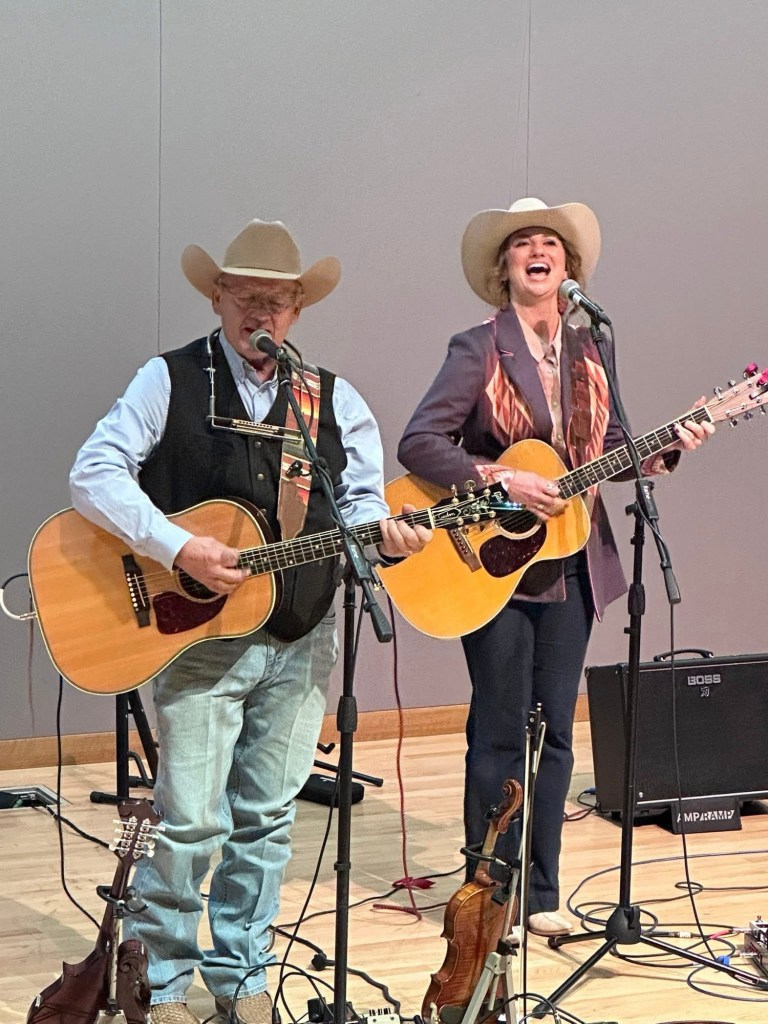
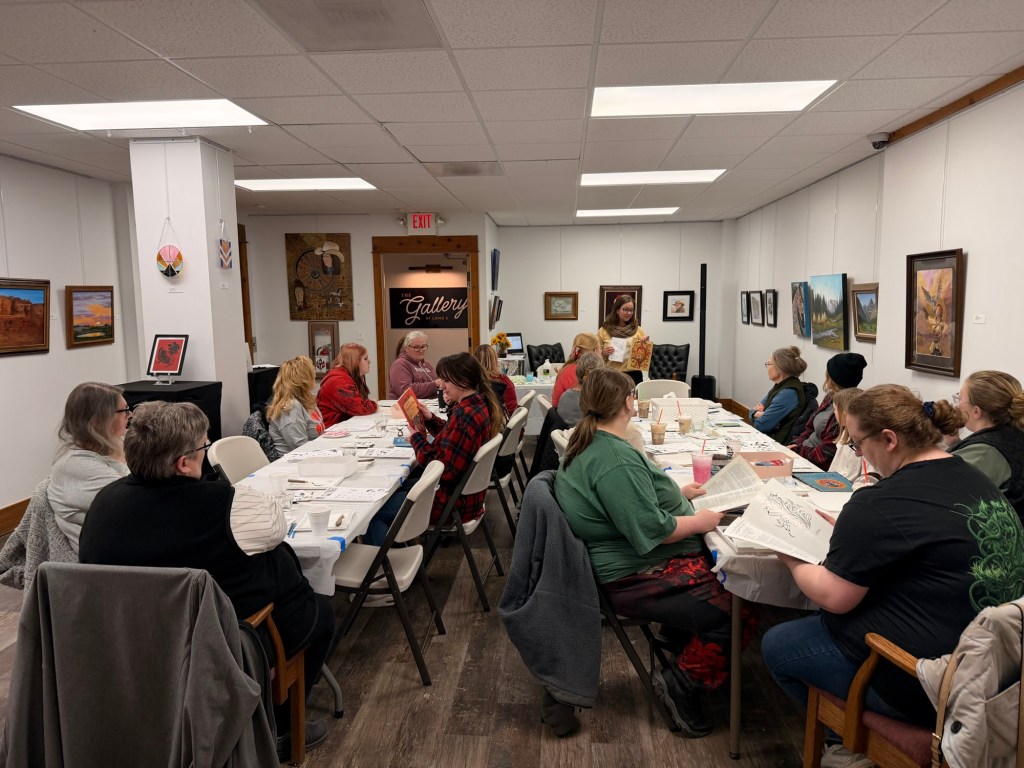
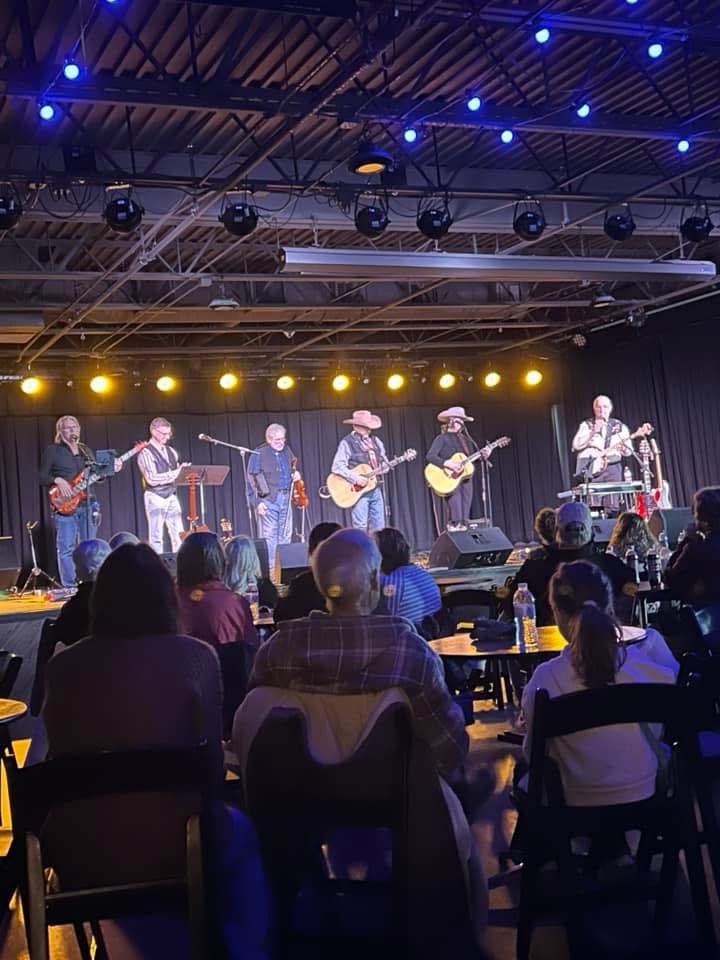
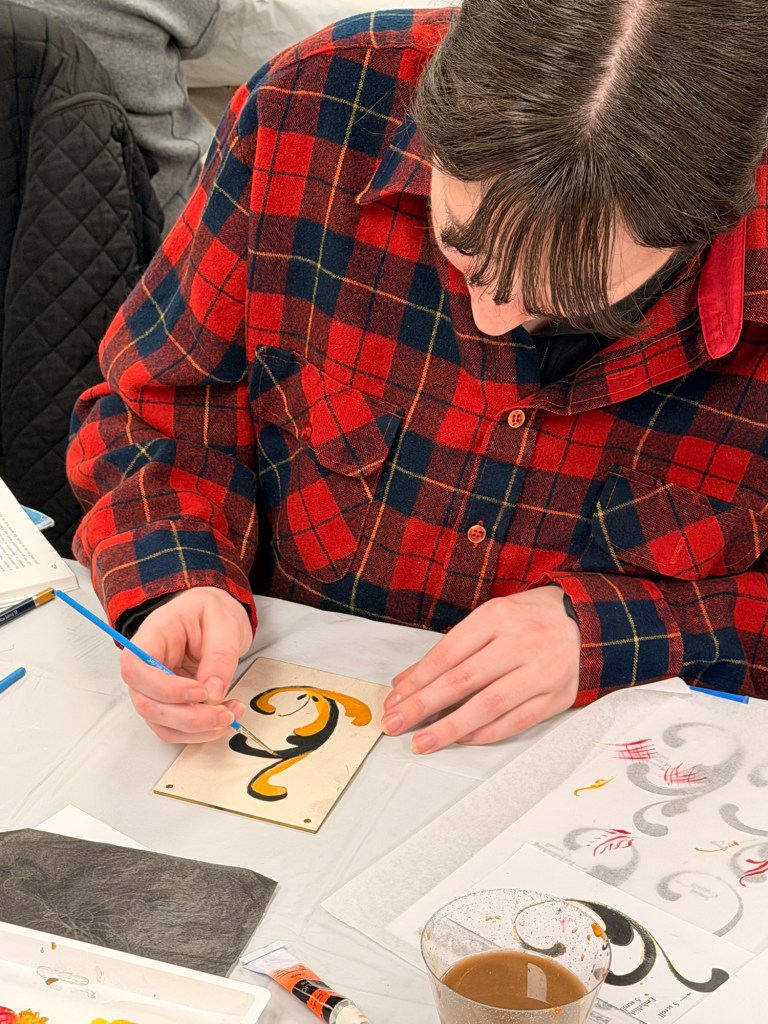
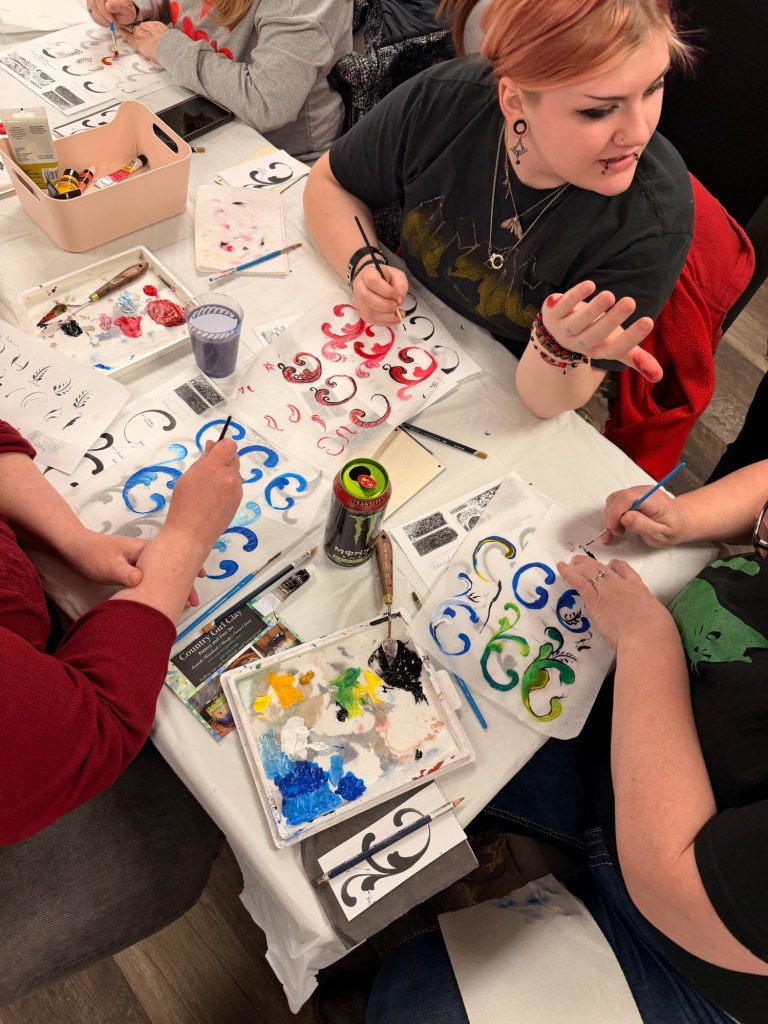
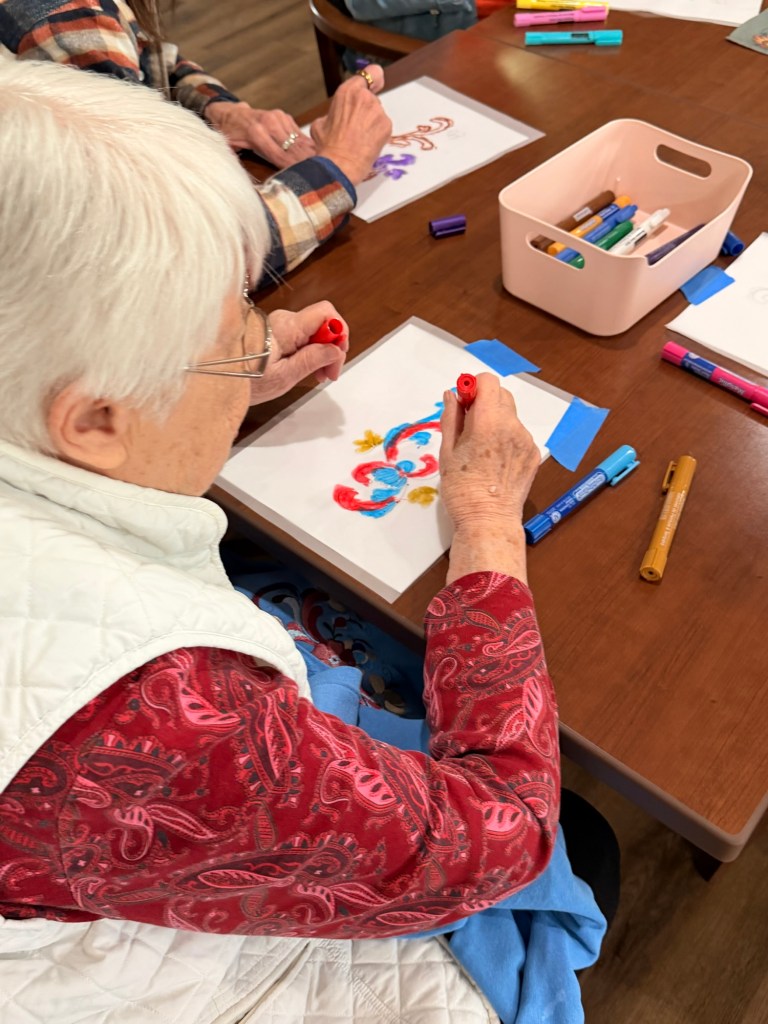
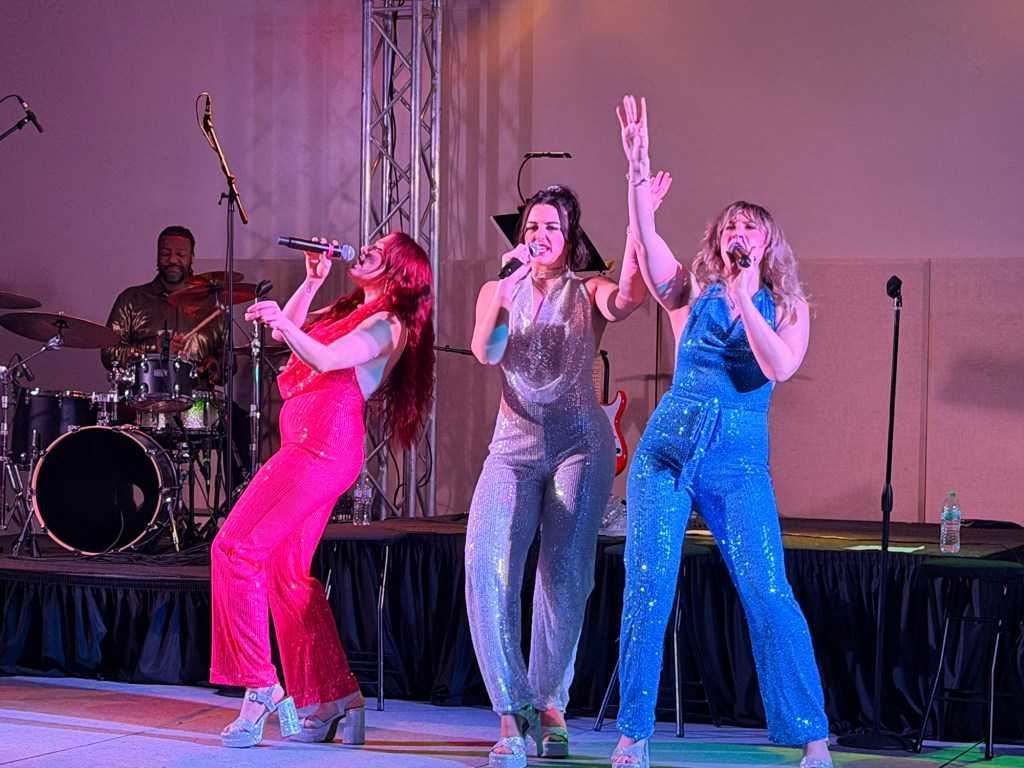
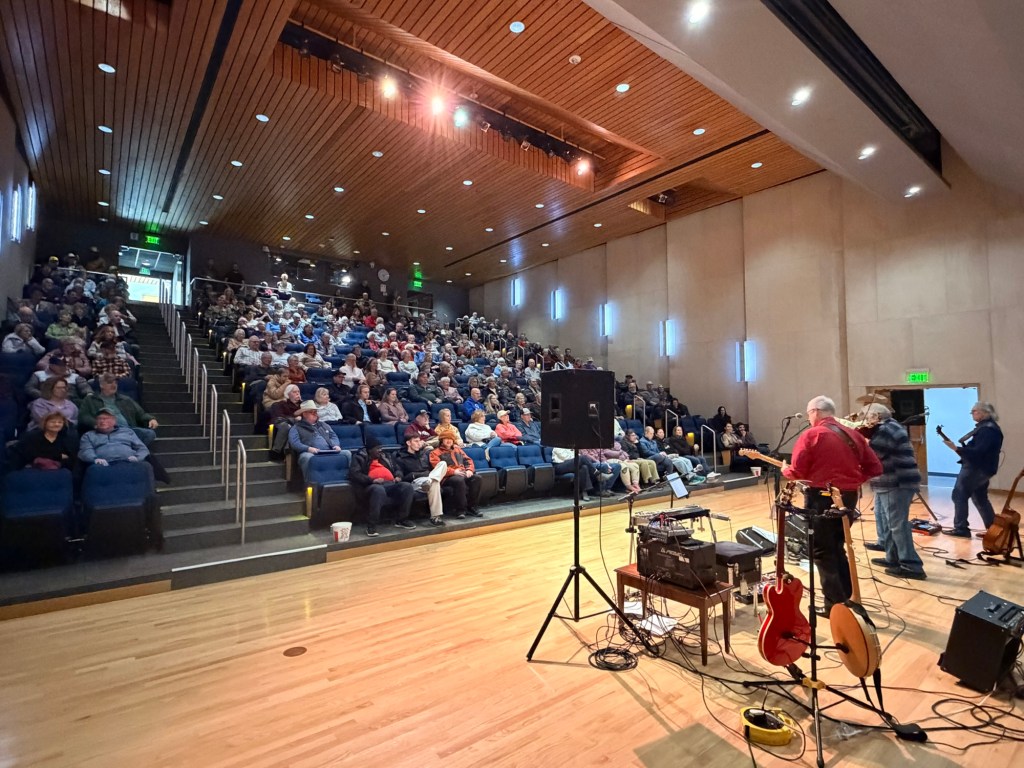
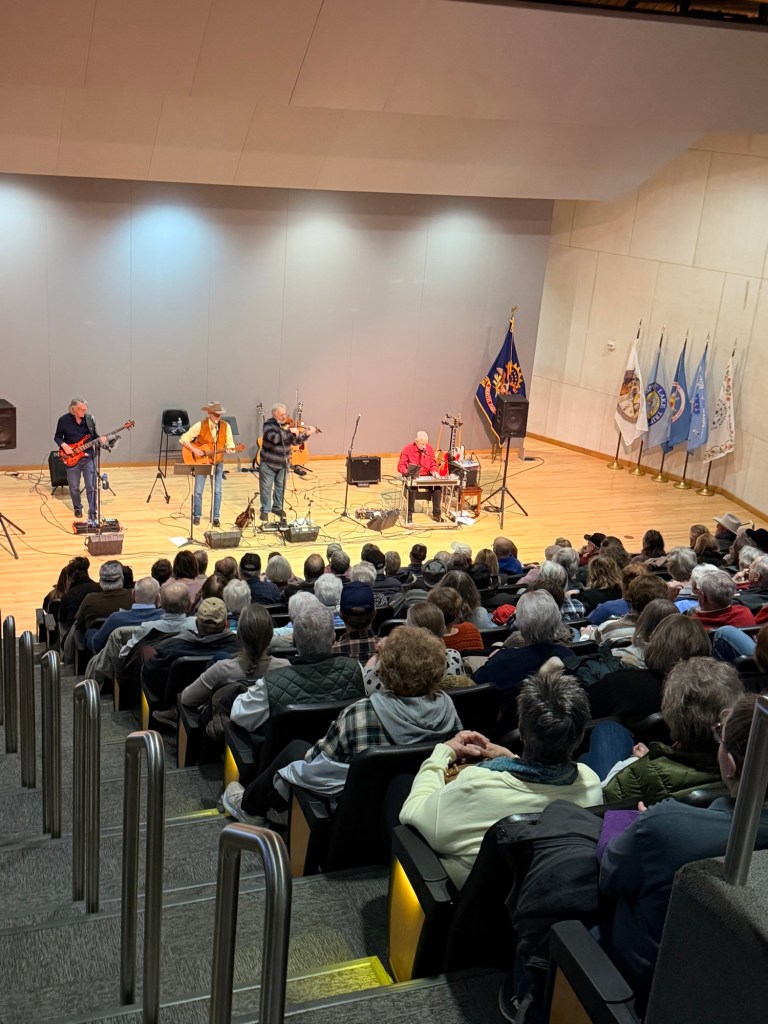
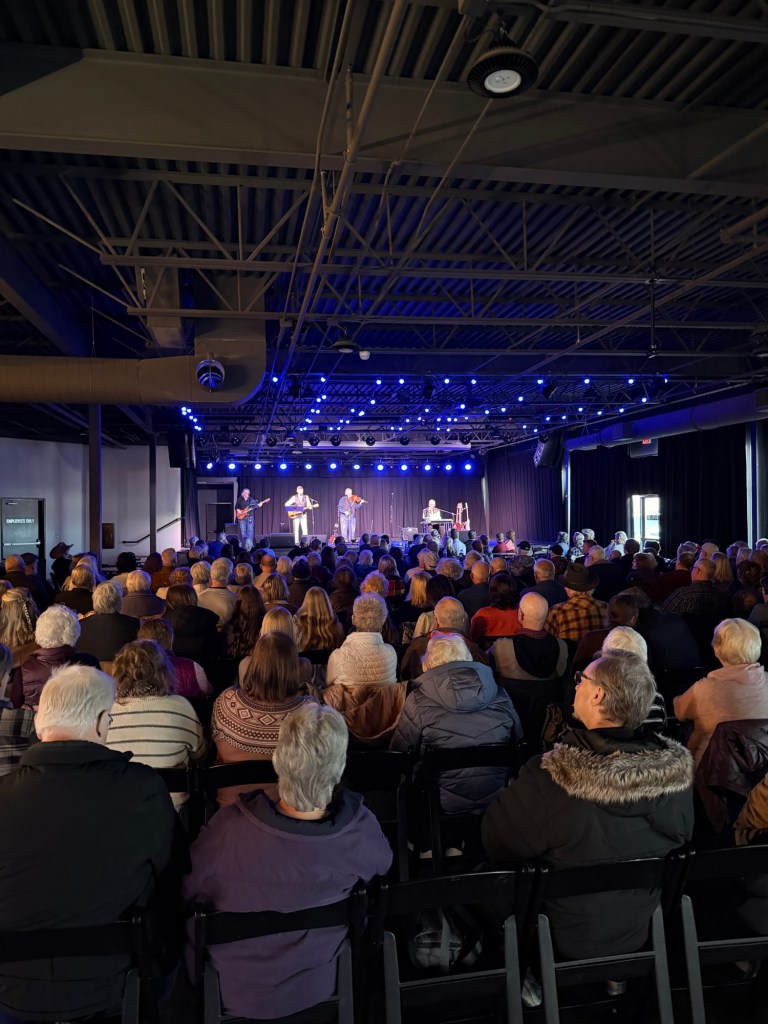
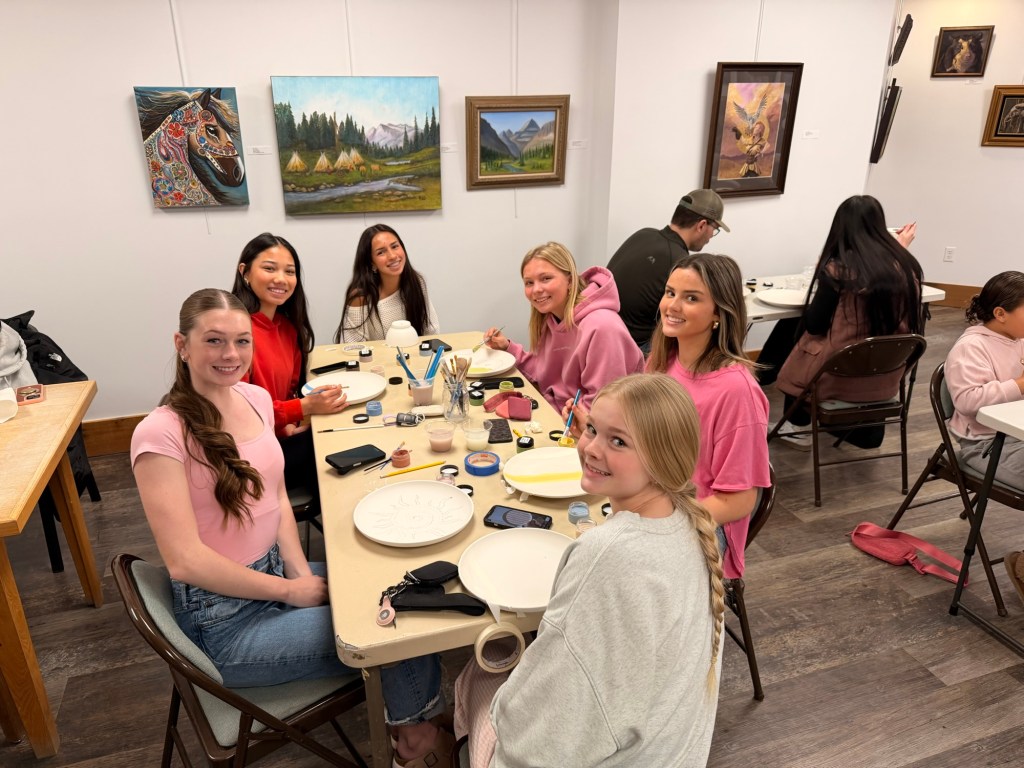
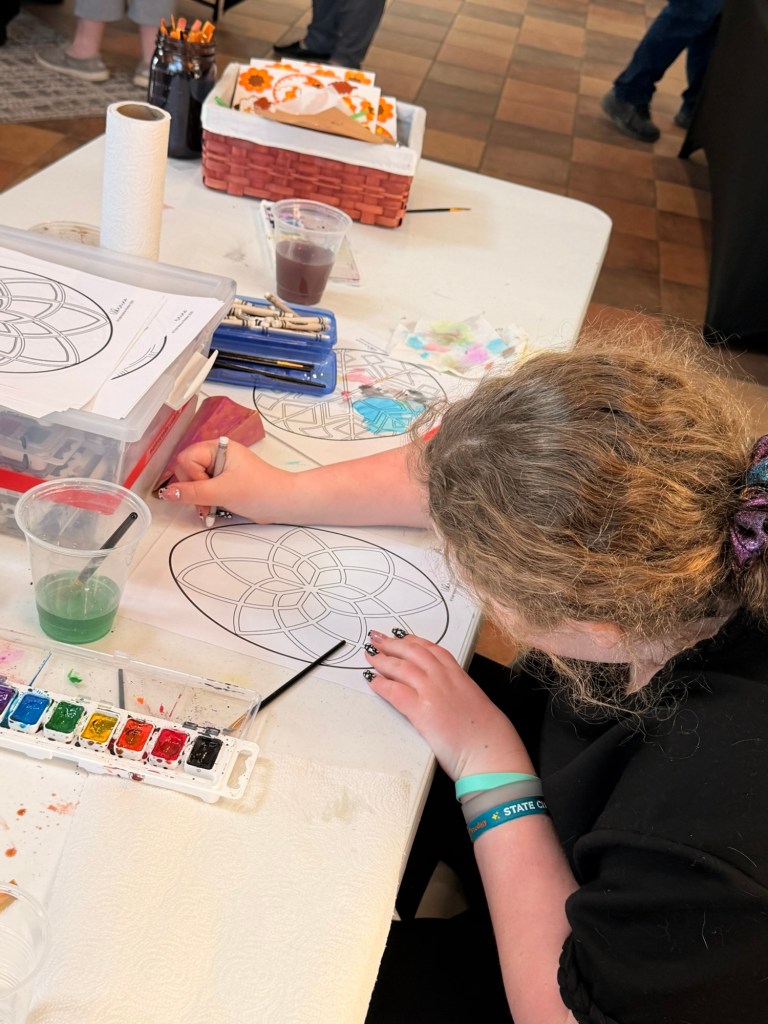
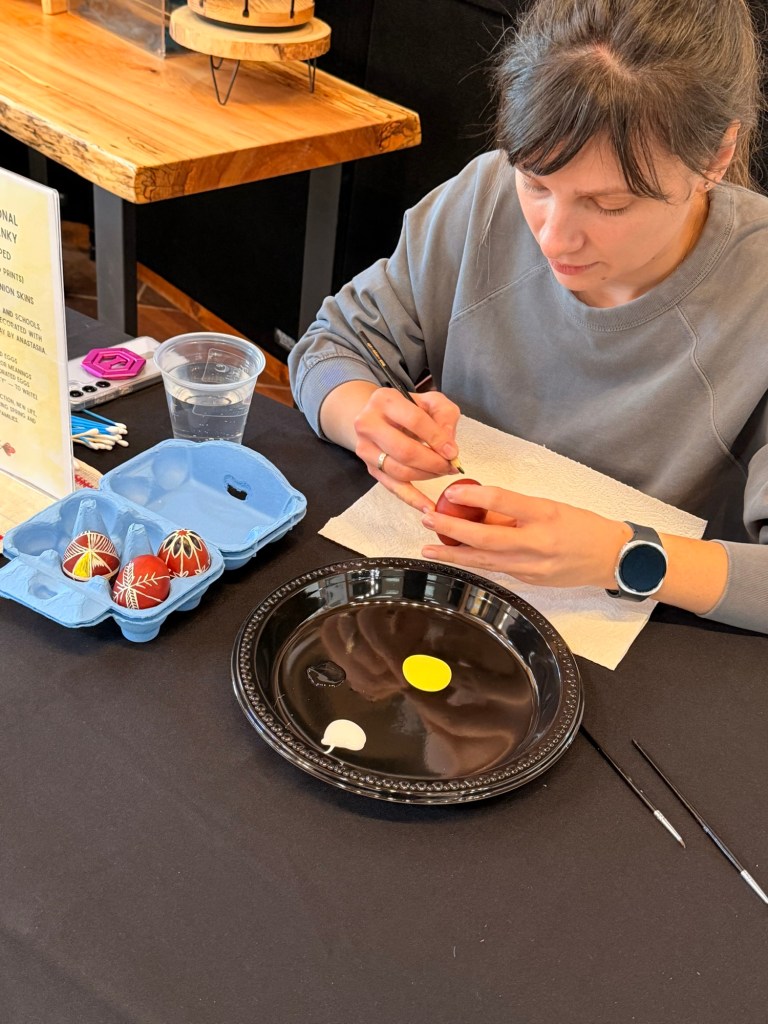
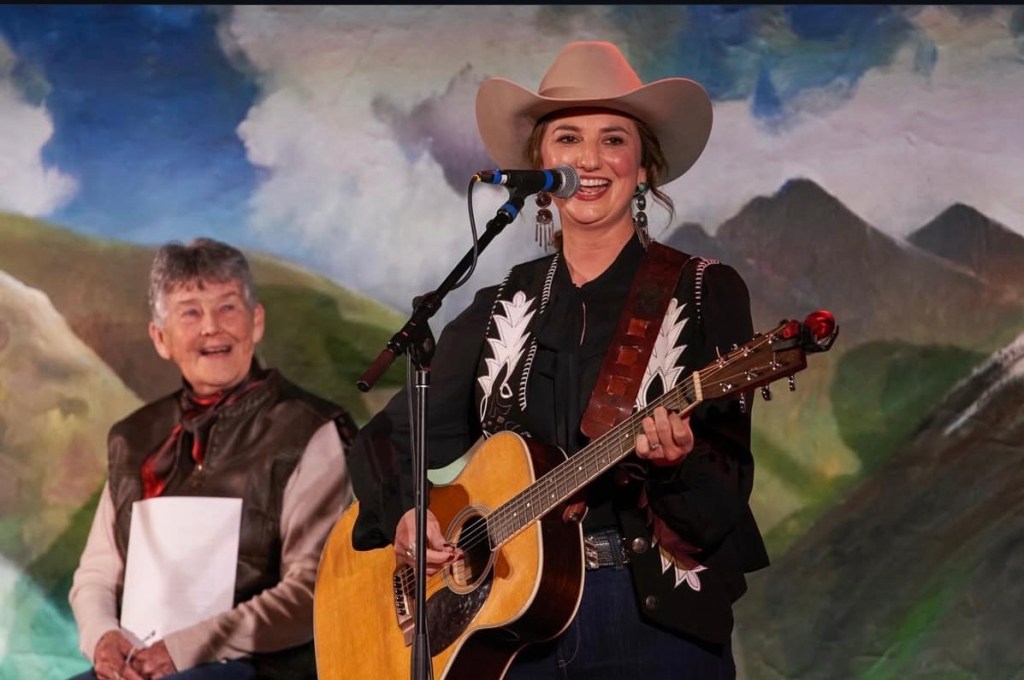
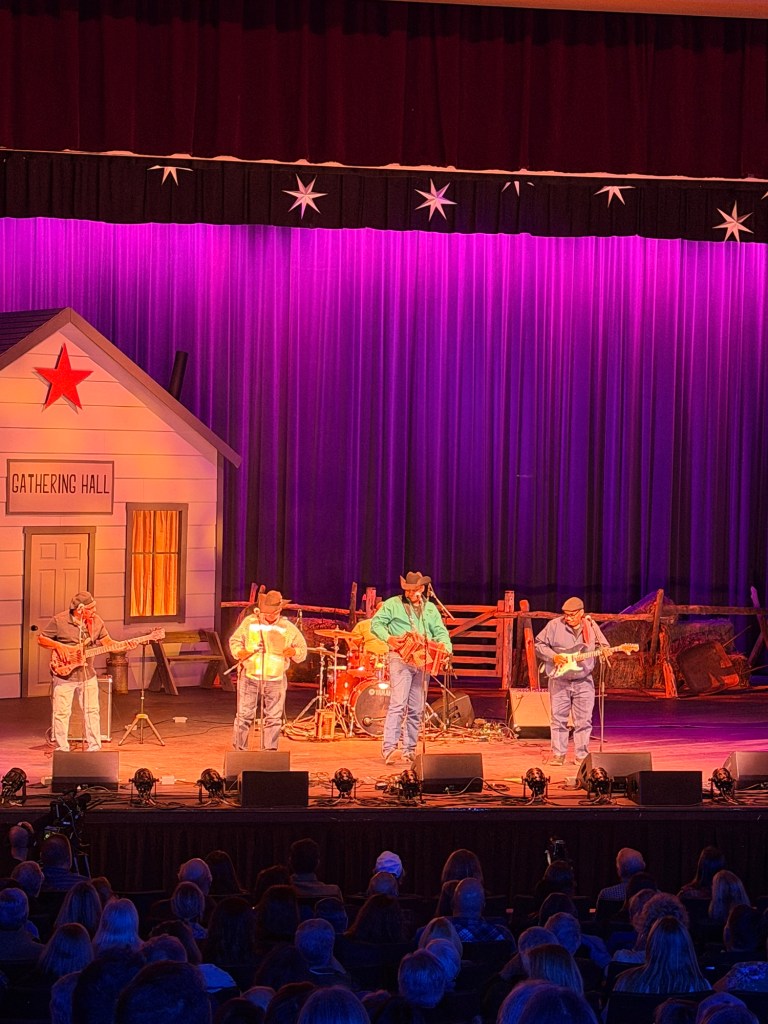
Which brings me to the art. I’ve spent most of my career working to figure out how to bring more of it to rooms of people in rural communities. And over the course of six months or so I’ve seen that vision really blossom in the work we’re doing with our arts foundation. And I’ve felt it more profoundly on the stages on which I have been so fortunate to stand and sing. The rooms have been full, every seat in the crowd there waiting to listen, to tap their toes, to feel connected to something. Every chair sat behind an easel waiting for instruction, or body hovered over a paint pallet looking to create, is there to make something that wasn’t there before. Not for money. Not for acclaim. Not for anything but the learning, the sitting together, the laughing, the making. 

What is that?

 What brings people out of their homes or out of the everyday tasks of being human to create or witness art? And why is it hard to explain? Maybe because it’s primal? Like, we weren’t born to live behind computer screens, or to move eighty-miles-per-hour down a four-lane highway for hours a day. We weren’t born to know tax structure or the best product made to clean our floors. But turn on some music and watch a baby start to wiggle. Give a toddler a brush and watch her create circles. Grab your husband’s hands and he might just spin you around. Sing “You are my Sunshine” to your ailing grandmother and watch her toes tap and her lips move to sing along.

I told my kids the news the other day. They cried a bit because cancer is scary. I told them I was going to be just fine, but daddy might make them do the laundry when I’m gone. I showed them my muscles; they showed me theirs and then hit the ground to do some pushups. They can do more than me. Way more.  

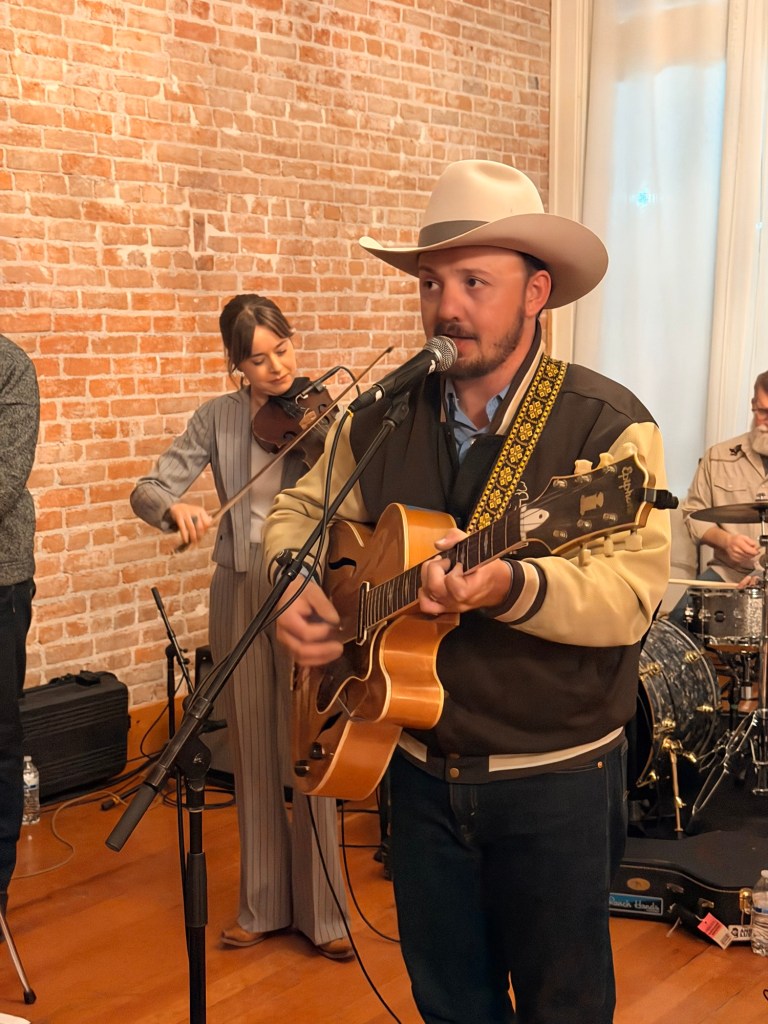
After school, they asked me if it was still ok to feel happy. It hadn’t occurred to me that I needed to give them that permission, but now I know. We turned up the music loud on the way home, they sang the National Anthem at the top of their lungs in the kitchen while I made supper. They sit at the table and draw pictures of aliens and unicorns and a girl on a hill with long black hair. They dance down the hallway with the music on blast on the way to bed. I sit behind my guitar in the dark when they’re sleeping and things I didn’t know I had to say come out of my mouth in a song. 

We lose this instinct, and we lose ourselves in the sorrow and callouses that living creates.  We can’t let it happen. It’s an emergency.

Snow on the backs of horses

It’s March now, and I feel the chilled surrender that January brings start to break up and separate inside of me, even as I stand under a gray sky that blends into the horizon as if it weren’t a sky at all but a continuation of the snowy landscape…below us, above us…surrounding us.

Flakes fell from that sky yesterday afternoon, big and soft and gentle they drifted down to the icy earth and coaxed me from behind my windows to come outside and stick out my tongue.

When the snow falls like this, not sideways or blowing or whipping at our faces, but peaceful and steady and quiet, it’s a small gift. I feel like I’m tucked into the mountains instead of exposed and vulnerable on the prairie. I feel like, even in the final days before March, that someone has shaken the snow globe just the right amount to calm me down and give me some hope for warmer weather.

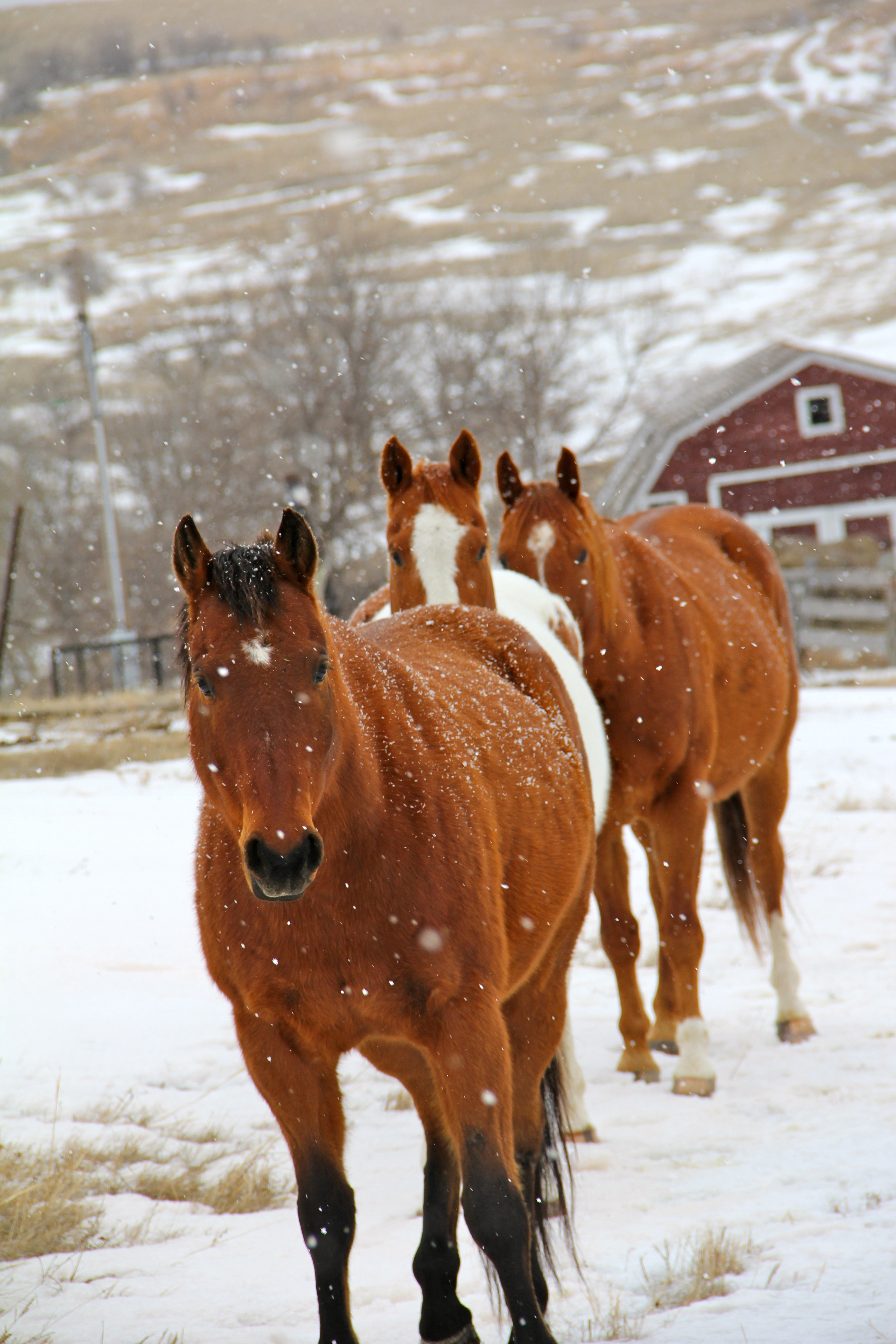
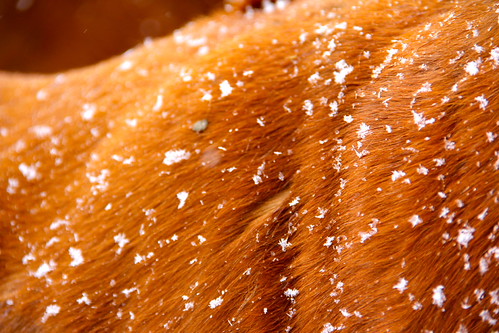
When the snow falls like this, I go look for the horses. I want to see what those flakes look like as they settle on their warm backs, on their soft muzzles and furry ears. I trudge to the barnyard or to the fields and wait for them to spot me, watching as they move toward that figure in a knit cap and boots to her knees, an irregular dot on a landscape they know by heart.

I know what they want as they stick their noses in my pockets, sniff and fight for the first spot in line next to me. I know they want a scratch between their ears.

I know they want a bite of grain.
They know I can get it for them.
Our horses in the winter take on a completely different persona. The extra layer of fur they grow to protect them from the weather makes them appear less regal and more approachable.

Softer.

I like to take off my mitten and run my fingers through that wool, rubbing them down to the skin underneath where they keep the smell of clover and the warmth of the afternoon sun. I like to put my face up to their velvet noses and look into those eyes and wonder if they miss the green grass as much as I do.

On this snowy, gray, almost March afternoon the horses are my closest link to an inevitable summer that doesn’t seem so inevitable under this knit hat, under this colorless sky.

I lead them to the grain bin and open the door, shoveling out scoops of grain onto the frozen ground. They argue over whose pile is whose, nipping a bit and moving from spot to spot like a living carrousel. I talk to  them, “whoah boys, easy” and walk away from the herd with an extra scoop for the gelding who gets bullied, his head bobbing and snorting behind me.

In a month or so the ground will thaw and the fur on the back of these animals will let loose and shake off, revealing the slick and silky coat of chestnut, white, deep brown, gold and black underneath. We will brush them off, untangle their manes, check their feet and climb on their backs and those four legs will carry us over the hills and down in the draws and to the fields where we will watch for elk or deer or stray cattle as the sun sinks below the horizon.

I move my hand across the mare’s back, clearing away the snowflakes that have settled in her long hair and I rest my cheek there, breathing in the scent of hay and dust and warmer days.

She’s settled into chewing now, his head low and hovering above the pile of grain I placed before him. He’s calm and steady so I can linger there for a moment and wonder if he tastes summer in the grain the same way I smell it in her skin.

My farewell to winter is long, lingering and ceremonious.

But it has begun. At last, it has begun.