The hair! The hair! The (graying) hair!

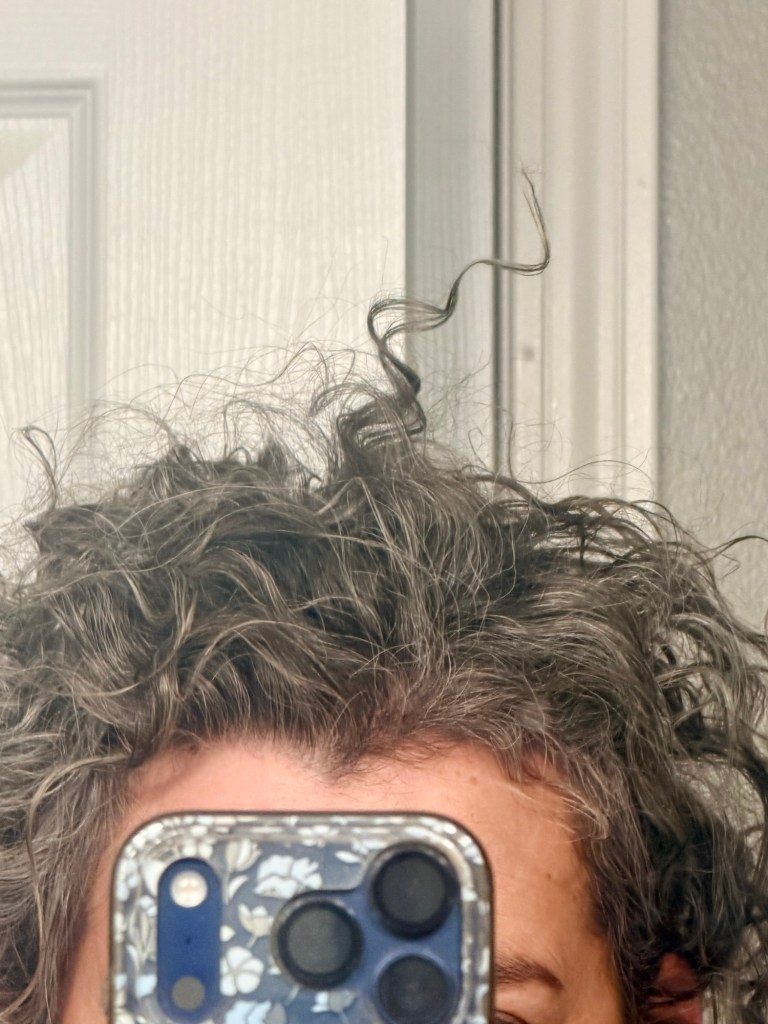
My hair is turning gray. 

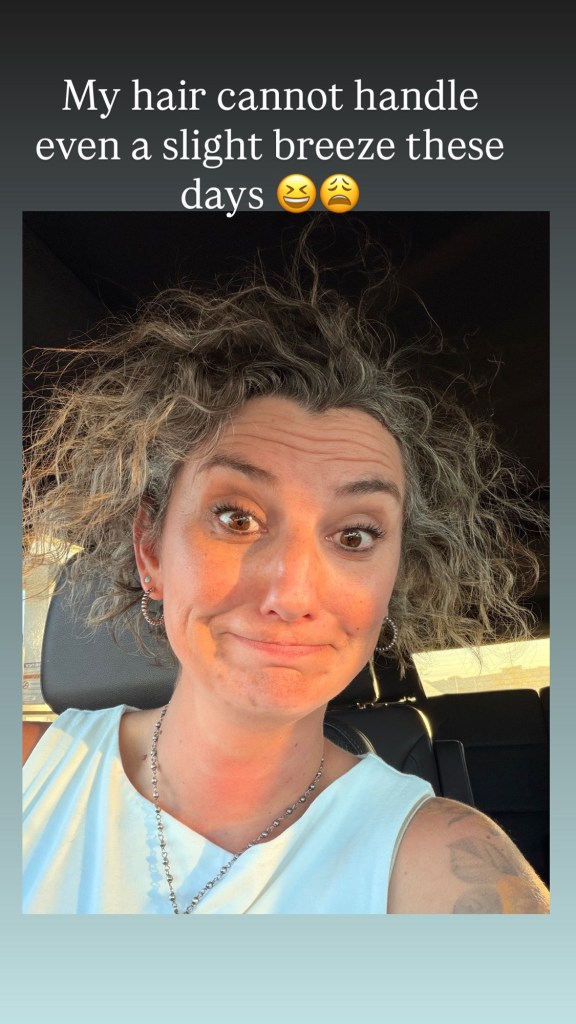
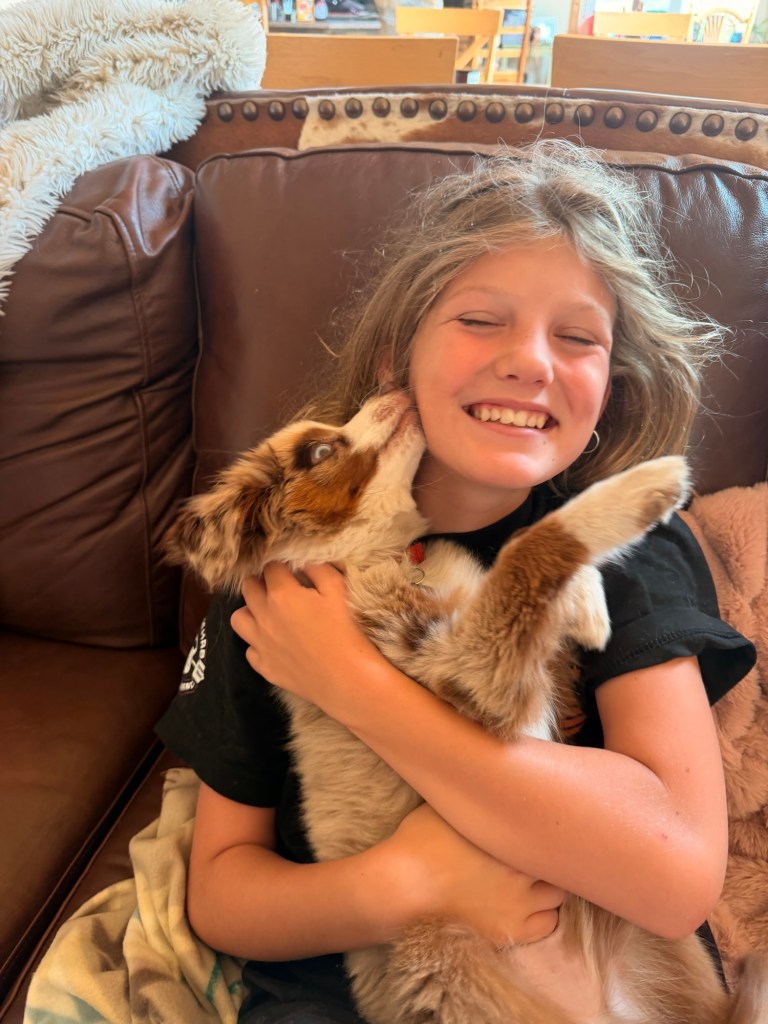
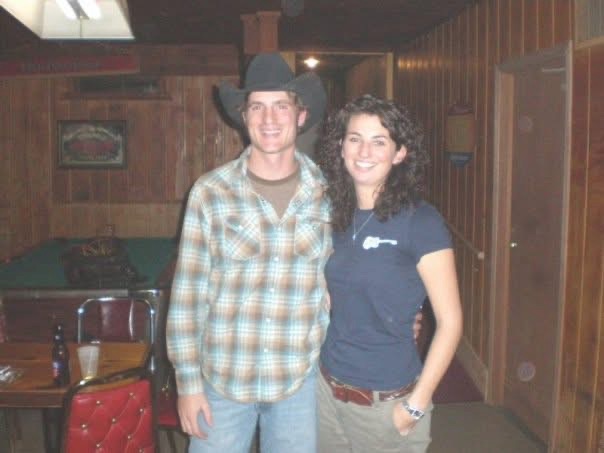
Well, it’s been turning gray since my late twenties, but now I seem to be shocking people with it. To be fair, when I left for chemo treatment in the spring, my hair was long and dark, with some nicely managed sparkles of gray here and there. When I returned home six weeks later, it was short, thin, wild and, yeah, pretty dang gray. It was a drastic transition, one that I decided to roll with because what’s the point of dying hair that was coming out in clumps. 

“Woah, your hair!” is the first thing out of about everyone’s mouth when they haven’t seen me in a while. “Woah, my hair!” is the first thing out of my mouth every morning when I wake up to find it standing on end and reminding me, along with my aching neck and stiff ankle, that I am fluffy, but not in a spring chicken sort of way. 

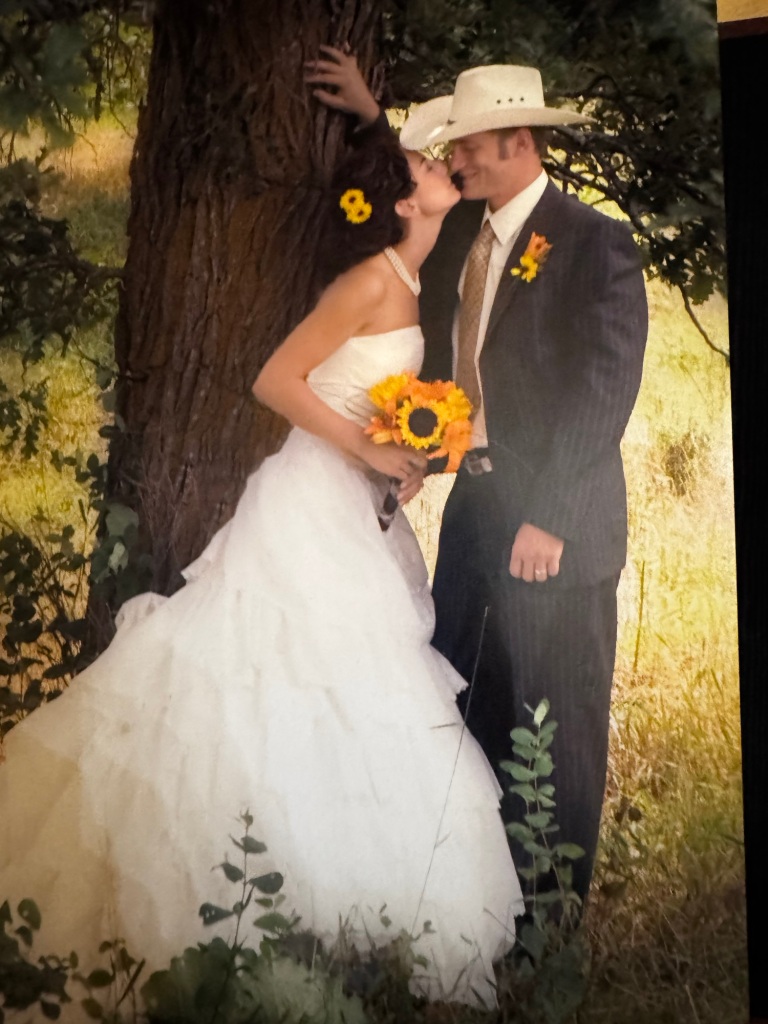
Before chemo
After chemo

When I first moved back to my family’s ranch in my late twenties, I remember writing a piece on my blog about how I intended on aging out on the ranch gracefully and graciously. I was going to continue to wear my red wedding boots as long as I lived and let my hair grow out wild and free and as silver as it needed to be. There were other things on that list–like I promised to always make time to pick crocuses and bury my face in the mane of a horse and remember that it’s not about how you look, it’s about how you live. And that’s easy for a twenty-something to say I suppose, although I want to believe her. 
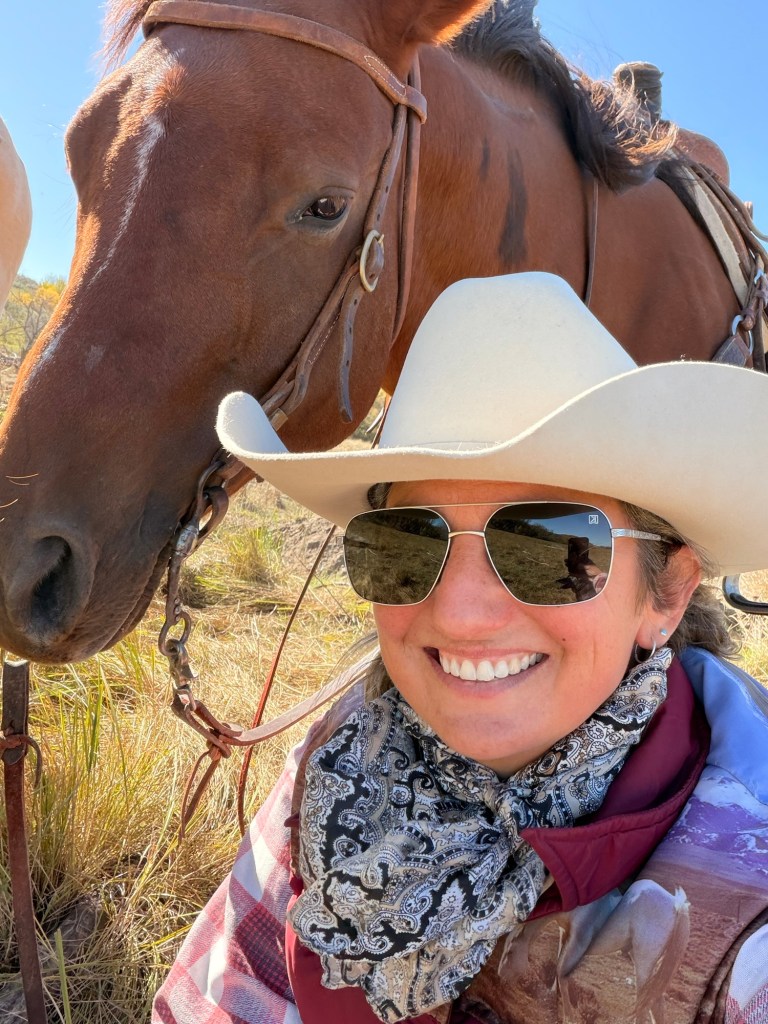
But that twenty-something didn’t know that her feet were going to grow a half a size with each baby. And she didn’t have an Instagram feed yet, not to mention one that’s constantly telling her that, at 43, there are a lot of cracks to be repaired and bumps to smooth out and plenty of money to spend in order to make you feel worth looking at. I have a couple of cosmetic shelves that prove they’ve convinced…

“I love your hair! I wish I could do that with mine!”  It’s something that has been said to me over the course of the last several months, but it’s also something I’ve said to other silver-haired women over the years, wondering if I’d ever be brave enough myself to just let it go, the way the twenty-something version of myself promised I would. 

Brave seems like a dumb word for this whole thing, but I’m keeping it in. My husband has been encouraging me to just let the gray fly for a few years now, reminding me that it’s no secret that people get older. Hair dye can only do so much work, he says. But could he really understand why the gray-haired thing is such a hard thing for many women? His beard turns gray and the world calls it sexy and distinguished (and I agree).
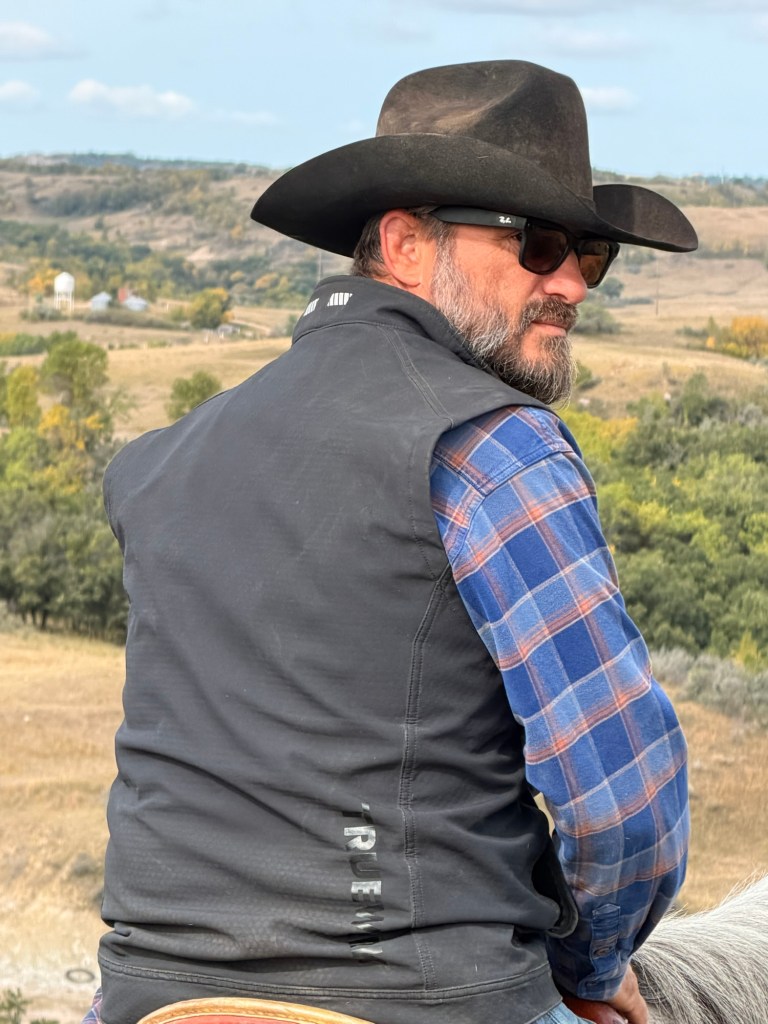
My hair turns gray and the world wonders why I let myself go.  I mean, women have been taught to fight against showing our age so ferociously that multiple million (billion?) dollar industries are built upon the very concept. I’m 43 and I’ve had forehead wrinkles and laugh lines pretty much since birth because when I talk, laugh, cry, sleep or breath in this world, I use my entire face, but never in my entire life have I ever been so aware of my face. Want to prevent wrinkles? Stop existing. 

It’s exhausting. 

I mean, I have better things to worry about—family and land stewardship and community and creative endeavors that fuel me. And for every ten-thousand anti-wrinkle and anti-mom-pouch messages out there, there are like one hundred women screaming into the void telling us to just chill, you are more than your body. 

And they’re right. But I was a girl the 90s and what was done to us then is not so easily undone. What they’re doing to us these days? Oof. And I’m a woman now and, dang it, is it wrong to admit I want to feel beautiful in this world, while simultaneously worrying about more important things.

I guess what I’m trying to say here is that what we’re being sold as beautiful these days is not only such a complete and utter fabrication, it’s missing the whole point. Glass smooth skin and thick hair to our butts and thighs that don’t touch, the chokehold it can have on someone like me, a grown woman who knows better, makes me terrified for our daughters. 
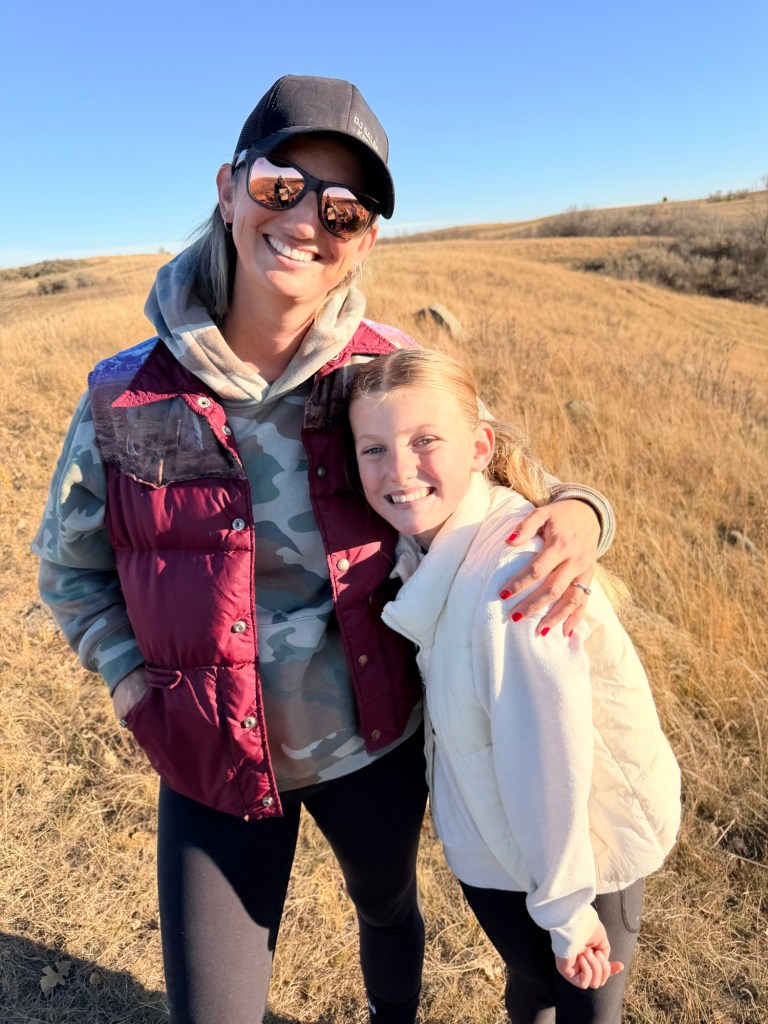
If you were to ask me what I think is beautiful in a woman, I wouldn’t name one of those things. If you were to ask me what I like about myself, none of those things would come up either, for better or for worse. 

But I’ve always liked my hair well enough, although the relationship has shifted as I’ve let the gray show. Now I’m on shaky ground…

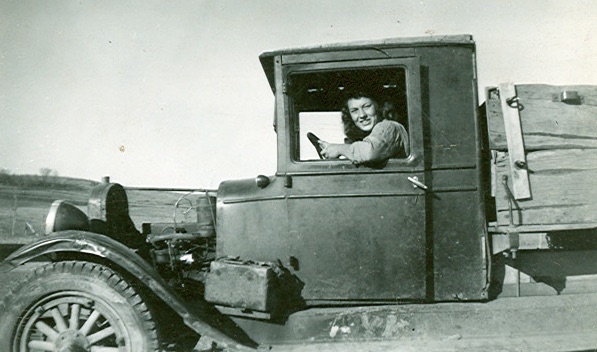
Because one of the most stunning women I have ever known is my grandma Edie, with silver hair and thick thighs and a laugh that lit up an entire county. I knew her mostly in cattlewomen t-shirts and jeans, or in her gardening shorts. Sometimes she wore pink lipstick and she became a queen. 

I wonder what my daughters would say if I asked them about beautiful women…
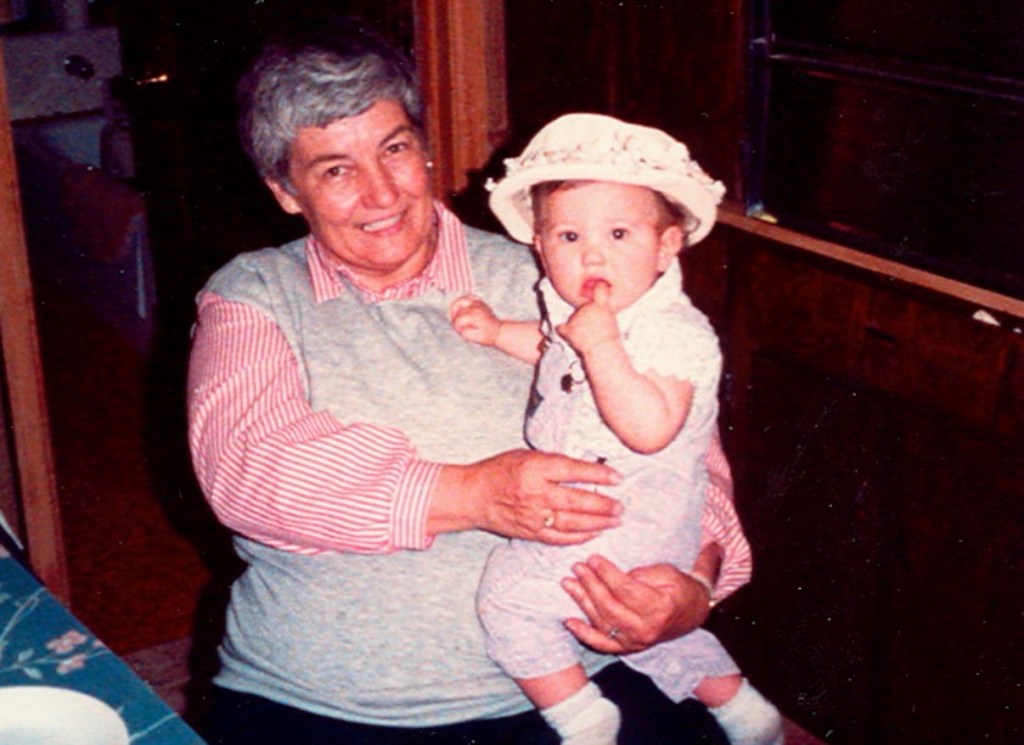
My grandma holding me

Maybe what I’m trying to say here is that I don’t want them to live in a world where letting their hair just be their dang hair is considered brave. I want them to exist beautifully without placing such a heavy amount of weight on a laugh line or a tan line. That weight can be saved for what they carry in a community. The bravery should be saved for that very same thing too. 

And then their hair! Their hair! Their hair can just be their beautiful hair.  
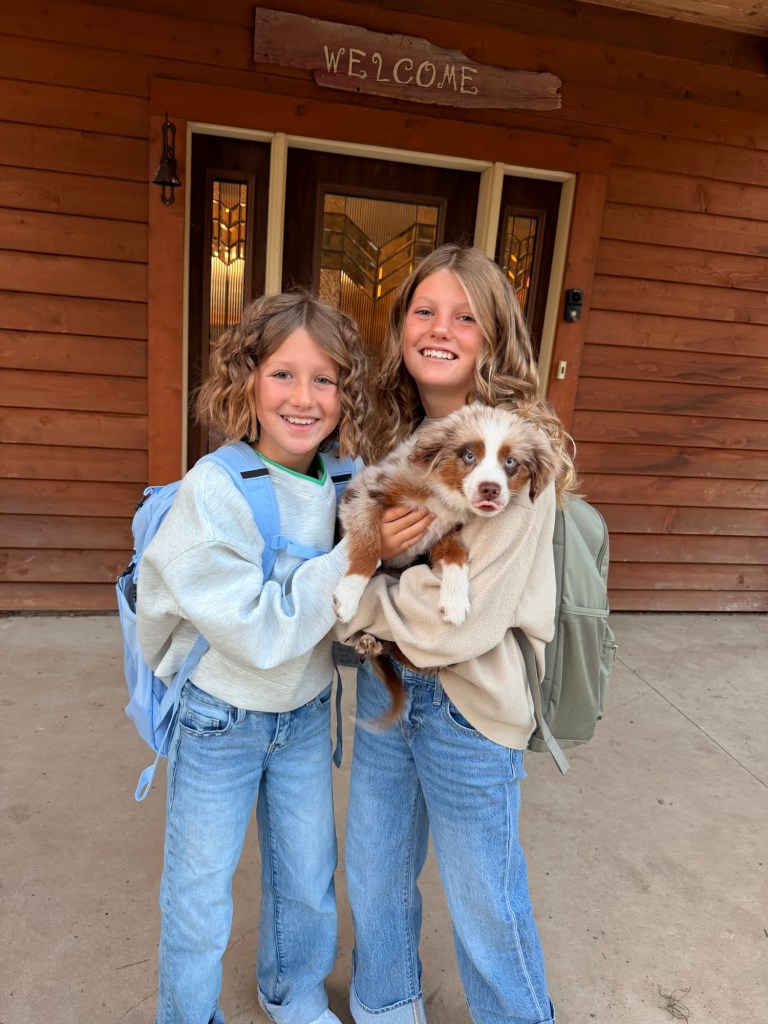
Come sit at my kitchen counter

Come sit at my kitchen counter and I will tell you everything. 

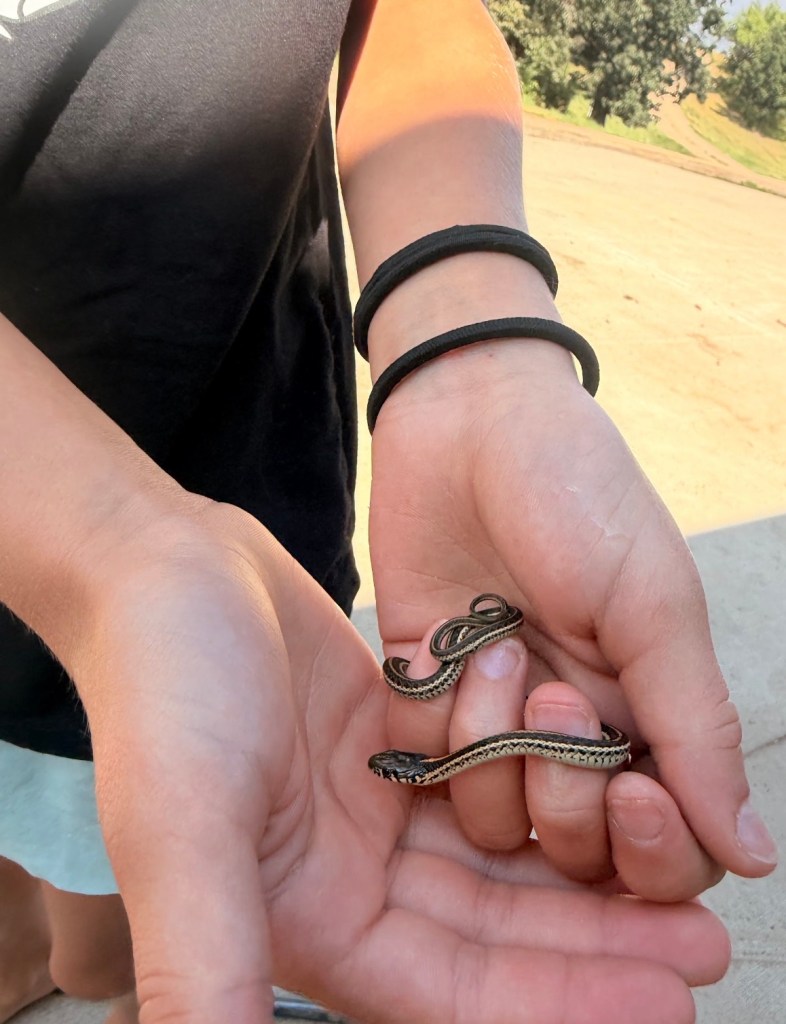
It will be messy, and I will have to clear a space for your drink glass, maybe wipe this morning’s crumbs away, or scrub the jelly so it doesn’t stick to your forearms as you lean in and ask how things are going. Come in and sit at my kitchen counter and I will tell you how Rosie caught a little garter snake this morning and is out collecting rocks and sticks for its Tupper Wear habitat. The cousins just pulled in the driveway in their little ATV they call “The Red Aamodt.”  Edie has been sleeping in like a teenager. School starts tomorrow and we are not ready.  Don’t mind the drill sitting on the seat next to you, Chad’s still finishing up the deck. 

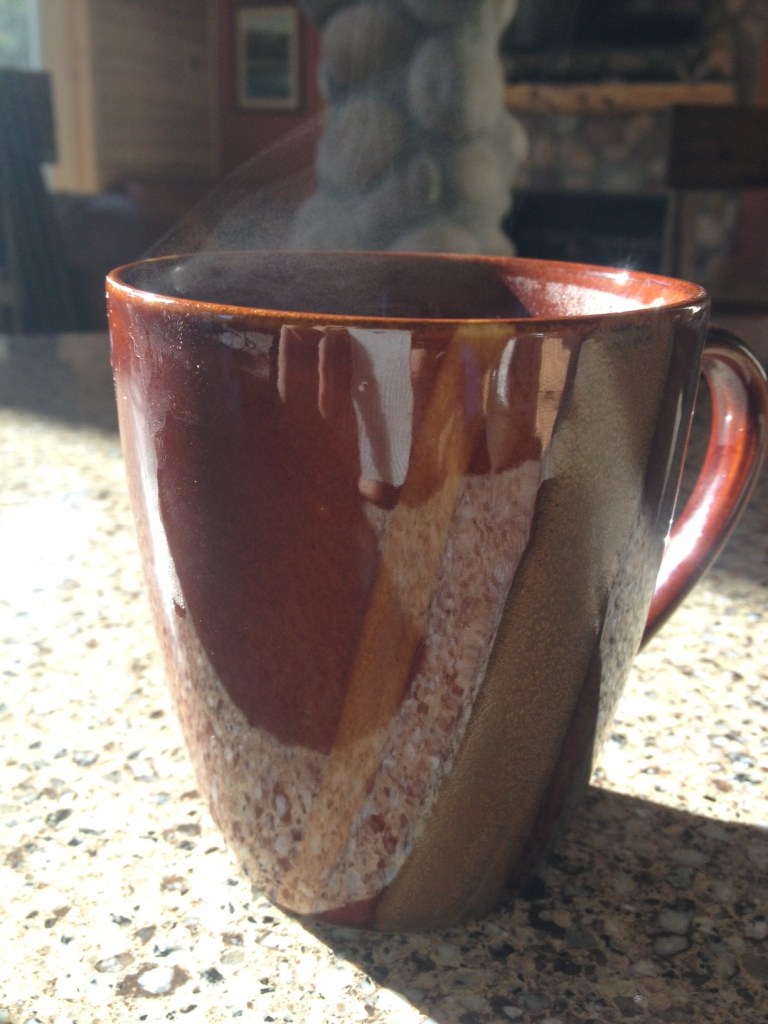
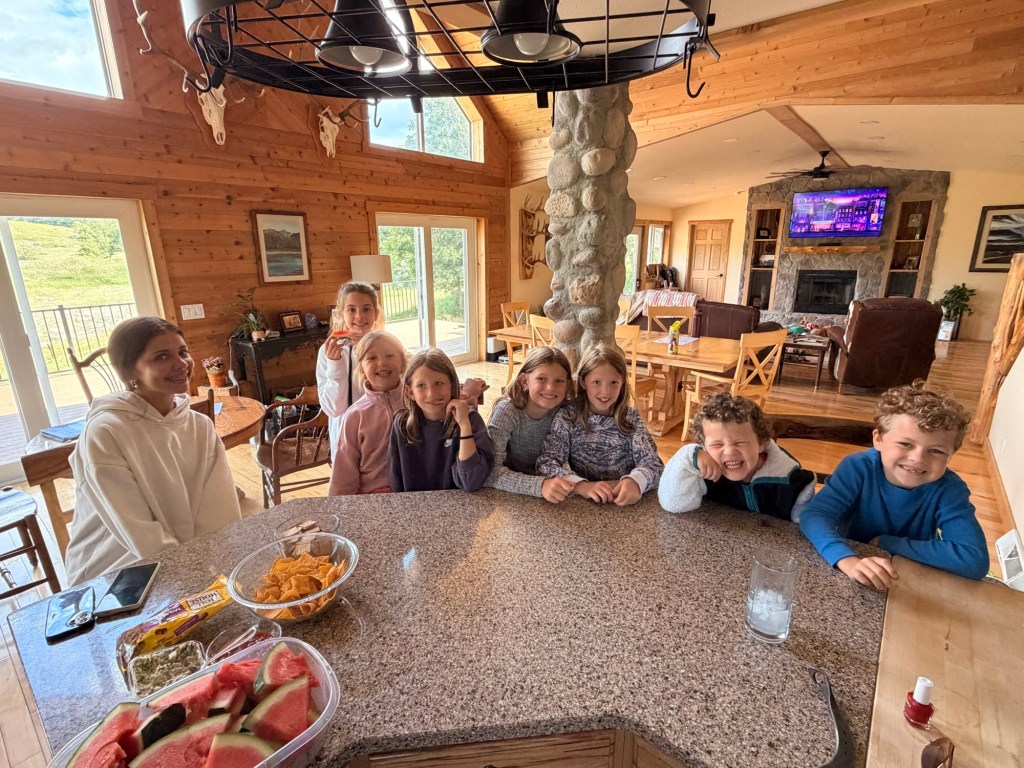
Come sit at my kitchen counter, come because you were invited (you’re always invited) or come because you’re passing by and want a cup of coffee and to see the kids. It’s not like my grandma’s kitchen, or my mom’s, I won’t have rolls or bars or cookies set out on a whim, I’m not much of a baker, but I always have coffee. And if it’s the right time, I will make you a drink and pull out the chips and salsa, or cheese and crackers, because I am more like my other gramma like that. And I always have a dip. 

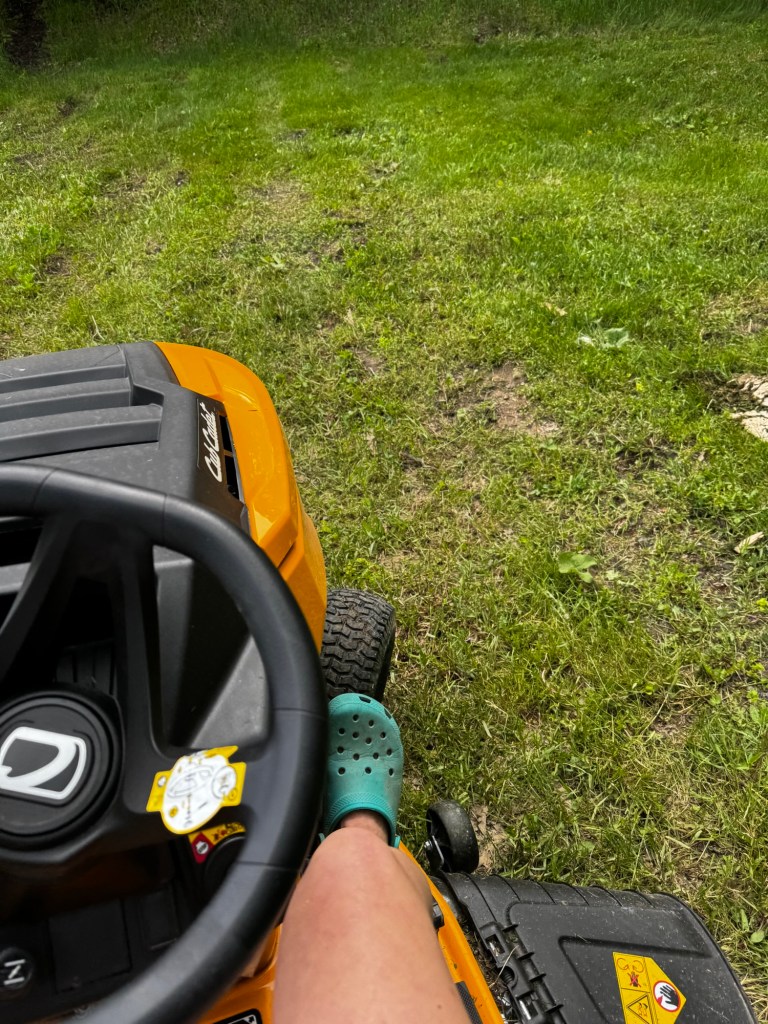
Come sit at my kitchen counter and I will ask you, “How’s work?” “What’s your wife up to?” “How did the fair, the rodeo, the talent show, the soccer game, the basketball tournament go?” And I really want to know. I will be a bit disheveled probably, because if you’re at my kitchen counter and I am at home, I likely woke up and just got on with things like dishes and laundry and cleaning off the little table full of art supplies, or maybe I was outside cutting the weeds or the grass or pressure washing Rosie’s shoe because she got stuck in the mud while she was trying to catch frogs. But I likely didn’t take the time to look in the mirror because I forget about things like that until someone shows up and then I remember. But if you’re here, you’re in a no judgement zone, and I expect it will go both ways and you will look past the way my hair can stand straight up now and that I have grass clippings in my teeth.  

Come sit at my kitchen counter and say you can’t stay long but then stay for hours. Stay for lunch because I’m fixing it anyway. And it’s just sandwiches, but we all have to eat. And then head out with Chad to check the water tanks and game cameras and come back in for burgers because I’m fixing them anyway and we all have to eat. 

Come sit at my kitchen counter and you might have to hold a baby doll or get closer to a hamster and a gecko than you’re probably comfortable with. Sit at my kitchen counter, and I’m just warning you, my oldest will hang on every word that you say, but she won’t say much in case you notice she’s there and hold back. She wants to hear everything.

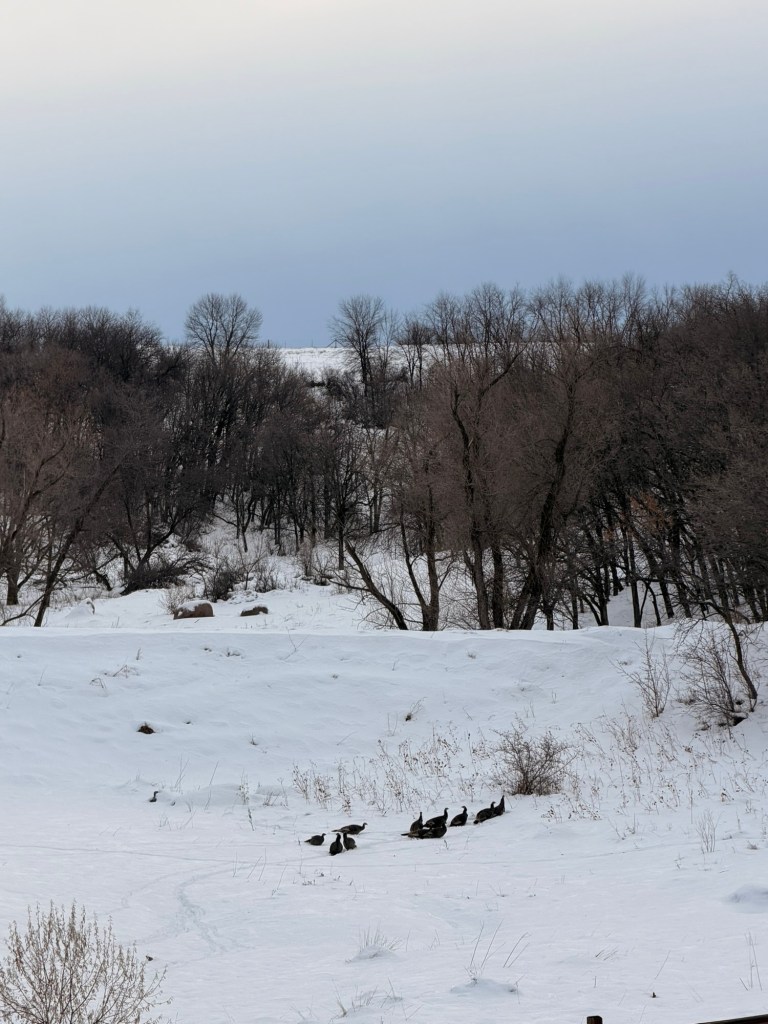
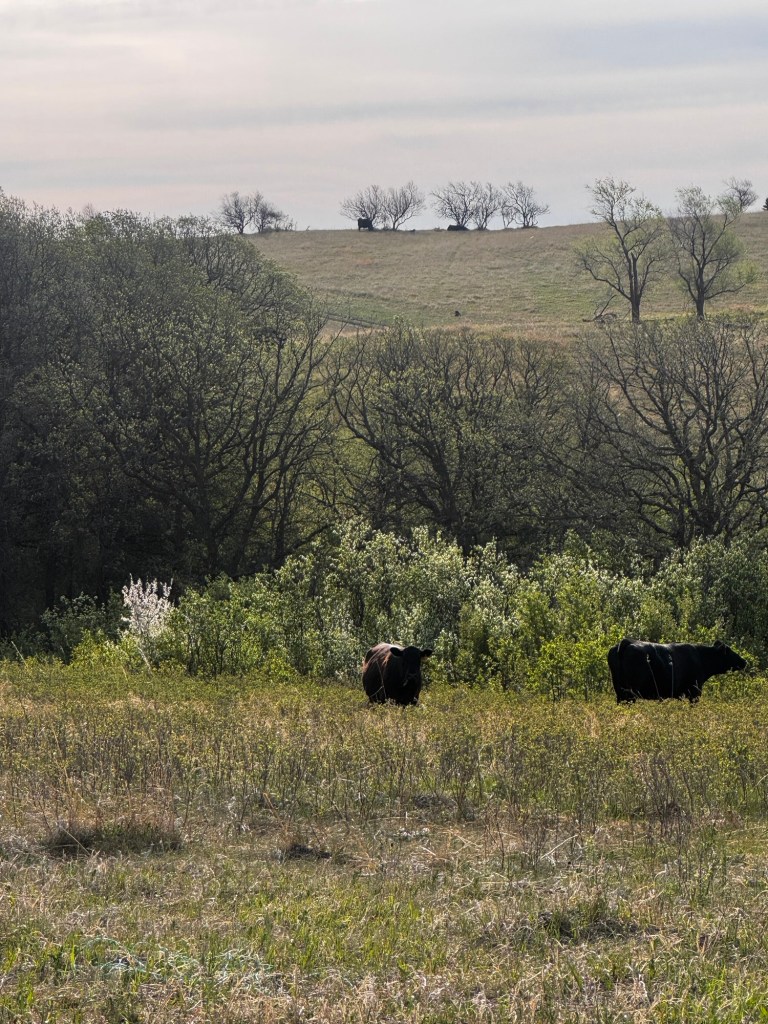
Come sit at my kitchen counter and look out the window, here comes the turkeys down to water in the dam. Sit at my kitchen counter and there’s the momma deer with her two does. There’s the elk. There’s that coyote. There are the kids out conducting a funeral for the newborn barn kitten that didn’t make it. 

Come sit at my kitchen counter, do you need more coffee? Another beer? Sorry, the puppy seems to have stolen your shoe. Do you have time to watch a dance they’ve been rehearsing? How about a play? It’s short, but we need to relocate to the living room, here, let me move the laundry…

Come sit at my kitchen counter, I love you. 

Owl song

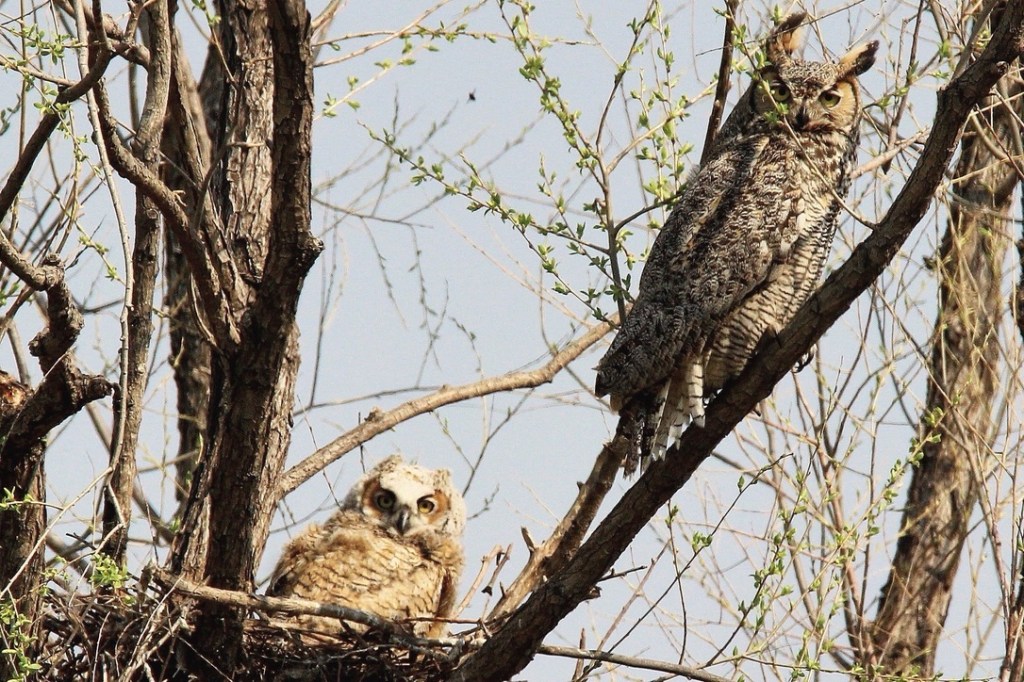
I woke up this morning to our owl hooting outside our bedroom window. I call it our owl because he lives in the trees where we live too. I see him sometimes when I pull down our drive at dusk, perched on the road or on the top of an old oak tree. It isn’t often, but when I get to witness his big wings spread and swoop silently away in the disruption of my headlights, I feel like a witness to a sacred thing.

And so, the declaration of the owl’s presence was the first thing I said to my husband when I woke up this morning. “The owl was hooting,” I declared before my eyes were even fully awake. He opened his arms up and I buried my head there for a few moments before pouring the kids their morning cereal.

I read somewhere that in many spiritual traditions, seeing an owl is a reminder to pay attention to your inner wisdom. In some cultures, an owl hoot is viewed as a sign of spiritual protection or a guide through personal transformation or spiritual growth. A little more digging into the symbolism of the owl uncovers a dozen differing and conflicting interpretations of the animal’s presence in your life, from a hoot at night signifying immanent death to an owl’s call predicting the gender of an unborn baby.

I don’t know what it means for me that I’ve been hearing the hoot of our owl more regularly lately, except maybe that I’m listening, and that it’s comforting to me somehow to be reminded we’re out here making our casseroles and snuggling under blankets alongside the wild things, especially when the world seems heavy.

When we built our house, we put in big glass doors that slide open to the tall hill and stock dam outside. Everyone that comes to visit will first take a stop by each door to look out, hands in their pockets, to see what might come over that big hill, or walk toward that water for a drink. They’ll press their faces closer to the glass and I’ll worry that they’ll notice how are deck needs to be redone, or the grill that needs to be cleaned, but they never do. They’re looking beyond that always, into the grass and the trees and the sky.

This morning the fog settled in the low spots and blocked the sunrise. The turkeys came down to wander through the swing set and pick at the old tomato plants in my garden.

Later a coyote will come up over that hill and slink down through the path in the oaks and ash. The doe and her two fawns will eat acorns by the tire swing and it’s warm today, so the squirrels will be out, fat and frantic and chattering in the treetops where our owl sleeps.

There was a time this was the only news a human could know, and in this they looked for more meaning. In all this evolution of language and technology, connectedness and schooling and travel and religion, still, where’s the answer?

What will become of us?I close my eyes and listen for the owl call.

The Peace of Wild Things

When despair for the world grows in me

and I wake in the night at the least sound

in fear of what my life and my children’s lives may be,

I go and lie down where the wood drake

rests in his beauty on the water, and the great heron feeds.

I come into the peace of wild things

who do not tax their lives with forethought

of grief. I come into the presence of still water.

And I feel above me the day-blind stars

waiting with their light. For a time

I rest in the grace of the world, and am free.

Wendell Berry

from The Peace of Wild Things And Other Poems (Penguin, 2018)

Where I’m From

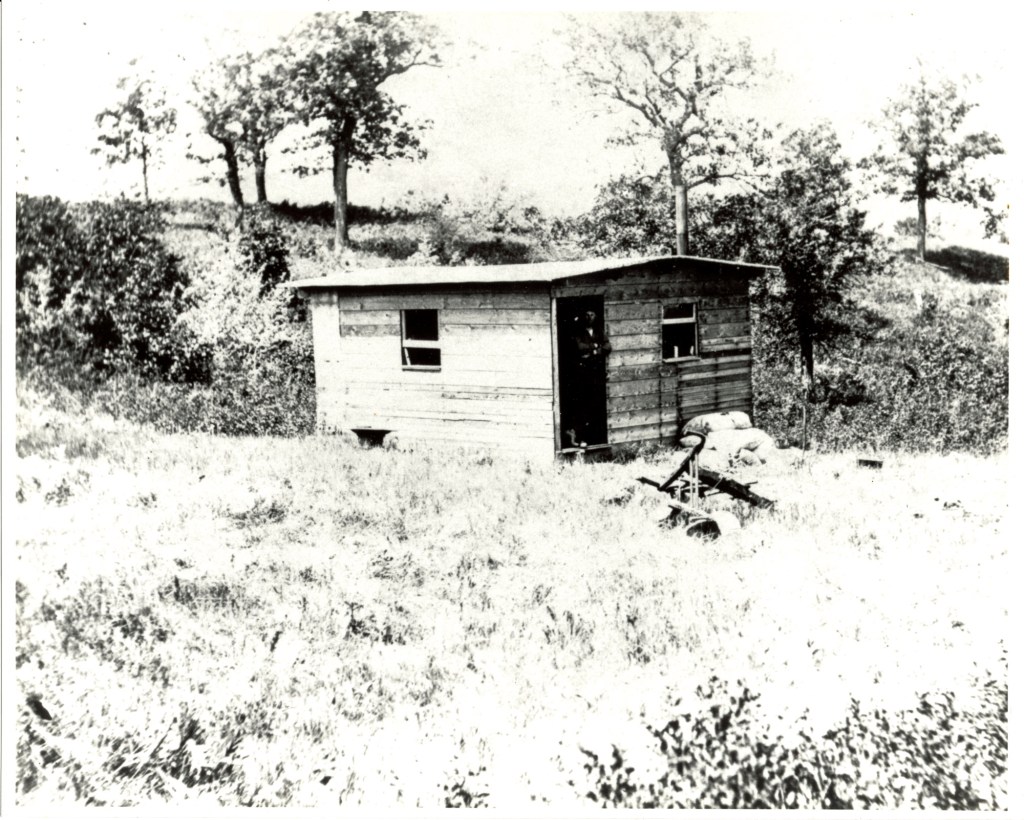
Veeder homestead shack

Recently I visited our assisted living facility to conduct a writing project as part of our arts programming in the community. Armed with a questionnaire and a sort of “Mad Libs” format we received from the North Dakota Council on the Arts, we came into their common room that day asking the residents to help us make their memories into a poem.

Now, I’ve been making memories into poems most of my life, but I know that sort of expression is not something that comes easy to everyone. I’ve been around long enough to know that telling a room full of midwestern women to share their very important stories is going to be met with a smattering of humble responses to the effect of, “Well, I don’t know. It wasn’t that interesting.” It’s a sentiment I’ve heard before and one I have strongly disagreed with since I first started begging for childhood stories from my family members around the kitchen table and coffee counter.

I started early

Our favorite thing was to hear how our dad crashed his Trail 90 in the coulee with his brother, or how my mom once drove all the way home from town on Halloween with the back hatch of her car flung all the way open and she didn’t notice. And she was dressed as a witch. We like the one about the Charolais bulls getting dumped out of the back of the pickup-box trailer in the yard and any story about dad’s pony Bugger bucking him off and eating his hat and on and on, tell them again. 

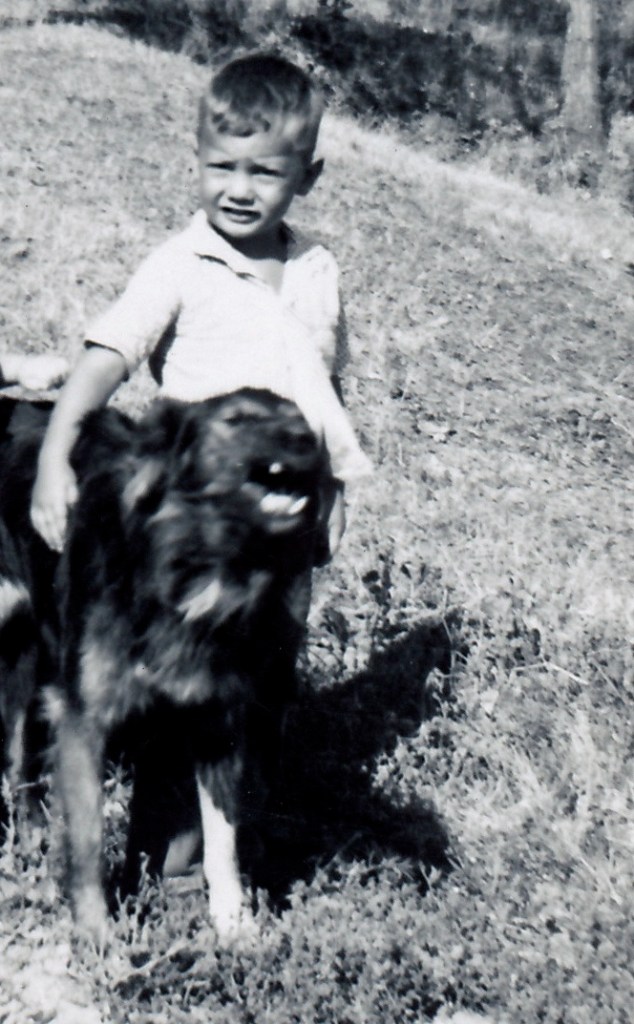
Dad and his favorite dog

I don’t know if every kid is like this, but I’ve noticed it in my children as well. They linger around the adult section of the party a big longer when the stories are flowing, hanging on to every glimpse into a world they’ll never get to visit. I know I felt like that, and I still do. Hearing childhood stories from our neighbors and our family made me feel like the loose threads that tie generations together was pulling tighter.  

Lately our youngest daughter Rosie has been requesting stories from my husband and I at bedtime. She is very specific with her requests—they must be something that happened to us as a kid, and they can’t be shorter than ten minutes (not that she’s timing us or anything). Reaching back for childhood stories on command is challenging. These stories don’t just sit on the top of your mind waiting to be shared at a moment’s notice, rather, they’re there for your recollection if the conversation turns the right corner, or the coffee is flowing right, or someone else’s story reminds you of yours. 

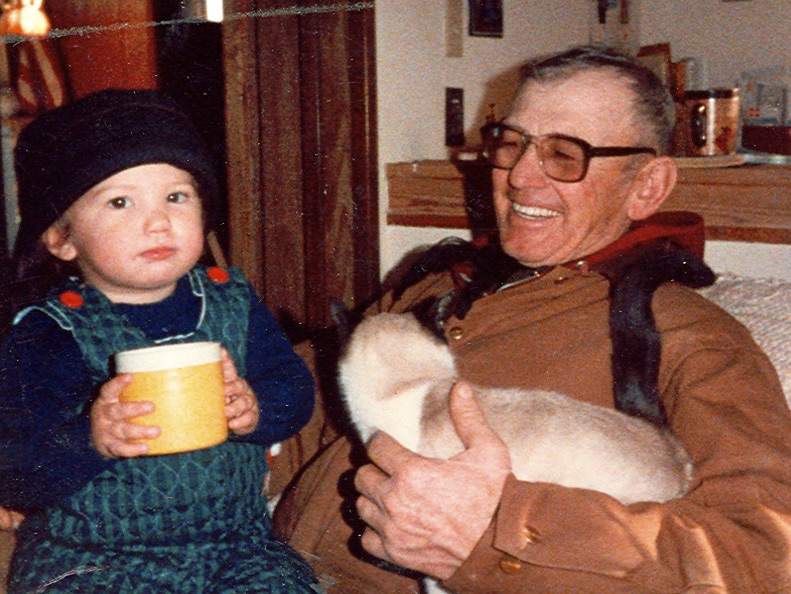
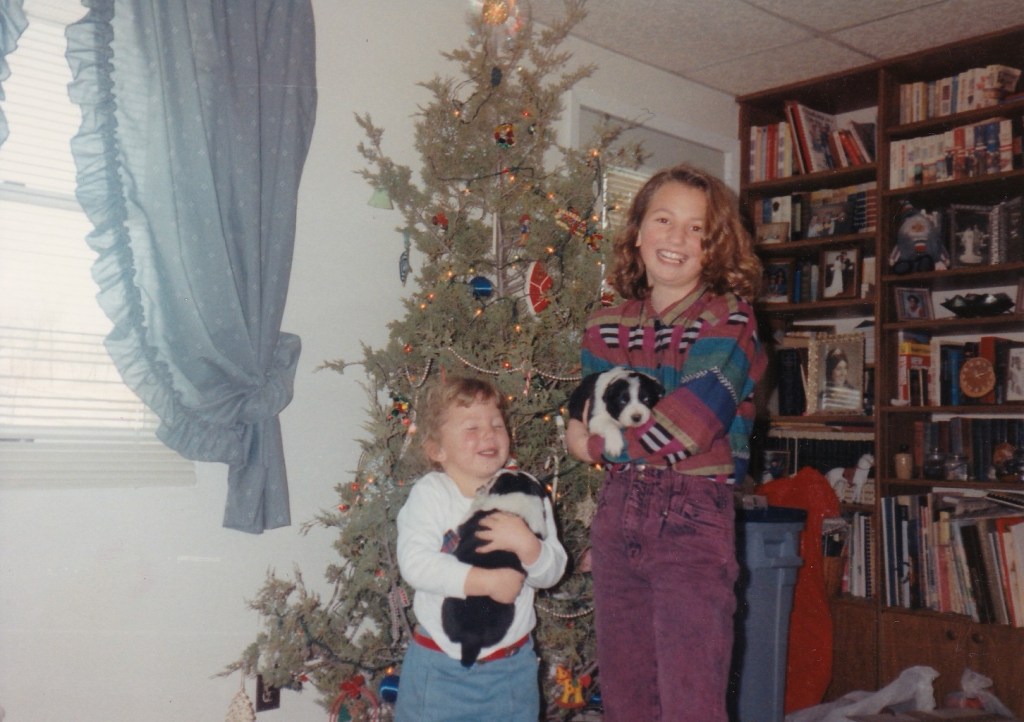
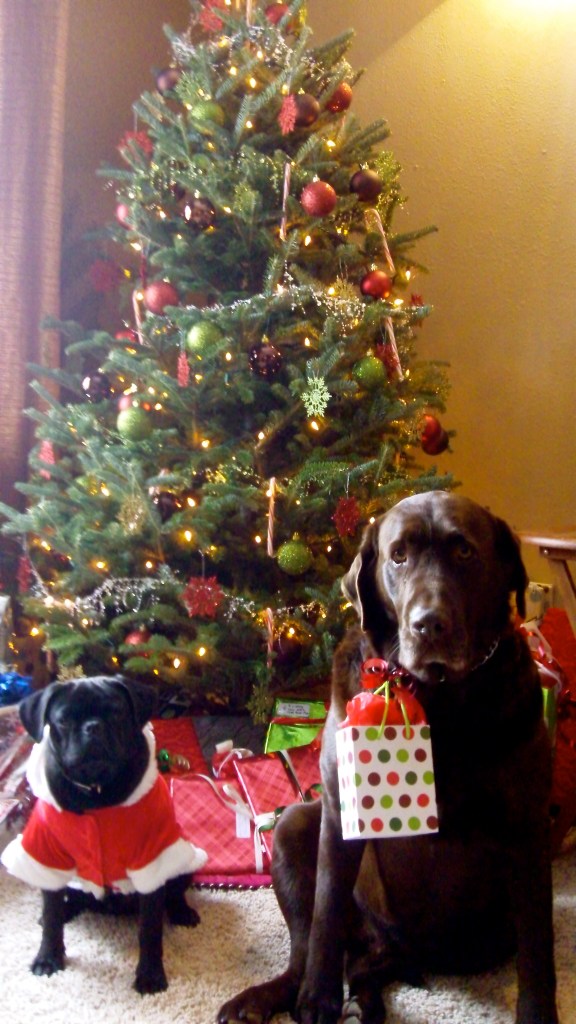
Rosie always requests memories of our pets. I’m glad this photo exists because the outfit should be memorialized.

And that’s what we aimed to do with the writing exercise we brought to the residents that day. We came to chat and to be the ears that wanted to listen with an activity that asks you to list things like an everyday item from your home, family traditions and habits, things you were told as a child, the family mementos and where they were kept. These simple questions make you imagine yourself there again, in your childhood home, or the home in which you raised your own children. And it makes you remember little pieces of the life attached to your mom’s good dishes or the stairway in the house you once met your father coming down for work, you just getting home from being out all night, and the words not spoken between the two of you. 

Where are you from? What do you remember? What was it like?  

I want to know. I want to know to know you. I want to know to know myself.

I helped guide the residents through the exercise and then I did it myself. 

My grandma Edie

Where I’m From

I’m from guitars and a living room cable box
from a deep freezer and Schwann’s ice cream. 

I am from a double wide trailer with cedar siding and green shutters
brown living room carpet and a patterned linoleum kitchen floor
 a big leather couch and flea market coffee tables and a back deck.

Kitchen table homework, mom’s lamplight and the screen door letting the cool air in.

I am from the wild oak and ash trees 
that have grown along the banks of the creek for a hundred years
And mom’s potted geraniums 
and dad’s vegetable garden with too many weeds 
and the cedar trees he transplanted and made us water with buckets

I am from pancakes on Christmas Eve and a good ear for music

from Gene and Beth
the Veeders and Linseths
the Blacks and the Blains.

I’m from front yard basketball games
 long drives to town, the tape deck in the minivan
People magazine, coffee with neighbors and stories from the old days. 

I am from “Up and at ‘em Adam Ant,” 
and “You’re a good kid” 
and “Be-Bop-a Lula, She’s my Baby” 

I’m from skipping school on shipping day 
and Minnesota 4th of Julys

I’m from Watford City and Norway and Sweden 
and Dad’s shrinking hamburgers and mom’s surfer square bars. 

From my little sister and her pony Jerry who would try to roll her right off his back 
and her ringlets 
and the tear that was always streaking her face. 

Old black and white photos of our grandpas on horseback 
sit on the antique buffet where she keeps her good dishes 
and Indian beads and arrowheads in old jars on the back shelf
guitar picks and pocket change in little bowls on his night stand 
the same way I keep mine

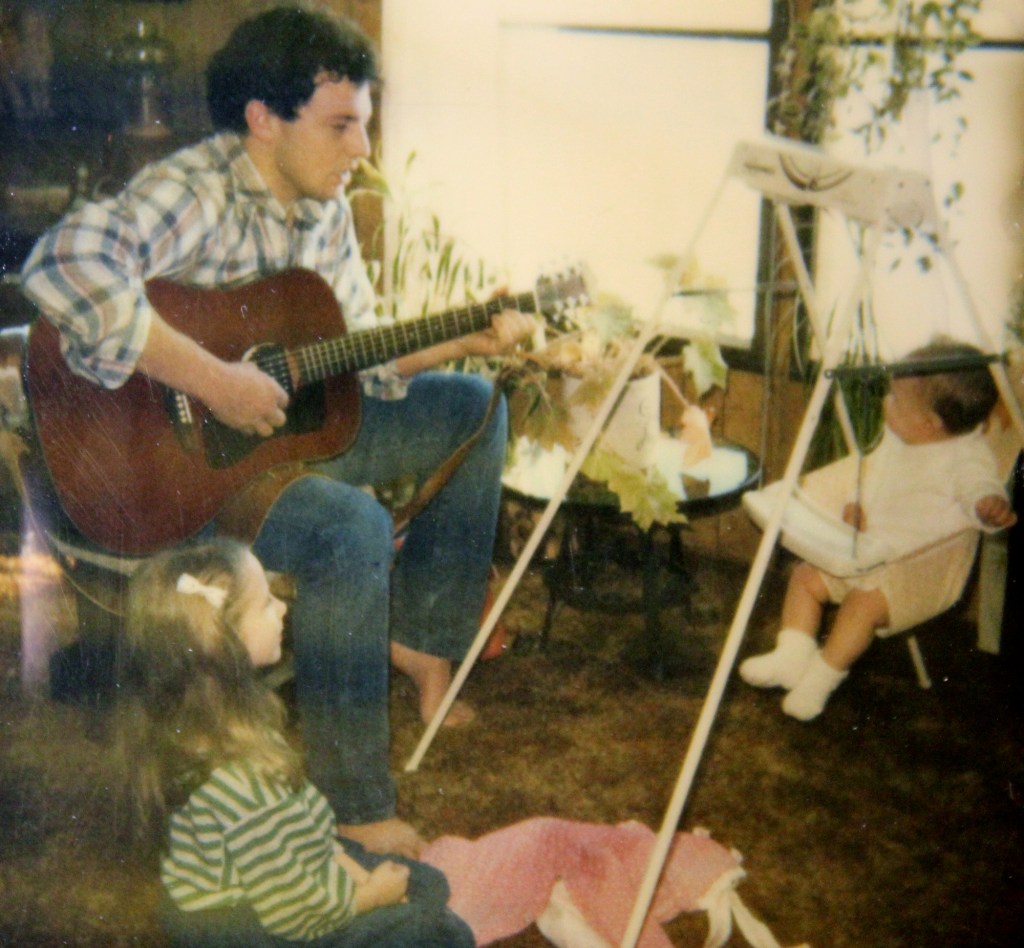
My dad and sister and me in the old trailer

The big chair and the tree

Have you ever experienced a moment in your life where, in the middle of it, you’ve heard the voice in your head say, this is it, this is a memory now? 

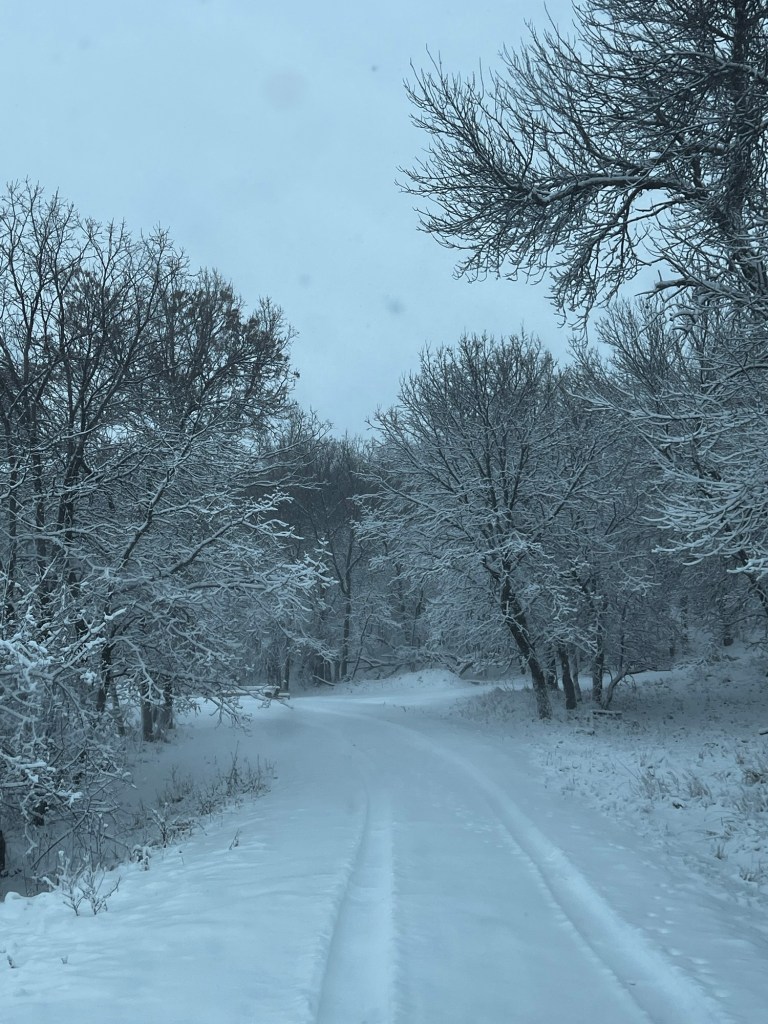
I have several I go back to now and again, but the recent quietly falling snow has reminded me of this one—my husband and I sitting together, squished side by side in the big leather chair with the big leather ottoman that we had purchased second hand from our landlord the year before. We had only been married a couple years, and we moved that big piece of furniture into our very first house with the level of optimism and delusion you only really get when you’re in your early twenties. And we had it big enough to think that buying a repossessed house that needed to be completely gutted to be livable was a choice that was going to get us closer to the big dream. Little did we know that gutting a house, while trying and failing to start a family, would threaten to gut us too, like the big dream getting the best of us before we even really got started. 

But at night, after coming home from full-time, adult jobs to a house full of ripped up carpet, tools on the countertops and unusable spaces, we would tinker a bit on a project, maybe I would go for a walk with the dogs, we would feed ourselves and then we would sit on that big chair together under a blanket and it would all feel manageable somehow. 

It was in this timeframe in our lives I had my first and only Christmas tree meltdown. The winters we lived in that big, broken house were relentless. The snow never stopped falling and it would drift so high up against the south side of the house that our dog would climb the bank to sit on the roof of our garage and keep watch on the neighborhood. Over those two years, we lost six pregnancies while we worked to renovate about the same number of rooms on that godforsaken house. All this is to say, those rooms and the rooms in my mind didn’t seem well-kept enough to deserve a tree, and so I procrastinated the whole thing, though my husband insisted. We needed a tree. And so he took me down to the grocery store parking lot where they bring trees in from places that can grow trees and we picked one that was perfect and alive and full and we put it in the back of my husband’s pickup and we brought it to the not-done-yet house and we moved our big chair over a bit and we put that tree by the big picture window that faced the street and I put on the bulbs and lights I bought new from Walmart. And they were pretty enough. It was all pretty enough, and sweet and what you do on Christmas. 

And I hated it anyway. Like, I had a total disdain for this tree. I remember it clearly, the sight of it made me angry. It made me cry and it made me frustrated and I tried to blame it on the ornaments with no sentimental value or the fact that it was leaning a bit even though it wasn’t leaning at all. And I remember my husband being so patient with me, but I was not patient at all. I was irrational and at the time I didn’t know why. I just thought I was going crazy in this house with endless wallpaper to peel and sawdust to sweep and this tree, with it’s stupid glass bulbs and not one single baby-hand-print-ornament hanging on it, was just standing there in this mess, mocking me. 

But that night, despite my unreasonable attitude, my husband and I sat in that big chair, his right arm under my back, my head on his shoulder, and we watched the twinkle of the tree against the window while outside the big flakes were falling under the warmth of the street lights. Everything was quiet then, even the thoughts in my head. They stopped too to tell me, this is it. This is what matters, right here squished in this chair. Girl, this is what peace is. Remember it. 
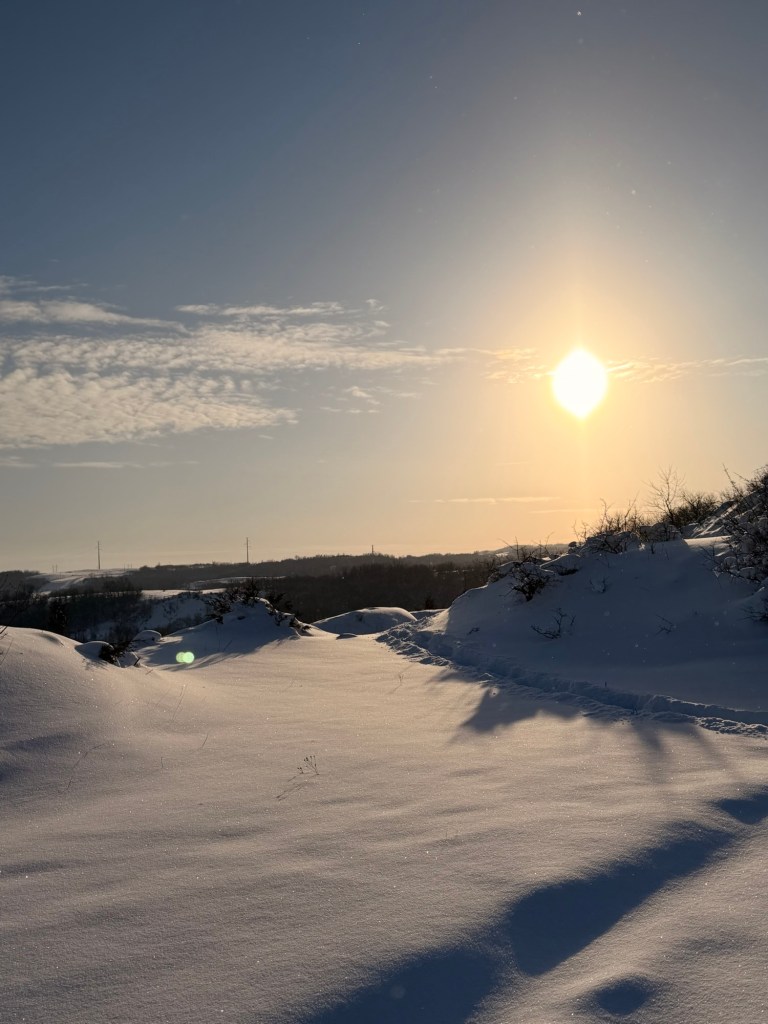
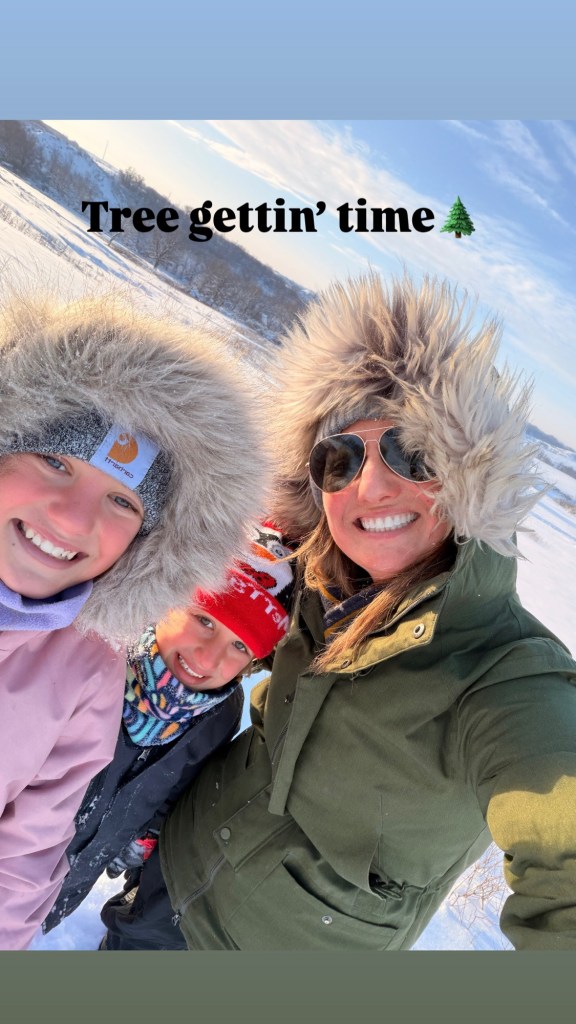
Last weekend I watched our daughters pile out of my dad’s big tractor and plop their little snow-suited bodies in the piles of big snow that had fallen on the ranch the past few days. They rode along with him as he cleared a path for our pickup to drive out in the West pasture to find a Christmas tree to cut and decorate. The sun had just come out and the sky was as blue as it can look, making that fresh snow sparkle and our daughters just ran like wild animals across that pasture while we examined the spindly wild cedars in the hills.

The sight of them, with my dad and my husband and the laughing was closer to heaven than it was to that grocery store parking lot I stood in all those years ago.

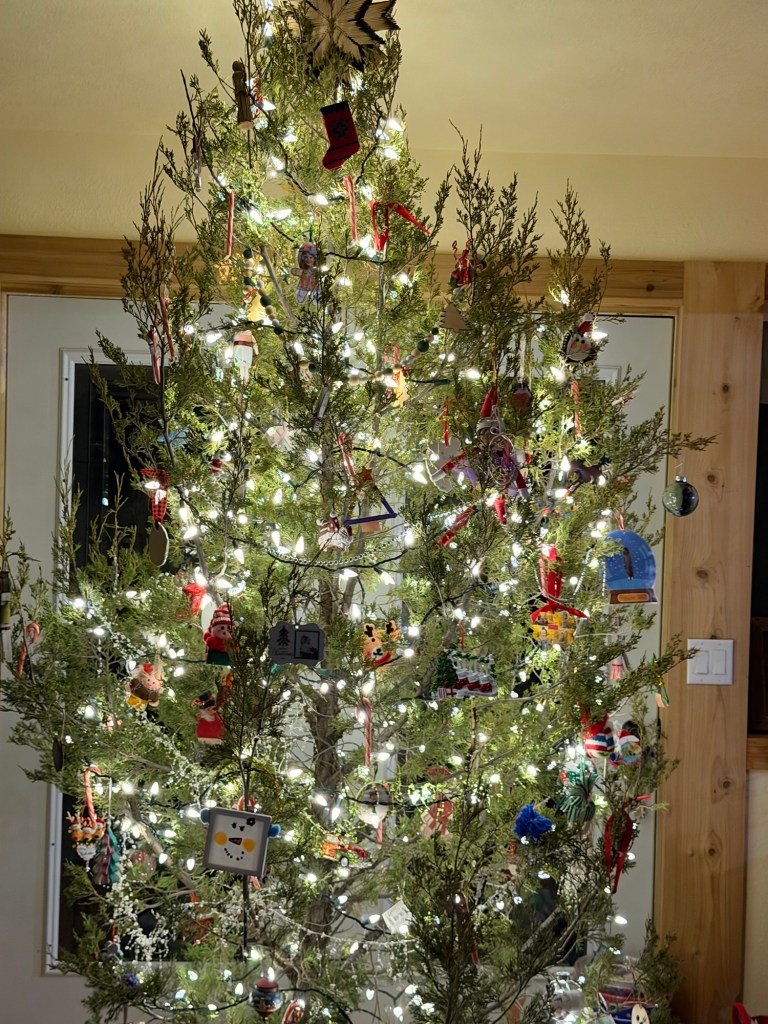
The tree we picked? Way less beautiful by magazine standards. And it’s filled with candy canes now, and homemade ornaments and it will probably fall over at some point because these trees usually do. And the years will pass and I know I won’t remember that tree, but that day? It will be with me forever.
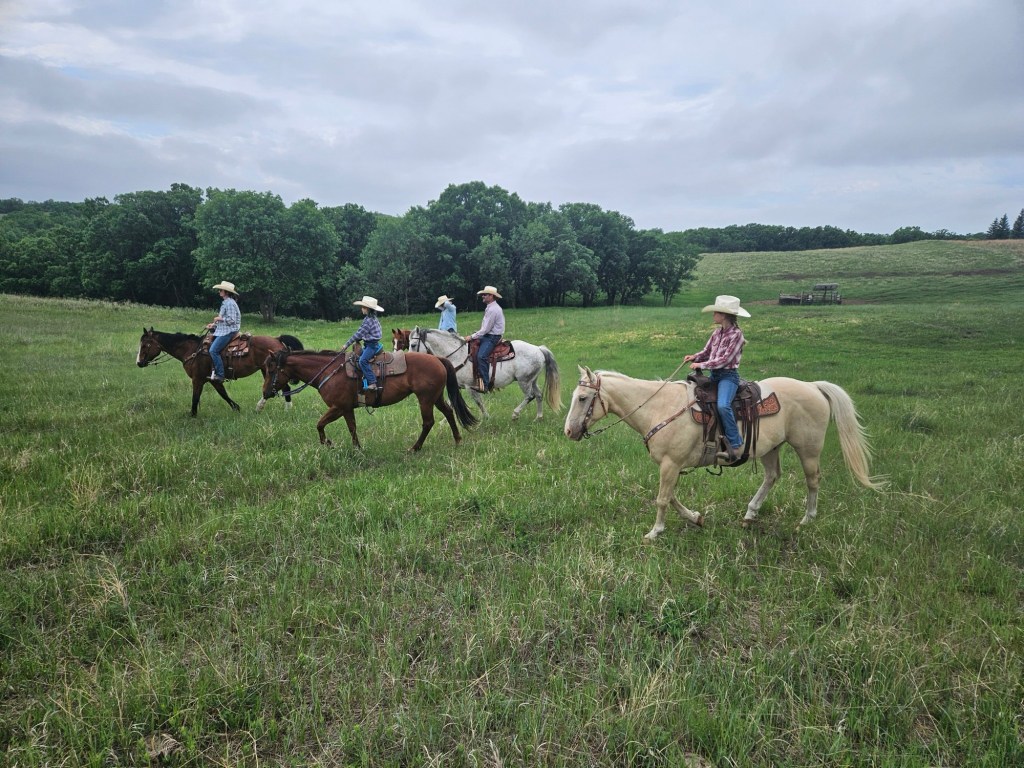
And, well, I guess I just wanted to tell you that. I wanted to tell you that in case you needed to hear it.
Who we were, who we are

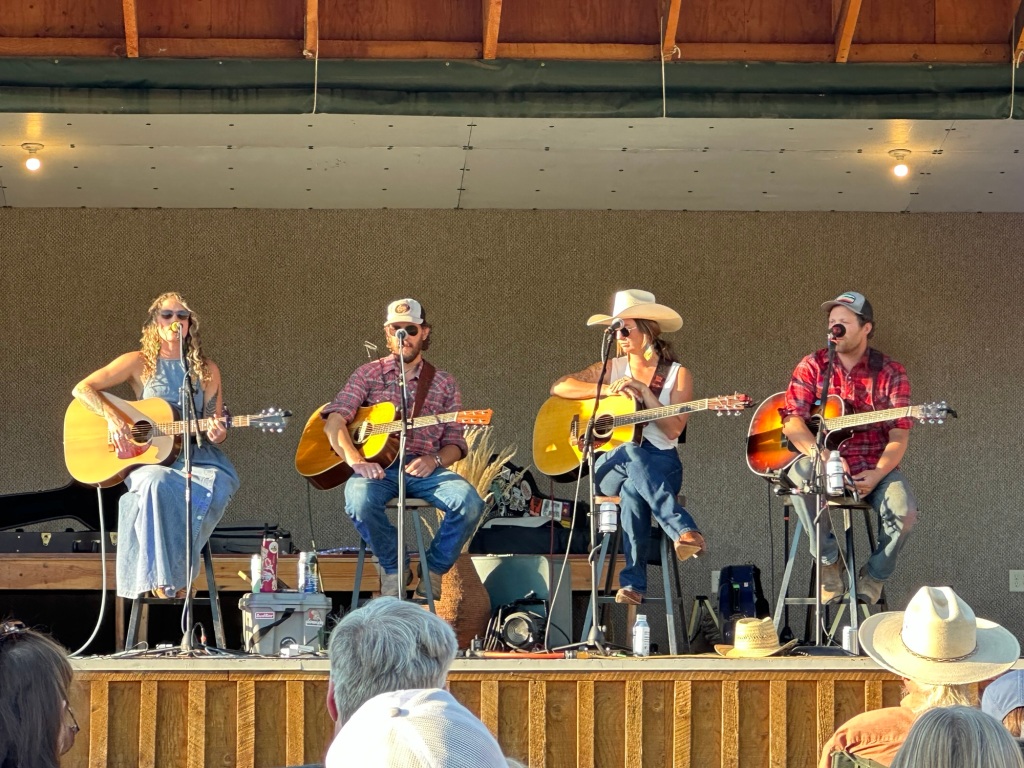
I took my husband with me on a long road trip to western Montana recently. I had a songwriter’s festival on a Friday, but booked another singing engagement the night before in Bismarck, so I needed a little help to make the mileage and the math work so I could show up on time.

My husband has been working long hours this summer as he expands his construction business and I haven’t seen much of him for the past four months. The timing to have him come along to help with the drive was terrible, as in, he didn’t really have the time. And also, we would be arriving home the day before school started and so we would be pushing it. But once we lived in Western Montana and it was the weekend of our 19th wedding anniversary and I thought maybe we could combine the work with a weekend spent actually away, just the two of us, with no real agenda after the singing was over. 

This is how you do vacations when you’re married to a traveling musician. It’s been happening since before we were married. Want to go to Northern Minnesota? Cool, I have a gig there, we’ll stay an extra night. Ever curious about Redfield, South Dakota population 2,214? Well, we’re going there for our honeymoon. We can stop in Fargo on the way home and get a fridge that’s way to big for the tiny farmhouse kitchen. 

Funny how nearly twenty years can go by and so many things just have not changed about who we are together and separate. At the little steak dinner we had with the kids on our anniversary, my husband asked me what I liked most about being married to him. I answered quickly. I’ve always felt safe with him. And he never makes me feel guilty for my weird schedule and the sort of unpredictable paths I’ve taken as a writer and musician. I’ve always just felt so certain that he can handle anything. 

“What do you like about being married to me?” I asked in return before our daughters chimed in, dying to know all our favorite things about them, naturally. 

“It’s that you haven’t really changed,” he said. 

And I didn’t know how to take that initially. Certainly, in so many ways I hope I have changed for the better. Age and tough life lessons and motherhood and marriage and illnesses have gotten me there. But what he meant was more like this: “Things that made you happy when I knew you as a kid, still make you happy. You laugh at the same things,” he began. And, probably because we just got back from a family ride on our dirt bikes up to the fields where I chose not to wear long pants and regretted every poky slap of the pig weeds and clover against my ankles, but persisted never-the-less, only to tip my dirt bike over on the bumpy trail on the way home, he continued. “You are up for things the same way you used to be.” 

And I’m not sure that statement is as true as it could be, but I like that his impression of this woman he’s known his whole life is that all those things that could have changed how I laugh and how I show up with joy, well, they haven’t. It felt nice to be seen that way.

So, I took the compliment. And then I took my guitar and my husband to the mountains, stopping at 2 am to take a sleep at a Super 8 Hotel just like our South Dakota trip all those years ago. And while we were there, we tried to remember what it was like for us when, briefly, we were mountain people.  But, for people with so much history together, the two of us have never been good at looking back. Maybe that’s why we like a road trip so much. 

And so, we spent the weekend wandering and eating, listening to music and obsessing over a 1980s fat-tire dirt bike my husband found at a garage sale in Phillpsburg 600 miles from home. Even though school was going to start. Even though his work kept calling. Even though I had deadlines and another gig to get back to. 

And it wasn’t overly romantic. There were no grand gestures of reconnecting. It was slow and it was only two days and it was just the two of us and we did what we wanted, which, turns out was getting cash out of the ATM so we could pick up that old dirt bike on the way home. Because yeah, if I haven’t changed, well, neither has he. 

I used to take photographs

I used to take photographs. Not just with my phone, but with a big camera I would tote around almost nightly on my walks through the hills or on rides through the pastures. I would sling it across my body as a constant reminder to stay on the lookout for the way the evening sunset makes the tops of the trees glow or creates a halo around the wild sunflowers if you get down low enough in the grass. There was something about having that camera in my hand that automatically transformed me back into the little girl I used to be out here. To have the task on hand to capture it  reminded me to look out for the wonder. 

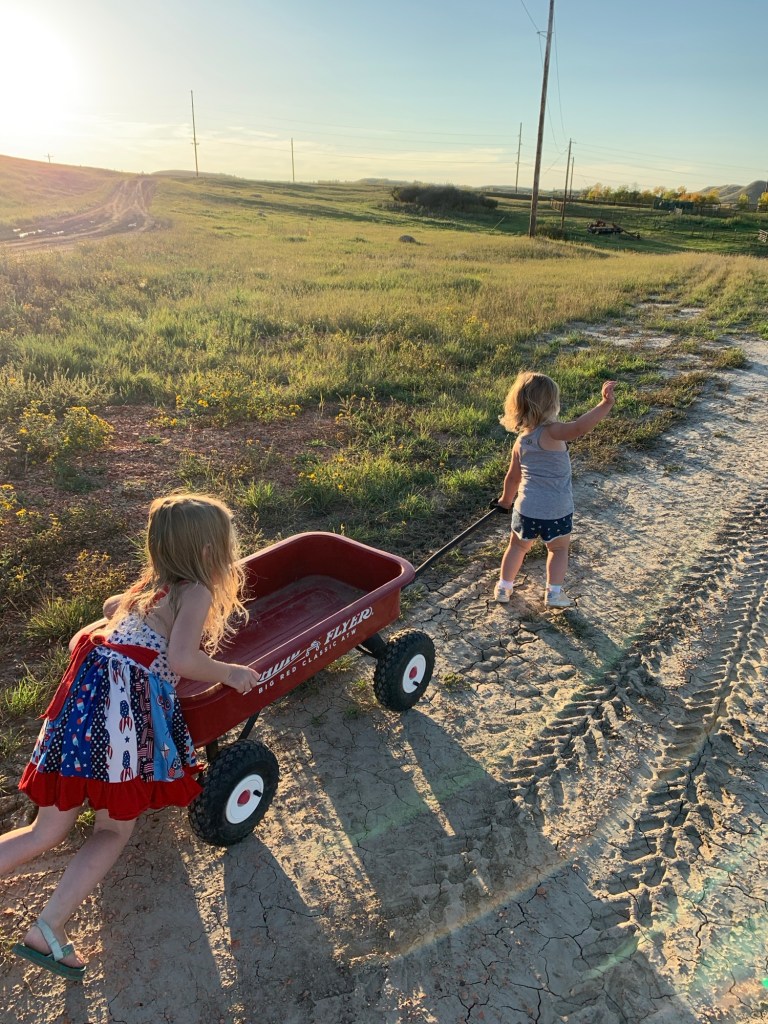
I’m not sure exactly when I put my camera back in the bag and then up on a shelf to collect dust, but I’m pretty sure it was around the time the babies came. I documented my first-born’s every move with that big camera up until her ninth month or so. I know because I have a hundred-page hardcover book to prove it. But then technology turned my phone into a more convenient and quality option and then Rosie arrived and then the wandering changed to carrying one baby in a pack and pulling the other in a wagon down the gravel road. 

How fast this sight has changed

Lately I’ve been feeling farther and farther away from myself. Usually, this sort of ache is reserved for long winter nights, but for some reason, it’s creeping up on me in the change into summer, which has been notorious for snapping me back to myself. I haven’t planted a single tomato plant. The garden isn’t tilled. The horses need about a hundred more rides. My calendar is dinging with deadlines that feel impossible to meet and I find I’m feeling a bit frantic about making sure this summer teaches my daughters some things about responsibility with as much room for play as possible. 

Responsibility and play. I think that might be the never-ending battle we’re all up against. Can they possibly exist together in balance? If you have any sort of roots in ranching or agriculture, I can see you nodding your head along when I say there is never a time where you can relax without thinking you should be doing something more productive. 

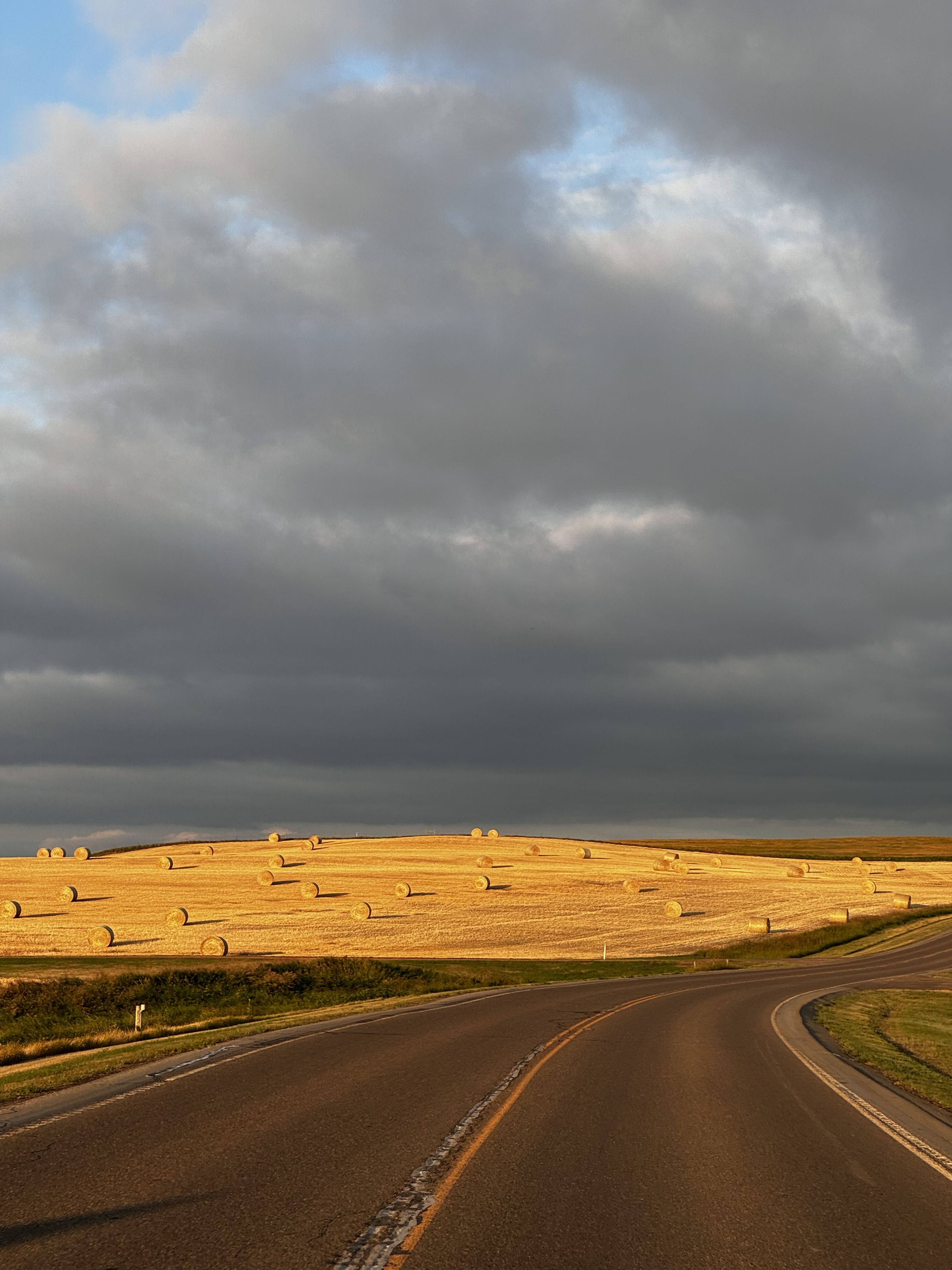
Because there is always something to be done here. The barn needs to be torn down and rebuilt this summer and so does the shed. The siding needs to be put on the house and the deck needs to be rebuilt. The old equipment needs to be moved off the hill and we need to resurface the road to the barnyard. We need to rebuild the corrals and spray the burdock plants and ride fences and move cows, and also, we have that day job and softball practice for the kids and the county fair next week. We’re getting none of it done in the process of trying to do all of it. The feeling of being fragmented and frazzled and underprepared for everything is one I can’t shake. A walk to the hilltop to document the wildflowers is the least productive thing on the list. But maybe the thing we need most. 

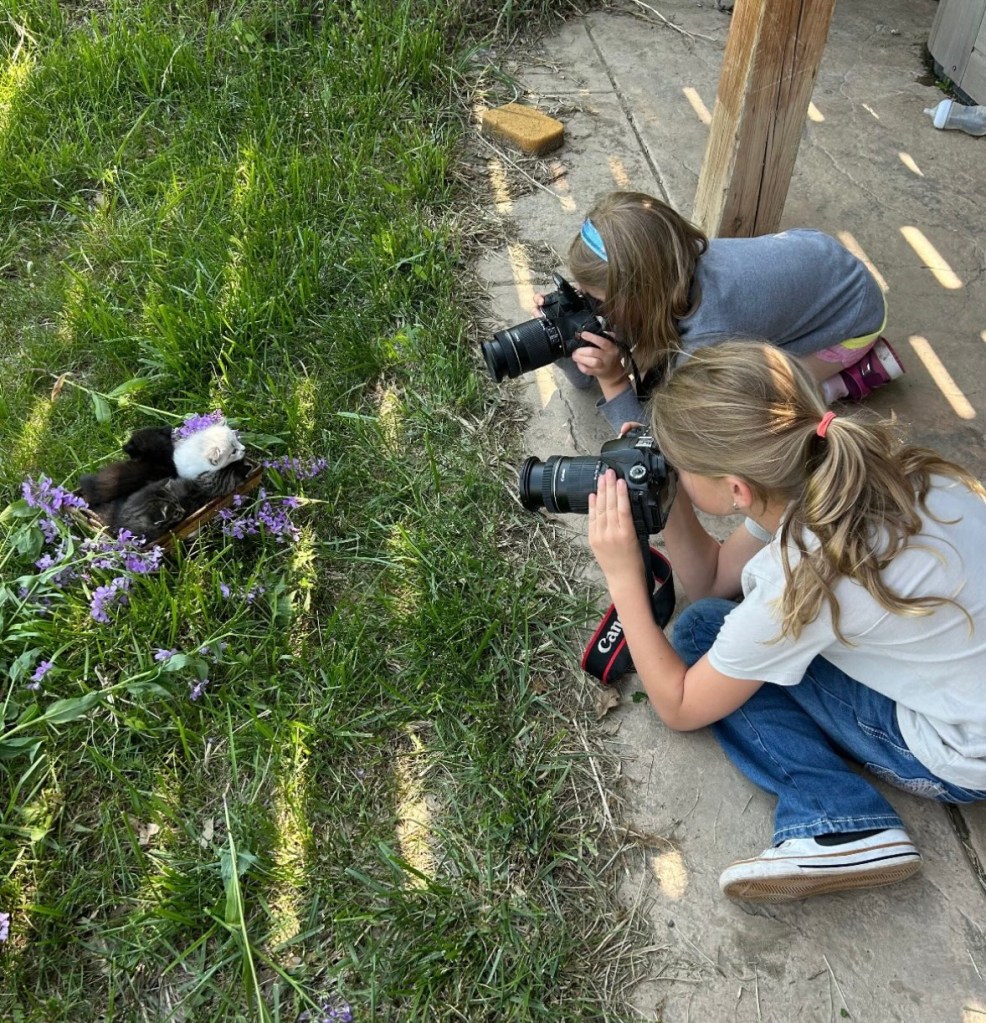
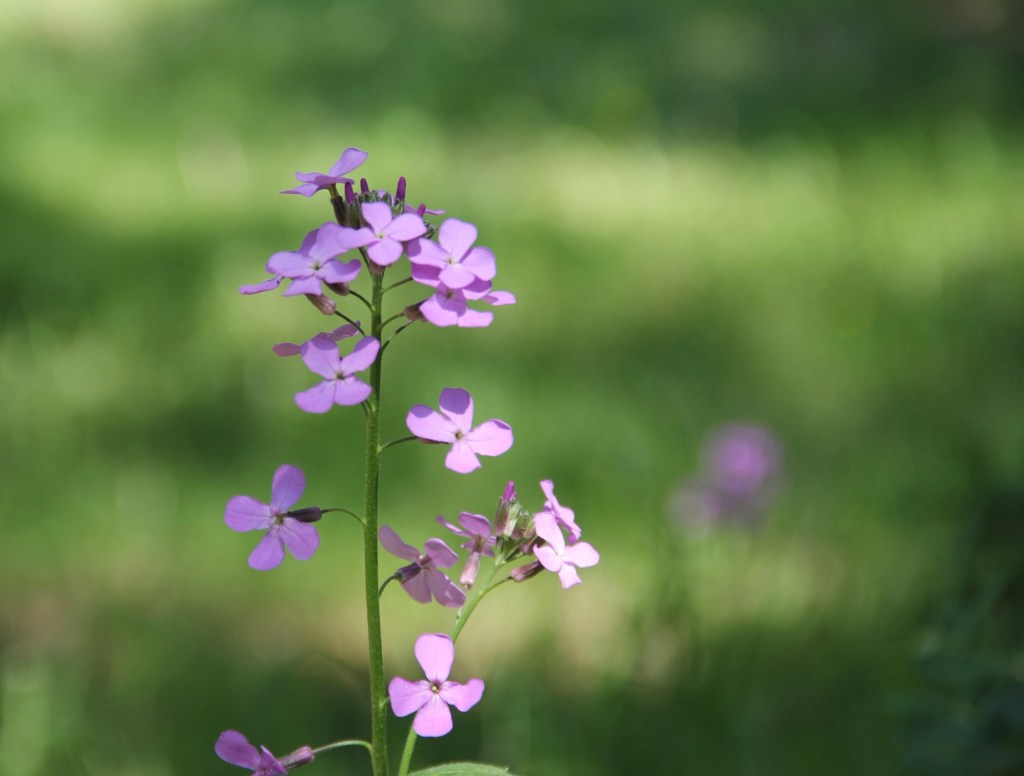
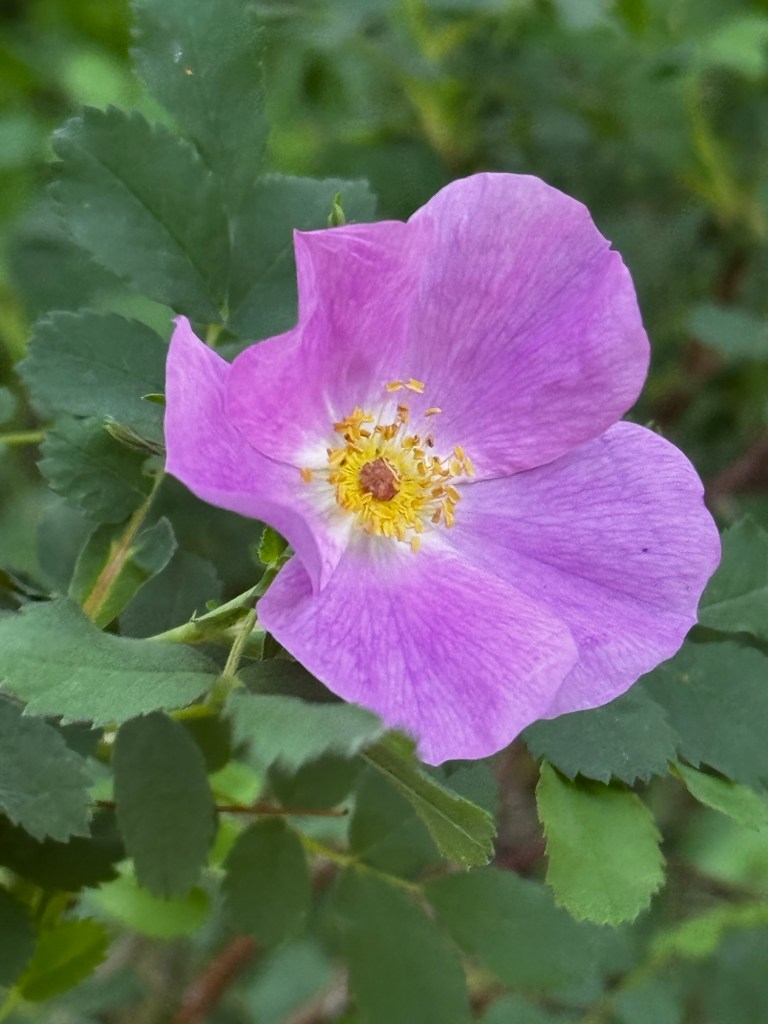
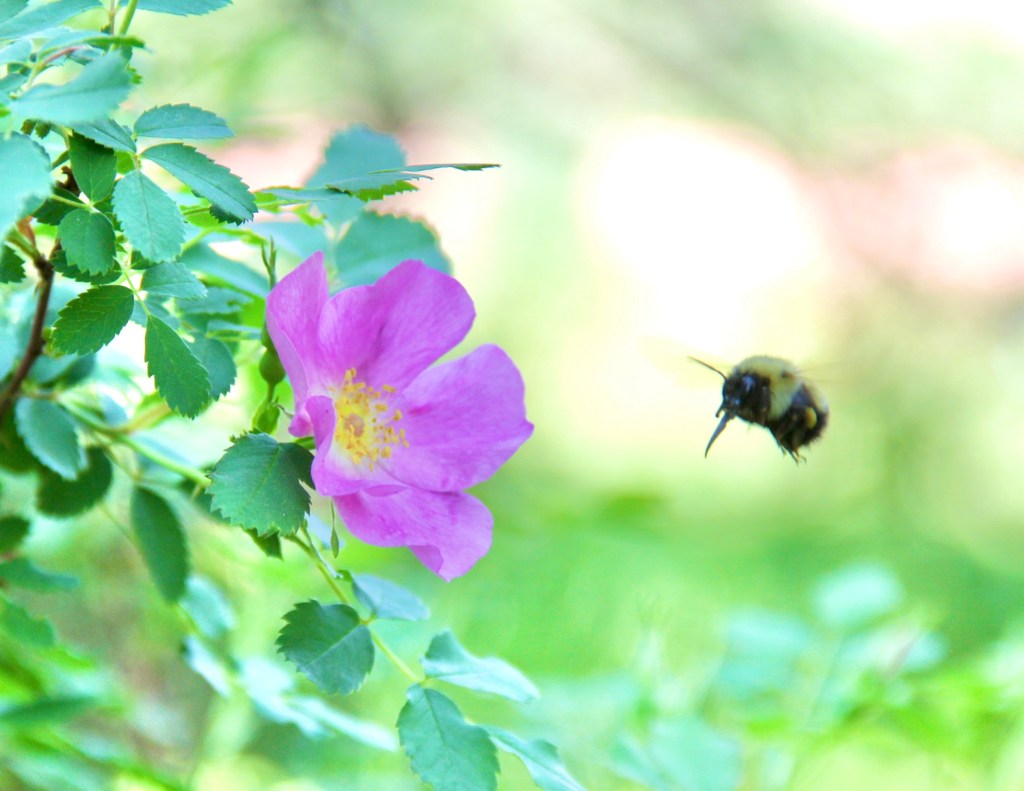
Last week in our efforts to get the kids ready for the county fair, I took that old camera off the shelf and out of its bag. My sister and I signed our oldest daughters up to enter a photography project and it was time we got it done. We walked out into the yard and bent over the little patch of prairie roses in the front yard. I did a little speech about focus and timing and patience and light and looking around for things worth photographing. My niece pointed out how it would be best to crop out the cowpie under the wildflower photo and I said she was right. There is beauty growing right alongside the poop. We just try to focus on the beauty when we’re behind the camera. 

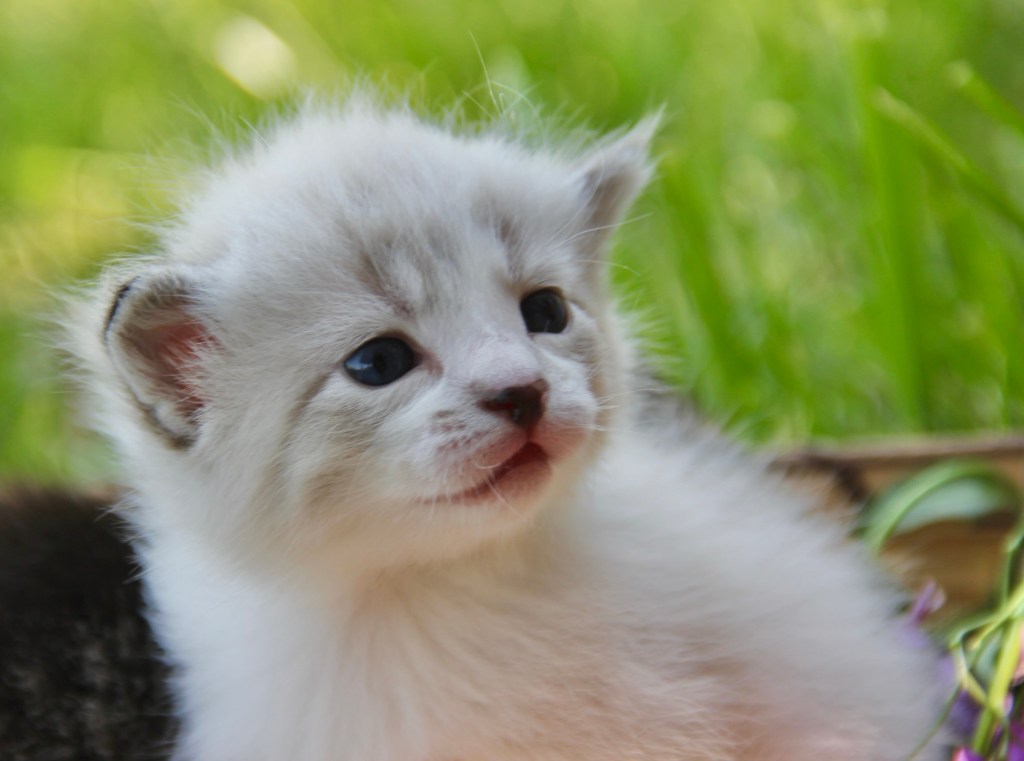
After the wildflower lesson we set our new kittens up in a little basket out on the lawn for a little photoshoot. Those four little fuzz balls were the star of the show for a good fifteen minutes while we worked on catching their best angles and fawned over how sweet they were.

The lawn was long and needed to be mowed. The tomato patch needed to be tilled. My office work was waiting, but I was too busy saying “oh how cute!” and “get a little lower, focus on their eyes,” and “oh my goodness the sweetness,” to think about anything else. I liked the way the world felt to me in the yard that day. 

I think I’ll leave that camera out and within reach this summer…

And I never wanted to leave again

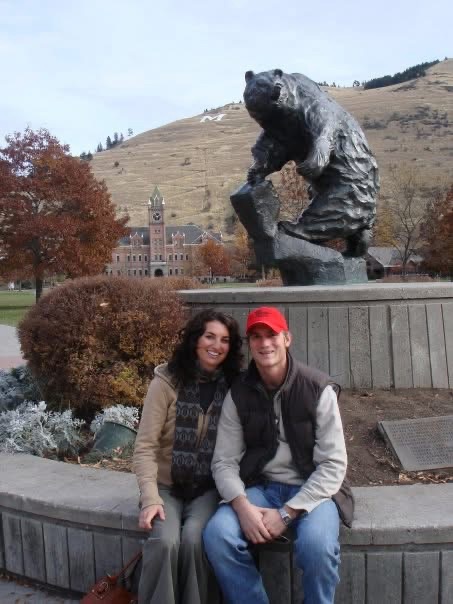
My husband and I spent a brief time living in western Montana when we were first married almost twenty years ago now. It doesn’t seem that long ago when I reach back for a memory there of us and our big brown lab who was just turning from puppy to real dog, maybe sort of like our marriage. 

We chose the mountains as a challenge to pick a spot to live and that sounded adventurous before we completely settled down at the ranch. We had been married the year before and my husband needed to finish his college degree after spending as much time as a man needed as a roughneck in the oil fields. I had been touring up and down the Midwest, particularly the interstates and state highways of Nebraska, Kansas, Iowa, Wisconsin, Illinois and Minnesota. I would take my husband with me when his four days off aligned with my time on the road. Our honeymoon, for example, was spent in Redfield South Dakota, a tiny town of 2,000 just south of Aberdeen. I had been hired to perform at a company picnic and so off we went for four hundred miles, nearly running out of gas when we miscalculated the distance between towns. 

We could have been in Jamaica like normal newlyweds, but on our way home, we stayed at the Hotel Donaldson in Fargo to be fancy and bought a new refrigerator and microwave at with our wedding money only to discover they were much too big to fit in the tiny ranch house where were living. So, we sold them to his parents. 

Living together as husband and wife in my grandma’s tiny house next to the red barn on the ranch where I was raised when we were so young made us feel uneasy, I think, only because we wondered if it might be too good to be true. We couldn’t possibly be here already; with jobs and bills and the brown lab puppy I bought for him for his birthday. If we stayed here for the rest of our lives, would we grow to resent it? Would we blame every mistake and wrong turn and unsettled argument on the fact that we never spread our wings too far together? What if we became unhappy? Would there be a way we dared blame it on the ranch and the small town that raised us and pulled us back? 

And so, we narrowed it down to two choices. Wynona, Minnesota because once I sang there and brought my husband along and we visited a cute coffeeshop and walked along the river and climbed to the top of a bluff and we liked how it looked like a movie scene from far away, even in the ugly and brown part of March. And then we went to Wabasha and watched the bald eagles and toured the famous restaurant and places that inspired the 90s movie Grumpy Old Men. We got a kick out of all of it. And Wynona had a college with the right program.

And so did Missoula. We hadn’t been there before, but as prairie kids we romanticized the mountains and so that’s what won. Seems like the mountains always win. Who could argue with a college credit in snowboarding and professors who wore Birkenstocks before every teenage girl in the country wore Birkenstocks. We brought our dog, and I brought my guitar and I doubt we had too much else. Maybe a bed and my mom’s old leather couch. We found a cheap place to live, and I found a job and he went to school and we looked for places to find ourselves in the mountains every night and every weekend and we wanted to love it. And maybe we did a bit. But looking back on it now it seems like we spent most of our time trying to climb out so we could see the horizon and the weather coming. So we could get away from the endless swarm of people looking to be found too. 

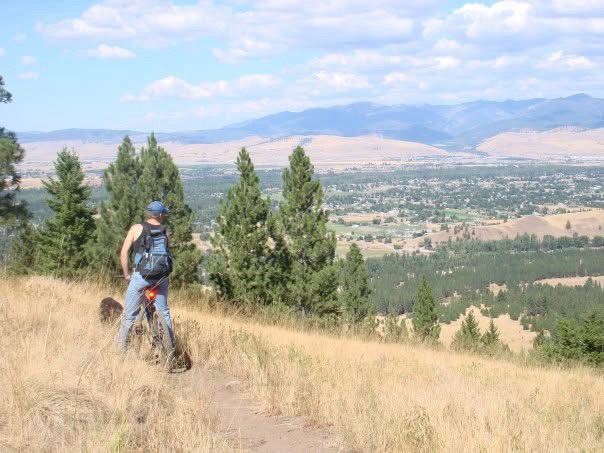
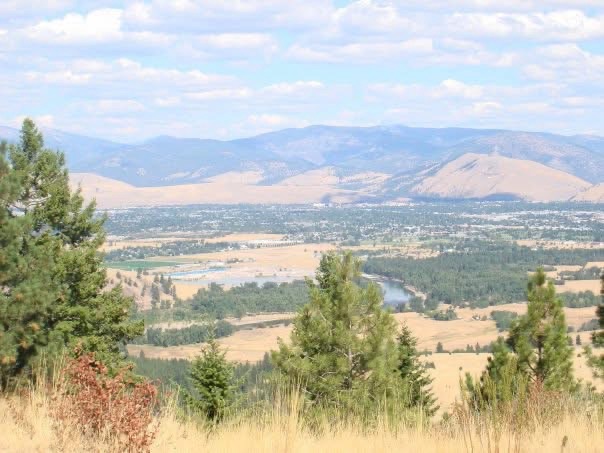
My favorite hiking spot was the bald face of a mountain outside of town where nothing but prairie grass grew and the trail was cut like a switchback the way the cows and deer and elk would do it at home. There were no surprises there. I could see the sky. 

I lost my first pregnancy in that little condo in Missoula. My husband had already moved back to North Dakota to take a job offer and I stayed behind with the dog and nothing but an air mattress and a suitcase left in the space. It wasn’t time for us to be parents. We were not ready. But it didn’t feel that way when I was alone and wailing. My dad came to get me, my husband couldn’t leave. I protested. I’m like that lab, when I’m hurt I want to hide out under the deck and be alone. 

And that was that. We gave it a year for the mountains to enchant us. But nothing compared to the place that loved us first. After the long trip home, I climbed to the top of my own hill. It wasn’t a mountain, but the view was better. I cried the cry of someone who had lost something. I cried the cry of relief. I cried the cry of uncertainty. I cried the cry of being loved. I cried the cry of being home. 

And I’ve cried that cry a thousand times since, but I’ve never wanted to leave again…


50,000 people singing….

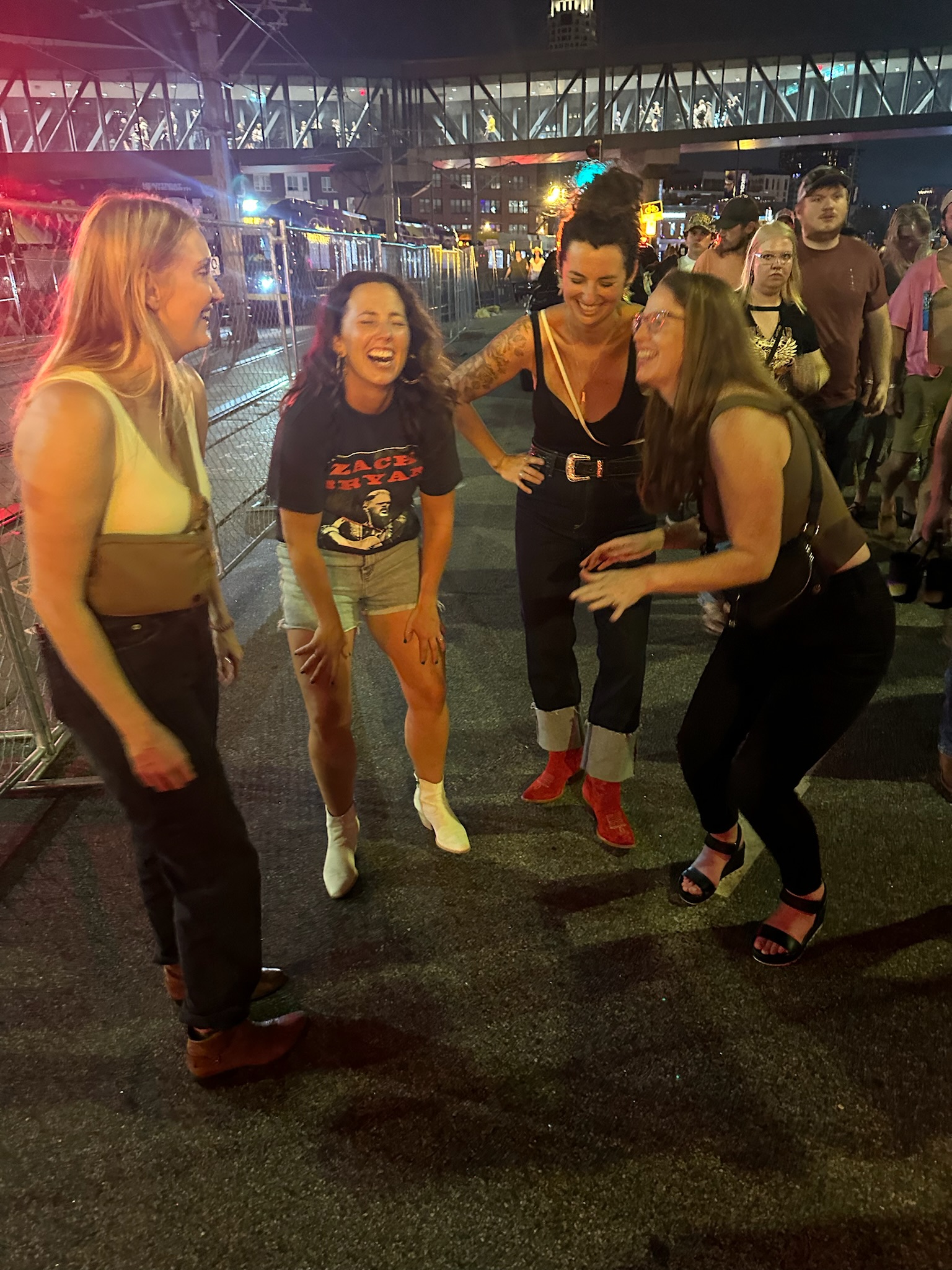
I turned forty-one walking along the streets of Minneapolis. It was midnight and we were laughing, all five of us women, about something I can’t remember, something that probably wouldn’t have hit us this hard if we hadn’t just left a stadium where we sat shoulder to shoulder with 50,000 people singing along, at the top of our lungs, to our favorite songs. 

50,000 people in one place who knew all the words to the same songs.

Five women who made space in lives that overwhelm us with ways in which we might be doing it all wrong. And, if we don’t pay attention the proper amount, take or don’t take the vitamins, wear or don’t wear the thing, vote or don’t vote this way, drink or don’t drink the milk, eat or don’t eat the meal, we risk screwing it all up. The parenting. The marriage. The job. The country. The earth. It’s a heavy weight to carry and it’s hard not to sprinkle it with a little dose of guilt when you decide to spend too much money on concert tickets, leave the kids at home, throw your cutest outfit in your suitcase, take the car seats out of the minivan and drive away for a weekend spent with four women who have done their version of the same to put some space between themselves and the notion that we might not all be ok.

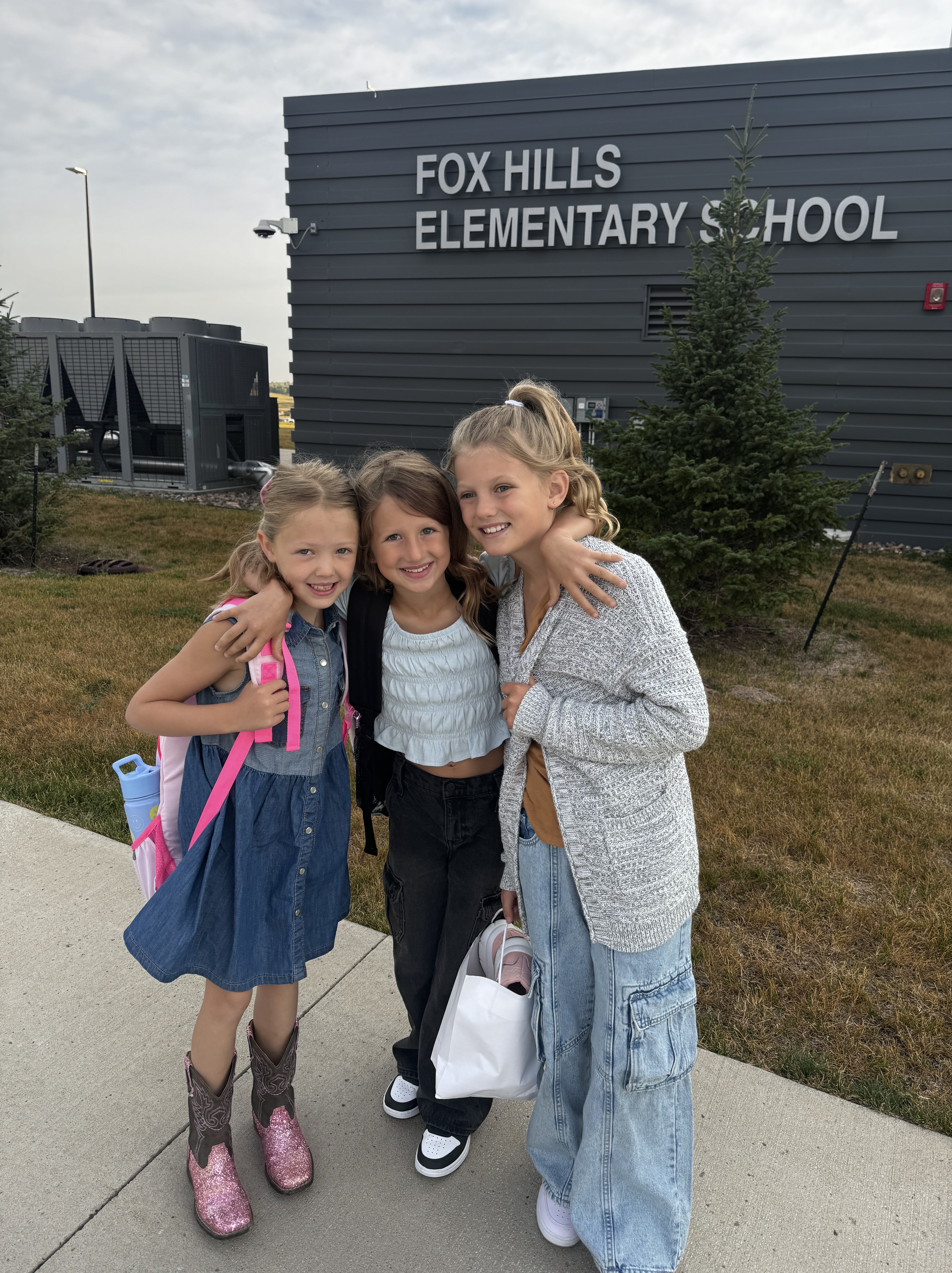
It’s a heavy time in the news cycle, which just happens to coincide with the time in our lives where we’ve charged ourselves with raising the future. In the early mornings when I drive that future to school, I ask each daughter and niece to pick a song. This week “Jeramiah Was a Bullfrog” has been on heavy rotation. “Joy to the world, all the boys and girls…” we sing along as we drive, 65 MPH to 45 MPH to 25 MPH on roads they keep constructing. I park in front of the door to school and tell them I love them and tell them to be kind. They run into another day of childhood in middle America where we feel pretty lucky and pretty worried (I pause to wonder here if there are better words I could choose to describe it…)

Back at the stadium a young man behind me stands during the opening act, lifts his drink up in the air with one hand and puts his other arm around the girl he came with. Throughout the entire night, he sings almost every lyric with the vulnerability of a young child. But he’s not a young child, he is a man in middle America singing the lyrics of songs that describe what it feels like to lose someone, songs about addiction and fear, uncertainty and family and hope, tender things wrapped up safely in the sound of the fiddle and guitar and drums keeping time, coming from a man who looks like the guys in his hometown who maybe don’t talk about those things.

And maybe tomorrow, back at home, back at work, he won’t again. But he is here. Here he is, exposed, singing along.

I suppose if we admit that moments like this could save us, we must also admit that it could also be dangerous—50,000 people singing the same words…

I walked out of that stadium holding hands with the women I came with into a night bright with city lights. I turned 41 while the crowd of teenagers and twenty-somethings, mothers and dads with their daughters and sons, filtered out into that same night, sort of sweaty and tired and drunk with beer or feelings. 

Back home my daughters stayed up too late in the big bed together while my husband fell asleep. The next day I drove that minivan back west to pick corn with the neighbors, eat pot-luck after a rodeo, sit in bleachers to cheer on the volleyball team, take an art class, sing with my dad on the deck, make a fish supper for my family, take a ride with my husband to check on a bull, brush my daughters’ hair, pack backpacks and give rides…

“Joy to the fishies in the deep blue sea, joy to you and me…” my daughters stop singing to open the car door and run to school…

The Yellow Boat

Winter visited us again this past weekend, but spring teased us a bit the week before, so we know it can happen. This got me thinking about spring cleanup and all the little relics that are often left behind in the draws of ranches like ours, waiting to be repaired or picked up by the junk guy, but more likely just staying there for years reminding us of the time when we were younger and it ran.

Which got me thinking about my husband’s yellow boat.

The Yellow Boat

Lake Sakakawea

A few days of warm weather will get the plans rolling. And the smell of the thaw, the sound of the water, the blue sky and sun and things uncovered by melting snow had me poking around the place, in search of projects and things I could accomplish.

And in my search I stumbled upon one of the ranch’s most unique relics. Sitting next to the shop covered loosely by a blue tarp and snow turned to ice water is Husband’s yellow boat, the one he brought with us to the ranch when we were first married.

I want to talk about this boat because it’s almost April now and it’s time to start making plans to cast a catfish line, pull on some cutoffs and grill something already.

I want to talk about this boat because I want to talk about boy I once knew who spent hours in the garage with his dad, sanding, scraping, painting and turning the remnants of an old wood and fiberglass flat bottom custom junkyard find into a 11 by 6 foot piece of bright yellow marine-time dream come true with a 40 horse Johnson, quite a mighty motor for a boat that small.

A boat they were planning on turning into a legend, buzzing around Lake Sakakawea and turning heads.

And as soon as the yellow paint dried, that’s exactly what they did.  Father and son proudly loaded it up in the trailer and headed to the big water, visions of speed and notoriety bouncing between them in the pickup before they plopped that boat in the water and squeezed in side-by-side, shoulders squished together, chins nearly resting on their knees, reaping the benefits of the many hours spent on dry land turning a relic into a masterpiece.

They pushed it to its limits, testing what it had, wondering if they never slowed down if they might just keep going forever, out toward the buttes that hold the lake in place, to the river and then into the ocean, a man and a boy in a tiny yellow boat they made together after the sun went down on their real lives and that boat turned into all that mattered between them…

But boys need to become men on their own time, so they brought that boat to shore so that boy could drive his old Thunderbird out of the driveway to the highway that would take him away and back again to live on a ranch by that lake with a girl who used to sit beside him in that old car when he drove too fast and played his music too loud.

But I never sat beside him in that yellow boat until one day I came home to find my new husband holding a fishing pole and a tiny cooler full to the brim with beer and a container of worms.

“We’re going fishing,” he said.

And off we went on a hot July evening, the windows rolled down on the little white pickup as we followed the prairie trail down to our secret spot on the lake below the buttes. The place without a boat ramp, a picnic table or any sign of human life…

My new husband and I pushed that little boat in the water, navigating the deep mud on the banks of the lake before we jumped in and sat back-to-back with our poles in the water, the little cooler on my lap, trolling the shores for hours without a bite before the sun threatened to drop below the horizon, convincing us to call it a night.

Funny how fast night came then when my husband, in an attempt to hook up that little boat and pull us all back home, backed up just a bit too far, and, well, there we were in our secret fishing spot stuck in the mud up to the floorboards, miles from the highway, cell phone reception, or any sign of human life.

And there are many relics on this place, old tractors, used up pickups, tires and spare parts that need to be hauled away and given new life. But over the hill in the barnyard, covered by a tarp and a fresh dusting of spring snow sits a little yellow boat on a little trailer that was never meant for fishing…in fact, now that I think of it, that boat might not have been made for anything really, except to be made.

I will be playing music and telling stories March 28 at 7 PM at the Fargo/Moorhead Community Theater in The Hjemkomst Center in Moorhead, MN. Tickets are $10 and can be purchased at the door or in advance at www.jessieveedermusic.com/shows Hope to see you there!