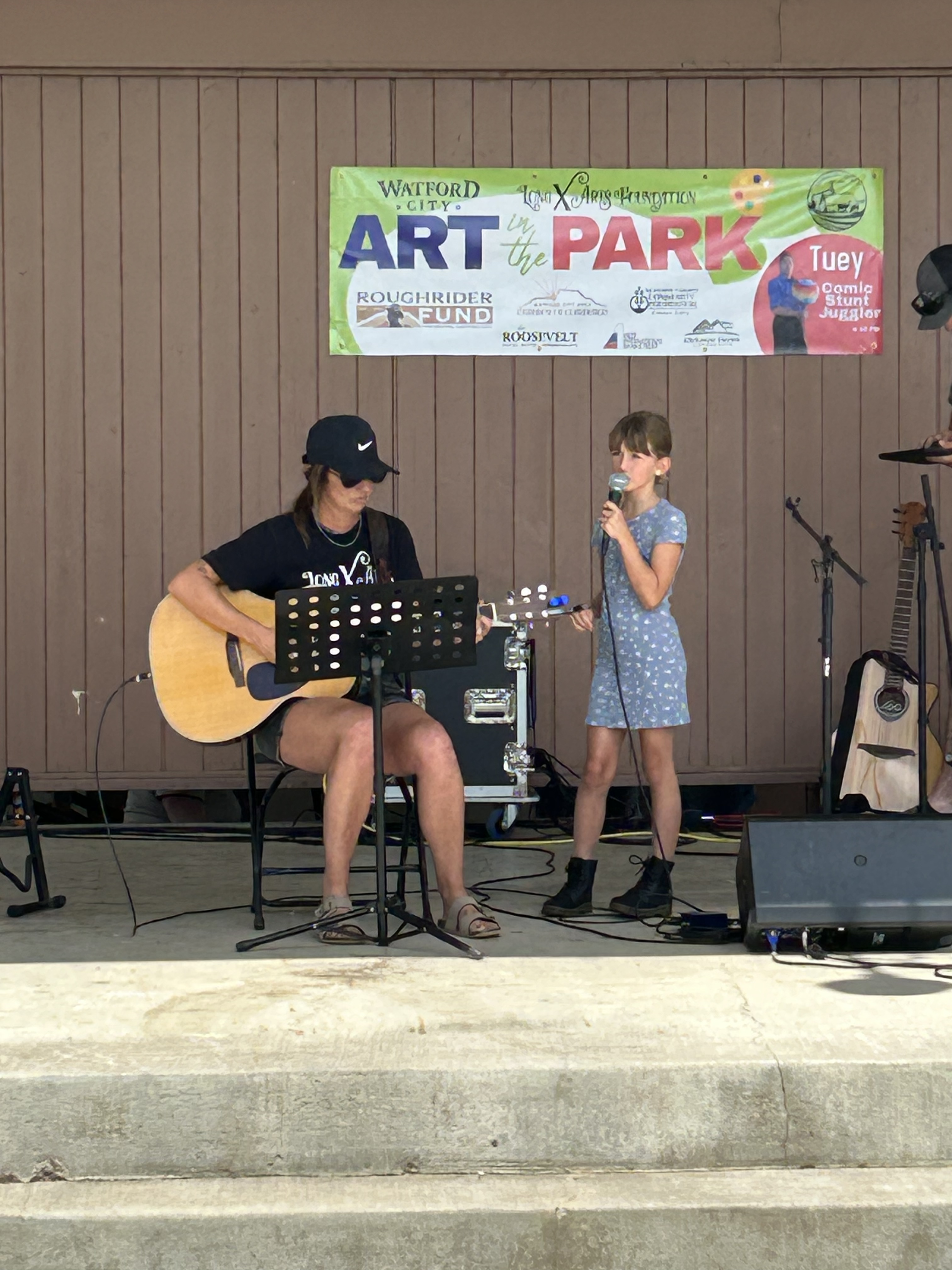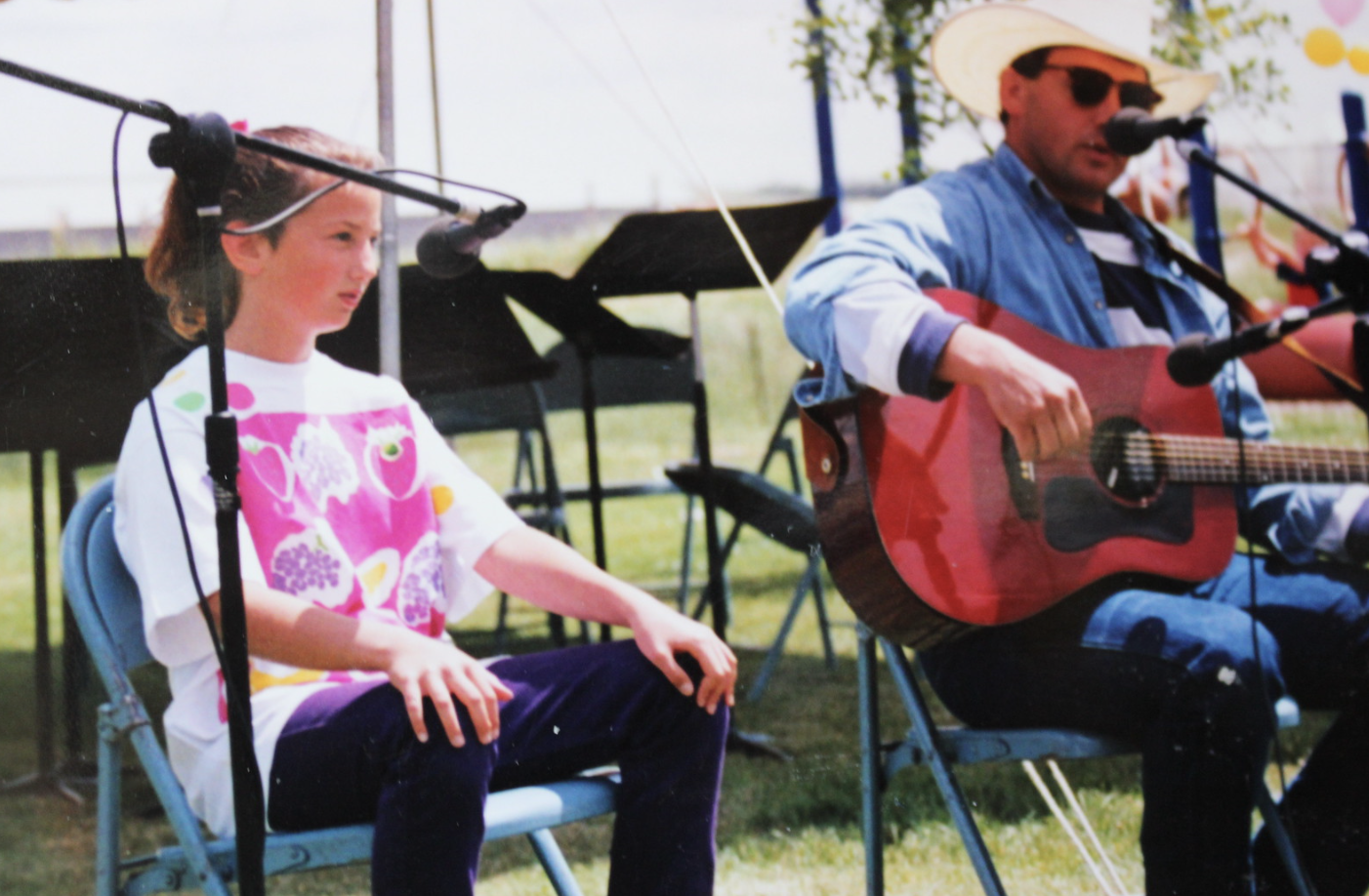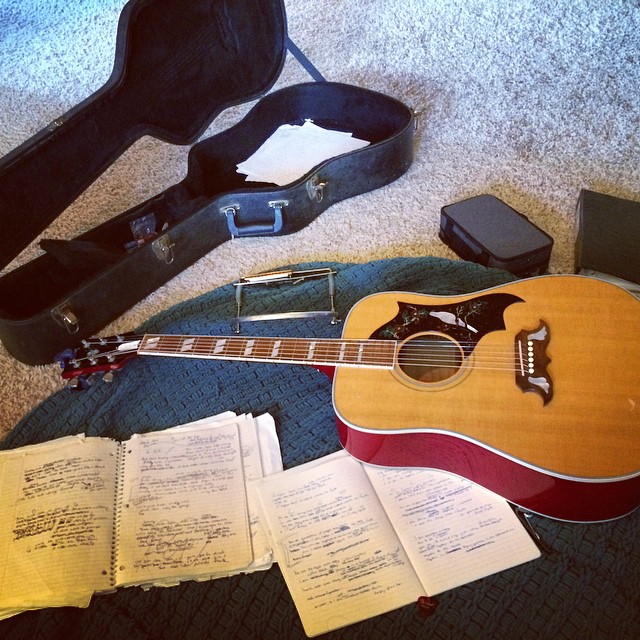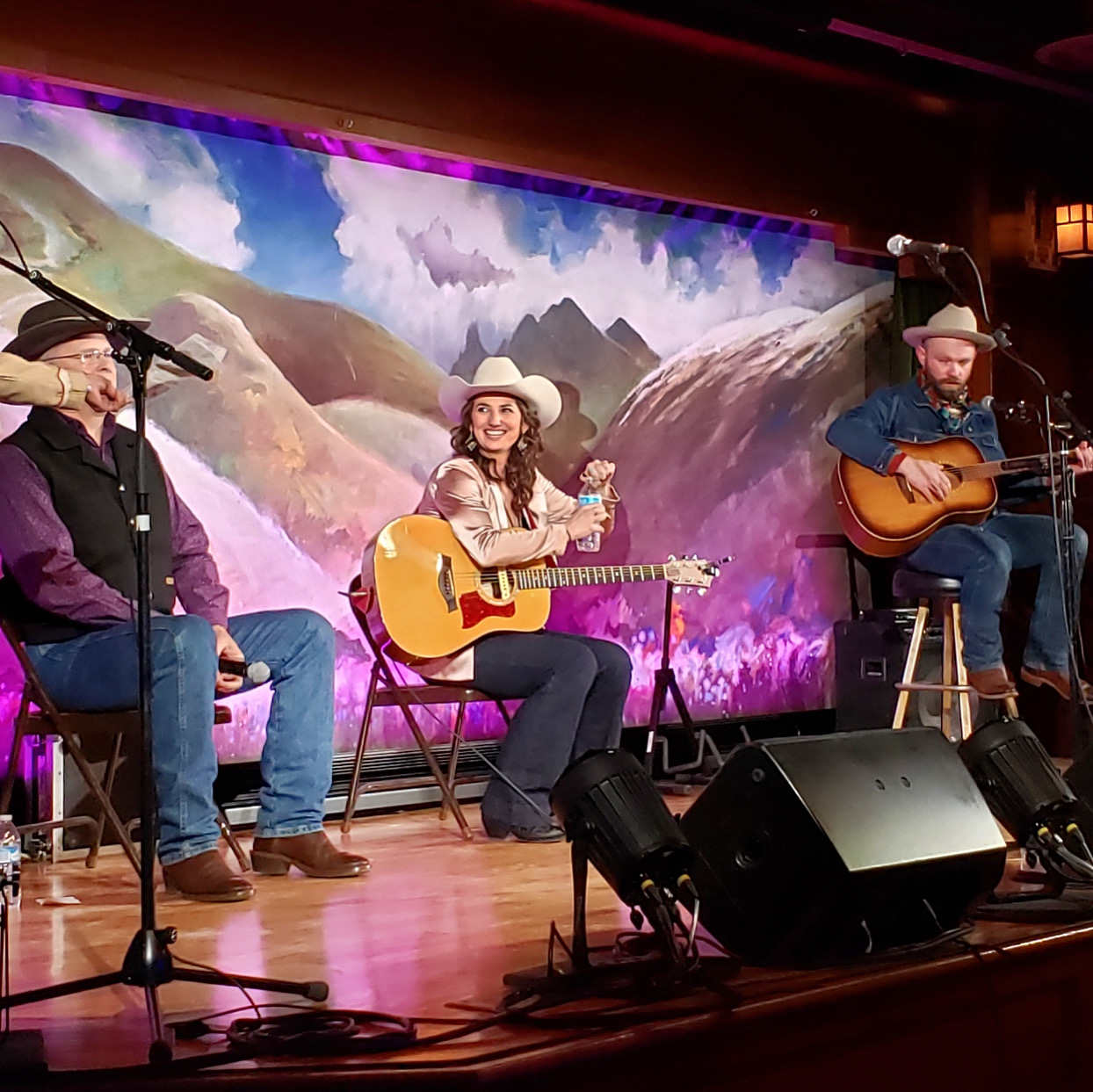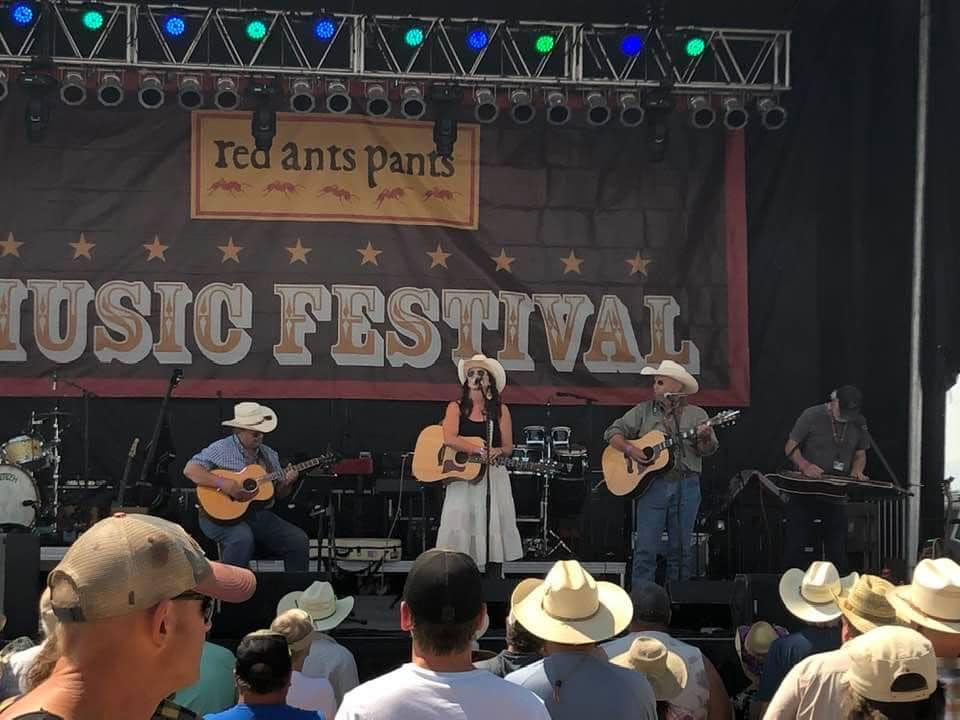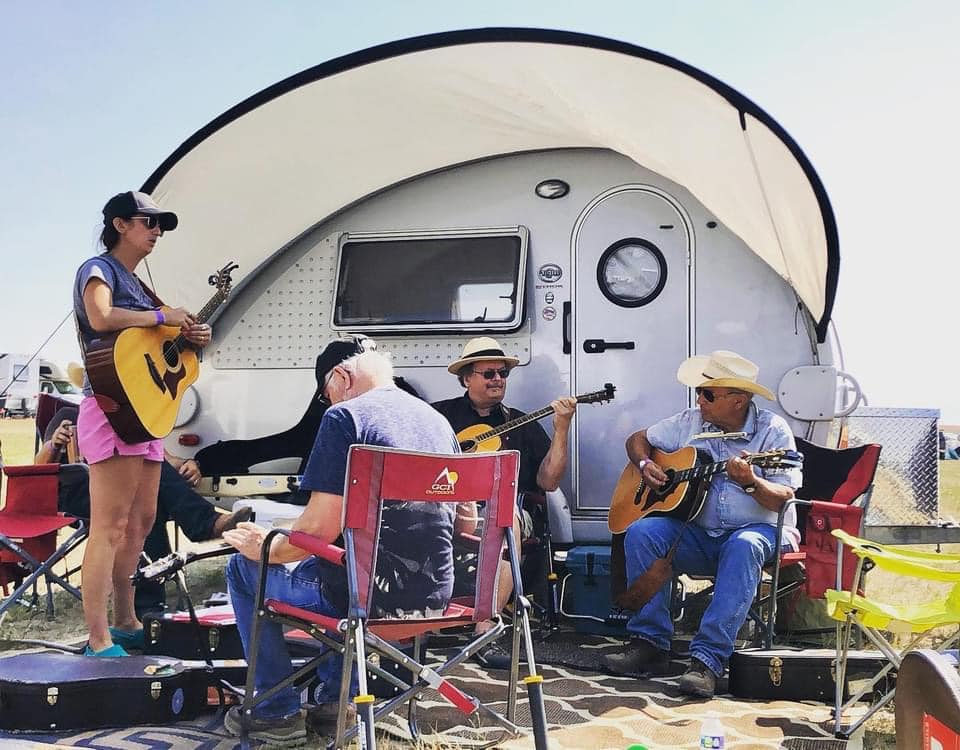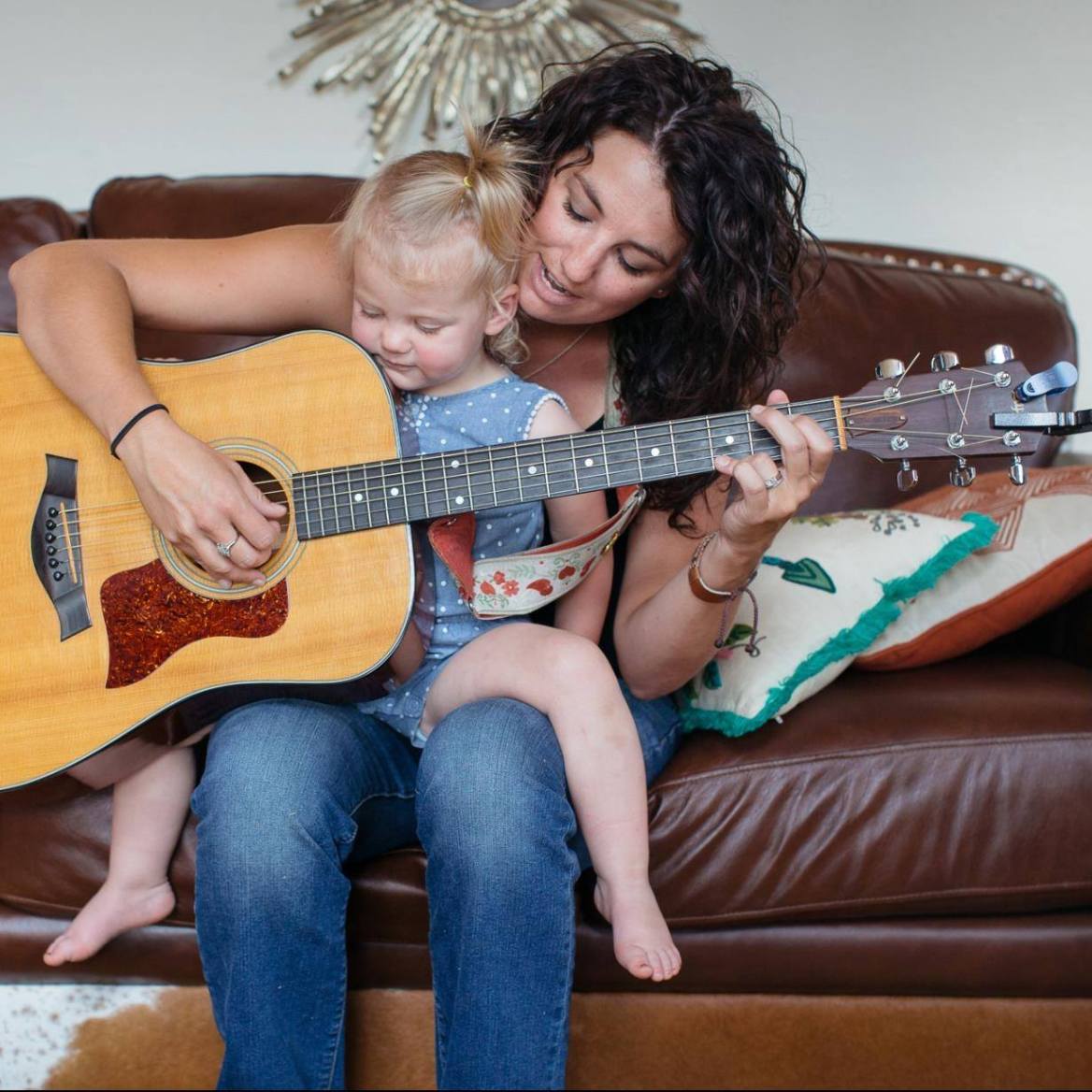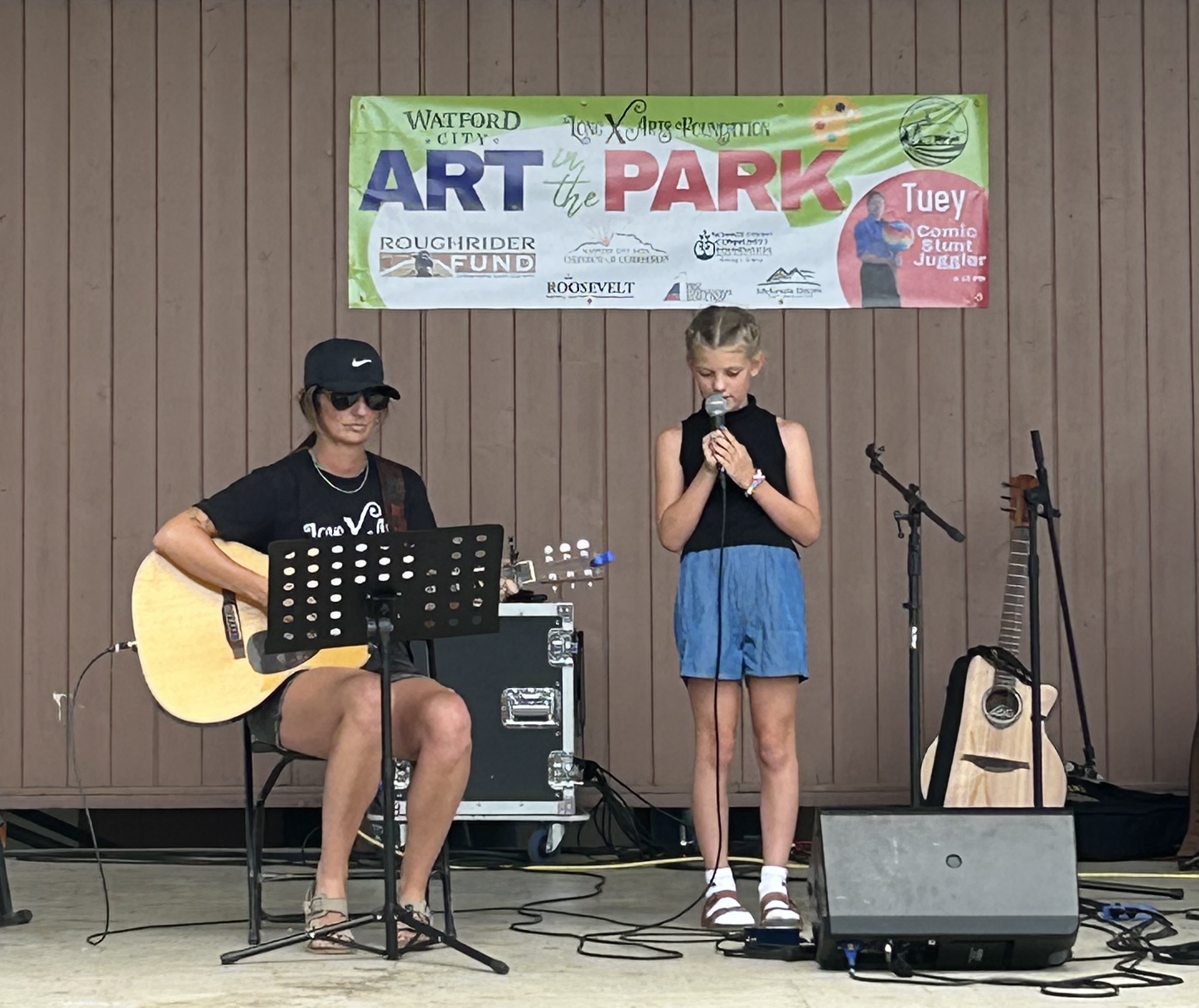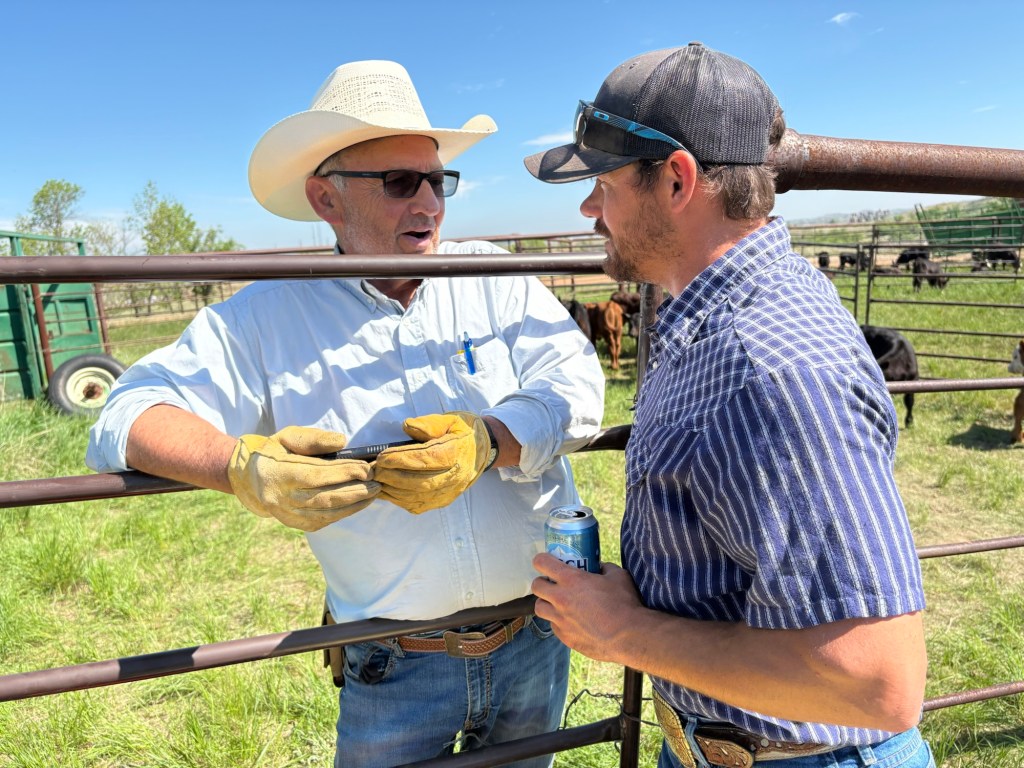
I had the pleasure of visiting with Gary and Mary Kaye Holt on the EQUESTRIAN LEGACY RADIO NETWORK about music and songwriting and ranch life. I met Mary Kaye when I shared the stage with her at Art of the Cowgirl and have become a fan. Loved talking shop with her.
When my husband and I take road trips together we have an unspoken rule that has developed over the years that we continue to abide by: when it’s time to eat, and if we have the time, we search for a local diner. Or the local diner, depending on what size of town we’re passing through.
It’s my informed opinion as a road warrior that nearly every small town, if they’re lucky, has one they’ve held on to through the ebbs and flows of economic booms and busts. Not necessarily the tiny towns, but the small ones. If you’ve spent any time on the highways and county roads in America, you’ll know the difference. And then you’ll also know that sometimes they’re attached to truck stops on the edge of town or along the interstate or major highways, but a lot of times you’ll find that diner serving country fried steak and BLTs downtown tucked among two bars and renovated buildings standing shoulder to shoulder that used to be theaters and Five and Dime stores back when they were new.
Throughout my twenty-plus years on the road as a musician, I have made small towns my preferred stop. Because I like the way the storefronts line up. I like those old diners. I like the flower shops and drive-throughs that have been painted and repainted and still have the best burgers. I like the quiet little rivers that run through them or the surprise fishing pond I might find. I liked the almost antique playground equipment and the walking paths and the old men who meet for coffee at the Cenex Station.
Each small town manages to be uniquely its own flavor while simultaneously reminding me of the last one I visited, or the one I grew up in—houses repainted standing behind tall and neatly placed trees, fresh pavement outside the old Tastee-Freeze or, if they’re fancy and the economy’s good, kids riding their bikes to the new Dairy Queen, or swimming pool or school.
If I have time when I’m on my own, I like to drive through the residential streets and admire the freshly cut lawns and imagine what my life would be like if I lived there by a small lake in Minnesota, or the one in the middle of a field in Nebraska or in the heat at the edge of Texas. There’s a weird sort of wistfulness that happens when you find yourself alone in an unfamiliar but familiar town so far from home. You catch yourself thinking for a moment that you could stay there and become a whole new person in a place that will wonder where you came from. I think that feeling is where songs come from sometimes, the wondering what it could be, or who these people are inside those houses with the paint sort of peeling.
But when I’m with my husband we contemplate this together while I navigate him to the Mable’s Café or the truck stop diner that someone recommended on our way through Montana. If it’s breakfast time I will order a caramel roll as big as the plate and the server will bring it out with my coffee. “It’s her appetizer,” my husband will explain as he orders chicken fried steak and I get my eggs over easy with hash browns. I like my coffee out of their heavy brown ceramic cups. I like their paper placemats. I like the caddy of jelly packets and the sugar dispenser and the plastic water cups and the pie menu sketched in a waitress’s handwriting even though I never get the pie. I like how all of this is generally the same as the old Chuck Wagon Café that used to be on the corner of Main Street in my hometown when I was growing up. I like how it’s the same at the Little Missouri Grill today, the busiest restaurant in Boomtown. I went there three times last week because it’s always the right place to go with the girls when we have time to kill between school and soccer practice and they feel like a pancake at 4:30 pm. And it’s also the perfect place to go when your in-laws are in town to watch their granddaughter play soccer on Saturday morning and they feel like a hot cup of coffee and I feel like a burger and fries and the girls get the nuggets because is it lunch yet? And then, it’s the perfect place to go with your husband after a late night dancing and the kids are with those grandparents and we have a moment to just be the two of us in a diner. Well, the two of us and the relatives and neighbors that I inevitably run into because it’s there favorite place too.
“Wait until I tell your girls that you had your caramel roll before your meal,” she stops to poke fun.
“It’s her appetizer!” my husband laughs.
And I may never know who I would be behind those manicured lawns in a small town surrounded by Nebraska corn fields, but I know who I am here, opening tiny cream packets into black coffee sitting across from my husband and his chicken fried steak at the diner. And I like it. I like it here.
When my husband and I take road trips together we have an unspoken rule that has developed over the years that we continue to abide by: when it’s time to eat, and if we have the time, we search for a local diner. Or the local diner, depending on what size of town we’re passing through.
It’s my informed opinion as a road warrior that nearly every small town, if they’re lucky, has one they’ve held on to through the ebbs and flows of economic booms and busts. Not necessarily the tiny towns, but the small ones. If you’ve spent any time on the highways and county roads in America, you’ll know the difference. And then you’ll also know that sometimes they’re attached to truck stops on the edge of town or along the interstate or major highways, but a lot of times you’ll find that diner serving country fried steak and BLTs downtown tucked among two bars and renovated buildings standing shoulder to shoulder that used to be theaters and Five and Dime stores back when they were new.
Throughout my twenty-plus years on the road as a musician, I have made small towns my preferred stop. Because I like the way the storefronts line up. I like those old diners. I like the flower shops and drive-throughs that have been painted and repainted and still have the best burgers. I like the quiet little rivers that run through them or the surprise fishing pond I might find. I liked the almost antique playground equipment and the walking paths and the old men who meet for coffee at the Cenex Station.
Each small town manages to be uniquely its own flavor while simultaneously reminding me of the last one I visited, or the one I grew up in—houses repainted standing behind tall and neatly placed trees, fresh pavement outside the old Tastee-Freeze or, if they’re fancy and the economy’s good, kids riding their bikes to the new Dairy Queen, or swimming pool or school.
If I have time when I’m on my own, I like to drive through the residential streets and admire the freshly cut lawns and imagine what my life would be like if I lived there by a small lake in Minnesota, or the one in the middle of a field in Nebraska or in the heat at the edge of Texas. There’s a weird sort of wistfulness that happens when you find yourself alone in an unfamiliar but familiar town so far from home. You catch yourself thinking for a moment that you could stay there and become a whole new person in a place that will wonder where you came from. I think that feeling is where songs come from sometimes, the wondering what it could be, or who these people are inside those houses with the paint sort of peeling.
“Wait until I tell your girls that you had your caramel roll before your meal,” she stops to poke fun.
But when I’m with my husband we contemplate this together while I navigate him to the Mable’s Café or the truck stop diner that someone recommended on our way through Montana. If it’s breakfast time I will order a caramel roll as big as the plate and the server will bring it out with my coffee. “It’s her appetizer,” my husband will explain as he orders chicken fried steak and I get my eggs over easy with hash browns. I like my coffee out of their heavy brown ceramic cups. I like their paper placemats. I like the caddy of jelly packets and the sugar dispenser and the plastic water cups and the pie menu sketched in a waitress’s handwriting even though I never get the pie. I like how all of this is generally the same as the old Chuck Wagon Café that used to be on the corner of Main Street in my hometown when I was growing up. I like how it’s the same at the Little Missouri Grill today, the busiest restaurant in Boomtown. I went there three times last week because it’s always the right place to go with the girls when we have time to kill between school and soccer practice and they feel like a pancake at 4:30 pm. And it’s also the perfect place to go when your in-laws are in town to watch their granddaughter play soccer on Saturday morning and they feel like a hot cup of coffee and I feel like a burger and fries and the girls get the nuggets because is it lunch yet? And then, it’s the perfect place to go with your husband after a late night dancing and the kids are with those grandparents and we have a moment to just be the two of us in a diner. Well, the two of us and the relatives and neighbors that I inevitably run into because it’s there favorite place too.
“It’s her appetizer!” my husband laughs.
And I may never know who I would be behind those manicured lawns in a small town surrounded by Nebraska corn fields, but I know who I am here, opening tiny cream packets into black coffee sitting across from my husband and his chicken fried steak at the diner. And I like it. I like it here.
I am behind on my column posts and the only excuse I have is that I dropped my computer in Arizona and that created a certain chain of events that have made things like posting here annoying but mostly work has been relentlessly busy in the way that has been good but also all-consuming to the point where I’m starting to miss the part where I actually climb a hilltop and find perspective every once in a while.
Good thing coaching a 4-year-old soccer team also gives me some of that.❤️🥰
And also, opportunities like the one I wrote about a few weeks ago in this column.
HERE TO HAVE TEA
Recently I spoke and sang at a local women’s event in my hometown. It was a tea party and the room was full of ladies dressed in their best seated around sweetly decorated table settings. I stood on the stage in front of them and imagined how much needed to be arranged and rearranged on their schedules to get them in these seats on a Saturday morning. The sitters or the kid’s sports runners. The newborn baby holders so she could get a shower in. The grammas leaving early for the grandkid’s birthday party they wouldn’t miss for the world. And so I said it out loud into the microphone. I said that I understand how much is going on in their lives and the schedules each one of those women had going on in the back of their minds.
I had just dropped my oldest daughter off at soccer camp on the way to the event and we almost didn’t make it to town because I forgot to fill up with gas on my way home from a late event the night before. Miraculously Jesus took the actual wheel and I made it the thirty miles without the assistance of a gas can. And while I sat and enjoyed my tiny sandwiches and tarts and coffee I was checking the clock to make sure I could get out of there in time to get back home and change clothes, grab a bite to eat and bring the girls back to town for a rodeo I was working.
My low-on-gas Chevy might have been a metaphor for my life at the moment. Also, the pile of laundry I was trying to tackle in between, and the fact that I realized for the past two-weeks I have been using dishwashing tablets instead of proper detergent in the washing machine. I suppose that’s what I get for buying the fancy, no plastic, good for the environment product with the tiny label that keeps popping up in my feed, beckoning me to be a better person the same way all the creams and exercise programs are trying to convince me my skin’s not smooth enough and I’m not lifting weights enough for my age because I’m not lifting any weights because I can’t even remember to get gas for crying out loud.
Needless to say, I think I needed this little two-hour women’s tea as much as anyone in the room. And, as the hired-speaker, if they were looking to me for inspiration on how to balance it all, how to make it all work together and not wake up at 2 am worrying, that’s not what I brought with me. It’s never what I bring with me.
A bag of lettuce from my little sister’s and the bag with my daughter’s peep she’s supposed to be treating like a baby but keeps leaving in her aunt’s minivan? That I’ll bring with me…
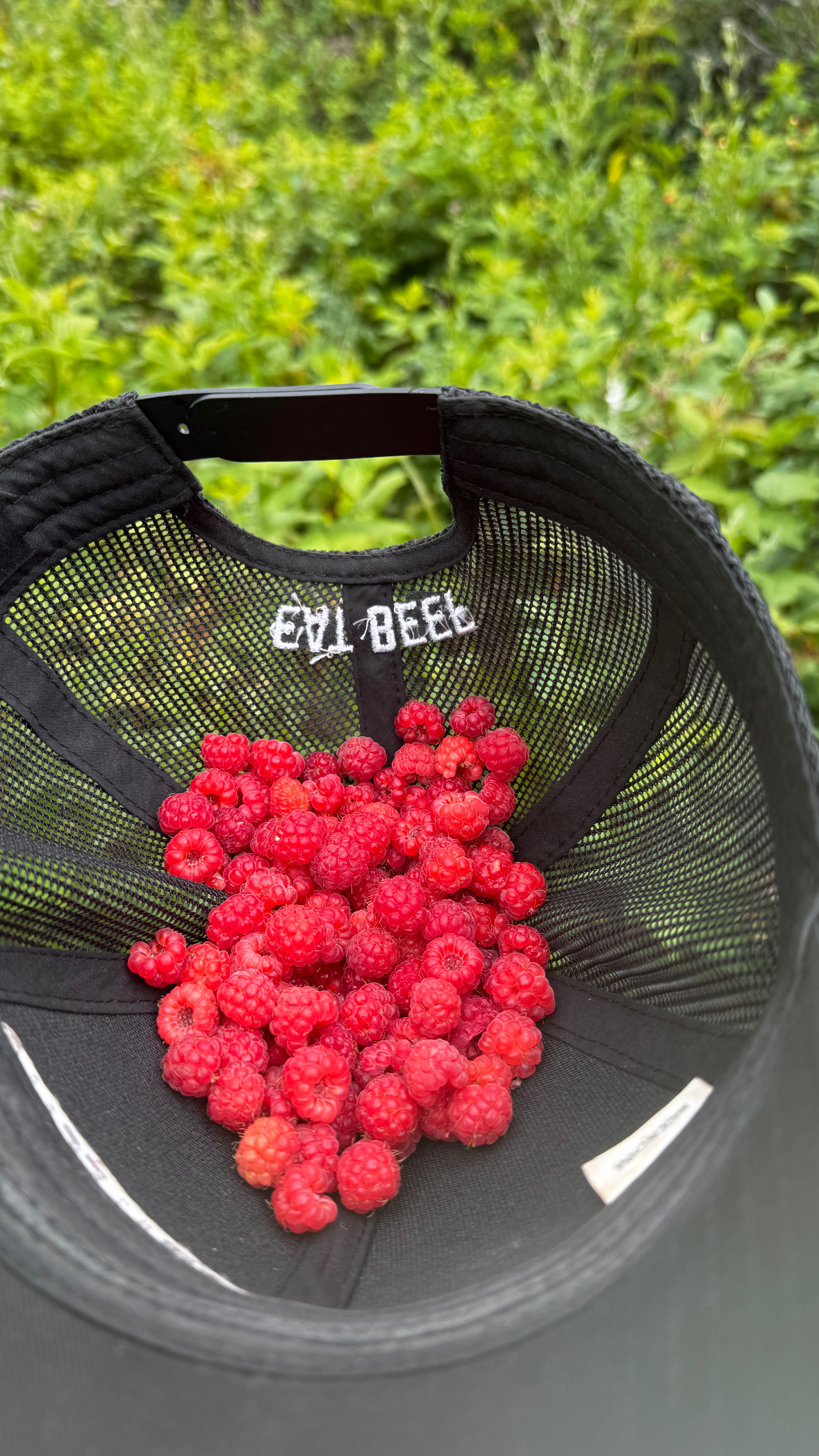
I did, however, bring with me reminders of why living with gratitude tucked quietly in our pockets can help when we feel like we’re drowning. And probably that explains the tears that kept welling up in my eyes as I looked out at that community of women, some my dear friends, some my relatives and some I had yet to meet. I needed to hear own my words the same way I was asking them to hear the story about my dad and how he used to take us along to work cattle when we were kids, and no matter the rush we were in, he always stopped and got off his horse to pick up a fallen feather to put in our hats. With us along, he never passed up an opportunity to pick a ripe raspberry or point out a deer or pick the first crocus of spring. I know now, as an adult raising young kids in the middle of my life in the middle of a family ranch, how busy he was. I didn’t realize then how easy it would have been for him to rush past all of the special things on the way to get work done.
But instead, he picked up the feather.
A picture of the first crocus my dad sent me last week, still doing the noticing for me into my adulthoodAnd a picture of our first calf he sent the day before
Scheduling time on a Saturday to have tea and tiny sandwiches was that feather for so many of these women in that room. Turns out, they were way ahead of me.
And I might forget the gas, and I might not take the time to read the labels, and I might have found Rosie’s lost earring by stepping on it, post up, with my bare foot last night, but I’m trying hard not to miss the tiny things that make all of this worth it. Because we are not here getting older and more wrinkly in the name of the freshest laundry. We’re here to notice that bald eagle sitting in the dead old tree every morning on our way to school. We’re here to hear the song our seven-year-old is writing in her new notebook. We’re here to sit in a room together and talk and listen. We’re here to cry a little bit because it’s hard and we all know it but also because it’s beautiful too.
Recently our high school student council members held their third Community Cultural Fair alongside parent-teacher conferences. The large field house typically used for open gym and youth volleyball and basketball practices was lined with tables and décor from over twenty different countries that are represented in our community. And behind those tables stood students and community members serving samples of food from their respective cultures. For months the students and their advisers have been gathering cooking supplies and ingredients and making kitchen schedules so they would be ready to serve the hundreds of community members who would show up, some right on the dot, to make sure they were in time to sample everything from Italy’s tiramisu to the Philippines’ famous egg rolls and everything Gloria cooks from Ghana.
And it’s here I’ll confess that for the past few weeks I’ve been feeling a little burned out and uneasy. Between a confusing a volatile news cycle and a packed schedule of events that kept me working long hours, to managing that annoying chronic pain that tends to flare up in the most inconvenient times to helping our daughters navigate the not-so-fun parts of friendships and girlhood, I found myself questioning, as we all do sometimes, if the good parts truly outweigh the hard parts.
This can be a slippery slope to walk down. You dip one toe into the well of overwhelm and it’s pretty easy to drop right in over your head. Lately, I feel like I’m floating with one semi-deflated water wing that refuses to give up and I’m pretty sure there are plenty of us who could use an air pump or a life vest right now.
Which brings me back to the Cultural Fair. I don’t think anyone in that room would disagree when I say the event was that life vest. I stood on the stage in the middle of the room ready to introduce the MHA Nation Cultural Dancers and on every side of me were people I knew and loved and people I have never met, all ages, all backgrounds, some whose grandparents homesteaded this place and some who just took a new job here yesterday. At any given moment you could walk by a booth and hear members of our community speaking Spanish or Italian or catch a student on Facetime speaking German, showing their parents across the ocean what they’re up to tonight in their exchange program.
I called the dancers up on stage and they took it from there, welcoming and thanking everyone, introducing the Prairie Chicken Dance and then the Fancy Dance and then the Grass Dance and how Native Americans used to dance to stomp down the tall grass in order to flatten a spot for their teepees. You can only imagine a world like this in history books and movies now, unless you get the privilege of hearing that history flow through the drum beats of men in Nike sneakers and hoodies, or watch it move through the body of a twelve year old boy in traditional dress and moccasins, lifting and sweeping his legs over the imagined grass on the center of the stage.
“We invite all of you to dance with us now,” our host’s voice boomed from the speakers. He stood by his grandson who wore a matching headdress, leggings and colors. I grabbed my daughters’ hands and we took him up on his offer. The six-year-old dressed in her pretty fancy dance shawl grabbed my hand and along with a dozen or so others from the crowd, more joining as the drums started, we formed a circle and walked to the beat of the drum.
I don’t know what we think we want America to be if we don’t think it’s this. And I know it’s complicated and I know it’s nuanced and I know it’s political and I’m not as naïve as I used to be, fortunately and unfortunately. And I know one cultural fair in the middle of nowhere North Dakota isn’t going to fix what we all seem to think is broken in wildly different ways.
But from 4-7 pm central time on March 25, 2025 during Watford City High School’s parent teacher conferences I felt like we had it right. And it was simple. Shaking hands. Saying hello. Asking “What’s this now? What is it made of?” and then bringing it back to our tables and trying it and saying “It’s too spicy for me, but it’s good.” Or “This reminds me of the pudding my grandma used to make.” Or, “You have to go check out Brazil’s cake.”
And there’s so much more to say here, but, well, I just wish all of American could have been in that room.
There’s ocean sand on the floor of my landlocked North Dakota home and seashells in a plastic cup on my kitchen counter. The smell of sunscreen and the ocean lingers in my laundry room as I let our vacation clothes pile up for a few more days, beach wear underneath dusty Carhartts underneath button-up shirts underneath spaghetti-sauced sweatshirts.
My 7-year-old has a little tan line on her shoulders, her skin kissed by a more tropical sun. Her sister is scratching at her flushed and flaky cheeks from a much harsher reaction to the same sun and surf.
“Once that saltwater hits, it’s gonna be a wake-up call,” my husband remarked as we boarded our connecting flight from Atlanta to Panama City.
Our daughters looked small and spindly under the weight of their bulky backpacks stuffed with books and markers, blankets and sizable stuffed animals that I realized were the completely wrong choice of companions for the trip. In their short lives, our daughters had yet to see the ocean, but that night they would have their chance under a darkening sky and a strong wind.
Dressed in their sweatshirts and long pants after a steady Florida rain, we would take them across the street and across the boardwalk and onto the white sandy beach, where they kicked off their sandals and ran toward the big waves of the Gulf of Mexico.
What a gift to be a kid with the chance to encounter the ocean for the first time. Its vastness and noise, its dangerous playfulness. Its relentlessness. Its saltiness.
It was too cold to swim, but after about five minutes of playing tag with the waves, our northern daughters pushed it far enough to be completely soaked by the chilly water. Of course. Just the day before I caught these two up to their knees in a sorta-still-frozen culvert puddle back home in our yard with their cousins, the chilly ocean was no match for them.
We’d been talking about our family trip to Florida every below-zero day on our way to school for the past month, and here they were, on the cusp of a week that would be filled with more wave chasing, pool swimming, roller skating, dolphin spotting, seashell picking, ice cream eating, beach baseball playing and more pool swimming than their little bodies could handle.
My mom booked this Panama City Beach house for our extended family vacation around the time she decided to close her retail store. I think it was a little bit of certain sunshine she could look forward to in a future that felt uncertain after that big change. And isn’t that one of the best gifts a getaway does for us? It becomes a beacon of hope among what can sometimes feel like a daily drudge.
And in North Dakota, January and February can definitely feel like that drudge. So finally getting to come together, my sisters and their families and my mom and dad, to shed our winter skin, hang out by a pool, make plans, eat too much, and snuggle up on a big couch all worn out and sun-kissed (or burned) at the end of the day is a gift we were so lucky to receive before spring turns into calving season and calving season turns into haying and construction season and 4-H and softball and all the great and busy things about summer in North Dakota.
And Florida … it was great. The sunshine and the pool and the big dinners and the dolphin island catamaran cruise and the beach and the waves that sent our spindly girls rolling, throwing sand down their shorts and yes, that pesky saltwater into their eyes. But when we asked them what their favorite part of the whole trip was, you know what they said? Playing baseball on the beach.
Which, I have to say, didn’t surprise me knowing kids in general. The idea that they had a chance to hit a little soccer ball with a stick with the attention of all their uncles and teenage cousin and their moms and grandma cheering them on from the lawn chair? That’s all a kid can ask for, honestly.
So, if you’re thinking a getaway that requires airfare just isn’t in the cards, I’m here to tell you it doesn’t have to be. Maybe the only cost of taking a meaningful family break is your time and undivided attention.
And I guarantee the memories will linger longer than the sand we’ll be sweeping off the laundry room floor.
When I was a little girl, my favorite book of all time was “My Side of the Mountain.” It’s a classic, about a boy who finds himself living away from home in the wilderness of the mountains inside of a giant hollowed out tree. I can’t remember the exact story now or why he was alone out there, funny how those details escape me no matter how many times I went over the pages and marked my favorite parts. The parts where there were diagrams of how to build a fire with no supplies and something about a windmill and making a spear for fishing.
I still have the book buried somewhere deep in the rubble of the basement. It was one I could not give up to charity or to my younger sister. It’s sitting there among the books about horses and misfit dogs, prairie children and my other favorite, “Misty from Chincateague,” about two siblings who save money to save a rescued wild horse from an island.
I wanted to be these kids. I wanted to be the free-spirited girl who broke the free-spirited horse. I wanted to break the rules. I wanted to tame a wolf puppy, train a wild falcon to hunt, catch fish with a spear I sharpened out of a tree branch and exist in a faraway time where those things were necessary for survival.
Forget microwave popcorn and video games, I wanted adventure!
I’m sure I wasn’t unlike most kids at 9 or 10 or 11 years old. At that age most of us were lost in some sort of fantasy with little more confidence than we had experience at the real world. So I’d like to think that it wasn’t that unusual that as a kid who already lived about as far out in the middle of nowhere as anyone could live, I had convinced myself that I could survive out in the wilderness alone. Without a house. Or a toilet. Or my mom’s cheeseburger chowder.
In the evenings I would step off the bus from a day at country school, grab a snack, and head out up the creek behind our house. For months I would work on building what I called “secret forts” all along the creek that winds through our ranch. Looking back on it now, these forts weren’t that secret at all, in fact, you could probably see one from the kitchen window, but I was deep in my own imagination as much as I was in the oaks and brush that grew along the bank. I would identify just the right tree and use it as a frame to create a sort of tent-like structure out of fallen logs. And then I would begin the tedious process of locating and dragging fallen branches out of their place under overgrown vegetation and fallen leaves back to my tree to hoist them up to rest next to the last one I had managed to maneuver. And when it was complete I would lay down inside of it. And under the flawed “shelter” of fifty logs leaning on a tree and plan my next move. I would need a door. Yes. I could make it the way I imagined Huck Finn made his raft. I would need some rope. And a knife. I wonder if dad had an extra knife in his dresser drawer. I need some sort of blanket. Oh, and a fire. Of course!
I would be scouring the creek bottom for granite rocks to arrange in a fire circle when the sun sink down below the banks and I would decide I wasn’t quite ready to spend the night. Besides, I forgot to bring a snack and the wild raspberries weren’t quite ripe yet. Taking one last look at my creation and deciding to reevaluate the next afternoon, I would turn my back to it and follow the cow trail back toward the house where my little sister was likely lurking in the shadows, having found my path again, begging me to let her help next time. Begging me to let her in the fort as the sun gave off its last light and we argued and grappled until we could smell dad’s steaks on the grill or mom’s soup on the stove.
This was my daily ritual for months and one of my signature childhood memories. Eventually I gave in and helped my little sister build her own fort. A much smaller fort. Across the creek. Out of site. I thought I wanted to be alone out there, left to my own survival skills, but it turned out that having company was a nice addition, no matter how stubborn and annoyingly curious that company might be. So we built a tin-can telephone that stretched from my fort to hers and brought down old chair cushions from the shed, searched for wild berries, tried to catch frogs and minnows in the beaver dam and spent our evenings planning our next move: spending the night.
But we never did it. We never spent the night. Summer gave way to fall, and the leaves fell and covered the floor of our paradise. We would pull on our beanies, mittens and boots and trudge down the freezing creek to clear out the fire ring we weren’t yet brave enough to use. And then the cold set in and the snow came, and the neighbor girls called us to go sledding and our dream of being wilderness women collected snow and waited on a warmer season.
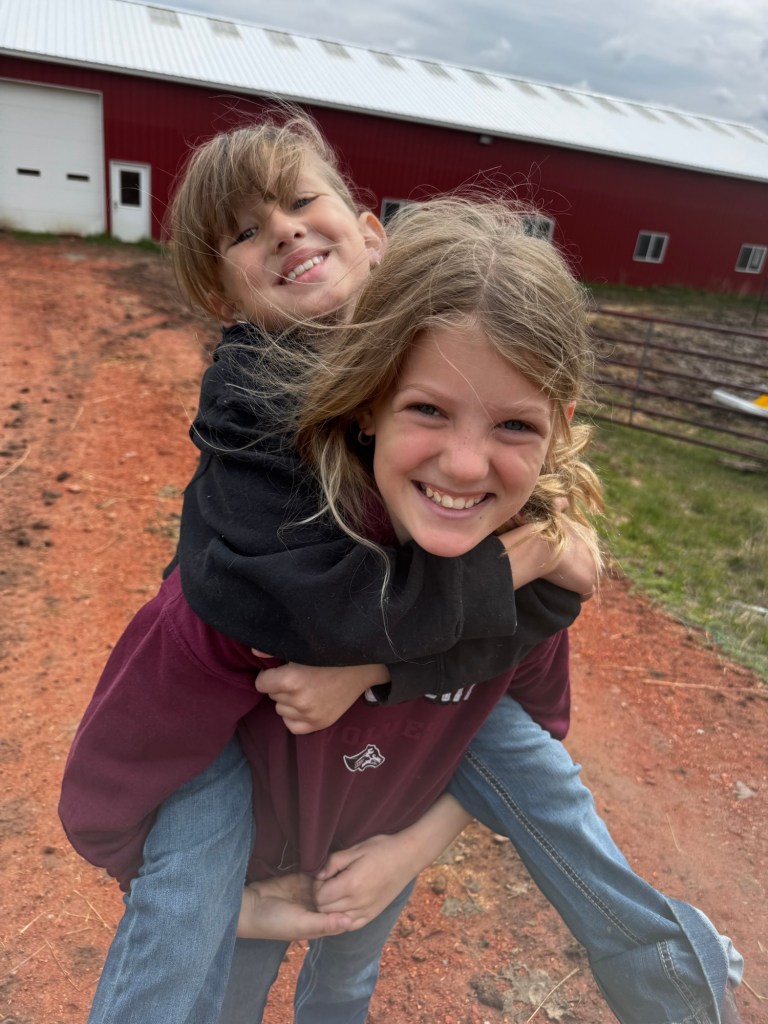
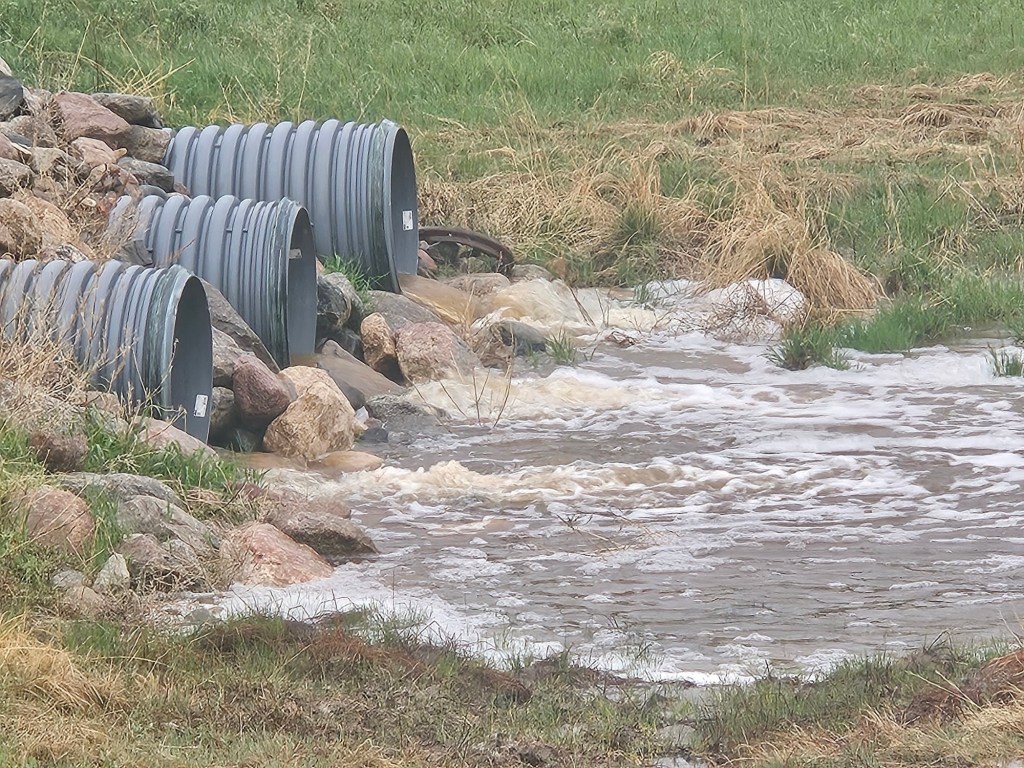
I can’t help but think about those girls on days like these when the warmer weather finally gives in and releases the snow to flow as wild water in the draws and you can smell the dirt again at long last. I get a call from my little sister. She’s driving our daughters home from town. “Can I steal your girls and bring them to the crick? The water is running, I want to take them to follow it.”
Ten-year-old me would be happy to know it, our little sister still just over the hill, a tin-can telephone call away, still following that crick and begging to be wild with us…
Full disclosure, I am posting this from my perch for the week in Arizona, where I am performing and hanging out in the Author’s Tent at the Art of the Cowgirl event in Wickenburg. And since this week’s column is all about getting ourselves out of the deep freeze that was -40 a week ago, the temperature shift I experienced upon landing and walking out to my rental car yesterday damn near sent me into shock. Like, my body was suddenly 125 degrees warmer than last Monday. What a time to be alive!
Anyway, I’m beyond excited to be included in Art of the Cowgirl and am looking forward to performing and meeting these wonderful women, horsewomen, authors, entertainers and guests all gathering in the name of some of the best things. If you’re in the area, stop by and say hi! Here’s my schedule.
Anyway, back to the great white north, which is melting now. The girls are thrilled to be following the creek rushing as the thaw hit. One more month and there will be baby calves and crocuses and it can’t come soon enough!
How we survive the deep freeze
By the time you read this we will have pulled ourselves out of the deep freeze that lingered over us in North Dakota in February. This morning, at 8 am, the temperature on my SUV read -35. On Monday it ready -40.
I don’t recall that I’ve ever seen -40 in my life up here, but that seemed like a perfect time for our furnace to go out. So it did.
When it’s this cold, things just break. Sometimes that also includes our spirits, which seem to be dangling by a thread lately. But I tell you, my kids, they’re really trying.
On our drive to school, I heard my oldest explaining how much of a relief it’s going to be when it hits 20 degrees on Friday. Her cousin wasn’t convinced and so she reassured. “Twenty degrees? That not even chilly. That’s pretty much, like, warm. Probably won’t even need your hat.” Considering it will be a sixty-degree temperature shift, these kids up here will be coming to school in shorts.
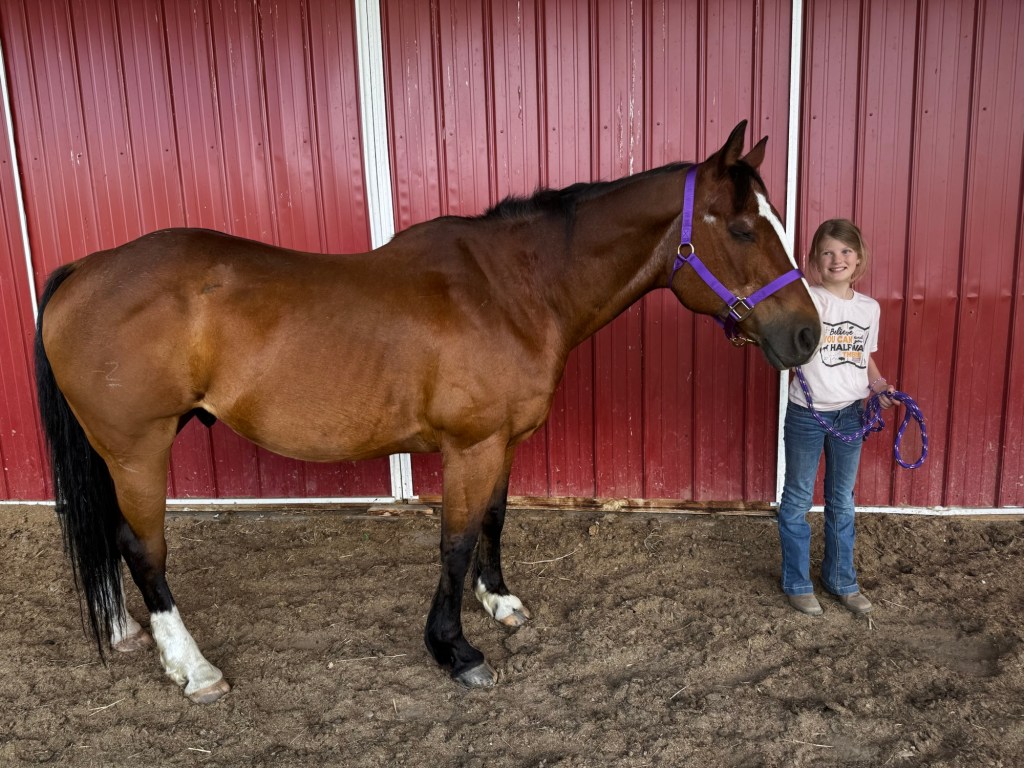
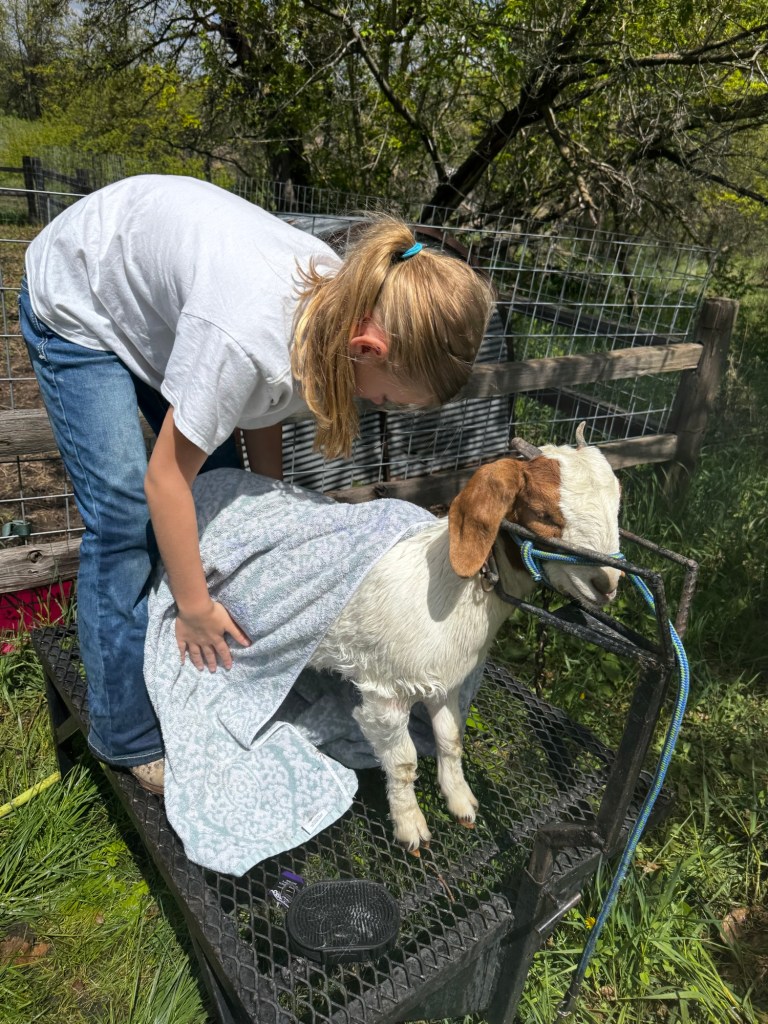
Edie gave Rosie a spa day. Self care is important when the cold is trying to kill you.
Because they haven’t had recess in weeks, the busses aren’t running properly, water pipes freeze and tractors refuse to start. We drove by the cows and horses this morning and they’re covered in frost, sparkling and chewing and laying in the hay, surrounded by the turkeys and pheasants picking at the leftover cake. Edie thought we should build them a big dome to keep them warm, but they seemed ok laying in the morning sun. They were bred to be this hearty, as long as my dad comes every day to feed that hay and cake in a protected spot out of the wind and break the ice on the water tanks. It seems contradictory, but when snow sits on the backs of the cows, that’s a good indication that they’re retaining thier body heat, well insulated against the cold weather.
The same goes for horses and the wild animals too, like that young, orphaned deer that dad says comes in to feed with the herd almost every day.
This place seems to hold plenty of little secrets like that on survival and adaptation, in particular. That little deer, when he lost his herd, he found a new one. Those turkeys have been storing up fat all year for these cold temperatures, fluffing up their feathers to create air pockets that trap the heat and roosting in the thick and protected brush at night. The pheasants have been saving too and find shelter in the thick grass and cattails in the draws.
It’s hard to believe in a month or so the crocuses will poke their heads out to the sun, growing best in rocky soil, using the warmth from nearby stones to thrive in the early chill of spring.
I think in the deep freeze of winter is when us humans need to take a cue from these animals and lean on our ancestral instincts the most. Even with the most modern amenities and the many ways we work and entertain one another, amid a deep freeze like this, we need to simply betogether. We may not technically need this coping skill to keep one another warm (unless you’re like us and your furnace fails you) but just as importantly we need to remind each other of the promise of spring.
“Remember when it was 100 degrees are our air conditioning went out and we had company coming?” I ask my husband as he tinkered with wiring in the furnace room.
I don’t know if that was as helpful as Rosie planning our trip to Florida.
“We’re going to have to dig our shorts out of the bottom of the drawers!” she exclaimed bundled in the back of the car with a blanket tucked up under her chin.
“And we’ll go to the beach. I’ve never been to the beach!” Edie added.
“Yeah!” my niece chimed in. “It’s going to be so fun. And so warm!!”
Look at us, just like the crocuses, using the warmth of our surroundings to pull us through. Look at us, just like that little deer, relying on our heard. Look at us, like the wild birds, fluffing our feathers, pulling through…
“The magpies are back,” my dad said casually in conversation while we were driving somewhere. Or maybe he was in the middle of putting honey in his tea at my kitchen counter while the kids interrupted us endlessly?
The magpies are back.
“I saw that!” I replied. “Saw one the other day near the barn.” And that was sort of that — a nice little revelation among talk about work and ranch plans and weather. It was weeks ago, but when I opened my notes this morning, I saw that I wrote it down.
“The magpies are back.” I had put it in writing so I wouldn’t forget to think about it later.
What’s the significance of a wild black-and-white bird on our small family ranch?
Photo from Wikipedia
I will tell you from my perspective, and that is simply that my dad used to tell me about them when I was growing up. The birds, known for their relationship with large animals, perch on the cattle and eat the grubs out of their backs. It was a little bit of a service to the cattle, and Dad remembers getting close to those birds hanging with the milk cows in the barn.
But it was there my memory sort of faded, so I had to give him a call. “I know you had a pet crow when you were a kid, but did you have a pet magpie, too?”
“Oh, yeah, I didn’t just have one, I had several,” he said on the other end of the phone (I do have to do some investigative journalism for this column occasionally).
From there, he went on to his memory of being a little boy watching their nests, and then, just before they learned to fly, climbing a tree (or, in some instances, hauling a ladder to reach the right branch) to get to the young birds.
“I would take one and raise it each spring. They would live in the barn and hop around drinking the milk we put out for the cats and eating the grain. I’d feed them scraps of bacon and meat and they would follow me,” he said. “One was named Earl — I don’t know why.”
I heard that story before as a kid, but it seemed to have faded, like the magpie, to the back of my memory until that resurrecting conversation. To me, the magpie was a magical creature of my upbringing — like a unicorn or Santa’s reindeer — and you only believed it existed because of the stories you were told. But when Dad was growing up, you could shoot the bird for a bounty, bring the legs in, and receive payment.
“People thought they would peck at cows’ brands and they didn’t like that. I don’t know if that was ever really an issue,” he said.
I suppose it says a lot about my dad, defending the bird and keeping them for pets instead.
I never saw a magpie on the ranch when I was growing up. Area ranchers at the time would use the insecticide Warbex to treat cattle for grubs and lice. They would pour the chemical on the backs of their cows with a big metal dipping ladle, which I remember well because I remember the smell. It was potent, and if you happened to get some on your hands, you would feel tingly, itchy effects for days. It did the job, I suppose, but it also killed the birds, magpies specifically, who would inevitably ingest the poison on their quest for those grubs coming out of the cows’ backs.
In time, the bird just disappeared from the area. Before I became a teenager, the practice of using Warbex went out of favor, with most countries restricting or banning its use by the 1990s.
“It’s been about 30 years since we’ve seen a magpie on the place,” Dad remarked. “But then, I suppose, when I was growing up, I never saw a wild turkey or a bald eagle on the place. There were no elk, no mountain lions, no mule deer. That’s five species right there that have made a comeback.”
We went on contemplating why. With no real scientific studies to back it, Dad recalled my grandpa claiming that most of these species disappeared after the Great Depression and it’s taken this long to bounce back. This long and more education. This long and better land management. This long and just a few months ago, my sister found a moose in her backyard munching by her trampoline.
This long and the magpies are back.
If I were a different kind of writer, I might be inclined to try to pull this all together as a sign from the universe that it’s all going to be OK in the end. That feels good, doesn’t it? Without all the middle parts where we perpetrated and witnessed the disappearance of …
The story of the magpie and my dad might also make some of you mad. Domesticating a wild thing, how could he? I can hear it now. But he was a kid. A kid living and working among the wildness of it all and wondering how it all worked. Maybe then, more than anything, the story of the magpie and my dad as a kid with a ladder and a plan and then a bird named Earl following him around the barnyard is more a tale in paying attention. Noticing. Learning.
“I see the partridges are back, too,” he said before we hung up. “I wonder why? Maybe easier winters …”
This morning, I opened a manilla envelope I had stored in my backpack to take back from Nevada to my home in North Dakota.
A few weeks ago I was standing on a variety of stages in Elko for the National Cowboy Poetry Gathering’s 40th Anniversary Celebration. I sang songs about ranch life and “You Are My Sunshine” at the top of my lungs to an auditorium of 900 elementary school students and then I did it all again the next hour. I sang my “Happy” song and charged those kids with writing a list or a poem of all the things that made them smile.
I stood in a bar with my dad and guitar player and pulled out all the toe-tapping songs we could think of while people hugged and cheered and danced and visited.
I told a story about my great-grandfather’s life and the yellow roses that still bloom in the barnyard on a small stage in front of an audience so still and attentive and close you could hear them sniffle.
I shared the stage with Carnegie Hall performers, Western folklorists, a Grammy award winner, viral music sensations and the yodeling cowboy from Montana who’s the voice of the “Yahoo” commercials.
Andy Hedges, Dom Flemmons, Dad, Seth and Katelyn (Buffalo Kin) and MikeWatching Wylie and the Wild West from backstageAdrian Brannon rehearses backstage before our setMargo Cilker, her husband Forrest VanTuy and her band Ed Peekeekoot shows us the head of his guitar he hand carved
I sat in the audience at an open mic session for kids where 50 or so aspiring performers recited, read or performed cowboy poetry or music that they wrote or memorized. I obliged when a 10-year-old cowgirl behind a guitar asked us to sing along to “Home on the Range” while she played.
Jessie Veeder listens to a young fan recite his cowboy poetry.
I met new people from all over the world curious about ranch life and eager to hear the stories. And then I swapped tales about ranch kids with fellow ranch moms and dads. I met unbelievably talented musicians and poets from across the country and reunited with those I’ve come to love over the years.
Clara Baker, Margo Cilker, Lara Manzanares
I ate, drank, told stories, shopped, talked, barely slept, and sang and sang and sang until it was time to point our car back north in a blizzard warning, slowly through Nevada, then Idaho and then Montana and then finally to our home state, where the wind sent the fresh snow skidding across the interstate.
I took the wheel in the last stretch of the trip so my dad could log into a bull sale and make his virtual bids while we drove toward the Badlands, rolling us back into our real life before we even parked the car. What a very modern-day-ranching thing to do after a week of talking about it.
Back home, my husband kept the cows, horses, kids, cats and dogs fed. He fixed a faulty furnace and wrapped up work on a big shop project. He practiced spelling words with our daughters, and when I caught him on Facetime during breaks in my schedule, he was snuggling our oldest on the chair watching YouTube videos on how to install fascia on steel buildings, and I thought, “Well, look at how much she loves him — little Edie enduring the drone of a how-to construction video just to be in the crook of her dad’s arm.”
When you’re home at the ranch the way we are in our everyday lives, you don’t think much about how most of the rest of the world is living — and that breaking ice on water tanks and rolling out hay bales in negative temperatures is Hollywood-esque to some who have never or will never live this way.
I dress up in my felt cowboy hat, pressed dark jeans and a bright pink satin blazer behind my guitar to tell the audience in Elko about the time, when I was a kid, I attempted to get the horses in by riding my sorrel mare bareback with baling twine for a bridle. They laugh at the part where I question my dad’s parenting instincts, recalling how he hollered “Bail off, Jess!” And I did, only to break my wrist and leave it dangling off my arm.
Back home, my husband is in Carhartts and a wool cap. He smells like diesel exhaust and his beard is scruffy. He packs snacks in backpacks and makes sure our daughters have snow gear for school, he takes out hamburger from our deep freeze stash for supper and stands by the stove smack dab in the middle of our decision to raise our kids out here alongside those horses, tucked into the hills while I’m a thousand miles away singing about it.
I pull the SUV into the drive and drag my suitcases and guitar inside. I flop down on the couch and lay my head on my husband’s lap. I’ve been gone a week, but there’s no big fuss about that. He gives me a kiss, then launches into the report on those spelling tests and on Edie baking cookies all on her own and Rosie’s newfound master of the stove. I notice a log burning for the first time in our new fireplace. I say a few things about the crowds and who I got to see.
We get up and take out elk for a stir-fried supper. Our youngest gets sick at bedtime and throws it all up on my husband lying next to her. Welcome home, here’s the flu.
This morning, I emptied my bag to find that manilla envelope. I thought it was going to be a big thank-you card with signatures from the kids in Elko, but it was better. Twenty or so pages from Mrs. Wine’s Southside class with handwritten reasons these kids are happy.
The big ‘ol auditorium full of elementary school kids
To: Jessie: I want to say hi to your daughters. I know one is from the name Rosey? But I want to say thank you for singing us the songs but I love how you and your dad and your friend sang it almost made me cry.
Dear Jessie, I like when I was dancing, only for 15 sec…Sunshine made me remember the old times.
Dear Jessie, what makes me happy is going and seeing my dogs and cats and my mom and dad and what I love is coming home and smelling supper.
Dear Jessie, my dogs make me happy because they make me laugh when ther licking me. My teacher is my first thing that makes me happy.
Dear Jessie, Songs make me happy Jessie. Things that make me happy are dogs, chicken, horses and cowboy poetry week…
And I think, same here kids. Same. Same. Way up here.
Hi from the ranch! We back from the National Cowboy Poetry Gathering in Elko, NV after one big week away and two days of driving north under a blizzard warning. I have lots to say about the experience, which I’m drumming up for next week, but for now, here’s the column I wrote in the back seat of my SUV while my dad drove him, me and my guitar player, Mike, through Idaho.
Greetings from somewhere in the middle of Montana. As I write I’m on the second day of driving through this massive state on our way south to Elko, NV for the 40th anniversary of the National Cowboy Poetry Gathering. There’s no easy way to get to Elko from Western North Dakota. You can drive two hours to take three tiny airplanes and hope you don’t miss your one 11 pm connection from Salt Lake to Elko so you don’t have to take the additional three-hour van ride to finally get you there.
Or you can load up your car with guitars and pray the blizzards are at your back or already through as you wind through fifteen hours of desserts and big mountains.
That’s the current choice we’re in the middle of, seeing so much of this America out the windshield of the SUV I usually use to take the kids back and forth from school every day. The amount of ranch mud and snack wrappers I removed from the floors of this ride to get ready for this trip was alarming. But here we are, cruising at 65 MPH through a sagebrush sea with the mountains ahead of us and behind us and the next tiny town fifty miles away. To see North Dakota, Montana, Wyoming, Idaho, Nevada this up close and personal gives a sort of perspective that only comes on a long stretch of highway with only the promise of more and more highway to come. I’ve spent a good portion of my life behind the windshield traveling for music. When you head in the same directions you’re reminded of the past trips by little landmarks or gas stations or favorite restaurants you’ve frequented years before.
If you haven’t done the miles this direction it would surprise you how desolate it is. And I use desolate not with a negative connotation but with a lack of a better word for lack of people. Lack of porch lights or streetlights. We’re following the highway parallel to the powerline. “Coyote,” dad just pointed out. About sixty miles back I was the first to spot a bald eagle landing on one of those power line poles. We saw some deer. Some cows. I’m traveling with dad and our musical friend Mike who has been playing dobro and guitar with me since I was just a kid. The fact that he continues to take these long trips with me year after year to stand on stages so I can tell ranching stories to rooms and theaters full of people who want to hear ranching stories is a testament to how much we regard one another and the music.
Inside all of these miles, between pointing out elk tracks and that one big feedlot we just passed, humming along to old tried and true favorites of ours and making them listen to my new favorite (I am every trips’ DJ and navigator and chooser of hotels and restaurants) Mike will come out with a thread of a memory from playing in bands for fifty or so years and dad and I become the audience for a story that never ends the way we thought it would when it started. And you would think after all these years traveling together (here I pause to calculate just how long it’s been? I’m forty-one. Been playing out with dad and him since I was fourteen or fifteen or younger. How long really? Could it be 27 years now? Aren’t I still sixteen?) you would think I would have heard every one of his recollections, that there would be repeat shenanigans I could tell back to him, but that’s not Mike. He has memories for as many miles as we have driven, so there’s always a new one.
“These school busses have a long ways to go between houses,” dad remarks as we bend and weave on ID Hwy 33. It makes the ranch seem downright urban.
We’ll be in Elko before it’s dark. And tomorrow we’ll be on stages telling North Dakota stories in my now foreign accent. And all these miles we’ve driven between here and there, the mountains, the high desserts, the small blips of towns and ranch houses and barbed wire and wide open, their poets and musicians who live and work and call it home will gather to tell its story.
It’s the wide open. It’s the vastness of it all. Miles and miles of it. If you didn’t know any better, desolate could sound lonesome. But in Elko, it sings.