Remain Calm, it’s the County Fair

We made it to the other side of County Fair Week, but this column was written on my living room chair while we were gathering all the projects and doing the last minute packing and paperwork.

I didn’t know what to expect our first year in the livestock show ring and Edie’s first year as a regular 4Her, but had a great fair, full of lessons and fun.

I’ll tell you more about it next week, but for now here’s this week’s column!

County Fair Week
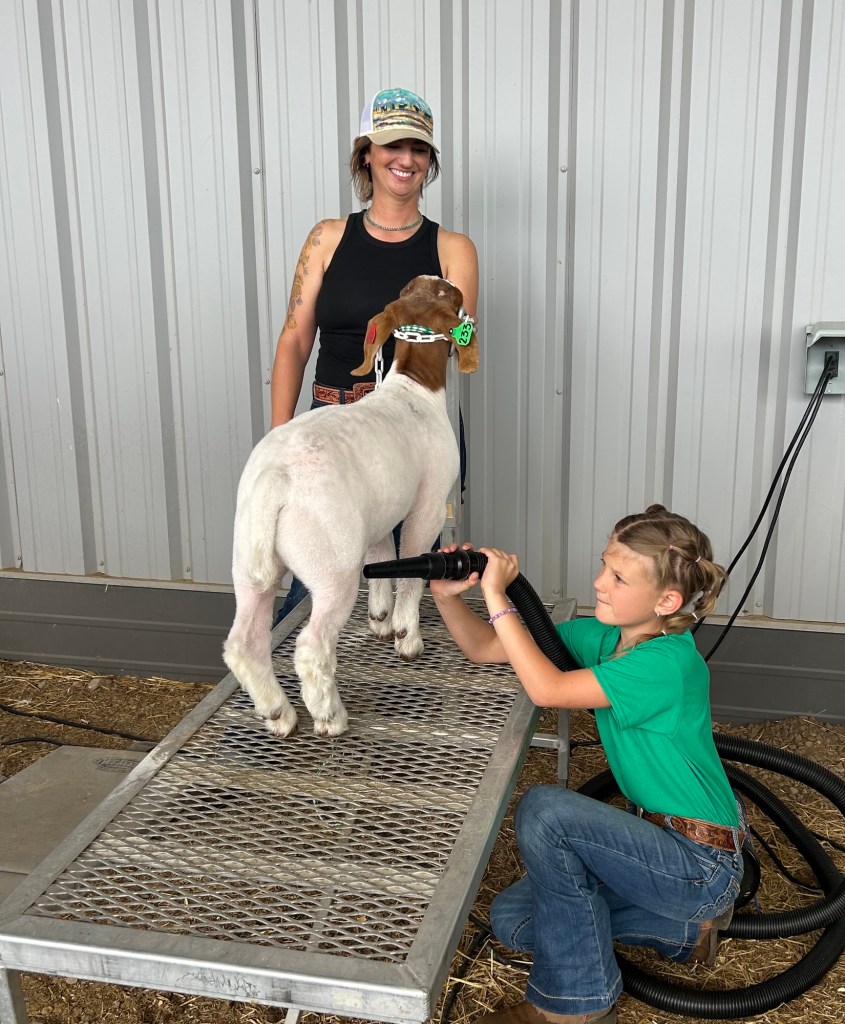
It’s County Fair week and I’m writing this at 6 am between my first two sips of coffee and before I wake the girls up to get dressed and gather their supplies and their two goats to head to town for four days of trying to convince the judges that we’ve actually practiced leading these animals around every night despite the doe’s tendency to brace up, stick her tongue out and scream. And I know that was a long sentence to start us off here, but this is the vibe right now. Screaming goat. 

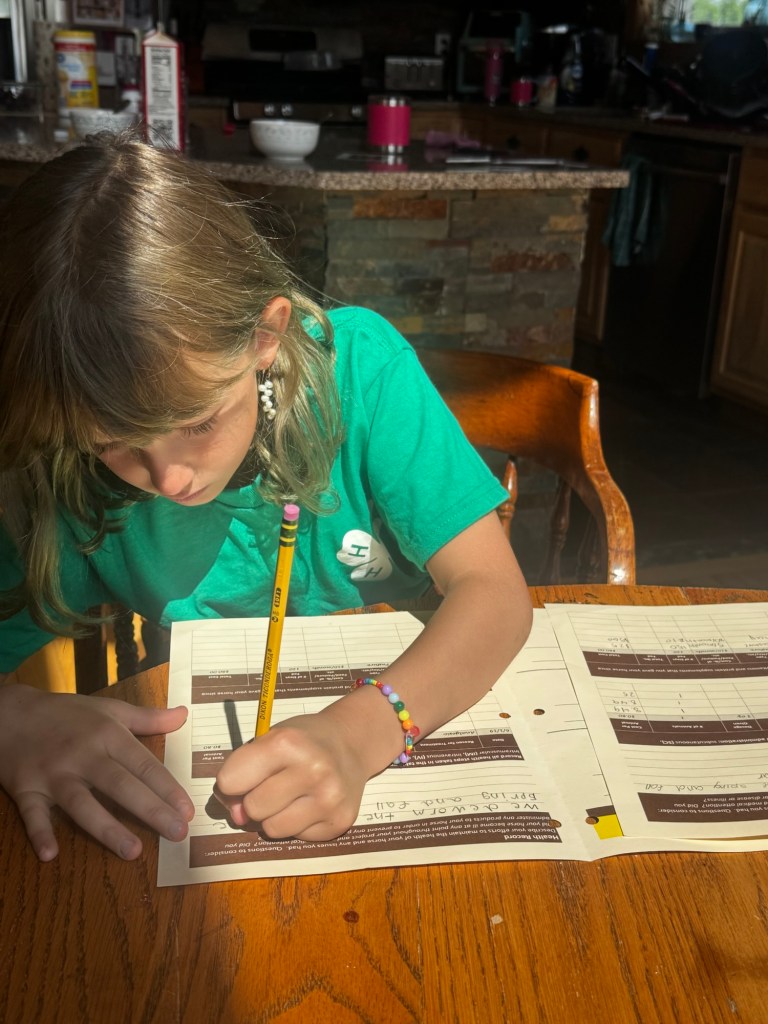
After spending two hours filling out the animal record books with only ten minutes to spare yesterday, I asked my daughters if they could just erase those past few hours from their memories because, turns out record books make us all want to scream like that goat. It’s our county fair spirit animal. 
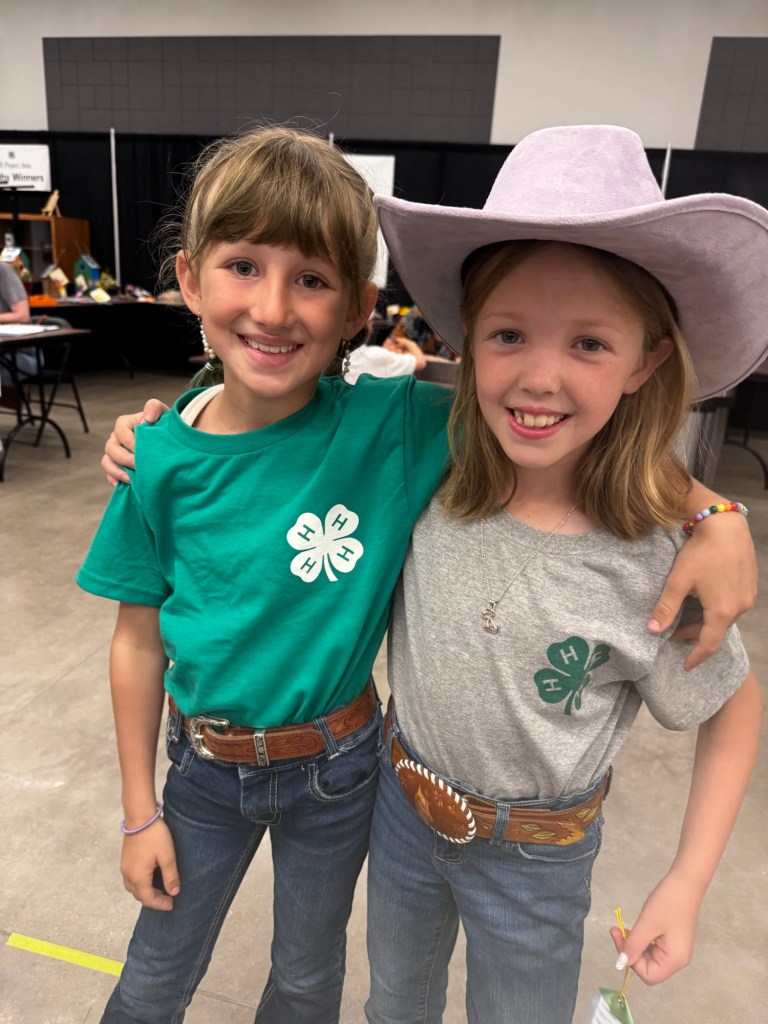
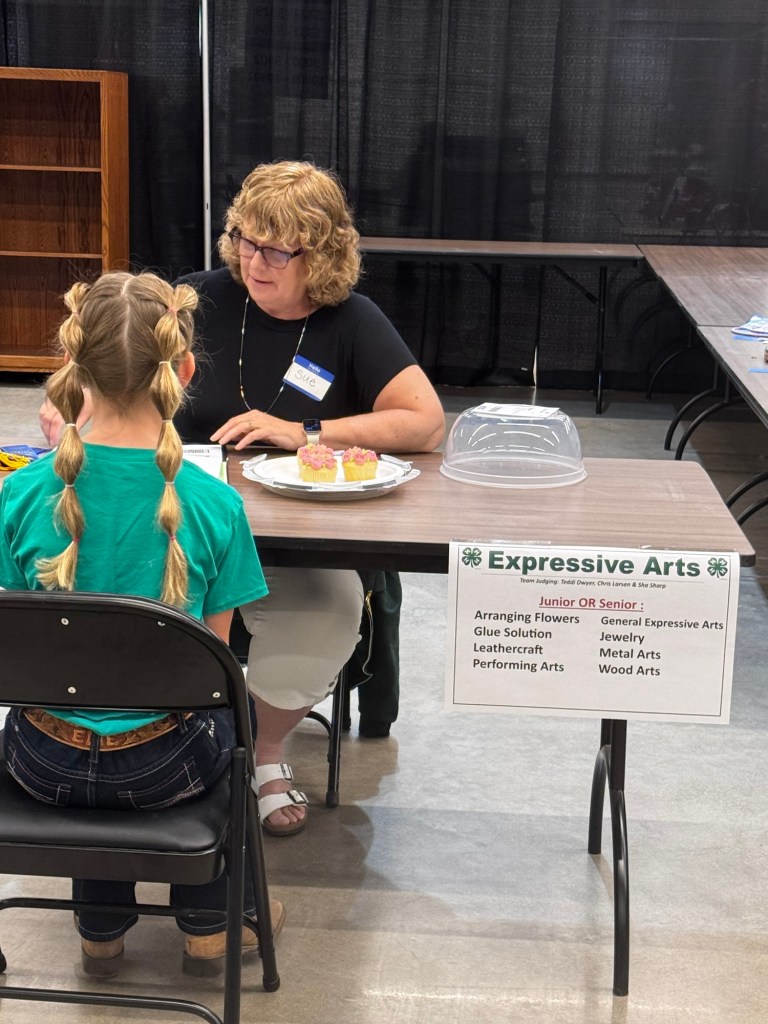
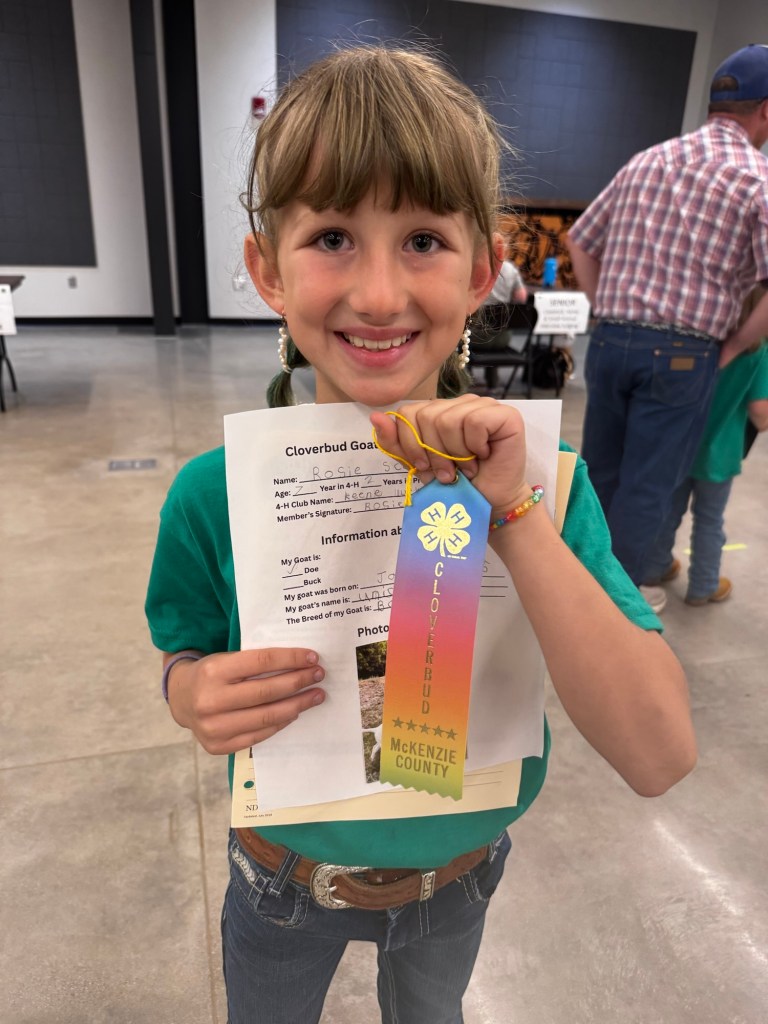
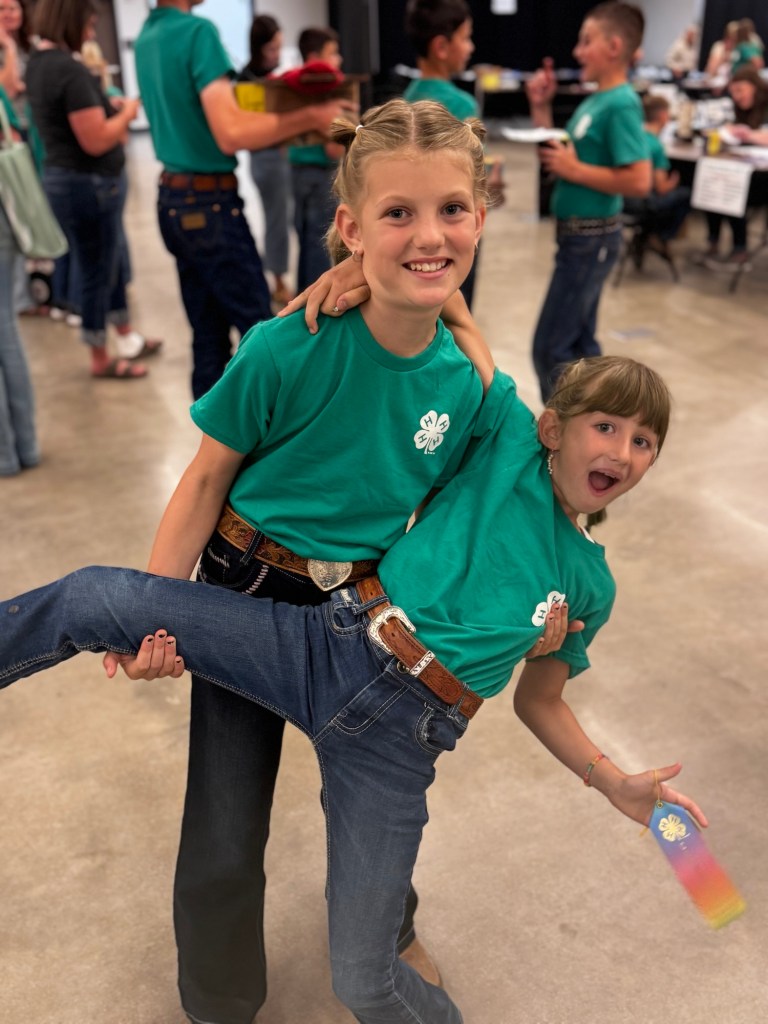
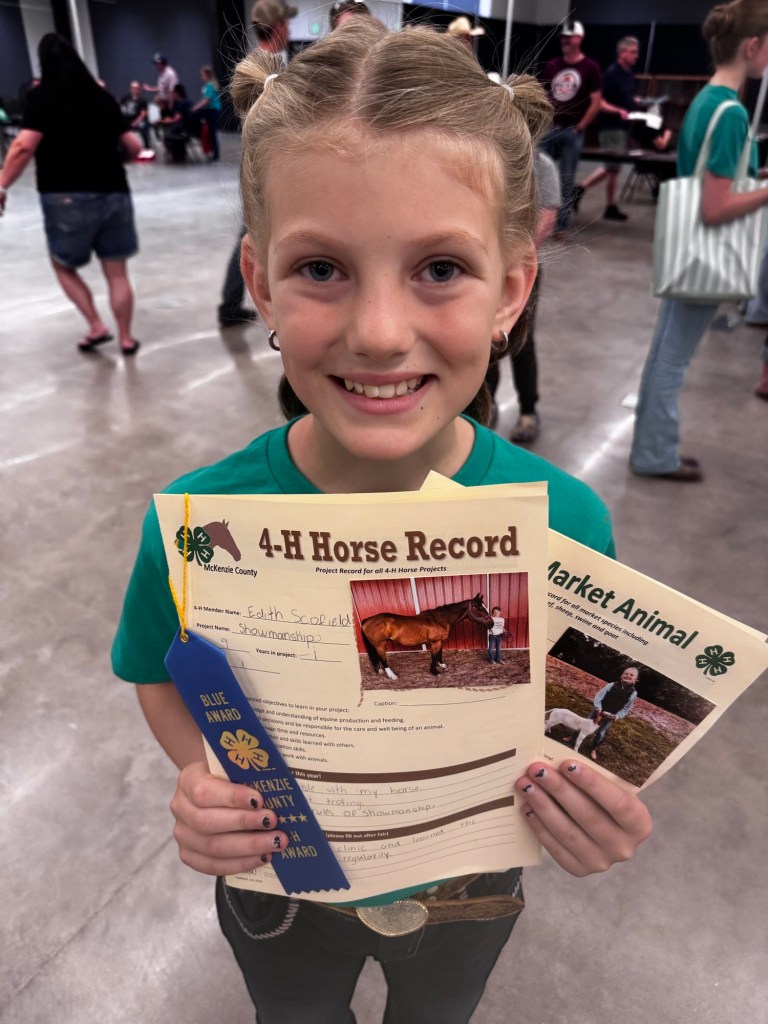
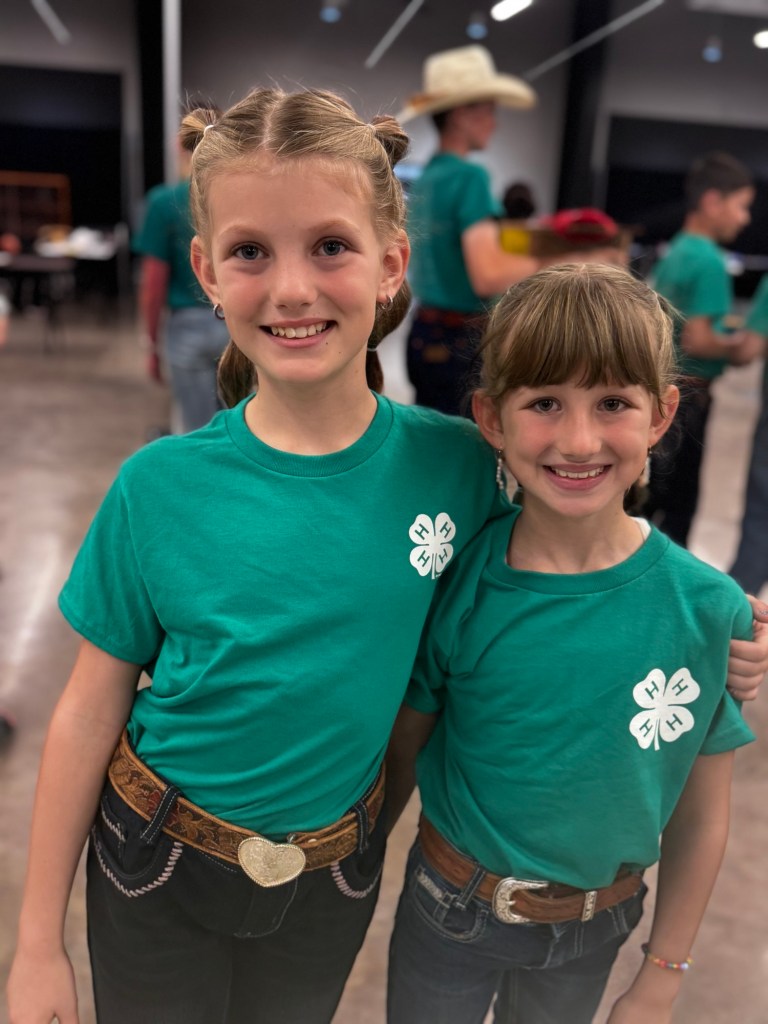
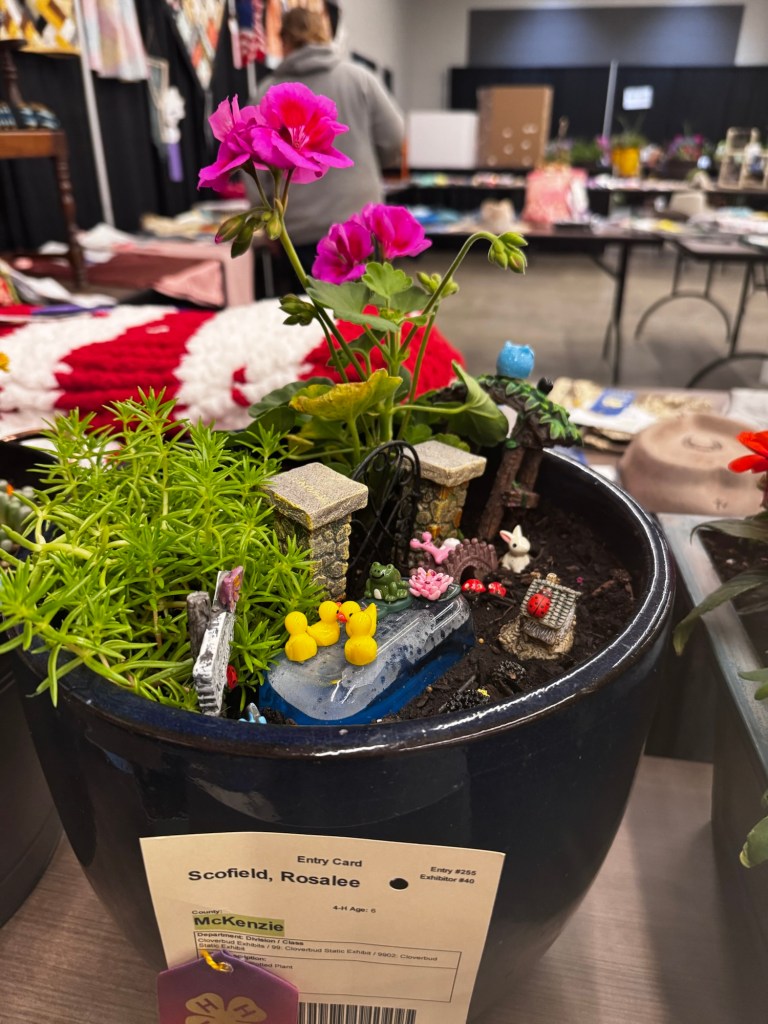
On Tuesday we brought my daughters’ projects to town. My nine-year-old, Edie, is big enough to be a real 4-Her this year, which means it’s no more rainbow participation ribbons for her, but the chance to earn a blue, or, if the buttercream frosting lands right, a pink or purple. We spent the day before decorating cupcakes and making fudge and putting tags on jewelry and drawing and pottery and photography projects. I helped Rosie put together a cute little fairy garden complete with a duck pond, a bridge and as many tiny animals as she could fit and still include a geranium and then we left it under the eaves of the house that night during a thunderstorm that drowned those little ducks and whipped the pedals right off that geranium. And so, we did that project twice. (Cue goat-like sigh). Rosie made sure to tell the judge, all about it. 
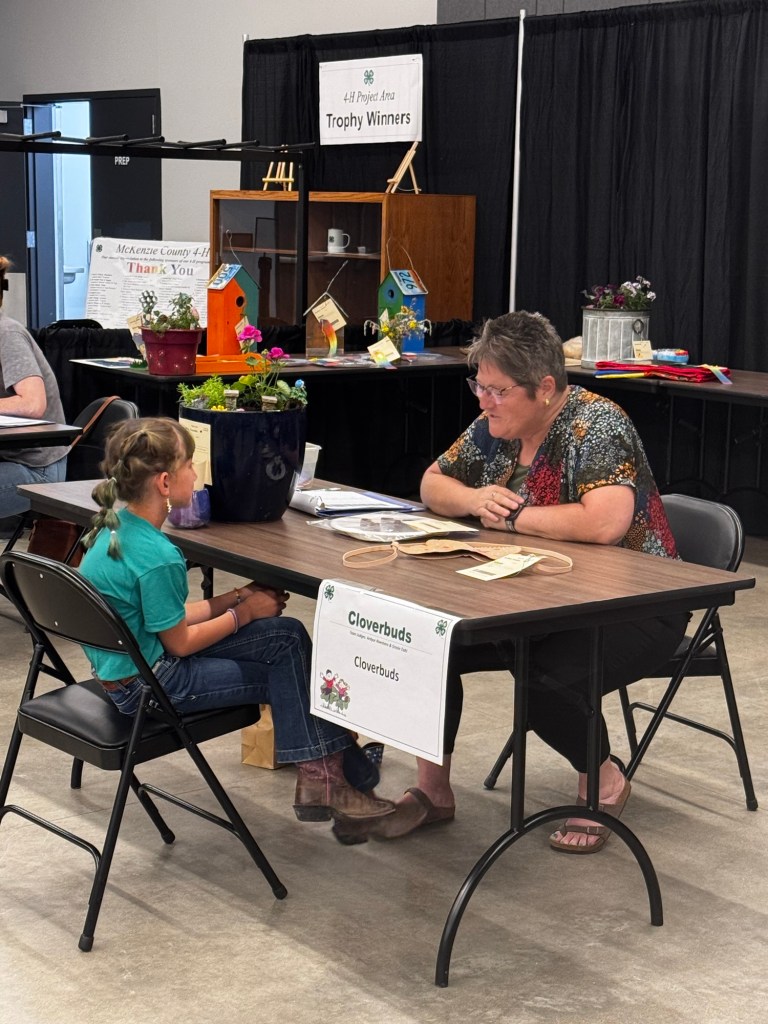
And that judge (who’s our neighbor down the road) told Rosie that her fudge was better than Gramma’s and that might have made my daughter’s life, and she’ll certainly never let my mom forget it. “Gramma, maybe you should stick to Rice Crispy Bars from now on,” she joked to her over the phone. 

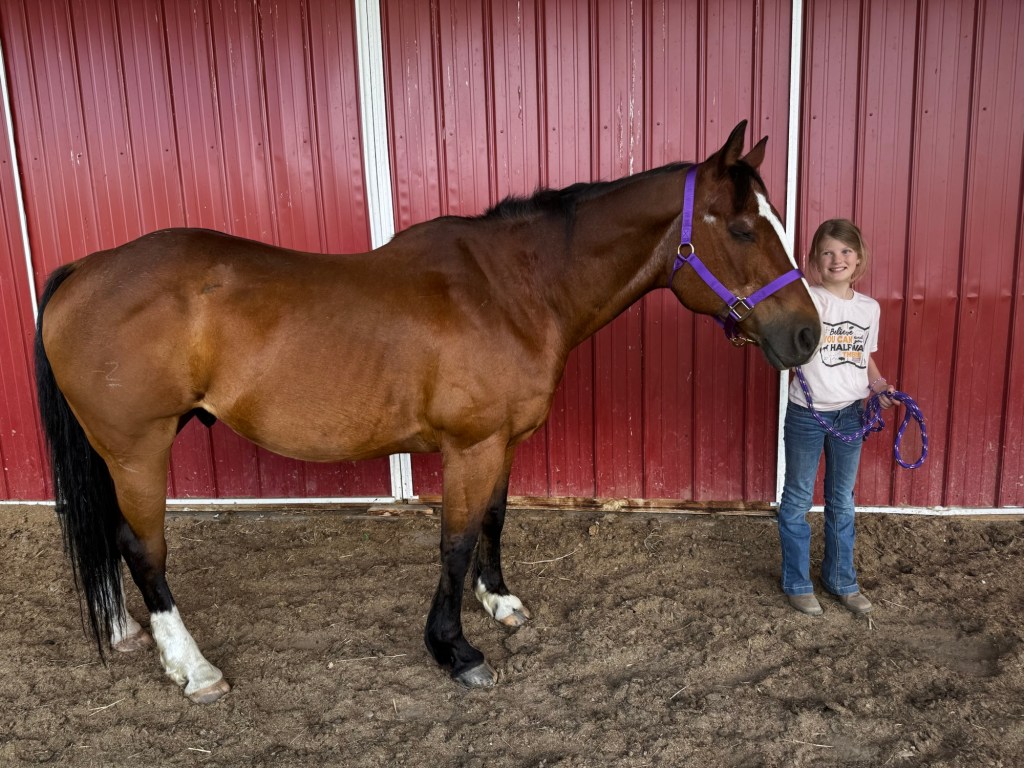
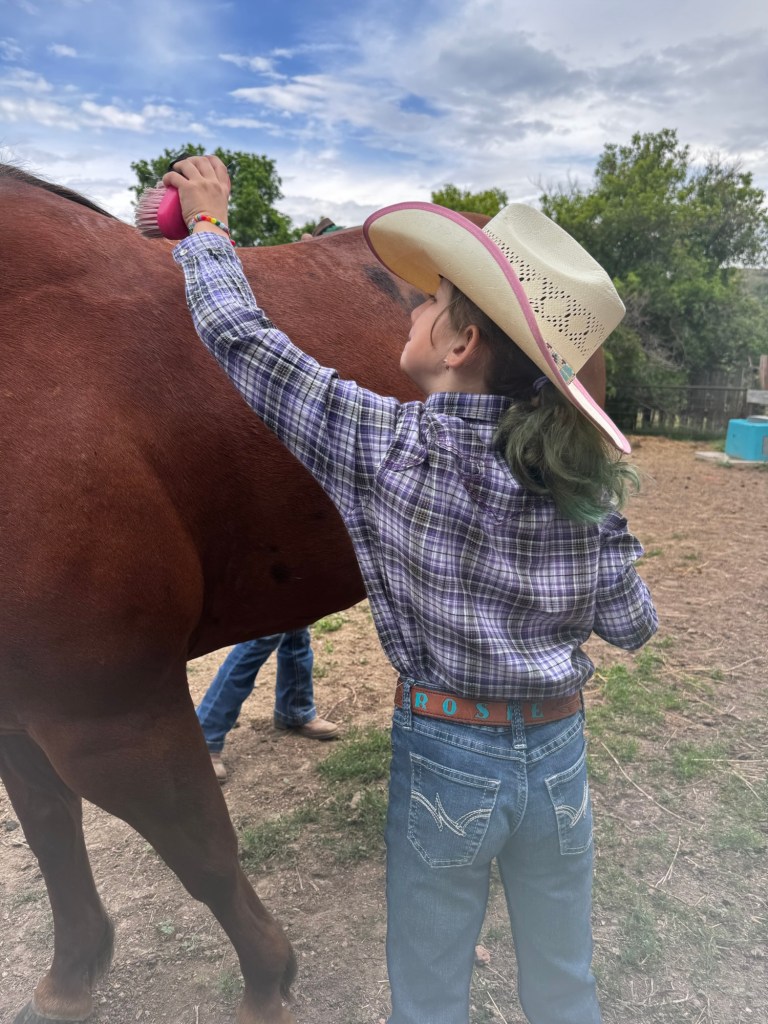
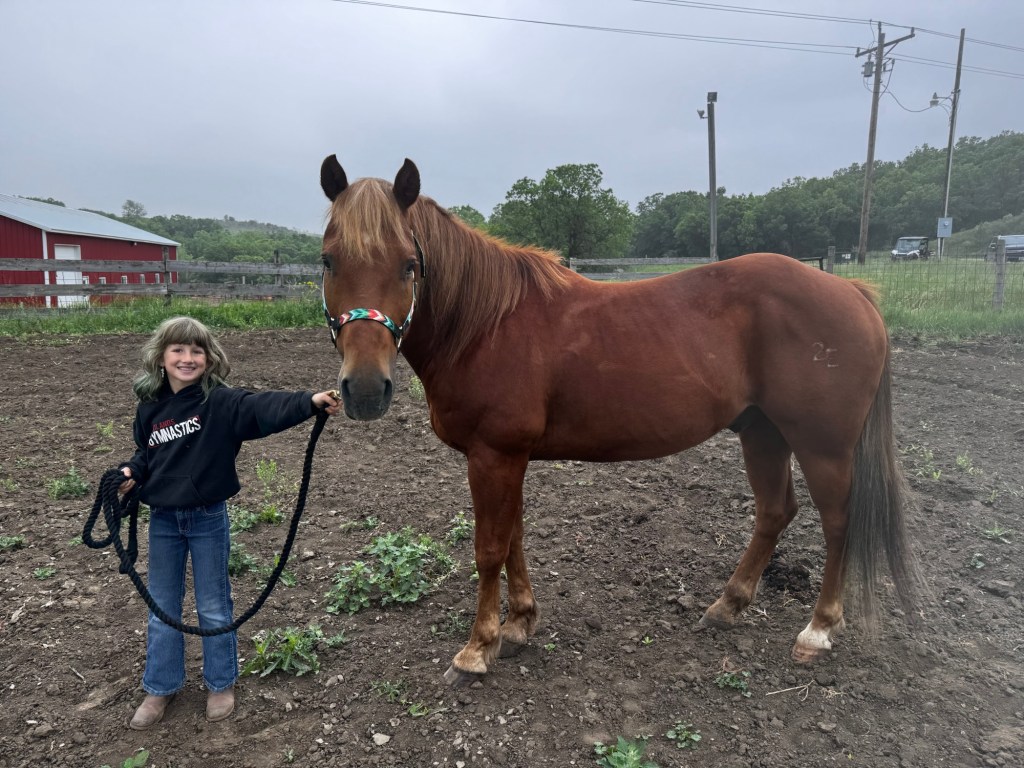
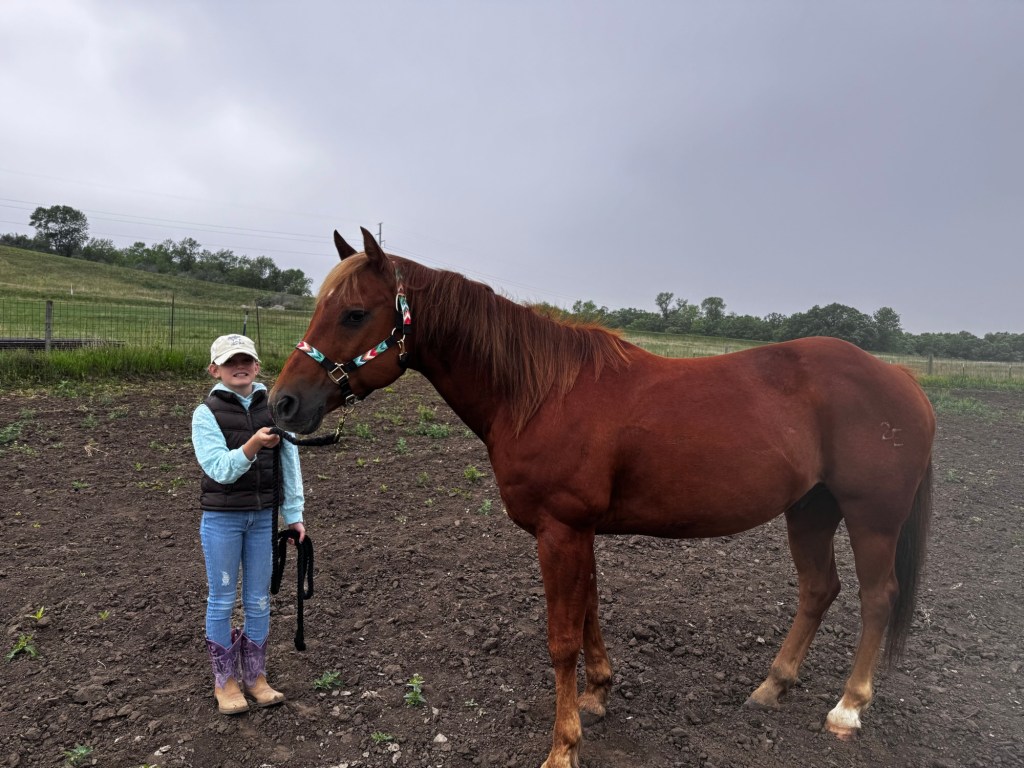
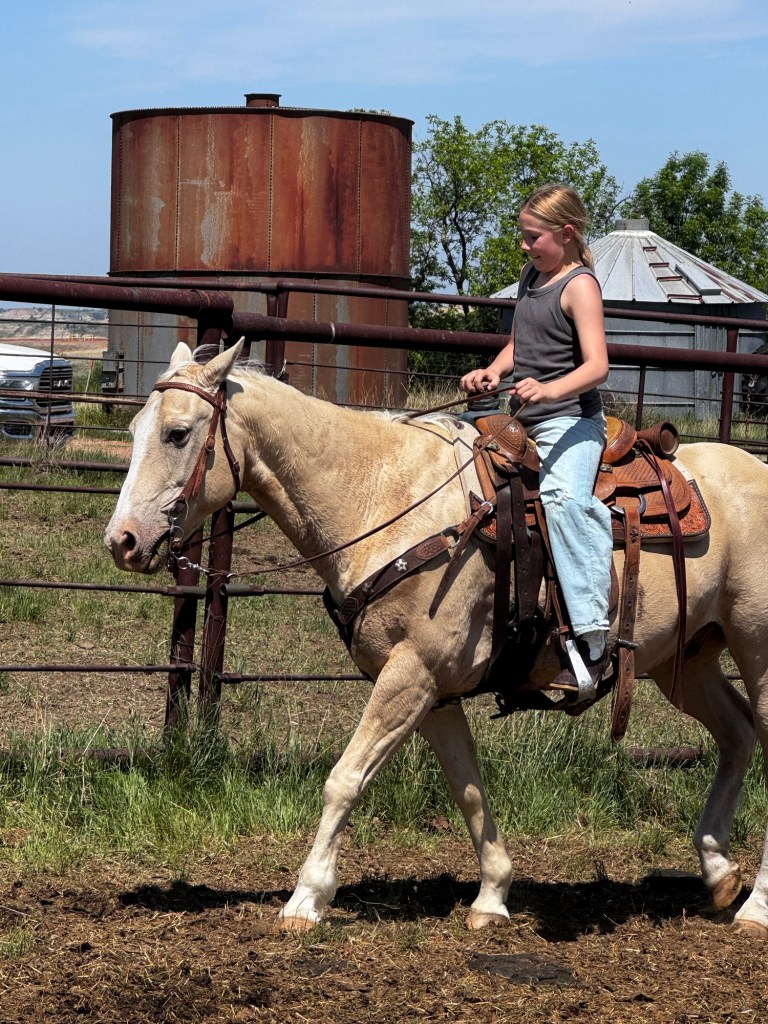
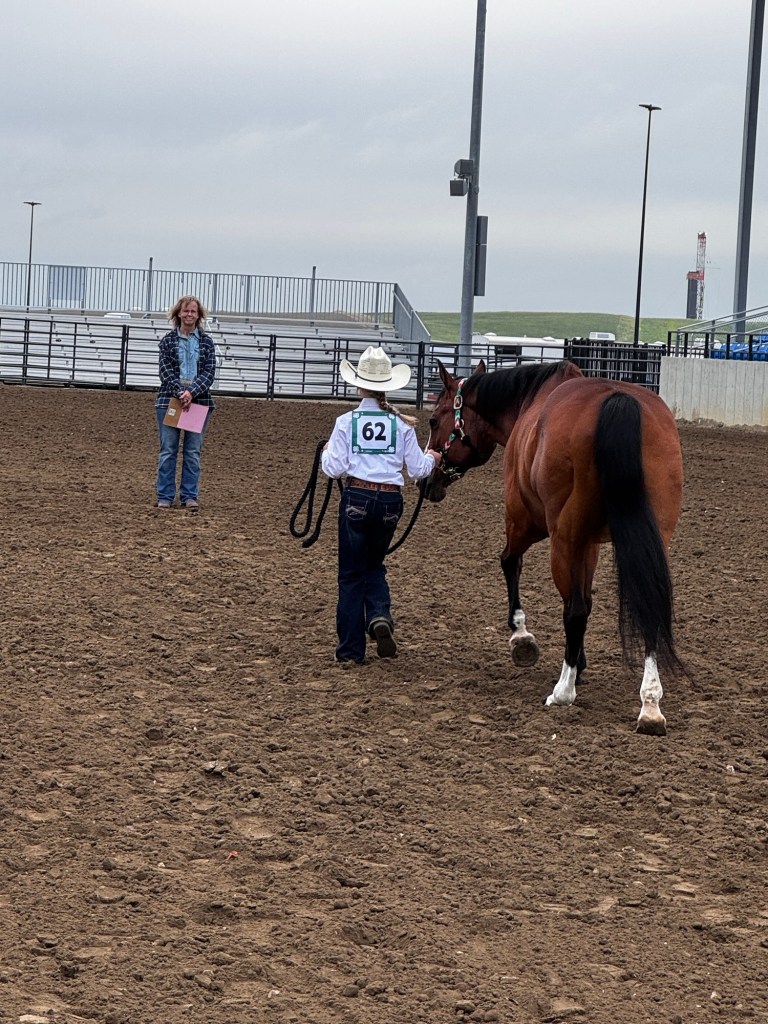
It’s County Fair Week and I think our community has more kids participating than ever. More goats, more pigs, more steers and more horses in the show since I was entered in the olden days, hoping that after her only shampooing of the year, my horse wouldn’t roll in the dirt before the halter showmanship . Which she did. Every time. And yet, that event remained my favorite. The girls are going to try their hand at showing these ranch horses for the first time this year. We’ve been practicing and brushing and loving on the animals in preparation, which is the most fun part. Taking them to town is the most nerve wracking. Because there’s nothing that tests your patience more than an uncooperative animal, because sometimes, even with all the practice you could fit in, things just don’t go right. But sometimes they do, and there’s nothing better. 

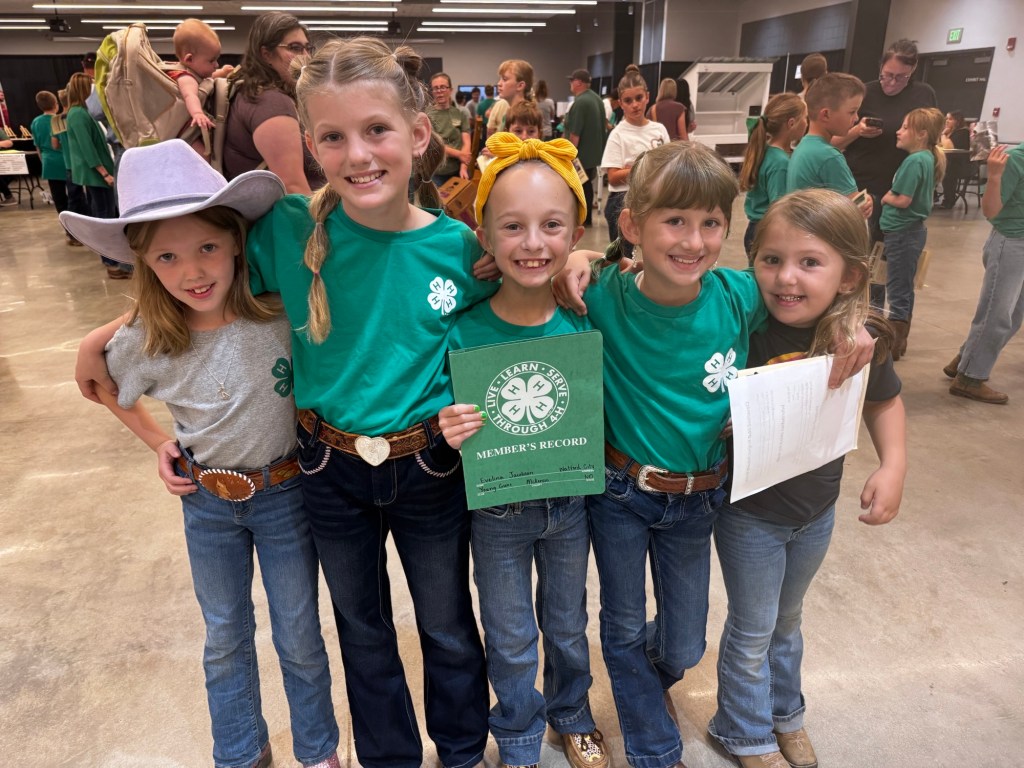
Yes, sometimes your caramel rolls win grand champion, but then sometimes they land face down in the parking lot on your way to the interview. Sometimes your steer is so tame he just lays down in the ring and you’re too little to get him up. Sometimes the chicken escapes your grip, and you have to scramble to catch it, but then you’re standing next to your best friend and the two of you get a kick out of telling the story for the rest of the week, and maybe years to come. 
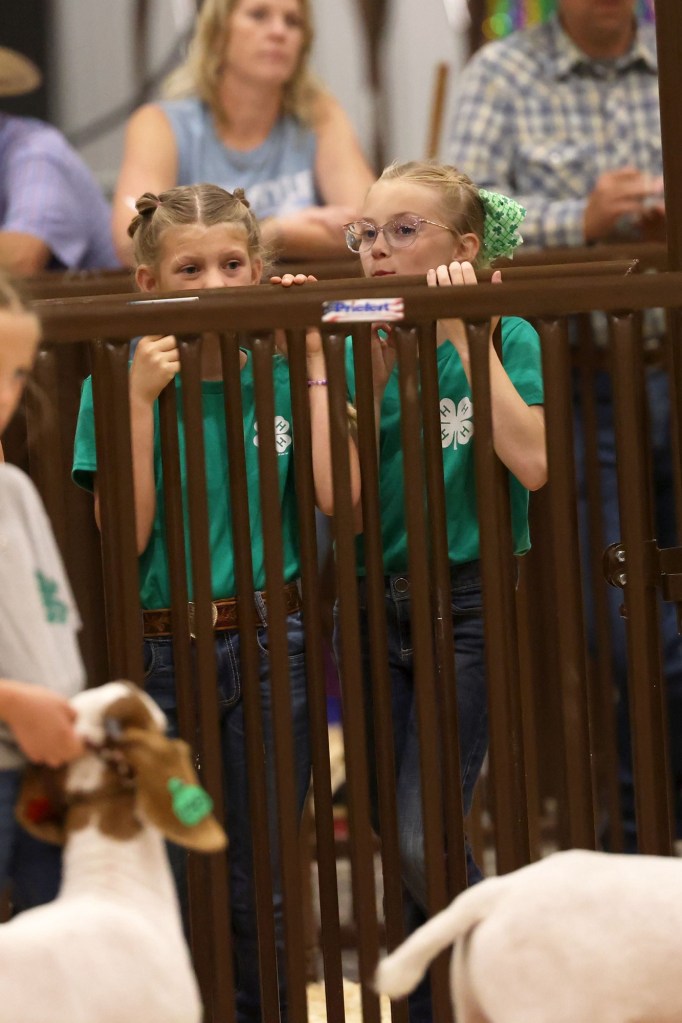
Photo by Judy Jacobson

And  sometimes the two hours you spent in the kitchen with your mom trying to pipe perfect rosettes on your cupcakes creates such a sweet memory for both of you that your daughter says even if she gets a red she’s proud of herself and that makes you tear up a little for some reason, probably because it’s county fair week and the kids are growing up and now it’s 7 am and I have only had four sips of coffee and we are officially running late, per usual. 

Good luck to all the 4Hers this summer! May your bread rise perfectly, and your goats (and your mothers) remain calm. 

Kids in the Branding Pen

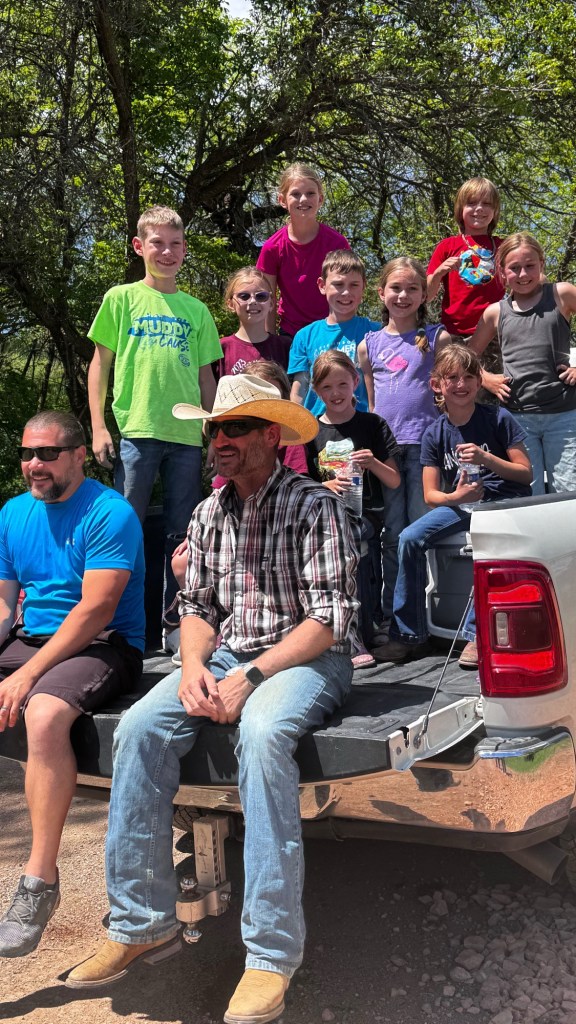
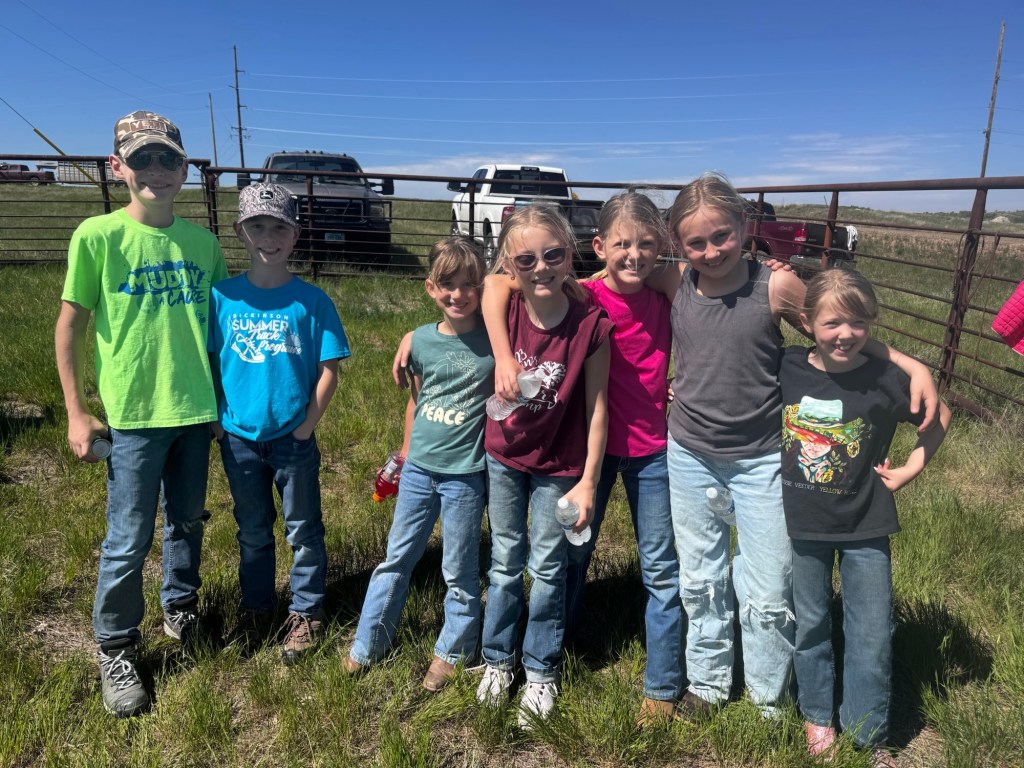
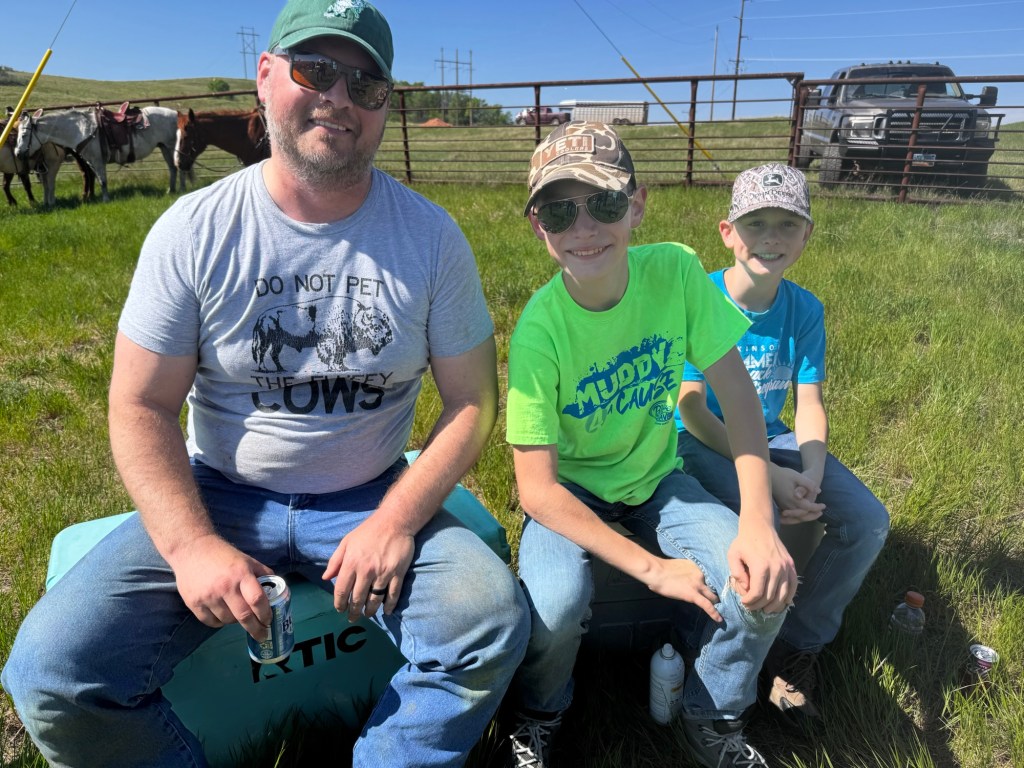
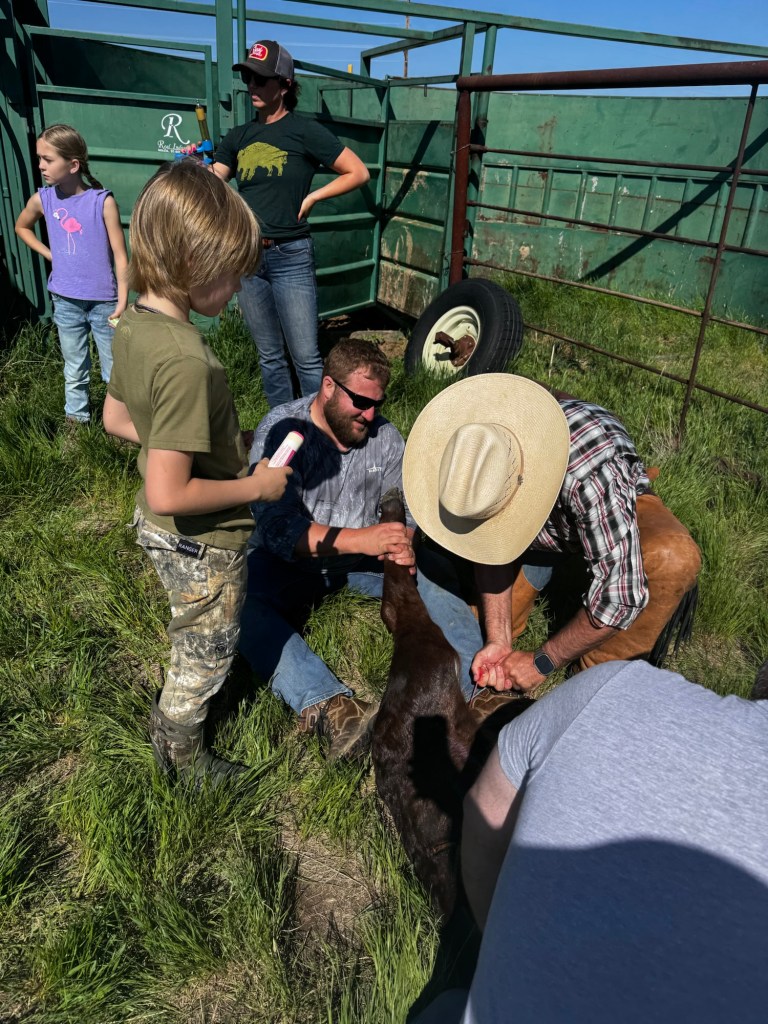
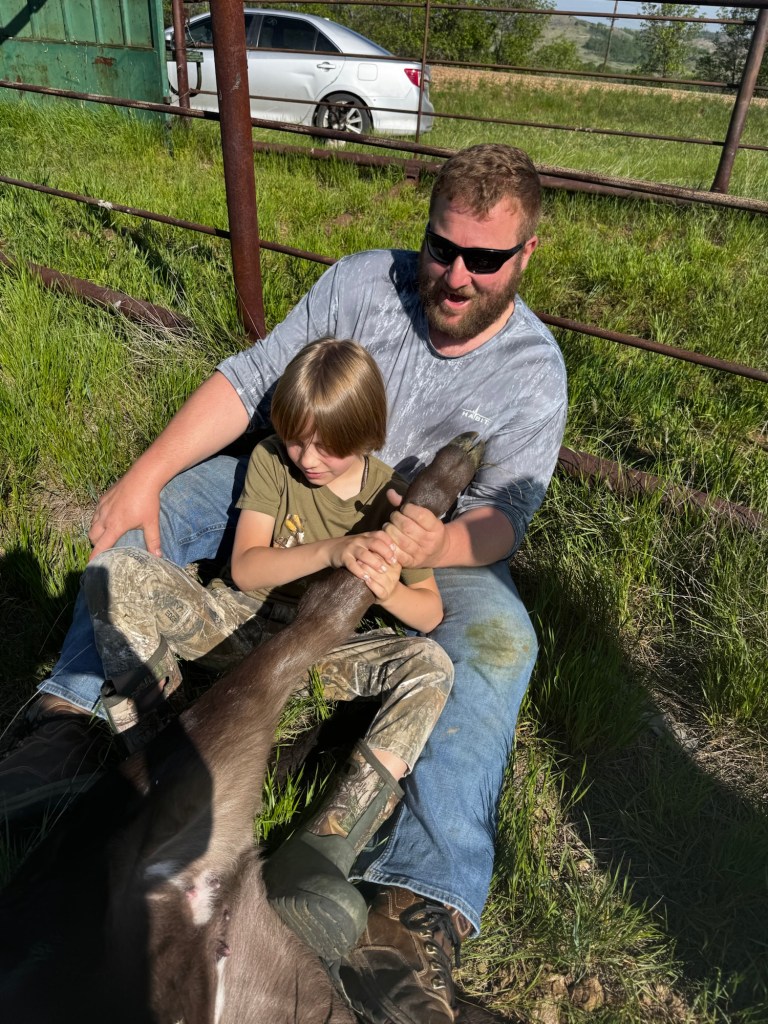
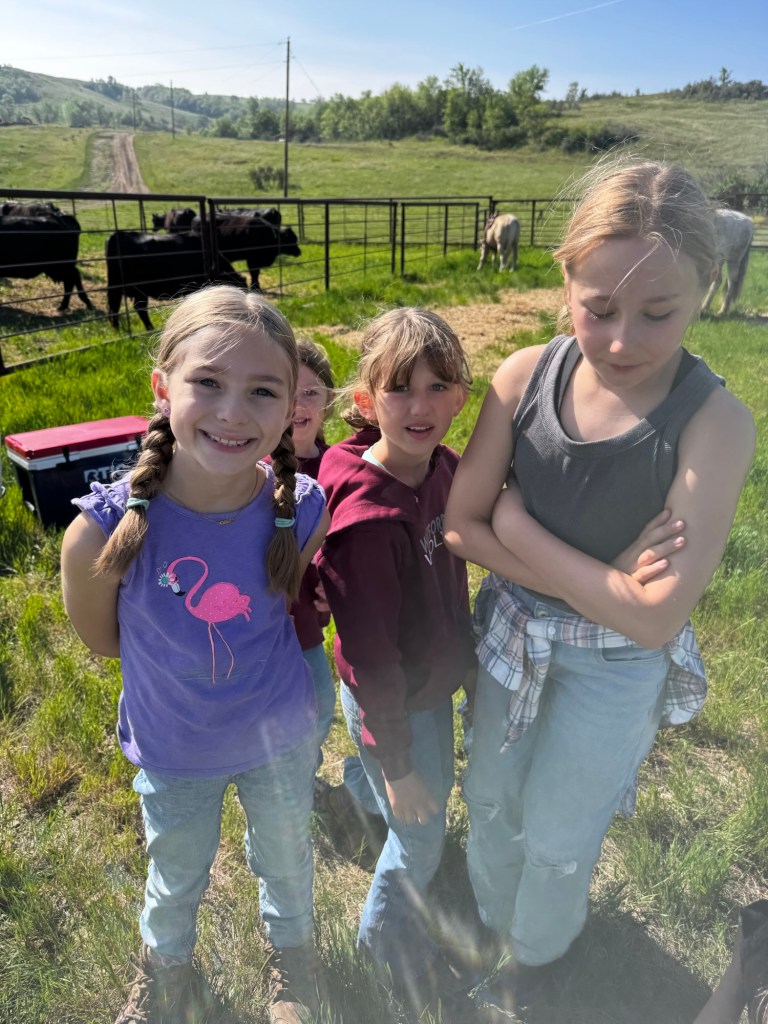
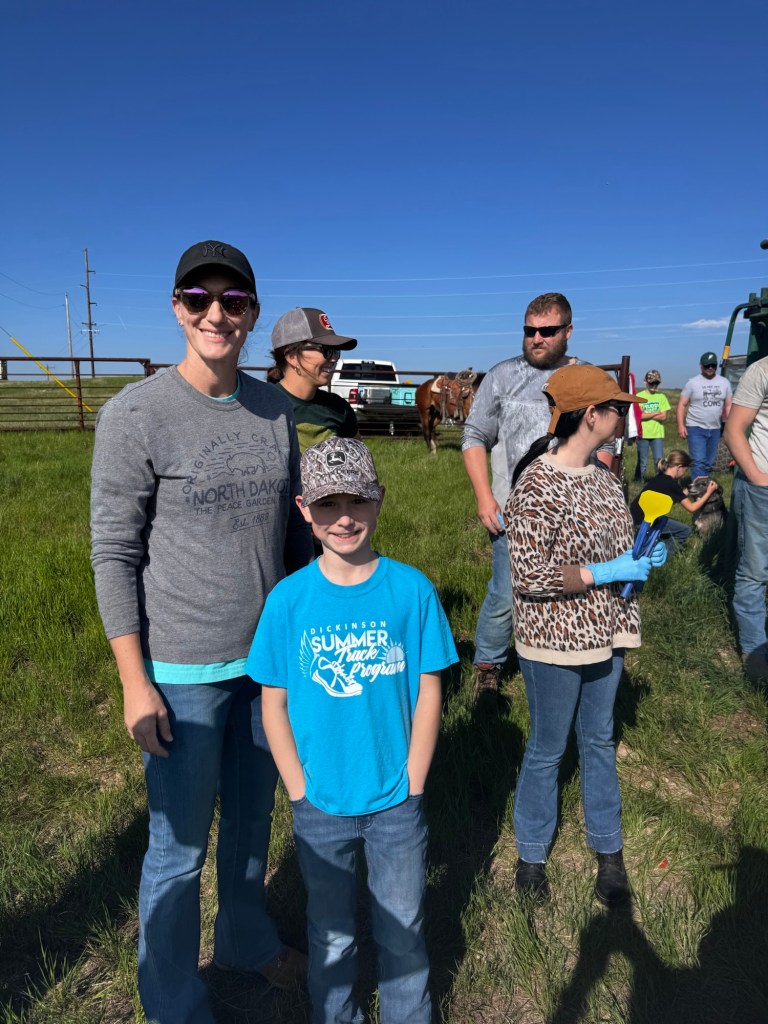
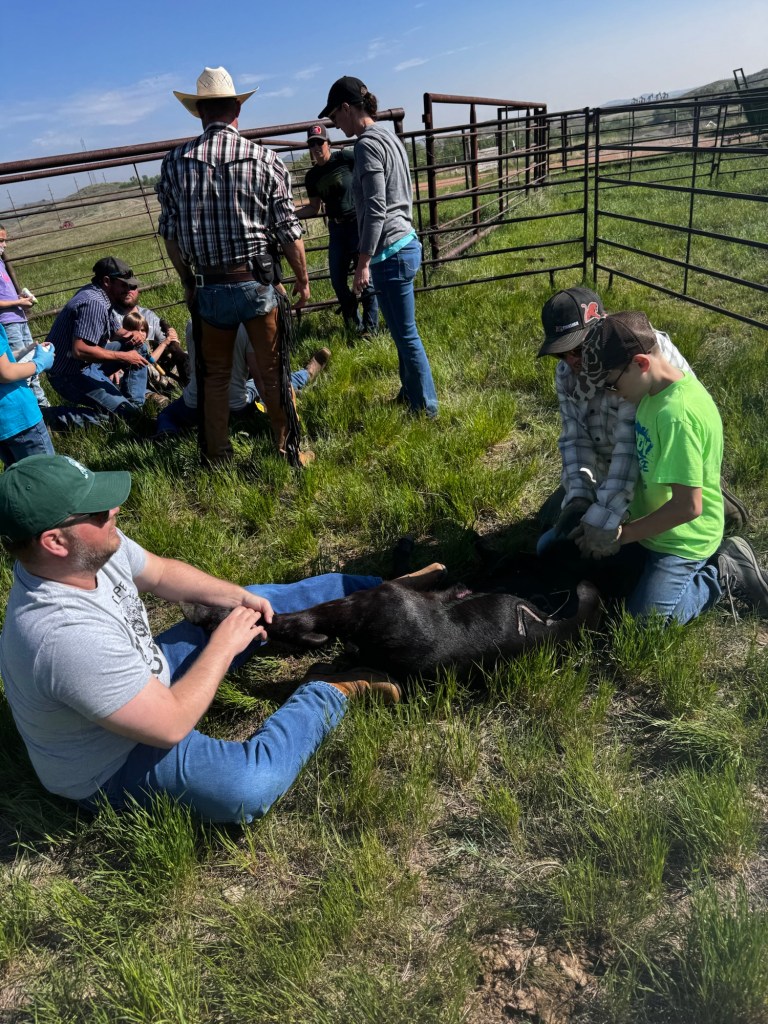
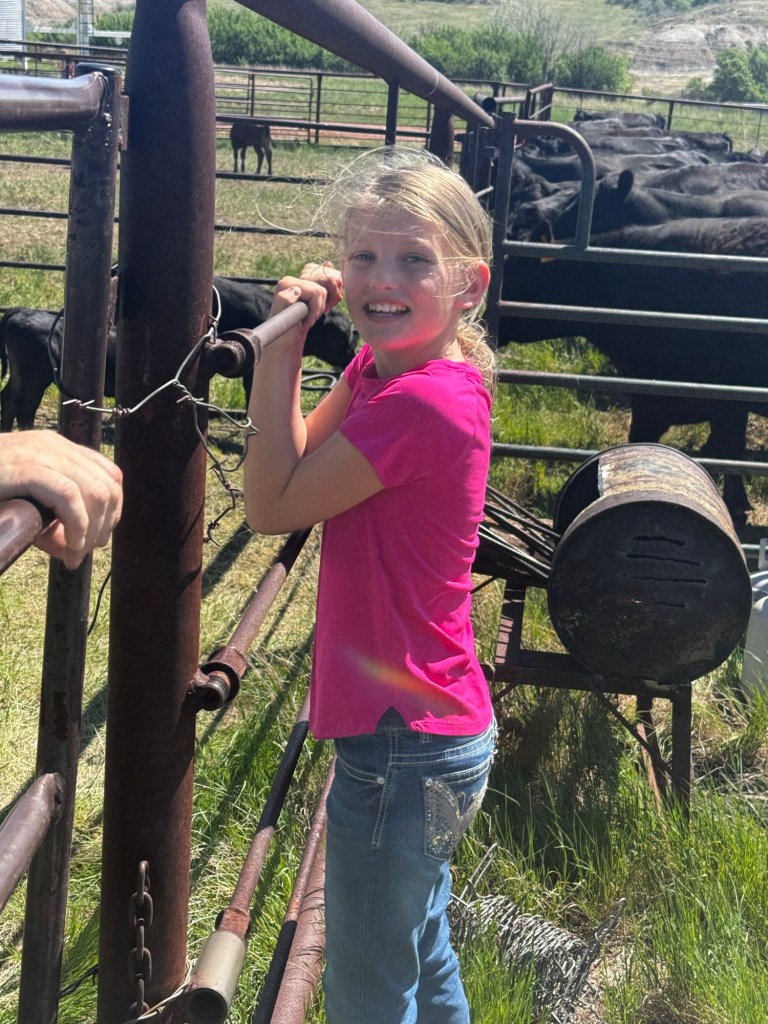
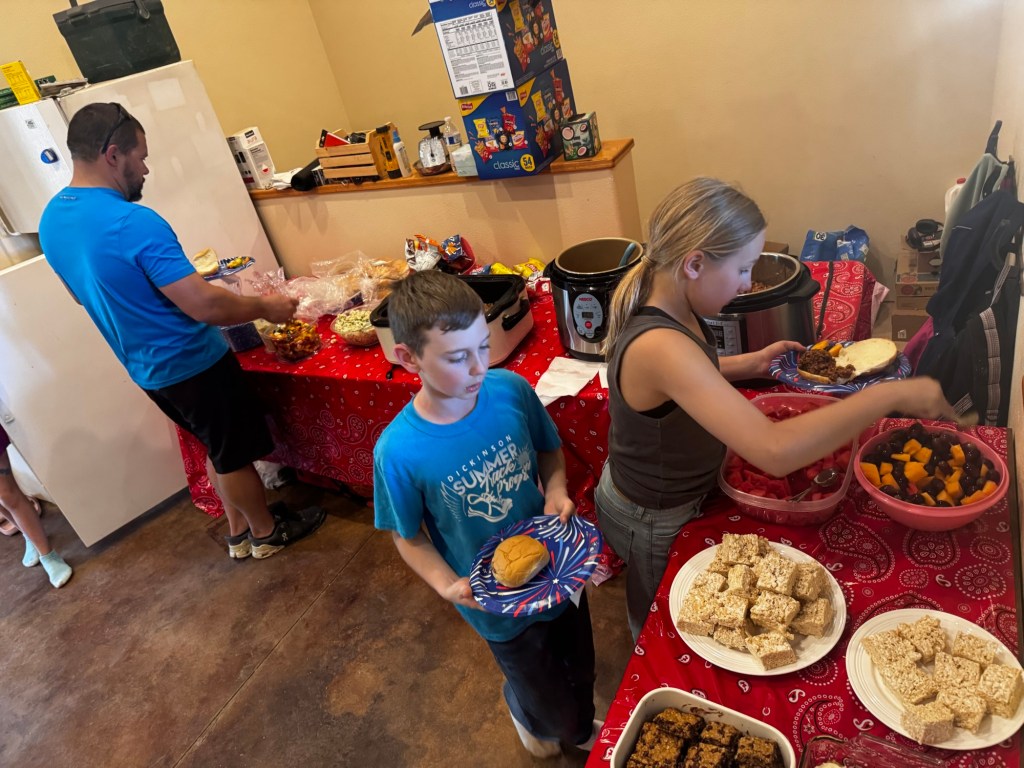
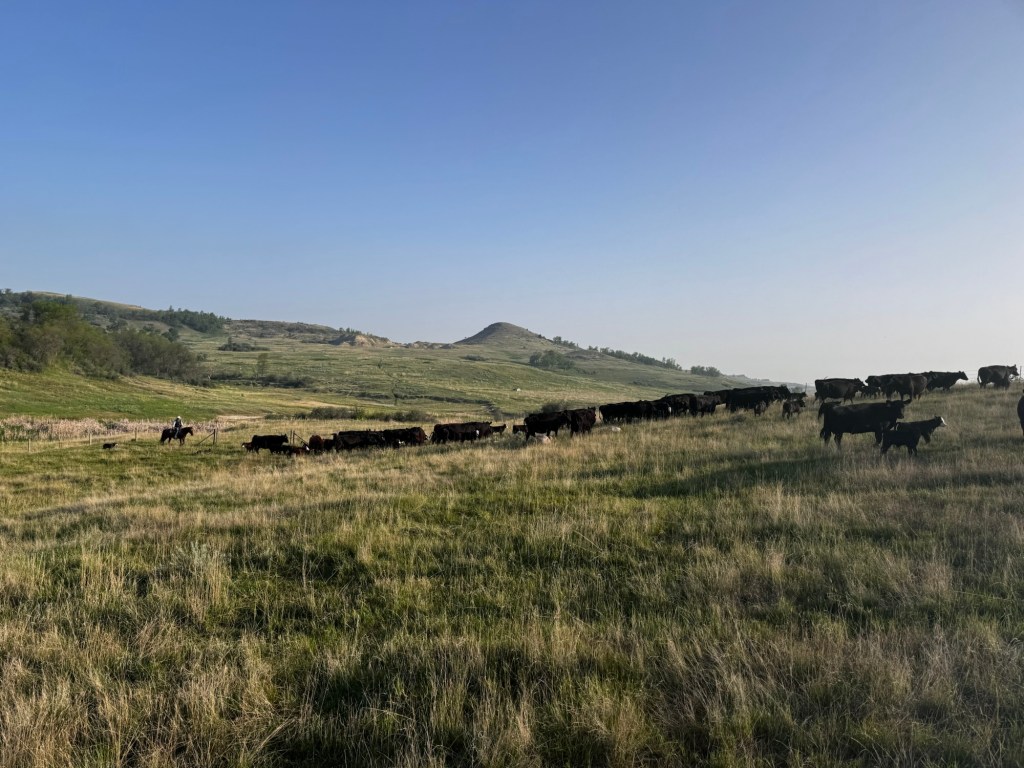
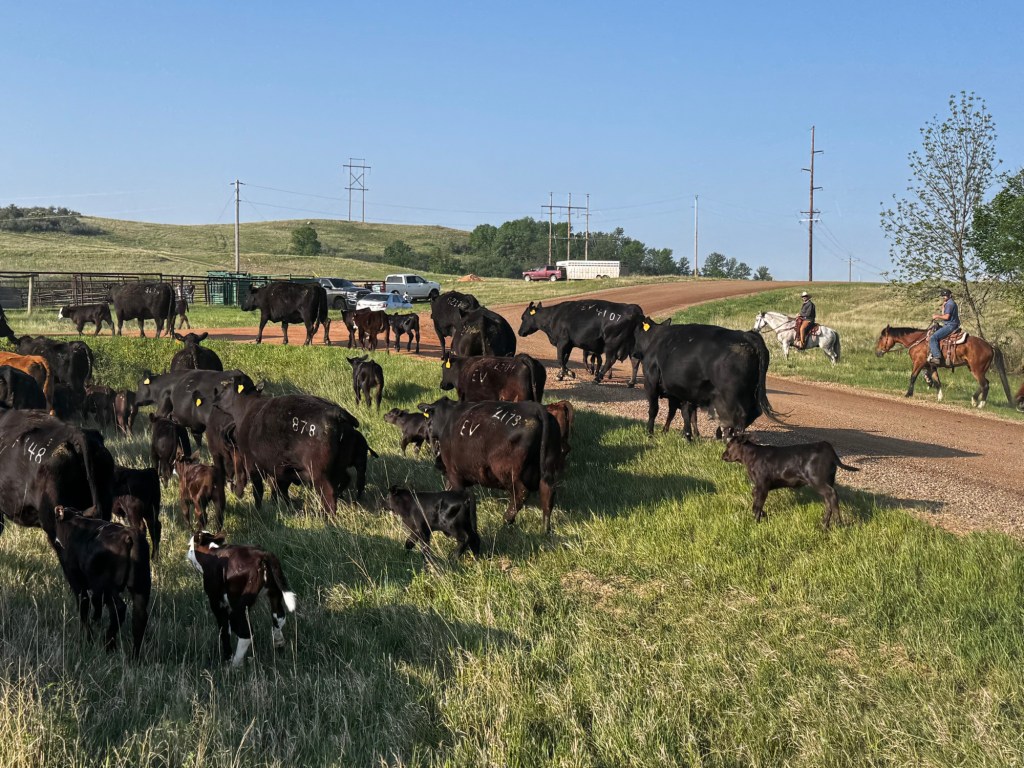
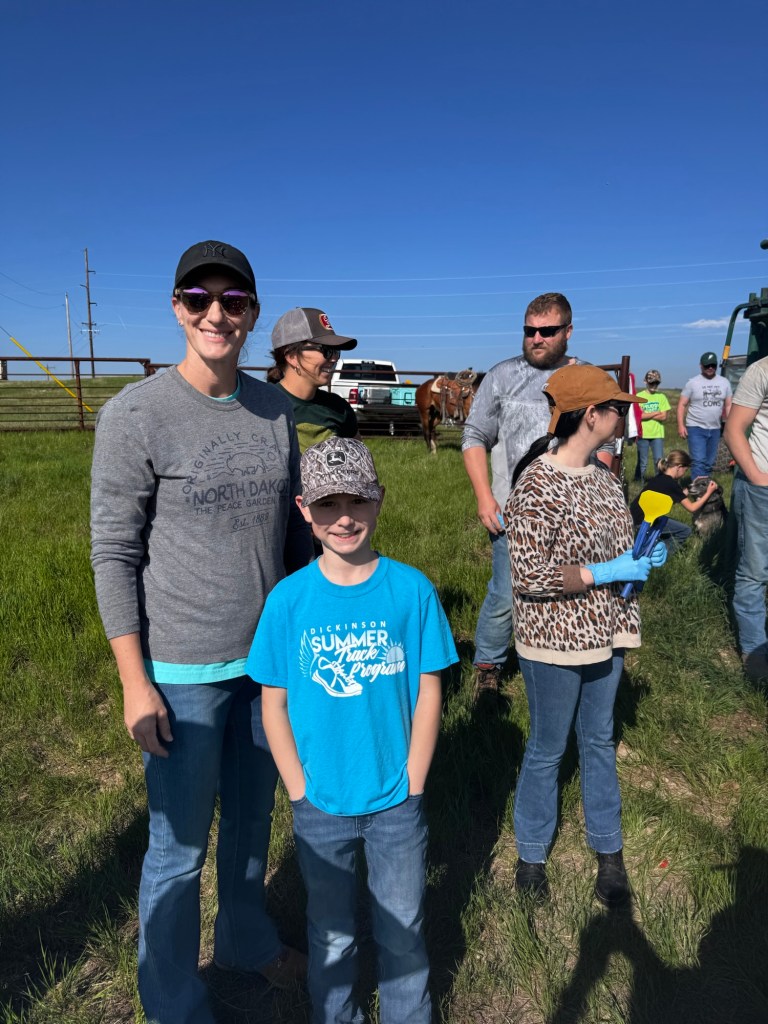
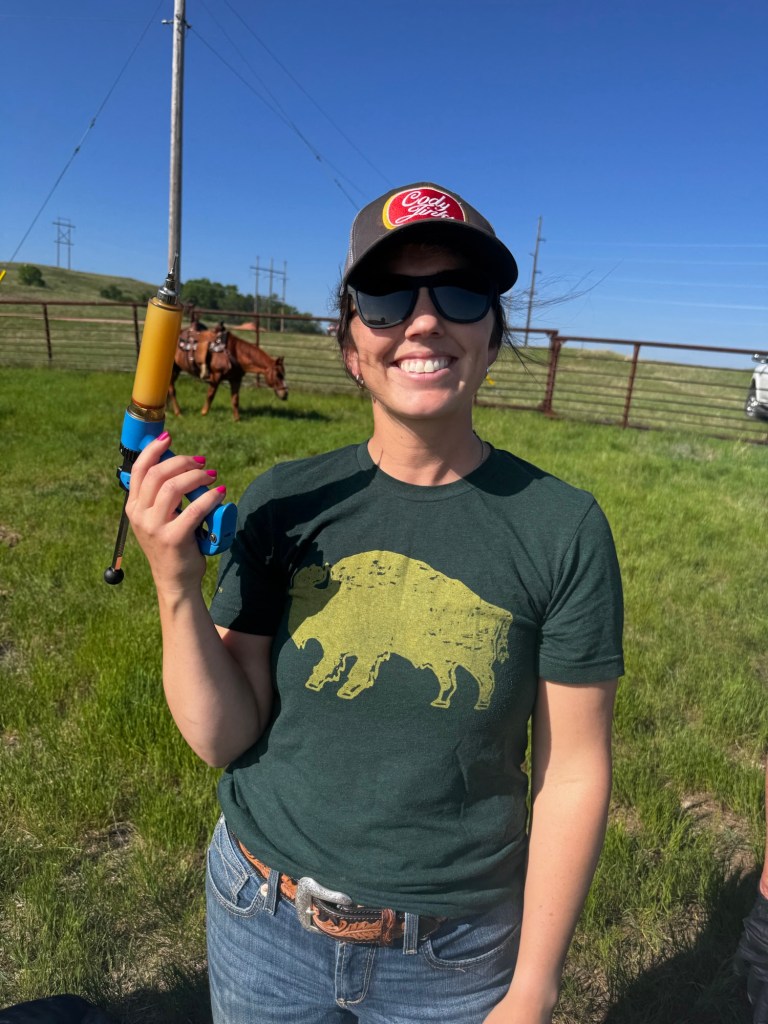
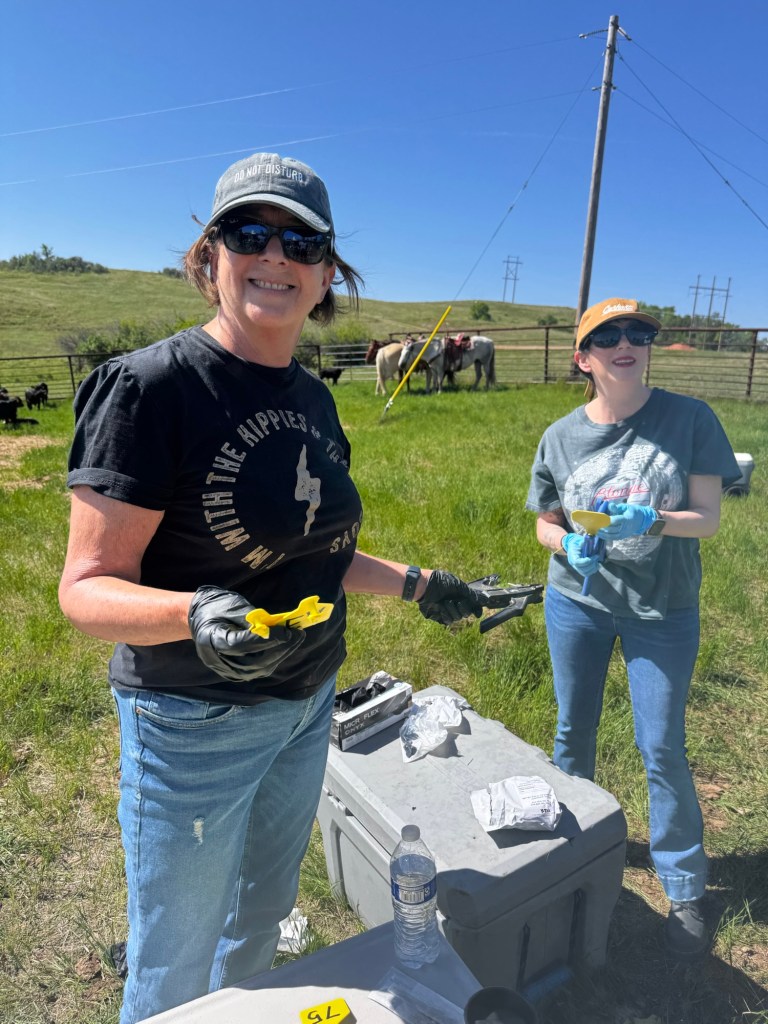
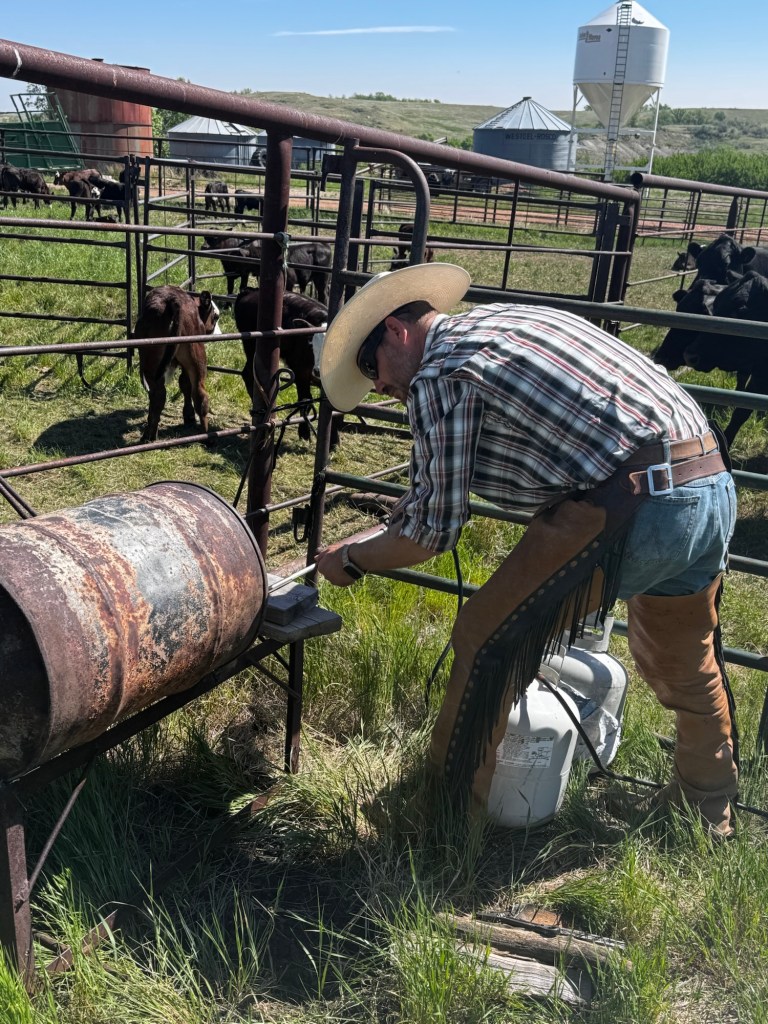
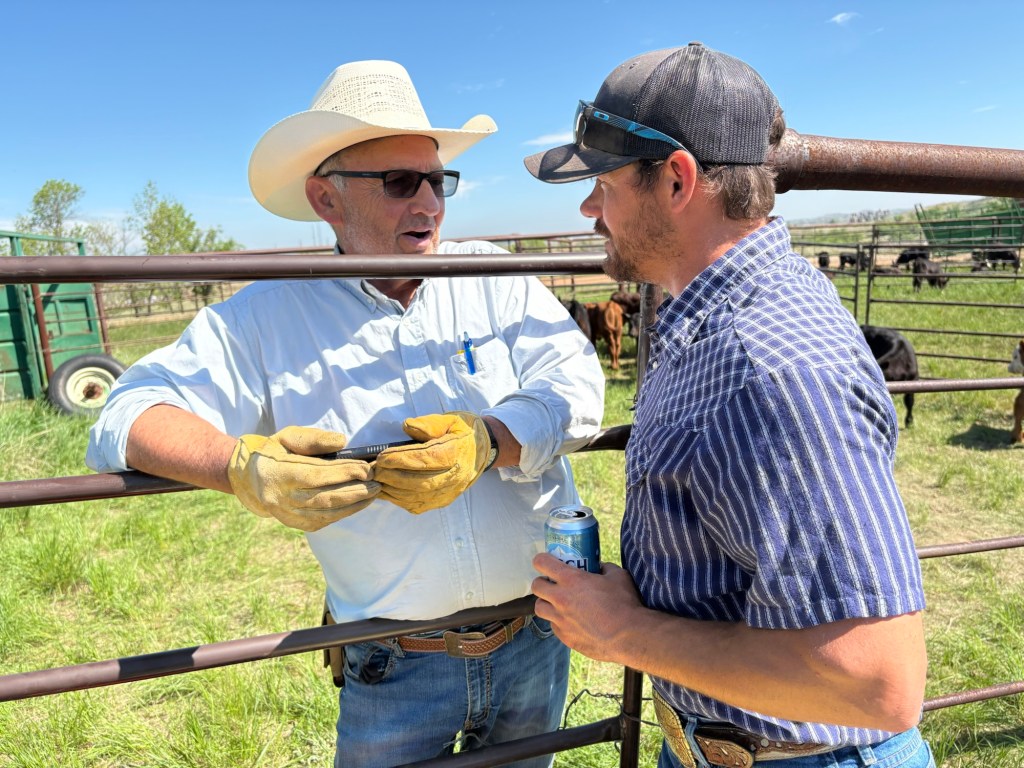
Every year at the beginning of June a group of our friends from Bismarck and Dickinson load up and come to the ranch to help us brand our calves. It’s become a tradition for them to help in the pens as a way to say thank you for allowing them to hunt turkey and deer on the place throughout the years. The gesture and the help are thoughtful and appreciated, but it’s not an expected exchange. We would gladly have them out anytime for whatever reason. But every year for nearly ten years or so, they have been making it work, no matter how much or how little notice we give them. They wake up early, load up their kids and make the drive to sort, wrestle, ear tag and stand ready for whatever other task we might throw at them. And then, when the work is done, all ten or more of the kids run wild on the dirt piles and in the trees collecting ticks and dirt on their jeans, I serve up cookies and a couple big roasters of beef and then we take the kids for their favorite part: a ride on our horses. 
This year was no different. We called last minute, and our friends were there standing by the pens waiting for us at 8 am when we finally got the cattle gathered. Which means that a pickup-load from Bismarck had to leave their houses at 5 am and our friends from Dickinson cut their weekend fishing at the lake short and then, before they left that afternoon, they handed over a big bag of walleye that we fried up and devoured on Tuesday.

I was standing in the pen next to my friend who was running the ear tagger while her eight-year-old daughter, Olivia, was charged with marking the calves who received a vaccination. Her two sons were in the pens too, one spraying antiseptic on the castrated calves and the other now big enough to wrestle. My own daughters had abandoned their post of sorting ear tags and counting calves for some sort of game of pretend in the hills with the other kids and I had just looked up long enough to realize it. I told my friend that her daughter should join them. “She can go play, she’s helped plenty already,” I said, now embarrassed that our friends’ kids were busting their butts while ours ran wild.  
“I told the kids that this is our church this morning,” my friend replied. “Helping our neighbors, acts of service, this is what it’s about.”  

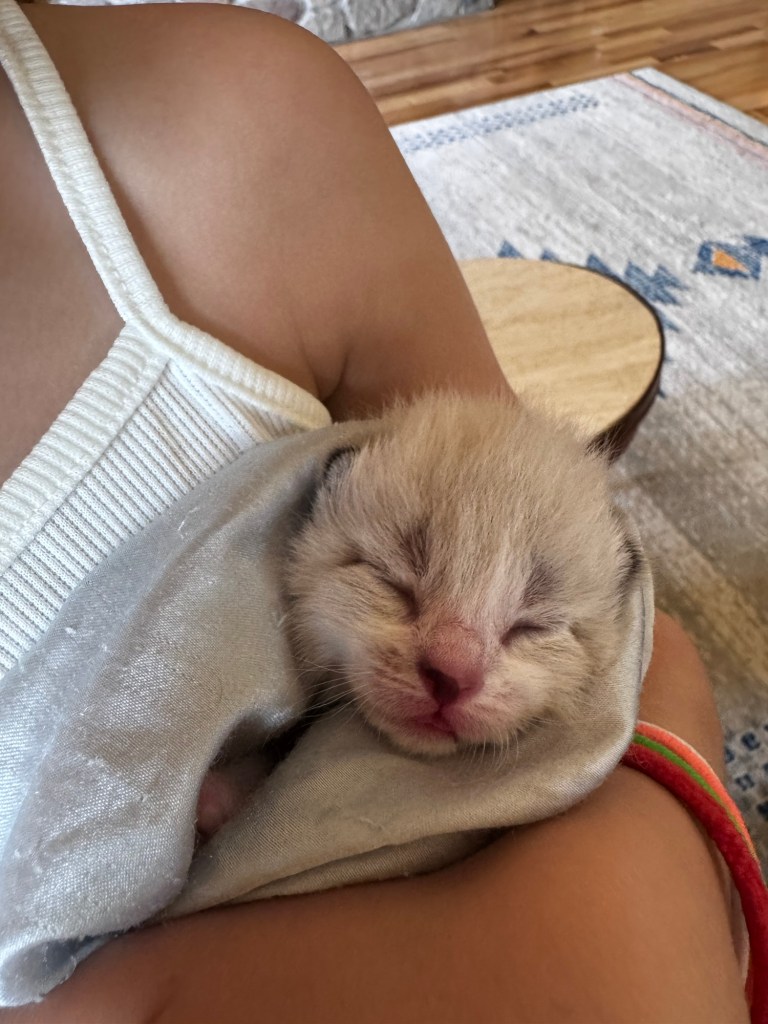
Her kids have been coming to the ranch for years, to help or to hunt or to play, since before her sweet eight-year-old daughter could walk and her boys were toddling around, fascinated by the trees and the wildlife, reminding us every time how special this place is and how lucky we are. At almost every visit our kids have wandered together to places on this ranch that my own kids barely frequent—the thick trees on the banks to the north of the house, the muddy patch of cattails in front of the dam, the old equipment on the top of the hill. When the boys were younger, after every visit we were left with a big pile of old bones and cool sticks and rocks as a collection on our front drive, little treasures they couldn’t keep their hands off. And when it comes to the animals, the horses and the baby kittens, and now, the goats, Olivia has never been able to get enough. She would outlast my daughters’ capacity for sitting horseback by hours, her smile stretched from ear to ear, falling in love with every horse on the place. This year it was no different, even in the heat of the day as we watched these growing kids navigate themselves in the saddle more independently than ever.  I looked at Olivia and wondered how we could fit one of these horses in her backyard in town. And if they would finally agree to take a kitten home. 

It might be the kids getting older, changing so much since the last time I saw them, that got me thinking how grateful I am for the reminder they provide us to not take this for granted. Eventually I got my own kids back in the branding pens for a bit to help, but the magic of the work doesn’t hit them the same way it does for these kids coming in from town once or twice a year. My hope is that I can raise them to appreciate it, to know how rare and important it is to care for a place like this, to stand side-by-side and share in the work, to bring out the big roaster of beef to feed our friends after they’ve put in the sweat alongside us at the end of the day, even if my youngest daughter eventually does run away to New York like she’s been threatening since she could talk and my oldest heads to the ocean. 

In the chaos of the branding pen I don’t know if my kids got the lessons they needed from us this year, but I hope they learned something from our friends about what it means to be there, to be reliable and to be good neighbors, happy to help.  

Here to have tea

I am behind on my column posts and the only excuse I have is that I dropped my computer in Arizona and that created a certain chain of events that have made things like posting here annoying but mostly work has been relentlessly busy in the way that has been good but also all-consuming to the point where I’m starting to miss the part where I actually climb a hilltop and find perspective every once in a while.

Good thing coaching a 4-year-old soccer team also gives me some of that.❤️🥰

And also, opportunities like the one I wrote about a few weeks ago in this column.

HERE TO HAVE TEA

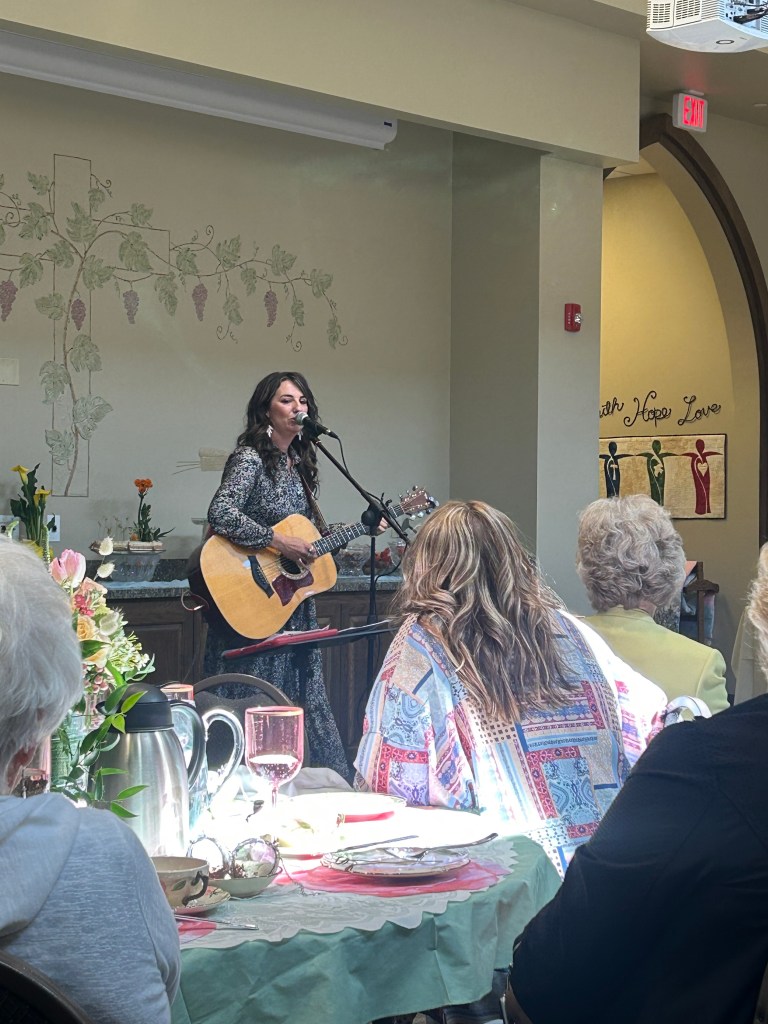
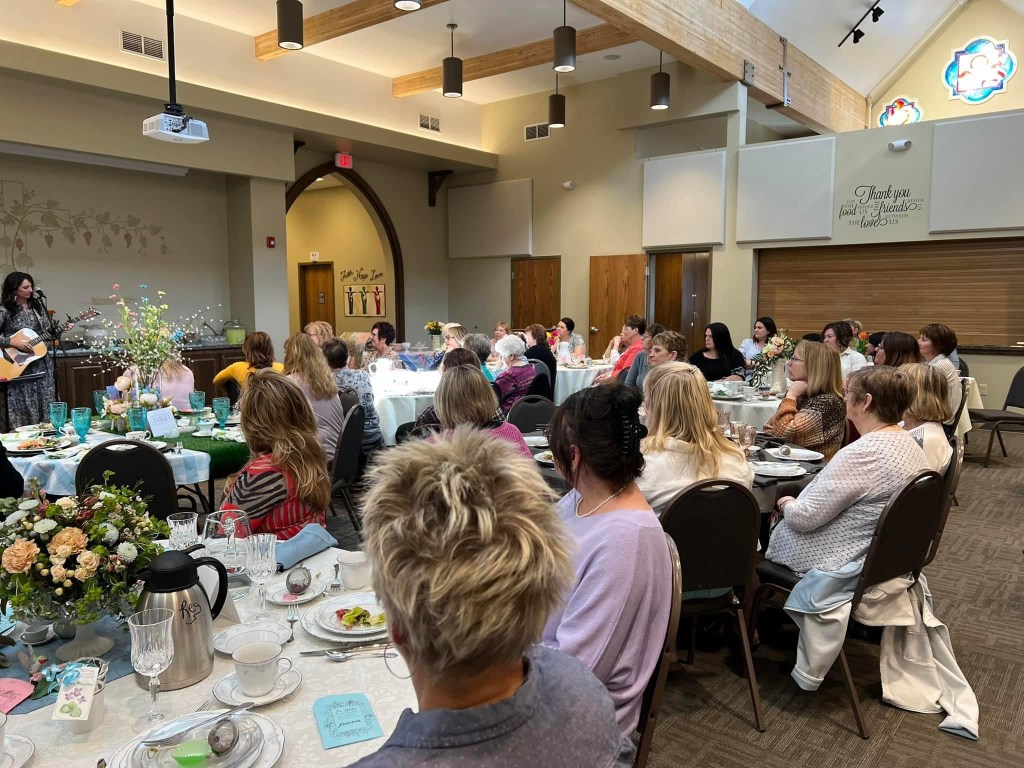
Recently I spoke and sang at a local women’s event in my hometown. It was a tea party and the room was full of ladies dressed in their best seated around sweetly decorated table settings. I stood on the stage in front of them and imagined how much needed to be arranged and rearranged on their schedules to get them in these seats on a Saturday morning. The sitters or the kid’s sports runners. The newborn baby holders so she could get a shower in. The grammas leaving early for the grandkid’s birthday party they wouldn’t miss for the world. And so I said it out loud into the microphone. I said that I understand how much is going on in their lives and the schedules each one of those women had going on in the back of their minds.


I had just dropped my oldest daughter off at soccer camp on the way to the event and we almost didn’t make it to town because I forgot to fill up with gas on my way home from a late event the night before. Miraculously Jesus took the actual wheel and I made it the thirty miles without the assistance of a gas can. And while I sat and enjoyed my tiny sandwiches and tarts and coffee I was checking the clock to make sure I could get out of there in time to get back home and change clothes, grab a bite to eat and bring the girls back to town for a rodeo I was working.


My low-on-gas Chevy might have been a metaphor for my life at the moment. Also, the pile of laundry I was trying to tackle in between, and the fact that I realized for the past two-weeks I have been using dishwashing tablets instead of proper detergent in the washing machine. I suppose that’s what I get for buying the fancy, no plastic, good for the environment product with the tiny label that keeps popping up in my feed, beckoning me to be a better person the same way all the creams and exercise programs are trying to convince me my skin’s not smooth enough and I’m not lifting weights enough for my age because I’m not lifting any weights because I can’t even remember to get gas for crying out loud. 

Needless to say, I think I needed this little two-hour women’s tea as much as anyone in the room.  And, as the hired-speaker, if they were looking to me for inspiration on how to balance it all, how to make it all work together and not wake up at 2 am worrying, that’s not what I brought with me. It’s never what I bring with me. 

A bag of lettuce from my little sister’s and the bag with my daughter’s peep she’s supposed to be treating like a baby but keeps leaving in her aunt’s minivan? That I’ll bring with me…


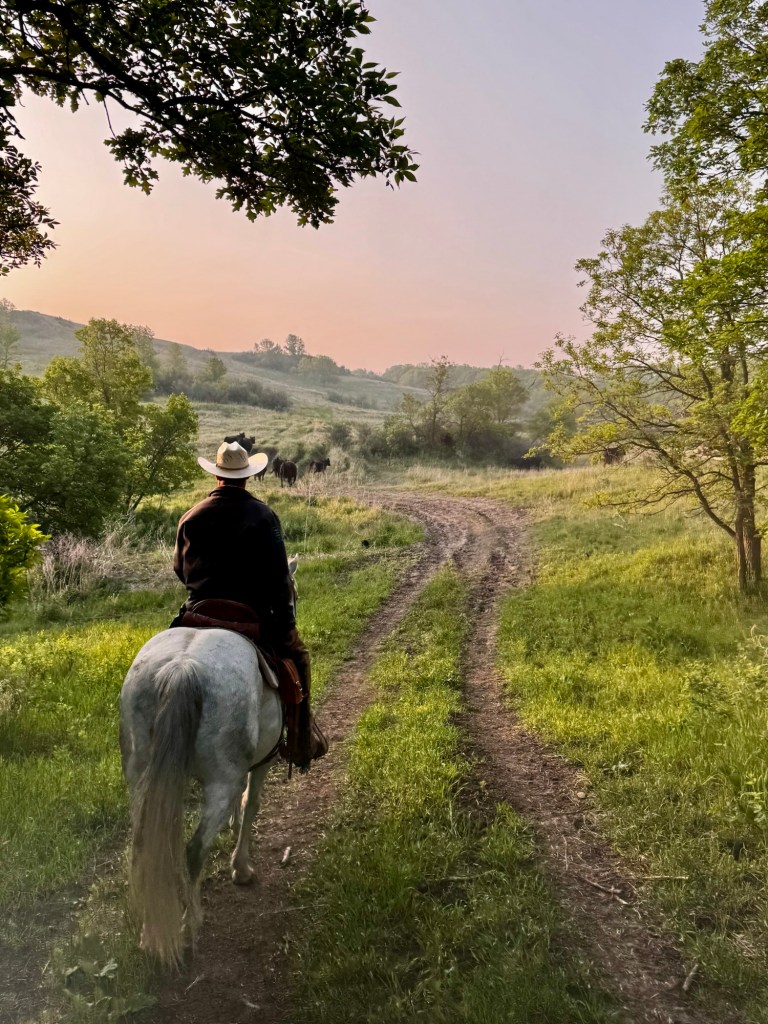
I did, however, bring with me reminders of why living with gratitude tucked quietly in our pockets can help when we feel like we’re drowning. And probably that explains the tears that kept welling up in my eyes as I looked out at that community of women, some my dear friends, some my relatives and some I had yet to meet. I needed to hear own my words the same way I was asking them to hear the story about my dad and how he used to take us along to work cattle when we were kids, and no matter the rush we were in, he always stopped and got off his horse to pick up a fallen feather to put in our hats. With us along, he never passed up an opportunity to pick a ripe raspberry or point out a deer or pick the first crocus of spring. I know now, as an adult raising young kids in the middle of my life in the middle of a family ranch, how busy he was.  I didn’t realize then how easy it would have been for him to rush past all of the special things on the way to get work done. 

But instead, he picked up the feather. 

A picture of the first crocus my dad sent me last week, still doing the noticing for me into my adulthood
And a picture of our first calf he sent the day before

Scheduling time on a Saturday to have tea and tiny sandwiches was that feather for so many of these women in that room. Turns out, they were way ahead of me.

And I might forget the gas, and I might not take the time to read the labels, and I might have found Rosie’s lost earring by stepping on it, post up, with my bare foot last night, but I’m trying hard not to miss the tiny things that make all of this worth it. Because we are not here getting older and more wrinkly in the name of the freshest laundry. We’re here to notice that bald eagle sitting in the dead old tree every morning on our way to school. We’re here to hear the song our seven-year-old is writing in her new notebook.  We’re here to sit in a room together and talk and listen. We’re here to cry a little bit because it’s hard and we all know it but also because it’s beautiful too. 

We’re here to have tea.

America in one room

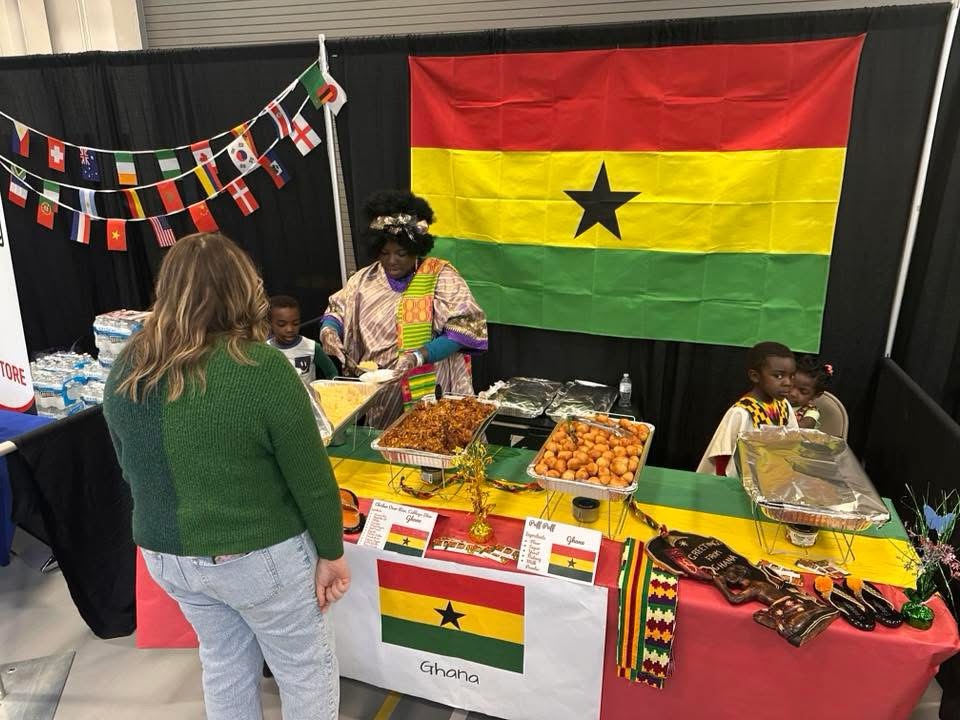
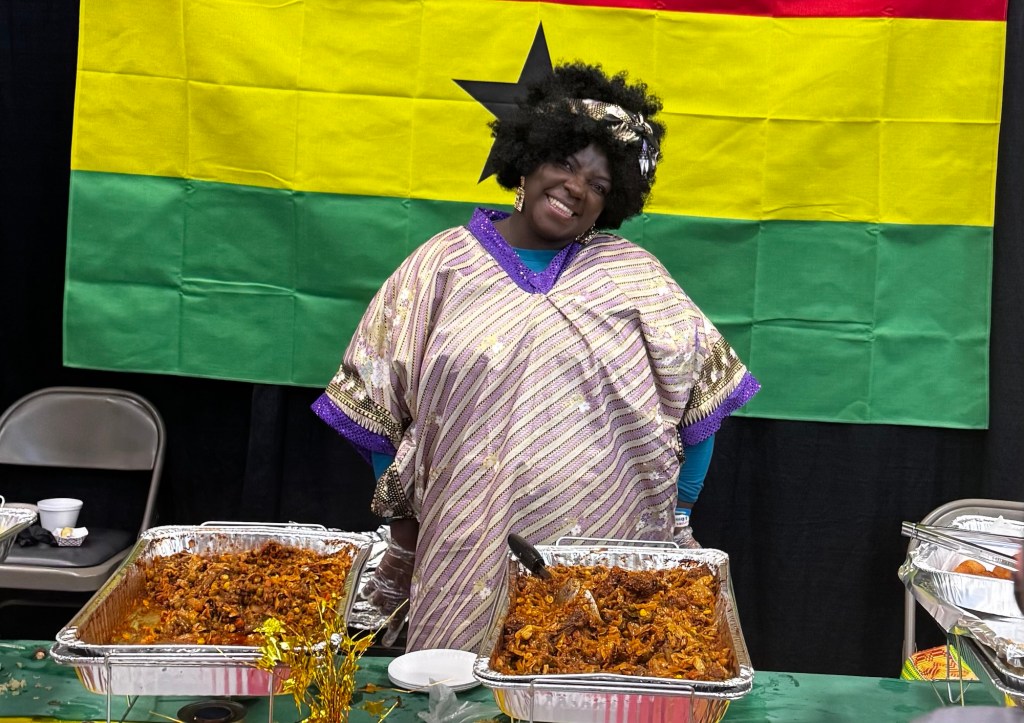
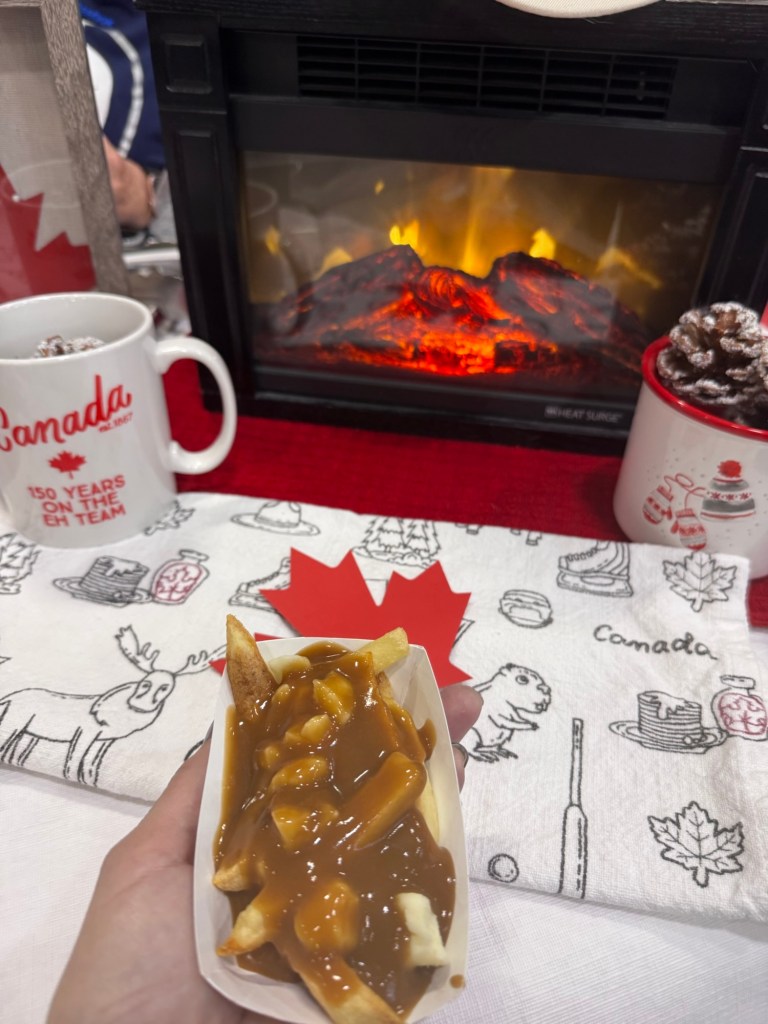
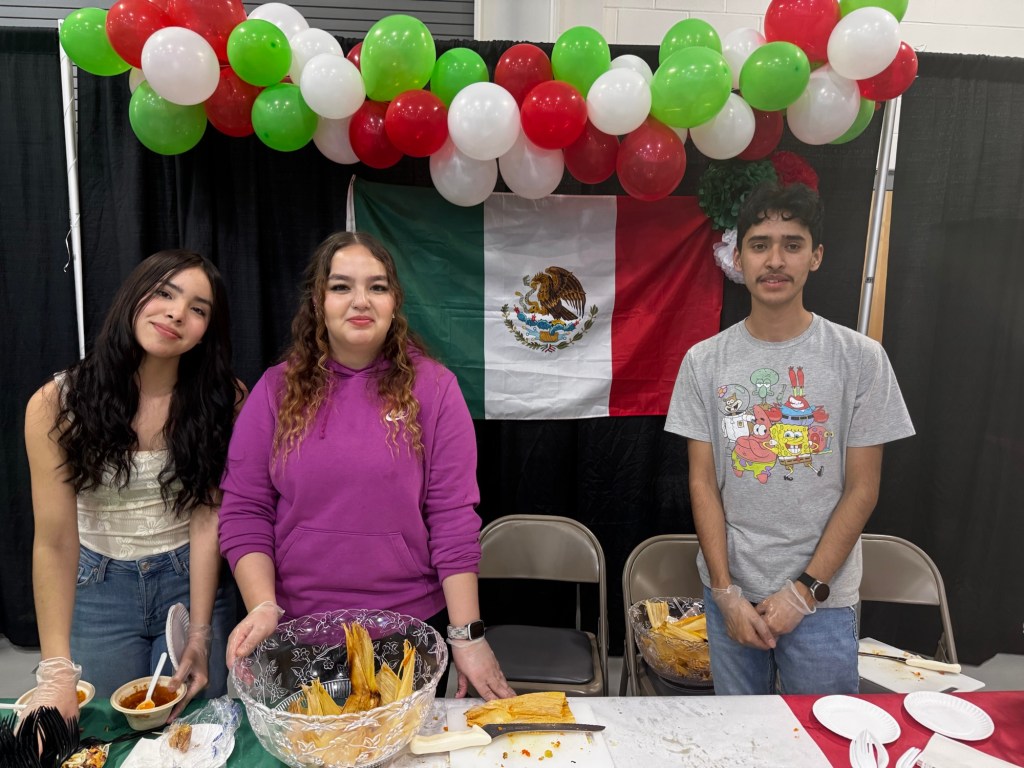
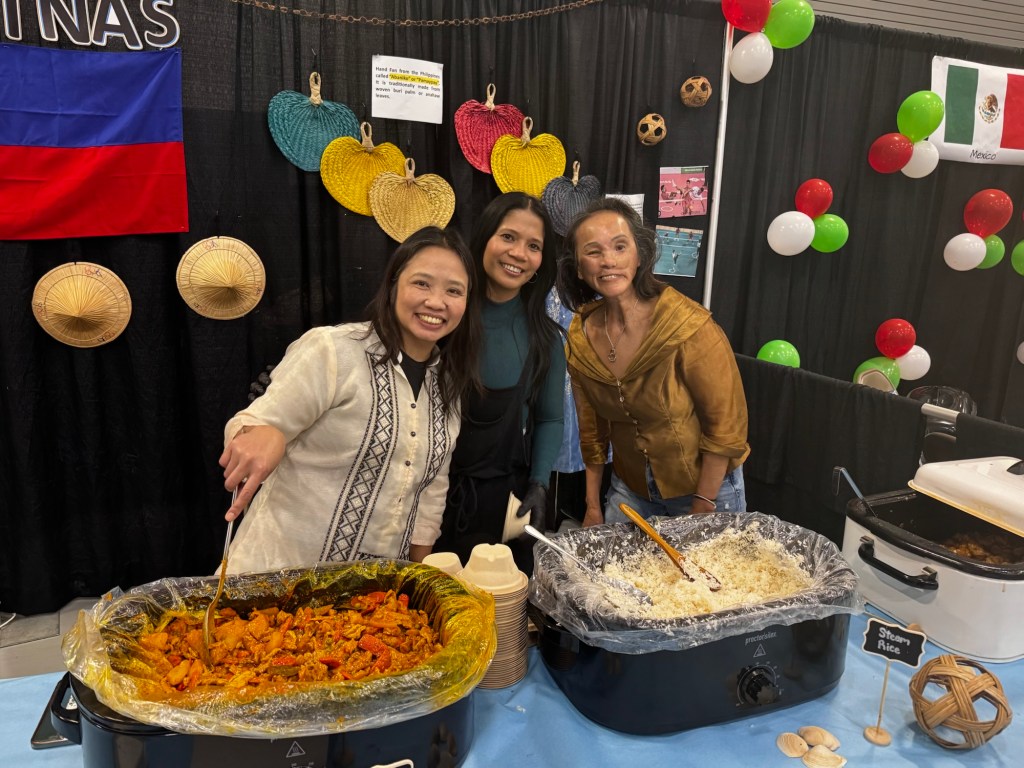
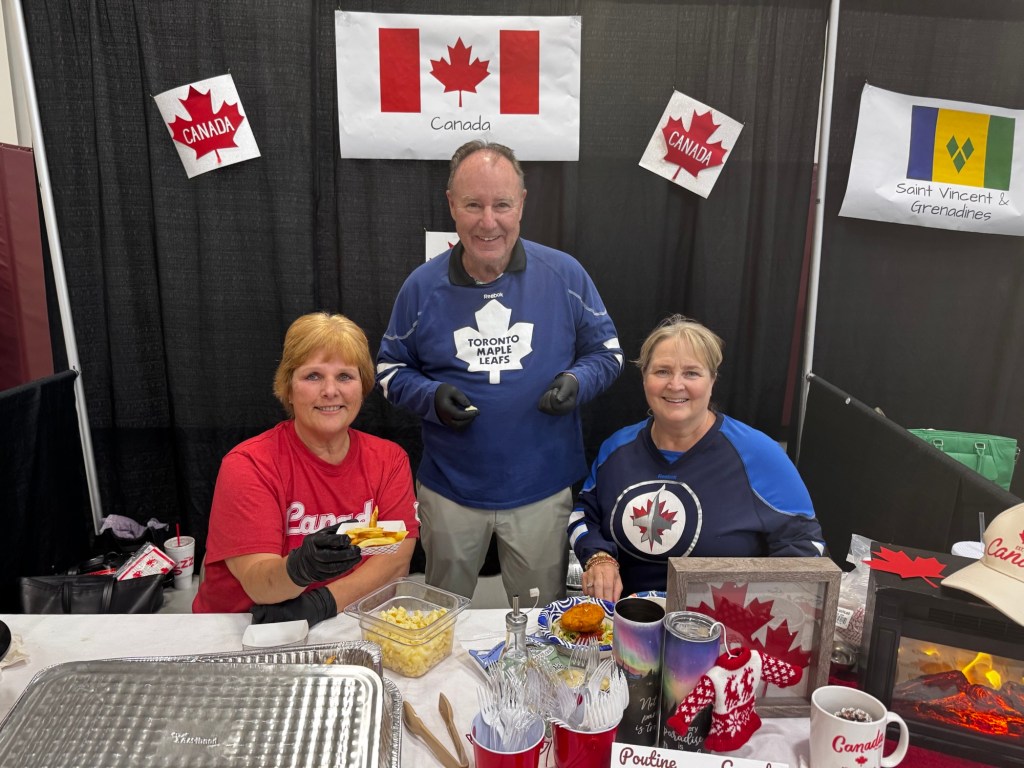
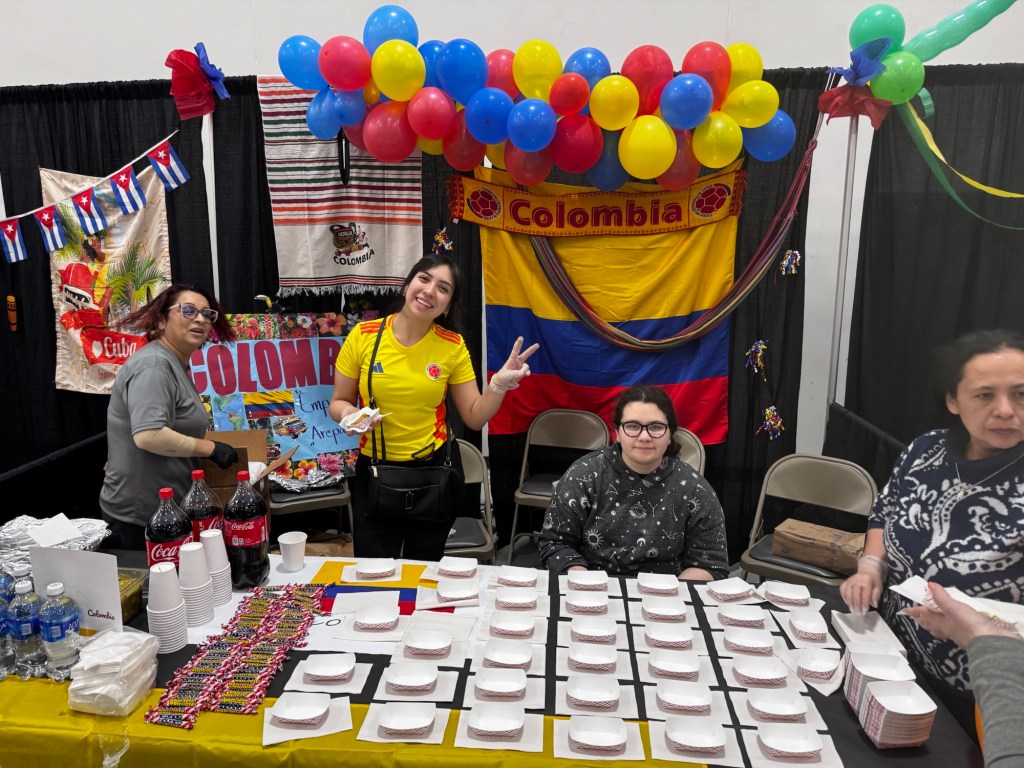
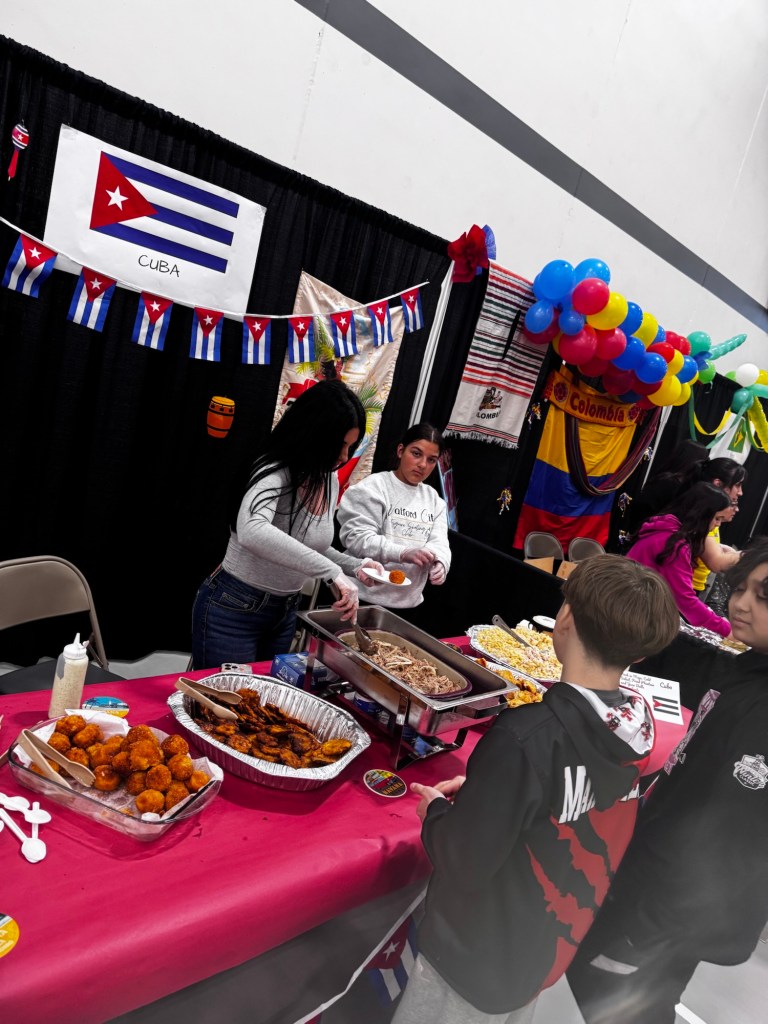
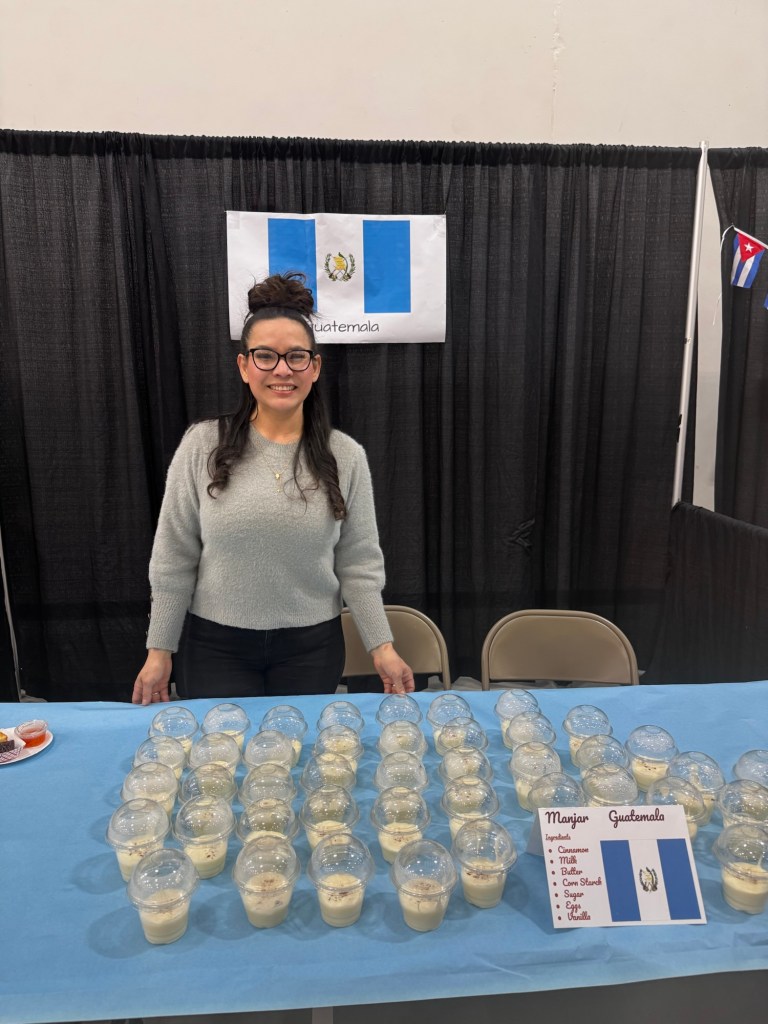
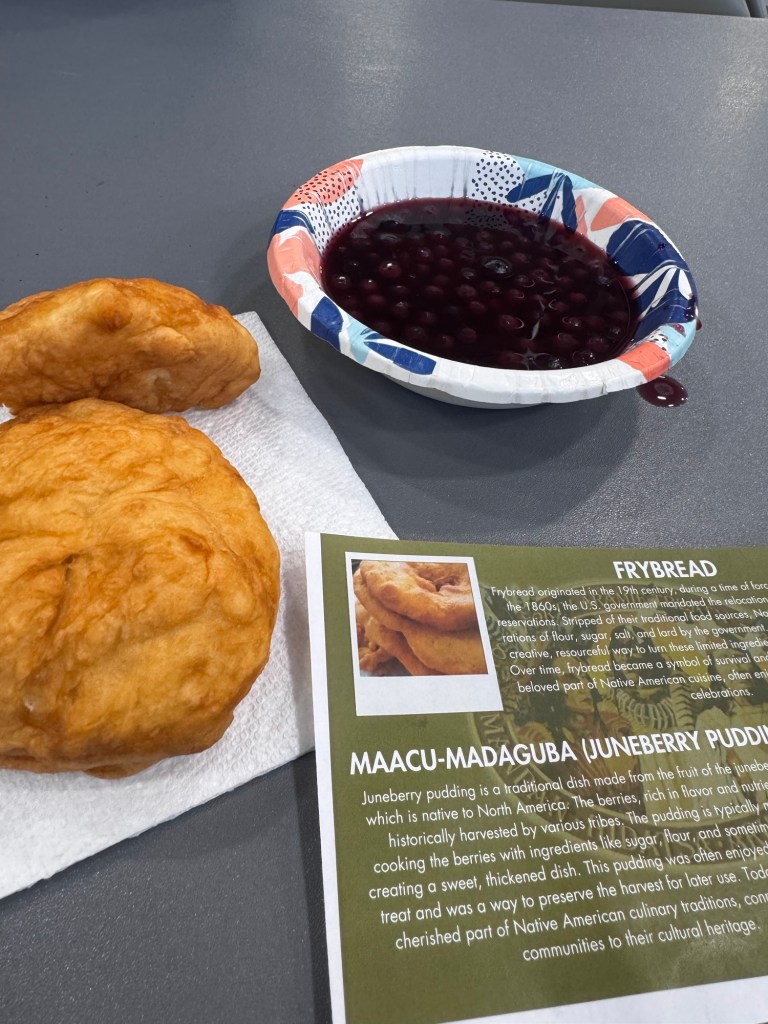
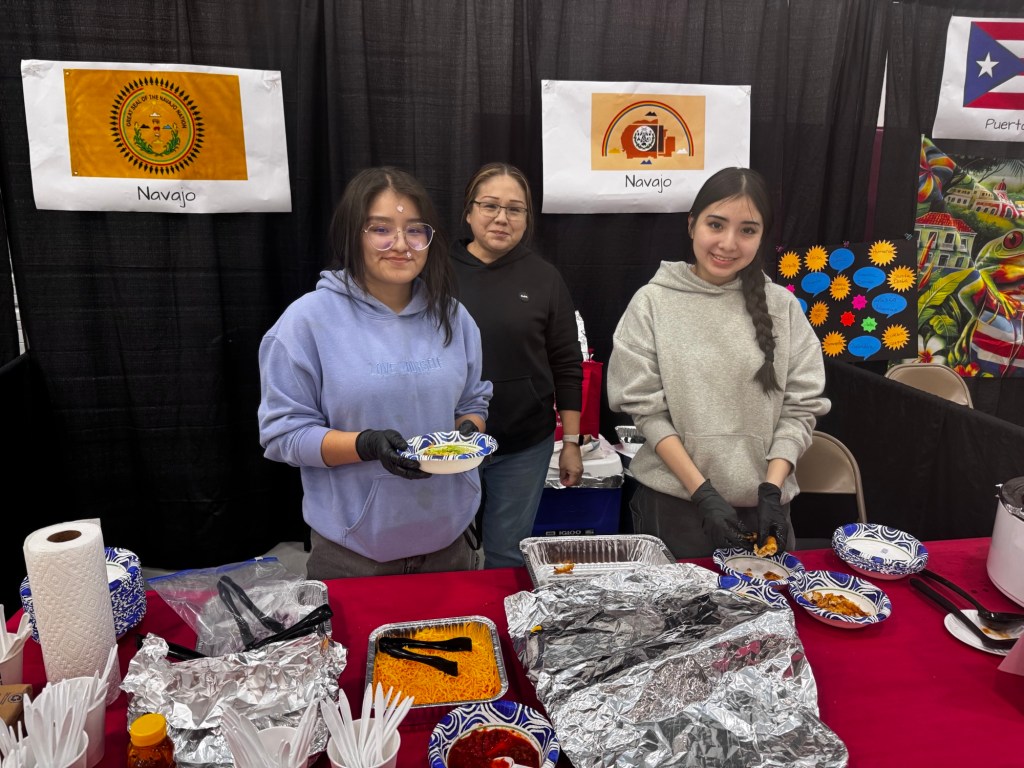
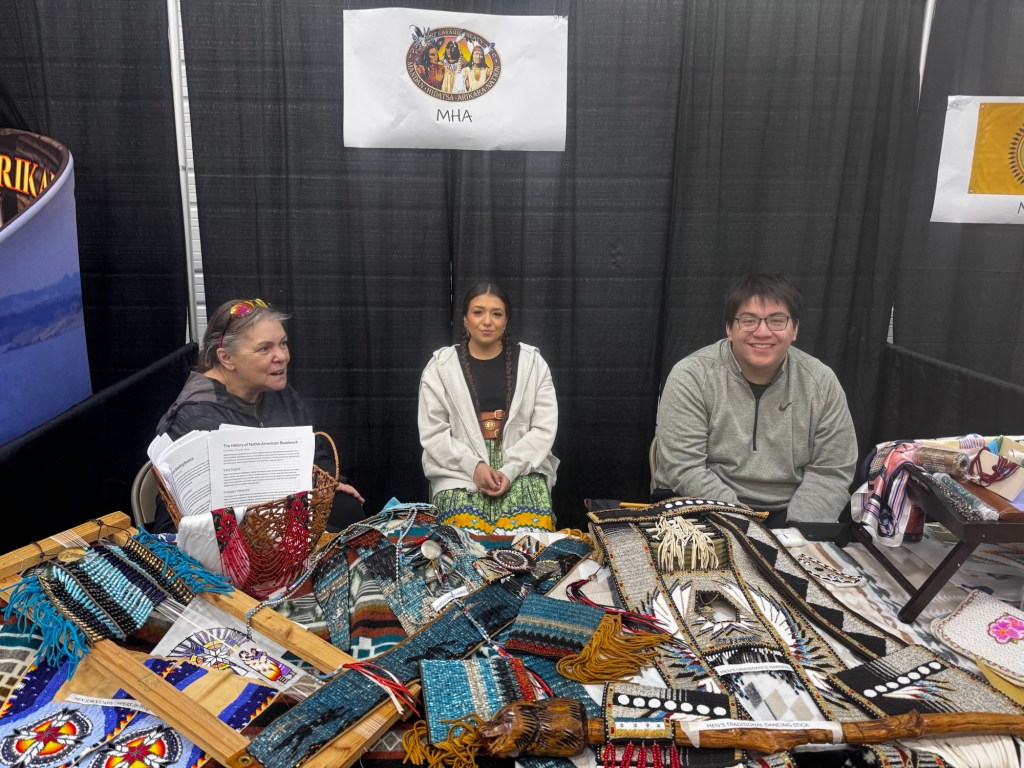
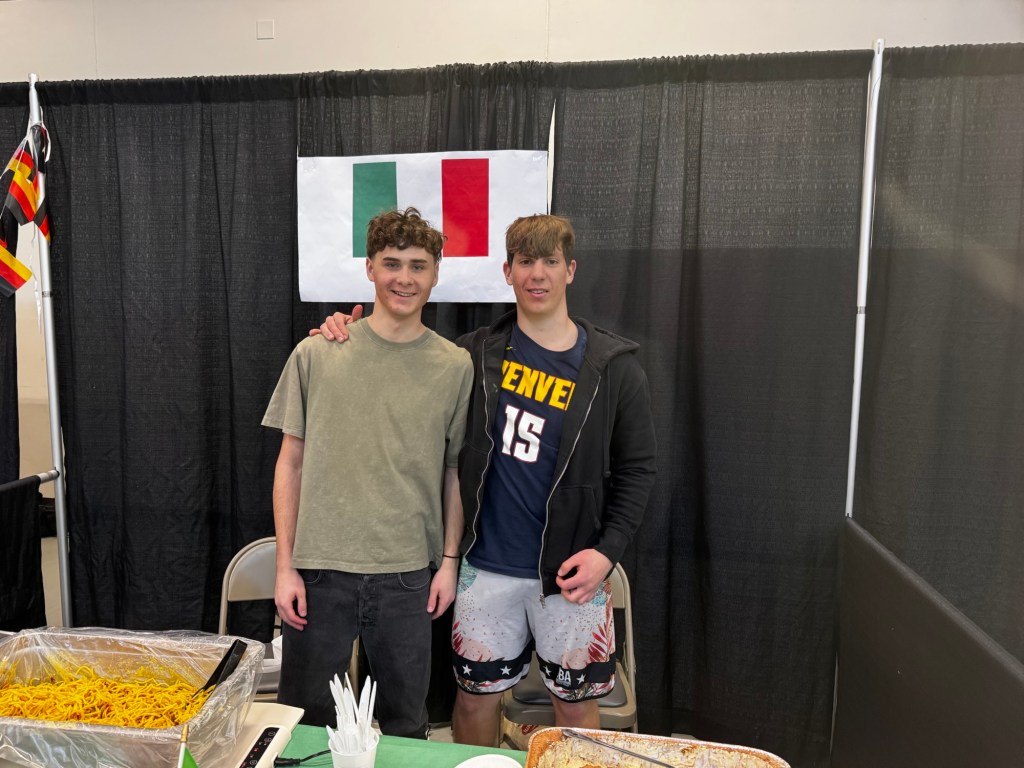
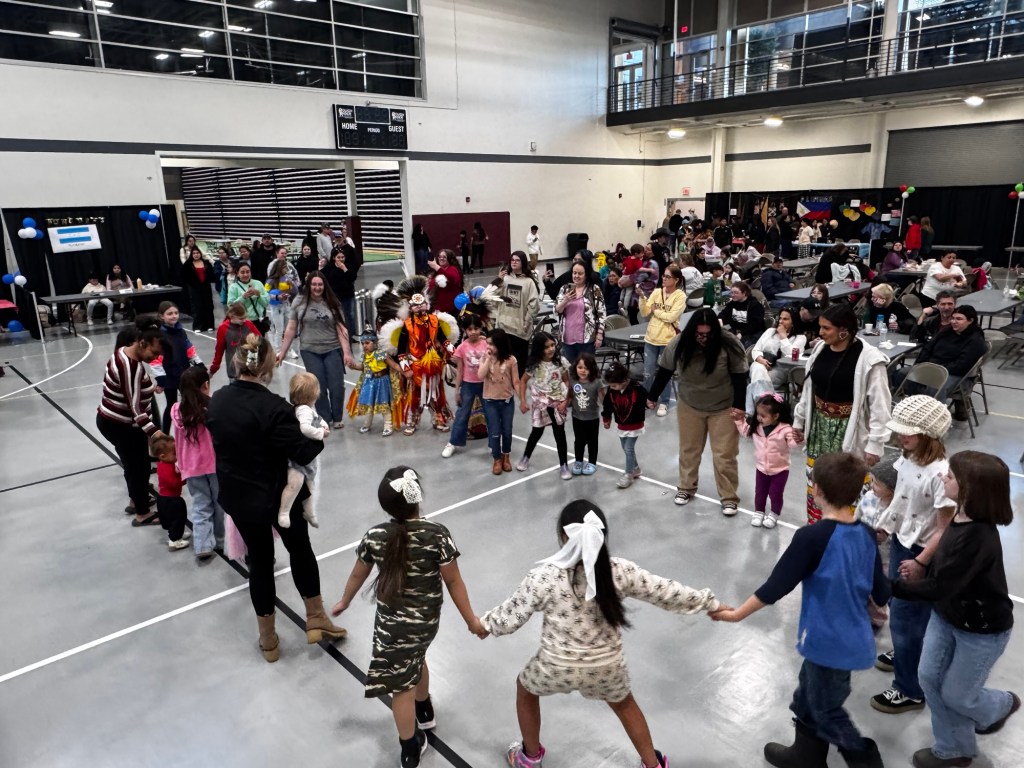
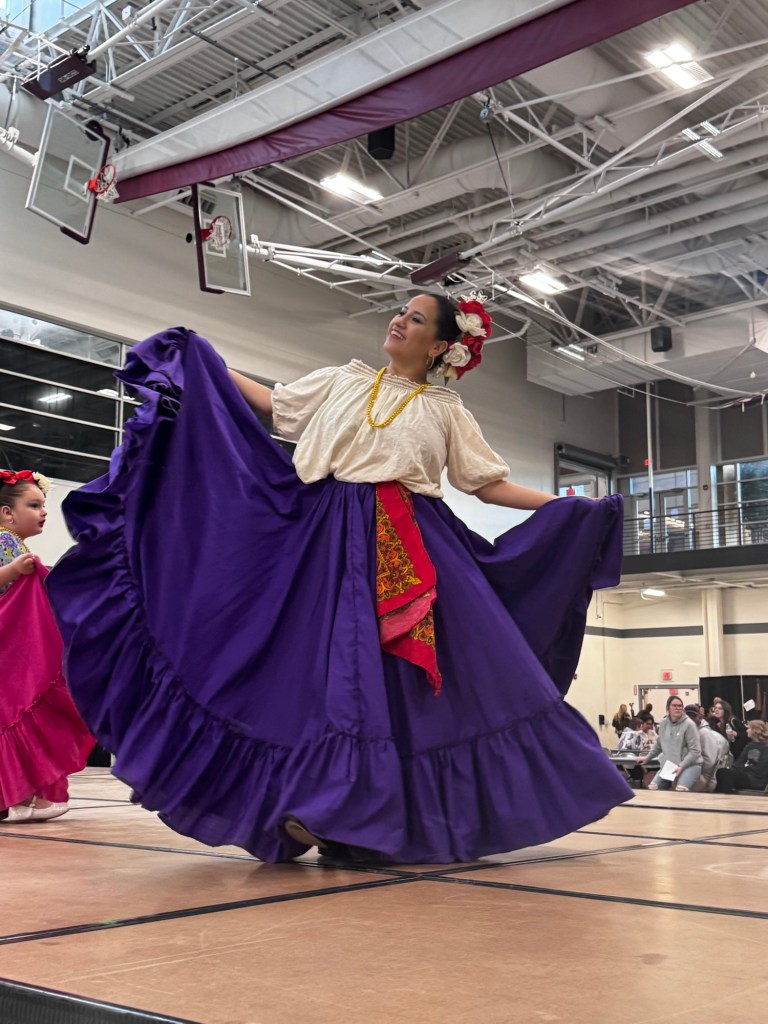
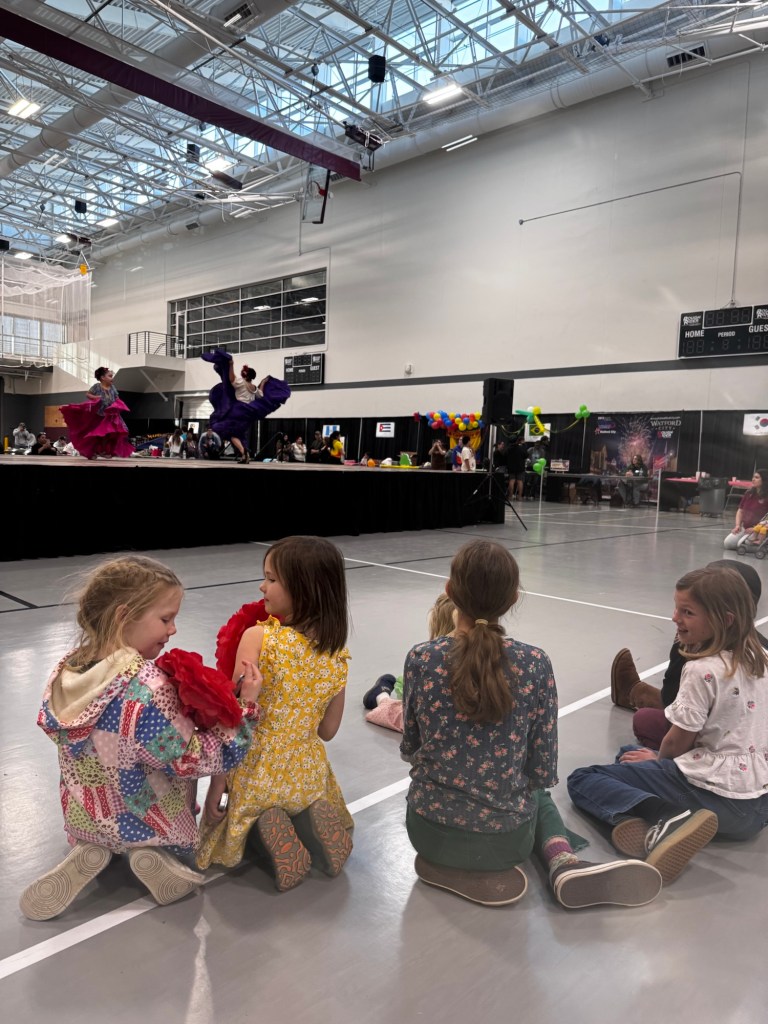
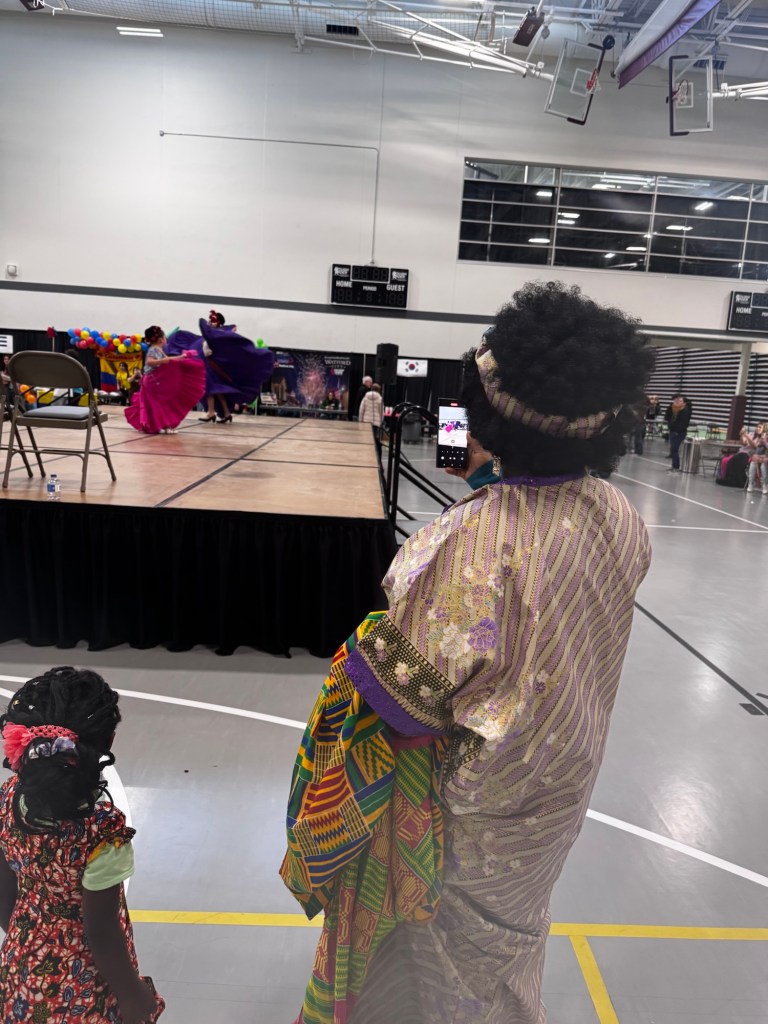
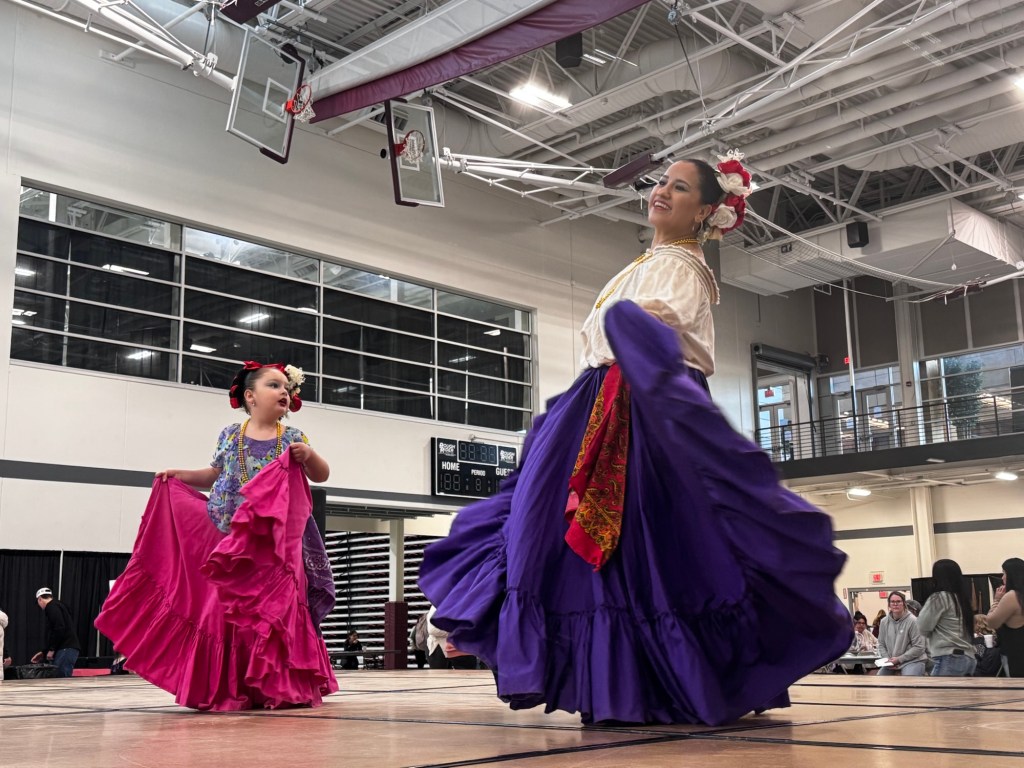
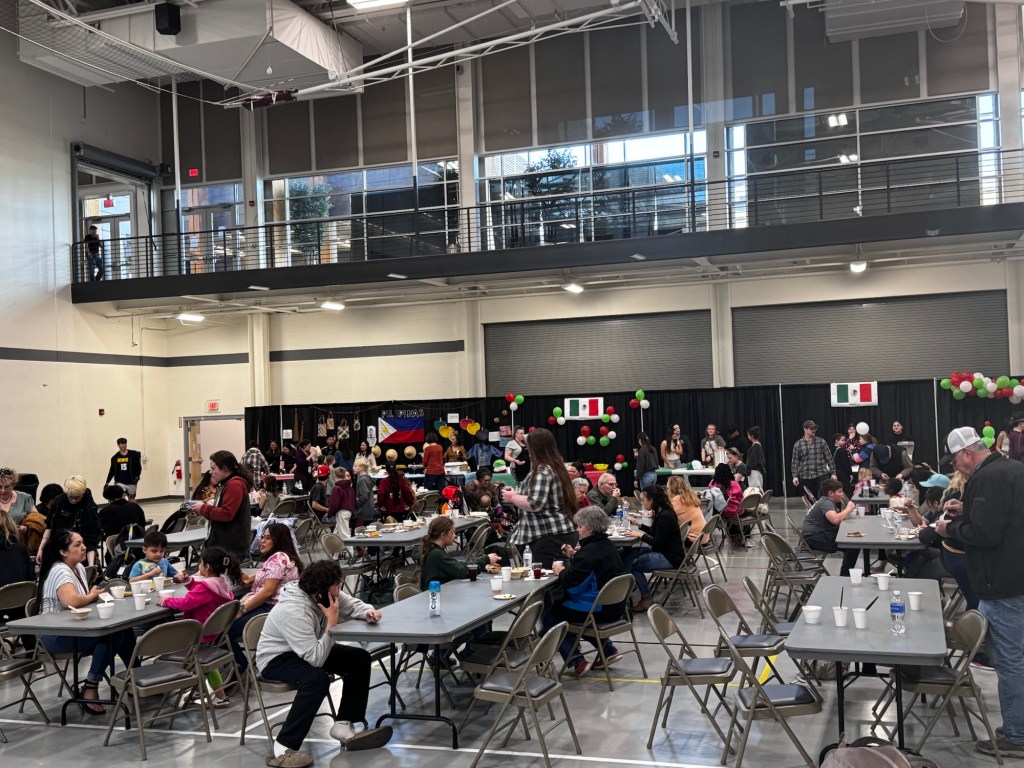
Recently our high school student council members held their third Community Cultural Fair alongside parent-teacher conferences. The large field house typically used for open gym and youth volleyball and basketball practices was lined with tables and décor from over twenty different countries that are represented in our community. And behind those tables stood students and community members serving samples of food from their respective cultures. For months the students and their advisers have been gathering cooking supplies and ingredients and making kitchen schedules so they would be ready to serve the hundreds of community members who would show up, some right on the dot, to make sure they were in time to sample everything from Italy’s tiramisu to the Philippines’ famous egg rolls and everything Gloria cooks from Ghana.

And it’s here I’ll confess that for the past few weeks I’ve been feeling a little burned out and uneasy. Between a confusing a volatile news cycle and a packed schedule of events that kept me working long hours, to managing that annoying chronic pain that tends to flare up in the most inconvenient times to helping our daughters navigate the not-so-fun parts of friendships and girlhood, I found myself questioning, as we all do sometimes, if the good parts truly outweigh the hard parts. 

This can be a slippery slope to walk down. You dip one toe into the well of overwhelm and it’s pretty easy to drop right in over your head. Lately, I feel like I’m floating with one semi-deflated water wing that refuses to give up and I’m pretty sure there are plenty of us who could use an air pump or a life vest right now. 

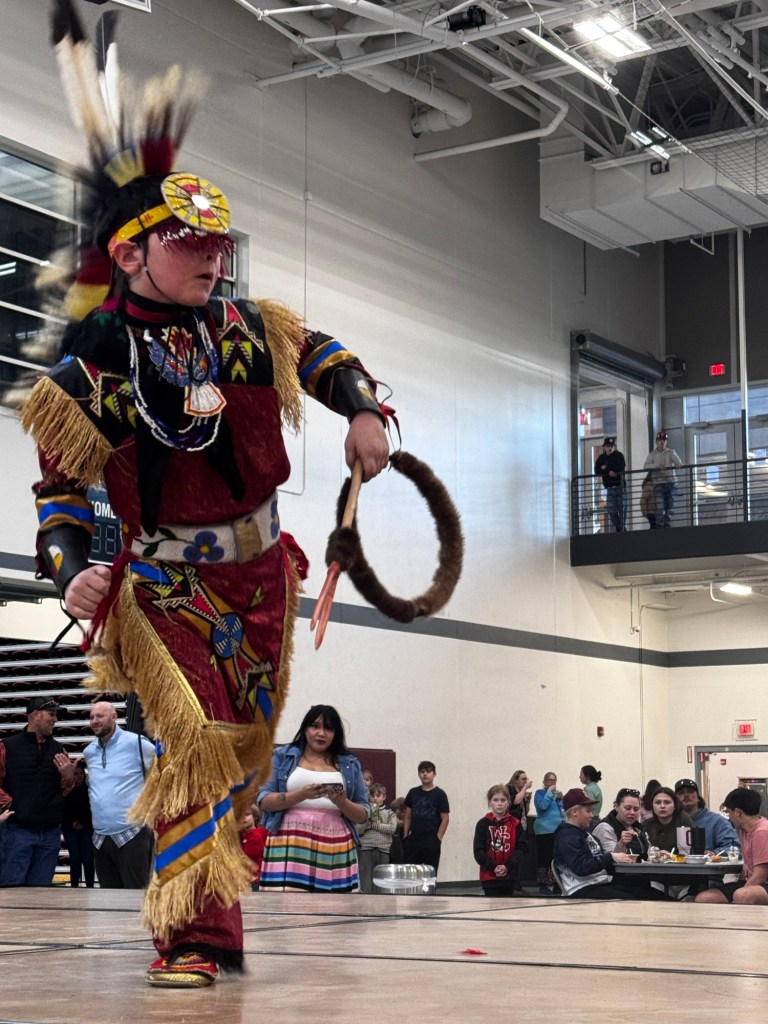
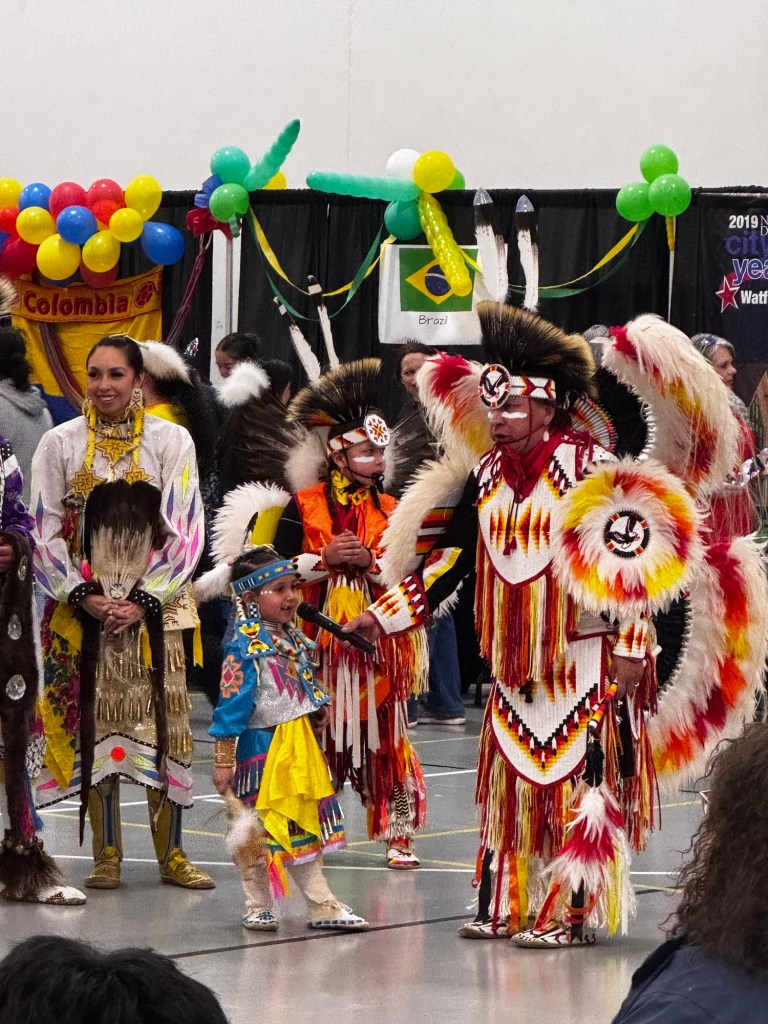
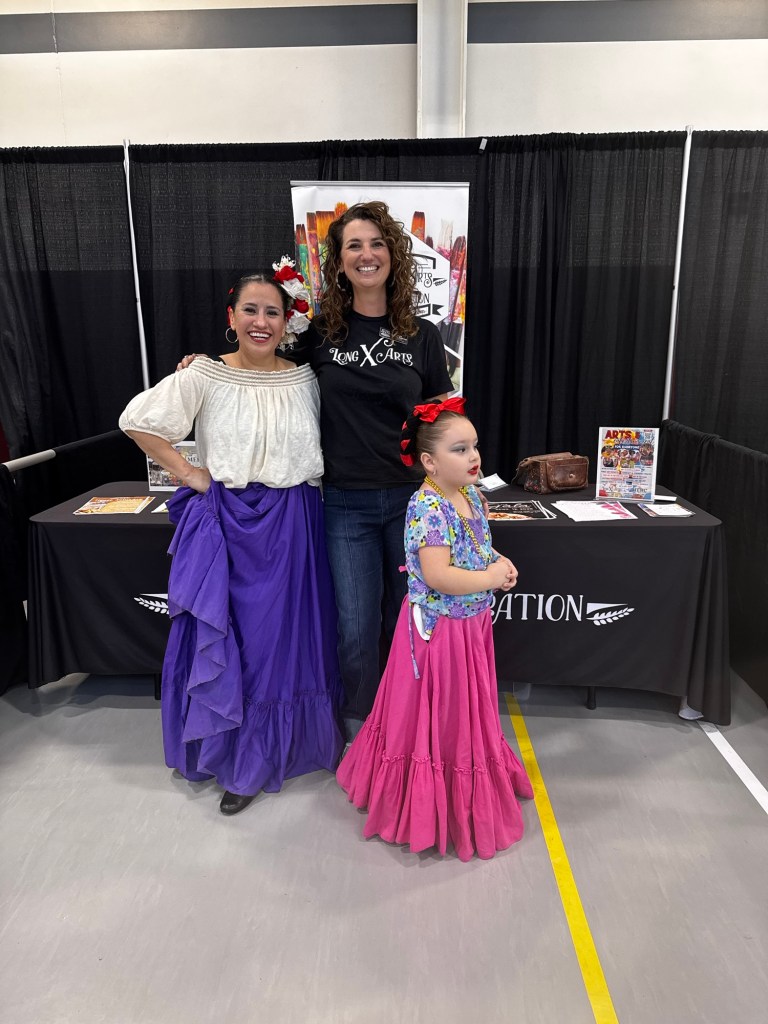
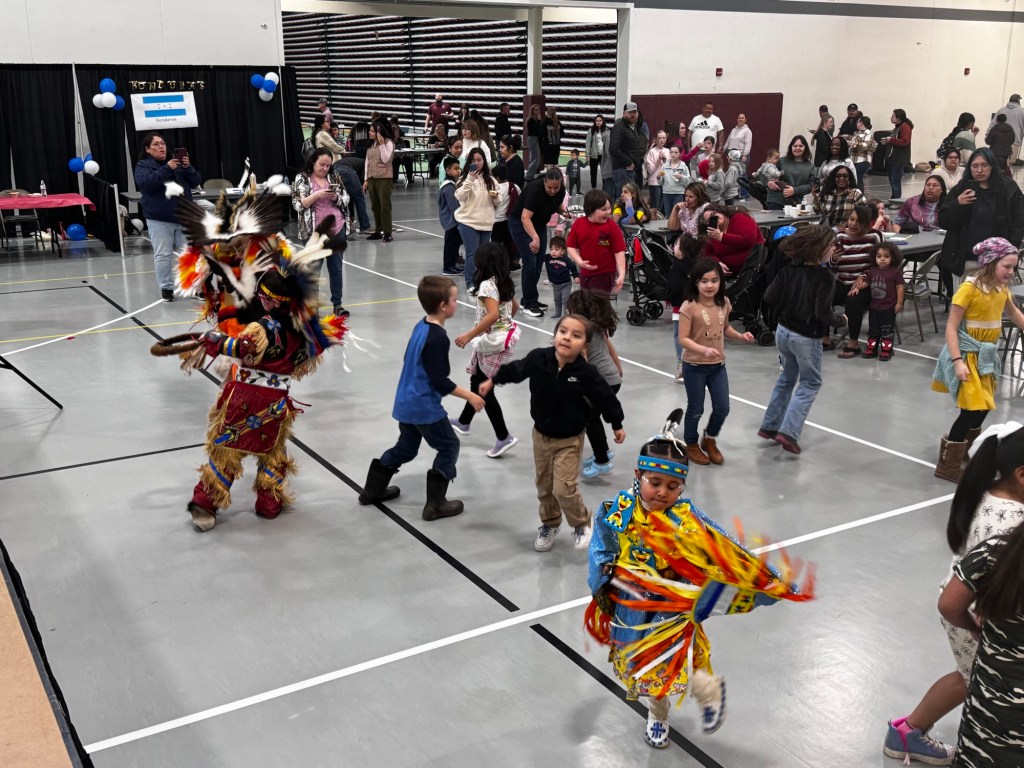
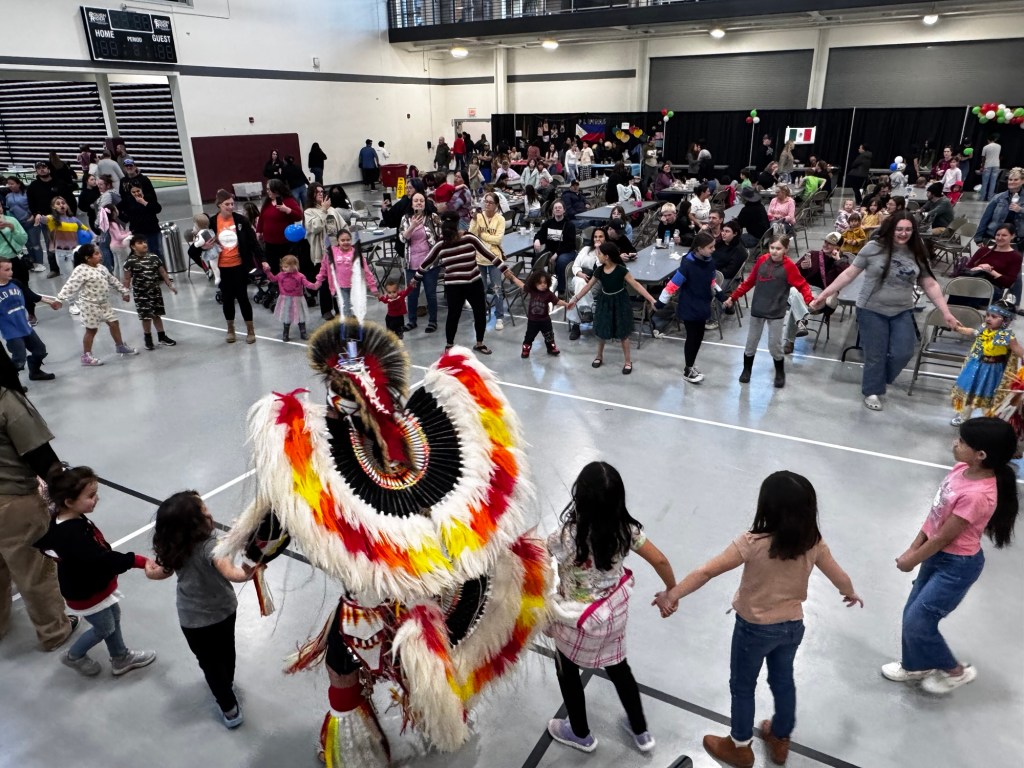
Which brings me back to the Cultural Fair.  I don’t think anyone in that room would disagree when I say the event was that life vest. I stood on the stage in the middle of the room ready to introduce the MHA Nation Cultural Dancers and on every side of me were people I knew and loved and people I have never met, all ages, all backgrounds, some whose grandparents homesteaded this place and some who just took a new job here yesterday. At any given moment you could walk by a booth and hear members of our community speaking Spanish or Italian or catch a student on Facetime speaking German, showing their parents across the ocean what they’re up to tonight in their exchange program. 

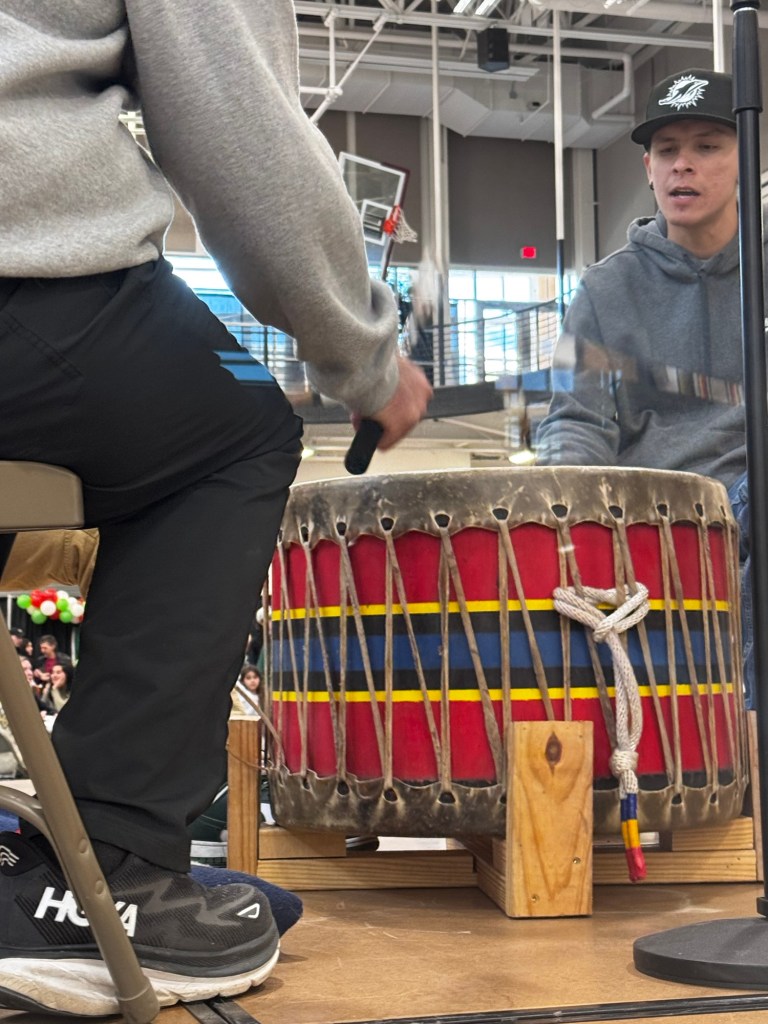
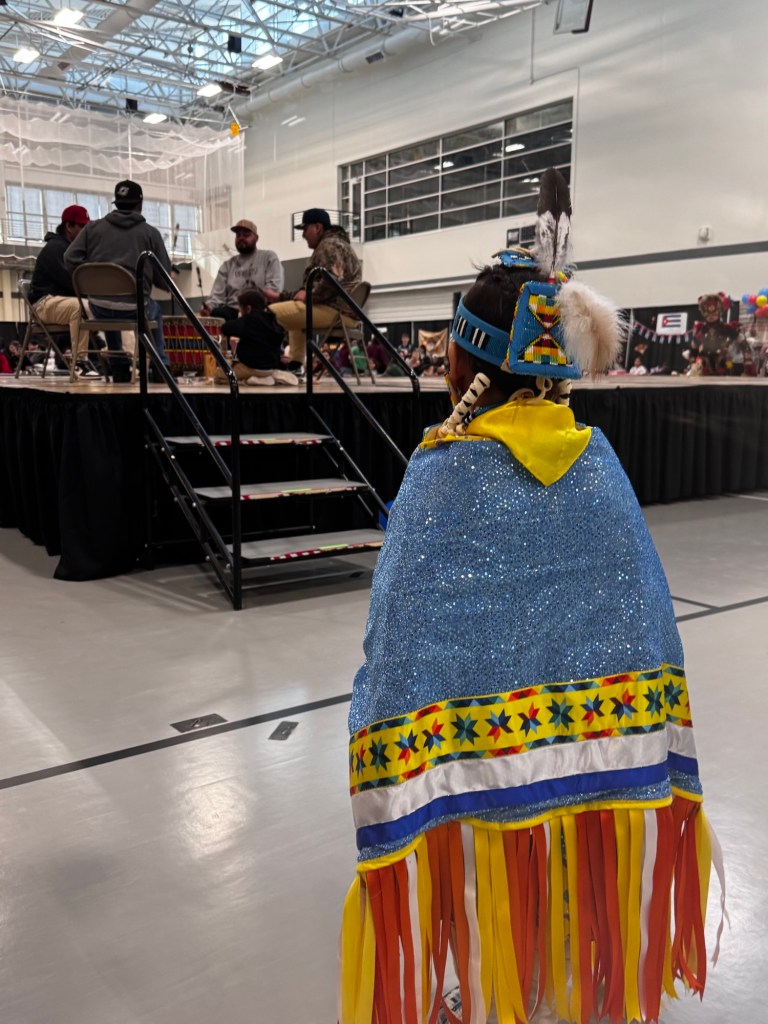
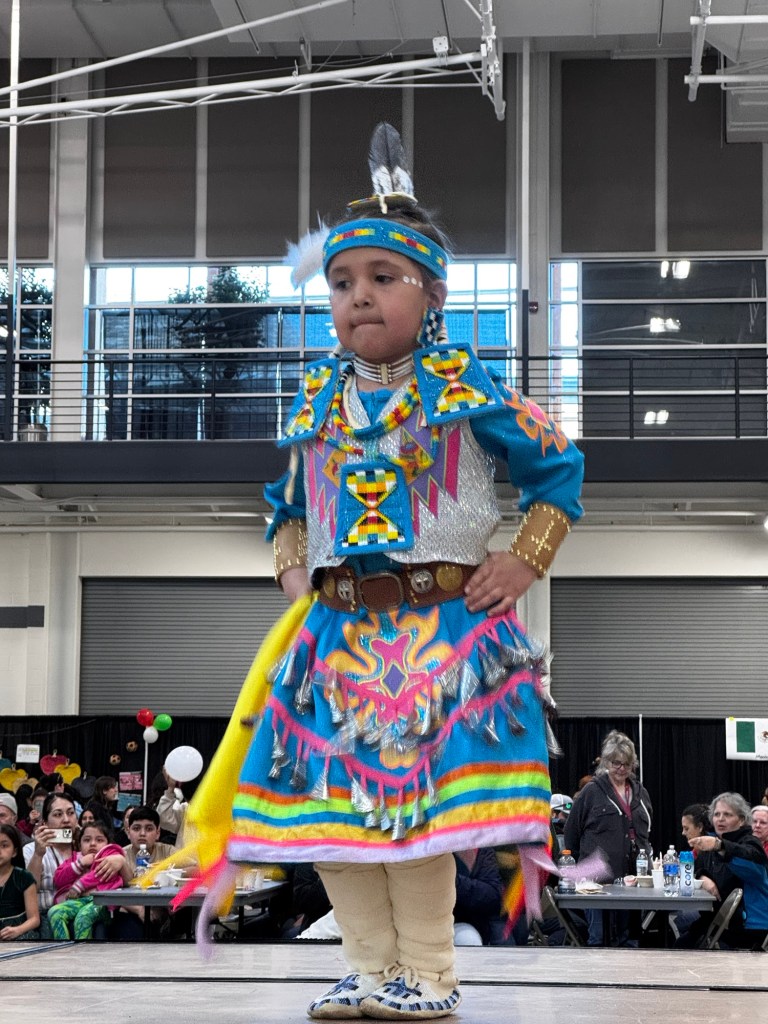
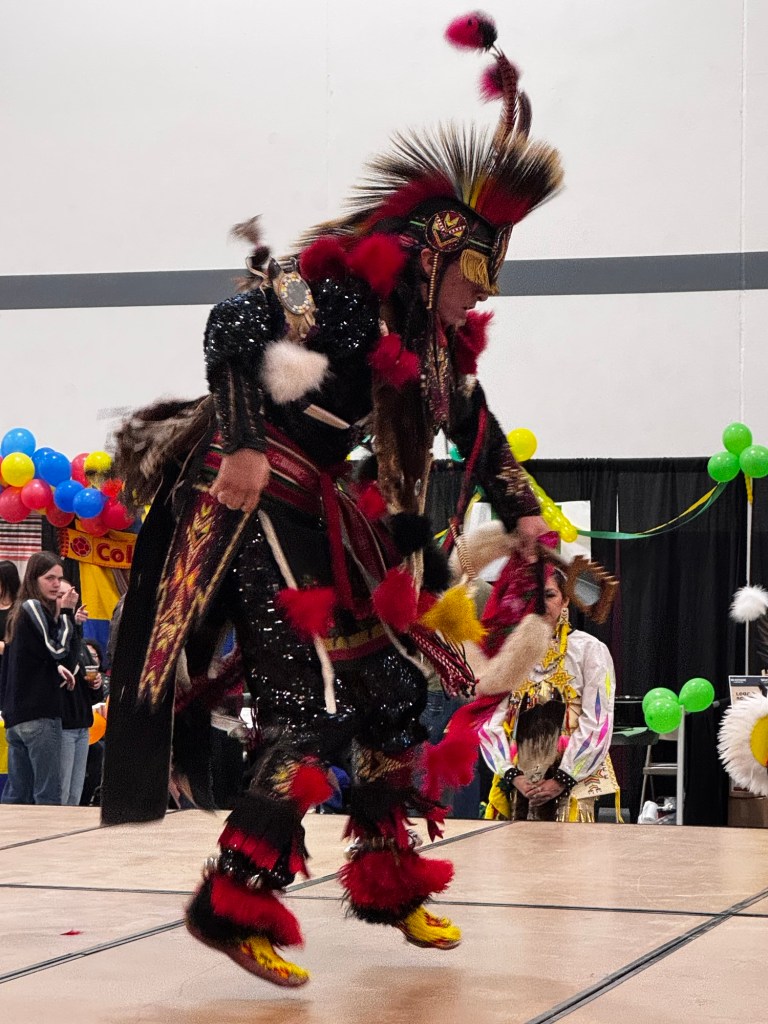
I called the dancers up on stage and they took it from there, welcoming and thanking everyone, introducing the Prairie Chicken Dance and then the Fancy Dance and then the Grass Dance and how Native Americans used to dance to stomp down the tall grass in order to flatten a spot for their teepees. You can only imagine a world like this in history books and movies now, unless you get the privilege of hearing that history flow through the drum beats of men in Nike sneakers and hoodies, or watch it move through the body of a twelve year old boy in traditional dress and moccasins, lifting and sweeping his legs over the imagined grass on the center of the stage. 

“We invite all of you to dance with us now,” our host’s voice boomed from the speakers. He stood by his grandson who wore a matching headdress, leggings and colors. I grabbed my daughters’ hands and we took him up on his offer. The six-year-old dressed in her pretty fancy dance shawl grabbed my hand and along with a dozen or so others from the crowd, more joining as the drums started,  we formed a circle and walked to the beat of the drum.

I don’t know what we think we want America to be if we don’t think it’s this. And I know it’s complicated and I know it’s nuanced and I know it’s political and I’m not as naïve as I used to be, fortunately and unfortunately. And I know one cultural fair in the middle of nowhere North Dakota isn’t going to fix what we all seem to think is broken in wildly different ways. 

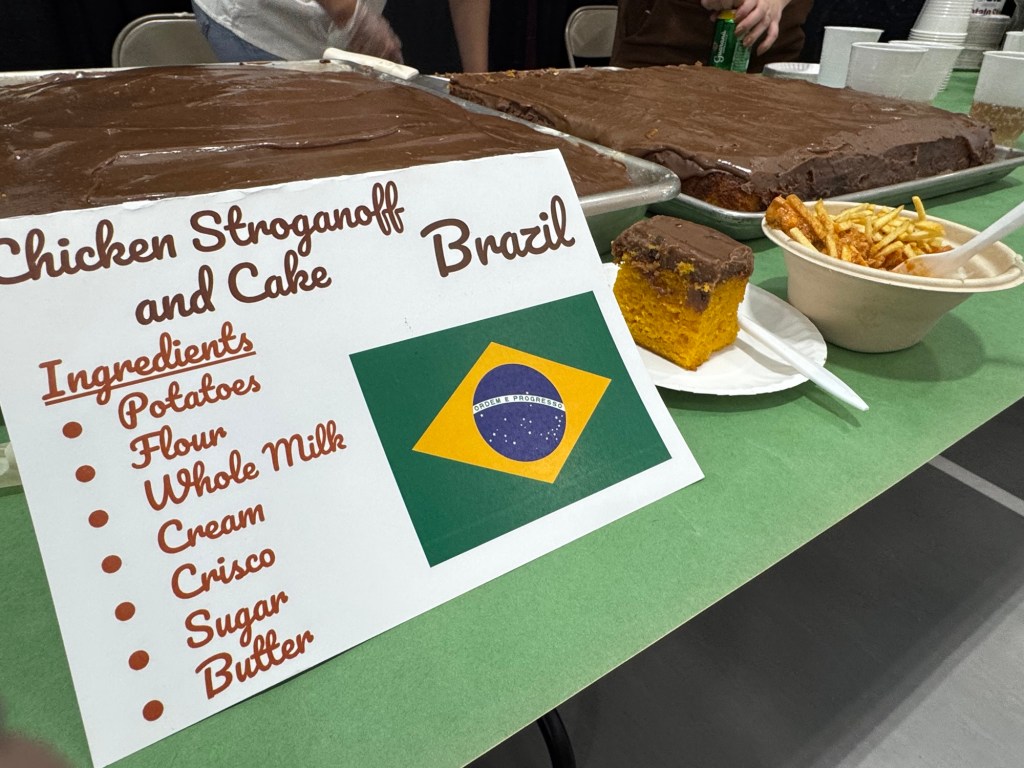
But from 4-7 pm central time on March 25, 2025 during Watford City High School’s parent teacher conferences I felt like we had it right. And it was simple. Shaking hands. Saying hello. Asking “What’s this now? What is it made of?” and then bringing it back to our tables and trying it and saying “It’s too spicy for me, but it’s good.” Or “This reminds me of the pudding my grandma used to make.” Or, “You have to go check out Brazil’s cake.” 

And there’s so much more to say here, but, well, I just wish all of American could have been in that room. 

50,000 people singing….

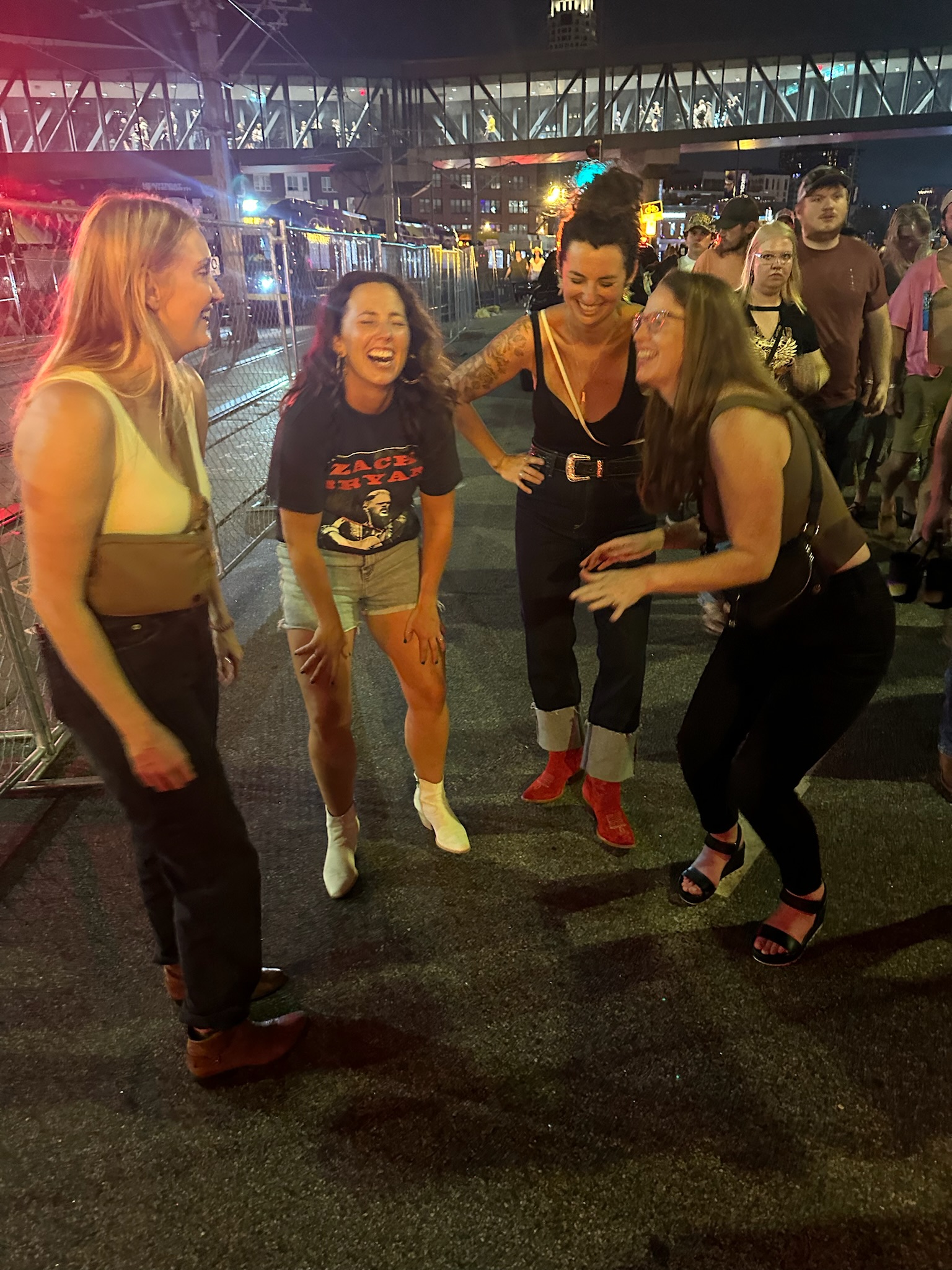
I turned forty-one walking along the streets of Minneapolis. It was midnight and we were laughing, all five of us women, about something I can’t remember, something that probably wouldn’t have hit us this hard if we hadn’t just left a stadium where we sat shoulder to shoulder with 50,000 people singing along, at the top of our lungs, to our favorite songs. 

50,000 people in one place who knew all the words to the same songs.

Five women who made space in lives that overwhelm us with ways in which we might be doing it all wrong. And, if we don’t pay attention the proper amount, take or don’t take the vitamins, wear or don’t wear the thing, vote or don’t vote this way, drink or don’t drink the milk, eat or don’t eat the meal, we risk screwing it all up. The parenting. The marriage. The job. The country. The earth. It’s a heavy weight to carry and it’s hard not to sprinkle it with a little dose of guilt when you decide to spend too much money on concert tickets, leave the kids at home, throw your cutest outfit in your suitcase, take the car seats out of the minivan and drive away for a weekend spent with four women who have done their version of the same to put some space between themselves and the notion that we might not all be ok.

It’s a heavy time in the news cycle, which just happens to coincide with the time in our lives where we’ve charged ourselves with raising the future. In the early mornings when I drive that future to school, I ask each daughter and niece to pick a song. This week “Jeramiah Was a Bullfrog” has been on heavy rotation. “Joy to the world, all the boys and girls…” we sing along as we drive, 65 MPH to 45 MPH to 25 MPH on roads they keep constructing. I park in front of the door to school and tell them I love them and tell them to be kind. They run into another day of childhood in middle America where we feel pretty lucky and pretty worried (I pause to wonder here if there are better words I could choose to describe it…)

Back at the stadium a young man behind me stands during the opening act, lifts his drink up in the air with one hand and puts his other arm around the girl he came with. Throughout the entire night, he sings almost every lyric with the vulnerability of a young child. But he’s not a young child, he is a man in middle America singing the lyrics of songs that describe what it feels like to lose someone, songs about addiction and fear, uncertainty and family and hope, tender things wrapped up safely in the sound of the fiddle and guitar and drums keeping time, coming from a man who looks like the guys in his hometown who maybe don’t talk about those things.

And maybe tomorrow, back at home, back at work, he won’t again. But he is here. Here he is, exposed, singing along.

I suppose if we admit that moments like this could save us, we must also admit that it could also be dangerous—50,000 people singing the same words…

I walked out of that stadium holding hands with the women I came with into a night bright with city lights. I turned 41 while the crowd of teenagers and twenty-somethings, mothers and dads with their daughters and sons, filtered out into that same night, sort of sweaty and tired and drunk with beer or feelings. 

Back home my daughters stayed up too late in the big bed together while my husband fell asleep. The next day I drove that minivan back west to pick corn with the neighbors, eat pot-luck after a rodeo, sit in bleachers to cheer on the volleyball team, take an art class, sing with my dad on the deck, make a fish supper for my family, take a ride with my husband to check on a bull, brush my daughters’ hair, pack backpacks and give rides…

“Joy to the fishies in the deep blue sea, joy to you and me…” my daughters stop singing to open the car door and run to school…

Cousins by the camper

Cousins by the camper
Forum Communication

Listen to the podcast here

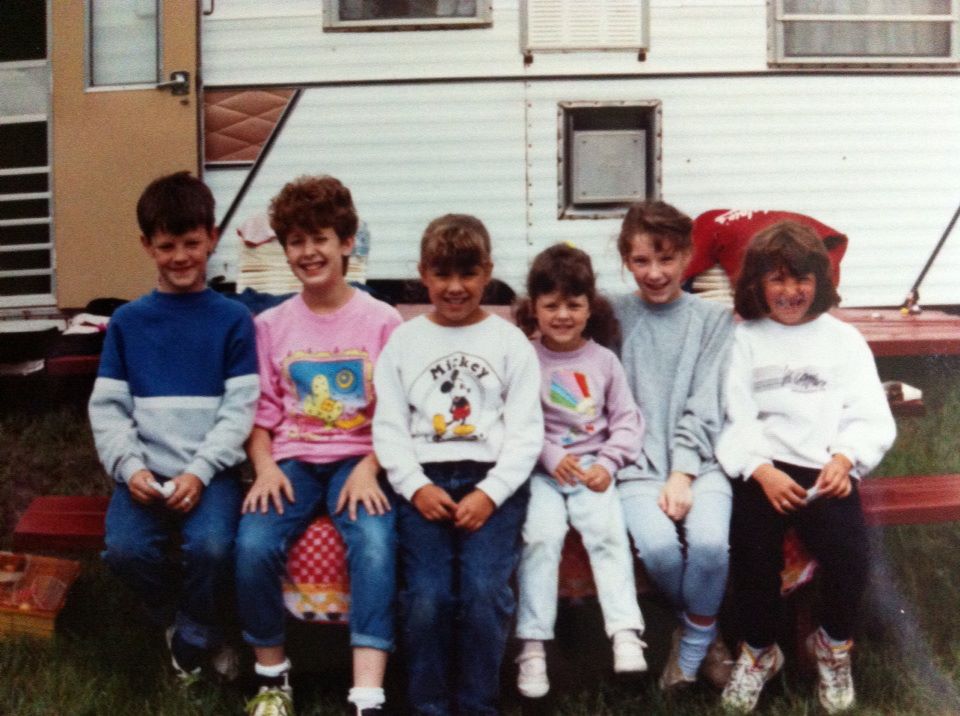
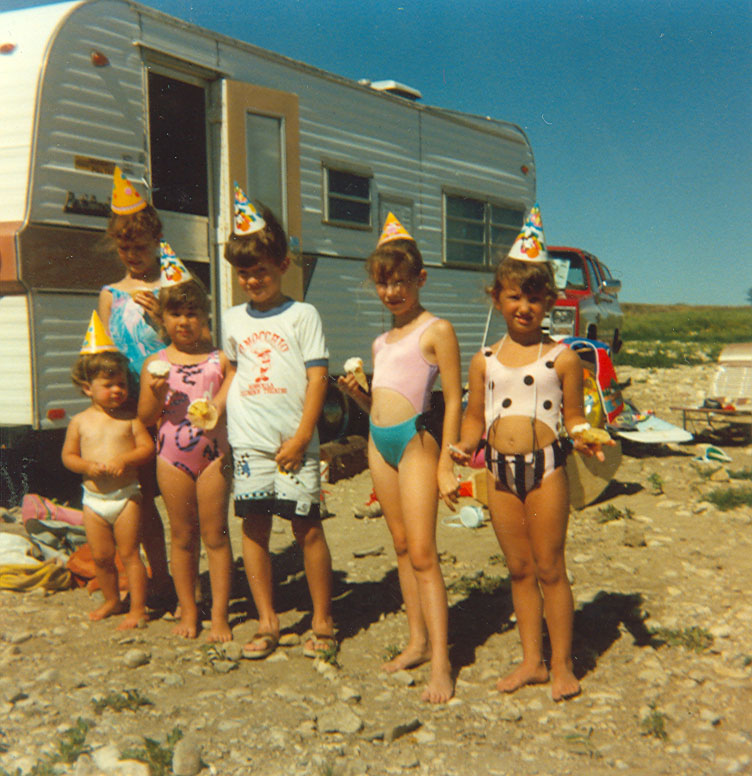
There’s a family photo that resurfaces every once in a while of six little kids with fluffy ‘90s hair sitting on a picnic bench in front of a 1980s tin-sided bumper pull camper. One of us is in a Mickey Mouse sweatshirt, a couple in tight rolled jeans, all of us had bangs that started in the middle of our craniums. It was summer in North Dakota on the edge of the clay shores of Lake Sakakawea and we were squinting against the morning sun, a calm moment captured between itching mosquito bites and slapping horse flies away. A calm moment captured before a picnic of watermelon and juice boxes and hotdogs cooked on my uncle’s tiny grill. A calm moment captured before we became who we really were in that fuzzy photograph—cousins, grandchildren of Pete and Edith Veeder, connected by blood and big love and orange push-up pops and a ranch with a pink road that runs right through. Cousins reunited for a weekend of camping under a fussy North Dakota sky where it’s always a little too cold for swimming with a good chance of a camper-shaking thunderstorm.

Those six kids are all grown up now and so are the two who were too wiggly to sit still for the photo, some of us raising fluffy haired kids of our own. And this summer, for many different reasons, I will have seen every one of my cousins in person, on both sides of my family, in the matter of a few months. This very likely hasn’t happened since we were kids and it’s been an unexpected blessing in this season that is rolling in and out of my life as quickly as one of those thunderstorms.

I watch my daughters take the road that cuts between my house and my sister’s on their way to play because they can hardly stand a day without seeing one another. Now that they are old enough, they take that road themselves. And when I tag along, they leave me in the dust, holding hands and pulling tight on that thread that binds me to them, stretching it out to reach the people they need beyond me. What I would have given to have lived right down the road from my cousins.

I watch these girls run toward one another and I can’t help but wonder how these relationships will continue and evolve through the years, as sisters and cousins and friends. Their innocence presently has us all fooled into thinking that it could last forever, that they will eternally be bonded in this same tender and intricate way. But years have shown me enough scenarios in which it can all quietly or not so quietly fade or crumble or implode because humans are complicated, and our hearts are tender, and time is a thief. Sometimes my sister and I let ourselves imagine our daughters as teenagers fighting over boyfriends or driving themselves to town for a rodeo or a football game. We think my youngest, Rosie, will insist on driving and then we think she’ll drive too fast. And Edie, my oldest, will try to keep them in line but Emma, my youngest niece will take Rosie’s back. And Ada, the animal lover, might prefer to stay home with the horses, but could be convinced to break any rule because Rosie and Emma plead a good case. Oh it’s fun to imagine but not without wondering how they could ever be anything but here safe at the ranch at 3 and  5 and 6 and 7, in the sweet spot of sprinkler running and Bible Camp songs and endless game of babies in our basement.

Is that what our parents thought that day they asked us to sit shoulder to shoulder on the picnic bench? That if they pointed that camera and developed that film that it would help them remember this fleeting moment where we were together and sun kissed and smiling, before we knew that growing up could simultaneously ache and excite us. Before that thread pulled tight on us across the countryside as we wandered off to find out who we were supposed to be beyond the grass-stained knees of those tight-rolled jeans. I know it is. And then I wonder if they knew that it was because they believed in that pink road and that picnic table bench and family camping trips and Christmas suppers and Easter egg hunts at gramma’s that even now, after all these years, we do what it takes to have the chance to be who we really are, who we’ve always been, Pete and Edith’s grandchildren, squeezing in to say cheese.  

Honoring the women who made me who I am

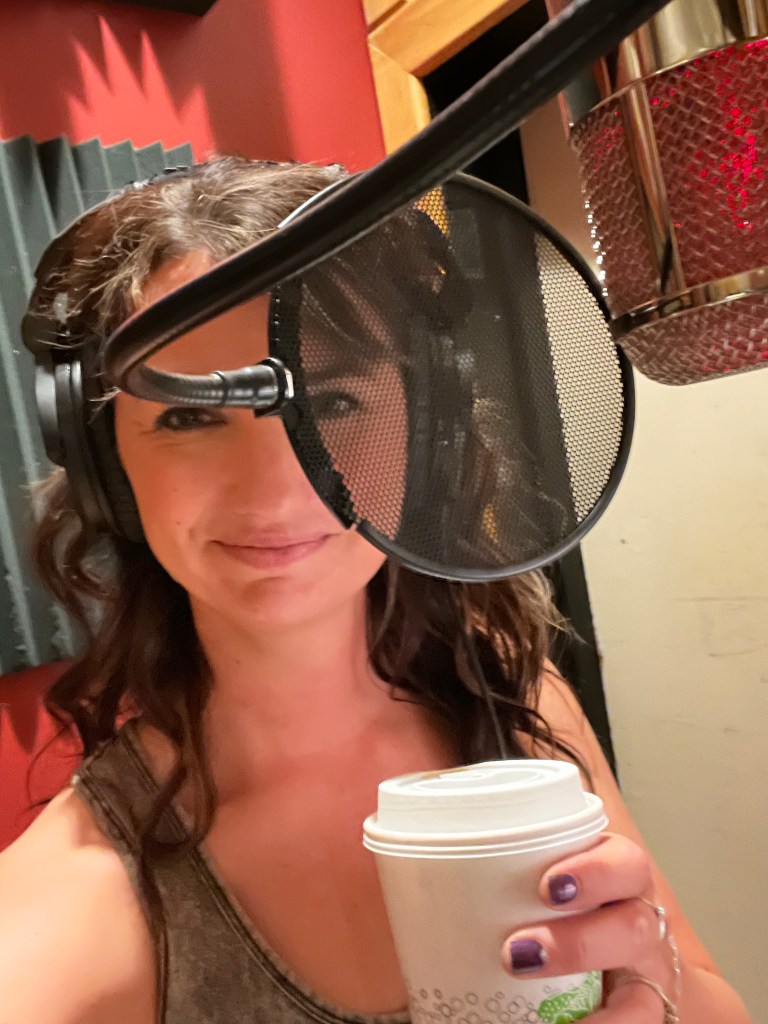
Greetings from Nashville where I’m deep in the woods of recording an album. I’ve been here since early Sunday morning (like 4:30 in the morning) where I blew in on the back of a major thunderstorm and will be working out these songs until the end of the week.

I’ll share more about this experience, but for now I’m focused on the project and will be tracking vocals all day for the next few days.

In other music news, it has been a busy couple weeks of performances where I’ve had the honor of speaking to rooms full of women across the state as they celebrate Mother’s Day and spring and just good ‘ol fashioned fellowship at a variety of brunches, all so sweetly planned and executed.

So that’s what this week’s column is about, specifically about my hometown event where I was overcome with emotion and gratitude looking out at the room full of women who have had such special impacts on our community.

No podcast for this week as I’m not sure I’ll be able to fit it in, but I’ll sure have lots to talk about when I get back. Also, I heard Edie wrote me a note to read when I get back home and it says something like “Never ever ever ever leave me again!” so now you know how she feels about this situation. Rosie? Well, she’s had some really great days and mostly just wants to know what I had for supper and also if i am going to get her a treat while I’m here.

To which I say “of course!”

Honoring the women who made me who I am

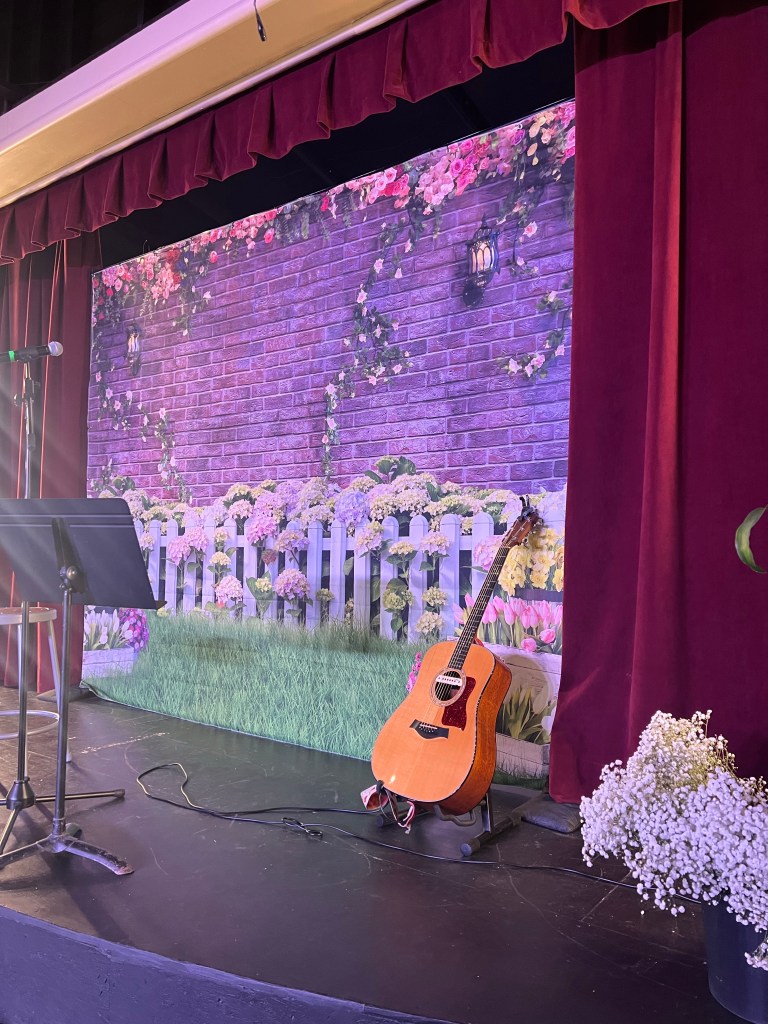
Recently, I had the honor of sharing stories and singing for the Lutheran Ladies in my hometown at their annual Sunday brunch. They were celebrating this sunny spring afternoon with tiny cucumber and egg salad sandwiches, homemade mints, and a tea bar. Each table was decorated and set by different women who stood up to introduce their guests and explain the stories behind the centerpieces and dishes, silverware and place settings.

I had come off a week that sent me back and forth across the state to speak and sing in front of rooms full of people I had yet to meet, and I was, if I’m being honest, exhausted. I got ready that morning with a little apprehension. Truthfully, performing to a room full of people you know is sometimes the most nerve-wracking. I wondered if I had anything to say that they hadn’t already heard.

My mom, little sister and I were invited to sit at our neighbor Jan’s table decorated with her childhood cowboy boots, a vintage lunchbox, and themed around her grandmother’s colorful old ceramic pitcher.

This woman was raised right alongside my dad. Her mother, who was at the table as well, was my grandma Edie’s best friend. Sitting next to her was the grandmother of one of my best friends. Next to me was Jan’s daughter, who used to come to play at the ranch in her beautiful pink boots of which I was so envious.

I’m setting this scene here for a purpose, and I’ll take a moment to explain, as it took a moment for me to realize the significance as I stood up in front of those women that afternoon, behind my guitar talking about the crocuses blooming on the hilltops and holding my grandmother’s hand on a hunt to pick a perfect bouquet.

I told them a story about my great-grandmother Cornelia’s yellow roses that still bloom in the barnyard. Then I moved on to a bit about community and how our role is to help build it, like my great-grandma Gudrun — an immigrant from Norway, just 16 years old on her way across the ocean to raise crops and cattle and 12 children on this unforgiving landscape — did.

It was then that I realized, looking into those familiar faces looking back at me smiling and laughing, or closing their eyes and nodding along, rooting for me, quietly encouraging me, that the lessons I was offering that afternoon were lessons I learned from them.

As is my motto, I felt like I had to say something then. It sort of washed over me, and out of my mouth came an effort to thank them, not just for their collective spirit, but for what their perseverance and individuality has meant to this community and to girls like me trying to figure out what it means to grow up here.

I got home that evening and had a chance to reflect a bit on the fact that there was more I wished I could have articulated, so I want to say it now.

These women, they are leaders and caretakers. They show up, they bring food, they stay to put away the chairs and wipe the counters and offer a laugh or advice on the way out the door. They have vision, they’re loyal, they’re feisty, they’re elegant and artistic, just like the event they put on that afternoon. They’re teachers, coaches, handywomen and true friends who will say what needs to be said and who hold secret recipes to casseroles and bars and that boozy slush she serves every Easter.

When I tell stories and sing songs about strong women in North Dakota, I am singing about them. And their mothers. And the daughters they’re raising. I grew up in this small town under their gaze, under their care, under their expectations, or I was raised alongside them, or I am getting to know them, happy they’re here.

Some of them wash and put away the dishes, some of them stop at Jack and Jill for the doughnuts, and some of them make tiny sandwiches and homemade mints and bring the good dishes. You would think those things are small things, but I will tell you now that they are not.

They are big things, rooted in the unspoken rule that you show up the best possible way that you can. And if you can’t, they’ll wrap a plate up for you. If you forget for a moment what you’re made of, if you let them, if you listen, they will remind you.

When ranch kids hit the big town

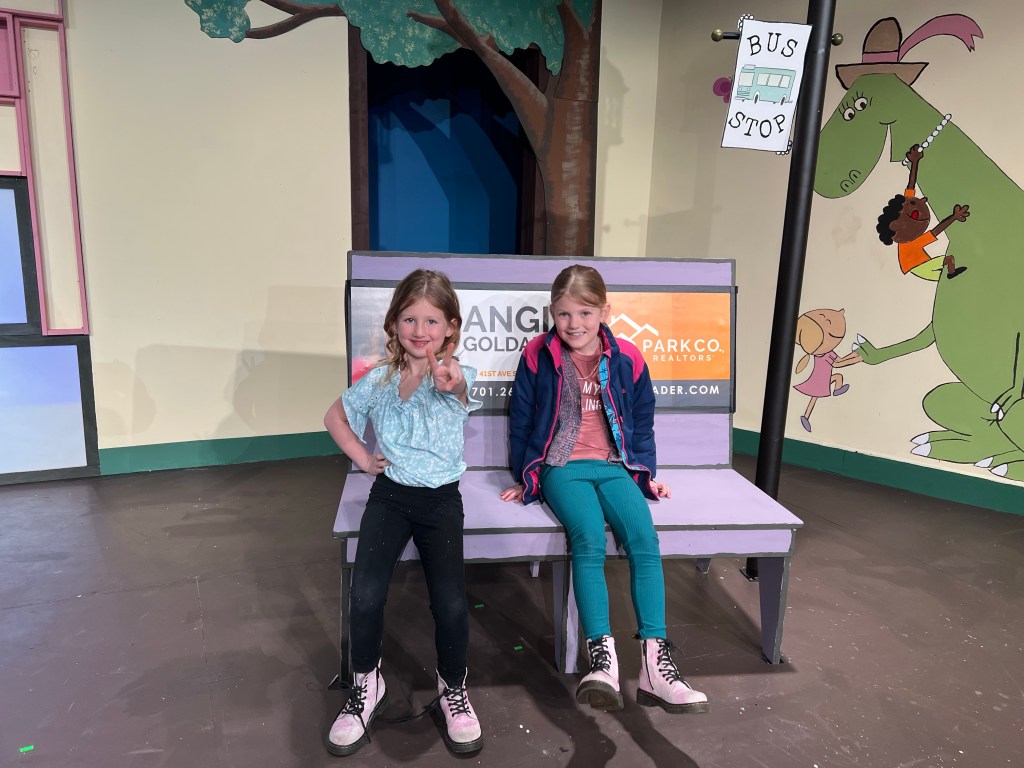
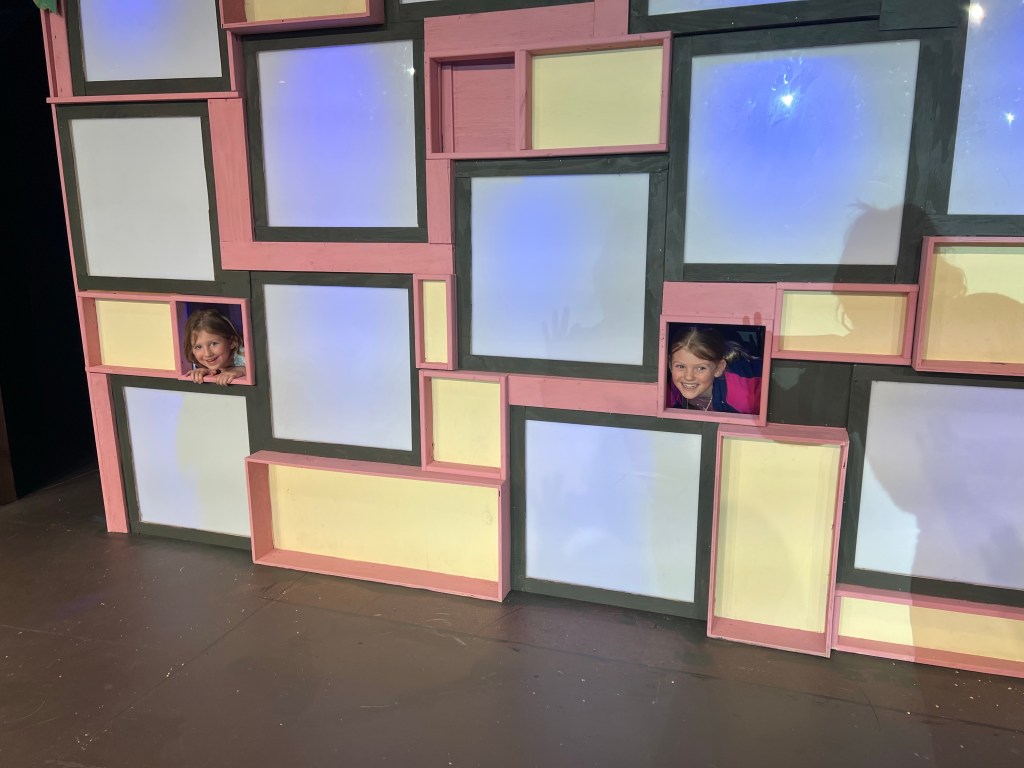
Rosie and Edie on the set of “Don’t let the pigeon ride the bus”

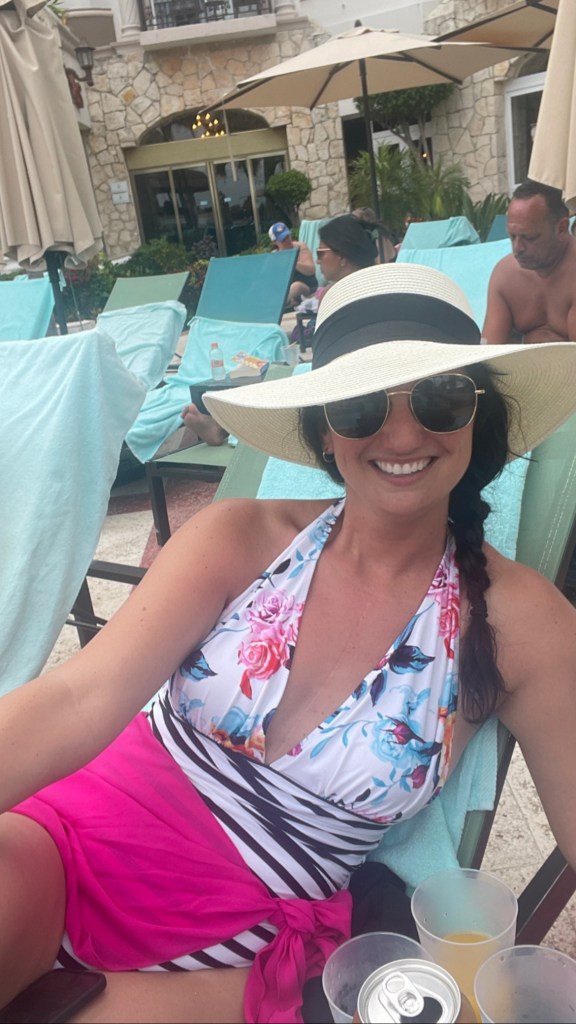
We’re back at the ranch after week in Mexico and I’m working on getting acclimated to my natural habitat. The shock of 85 degrees to -4 has yet to wear out, even though I’ve eaten knoephla soup for supper two days in a row. Oh, how quickly I can become a beach person.

Anyway, because of our hiatus, I’m a little behind on sharing the weekly column and podcast. Chad and I plan to sit down and record a bit tonight.

The weekend before we left on vacation we took the girls to the big town across the state to visit friends and take them to a theater production. I don’t know why I decided this was something we had to do, but it turned out it was something we had to do. Sometimes you just need to make plans to break out of the ordinary routine and give your kids some new experiences. Especially on the edge of an eternal winter.

Anyway, this column is a reflection on what it means to take our little ranch girls to the big town. Turns out it’s a lot of time on the escalator.

The dangers of taking the country kid to town

We spent last weekend in the big town. I decided to make a singing trip a family trip all the way across the state, which happened to be right on the heels of one major winter storm and at the helm of another because it’s March and that’s what March does up north. And the cows aren’t having calves yet, so we took the chance to get away.

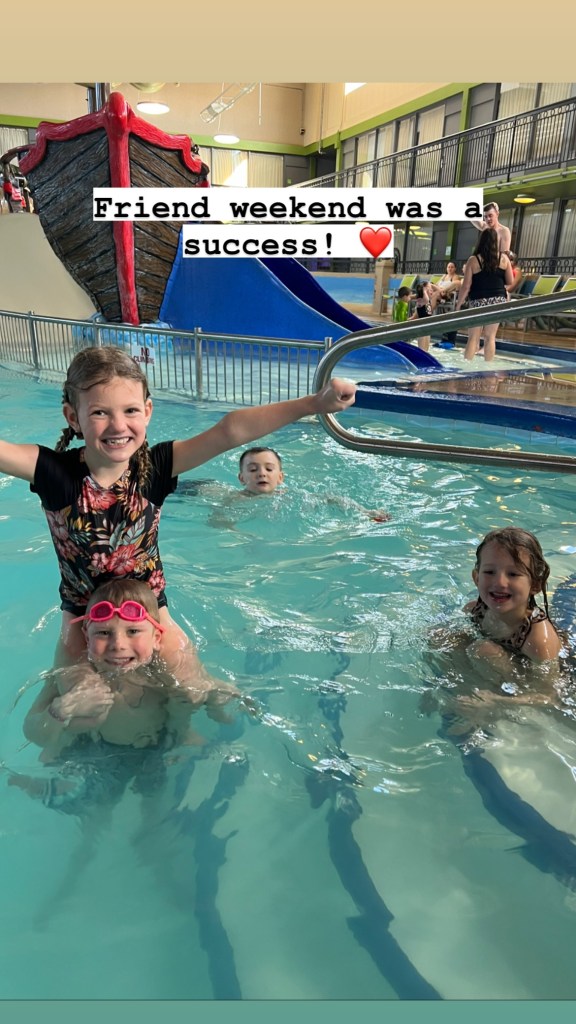
Also, lately the girls have been asking when we can go to the beach, and the closest we can get right now is meeting friends at a hotel pool in Fargo where there was 47 feet of snow piling up outside and more promised for Sunday.

And they were thrilled about it. Truly. Isn’t that the best thing about kids? It takes such simple efforts to make them happy. A promise of ice cream. Pizza for supper. A quarter in the gumball machine. Going up and down the escalator 55 times.

Seriously. I think the level of excitement about the escalator is the reddest of flags when identifying a rural/country kid in the big town. We also rode the store’s Ferris Wheel, but the escalator won in popularity. Rosie rode it so many times that her big sister Edie started to be seriously concerned about the rules. Could she get kicked out for shenanigans like this? Are you allowed to go up and then immediately down? Is there a limit on escalator rides? Does she know she’s starting to get embarrassing?

So went all of Edie’s 7-year-old concerns about her little sister’s lack of decorum in public. It’s like the big sister took a trip to civilization and realized that, perhaps, her little sister wasn’t equipped for these types of outings considering she wasn’t yet civilized herself.

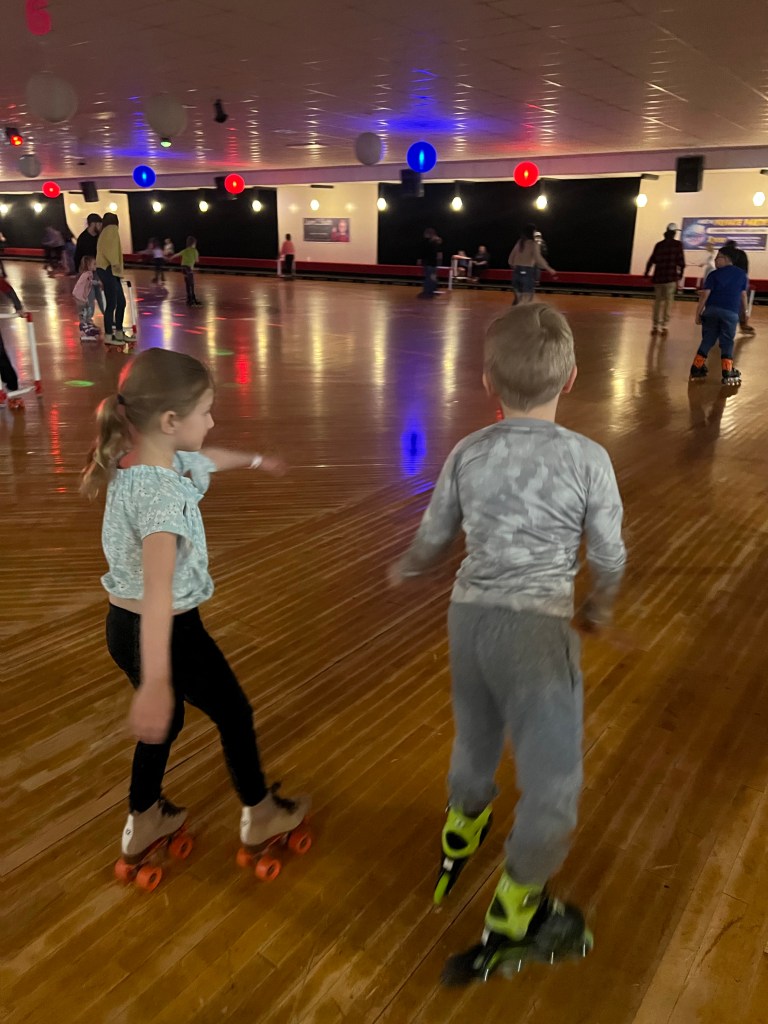
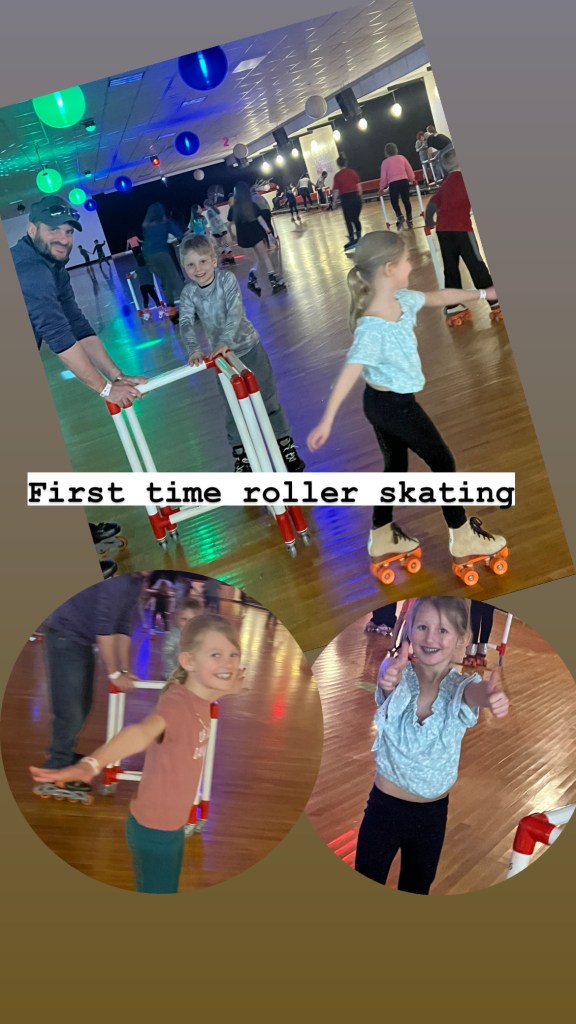
So we took them to the roller-skating rink. Because etiquette goes out the window when you’re fighting for your life with eight tiny wheels strapped to your feet. And in case you’re wondering, country kids don’t know how to roller-skate due to the lack of available paved surfaces.

My kids took to the wood floor with all the confidence and grace of baby zoo giraffes on a frozen lake while their professional Rollerblading town friend and my husband spent the majority of the two-hour rink time holding hands and elbows and dragging our daughters back up on their wobbly, wheeled feet.

Which reminded me of the only time I ever roller-skated in my life down at my cousins’ ranch on the South Dakota border. Between the four of us, we had one pair of real, leather roller-skates with the orange wheels. They were at least four sizes too big, but it didn’t matter. We would take turns, two at a time, gliding around in circles on one skate on the small slab of concrete outside of their garage, skinning our bare knees there as we developed confidence entirely too quickly for the make-shift sport.

Needless to say, I didn’t step foot in a roller-skate that day. At this age, I have to seriously consider the repercussions of breaking a hip.

But my girls? After two Slurpies, three pieces of pizza, and five games of skee ball on the way out the door, they deemed themselves experts and have decided they’d like to live in Fargo now. Where they have roller rinks.

And Target.

Oh, yeah, Edie decided she’d really just like to live in Target, and now I’m wondering how I’ve failed as a ranch mom, because surely now they’re going to leave me for the big cities with roller rinks and escalators, and I’m going to have to follow them and live in an RV in the local KOA to have a proper relationship with my grandkids.

Anyyywaaayyy …

My activity of choice for the weekend was less physical and more theater.

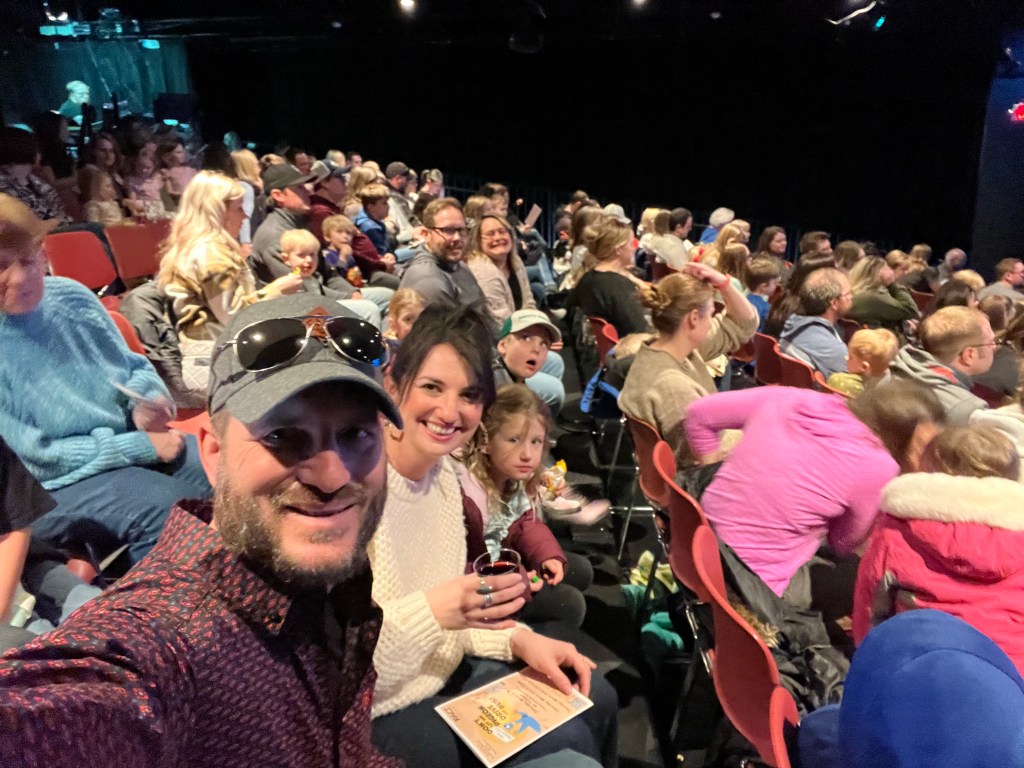
Edie’s been reading “The Pigeon Series” books by Mo Willems, and my cousin (the one with the roller-skates) just happened to be directing the play “Don’t Let the Pigeon Ride the Bus” that weekend. So we went, and it was adorable, and now Edie wants to live in Target and be an actress, and Rosie is so brave she goes down hotel pool waterslides backwards and headfirst even though Edie tells her it’s explicitly, most likely against the rules, and so now they’re both surely going to leave me for the warmer weather and waterslides in LA.

But first we had to get back to the ranch, which was completely impossible on Sunday because when you live in North Dakota, you shouldn’t go anywhere but Jamaica in March. And so we were forced to spend one more evening in the oasis of the hotel pool. As I drove us white-knuckled back west for five hours on icy and drifty roads, I wondered if maybe my girls were on to something. I mean, escalators are pretty fun.

But then, so are baby calves.

See you at the beach.

The Legend of Poker Jim

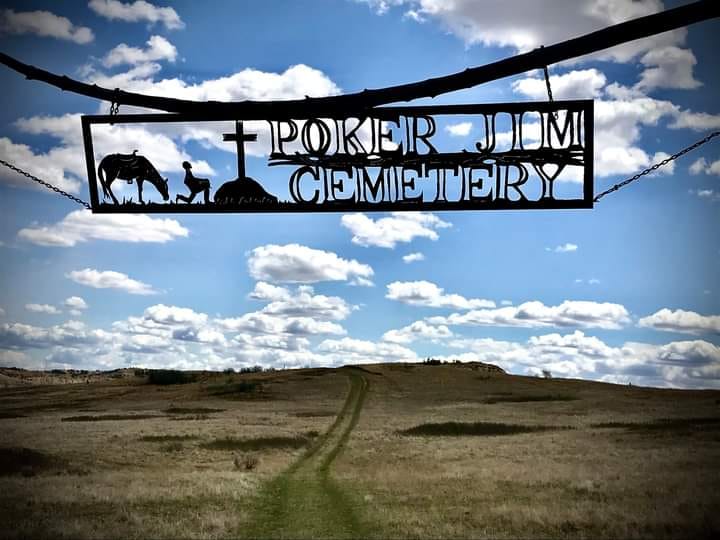
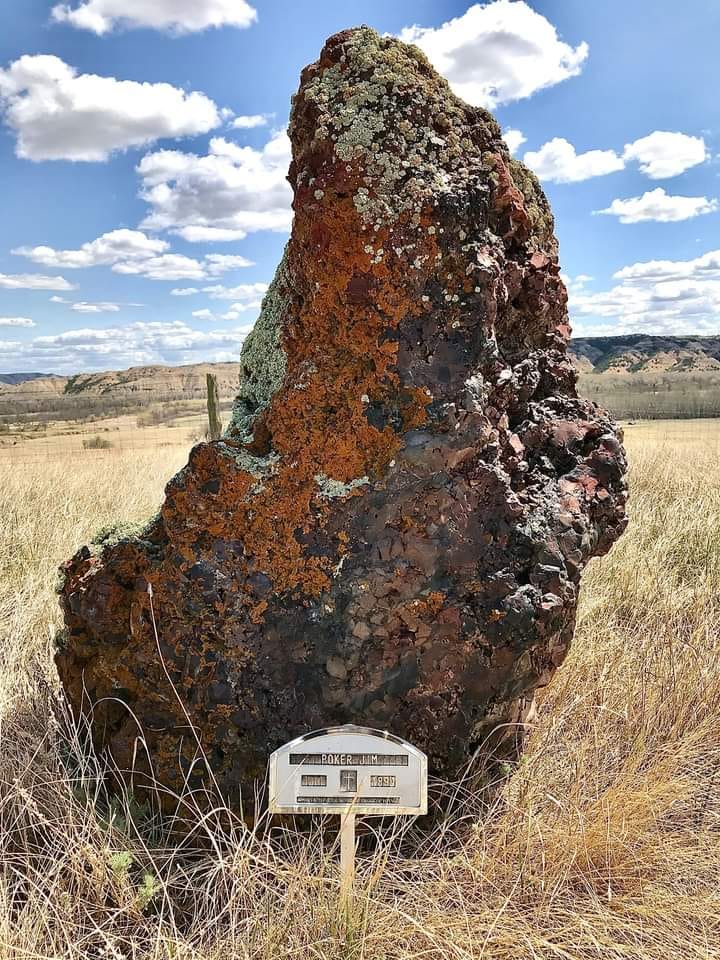
Poker Jim Cemetery photo by Michelle Benson Brown

There’s a legendary story that has been passed around these badlands for several generations. Many North Dakotan’s who follow oral history or who are interested in the lore of the region may have heard it in one form or another, tales like these tend to linger. And this one has been told and retold since 1894 when a dead cowboy fell from the rafters of an old blacksmithing shop and into the middle of a poker game, sending cards and unsuspecting cowboys flying.

It’s the story of Poker Jim, a cowboy who worked for Pierre Wibaux’s large W-Bar outfit. Poker Jim’s real name has not been passed along in the retelling of the story, but his love for gambling and whiskey colors his character in the recounting of his untimely death in a blizzard on a 65 mile ride from the Hay Draw line camp along the north bank of the Little Missouri River to fetch supplies in Glendive, Mont. after provisions at the camp had run low.  When he didn’t make it back after several weeks, the men from the line camp found him near a large rock, frozen to death after what seemed like an attempt to build a fire. Because the ground was too frozen for a proper burial, the cowboys decided to store his body in the rafters of the blacksmithing shop until spring, but failed to tell the new crew in a personnel change. And so the new crew was unaware when they gathered for a poker game, lit a fire and started passing the bottle around, that Poker Jim’s body was above them, thawing out with each passing minute, waiting to make a grand entrance into the game.

The drama, theatrics and characters in this story have held in my gut as ripe for a song for years. It has everything a proper folk song needs—originating among the people of our region through generations and existing in several versions—all it needs now is a rhyme and a tune.

Anyway, maybe it’s the long winter or the recent gathering of cowboy poets that inspired me, but yesterday I sat down with a mission to make Poker Jim’s story into a song. I think he deserves it, after all these years of entertaining us around campfires and potluck suppers. I plan to record this in the spring and will likely share a sneak peek in a few places soon. But until then, enjoy it here in poem form or listen to the rough cut of the song, understanding that in the proper retelling of a story like this, there’s a certain amount of exaggeration and liberties taken while working to stay true to the heart of it.

On the podcast I sit down with my husband to talk about Poker Jim and other legendary tales from our community,  including the last lynching in North Dakota and a tale of a young woman who sacrificed her life to save her siblings from a winter storm. Listen here or where you get your podcasts  

The Legend of Poker Jim

Way down in the badlands
Before the land was tamed
Ran a band of cowboys
And the cowboys ran the game

In line camps and shacks
And old the blacksmithing shop
After long days on the trail
They’d gather up to take their shot

So sit down I’ll tell a story
A legendary one
‘Bout how a hard gambling cowboy
in death he had his fun

It’s true, you won’t believe it
But I tell you that it is
The way my grandpa told it
And his grandpa’s daddy did

They’d say the Dead Man’s Hand
Is the Dead Man’s Hand
Place your bet on the cowboy
But the dealer’s always the land

On the W Bar Ranch
He earned $25 a month
The rest he made on cards
Or lost drinking too damn much

You’d never dream a greener summer
Or a sun that beat as hot
It could make a man forget
Just what the winters brought

And what it brought was cold
And months of drifting snow
In the Hay Draw by the river
Supplies were running low

So Jim, he saddled up
And headed three days for the town
Stopping along the trail
To drink some whiskey down

They say the Dead Man’s Hand
Is the Dead Man’s Hand
Place your bet on the cowboy
But the dealer’s always the land

Just up from Smith Creek
They found him frozen to a rock
They took his body to the rafters
Of the old Blacksmithing shop

When the ground was warm
They planned to lay the man to rest
But failed to tell the crew
Coming new in from the west

And those boys they dealt the cards
Just like the boys before
They lit themselves a fire
Blind to what was in store

Because up above their heads
That stiff body took to thaw
And dropped heavy on the table
In the heat of Five-Card Draw

They say the Dead Man’s Hand
Is the Dead Man’s Hand
Place your bet on the cowboy
But the dealer’s always the land

Now way down in the badlands
These days the land is claimed
And up along the ridgeline
The rock it bears his name

But through the years it’s told
This part remains the same
Not even death could take
Poker Jim out of the game

A cemetery is named for Poker Jim in the badlands over looking the Little Missouri River, years after his death, friends of his moved part of the rock where he was found up to his grave to mark it.

If you want more details on this story or to hear a proper retelling from an elder from McKenzie County, click here. Read the story in Prairie Public’s online archive here. It was from there, and the retellings from community members, that I got the details for this piece.

The rock marking Poker Jim’s grave. Photo by Michelle Benson Brown

Do what we can do

Do what we can do
Forum Communications

Last week, I sat down and recorded myself singing. It was sort of chilly, but warming up the way early spring mornings do. And I wanted to be outside.

I wanted the recording to pick up the sound of the wind and the geese flying in overhead. I wanted to show the trees and sky behind me, and the sun I was squinting into. It wasn’t the most professional or produced, but it was a moment I felt I needed to take to do something in the face of the circumstances that are out of our control.

So I did one thing I knew I cold do — I sang familiar songs and hymns and talked into the camera about the crocuses blooming and the calves being born, my way of sending a little mini-concert and a piece of spring to the residents at nursing homes in our communities who can’t go out and can’t receive visitors.

This weekend at the Good Shepherd Home in town, they were supposed to be having a prom, complete with dresses, a fancy meal and a live band. Instead, they are playing tic-tac-toe on the window with their relatives and friends who sit on the other side, close enough to touch, but still so far away. What a heartbreakingly backward scenario our elderly find themselves in, the people they love most staying away to keep them safe.

It feels especially tragic when you know the positive effects that human interaction has on their physical and mental well-being. It’s the same for humans of all ages. We were made to be social. Made to be part of a village, made to take care of one another, to touch and hold and to laugh and cry together in the same spaces.

What an impossible situation to find ourselves in, going out in the world with the notion that every other person we see is a threat to our health. And yet, for now, this is our reality. To help one another. To keep one another safe.

On Feb. 4, 1920, The McKenzie County Farmer reported, “The McKenzie County Board of Health on account of a number of cases of influenza in the county deem it advisable to close all churches, lodges, theatres and public gatherings for a period of two weeks, or until further notice.”

100 years ago, in a time before video chat, Amazon Prime, grocery and food delivery, the county was asked to stay home, too. But 100 years ago, people weren’t as accustomed to instant gratification and 24/7 news and information streaming into their homes and in the palm of their hands.

It makes me wonder how the fear and uncertainty, isolation and loneliness compare. Those stories are held now only in journals, letters, newspaper clippings and the memories passed down in conversations with the people who raised us.

So much of the perspective we need right now can be found in the past. Because in the middle of it all, it’s the good memories that sustain us, and the new, good memories made that help push us on into another day.

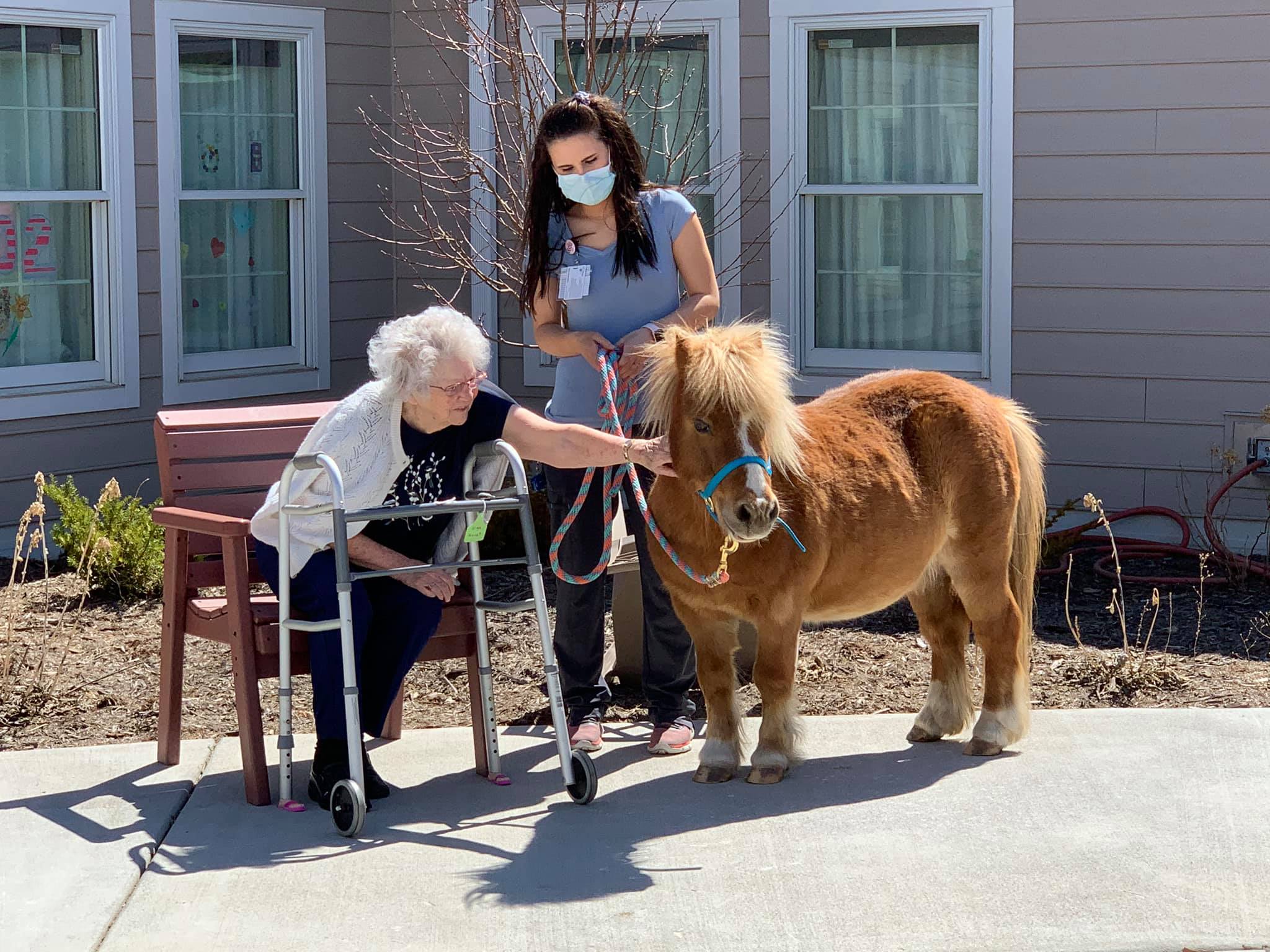
And so I sang for them, because music can help transport us. And my friend, she brought her horses into town for a nursing home visit, because the smell and touch of something so familiar does the same.

93892860_10102543680201619_8456301198595588096_o

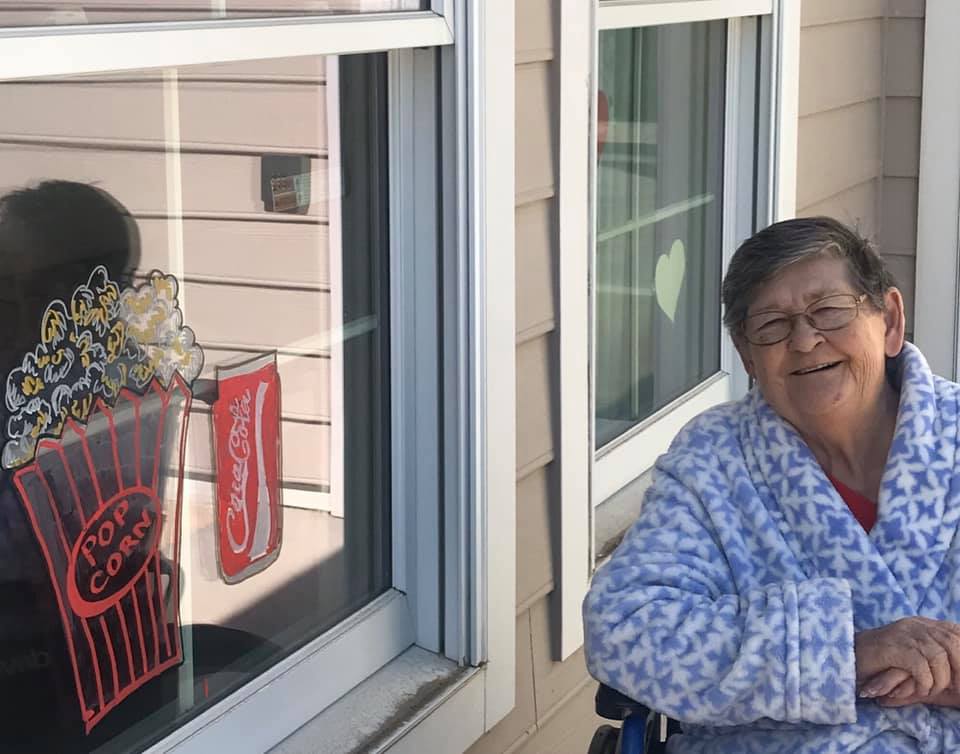
And we arranged for an artist to come to paint on the other side of their windows and ask them questions about who they are and what they love as they watched their story come to life in a picture.


And in a time where we feel helpless, doing what we can do, whether it’s singing or sewing or cooking or making a phone call or simply playing tic-tac-toe on a friend’s window, can help lift us all up in these uncertain times and remind us that, even when we’re apart, we exist for one another.

Resident at her window art

*Bismarck based artist Melissa Gordon was hired by our local arts Foundation through an Art for Life Grant offered by the North Dakota Council on the Arts.