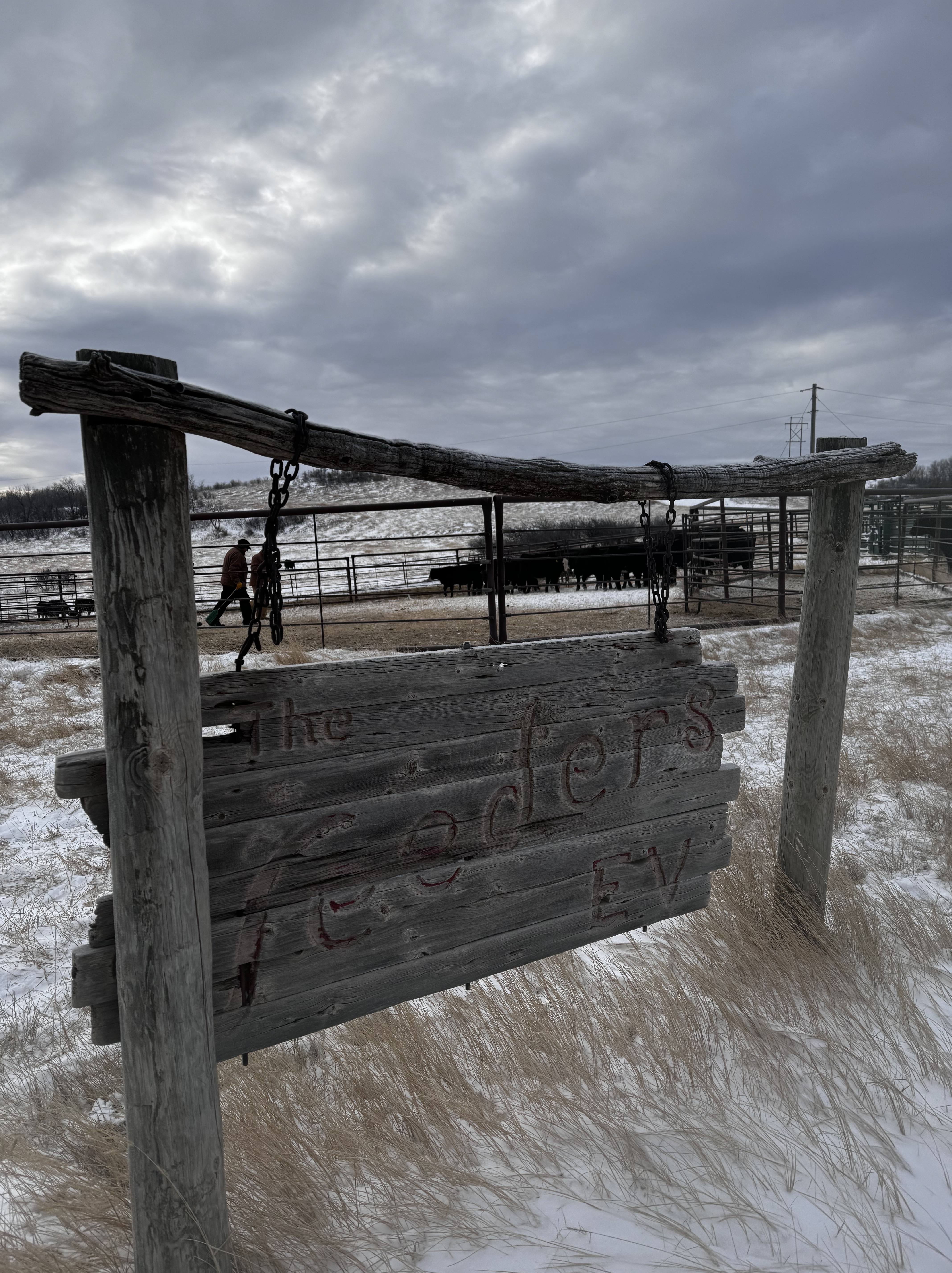
Celebrating doing what we love at the sale barn

Last week, on the tail end of the season’s first blizzard that shut down schools and created precarious road conditions, we bundled up in long johns and Carhartts to work our cattle and haul our calves to the sale barn 60 miles south of us.
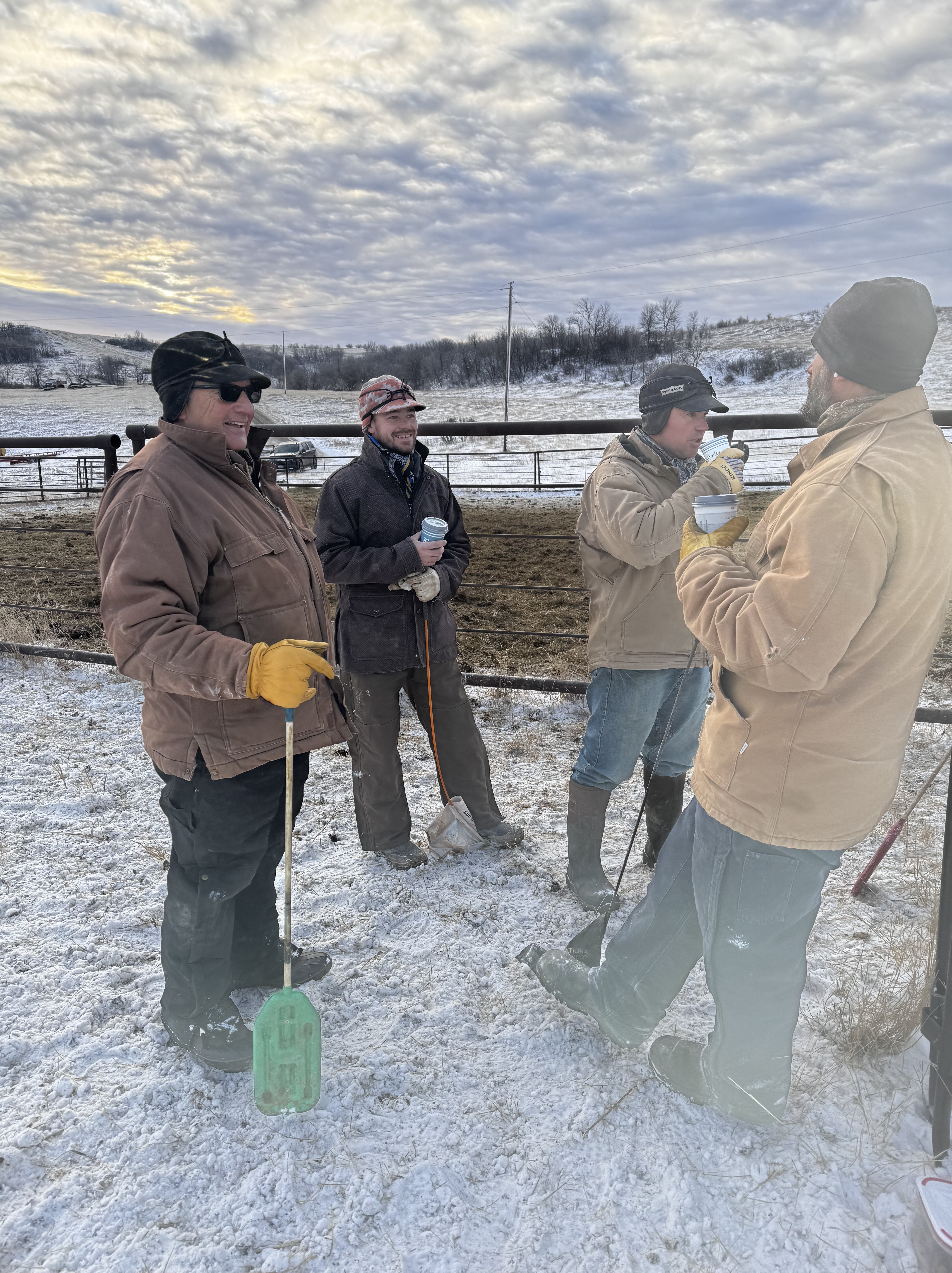
There’s nothing as important, nostalgic or nerve-wracking as shipping day at the ranch. The culmination of a year’s worth of water tank checking, fence fixing, winter feeding, spring calving, bum calf saving, bottle feeding, branding, vaccinating, missing and injured bull drama, pen rearranging, haying, equipment breakdowns, and number crunching comes down to four minutes, three pens of calves and an auctioneer.
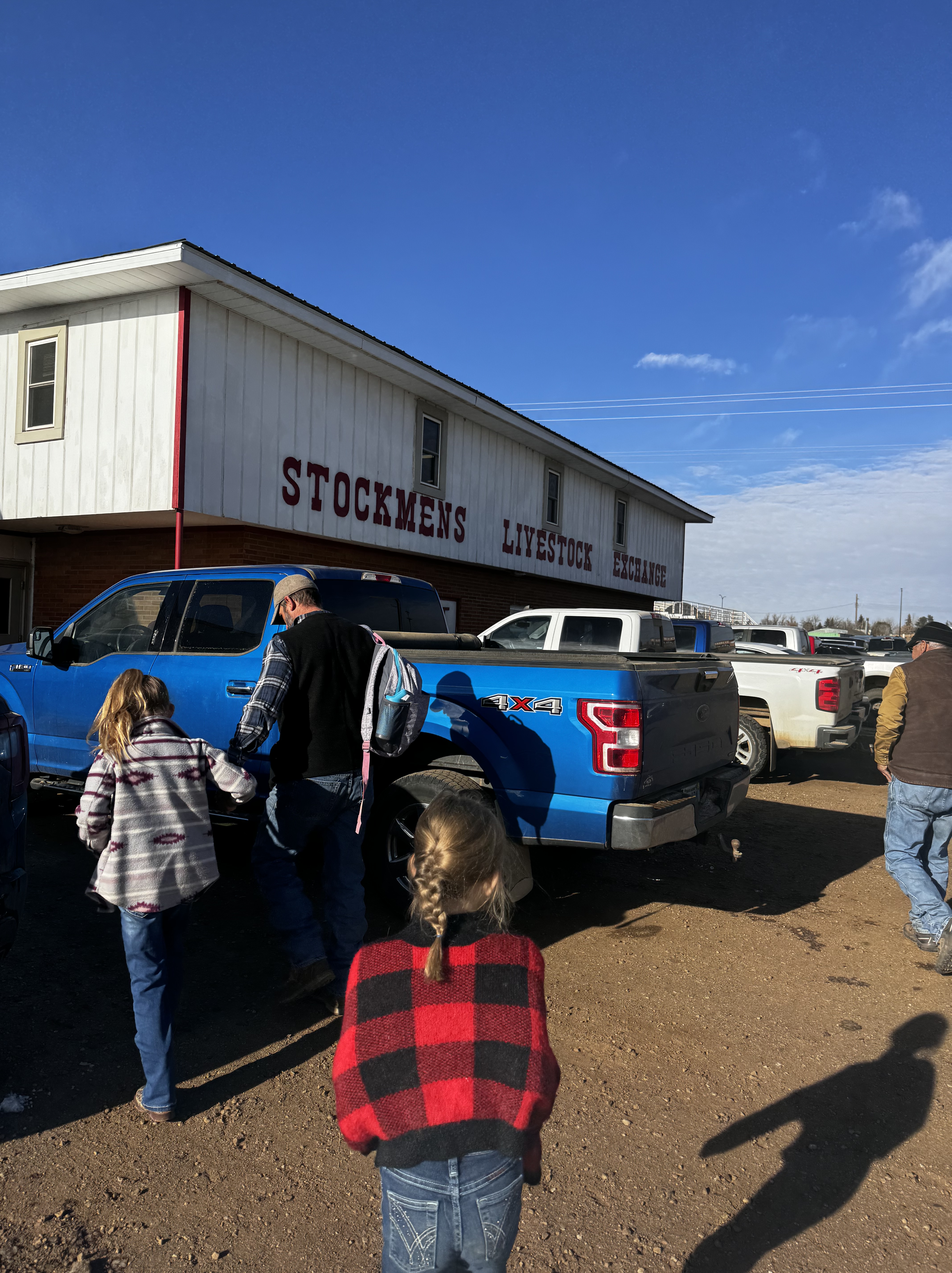
In the modern days of ranching, there are plenty of different ways to sell your calves and cattle, from online sales to direct to consumer. But for decades, we have sold our calves at Stockmen’s Livestock Exchange in Dickinson, with its wood-paneled walls, steep, concrete bleachers, and familiar faces sitting along linoleum countertops eating the best hot beef sandwich in town because you’ve been gathering and sorting all morning and drove a big trailer through the breaks and you need to thaw out, which you will, because it’s warm in there and this is what we do.
IMG_8608.jpeg

And maybe every sale barn in America looks and sounds and smells like this, and maybe every rancher or rancher’s kid who walks through the doors of a place like Stockmen’s is immediately transported to his or her first sale, if only for the moment the sharp aroma hits their nostrils. And I say aroma because we wouldn’t dare say it stinks, the scent of grit and hard decisions and risk and long days in and out in the weather.

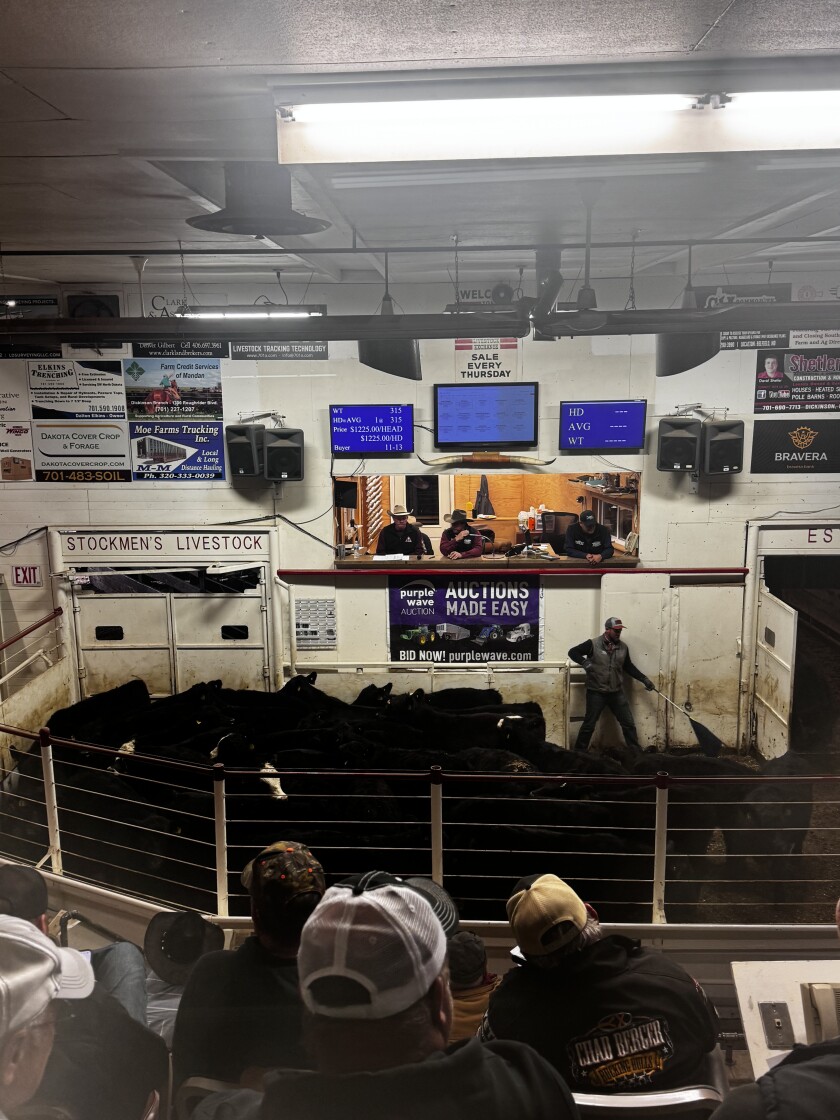
“When I was a kid, oh man, if I could be that guy, I thought that would be the best job in the world,” my dad said, nodding toward the young man pushing calves up through the alley and into the sale ring in front of the auctioneer crow’s nest.

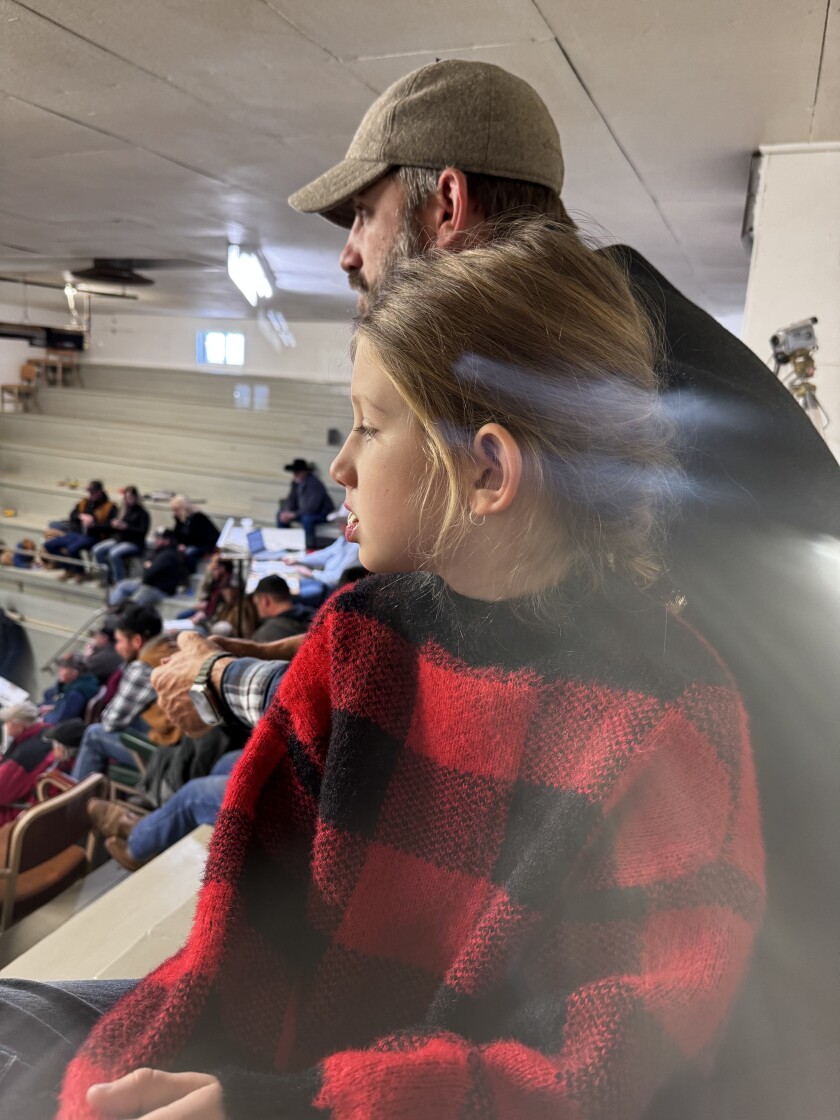
I sat between him and my husband on those wide, concrete bleachers, listening to the men take guesses on cattle weights, Dad coming in a bit short and Chad even shorter nearly every guess. Per tradition, our daughters got to skip school to come with us to the sale, and even at the fresh ages of 9 and 7, nostalgia took the wheel immediately upon entering the doors.
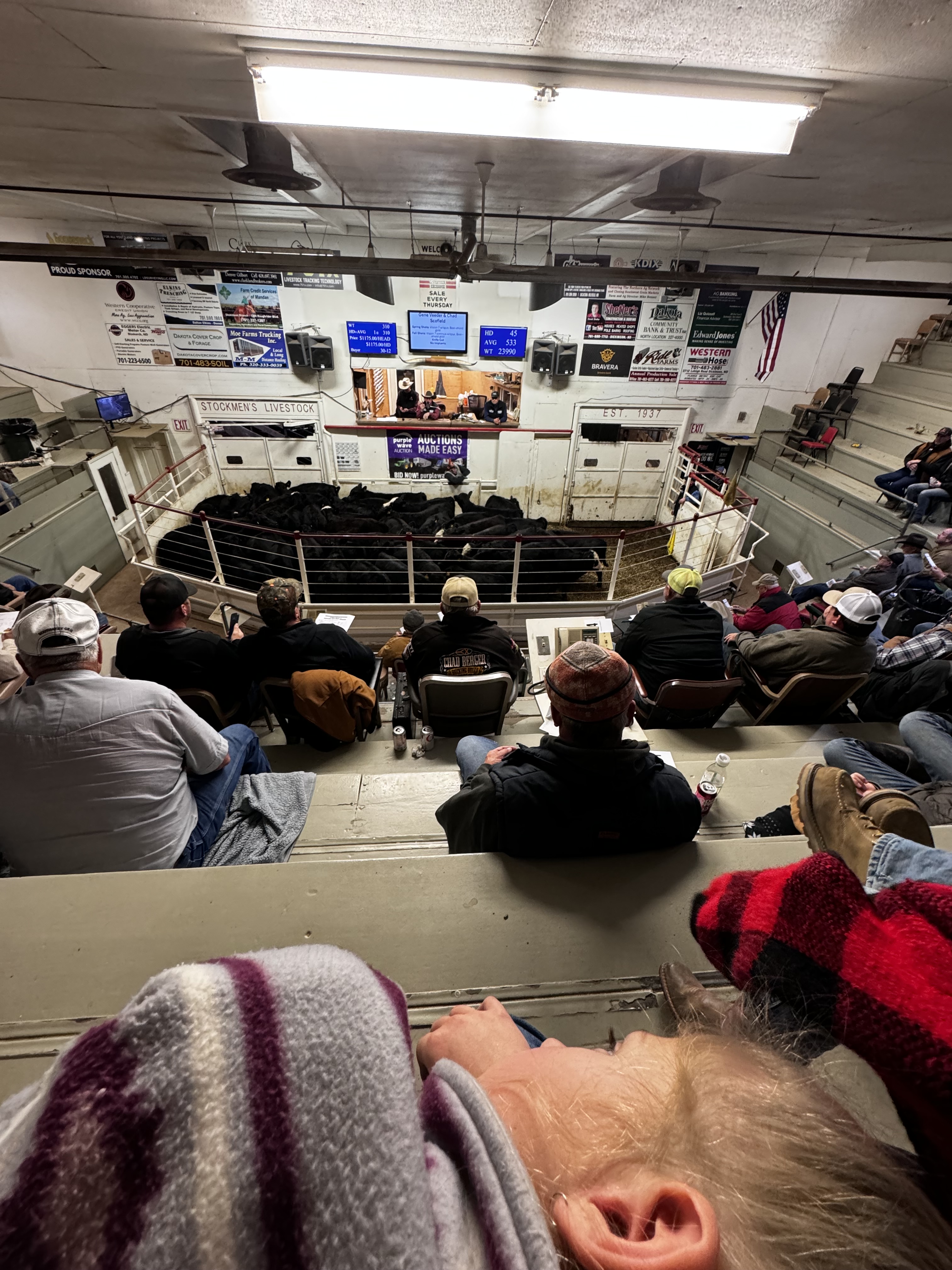
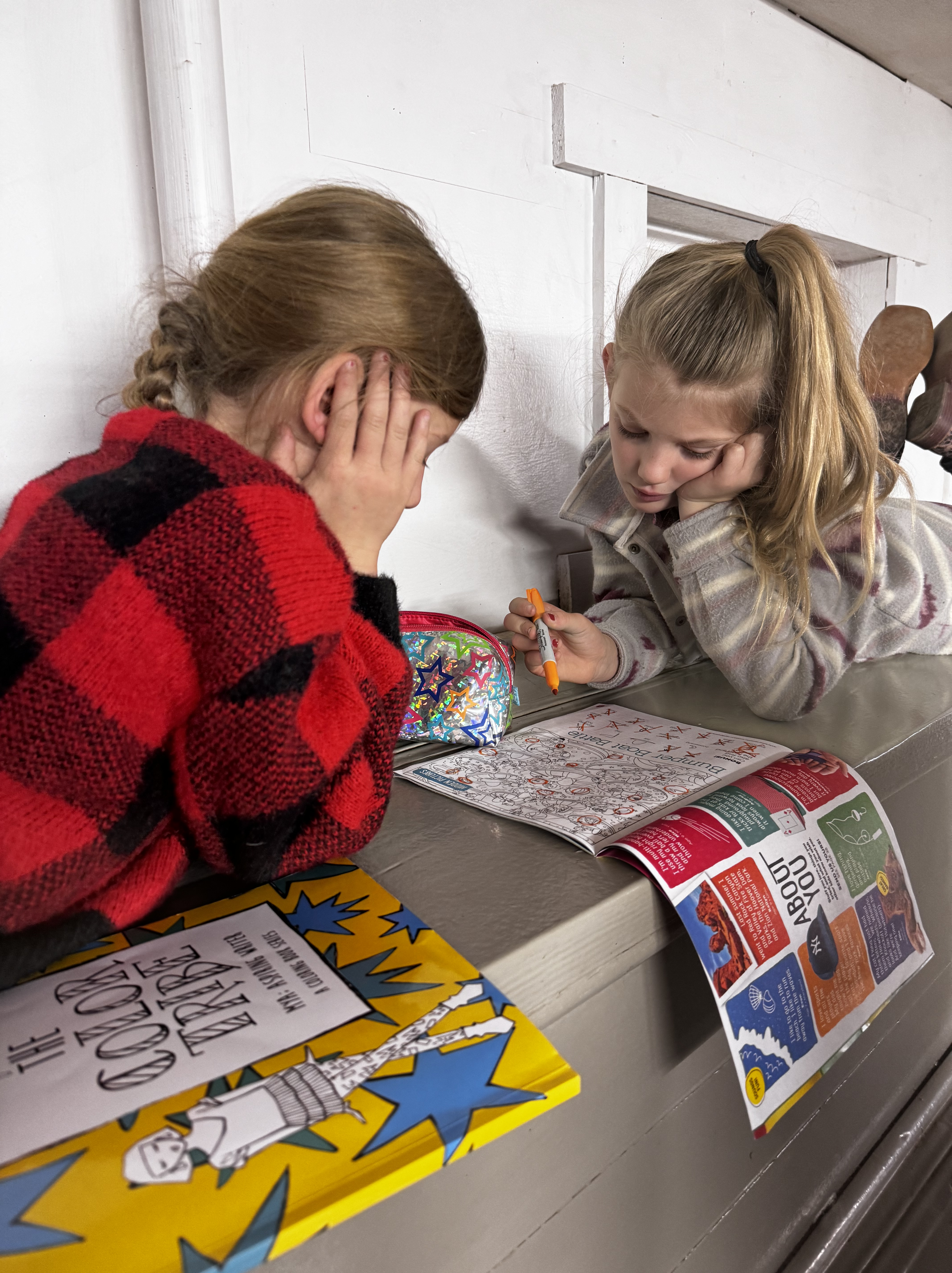
“I remember this place, where the guy sounds like he’s yodeling,” my 7-year-old declared, her backpack stuffed with markers and papers to help fill the time spent waiting for our calves to take the ring. “Let’s sit in the top row like last time so we can spread out our coloring!”

And so, we spread out the way families do here, among the buyers and the spectators and the other ranching families. I spotted a little boy with toy tractors and plastic horses playing farm beside his mom, and I said what I’ve said for the last five years or so: “Girls, when you were little, we brought you here in your pink cowboy hats and you cried so loud when you realized our calves weren’t coming home with us that I had to take you out of the building.” They laughed because they like stories about themselves and spent the next half-hour asking if it was our turn yet.
And when it was, that familiar jump hit the bottom of my stomach and did some flips as the auctioneer said our names and graciously praised our calf crop.
IMG_8612.jpeg
“It’s not lost on me the absolute privilege I have to sit next to my dad and my husband, with our daughters wiggling and scootching between our laps, at the pinnacle of what it means to carry on a family agricultural endeavor,” .

And in these particular moments, it’s not lost on me the absolute privilege I have to sit next to my dad and my husband, with our daughters wiggling and scootching between our laps, at the pinnacle of what it means to carry on a family agricultural endeavor. It is and always has rung profound to me in a way that makes the candy bars we got to buy at the Stockmen’s Café every year when we were kids some of the most precious treats of our little lives.

Because somehow, even at such tender ages without a prayer of deciphering the auctioneer’s yodeling, we knew the weight the day carried.

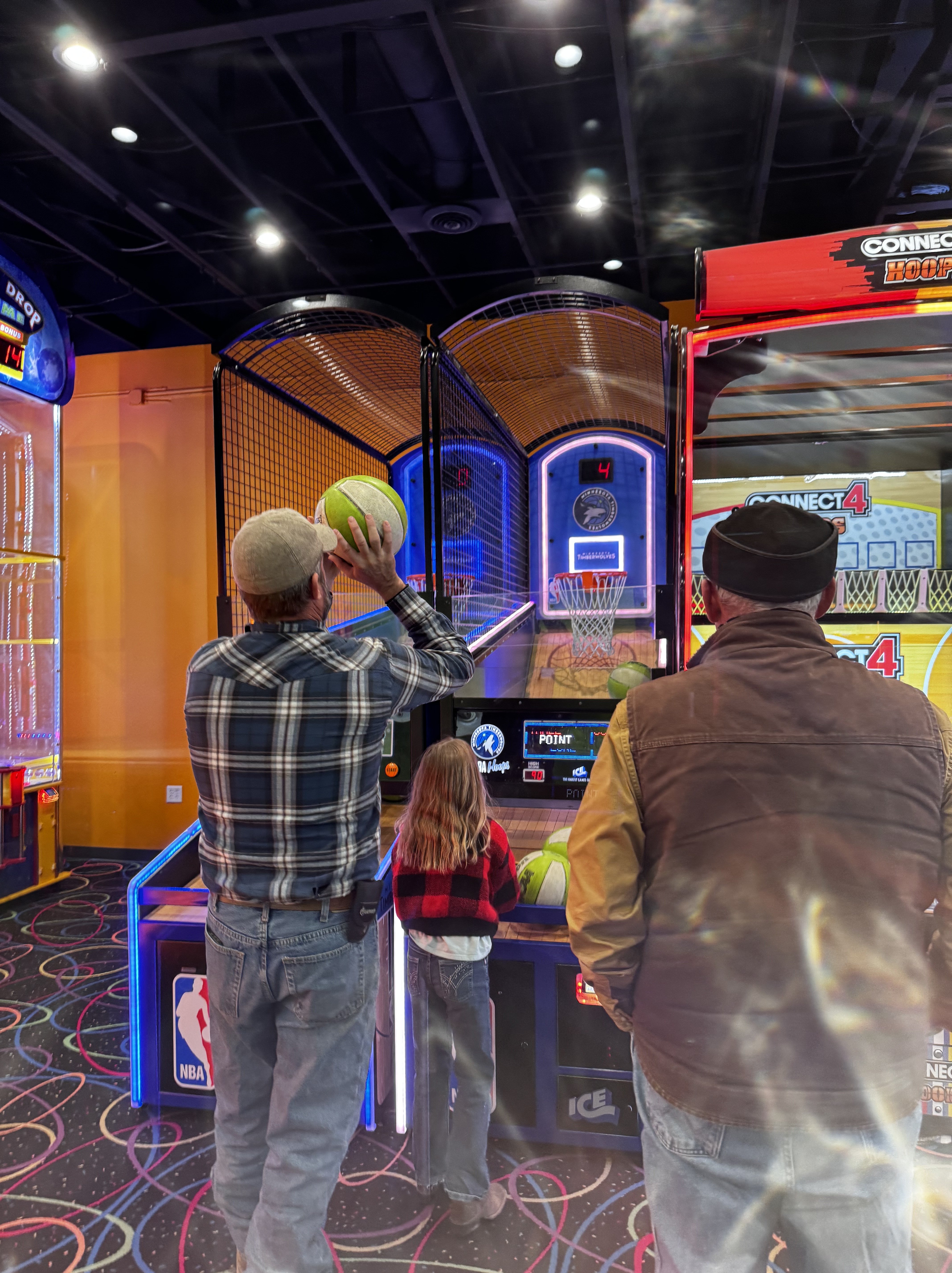
And if you’re lucky and the market is good, in those moments after the sale, the weight feels lighter and you take the family out for pizza and arcade games because it’s a tradition you’ve added to the long list of little ways to celebrate being able to do the thing we love for yet another year.
The order of things

At night, in the summer, we sleep with the windows open and so the chirping of the birds wakes me up in the morning. It’s alarming how much they have to say, how loud they seem after so many months of quiet skies.

I’m listening to them right now as I type, the chirping of the birds and my cat on the deck making his presence known through the screen door. Last week he brought one of those birds to that door mat, reminding us of the order of things.

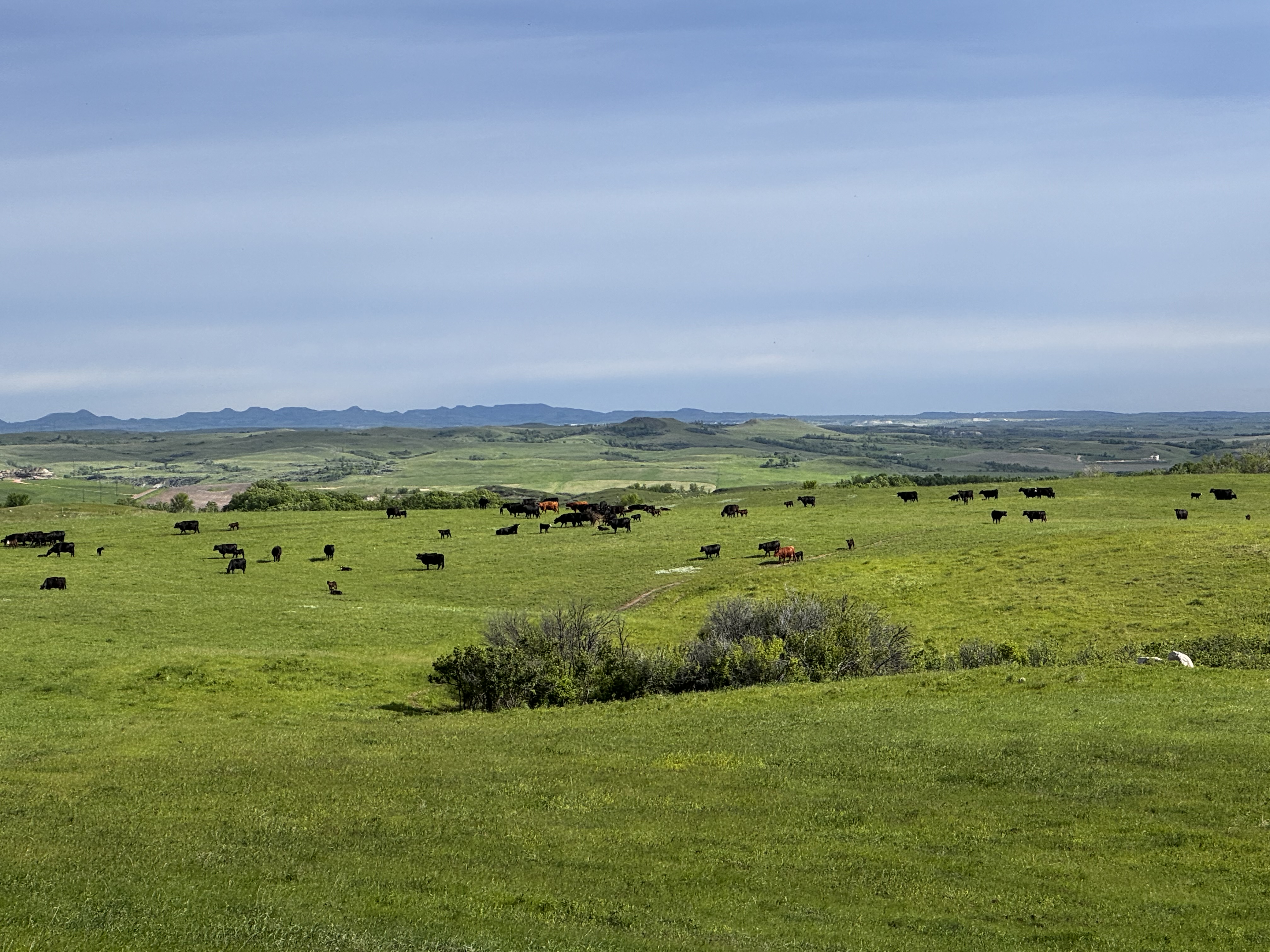
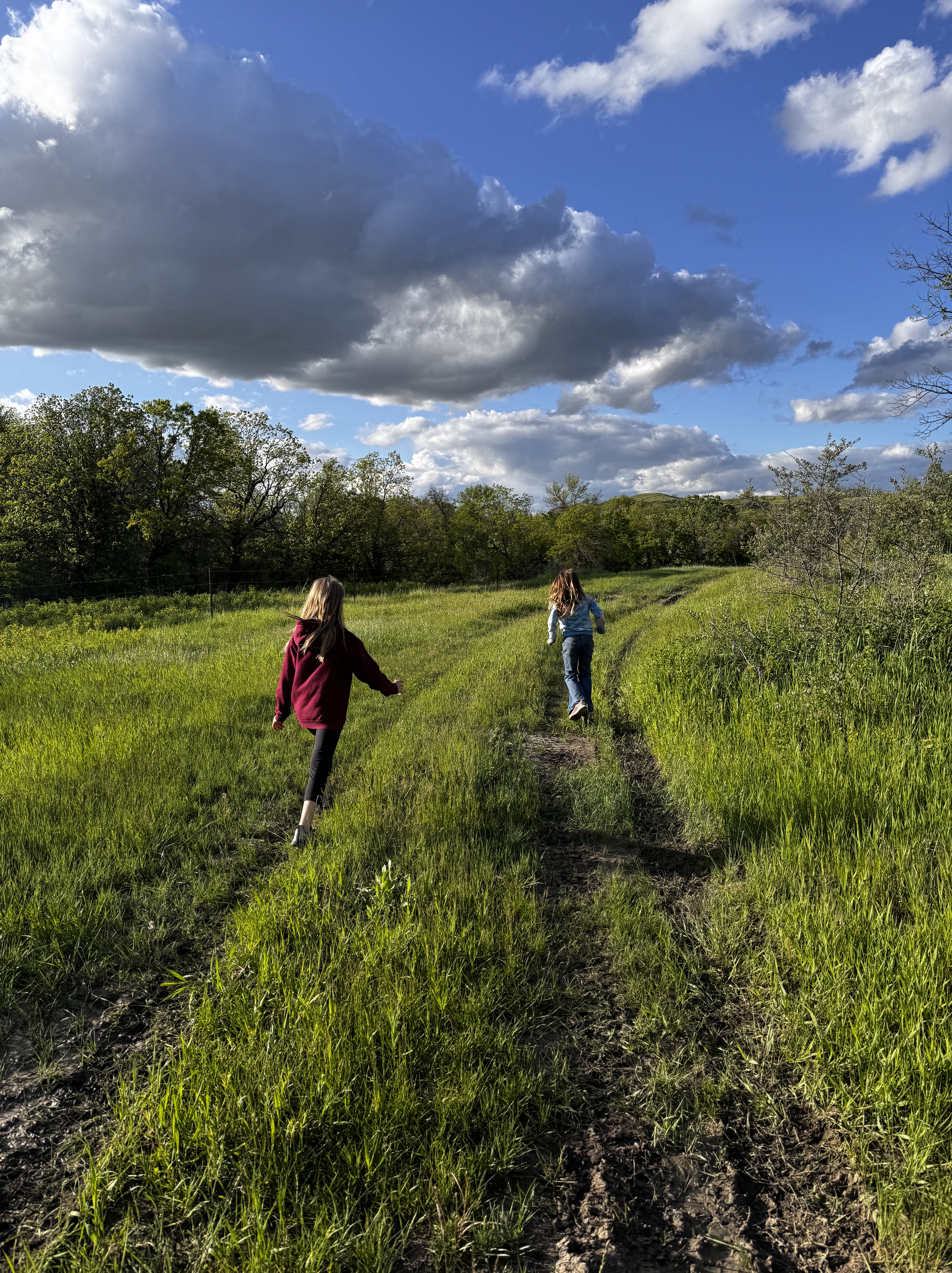
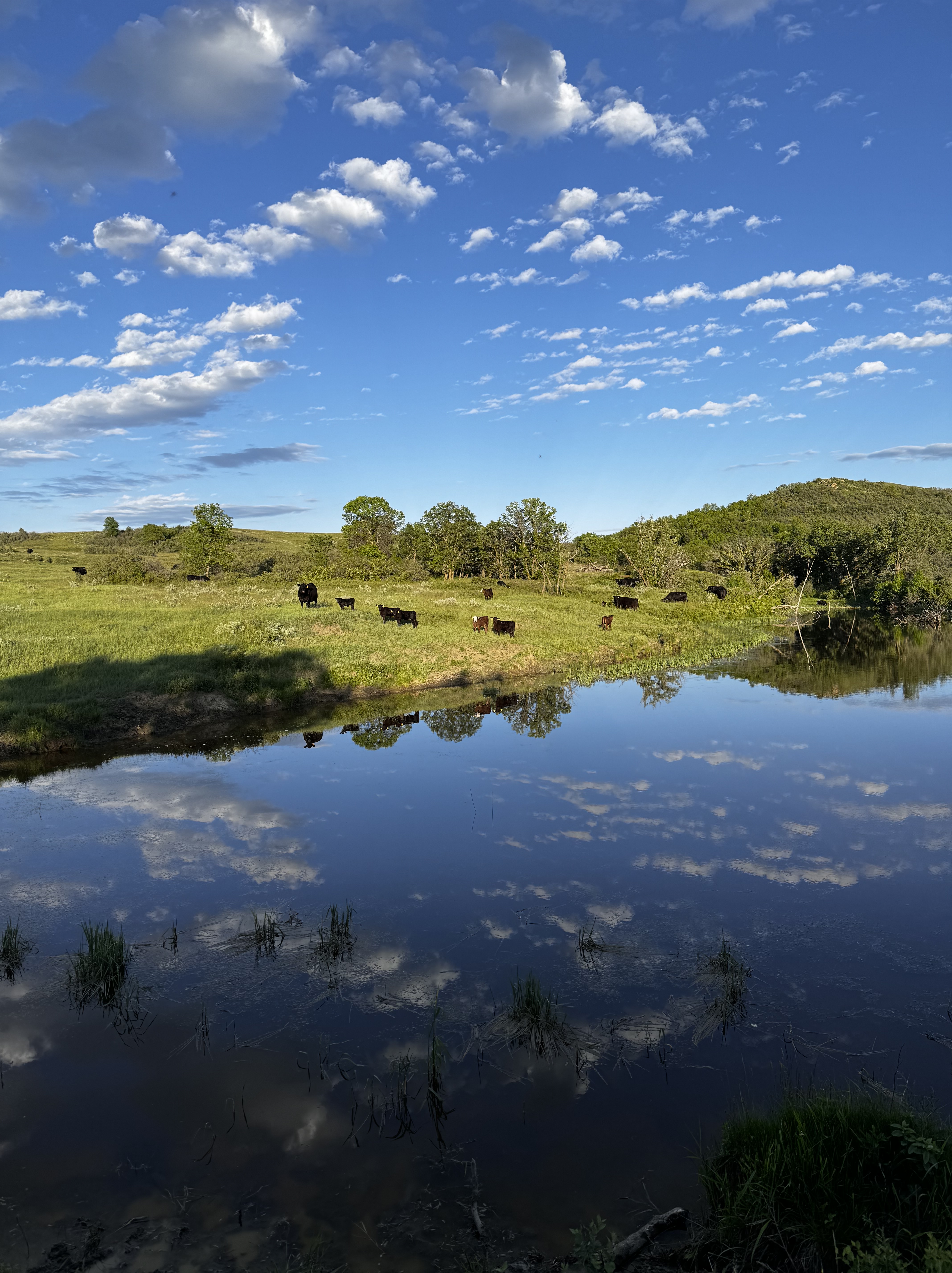
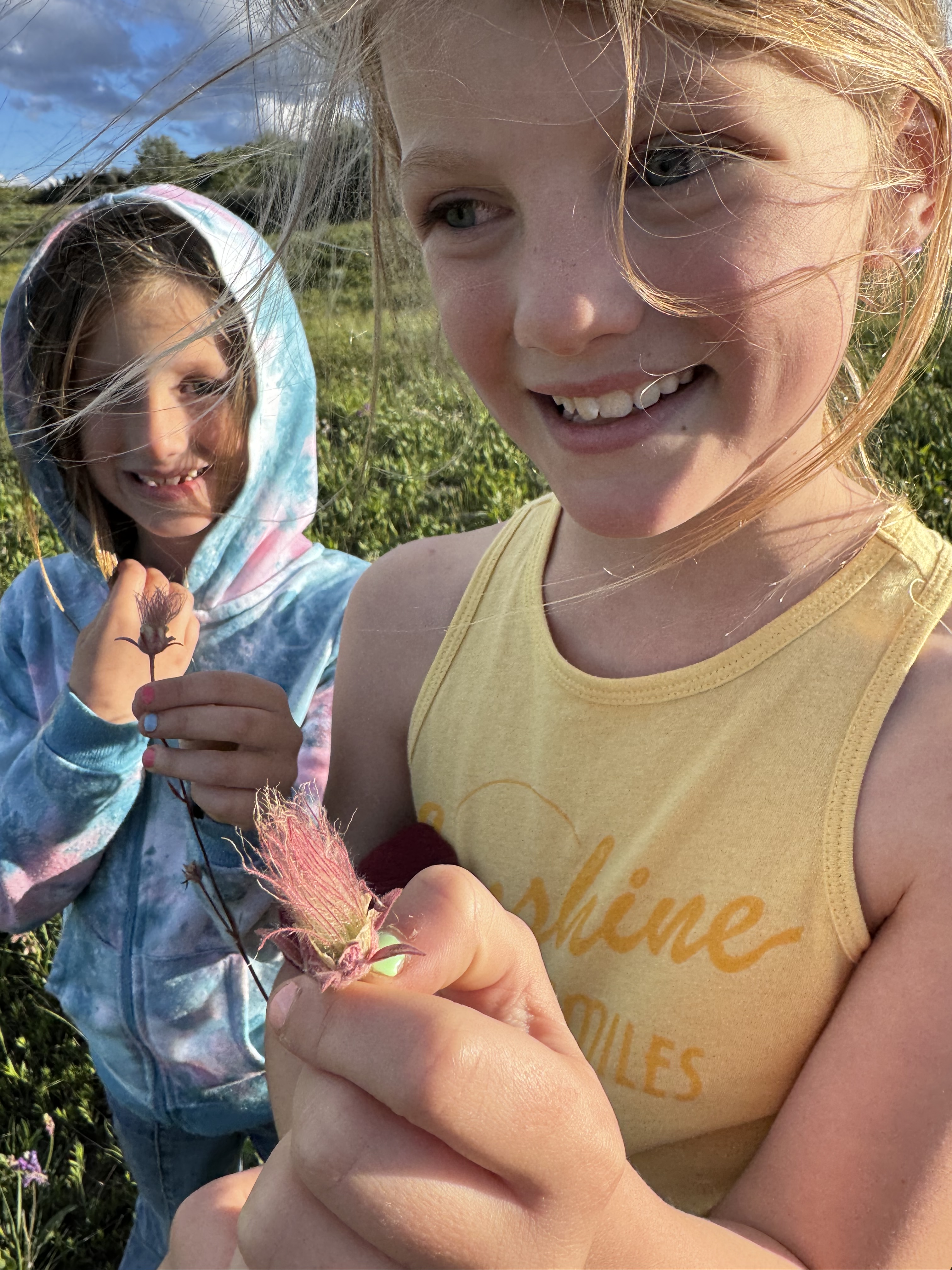
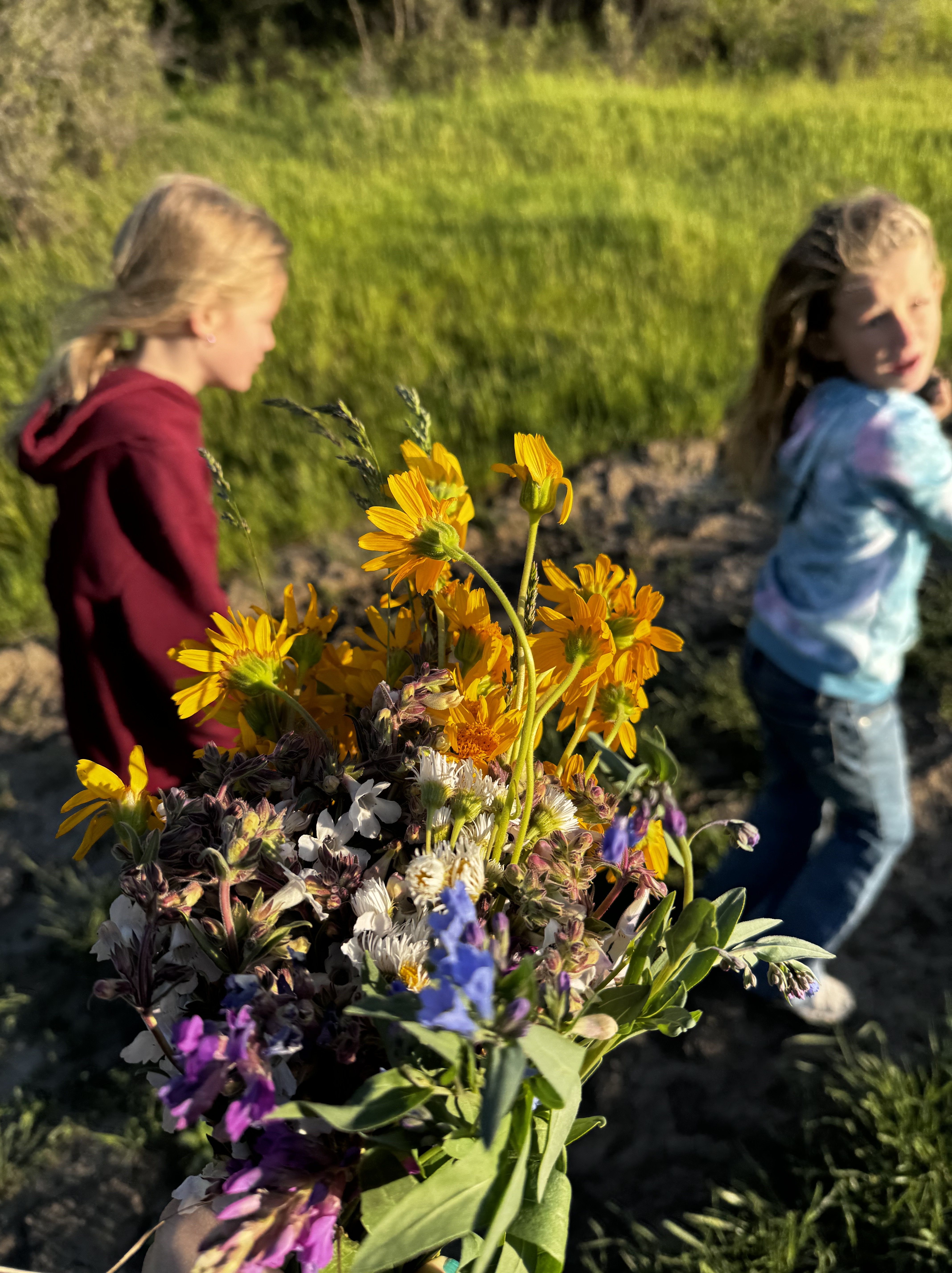
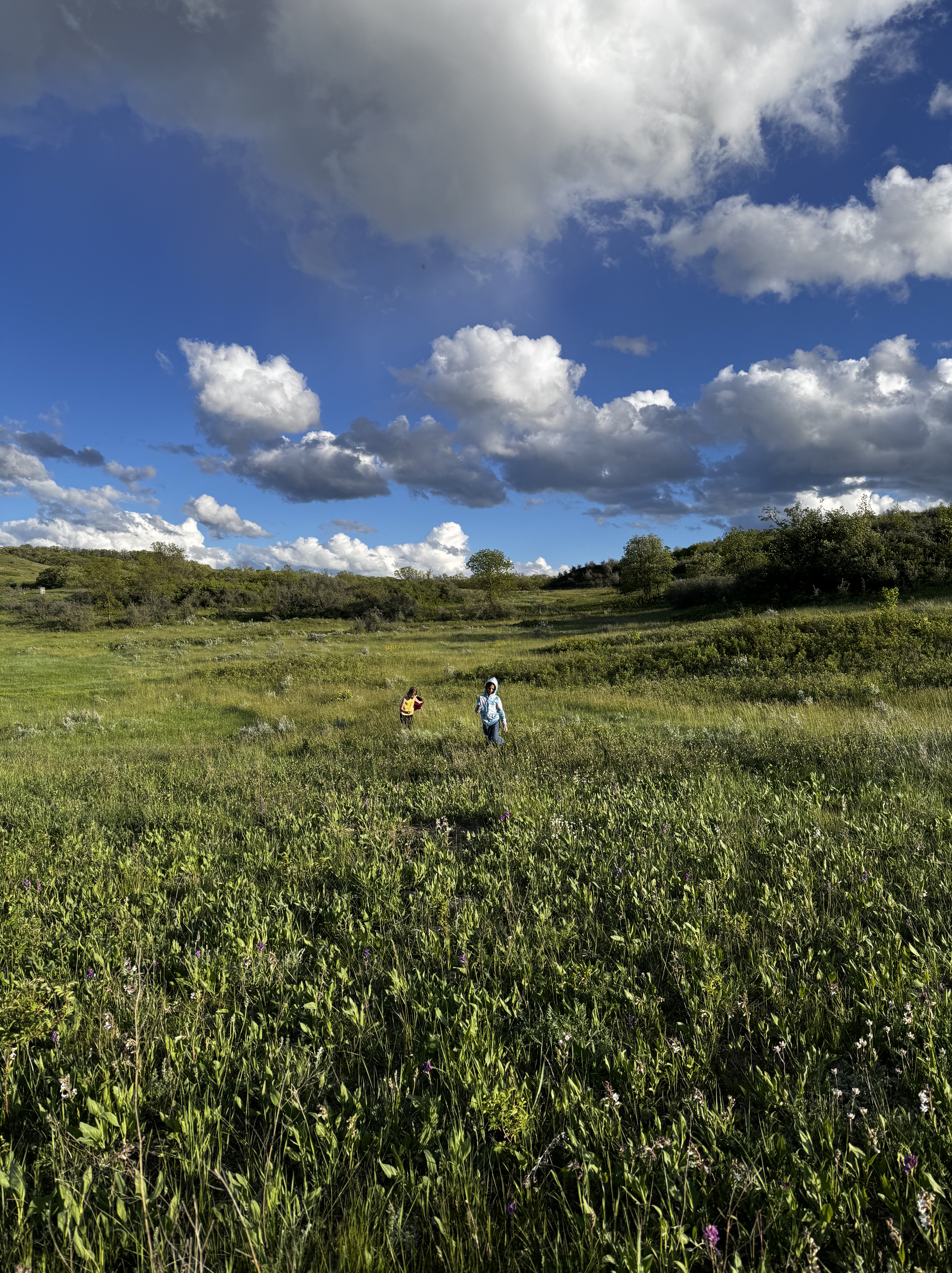
The order of things is ever present here at the ranch. A few days ago I took my daughters on a walk with me to the east pasture stock dam—out the front door and down through the swing gate, along the two track trail, past where we park the old cars and broken down equipment and through the tall brush that reaches their armpits before a quick stop to pick wild flowers to hand to me, to pick off a couple ticks and flick them to the dirt. I used to carry each one of my daughters on my chest in a pack when they were babies out here, just the two of us looking around, but only me, their momma, watching my step for the both of us.

And now look at them running! Look at their thin legs and stretched out bodies, listen to them jabber and make up stories. Listen to them laugh and ask questions about weather and the names of the grasses and the bugs, watch them throw dirt clumps into the dam and remember when we were back here on our horses, this place already drawn like a map on their beating hearts.

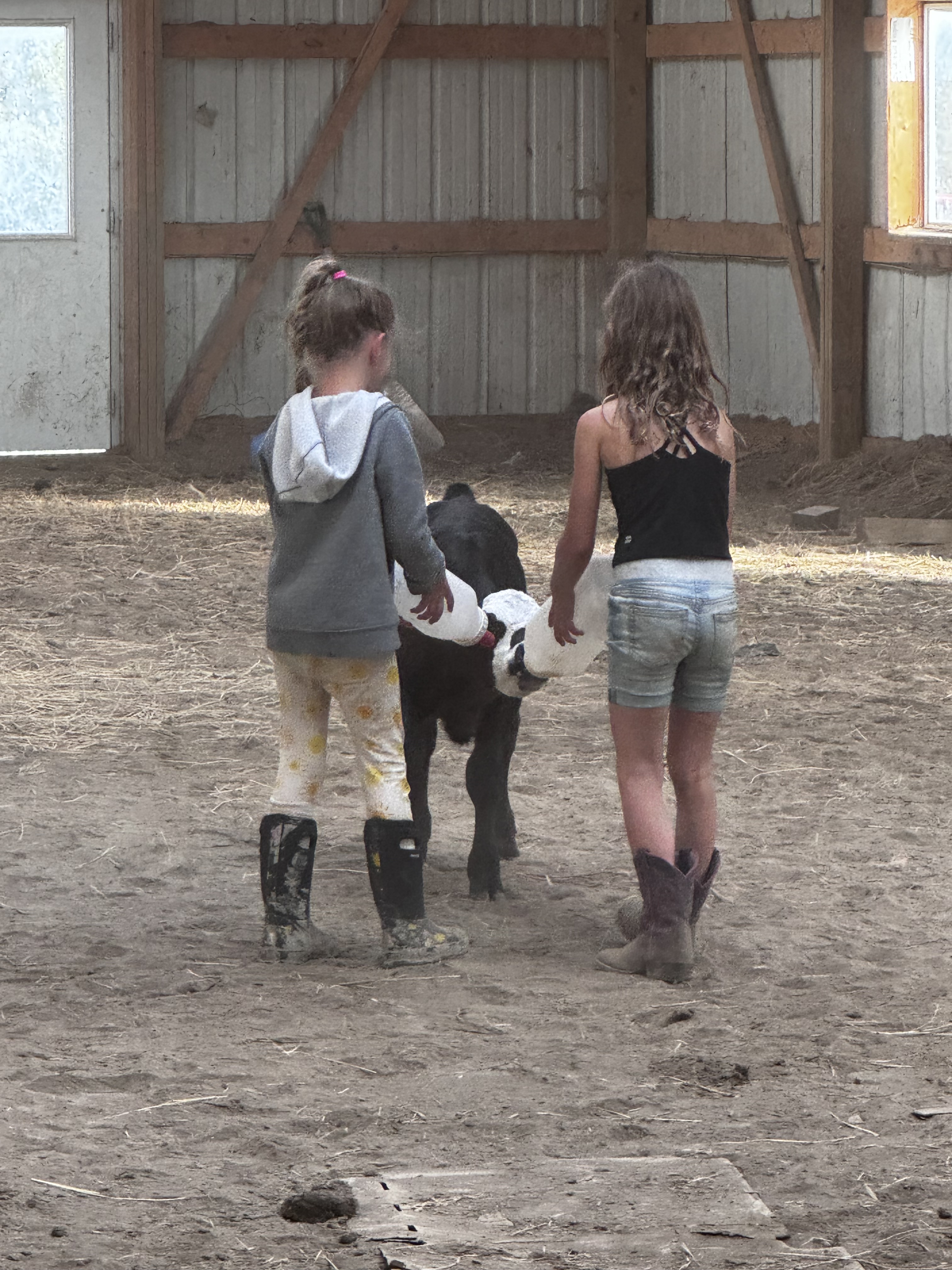
Recently my husband came down from the fields with news that he found a sick calf and he was headed to town for some medicine to try to save it. A few days before he had picked my dad up from that very same field after he came off a horse and needed to be treated for broken ribs at the local hospital. The calf didn’t live long enough for the hour it took my husband to get to town and back and dad was stuck in the house, slowed way down but able to give advice on how to help that momma cow who lost her calf become a mom to our bottle calf in the barn.

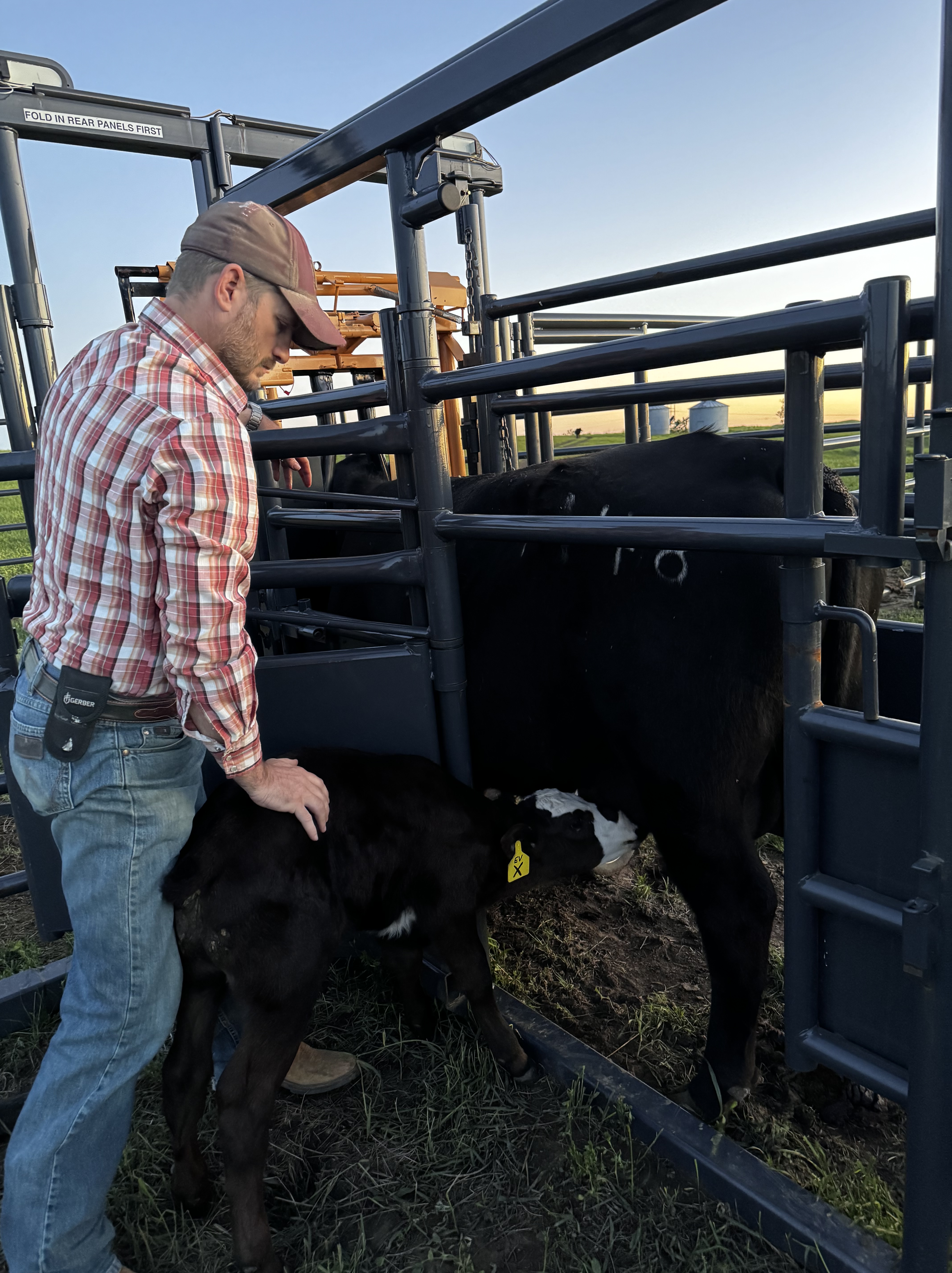
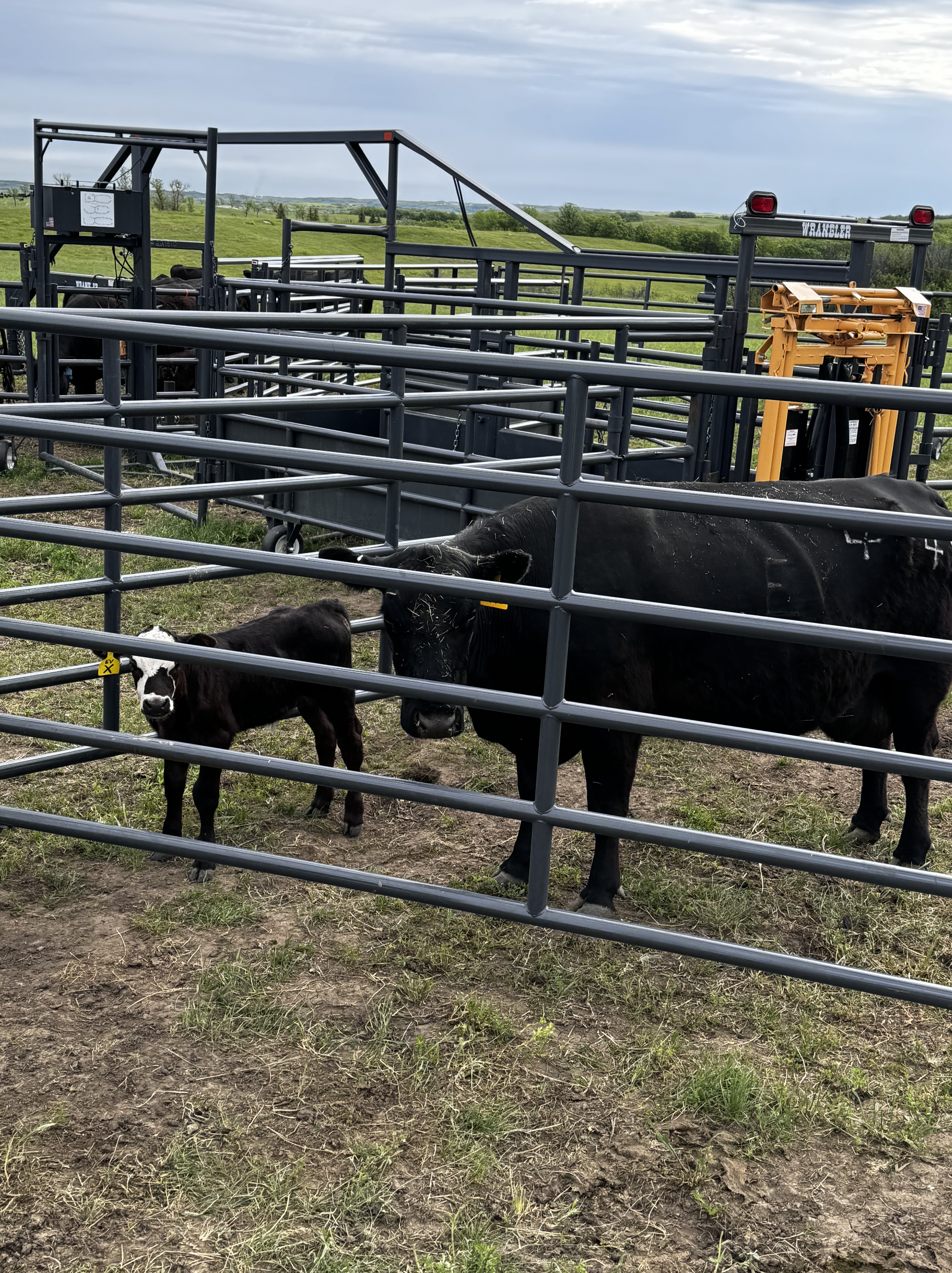
Things go wrong even when the sky is blue and the grass is green and there is no reason for it really except that things go wrong. I hopped in the passenger seat of the pickup next to my husband ready to be an extra set of hands to coax that calf the girls named “Little X” into the trailer and then to help introduce him, draped in the smell of the dead calf, to that momma cow. The clouds rolled in over the horizon and it started to pour on us, but that momma, she licked that little calf before he spooked and ran to the corner of the pen. And that little lick, it gave us enough hope that this new relationship might work with a some patience.

I think that’s all that ranching is really. Enough hope. Enough patience. Enough little triumphs to keep at it.

And so my husband worked multiple visits to that cow/calf pen into his daily schedule. Two times a day he loaded the cow into the chute and brought the calf to help him suck and each night when I came home from town I got the report. “He’s scared of the cow.” “He’s doing better.” “He’s getting the hang of it.”

Last night I came home late, frazzled from a long and stressful workday where I’ve been navigating my way through uncharted waters. I cried and complained and wondered if I was getting it right. Wondered if I have what it takes. My husband listened and then said, “Change clothes, we’re going to check that calf.” And I would have much rather put the covers over my head, but I went along to find Little X in the pen with his new mom, bucking and kicking and, look at that, sucking from that momma like the calf he was born to be.

And it might sound too simple, but I’m going to say it because it was true. In that moment I was just so proud and relieved about that little victory for those two animals and my husband that it made the impossible things that weighed on me that day seem a little more possible. The lump eased from my throat and I slept soundly that night until the birds woke me, singing because they’re in the business of being birds, not a question in their world if they’re doing it right.

Because that’s the order of things.

Remembering the Veterans who built this place.

Screen Shot 2015-11-11 at 11.14.42 AM
Today, on Veteran’s Day, I want to pause to remember the two strong Veterans who founded the Veeder Ranch so we can call it home today.

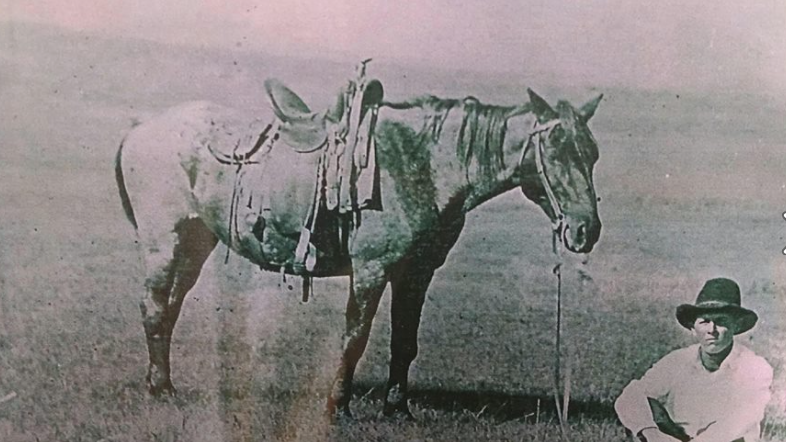
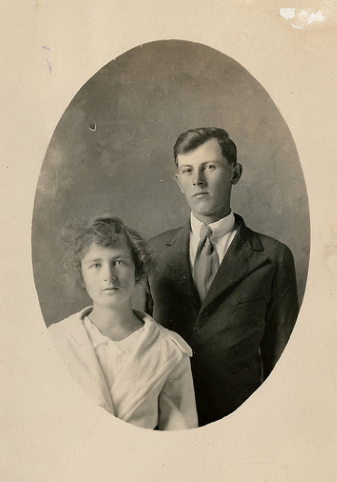
Edgar Andrew Veeder, born October 5, 1894, in Stearnes County Minnesota was the first child born to Benjamin Wemple and Antoinette Marie (Volc) Veeder.

In 1907, Eddie moved to McKenzie County where he lived with his parents in the Croff community. He lived and worked at home until he was twenty-one.

In 1915, he homesteaded the Veeder Ranch in Bear Den Township before being drafted into the the Army, serving in the 77th Infantry-Machine Gun Company at Camp Custer Michigan.

Screen Shot 2015-11-11 at 12.38.51 PM

After he was discharged at Camp Dodge, Iowa in 1919, Eddie returned to farm and ranch in Bear Den Township.

Eddie married Cornelia Belle Harrison on September 4, 1917. In 1925, Eddie bought his brother, Hank Veeder’s homestead, also located in Bear Den Township and continued expanding his holdings by purchasing additional homesteads in the area. In 1928, he bought a threshing machine and for the next fifteen years he did custom threshing in addition to running cattle and raising crops on the place. Through all the years that he lived in the community, Eddie always took an active part in the building and maintenance of the area. He was a member of the township board for many years and was responsible for keeping township roads and bridges open and in good repair.

Eddie and Cornelia, who died of heart failure in 1932 at the age of thirty-six, had five children, the youngest, my grandfather, Eugene (Pete) Veeder.

Screen Shot 2015-11-11 at 12.55.46 PM

After the death of his wife, Eddie, with the help of his sisters, maintained the home until all of the children were grown. It must have been difficult, especially during the Depression, to provide for his family, but he was always cheerful. He enjoyed his children and grandchildren until his death in 1961.

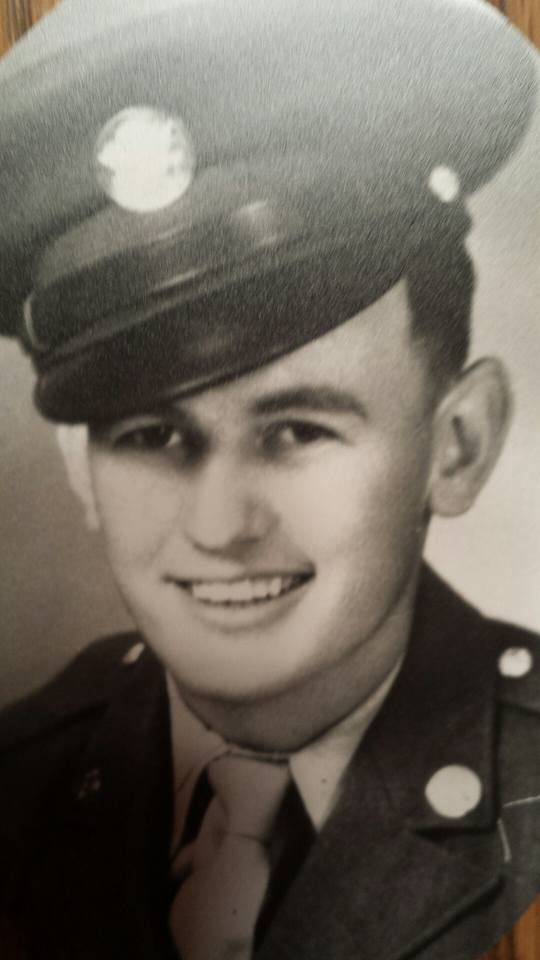
After their father’s passing, Pete and his brother Lorraine each bought half of the family ranch land. Pete was inducted into the Army February 16, 1945, at Fort Snelling, Minnesota, took his basic training at Camp Hood, Texas, and was then stationed for a time in Korea. He was the recipient of the Asiatic Pacific Service Medal, Victory Medal, Good Conduct Medal and Army of Occupation Medal (Japan). He was discharged at Fort Lewis, Washington on December 19, 1946. Pete then returned to farm with his father and brothers.

Grampa Pete

Pete married Edith Linseth on August 24, 1951 and the two of them raised crops, cattle and three children, Kerry, Wade and my father, Eugene (Gene) on the original homestead.

Today the Veeder Ranch remains in the family, operated by Gene and Beth. My husband Chad and I have built a home here, making us the fourth generation to live and work on the Veeder Homestead. 

Remembering these two great men’s lives and service to their country and grateful for the legacy and land they worked hard to keep.

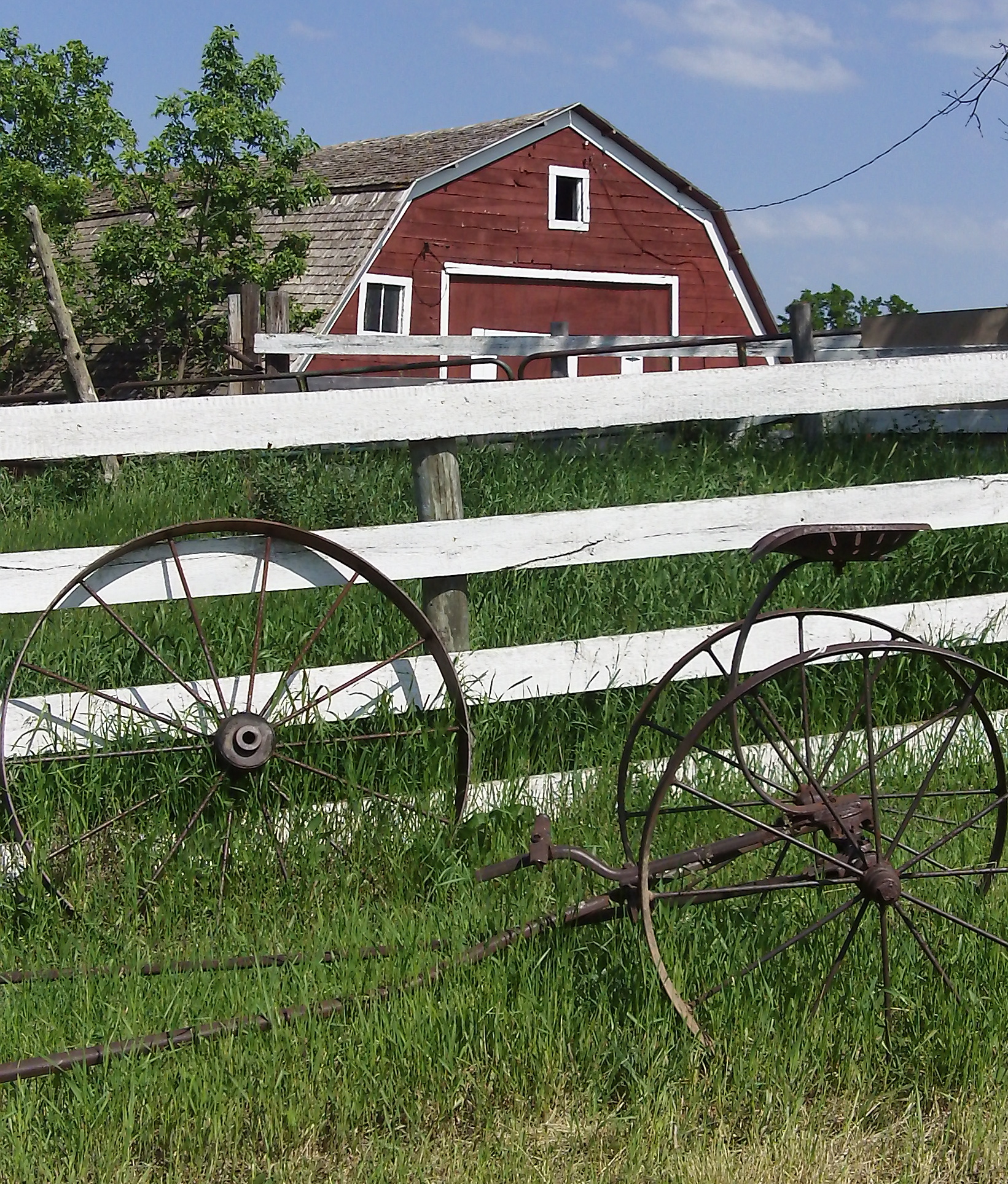
Veeder Barn

To the fields…

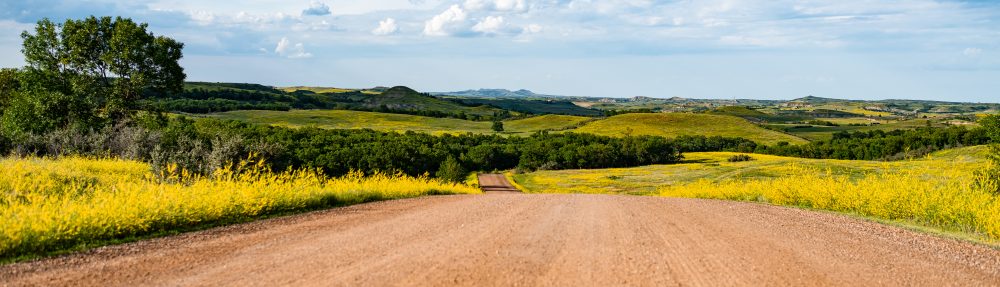
And now an ode to late summer fields. 

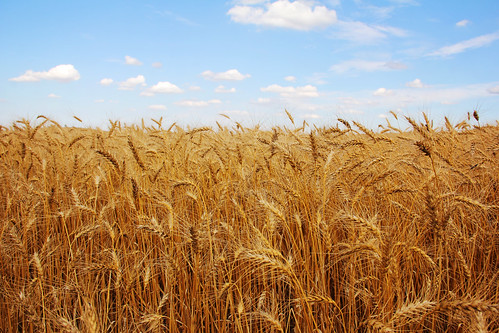
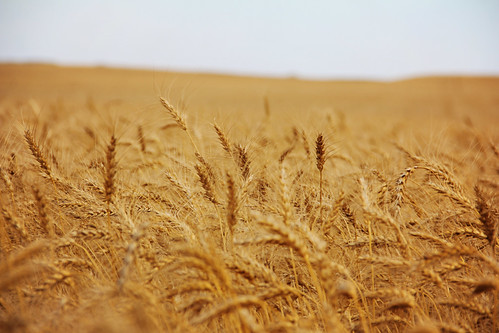
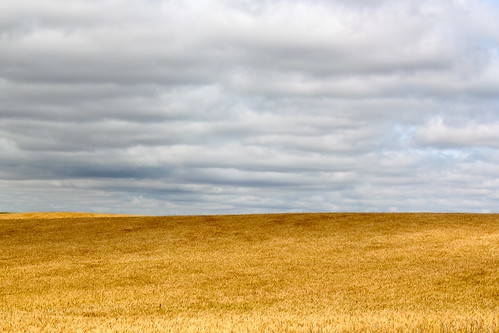
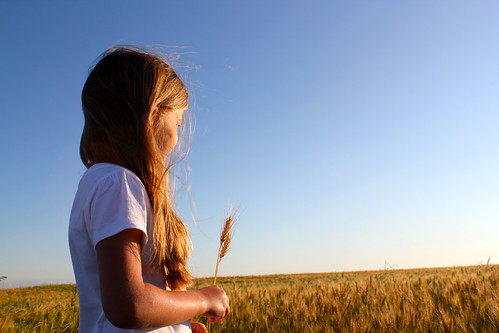
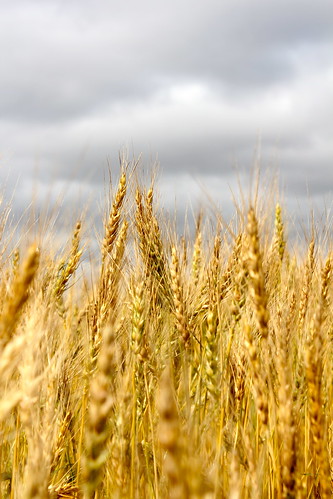
To wheat fields, golden and rolling.


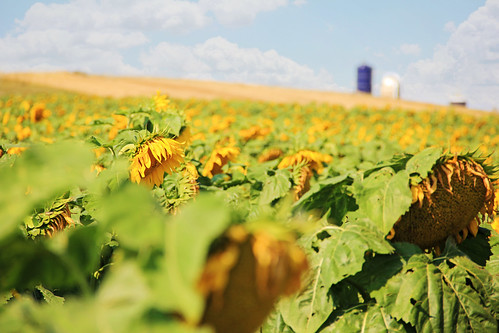
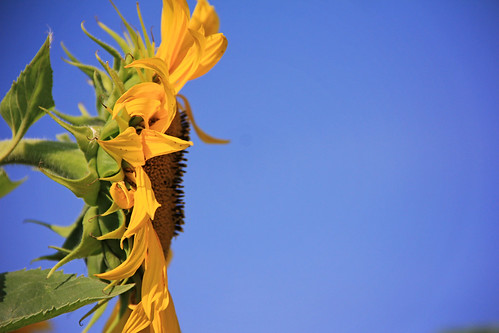
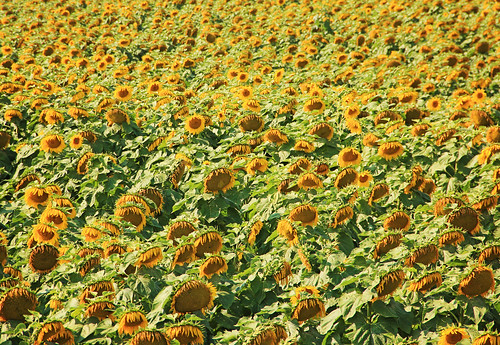
To sunflower fields, bright and following the sun.


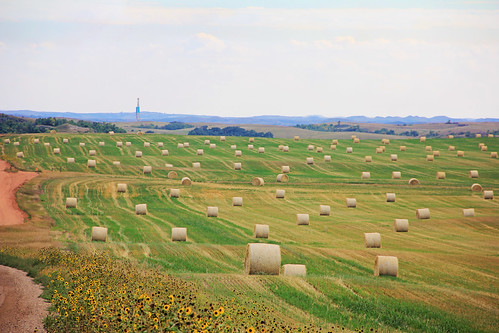
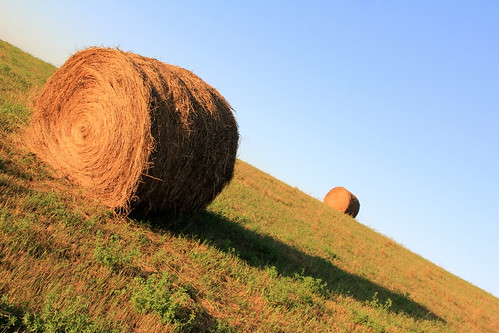
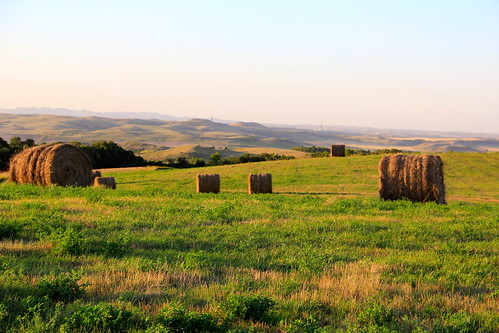
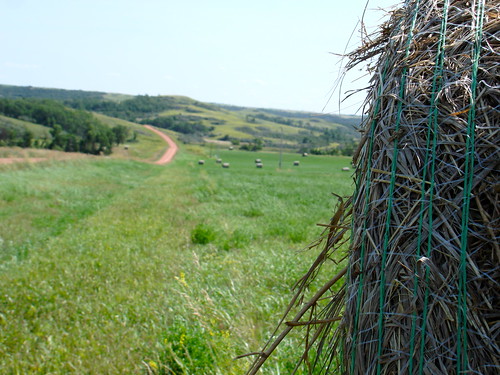
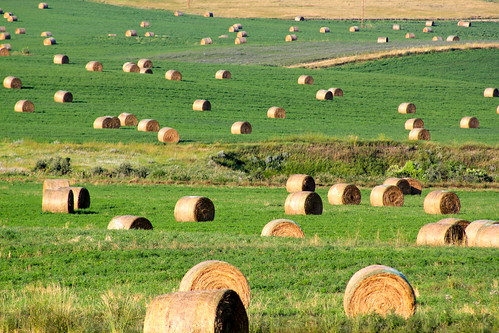
To hay fields, dotting the landscape in preparation for winter.


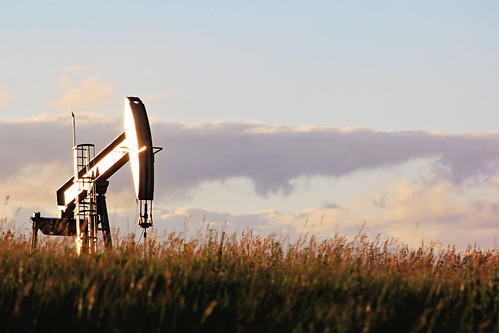
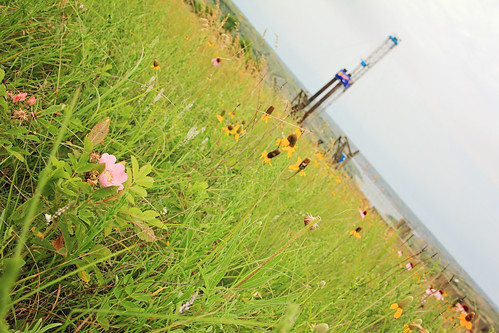
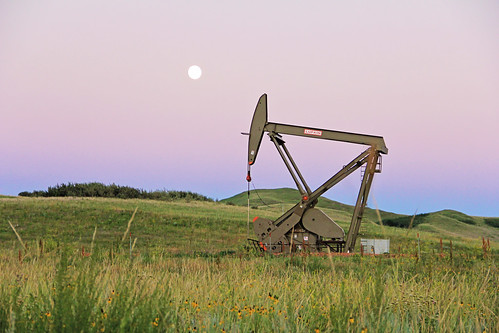
To oil fields, kicking up dust and fueling our world.