Frog Crop

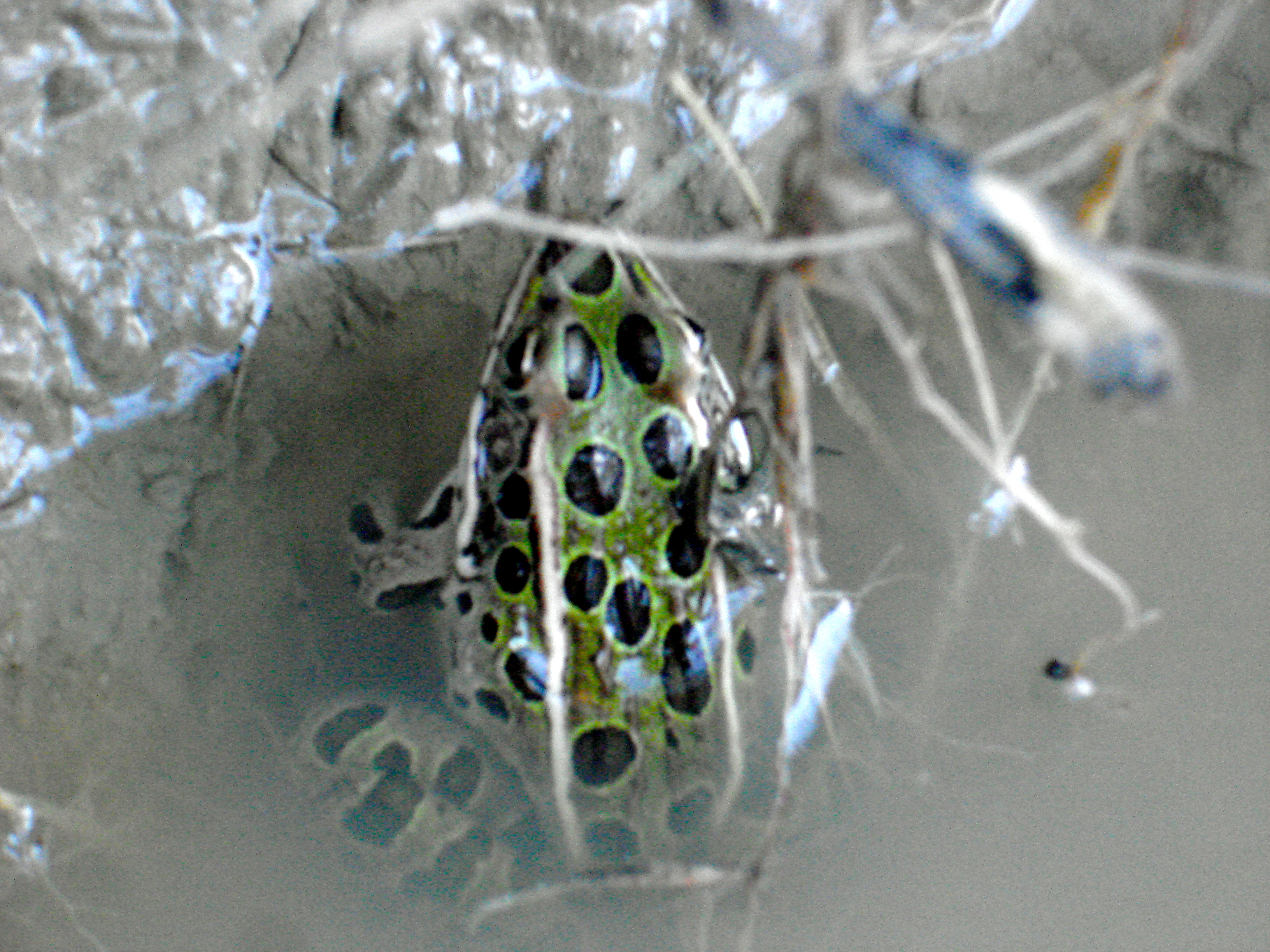
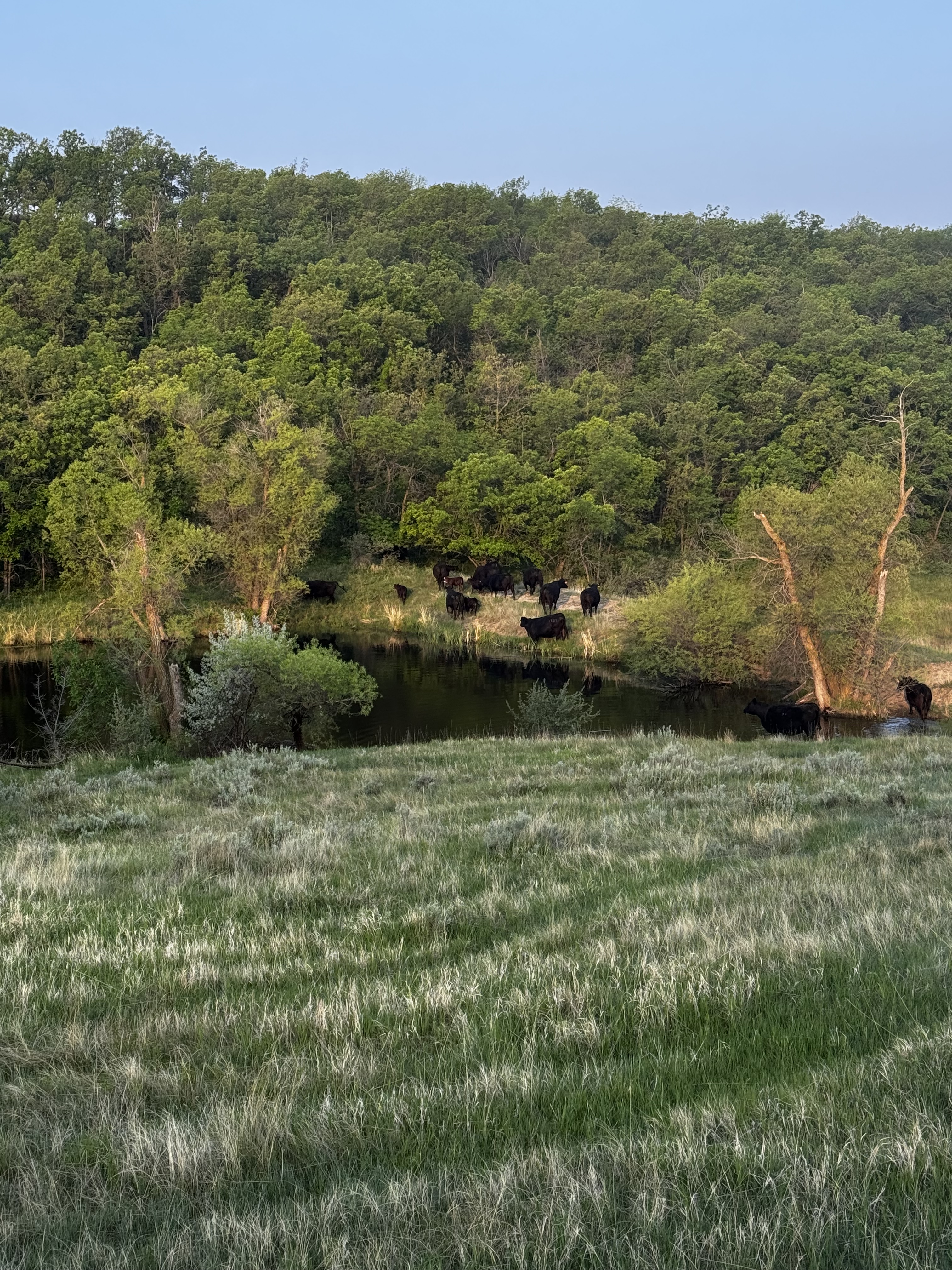
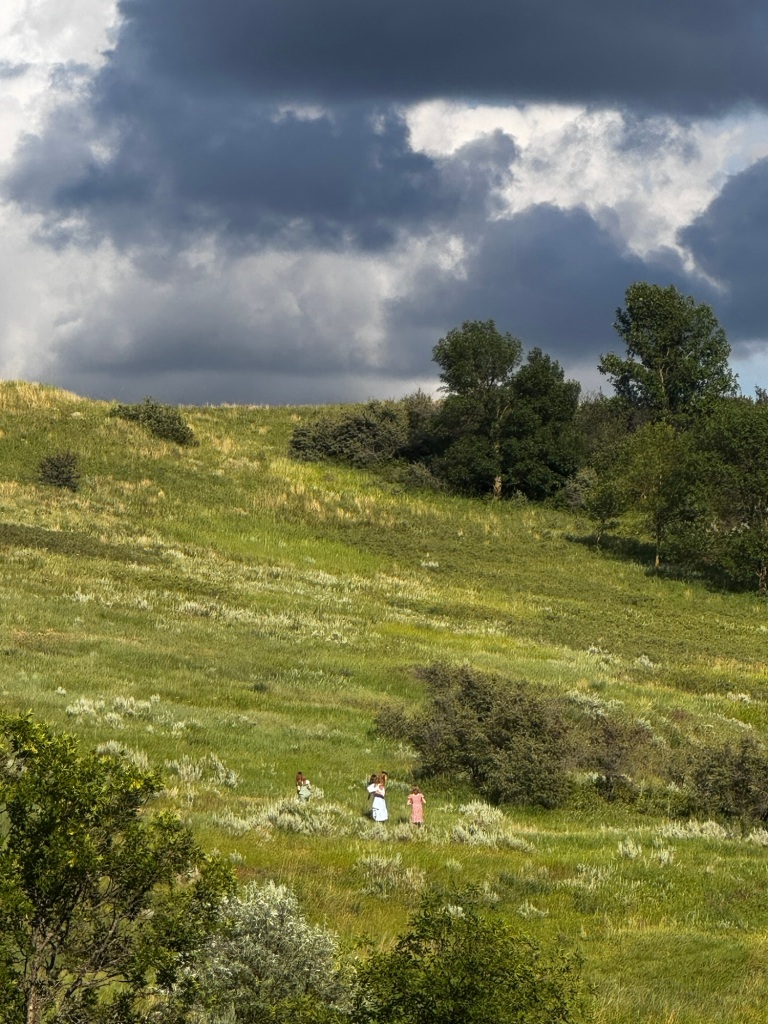
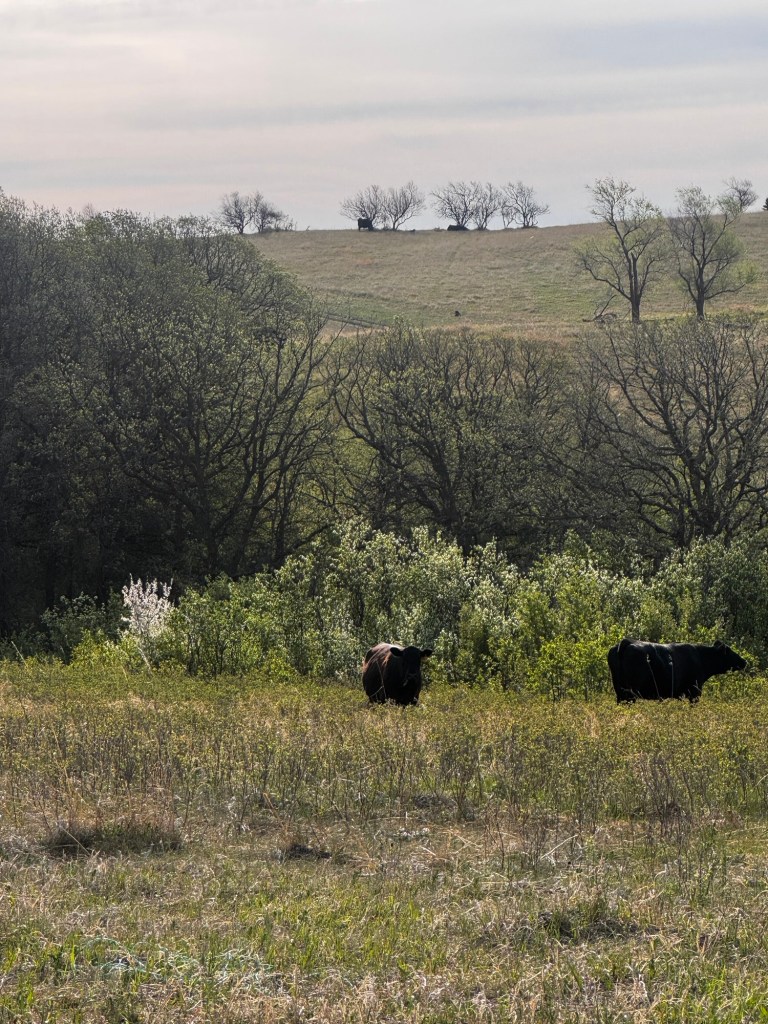
I know nobody’s wondering, but the frog crop at the ranch is hopping these days. A thunderstorm every day will do that to this landscape. From the window of our kitchen I can see the stock dam and when that window’s open in the evening the croaks those little frogs are croaking fill the air with the sound of sweet summer nostalgia.

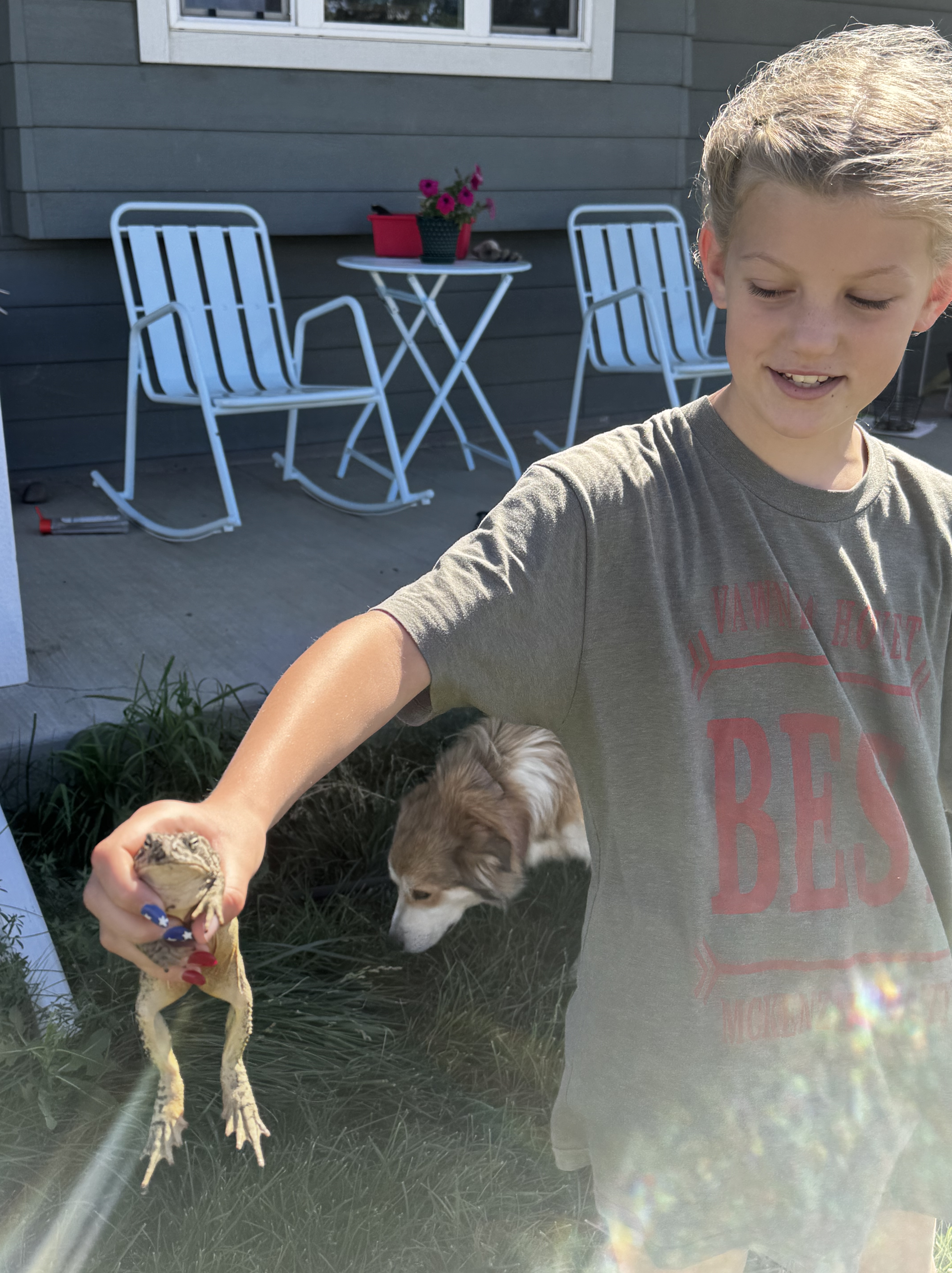
Needless to say, the little girls on this place are thrilled about this development in the frog department, because finally there is something in that stock dam to catch (because, no matter how they tried to imagine and finagle it this spring, there are still no fish there).

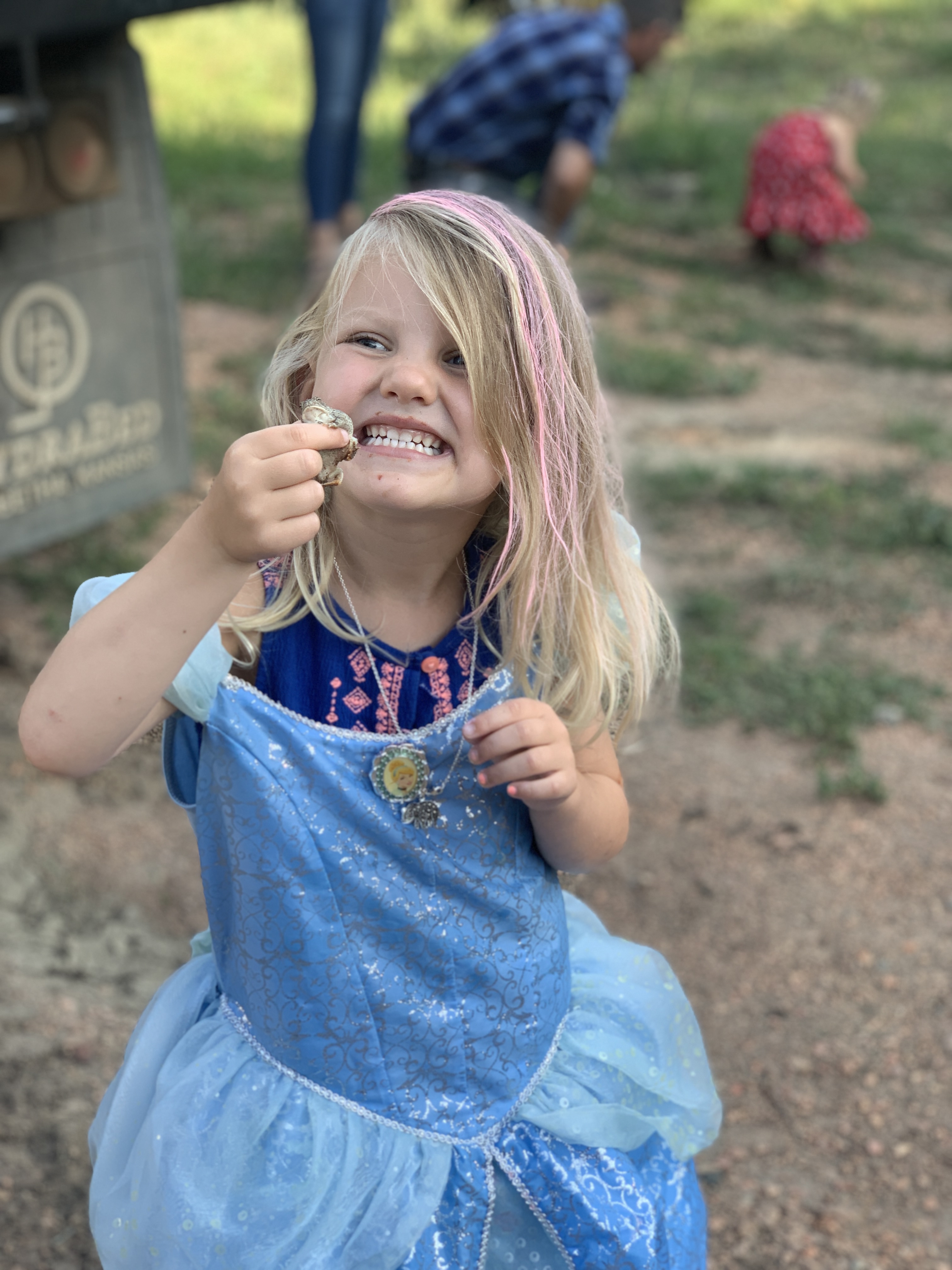
There is a sort of art to catching frogs that I tried to master myself growing up out here next to the creek. You must be quiet and quick and confident, and none of these qualities ever came naturally to me. My oldest has always had a knack for it and a real admiration for slimy, scaley creatures. I caught her once at the playground in the yard when she was around four-years-old, dressed as Cinderella and planting a big of smooch on the nose of her tiny captive frog prince. “Don’t actually kiss frogs,” is not something I thought I would have to say in my life. Also, I didn’t predict how upsetting that rule would be.

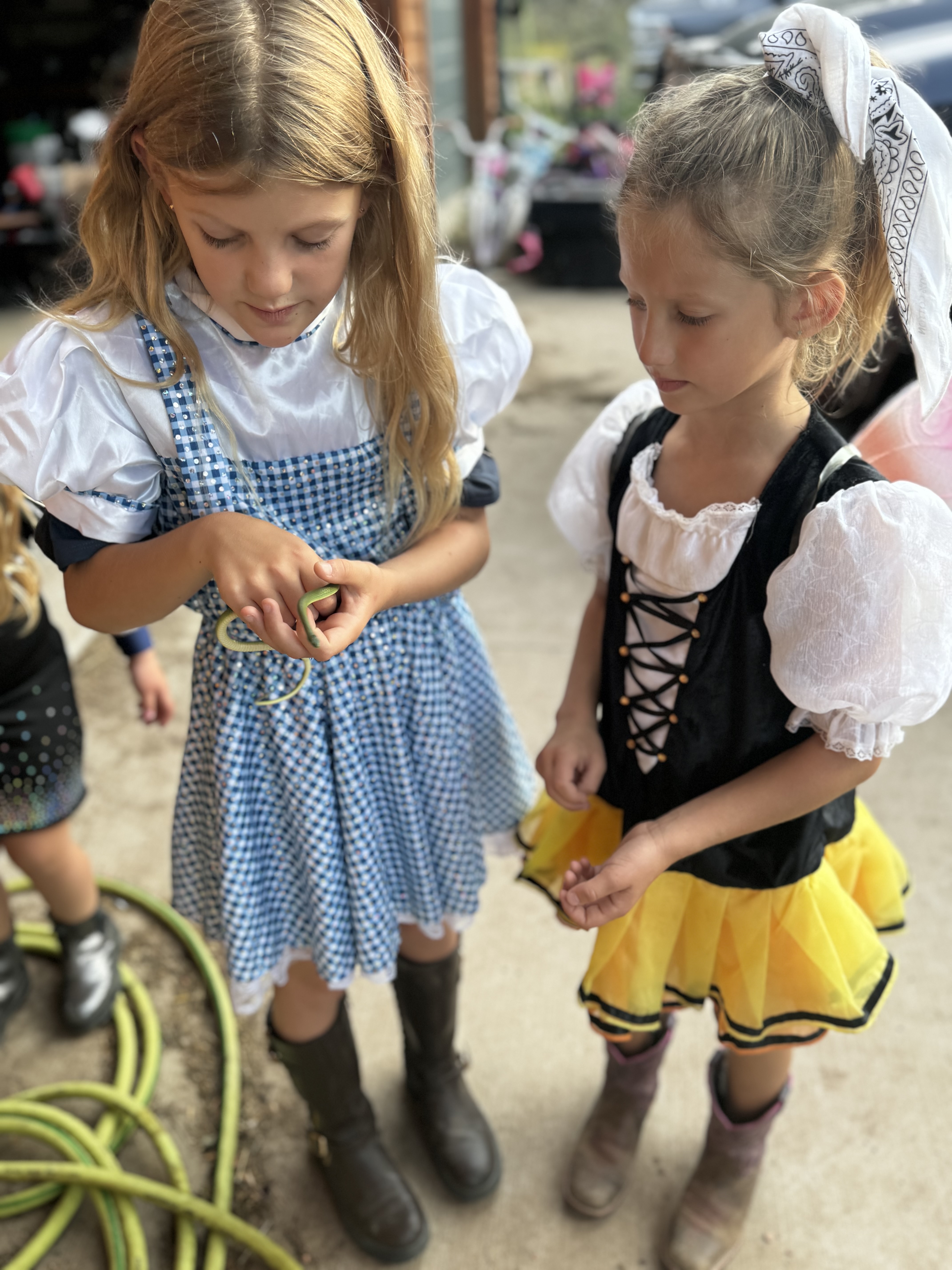
But even that wasn’t as country as having to break up two little girls in fancy dresses fighting over who got to hold the garter snake. “Snake Tug-o-War” was also not on my parenting radar.

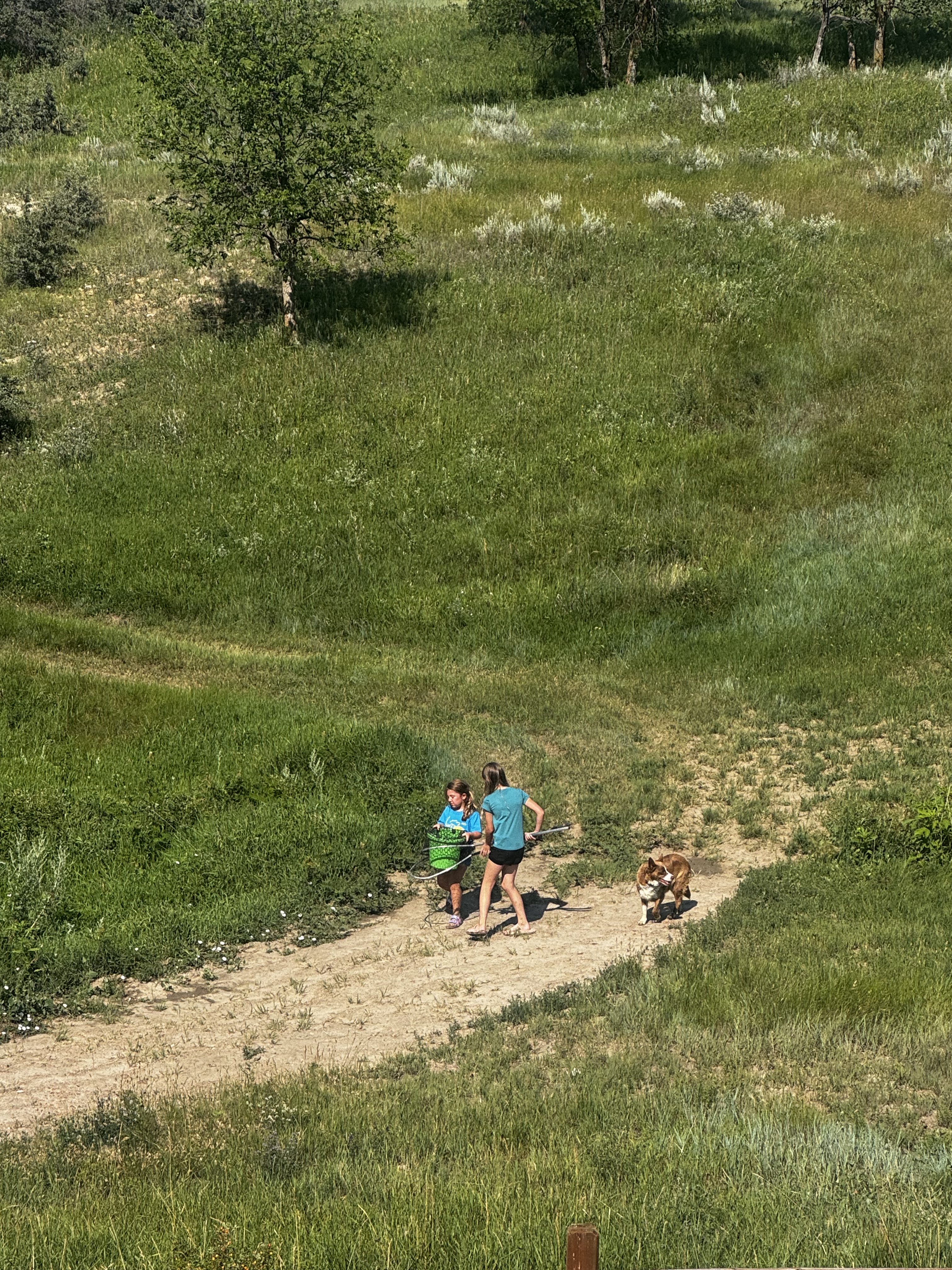
And so, I wasn’t surprised when I looked out the window a couple weeks ago to find my daughters and their two cousins at the stock dam with a couple feed buckets and giant fishing nets on a frog-finding-mission. Rosie had been at it in the yard for a few days, searching the tall grass and puddles with nothing but stories of near misses, escapes and the report about our border collie and a snake in the dam eating two of her potential catches right in front of her very eyes, which might have been pretty traumatic for normal kids, but mostly she was just mad they got there first. Again. Country.

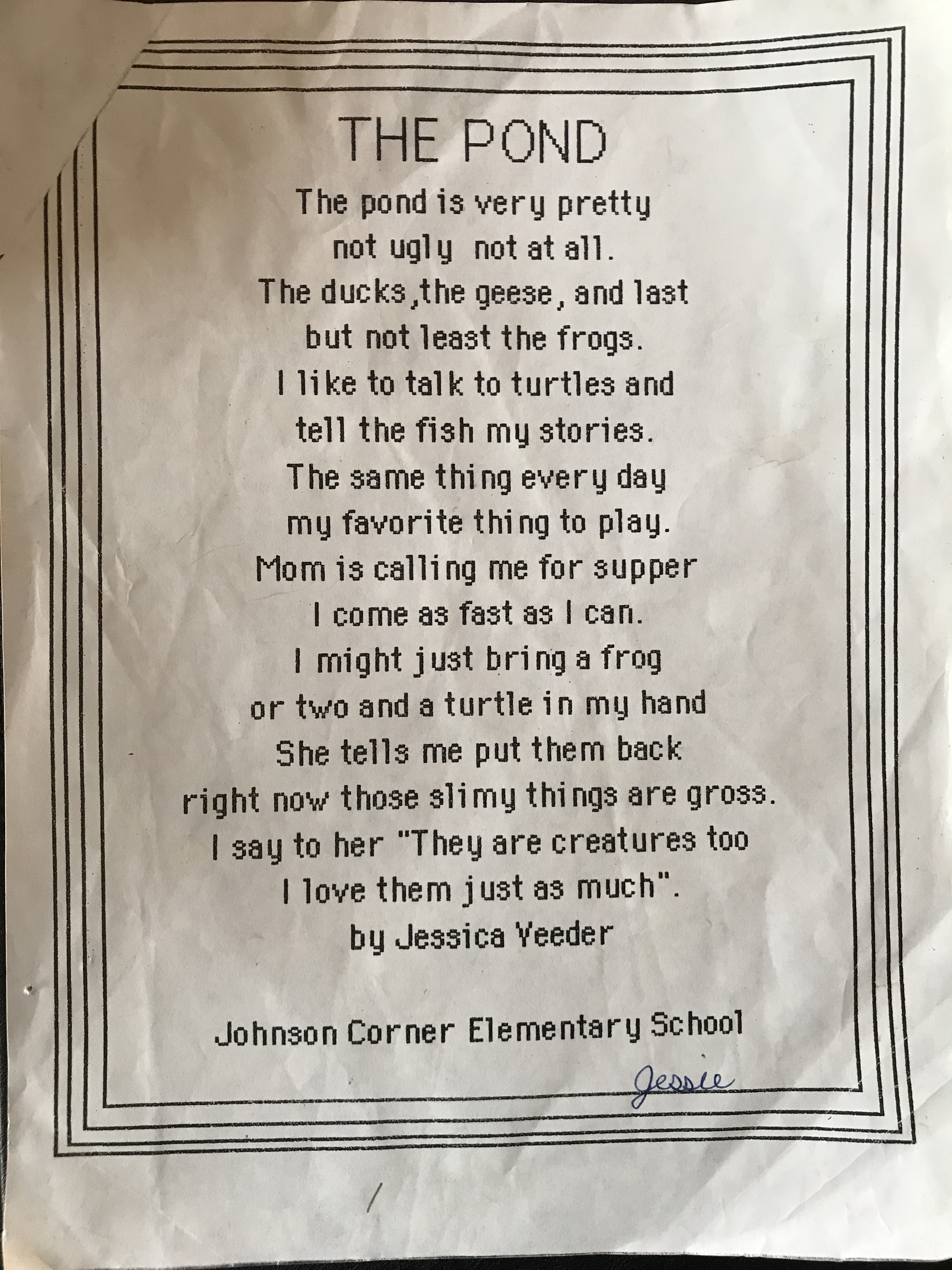
And I would say she was unreasonably disappointed in her lack of success if I didn’t remember being the same level of obsessed with frog catching when I was her age. I think the first poem I ever wrote was a poem about frogs. I typed it up on the computer in my second-grade classroom and printed it off with a fancy border and everything. Catching frogs at the creek was my main reason for living for one entire summer of my young life, so I understood. But I had minimal success, so my expectations for my daughters weren’t particularly high.

But as it turns out, a little teamwork goes a long way. About an hour or so in to their mission at the dam, I caught them trekking back up the road to the house, two girls holding nets and the other two with both hands slogging a six-gallon bucket. Somewhere along the journey, Rosie lost her shoes, but who needs shoes when you’ve found yourself a bucket-full of frogs.

“Rosie caught ten frogs!!” my niece proclaimed. “And I helped!”

“We’re bringing them to the bathtub,” declared Rosie confidently. “That’s where we put the toad last week.”

And look, we’re country, but a woman must draw the line somewhere.

“How about the old mineral tub in the backyard instead?” I chimed in. And they agreed happily, making a habitat and obsessing the proper amount before digging a little hole and holding a long and dramatic funeral for the one frog with the missing leg who didn’t make it and then ceremoniously releasing the lot at dark so they could do it all again the next day.

So yeah, I know nobody was wondering, but the frog crop is good out here in the middle of nowhere. And the kids? Well, they’re growing up good too.

Lucky Unlucky Us

I’m not sure if I’ve seen a July like this in Western North Dakota. It feels like we’re living in an entirely different climate, waking up every morning to new puddles on the gravel road and a bit of a mist in the air. Most days in July have been greeted with or ended with a thunderstorm or shower, it simply won’t stop raining.  And this is just fine news for us. The stock dams are full, the alfalfa is lush, and the grass is as green as can be. It makes timing getting the hay crops off the fields a little tricky, but I think any rancher up here will take the rain with the inconvenience.

The consistent threat of a storm has also made our North Dakota outdoor engagements a bit harrowing, although we persist of course because we only get like four full seconds of outdoor picnic weather up here. And so, we just swat the mosquitos and hold tight to our potato chips and paper plates so they don’t blow away and catch on the neighbor’s barbed wire fences. 

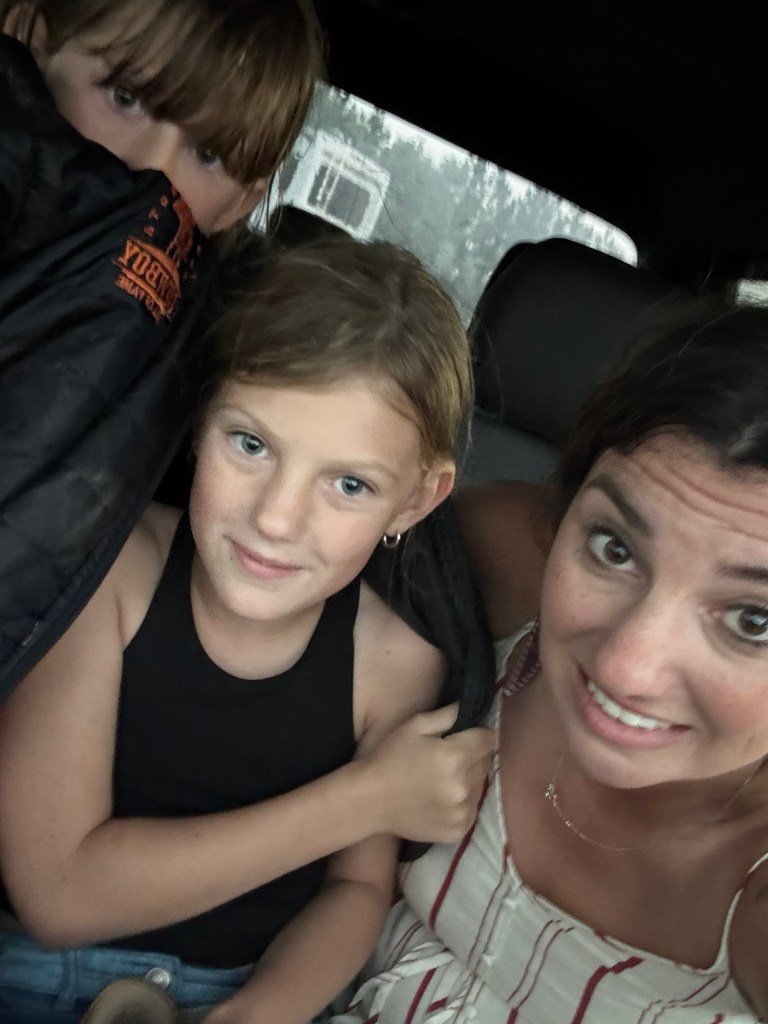
Last week, after a trip to the dentist to find out I might need a root canal, and a visit to the mechanics where I found out my car needs a few new $800 parts, I brought my dad and my daughters to play music on the shores of Lake Sakakawea at this cute little campground along a sandy beach called Little Egypt. Along the way I learned that Dad had also just found out about a few hefty bills for repair on misbehaving equipment that day and so we agreed that playing some music was going to soothe our broke and toothachey souls that night. 

It was a perfectly hot and muggy 80 degrees when we pulled in with our guitars, picnic supper and girls in the back seat of dad’s pickup. And while there were no chances of rain on our weather apps that day, the blackening sky told another story. “Looks like it’s going to head north,” we said to each other while we plugged into the system and sat down to perform to a crowd slowly gathering with lawn chairs and coolers in front of the stage. 

My daughters had taken off to check out the sand on the beach and we sang “Love at the Five and Dime” and a couple ranching songs and watched those clouds get darker and darker behind the growing gathering of people. I looked over at the beach to get an eye on my daughters and then back behind the crowd and clocked a flash of lightning. Still hoping for the “heading north of us” theory to materialize, I informed the crowd that we may have to take a break for the weather to pass and just as that statement left my lips, the stillness of the afternoon turned into a huge 60 MPH gust that swept across the campground and across our stage, blowing my set list, merch, hat and dust across that campground. “Ok then! That’s it!” I think I said into the mic, or maybe just in my head as I grabbed my guitar and headed to get my kids who suddenly found themselves in a furious sandstorm. I clocked the boom of a speaker blowing over, set my guitar in the backseat of the pickup and joined my dad and my soaking, sandy daughters in the front seat while dad moved the pickup away from the stage, you know, just in case it blew over. 

I had played an entire 20 minutes of my two-hour set. 

The sirens wailed. 

Rosie sniffled.  

The rain dumped harder and blew sideways. 

Then came the hail stones. 

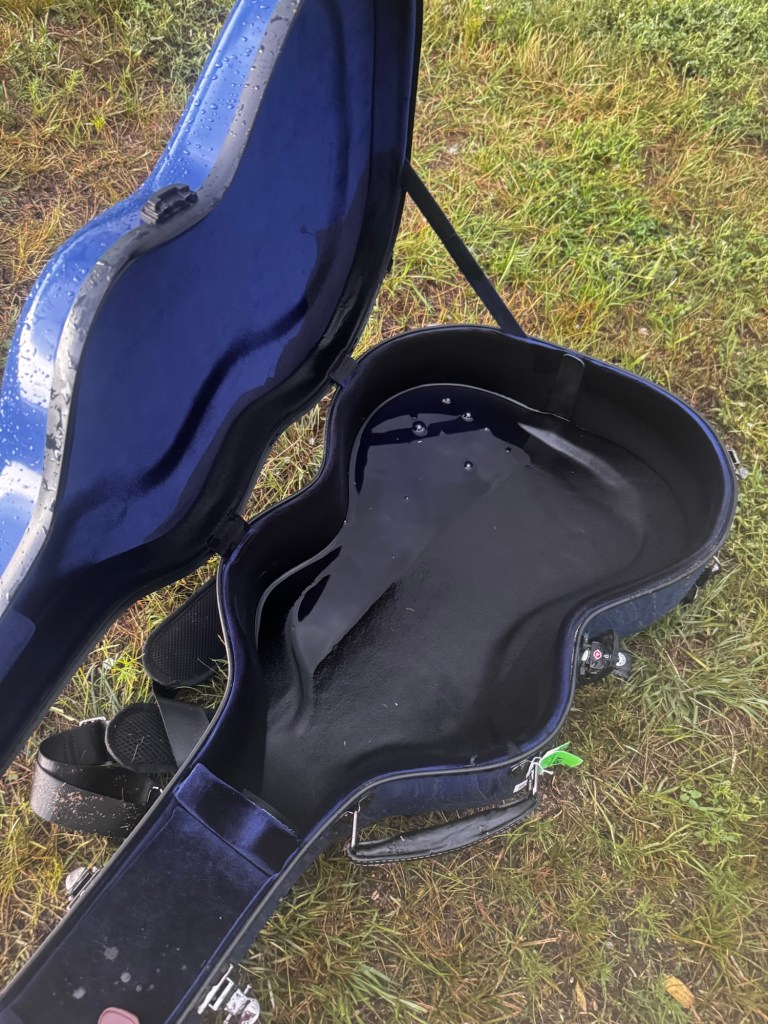
“This should pass soon,” we said to one another as only true Midwesterners do. And it was logical, we could see the edge of the clouds opening to a clear sky, but we were still on the inside of it. And so, it hung on for another half-hour or so, just long enough to fill the guitar case I left under the stage with a half inch of water and soak the stage as well as anyone’s desire to carry on with the whole idea of outdoor entertainment that evening. We may be persistent, but our nerves can only handle so much. 

 When the storm finally dissipated, we helped clean up the stage and pick up the things that went flying. Luckily, I brought an extra set of clothes for the girls, and so they got dried off and as de-sanded as we could get them. 

“That was scary!” Rosie declared. “Yeah, we’ve sort of had a rough day,” I replied, “With the storm and the broken tooth and the broken cars and equipment. Glad it’s over!”

 “I shouldn’t have opened that umbrella in Alex’s house this morning,” Rosie chirped from the back seat.

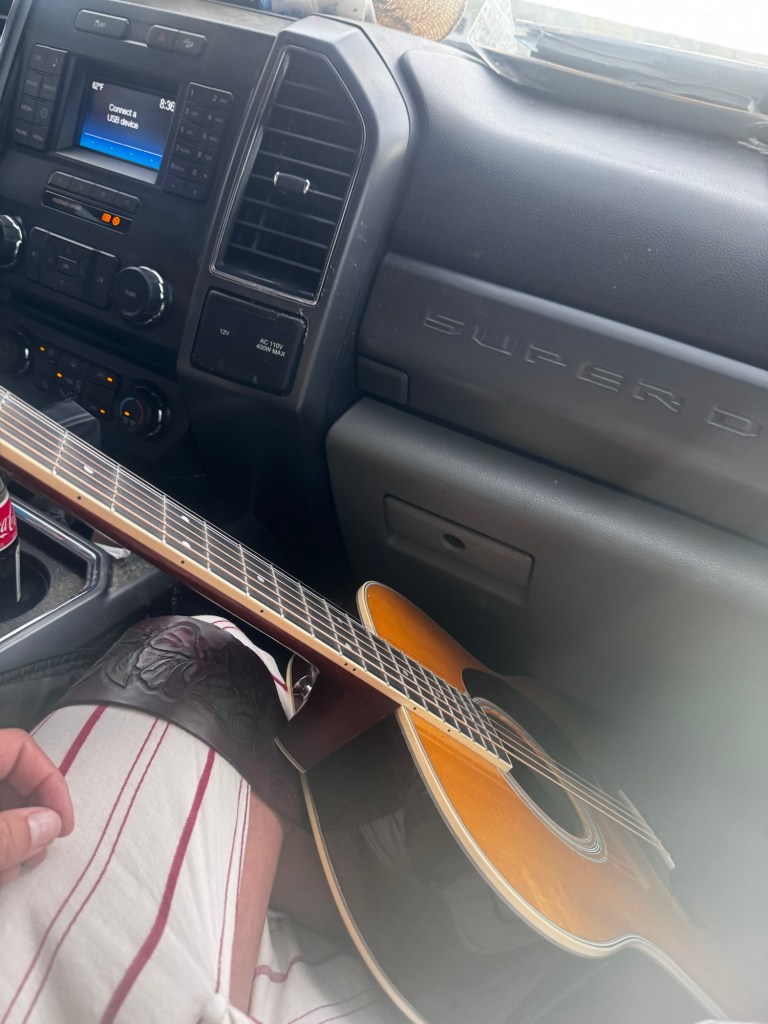
“I guess superstition is hereditary,” my dad laughed as we headed toward home with my caseless guitar sitting on my lap in the front seat, chasing the rainstorm headed east to wreak a little more havoc on Friday night picnics and campfires, outdoor music and hay moving operations.

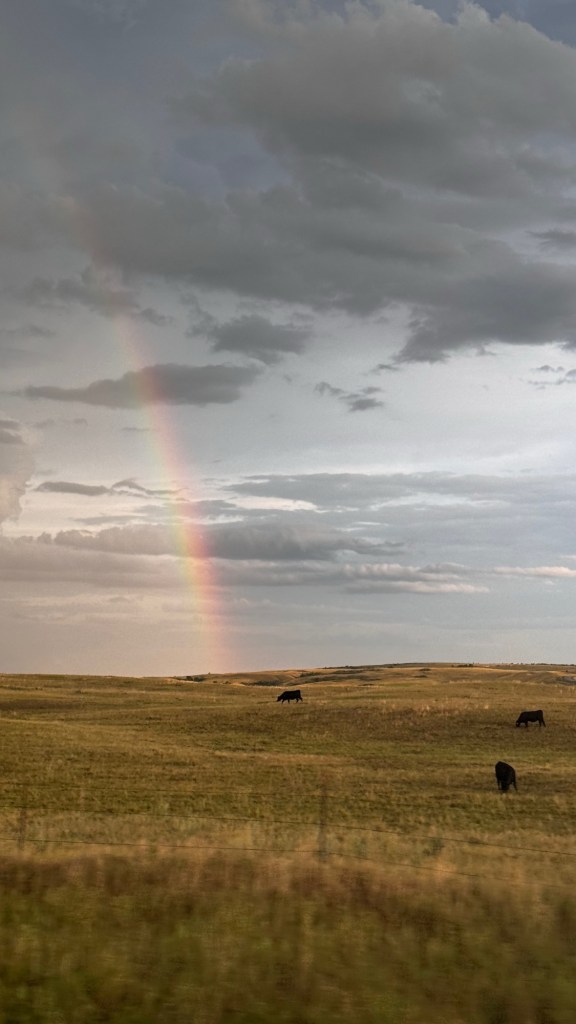
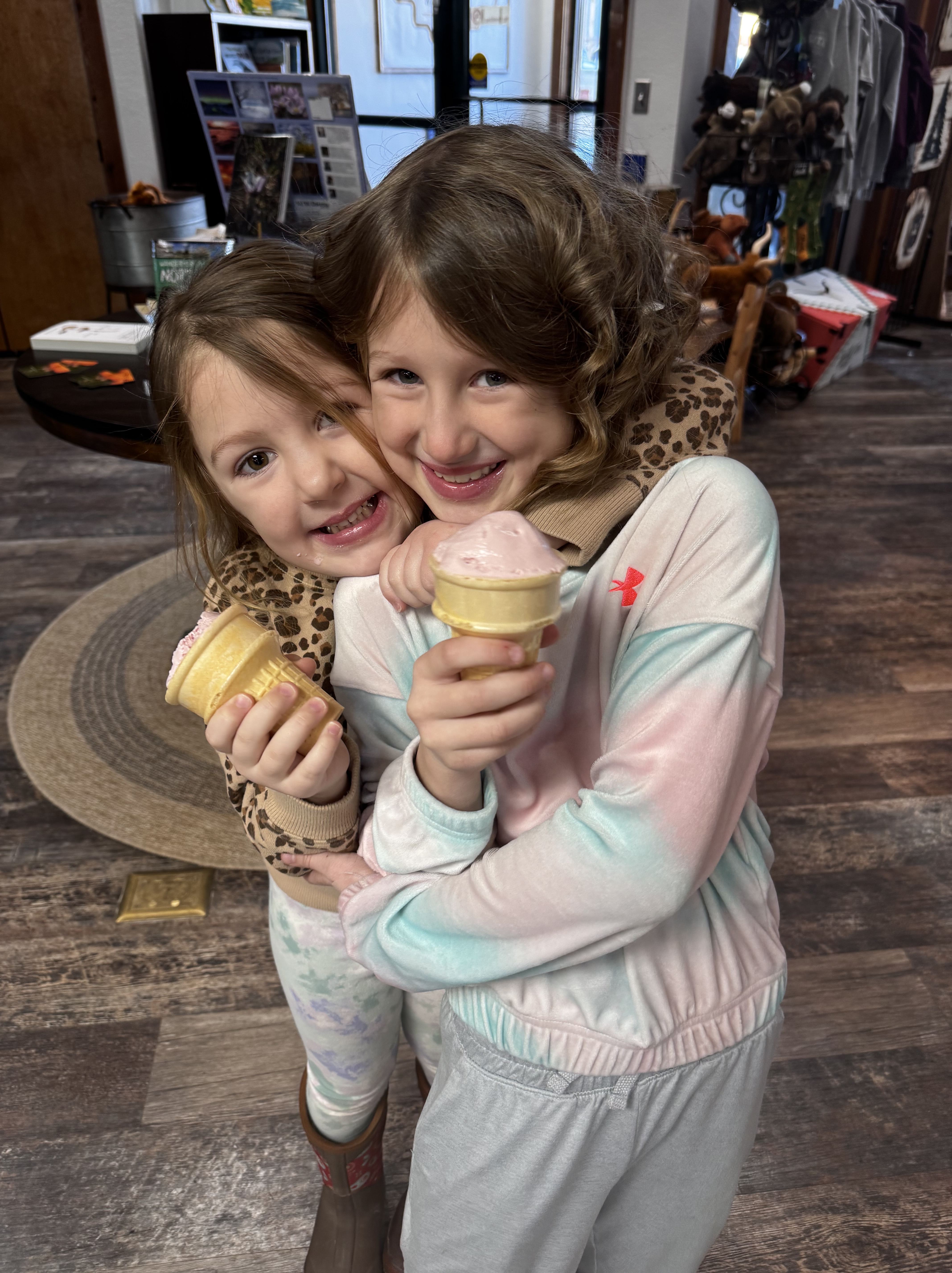
A rainbow appeared in front of us as the girls recounted their harrowing story so they could get it right for daddy when we got home. We stopped in New Town to gas up and take the girls for a bathroom break. As we were walking out the door, Dad stopped. “Ice Cream Drumstick?” he asked, a tradition we have kept on our way home from almost every outdoor summer concert we’ve done throughout my life. “Of course!” I replied. “Lucky us.”

Sweet Clover Season

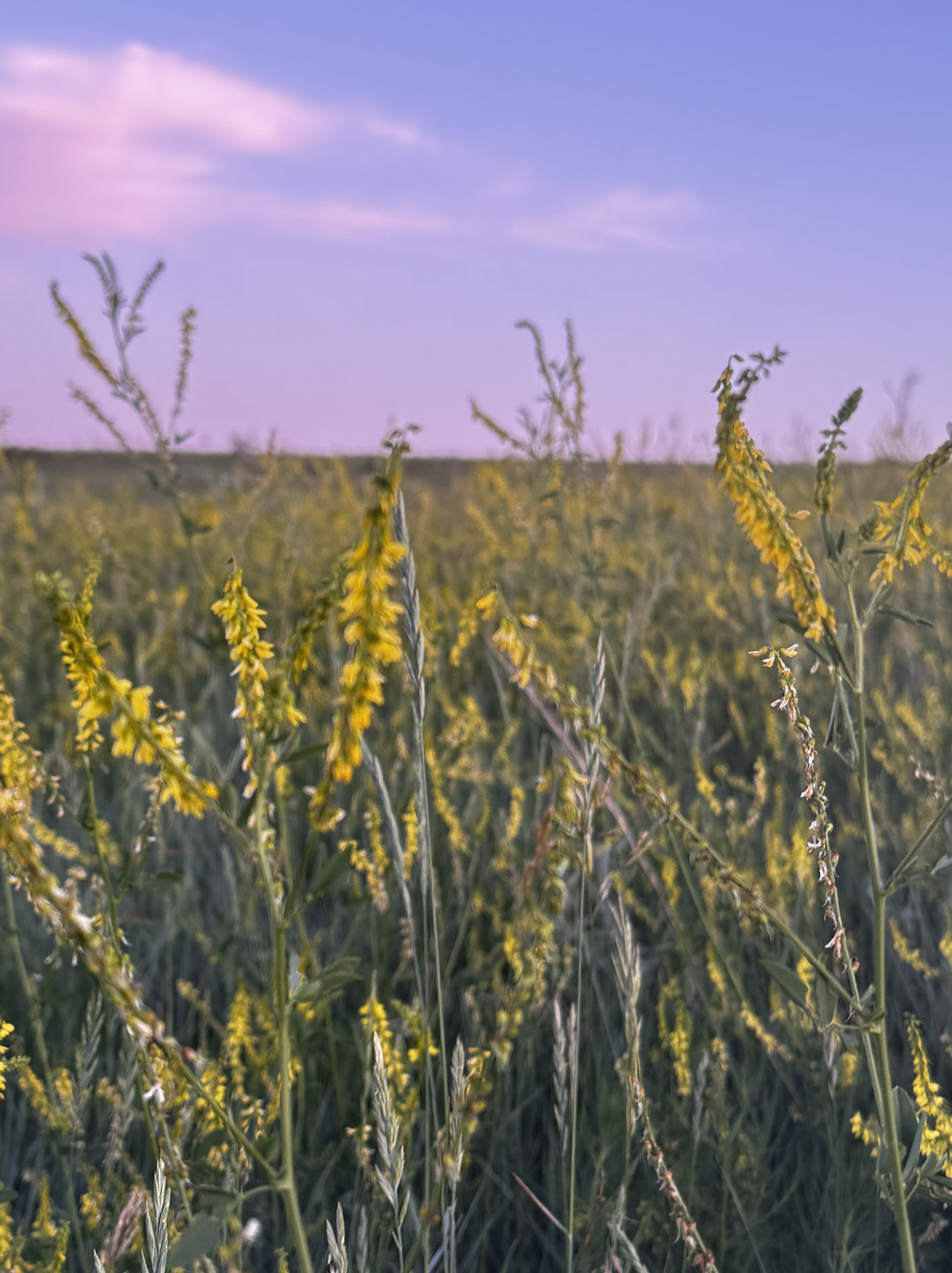
I wish you could smell the sweet clover out here this time of year. I step outside and I’m flooded with a wave of memories of all that I used to be, summer after summer growing up out here. It smells like work and evenings spent sliding down hills on cardboard boxes with my cousins. It smells like ingredients for mud pie and playing house in the lilac bushes by the red barn. It smells like bringing lunch to dad in the field above our house, horseflies and heat biting our skin.

It smells like my first car and the windows rolled down, taking back roads with my best friends as passengers, kicking up dust as we tested the limits of teenage-dom.

It smells like my leaving, bittersweet. My last summer as a kid here before it was time to go and grow up already. Be on my own.

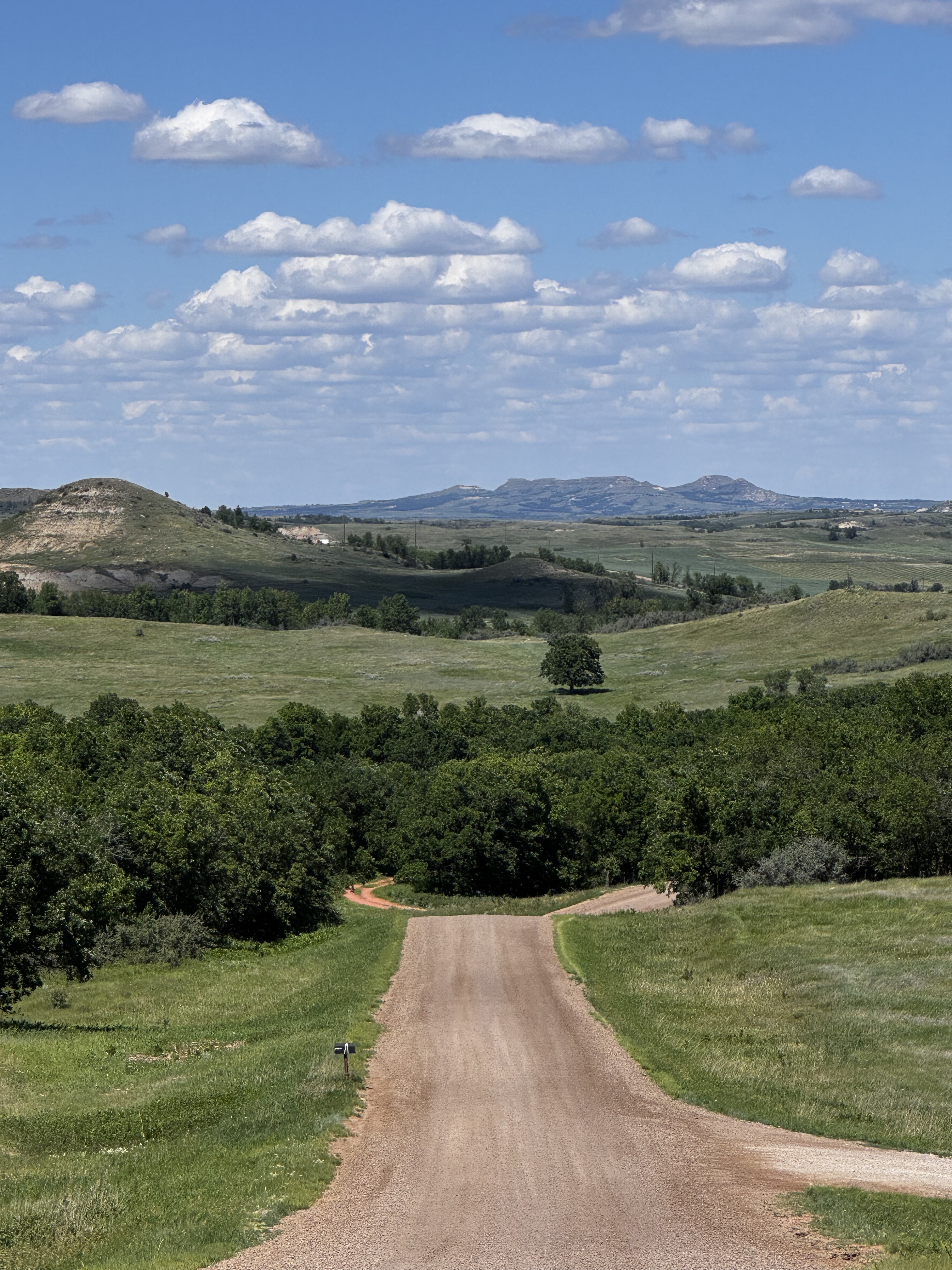
And it smells like coming home, take a right on the pink road, stop at the top of the hill and look at it all before heading down and turning into mom and dad’s for a glass of wine and a steak on the deck that looks out toward the garden and up the crick bed where I used to play everyday.

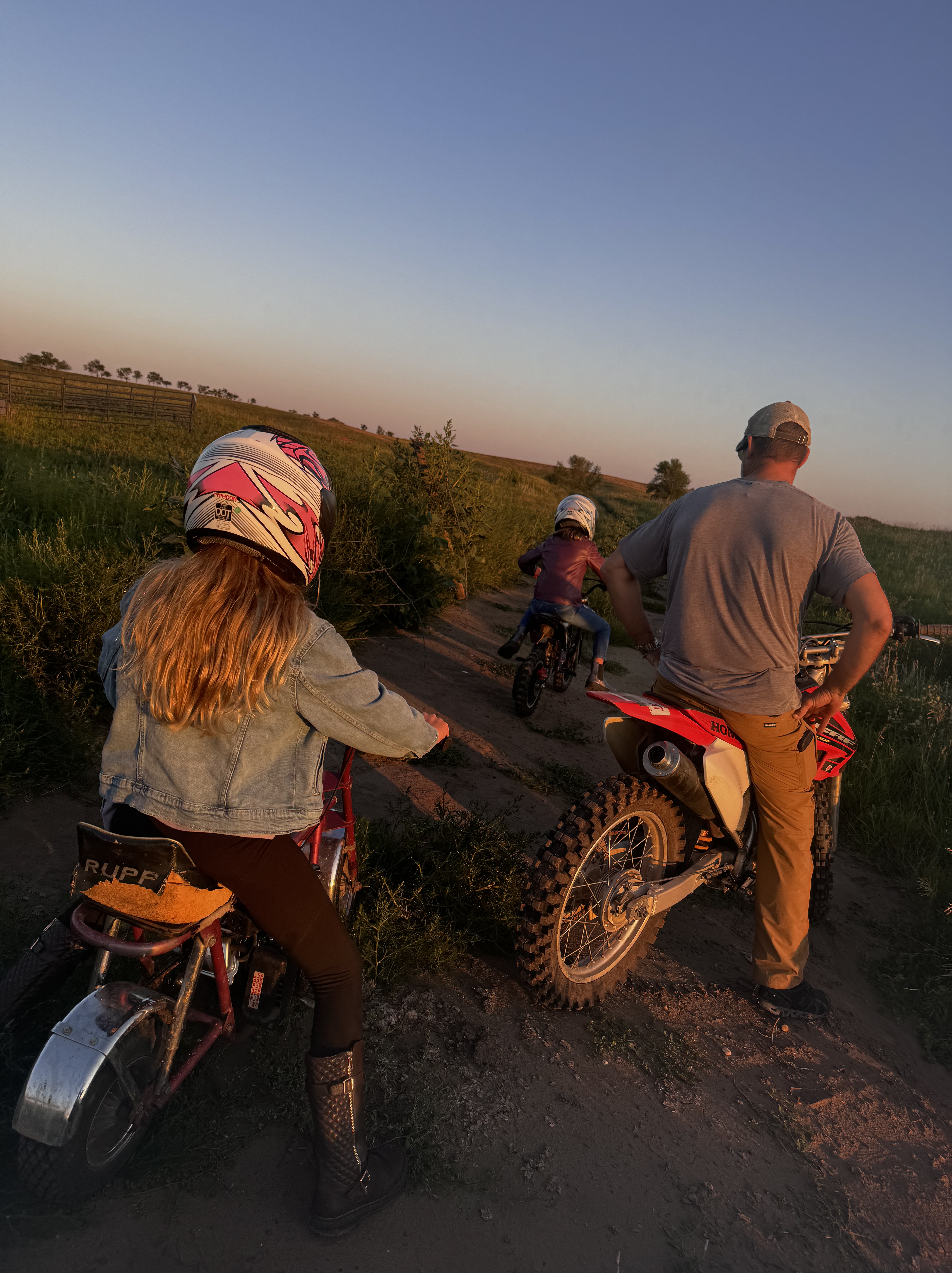
This summer my daughters and their cousins have lived on this landscape, on this ranch, the way kids should. Spinning on the tire swing, hiking up to the top of Pot and Pans, trying to catch fish in the fishless stock dam, zooming on dirt bikes, pushing baby doll strollers in the tall grass and skinning knees on the scoria roads. There was a time when it was quiet out on this homestead place, back when my sisters and I left for the big towns and didn’t dare turn to look back over our shoulders, leaving my parents here to wonder what happens next to the place that has raised us when there is no one left for it to raise.

Fast forward twenty years and the ranch, well, now it’s buzzing, laughing, full of life like I remembered it when I was growing up and our grandparents were alive and serving us push-up pops from the small front porch of their small brown house. Weren’t we all just five years old running through the clover, itching our mosquito bites, begging for popsicles and just one more hour to play outside?

Now we are the ones on the other side of the supper bell. As I type this my daughters are over the hill at their aunt and uncles’ lighting leftover 4th of July smoke bombs on the gravel because it rained. I needed a few minutes to collect my thoughts and it is mid-summer and the smell of that clover makes me lonesome somehow for a life that I am currently living. Do you understand what I mean? That feeling of knowing that it’s fleeting? The clover reminds us and so do the limbs of my daughters stretching up and reaching closer to the sky every minute now. The chubby gone from their rosy cheeks. How many more summers will that clover feel magic? 

All of the summers I hope.

Because I know being here like this, reflecting at my kitchen counter while our children stay up past any reasonable bedtime because it’s summer on the prairie and the light lingers, I know it didn’t come without a cost for our family, keeping it here for us…

I know that we did nothing but be born to people who know the value of the land, not in dollars, but in something that is hard for me to find words for right now.

Pride?

Work?

Home?

A place to belong?

My uncle Wade stops in on his way back to Texas and I live to hear the two brothers remember what it was like to be young out here. Young Wade always found hanging back on a roundup, eating on a Juneberry bush. Dad as a kid getting bucked off on the road when his little brother popped over the hill on his tricycle. Milking cows and riding broncs and chasing girls and growing up together out in these same hills…

How many gloves and hats and scarves have been left dangling in these trees, scooped off heads and hands of little cowboys and cowgirls rushing on the backs of horses running through the trees?

How many wild plum pits have been spit at one another?
How many mud pies have been made in this barnyard, topped off with little pieces of sweet clover.

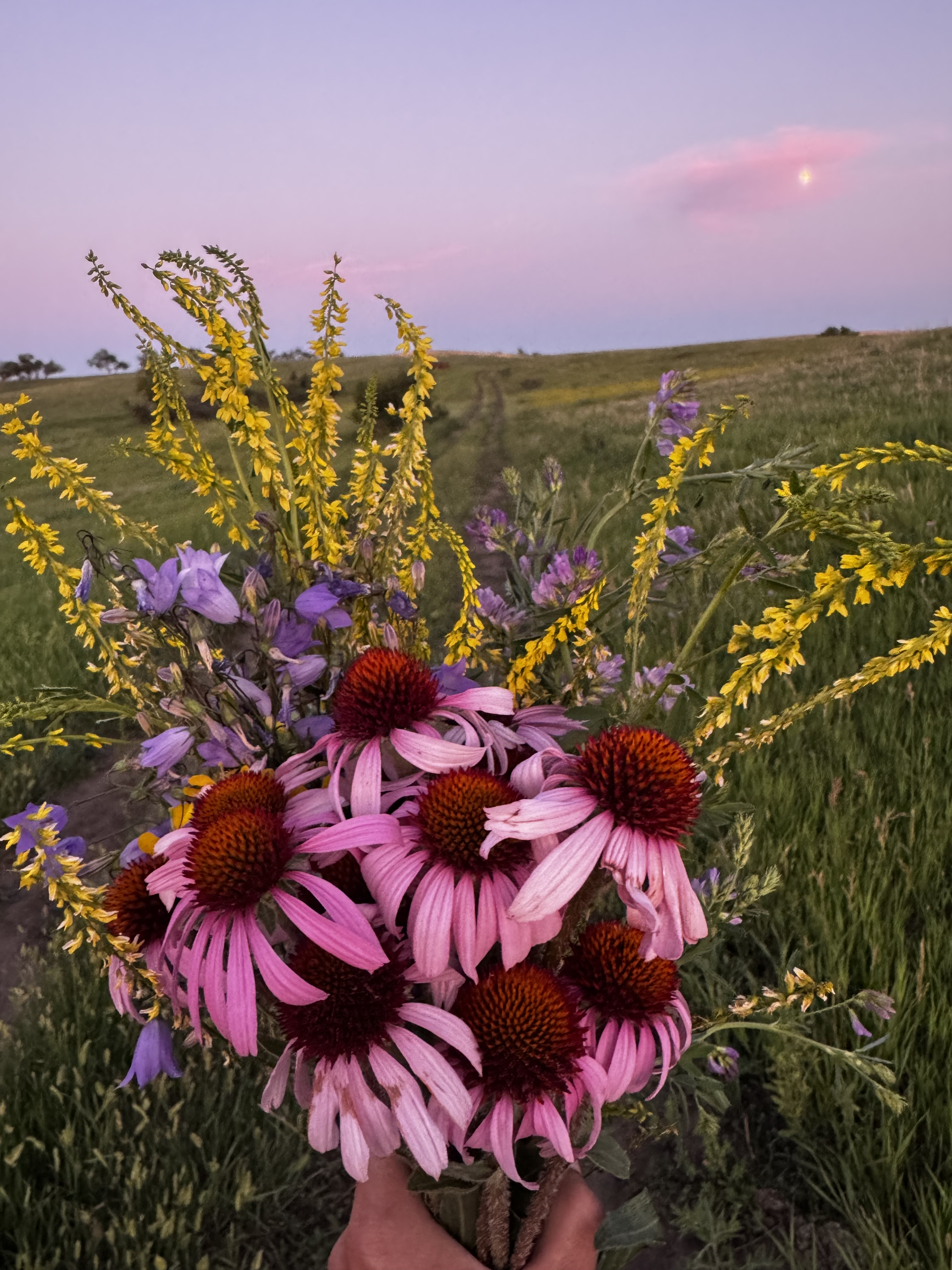
I’ll take that clover. I’ll breathe it in, and I will remember when it itched our bare little legs in the summer while we searched for kittens in the nooks of the red barn. And I’ll be thankful it itches my legs still… because they’ll grow up too fast you know. Just like we did, out here among the clover.

I used to take photographs

I used to take photographs. Not just with my phone, but with a big camera I would tote around almost nightly on my walks through the hills or on rides through the pastures. I would sling it across my body as a constant reminder to stay on the lookout for the way the evening sunset makes the tops of the trees glow or creates a halo around the wild sunflowers if you get down low enough in the grass. There was something about having that camera in my hand that automatically transformed me back into the little girl I used to be out here. To have the task on hand to capture it  reminded me to look out for the wonder. 

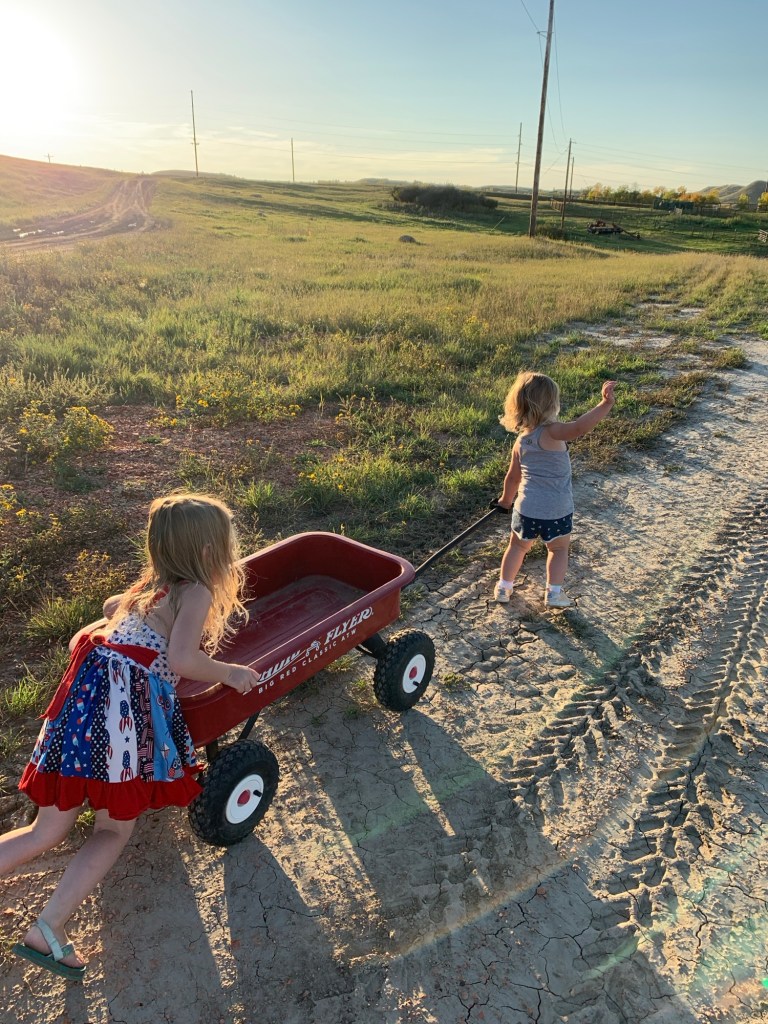
I’m not sure exactly when I put my camera back in the bag and then up on a shelf to collect dust, but I’m pretty sure it was around the time the babies came. I documented my first-born’s every move with that big camera up until her ninth month or so. I know because I have a hundred-page hardcover book to prove it. But then technology turned my phone into a more convenient and quality option and then Rosie arrived and then the wandering changed to carrying one baby in a pack and pulling the other in a wagon down the gravel road. 

How fast this sight has changed

Lately I’ve been feeling farther and farther away from myself. Usually, this sort of ache is reserved for long winter nights, but for some reason, it’s creeping up on me in the change into summer, which has been notorious for snapping me back to myself. I haven’t planted a single tomato plant. The garden isn’t tilled. The horses need about a hundred more rides. My calendar is dinging with deadlines that feel impossible to meet and I find I’m feeling a bit frantic about making sure this summer teaches my daughters some things about responsibility with as much room for play as possible. 

Responsibility and play. I think that might be the never-ending battle we’re all up against. Can they possibly exist together in balance? If you have any sort of roots in ranching or agriculture, I can see you nodding your head along when I say there is never a time where you can relax without thinking you should be doing something more productive. 

Because there is always something to be done here. The barn needs to be torn down and rebuilt this summer and so does the shed. The siding needs to be put on the house and the deck needs to be rebuilt. The old equipment needs to be moved off the hill and we need to resurface the road to the barnyard. We need to rebuild the corrals and spray the burdock plants and ride fences and move cows, and also, we have that day job and softball practice for the kids and the county fair next week. We’re getting none of it done in the process of trying to do all of it. The feeling of being fragmented and frazzled and underprepared for everything is one I can’t shake. A walk to the hilltop to document the wildflowers is the least productive thing on the list. But maybe the thing we need most. 

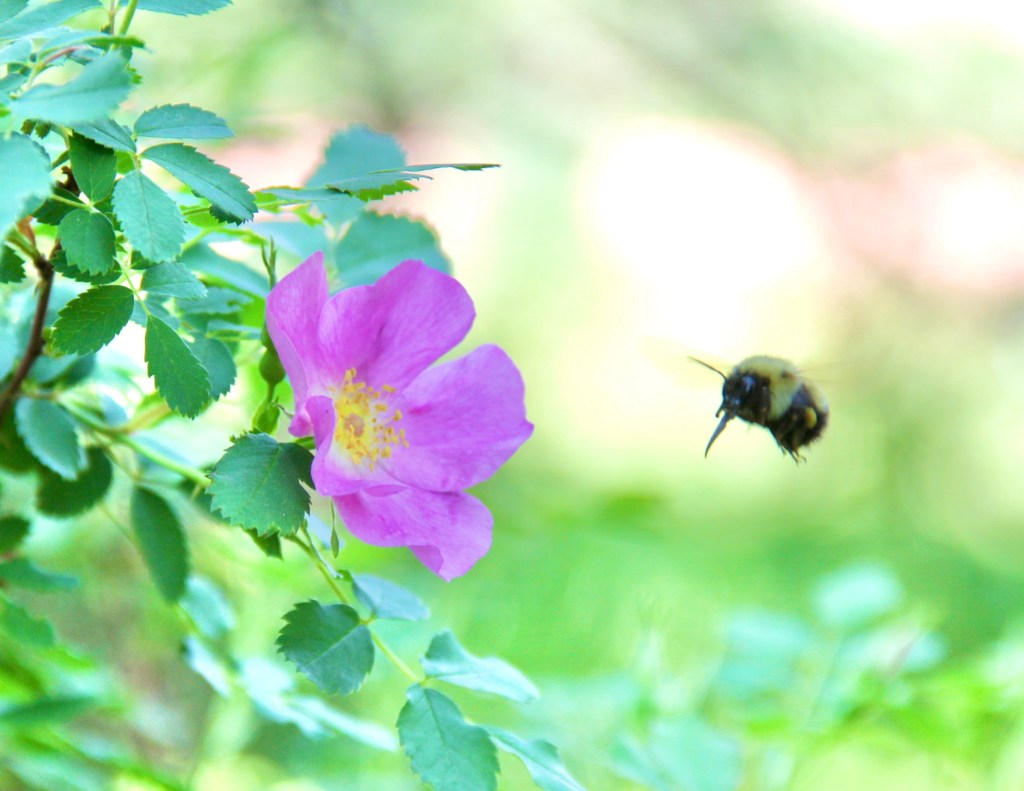
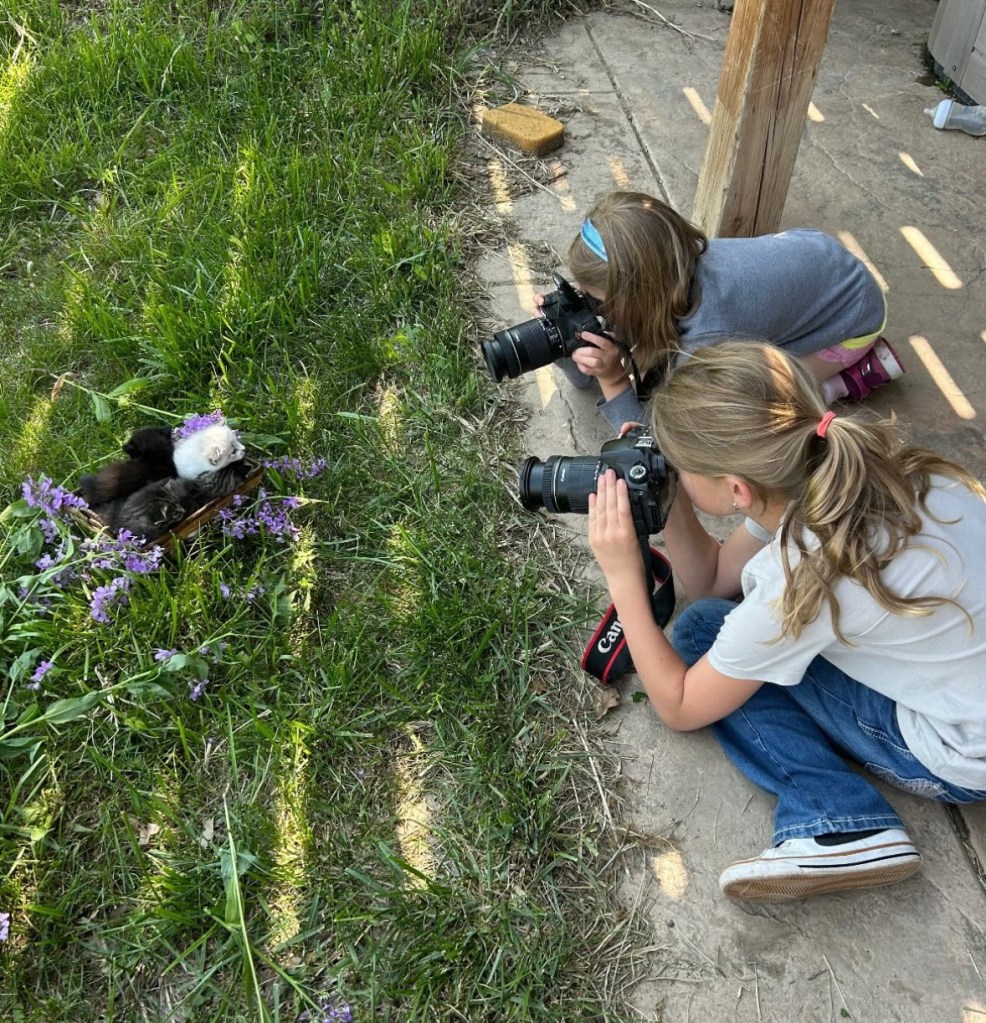
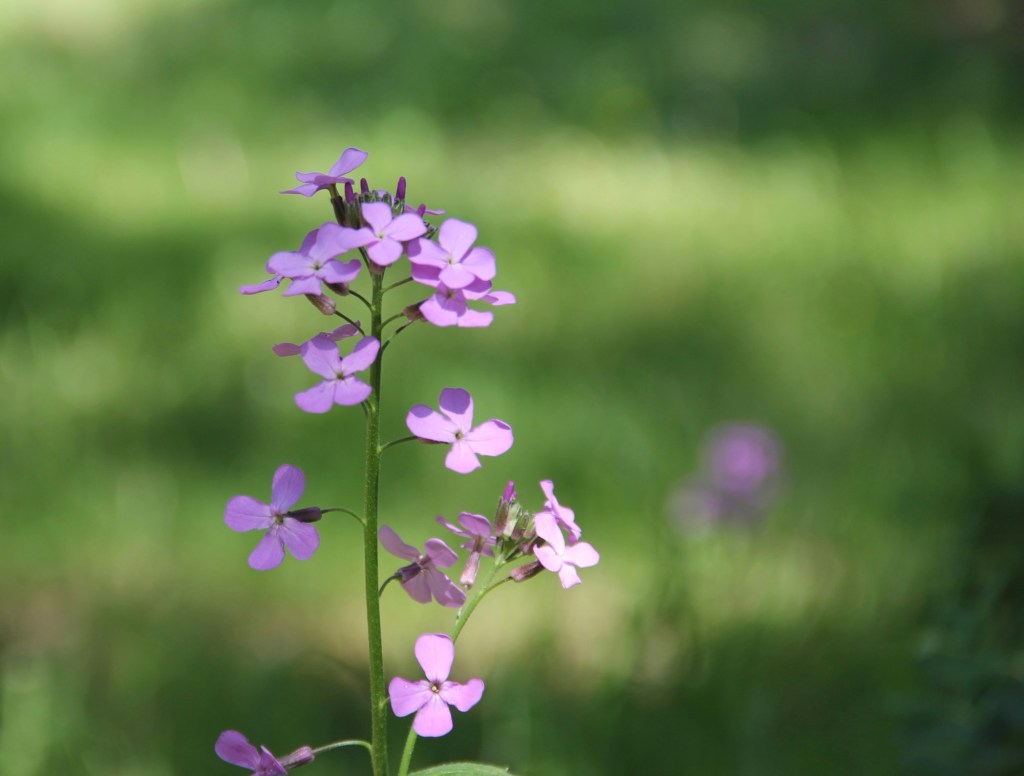
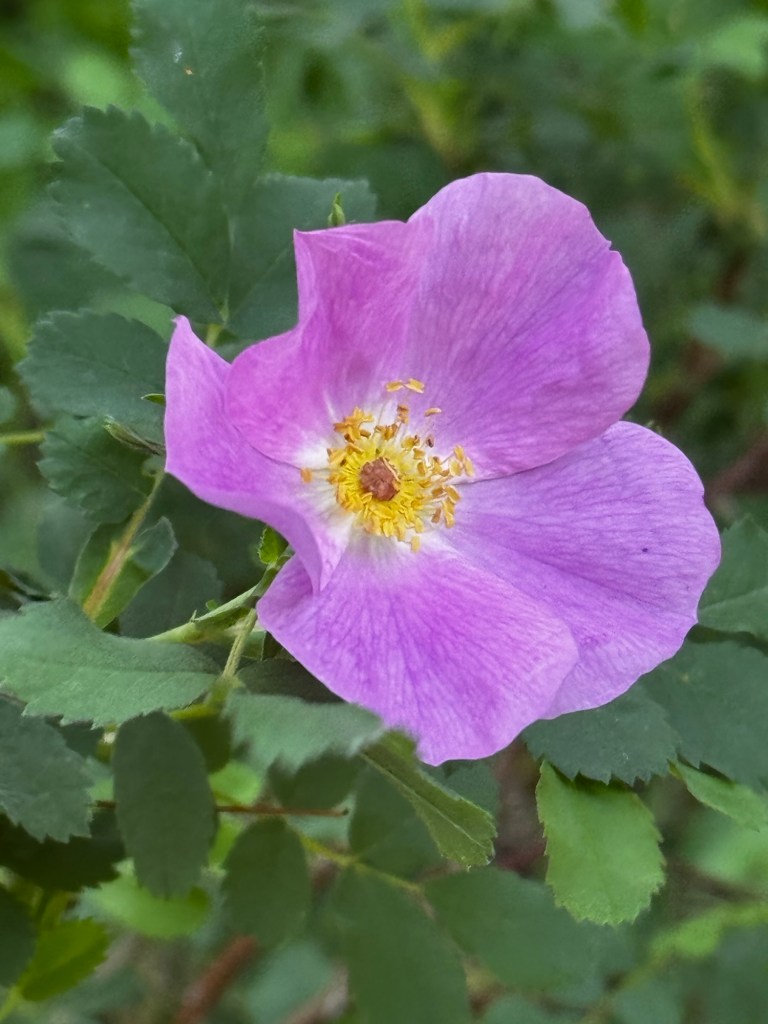
Last week in our efforts to get the kids ready for the county fair, I took that old camera off the shelf and out of its bag. My sister and I signed our oldest daughters up to enter a photography project and it was time we got it done. We walked out into the yard and bent over the little patch of prairie roses in the front yard. I did a little speech about focus and timing and patience and light and looking around for things worth photographing. My niece pointed out how it would be best to crop out the cowpie under the wildflower photo and I said she was right. There is beauty growing right alongside the poop. We just try to focus on the beauty when we’re behind the camera. 

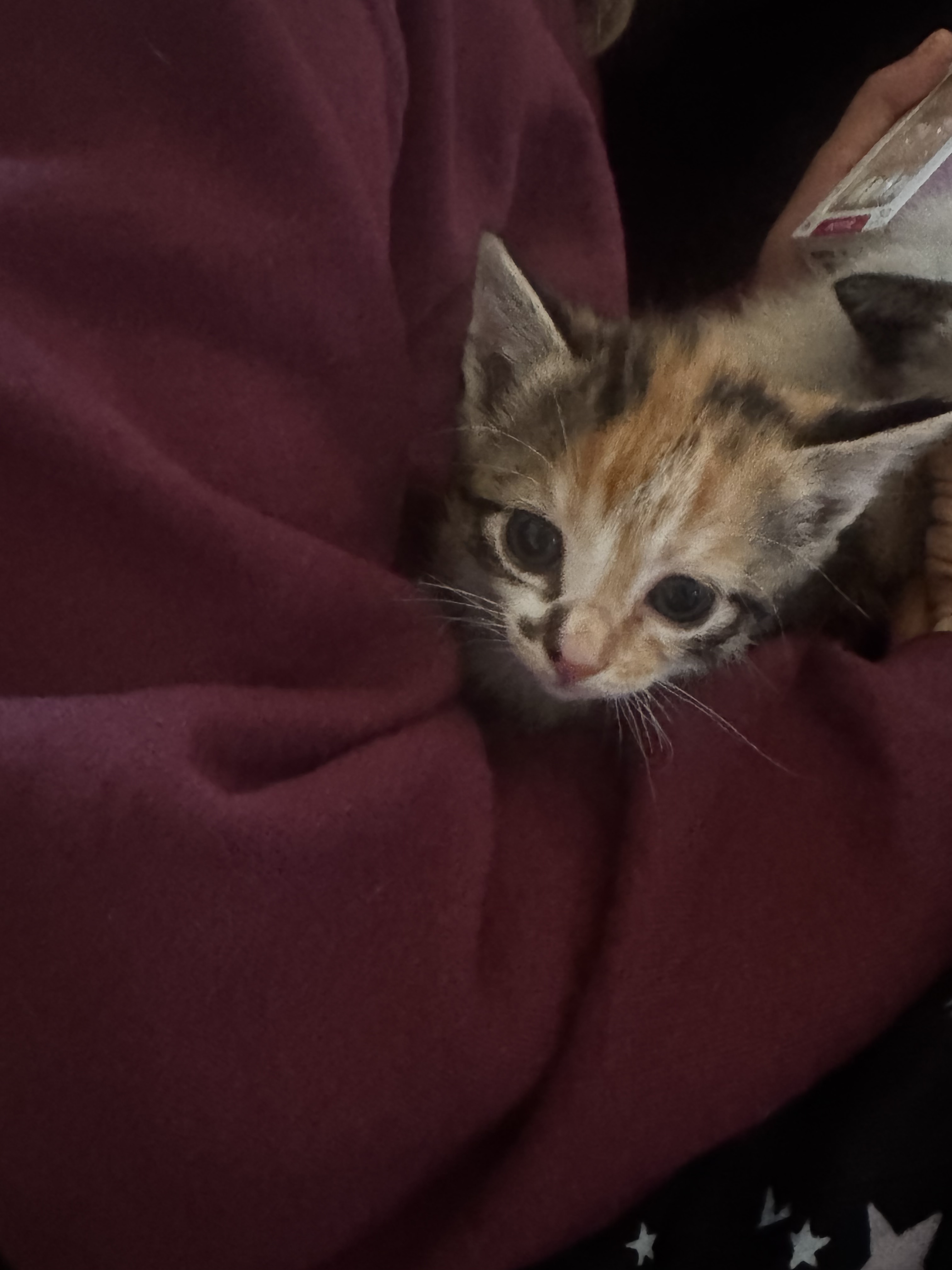
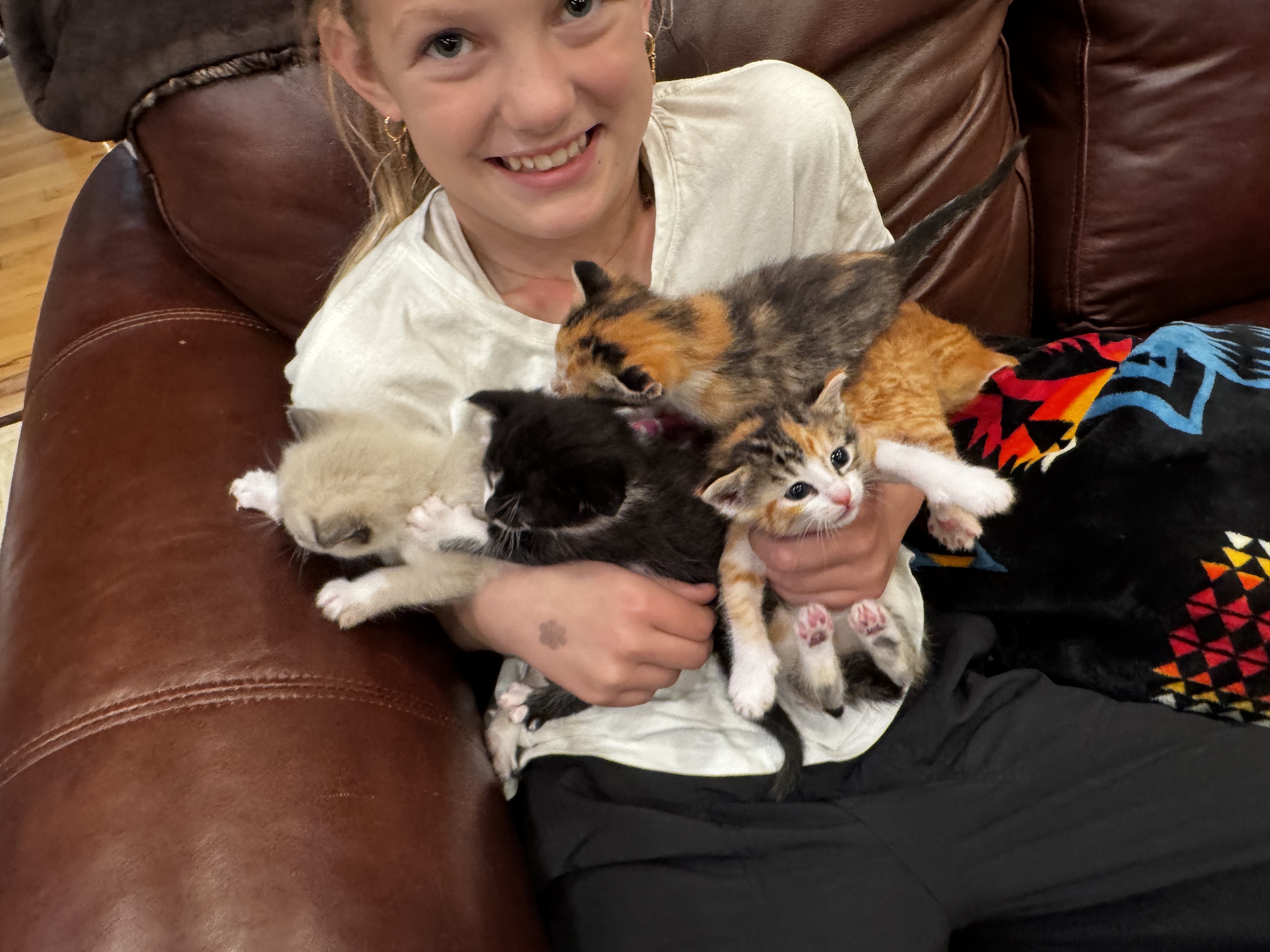
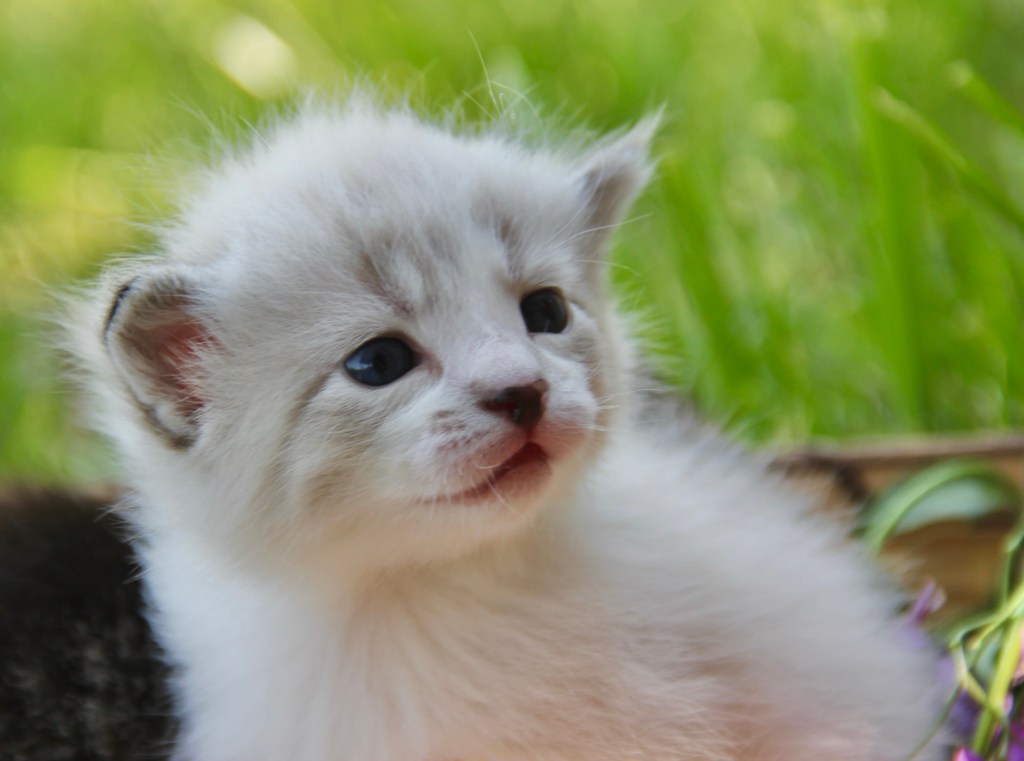
After the wildflower lesson we set our new kittens up in a little basket out on the lawn for a little photoshoot. Those four little fuzz balls were the star of the show for a good fifteen minutes while we worked on catching their best angles and fawned over how sweet they were.

The lawn was long and needed to be mowed. The tomato patch needed to be tilled. My office work was waiting, but I was too busy saying “oh how cute!” and “get a little lower, focus on their eyes,” and “oh my goodness the sweetness,” to think about anything else. I liked the way the world felt to me in the yard that day. 

I think I’ll leave that camera out and within reach this summer…

And I never wanted to leave again

My husband and I spent a brief time living in western Montana when we were first married almost twenty years ago now. It doesn’t seem that long ago when I reach back for a memory there of us and our big brown lab who was just turning from puppy to real dog, maybe sort of like our marriage. 

We chose the mountains as a challenge to pick a spot to live and that sounded adventurous before we completely settled down at the ranch. We had been married the year before and my husband needed to finish his college degree after spending as much time as a man needed as a roughneck in the oil fields. I had been touring up and down the Midwest, particularly the interstates and state highways of Nebraska, Kansas, Iowa, Wisconsin, Illinois and Minnesota. I would take my husband with me when his four days off aligned with my time on the road. Our honeymoon, for example, was spent in Redfield South Dakota, a tiny town of 2,000 just south of Aberdeen. I had been hired to perform at a company picnic and so off we went for four hundred miles, nearly running out of gas when we miscalculated the distance between towns. 

We could have been in Jamaica like normal newlyweds, but on our way home, we stayed at the Hotel Donaldson in Fargo to be fancy and bought a new refrigerator and microwave at with our wedding money only to discover they were much too big to fit in the tiny ranch house where were living. So, we sold them to his parents. 

Living together as husband and wife in my grandma’s tiny house next to the red barn on the ranch where I was raised when we were so young made us feel uneasy, I think, only because we wondered if it might be too good to be true. We couldn’t possibly be here already; with jobs and bills and the brown lab puppy I bought for him for his birthday. If we stayed here for the rest of our lives, would we grow to resent it? Would we blame every mistake and wrong turn and unsettled argument on the fact that we never spread our wings too far together? What if we became unhappy? Would there be a way we dared blame it on the ranch and the small town that raised us and pulled us back? 
And so, we narrowed it down to two choices. Wynona, Minnesota because once I sang there and brought my husband along and we visited a cute coffeeshop and walked along the river and climbed to the top of a bluff and we liked how it looked like a movie scene from far away, even in the ugly and brown part of March. And then we went to Wabasha and watched the bald eagles and toured the famous restaurant and places that inspired the 90s movie Grumpy Old Men. We got a kick out of all of it. And Wynona had a college with the right program.

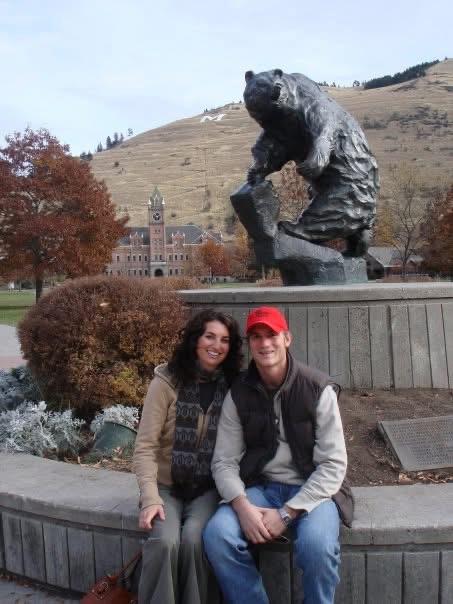
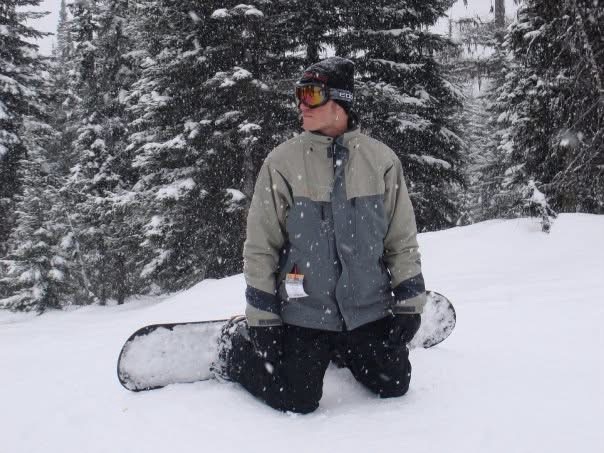
And so did Missoula. We hadn’t been there before, but as prairie kids we romanticized the mountains and so that’s what won. Seems like the mountains always win. Who could argue with a college credit in snowboarding and professors who wore Birkenstocks before every teenage girl in the country wore Birkenstocks. We brought our dog, and I brought my guitar and I doubt we had too much else. Maybe a bed and my mom’s old leather couch. We found a cheap place to live, and I found a job and he went to school and we looked for places to find ourselves in the mountains every night and every weekend and we wanted to love it. And maybe we did a bit. But looking back on it now it seems like we spent most of our time trying to climb out so we could see the horizon and the weather coming. So we could get away from the endless swarm of people looking to be found too. 

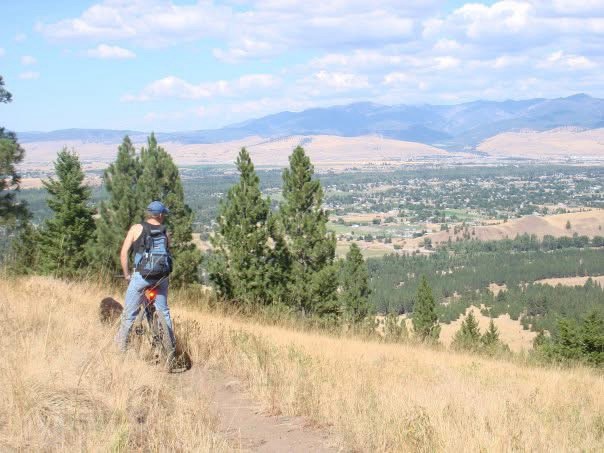
My favorite hiking spot was the bald face of a mountain outside of town where nothing but prairie grass grew and the trail was cut like a switchback the way the cows and deer and elk would do it at home. There were no surprises there. I could see the sky. 

I lost my first pregnancy in that little condo in Missoula. My husband had already moved back to North Dakota to take a job offer and I stayed behind with the dog and nothing but an air mattress and a suitcase left in the space. It wasn’t time for us to be parents. We were not ready. But it didn’t feel that way when I was alone and wailing. My dad came to get me, my husband couldn’t leave. I protested. I’m like that lab, when I’m hurt I want to hide out under the deck and be alone. 

And that was that. We gave it a year for the mountains to enchant us. But nothing compared to the place that loved us first. After the long trip home, I climbed to the top of my own hill. It wasn’t a mountain, but the view was better. I cried the cry of someone who had lost something. I cried the cry of relief. I cried the cry of uncertainty. I cried the cry of being loved. I cried the cry of being home. 

And I’ve cried that cry a thousand times since, but I’ve never wanted to leave again…


To be wild with us…

When I was a little girl, my favorite book of all time was “My Side of the Mountain.” It’s a classic, about a boy who finds himself living away from home in the wilderness of the mountains inside of a giant hollowed out tree. I can’t remember the exact story now or why he was alone out there, funny how those details escape me no matter how many times I went over the pages and marked my favorite parts. The parts where there were diagrams of how to build a fire with no supplies and something about a windmill and making a spear for fishing.

I still have the book buried somewhere deep in the rubble of the basement. It was one I could not give up to charity or to my younger sister. It’s sitting there among the books about horses and misfit dogs, prairie children and my other favorite, “Misty from Chincateague,” about two siblings who save money to save a rescued wild horse from an island.

I wanted to be these kids. I wanted to be the free-spirited girl who broke the free-spirited horse. I wanted to break the rules. I wanted to tame a wolf puppy, train a wild falcon to hunt, catch fish with a spear I sharpened out of a tree branch and exist in a faraway time where those things were necessary for survival.

Forget microwave popcorn and video games, I wanted adventure!

I’m sure I wasn’t unlike most kids at 9 or 10 or 11 years old. At that age most of us were lost in some sort of fantasy with little more confidence than we had experience at the real world. So I’d like to think that it wasn’t that unusual that as a kid who already lived about as far out in the middle of nowhere as anyone could live, I had convinced myself that I could survive out in the wilderness alone. Without a house. Or a toilet. Or my mom’s cheeseburger chowder.

In the evenings I would step off the bus from a day at country school, grab a snack, and head out up the creek behind our house. For months I would work on building what I called “secret forts” all along the creek that winds through our ranch. Looking back on it now, these forts weren’t that secret at all, in fact, you could probably see one from the kitchen window, but I was deep in my own imagination as much as I was in the oaks and brush that grew along the bank. I would identify just the right tree and use it as a frame to create a sort of tent-like structure out of fallen logs. And then I would begin the tedious process of locating and dragging fallen branches out of their place under overgrown vegetation and fallen leaves back to my tree to hoist them up to rest next to the last one I had managed to maneuver. And when it was complete I would lay down inside of it. And under the flawed “shelter” of fifty logs leaning on a tree and plan my next move. I would need a door. Yes. I could make it the way I imagined Huck Finn made his raft. I would need some rope. And a knife. I wonder if dad had an extra knife in his dresser drawer. I need some sort of blanket. Oh, and a fire. Of course!

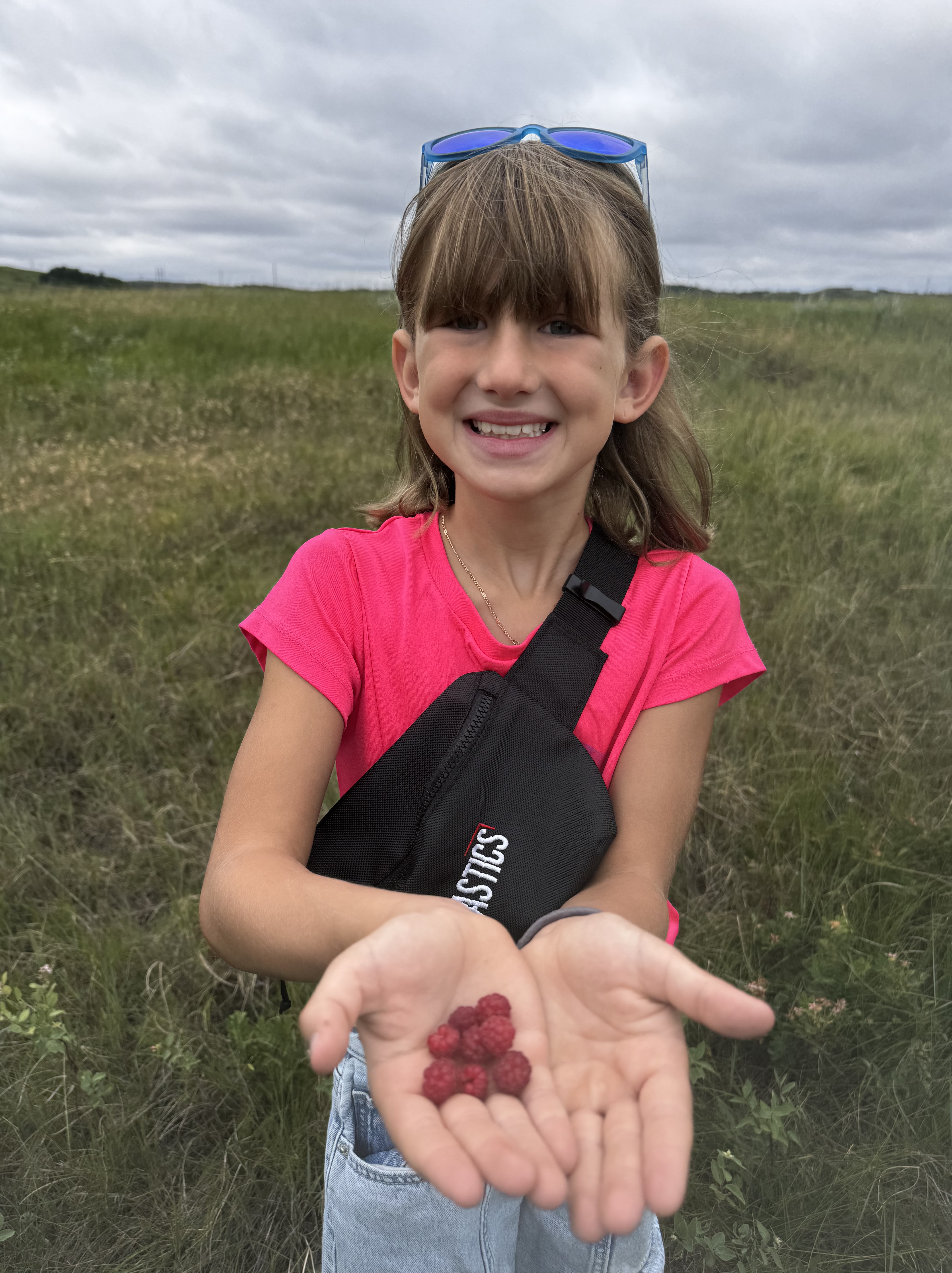
I would be scouring the creek bottom for granite rocks to arrange in a fire circle when the sun sink down below the banks and I would decide I wasn’t quite ready to spend the night. Besides, I forgot to bring a snack and the wild raspberries weren’t quite ripe yet. Taking one last look at my creation and deciding to reevaluate the next afternoon, I would turn my back to it and follow the cow trail back toward the house where my little sister was likely lurking in the shadows, having found my path again, begging me to let her help next time. Begging me to let her in the fort as the sun gave off its last light and we argued and grappled until we could smell dad’s steaks on the grill or mom’s soup on the stove.

This was my daily ritual for months and one of my signature childhood memories. Eventually I gave in and helped my little sister build her own fort. A much smaller fort. Across the creek. Out of site. I thought I wanted to be alone out there, left to my own survival skills, but it turned out that having company was a nice addition, no matter how stubborn and annoyingly curious that company might be. So we built a tin-can telephone that stretched from my fort to hers and brought down old chair cushions from the shed, searched for wild berries, tried to catch frogs and minnows in the beaver dam and spent our evenings planning our next move: spending the night.

But we never did it. We never spent the night. Summer gave way to fall, and the leaves fell and covered the floor of our paradise. We would pull on our beanies, mittens and boots and trudge down the freezing creek to clear out the fire ring we weren’t yet brave enough to use. And then the cold set in and the snow came, and the neighbor girls called us to go sledding and our dream of being wilderness women collected snow and waited on a warmer season.

I can’t help but think about those girls on days like these when the warmer weather finally gives in and releases the snow to flow as wild water in the draws and you can smell the dirt again at long last. I get a call from my little sister. She’s driving our daughters home from town. “Can I steal your girls and bring them to the crick? The water is running, I want to take them to follow it.”

Ten-year-old me would be happy to know it, our little sister still just over the hill, a tin-can telephone call away, still following that crick and begging to be wild with us…


How we survive the deep freeze

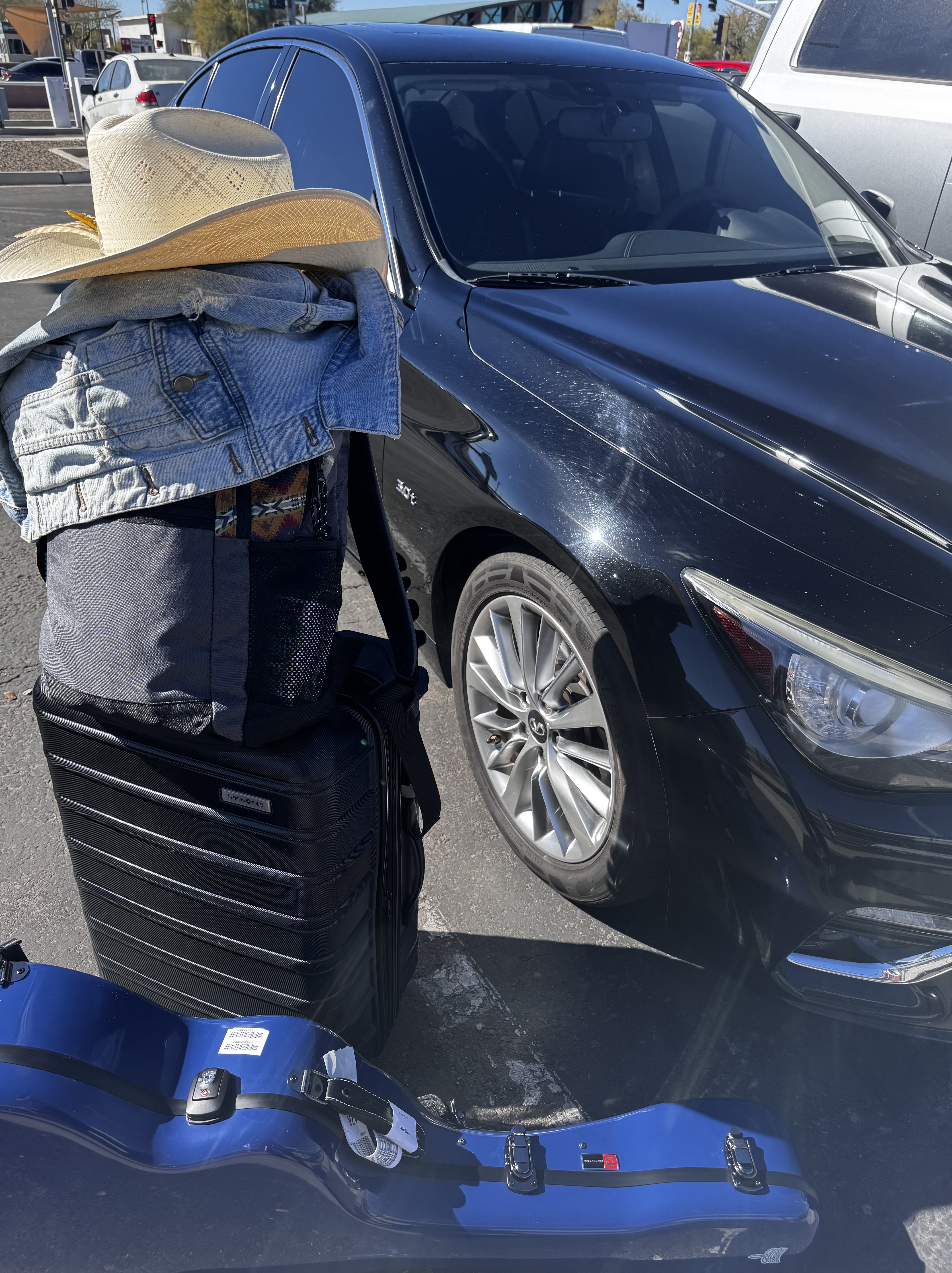
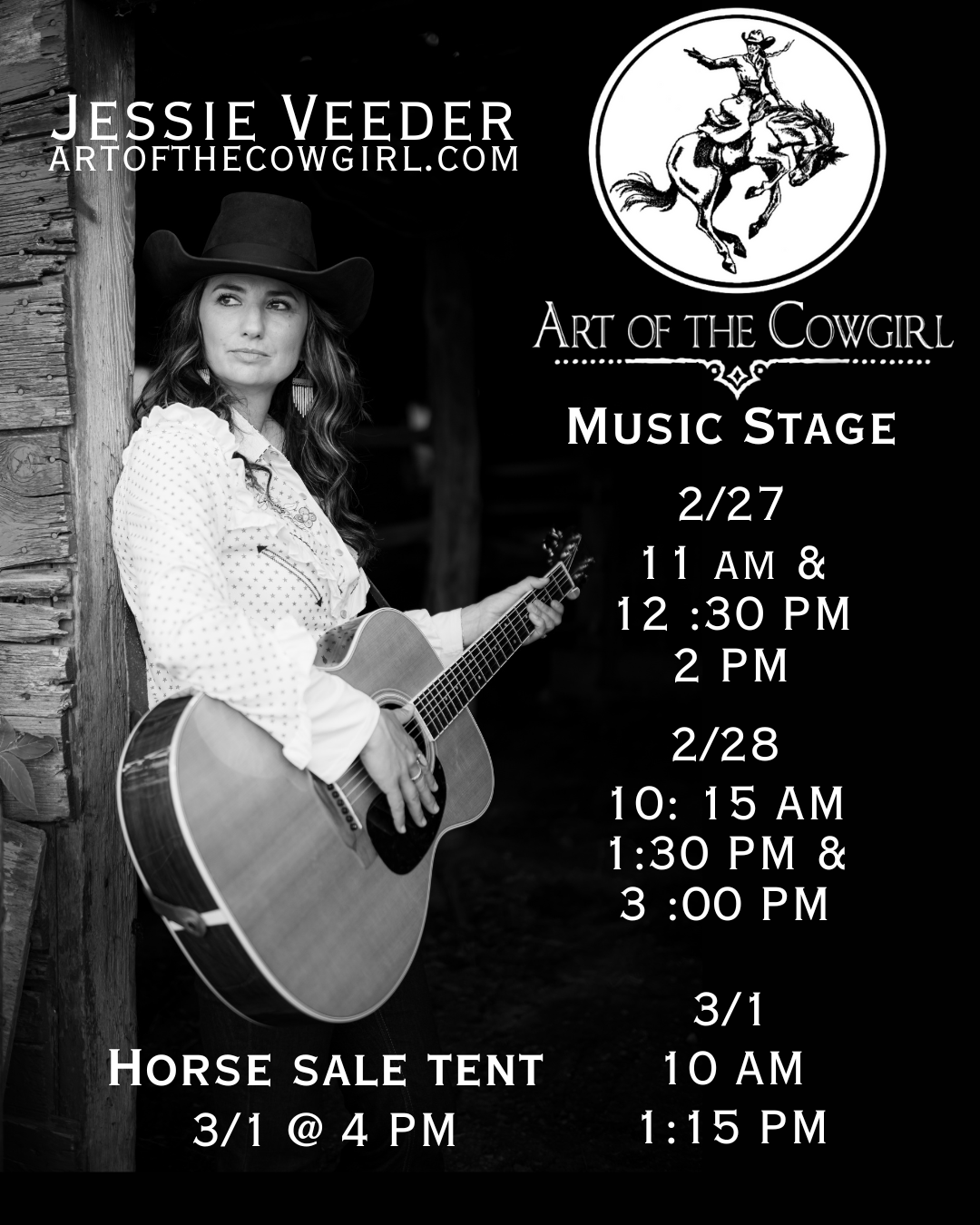
Full disclosure, I am posting this from my perch for the week in Arizona, where I am performing and hanging out in the Author’s Tent at the Art of the Cowgirl event in Wickenburg. And since this week’s column is all about getting ourselves out of the deep freeze that was -40 a week ago, the temperature shift I experienced upon landing and walking out to my rental car yesterday damn near sent me into shock. Like, my body was suddenly 125 degrees warmer than last Monday. What a time to be alive!

Anyway, I’m beyond excited to be included in Art of the Cowgirl and am looking forward to performing and meeting these wonderful women, horsewomen, authors, entertainers and guests all gathering in the name of some of the best things. If you’re in the area, stop by and say hi! Here’s my schedule.

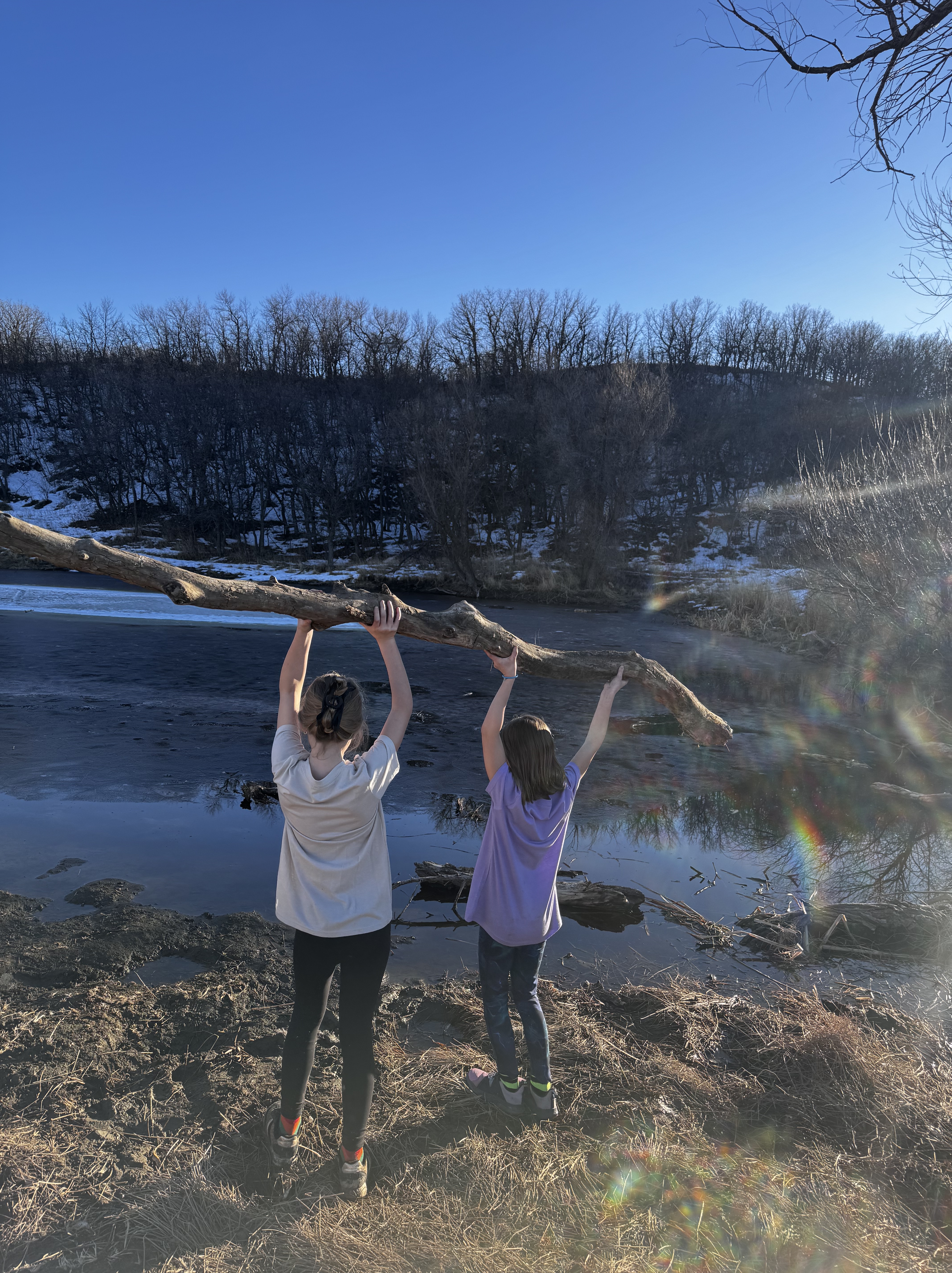
Anyway, back to the great white north, which is melting now. The girls are thrilled to be following the creek rushing as the thaw hit. One more month and there will be baby calves and crocuses and it can’t come soon enough!

How we survive the deep freeze

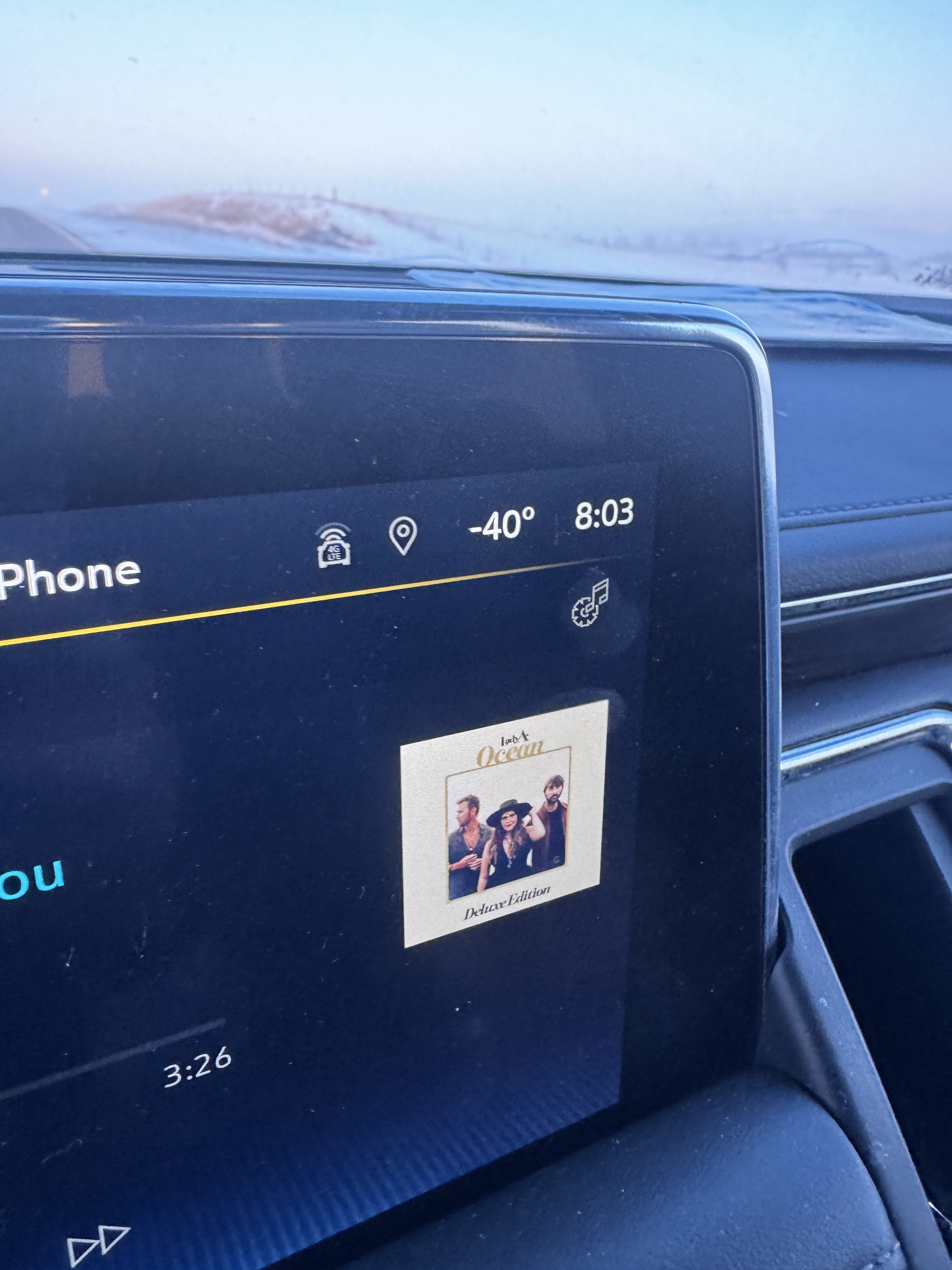
By the time you read this we will have pulled ourselves out of the deep freeze that lingered over us in North Dakota in February. This morning, at 8 am, the temperature on my SUV read -35. On Monday it ready -40.

I don’t recall that I’ve ever seen -40 in my life up here, but that seemed like a perfect time for our furnace to go out. So it did.

When it’s this cold, things just break. Sometimes that also includes our spirits, which seem to be dangling by a thread lately. But I tell you, my kids, they’re really trying.

On our drive to school, I heard my oldest explaining how much of a relief it’s going to be when it hits 20 degrees on Friday. Her cousin wasn’t convinced and so she reassured. “Twenty degrees? That not even chilly. That’s pretty much, like, warm. Probably won’t even need your hat.” Considering it will be a sixty-degree temperature shift, these kids up here will be coming to school in shorts.

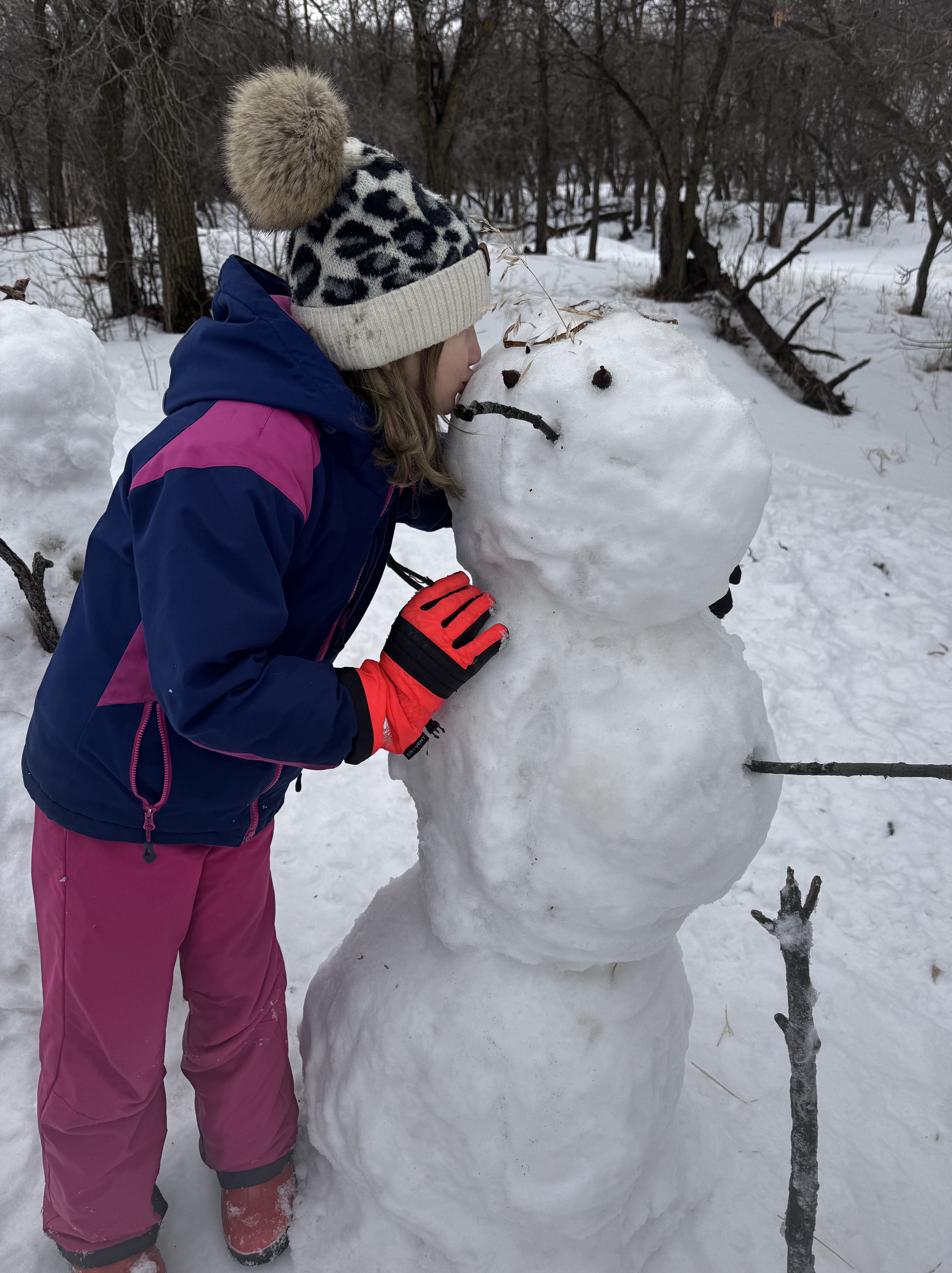
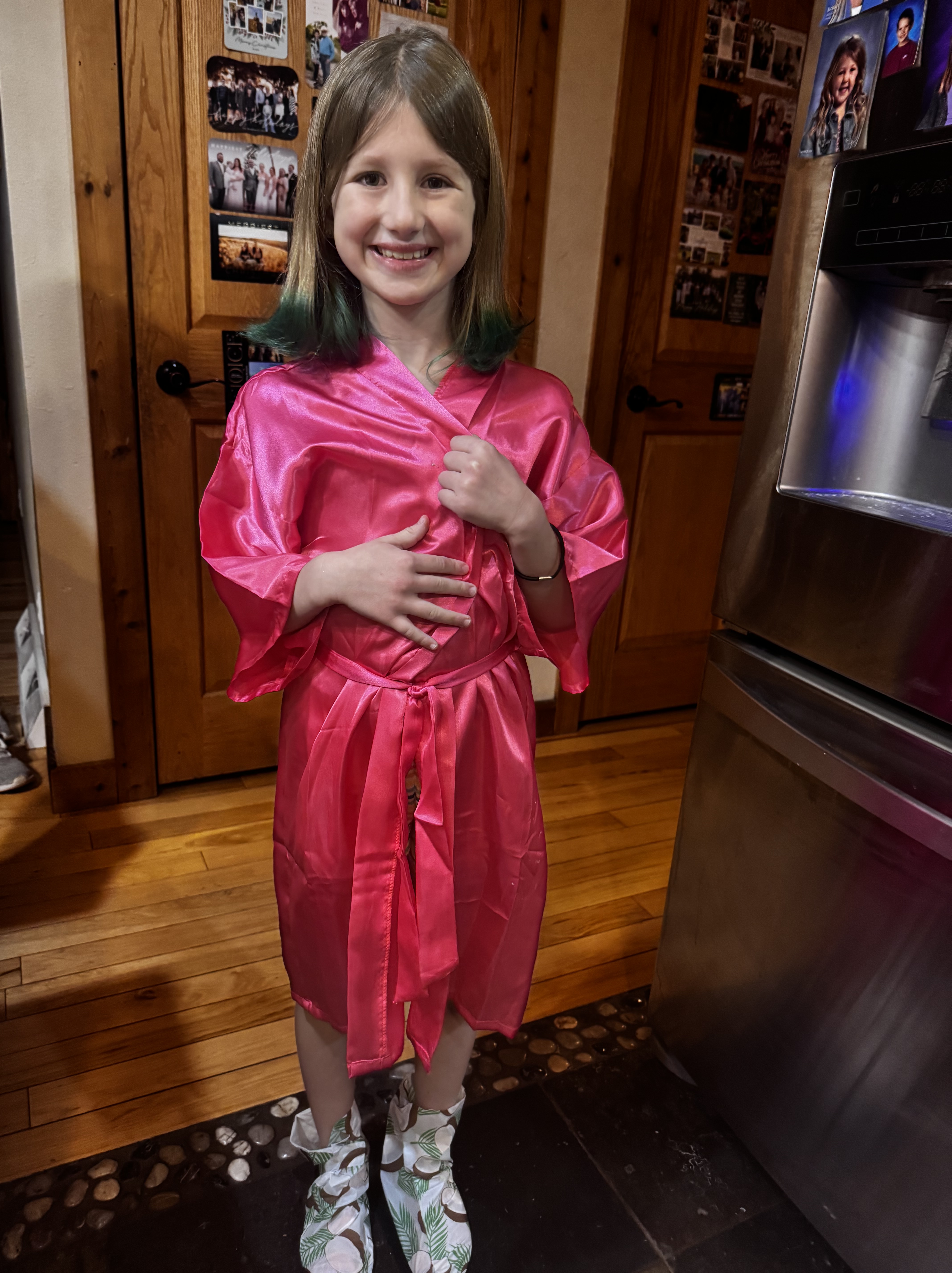
Edie gave Rosie a spa day. Self care is important when the cold is trying to kill you.

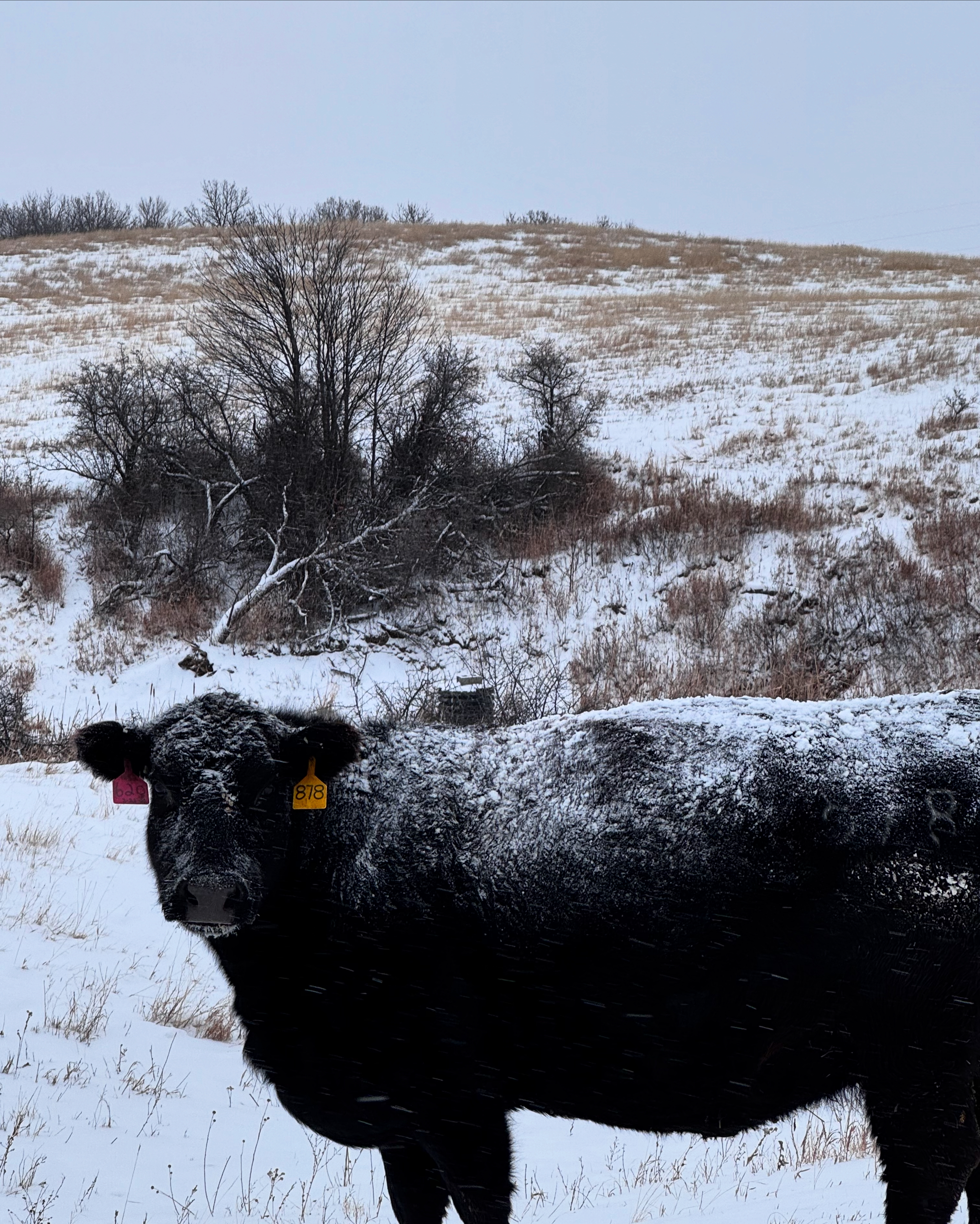
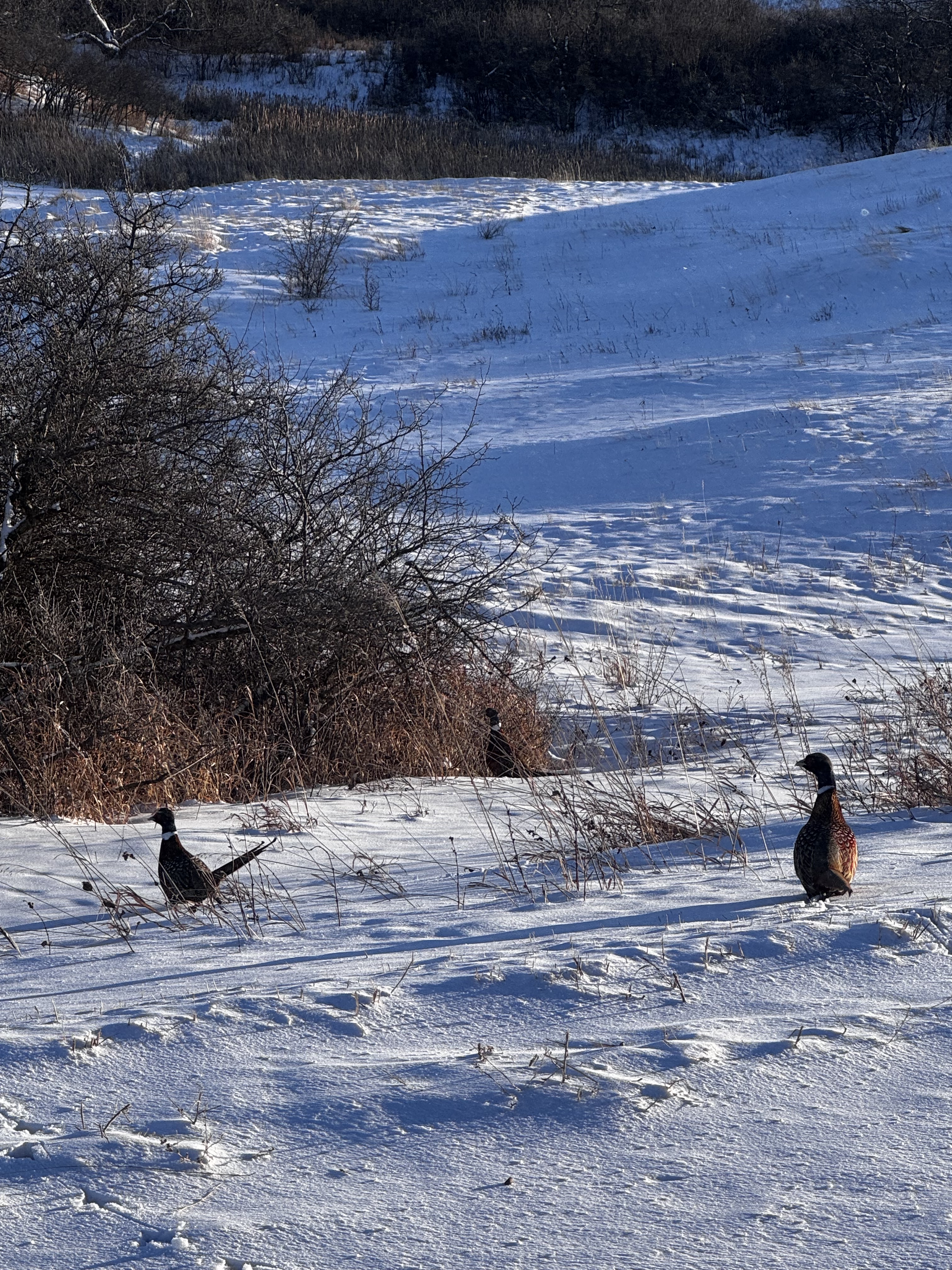
Because they haven’t had recess in weeks, the busses aren’t running properly, water pipes freeze and tractors refuse to start. We drove by the cows and horses this morning and they’re covered in frost, sparkling and chewing and laying in the hay, surrounded by the turkeys and pheasants picking at the leftover cake. Edie thought we should build them a big dome to keep them warm, but they seemed ok laying in the morning sun. They were bred to be this hearty, as long as my dad comes every day to feed that hay and cake in a protected spot out of the wind and break the ice on the water tanks. It seems contradictory, but when snow sits on the backs of the cows, that’s a good indication that they’re retaining thier body heat, well insulated against the cold weather.

The same goes for horses and the wild animals too, like that young, orphaned deer that dad says comes in to feed with the herd almost every day.

This place seems to hold plenty of little secrets like that on survival and adaptation, in particular. That little deer, when he lost his herd, he found a new one. Those turkeys have been storing up fat all year for these cold temperatures, fluffing up their feathers to create air pockets that trap the heat and roosting in the thick and protected brush at night. The pheasants have been saving too and find shelter in the thick grass and cattails in the draws.

It’s hard to believe in a month or so the crocuses will poke their heads out to the sun, growing best in rocky soil, using the warmth from nearby stones to thrive in the early chill of spring.

I think in the deep freeze of winter is when us humans need to take a cue from these animals and lean on our ancestral instincts the most. Even with the most modern amenities and the many ways we work and entertain one another, amid a deep freeze like this, we need to simply be together. We may not technically need this coping skill to keep one another warm (unless you’re like us and your furnace fails you) but just as importantly we need to remind each other of the promise of spring.

“Remember when it was 100 degrees are our air conditioning went out and we had company coming?” I ask my husband as he tinkered with wiring in the furnace room. 

I don’t know if that was as helpful as Rosie planning our trip to Florida.

“We’re going to have to dig our shorts out of the bottom of the drawers!” she exclaimed bundled in the back of the car with a blanket tucked up under her chin.

“And we’ll go to the beach. I’ve never been to the beach!” Edie added.

“Yeah!” my niece chimed in. “It’s going to be so fun. And so warm!!”

Look at us, just like the crocuses, using the warmth of our surroundings to pull us through. Look at us, just like that little deer, relying on our heard. Look at us, like the wild birds, fluffing our feathers, pulling through…

The Magpies are Back

“The magpies are back,” my dad said casually in conversation while we were driving somewhere. Or maybe he was in the middle of putting honey in his tea at my kitchen counter while the kids interrupted us endlessly?

The magpies are back.

“I saw that!” I replied. “Saw one the other day near the barn.” And that was sort of that — a nice little revelation among talk about work and ranch plans and weather. It was weeks ago, but when I opened my notes this morning, I saw that I wrote it down.

“The magpies are back.” I had put it in writing so I wouldn’t forget to think about it later.

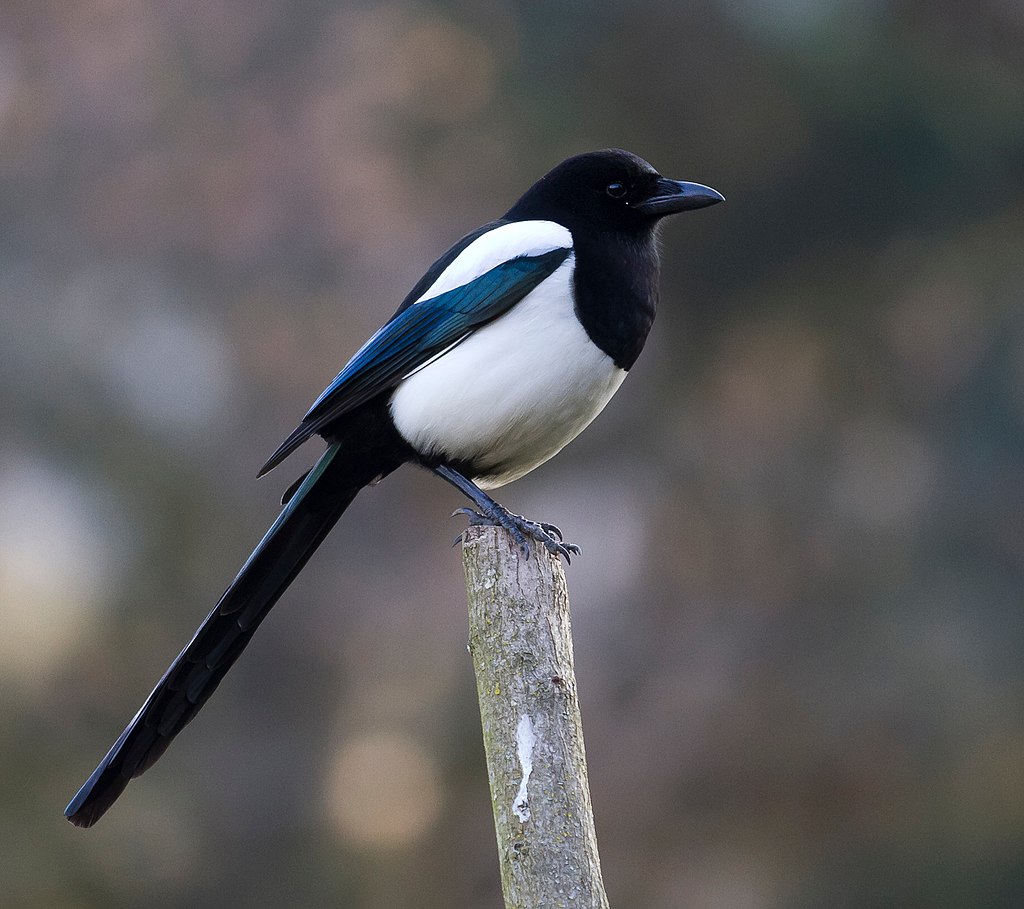
What’s the significance of a wild black-and-white bird on our small family ranch?

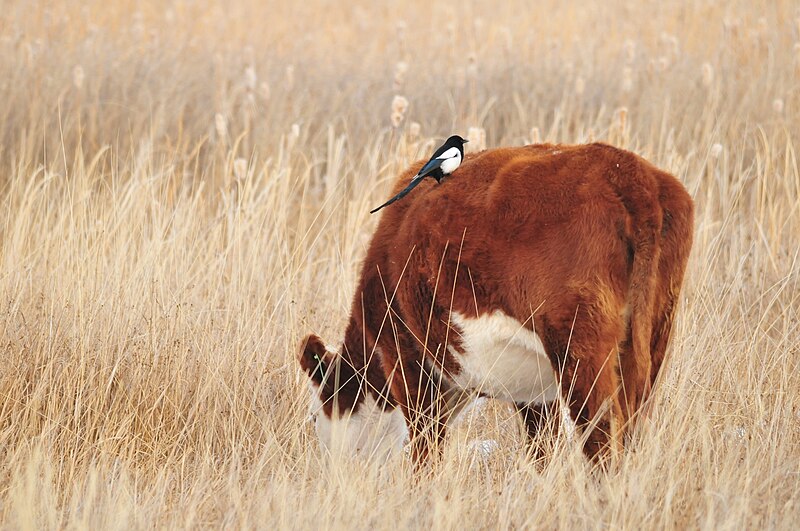
Photo from Wikipedia

I will tell you from my perspective, and that is simply that my dad used to tell me about them when I was growing up. The birds, known for their relationship with large animals, perch on the cattle and eat the grubs out of their backs. It was a little bit of a service to the cattle, and Dad remembers getting close to those birds hanging with the milk cows in the barn.

But it was there my memory sort of faded, so I had to give him a call. “I know you had a pet crow when you were a kid, but did you have a pet magpie, too?”

“Oh, yeah, I didn’t just have one, I had several,” he said on the other end of the phone (I do have to do some investigative journalism for this column occasionally).

From there, he went on to his memory of being a little boy watching their nests, and then, just before they learned to fly, climbing a tree (or, in some instances, hauling a ladder to reach the right branch) to get to the young birds.

“I would take one and raise it each spring. They would live in the barn and hop around drinking the milk we put out for the cats and eating the grain. I’d feed them scraps of bacon and meat and they would follow me,” he said. “One was named Earl — I don’t know why.”

I heard that story before as a kid, but it seemed to have faded, like the magpie, to the back of my memory until that resurrecting conversation. To me, the magpie was a magical creature of my upbringing — like a unicorn or Santa’s reindeer — and you only believed it existed because of the stories you were told. But when Dad was growing up, you could shoot the bird for a bounty, bring the legs in, and receive payment.

“People thought they would peck at cows’ brands and they didn’t like that. I don’t know if that was ever really an issue,” he said.

I suppose it says a lot about my dad, defending the bird and keeping them for pets instead.

I never saw a magpie on the ranch when I was growing up. Area ranchers at the time would use the insecticide Warbex to treat cattle for grubs and lice. They would pour the chemical on the backs of their cows with a big metal dipping ladle, which I remember well because I remember the smell. It was potent, and if you happened to get some on your hands, you would feel tingly, itchy effects for days. It did the job, I suppose, but it also killed the birds, magpies specifically, who would inevitably ingest the poison on their quest for those grubs coming out of the cows’ backs.

In time, the bird just disappeared from the area. Before I became a teenager, the practice of using Warbex went out of favor, with most countries restricting or banning its use by the 1990s.

“It’s been about 30 years since we’ve seen a magpie on the place,” Dad remarked. “But then, I suppose, when I was growing up, I never saw a wild turkey or a bald eagle on the place. There were no elk, no mountain lions, no mule deer. That’s five species right there that have made a comeback.”

We went on contemplating why. With no real scientific studies to back it, Dad recalled my grandpa claiming that most of these species disappeared after the Great Depression and it’s taken this long to bounce back. This long and more education. This long and better land management. This long and just a few months ago, my sister found a moose in her backyard munching by her trampoline.

This long and the magpies are back.

If I were a different kind of writer, I might be inclined to try to pull this all together as a sign from the universe that it’s all going to be OK in the end. That feels good, doesn’t it? Without all the middle parts where we perpetrated and witnessed the disappearance of …

The story of the magpie and my dad might also make some of you mad. Domesticating a wild thing, how could he? I can hear it now. But he was a kid. A kid living and working among the wildness of it all and wondering how it all worked. Maybe then, more than anything, the story of the magpie and my dad as a kid with a ladder and a plan and then a bird named Earl following him around the barnyard is more a tale in paying attention. Noticing. Learning.

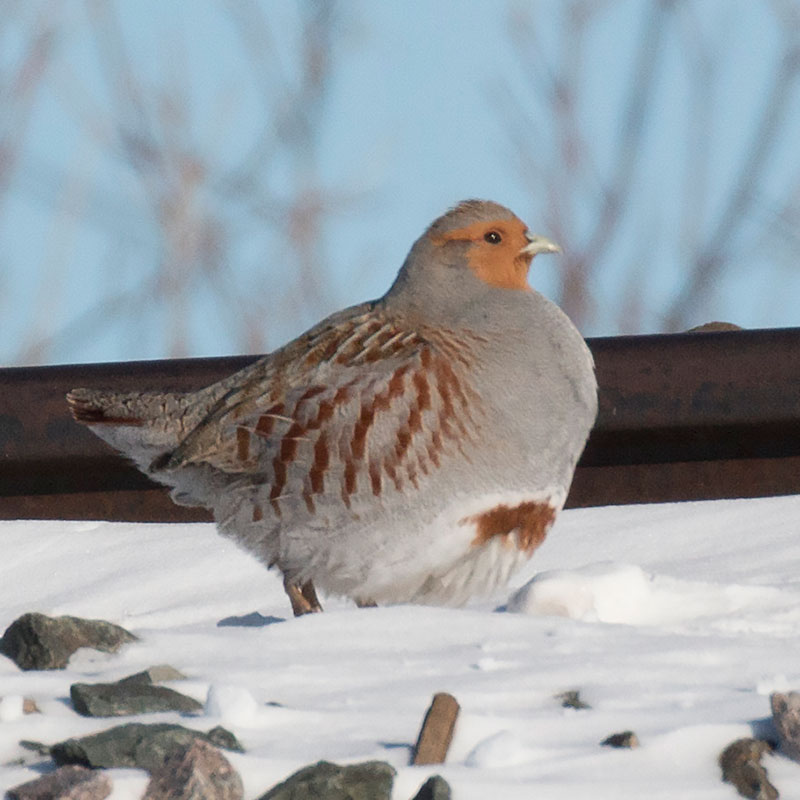
“I see the partridges are back, too,” he said before we hung up. “I wonder why? Maybe easier winters …”

ND Game and Fish

And the magic followed us home

When we were growing up my little sister and I would spend every minute the weather would let us out in the trees behind our house. We’d get off the bus, take a snack break and then we’d get out there. Because the creek and how it changed with the seasons was more magical to us than anything else in our world in the 90s.  

My sisters and I are spread out pretty far in age. I’m in the middle of a lineup that puts my older sister seven years ahead of me and my younger sister five years behind me. I never got the bathroom to myself. Ever. But also, that age gap seemed to make things a little quieter on the ranch back then.

Now that my little sister and I are raising daughters close in age and right over the hill from one another, we find ourselves trying to re-live our childhood adventures with them. They’re not babies anymore, so we’re excited to take them down to that creek to follow it, wade in it, and help them float sticks and build little boats.

Just to give you a glimpse into what we’re dealing with here….

And so that’s why we found ourselves a mile or so in the back woods by a little beaver dam with all four of our daughters last weekend on a perfectly beautiful fall day. As usual, it took forty-seven years to get all four of them in their shoes and out the door at the same time because someone needed to pee, someone needed a new hairstyle, someone had a hang-nail and someone was already outside somewhere and we couldn’t find her. It’s either that or they are so deep in their own game of Barbies or Babies or Animal Doctor or Orphaned Children on the playground that convincing them to follow us into the woods takes a lot more prodding than we expected. And when we finally got them all together and moving the same direction, well, someone always has to pee.

Anyway, marching with four girls aged four, six, seven and eight out into the wilds of this place is a little noisier than when it was just me making up Disney-style songs and my little sister trailing secretly behind. Now, as moms searching for that same feeling of wonder and freedom, the two of us walk out into this magical and familiar world with our daughters and, well, yes there is singing, but think more like,  “This is the Song that Never Ends,” only with words Rosie is making up as she goes along and also, like really, really loud.

“Look at these beautiful trees,” my little sister exclaims as her youngest daughter drags her long hair through a patch of sticky cockleburs. Her oldest picks up her thirtieth stick.

We have gone fourteen steps.

My eight-year-old, Edie, who has suddenly developed a plague that didn’t exist when we were in the house ten minutes ago, sneezes and a giant green snot string dangles ominously out of her left nostril. We have now gone fifteen steps. I gag and she sort of just stands there. Rosie screams “Snot Rocket!” and I give a lesson on choosing the right leaf because no one has a tissue. She chooses a giant piece of oak-tree bark.

We have now gone sixteen steps. Rosie’s gone 345, mostly up hill.

We stop for the youngest to pick up another piece of moss to add to her acorn and tiny stick collection. She asks her mom to hold it. She refuses. She asks me. I say yes, of course, because she’s my adorable niece.

Rosie finds a fluffy turkey feather. Edie finds another giant piece of bark that she intends on floating down the creek, but the creek is running pretty low and slow, so she’s saving it for the beaver dam. She asks me to carry it. I say no. She asks her aunt. She says yes. Because of course, she’s her adorable niece.

The breeze picks up and in the golden light of the morning the trees sway above our heads and gently sprinkle us with falling leaves and in that moment, we feel like we’re in a fairytale.  

“SPOOKY, SCARY, SKELETON SENDS SHIVERS DOWN YOUR SPINE!”  blasts from Rosie at the top of the draw.

The youngest falls down.

The seven-year-old has to pee.

We reach the beaver dam.

“Look at how the blue sky reflects on the water girls,” my little sister says as that same water spills over the top of Edie’s shoes. She flops the bark in the shallow end. It pops up and goes nowhere. She sneezes again and sits in the tall dry grass.

“I’m sick,” Edie declares.

“SPOOKY, SCARY SKELETONS SPEAK WITH SUCH A SCREECCCHHH!!!”

“Time to head back girls! Do you think you remember what way we came from? Follow the trail,” my little sister takes a cue and we watch three girls head the exact wrong direction.

Edie lays down. My sister and I look at each other and laugh weakly, hands full of sticks, we holler into the woods, “Follow us now!” and off we go, the magic and adventure follows us home…

A 4-H Horse Show

My daughters participated in their first 4-H horse show recently. And I am wondering if there is anything more wholesome than kids showing up early to the county fairgrounds scrambling to get their white shirts buttoned, numbers pinned to their backs, horses brushed and saddled and nerves settled?

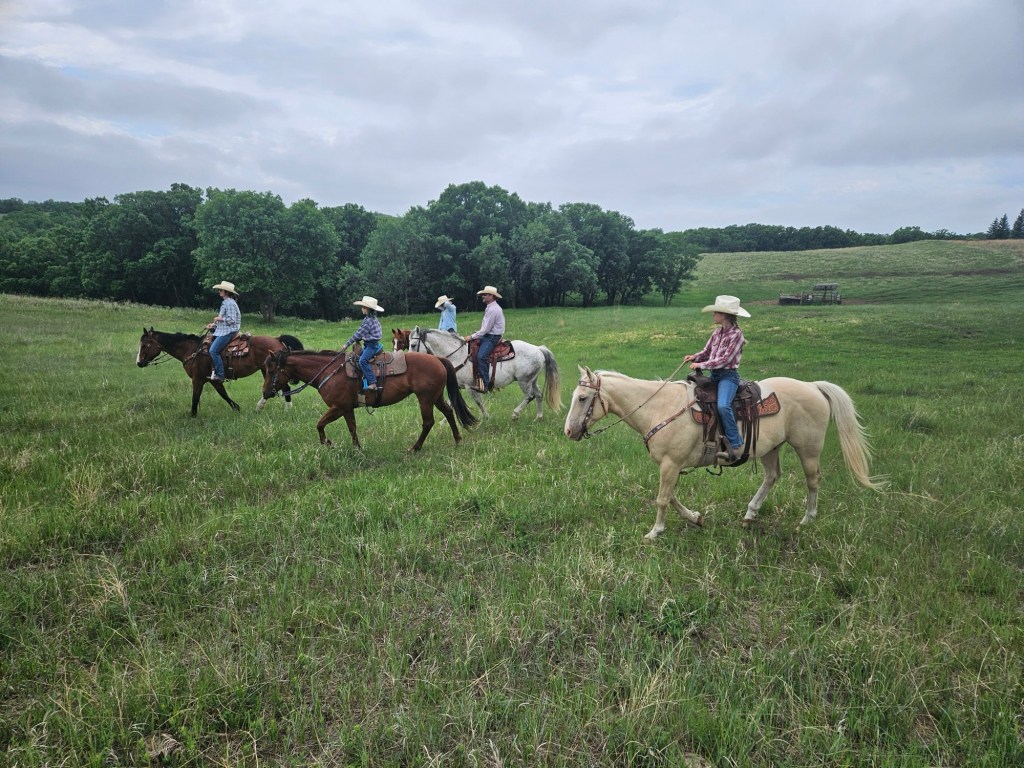
In the chill of a late August morning this was our little family bringing the horses to town. It’s my eight-year-old’s last year as a Cloverbud so I thought it would be a good time to start in a 4-H program that I loved when I was a kid, to learn the ropes a bit a refresh ourselves on all the rules. Because, and I think I’ve said this before, there are a lot of rules.

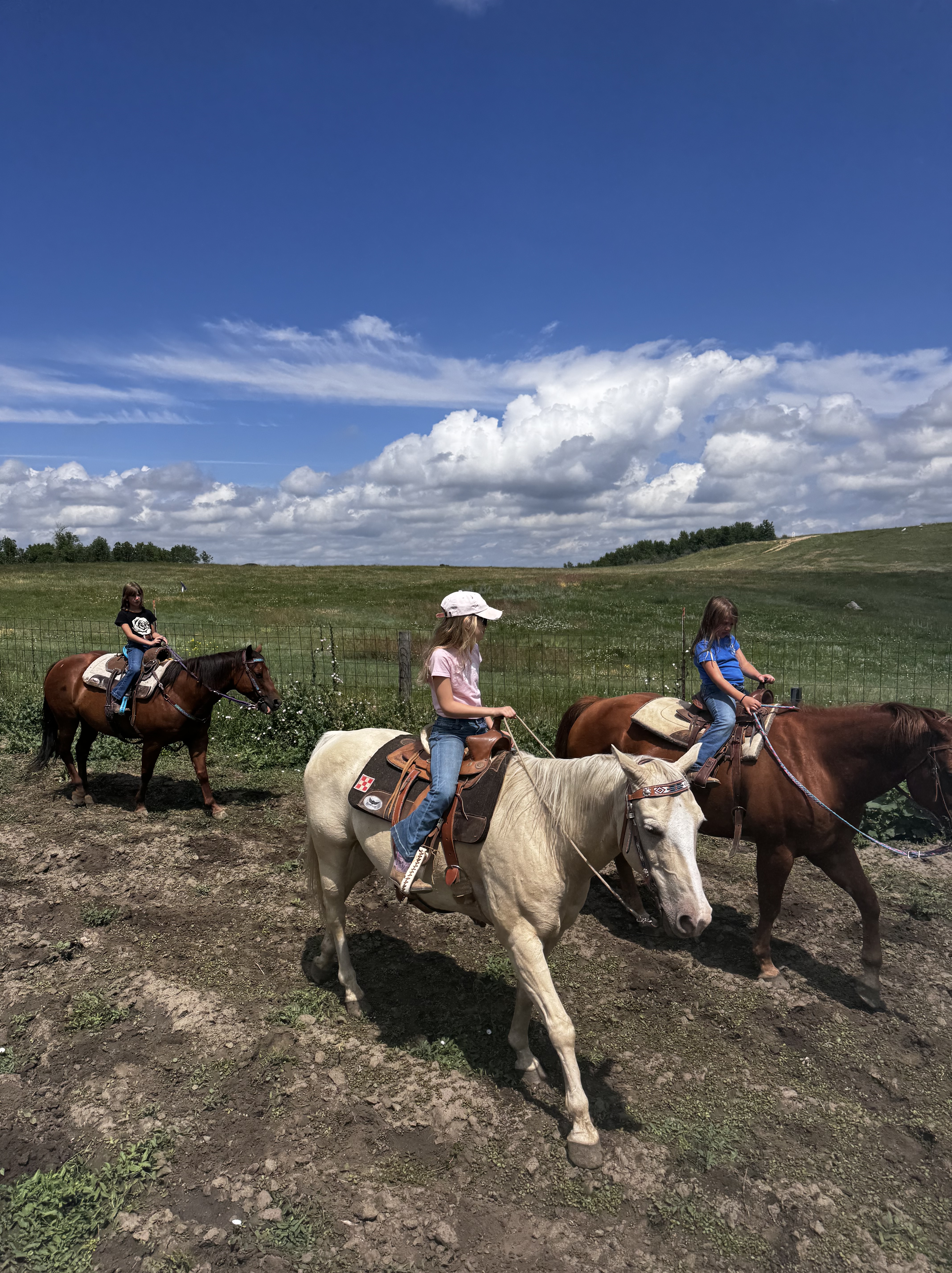
A week prior I brought the girls to the big Ag Expo arena town to an official practice and let the ranch horses get used to the area, practice walking over the little bridge and tarps and lope and trot around in circles with the other kids and learn from them too. We were preparing to enter most of the Cloverbud events like the walk-trot class, the barrel racing, pole bending, the egg race, and, my ultimate favorite, the costume contest.

Oh, the horse and rider costume contest! Seriously, if they would have thought of this when I was eight-years-old I would have dedicated my life to it. It would have been my sole reason for existing. And so, you can imagine the amount of hype and enthusiasm I had in explaining it to my young daughters. We even made a special trip to the craft store to pick out ribbons and tule and everything you need to turn a sorrel horse into a unicorn and a palomino into a blue water horse.

I think my husband would have appreciated it if I moved any amount of that enthusiasm over to the task of sewing the 4-H patch on the girls’ white shirts. When I told him my plan was to just pin it (or, you know, there’s also glue) the level of disappointment thrown in my direction was so thick I could chew it.

“Scofields don’t just pin things,” he said through the pursed lips and scowl you need to thread the world’s tiniest needle that came with the only sewing kit in the house (thank God for Christmas gifts from Mother-in-Laws).

So I left him there with his judgement, Rosie’s shirt and that micro-needle. I had a costume bag and snacks to get together.

And weed-eating to do.

Patch perfectly placed

Anyway, turns out we arrived at the horse show a good four hours before any of the girls’ Cloverbud events. But that’s ok. We ate our lunch at 10 am and watched the big kids work through reigning and horsemanship patterns, we cheered them on and listened to the judge explain about bits and hand positions. We warmed up in the empty field, we played in the dirt and made some new friends. We were cold and then we were hot and then it was their turn to trot and walk and make the barrel and pole pattern. And, most nerve wracking of all, balance an egg on a spoon as they walked around a pole and back. Not one egg was dropped. It was a miracle.

And they did great. Really. They were smiling and they did it all right. 4-H horsemanship is the opposite of a race, even when it, technically, is a race. It’s about going at your own pace and learning how to better understand your horse, how to get them to work through a challenge, how to best sit a saddle and best treat your animal.

And then, of course, sometimes it’s just about tying ribbons in your horses’ hair, dressing up as Elsa and a Fairy princess and being the most adorable little duo there is. Which, maybe, if I’m being honest, was my favorite part.

Anyway, it was a great day. If you need me, I’ll be planning a 4-H horse show for adults. And, my costume. Call me if you want to register!