The Magpies are Back

“The magpies are back,” my dad said casually in conversation while we were driving somewhere. Or maybe he was in the middle of putting honey in his tea at my kitchen counter while the kids interrupted us endlessly?

The magpies are back.

“I saw that!” I replied. “Saw one the other day near the barn.” And that was sort of that — a nice little revelation among talk about work and ranch plans and weather. It was weeks ago, but when I opened my notes this morning, I saw that I wrote it down.

“The magpies are back.” I had put it in writing so I wouldn’t forget to think about it later.

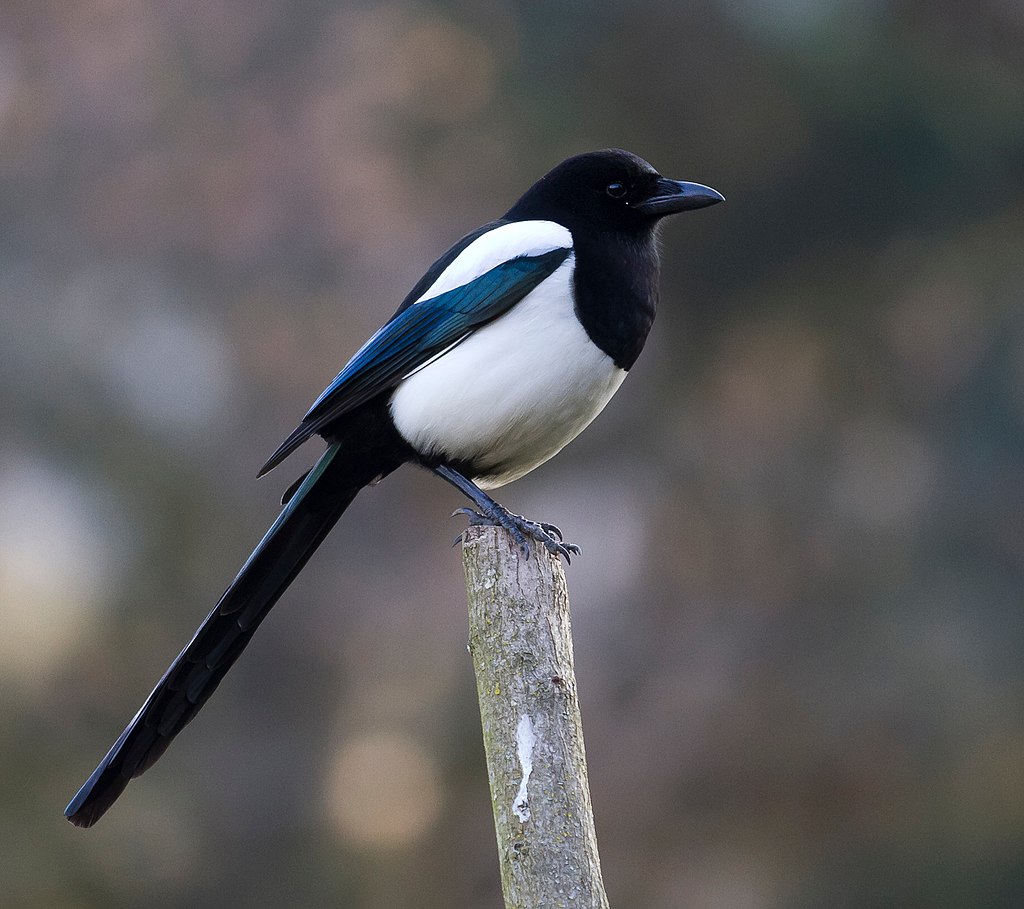
What’s the significance of a wild black-and-white bird on our small family ranch?

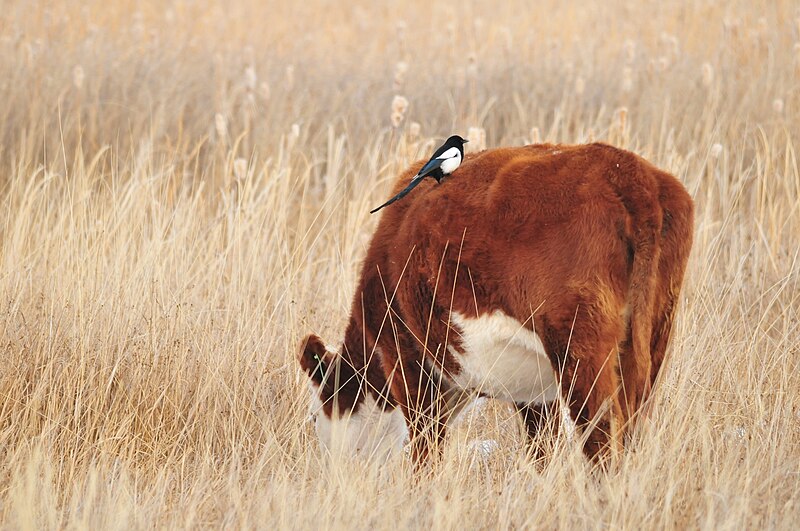
Photo from Wikipedia

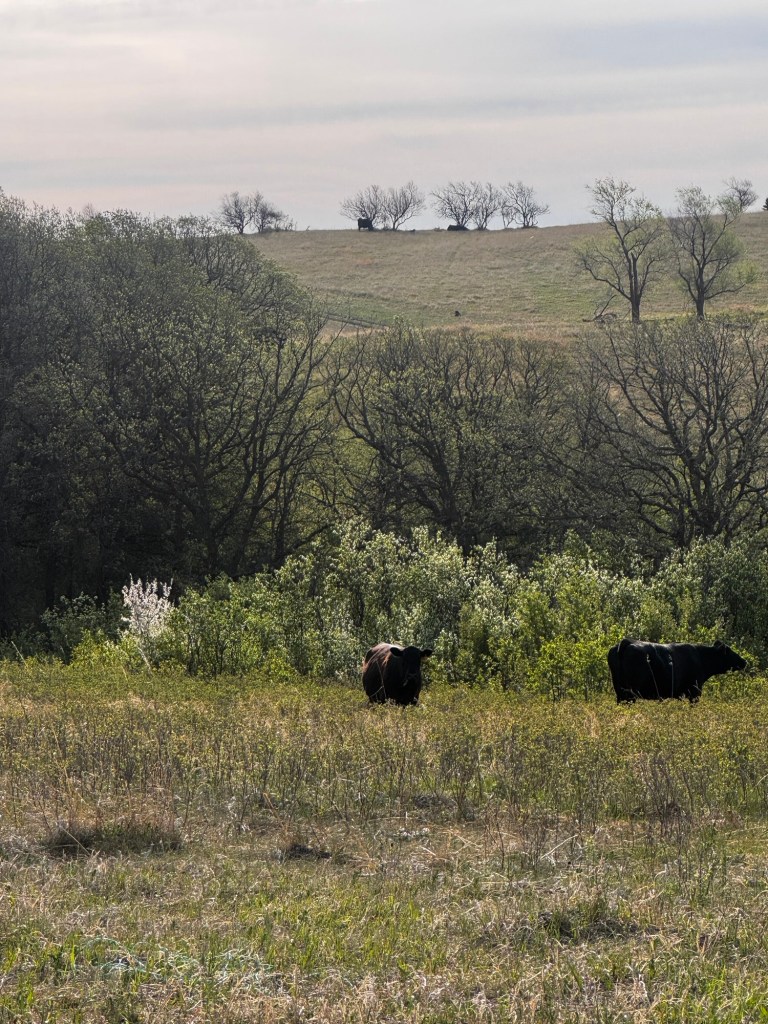
I will tell you from my perspective, and that is simply that my dad used to tell me about them when I was growing up. The birds, known for their relationship with large animals, perch on the cattle and eat the grubs out of their backs. It was a little bit of a service to the cattle, and Dad remembers getting close to those birds hanging with the milk cows in the barn.

But it was there my memory sort of faded, so I had to give him a call. “I know you had a pet crow when you were a kid, but did you have a pet magpie, too?”

“Oh, yeah, I didn’t just have one, I had several,” he said on the other end of the phone (I do have to do some investigative journalism for this column occasionally).

From there, he went on to his memory of being a little boy watching their nests, and then, just before they learned to fly, climbing a tree (or, in some instances, hauling a ladder to reach the right branch) to get to the young birds.

“I would take one and raise it each spring. They would live in the barn and hop around drinking the milk we put out for the cats and eating the grain. I’d feed them scraps of bacon and meat and they would follow me,” he said. “One was named Earl — I don’t know why.”

I heard that story before as a kid, but it seemed to have faded, like the magpie, to the back of my memory until that resurrecting conversation. To me, the magpie was a magical creature of my upbringing — like a unicorn or Santa’s reindeer — and you only believed it existed because of the stories you were told. But when Dad was growing up, you could shoot the bird for a bounty, bring the legs in, and receive payment.

“People thought they would peck at cows’ brands and they didn’t like that. I don’t know if that was ever really an issue,” he said.

I suppose it says a lot about my dad, defending the bird and keeping them for pets instead.

I never saw a magpie on the ranch when I was growing up. Area ranchers at the time would use the insecticide Warbex to treat cattle for grubs and lice. They would pour the chemical on the backs of their cows with a big metal dipping ladle, which I remember well because I remember the smell. It was potent, and if you happened to get some on your hands, you would feel tingly, itchy effects for days. It did the job, I suppose, but it also killed the birds, magpies specifically, who would inevitably ingest the poison on their quest for those grubs coming out of the cows’ backs.

In time, the bird just disappeared from the area. Before I became a teenager, the practice of using Warbex went out of favor, with most countries restricting or banning its use by the 1990s.

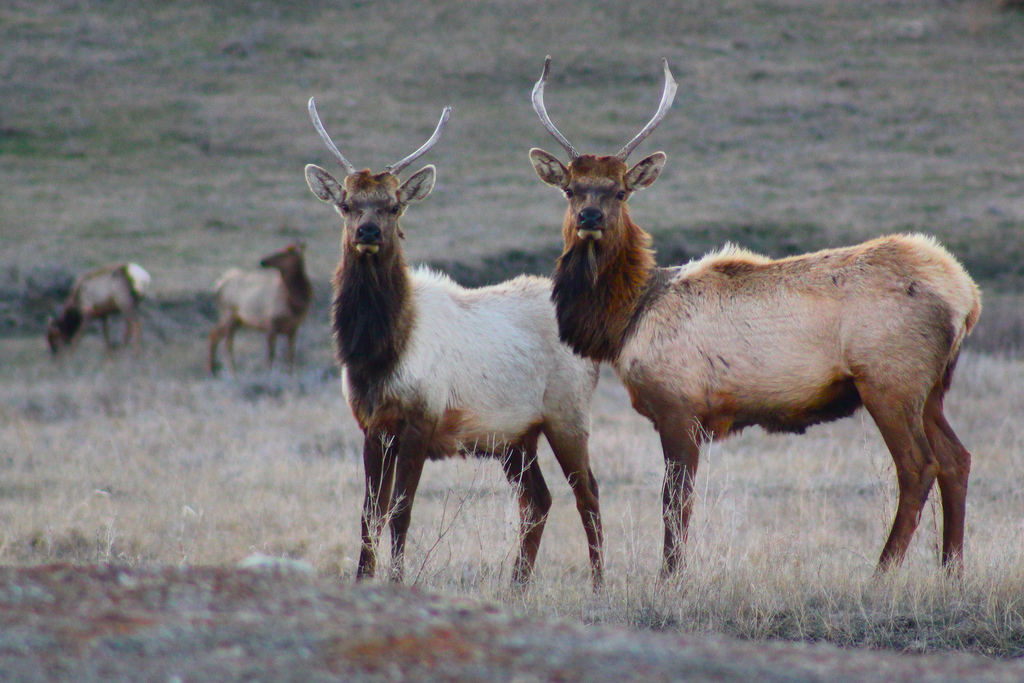
“It’s been about 30 years since we’ve seen a magpie on the place,” Dad remarked. “But then, I suppose, when I was growing up, I never saw a wild turkey or a bald eagle on the place. There were no elk, no mountain lions, no mule deer. That’s five species right there that have made a comeback.”

We went on contemplating why. With no real scientific studies to back it, Dad recalled my grandpa claiming that most of these species disappeared after the Great Depression and it’s taken this long to bounce back. This long and more education. This long and better land management. This long and just a few months ago, my sister found a moose in her backyard munching by her trampoline.

This long and the magpies are back.

If I were a different kind of writer, I might be inclined to try to pull this all together as a sign from the universe that it’s all going to be OK in the end. That feels good, doesn’t it? Without all the middle parts where we perpetrated and witnessed the disappearance of …
The story of the magpie and my dad might also make some of you mad. Domesticating a wild thing, how could he? I can hear it now. But he was a kid. A kid living and working among the wildness of it all and wondering how it all worked. Maybe then, more than anything, the story of the magpie and my dad as a kid with a ladder and a plan and then a bird named Earl following him around the barnyard is more a tale in paying attention. Noticing. Learning.

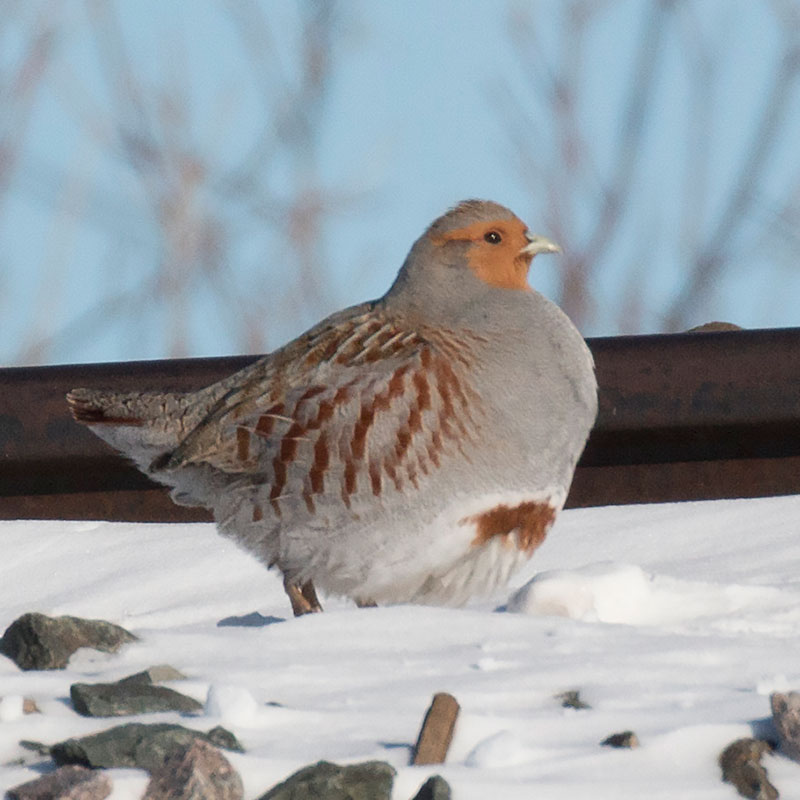
“I see the partridges are back, too,” he said before we hung up. “I wonder why? Maybe easier winters …”

ND Game and Fish

May you find what you need in this construction phase of life


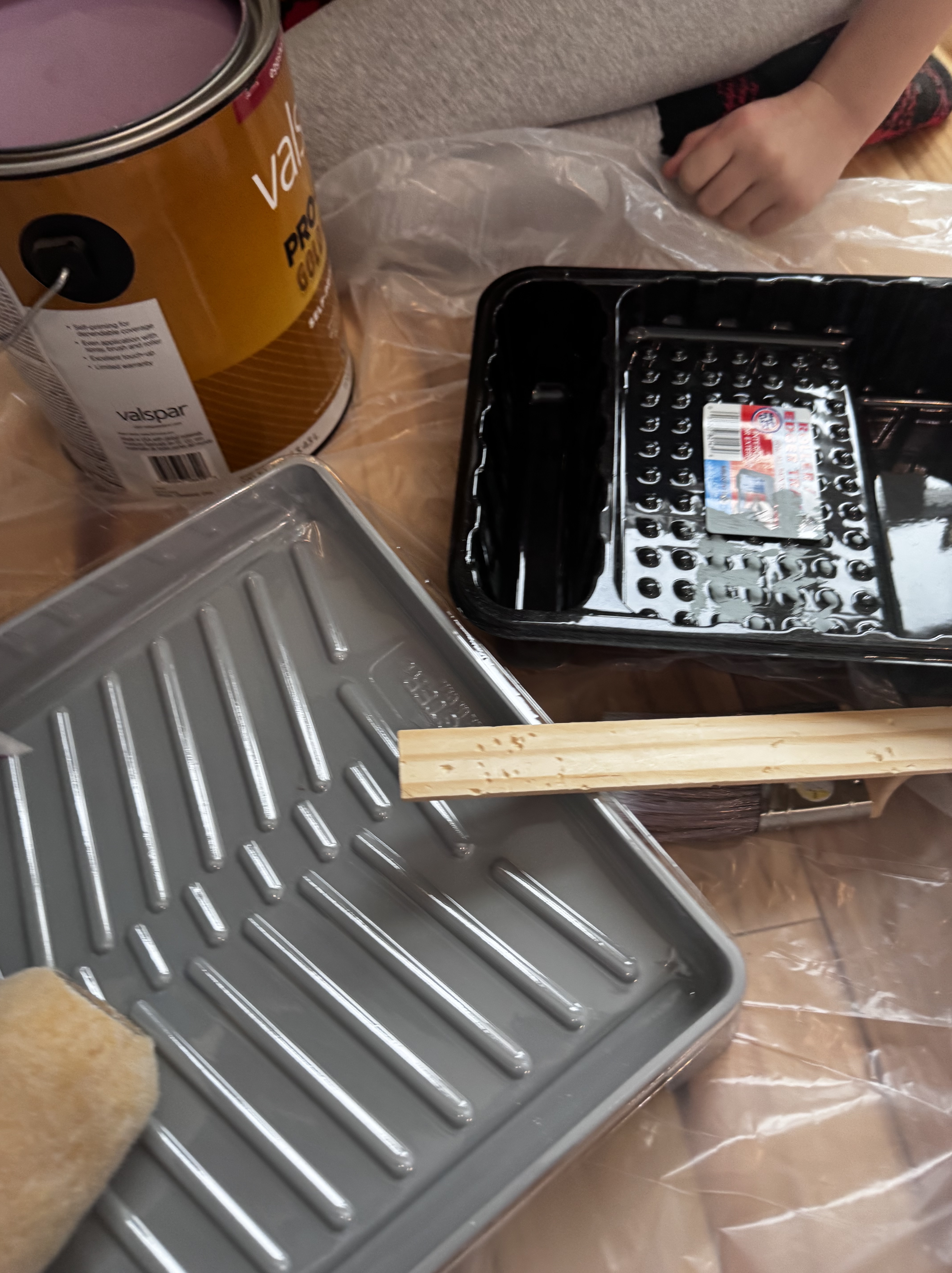
For the past six months, every time we visited our local Cenex store, my daughters would pick out a color swatch from the paint section and ask to re-paint and redecorate their rooms. I would tuck the swatches, bright purple and dusty pink, inside the folds of my purse and tell them, yes, we’ll put it on the schedule, and then dread the day they would ask again.

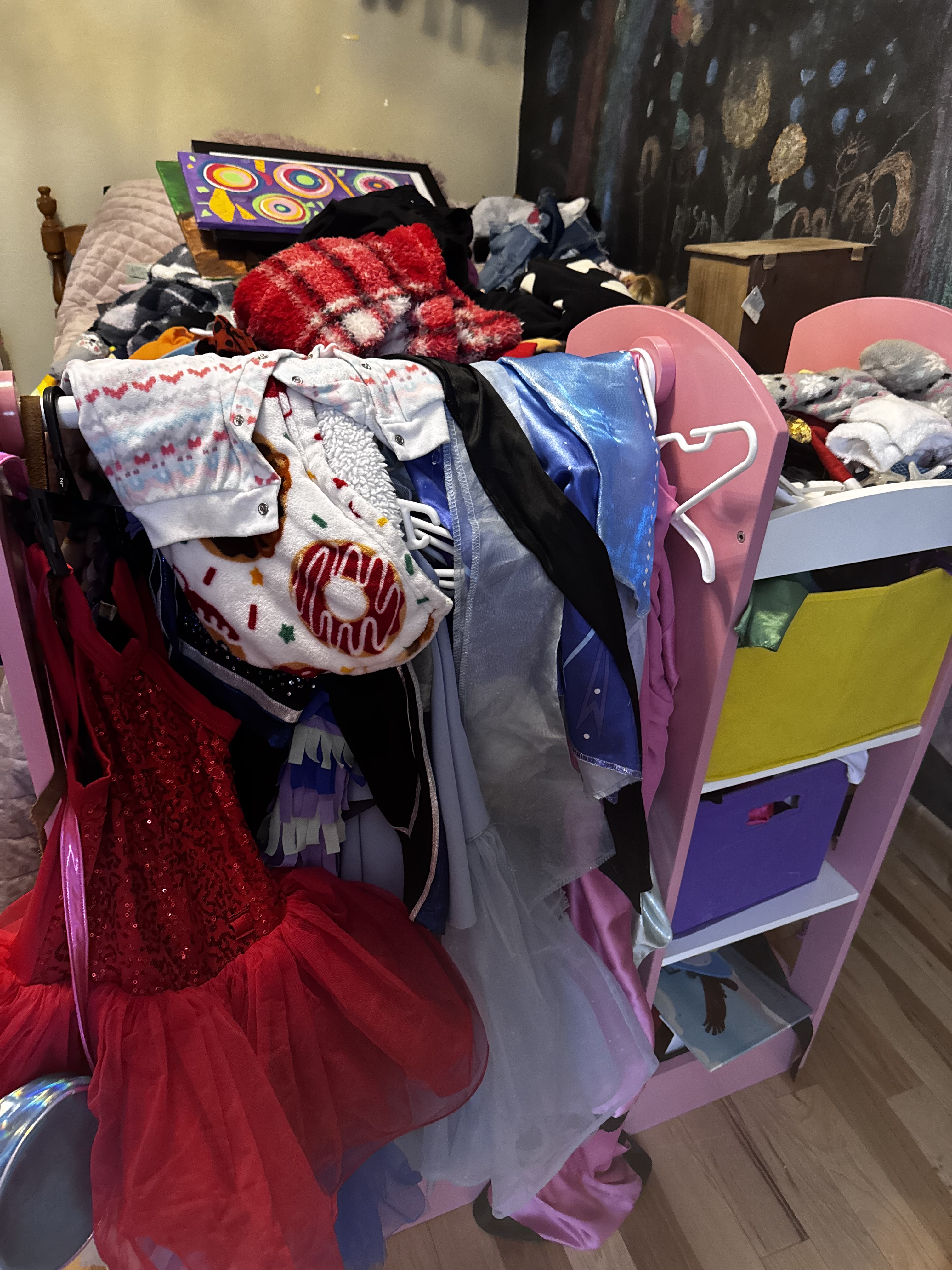
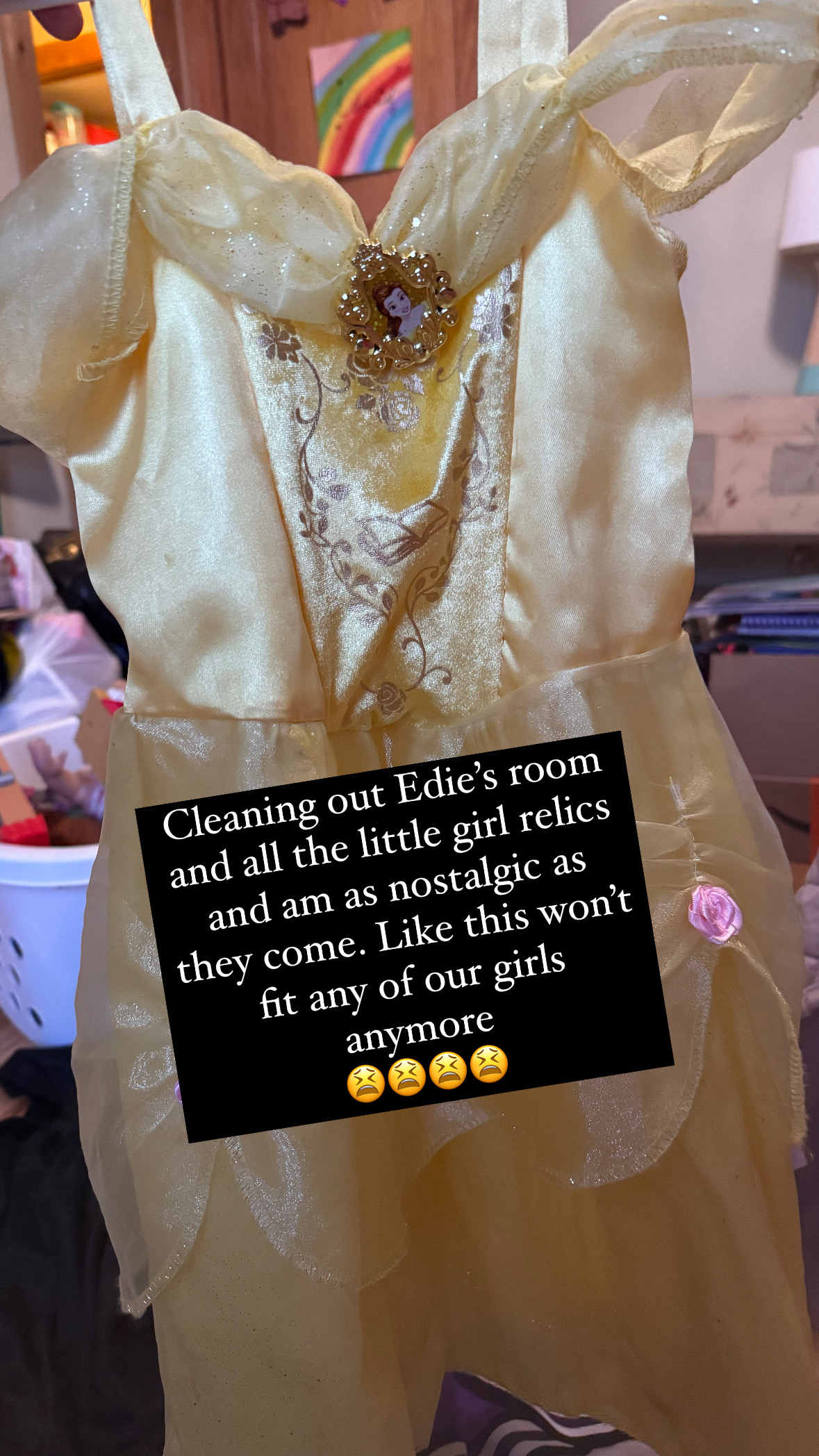
The task of a redo — a cleanout — always feels so daunting to me. When you live in a house long enough with children, things seem to pile up in the corners and crevices of every room, stacks of papers and tiny pieces of their imagination, creations and childhood spread all about waiting for you to come digging or looking for that lost piece of paper or the most important Lego part in the world. It takes diligence to contain it and to help teach them how to do the same. Truthfully, I’m not so good at it.

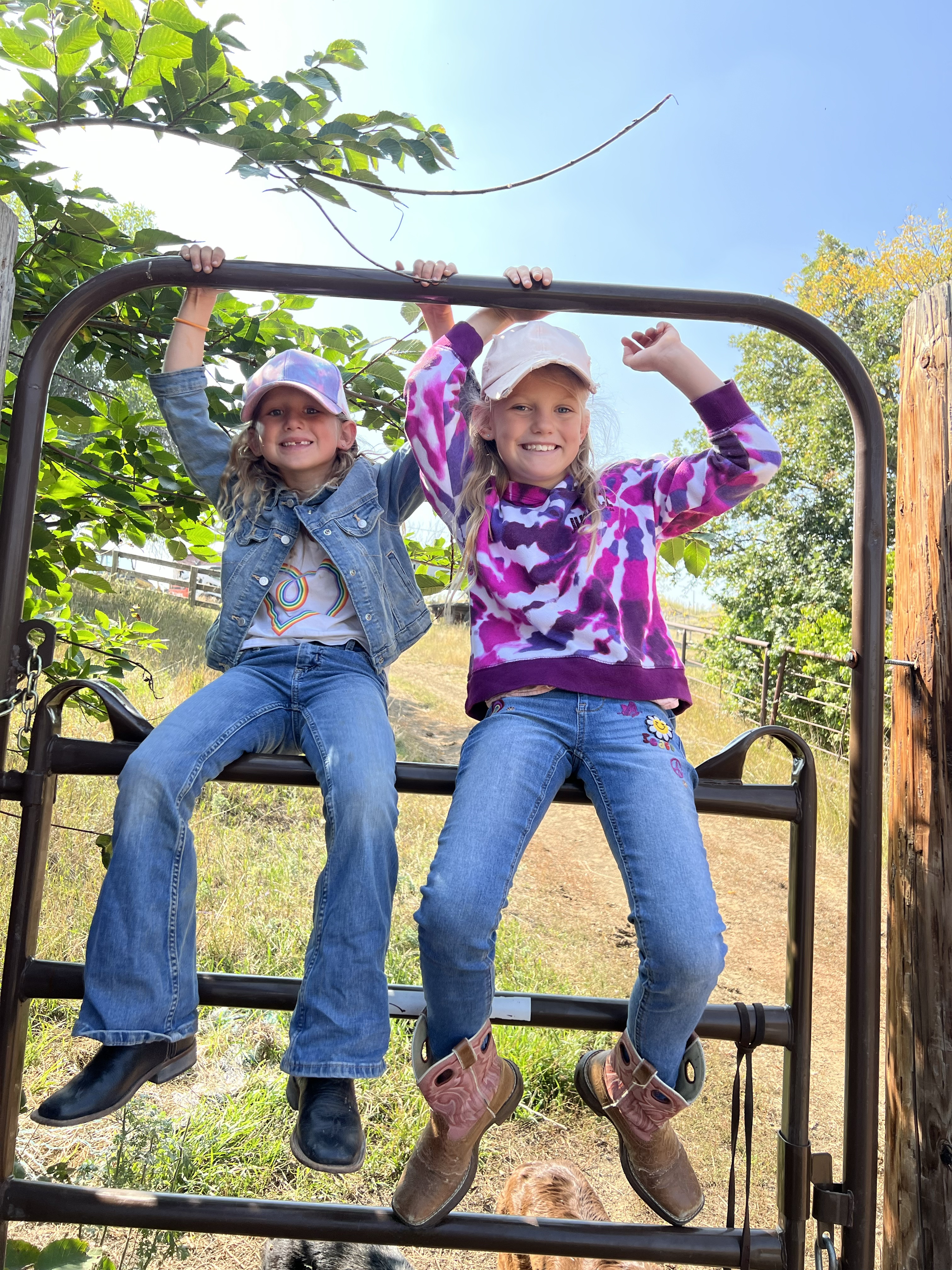
While my daughters have been on winter break, I’ve done my best to focus on them in a way I don’t do as much anymore now that they are 7 and 9 and much more independent. I used to sit with them and color. I used to coordinate art projects. I used to have to supervise every outdoor excursion, cut up every meal.

I woke up sometime this year and realized I sort of miss them in a way that feels sneaky, like it would be easy not to notice. I’m nostalgic for their baby faces and their baby voices that I’ll never hear again.

And that imaginary red thread that connects me to them, it used to be close and tight, but slowly, surely, inevitably, it’s unspooling, and I’m not sure what to do with all that slack.

I suppose these are the types of musings many of us are doing at the cusp of the new year between planning the dip for the party and undecorating the Christmas tree. I want to say something profound about how the past 365 days have taught me lessons and I’ve abided, but after I am done typing this, I’m taking my daughters to town and we’re picking up a few gallons of paint and I’m doing what I’ve done all year — the next thing there is to do.

Surprisingly, lately, I don’t feel much like pontificating.

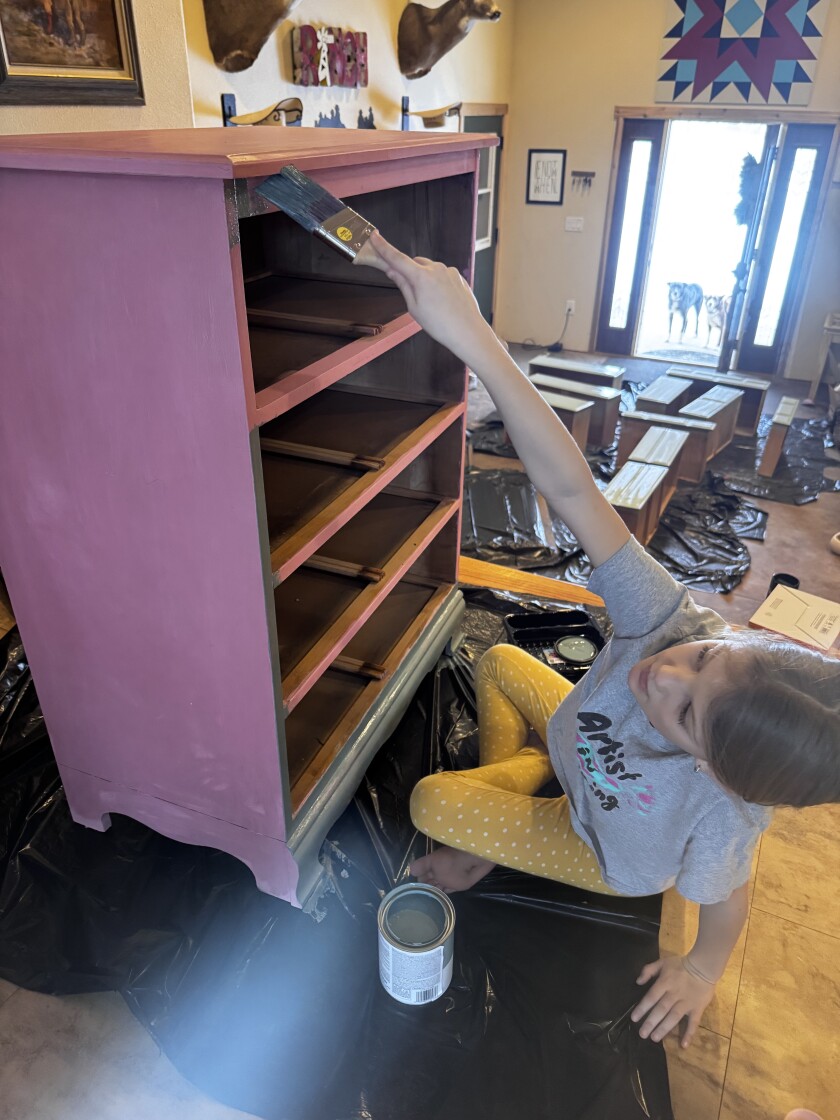
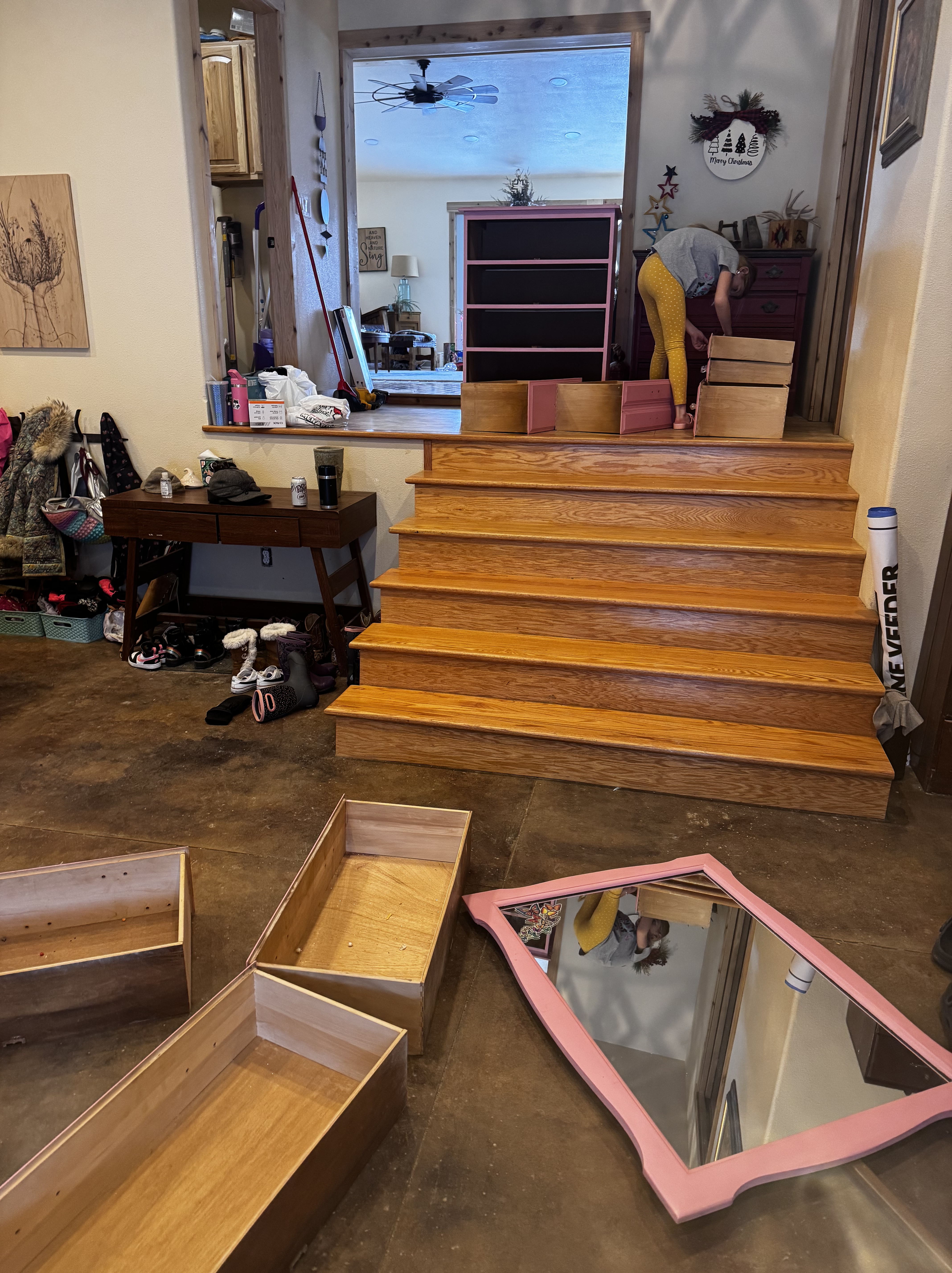
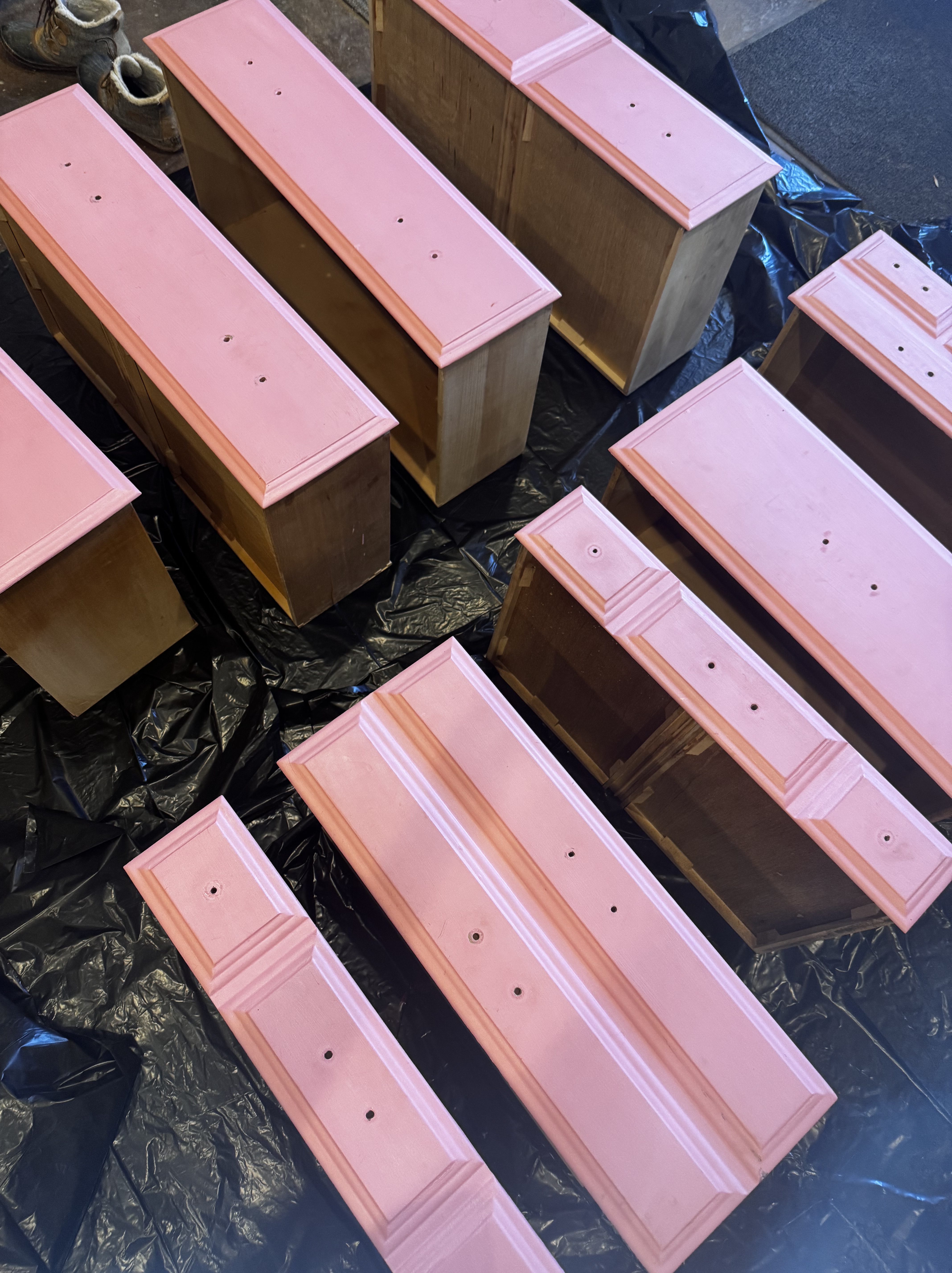
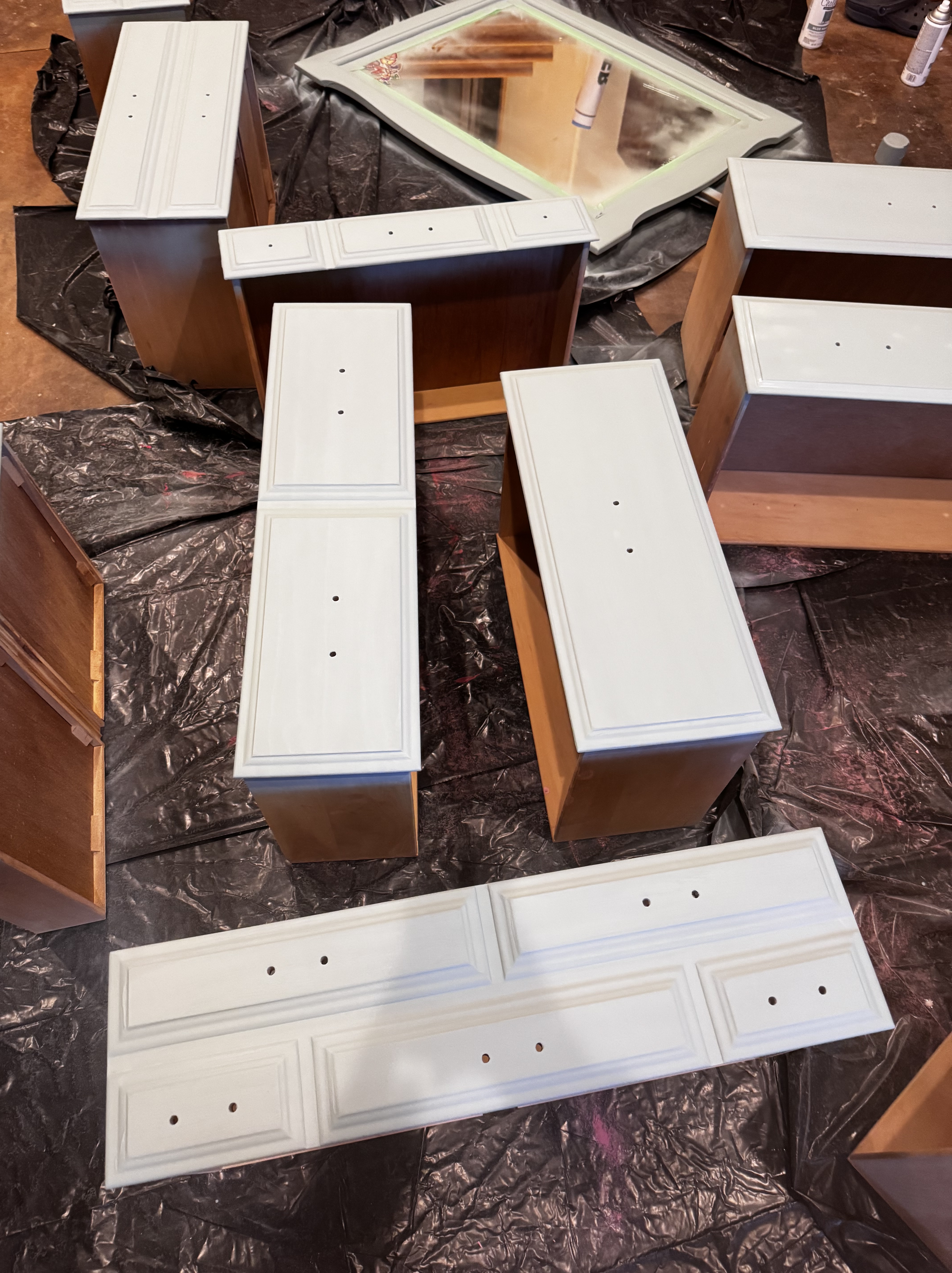
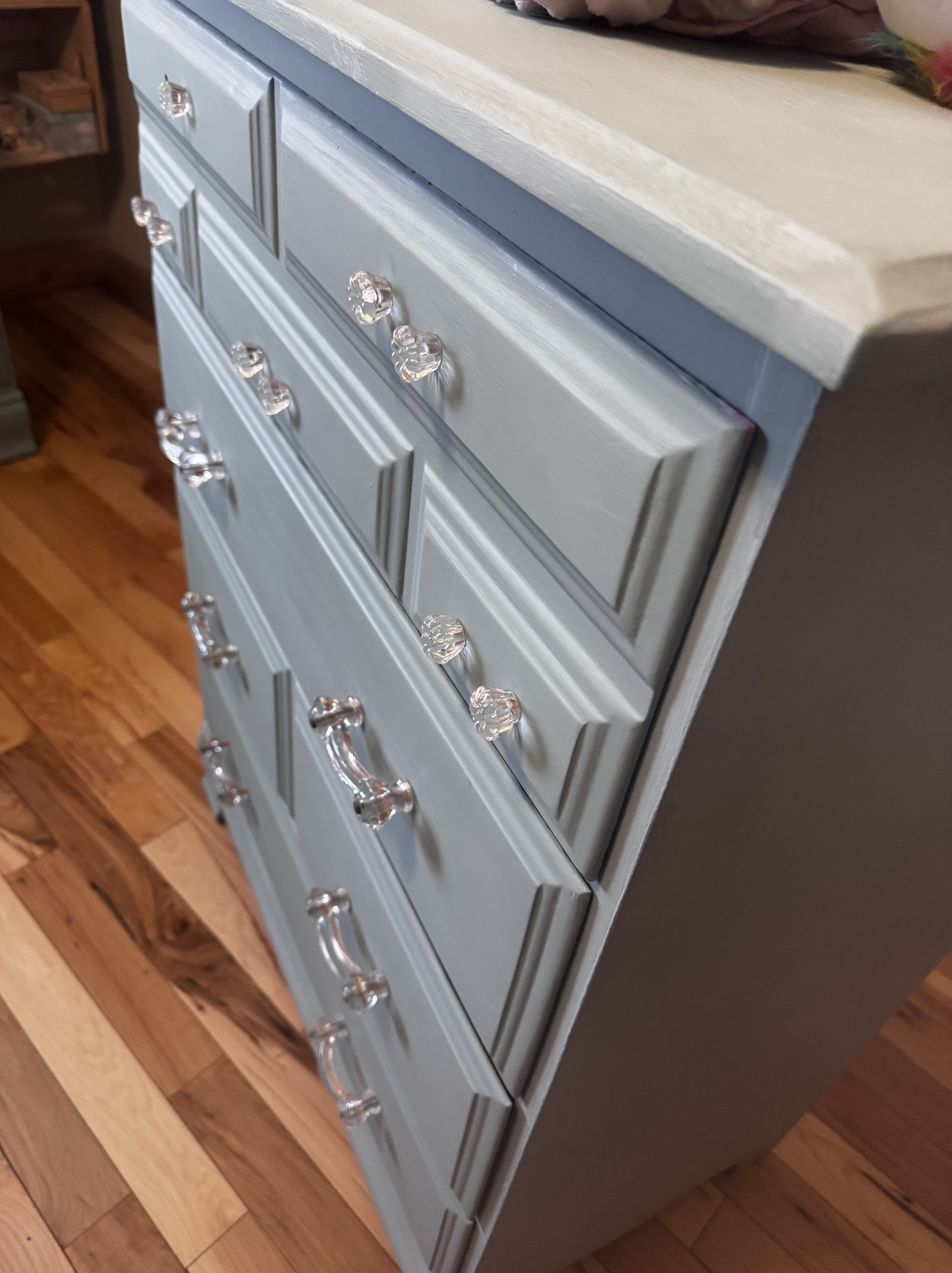
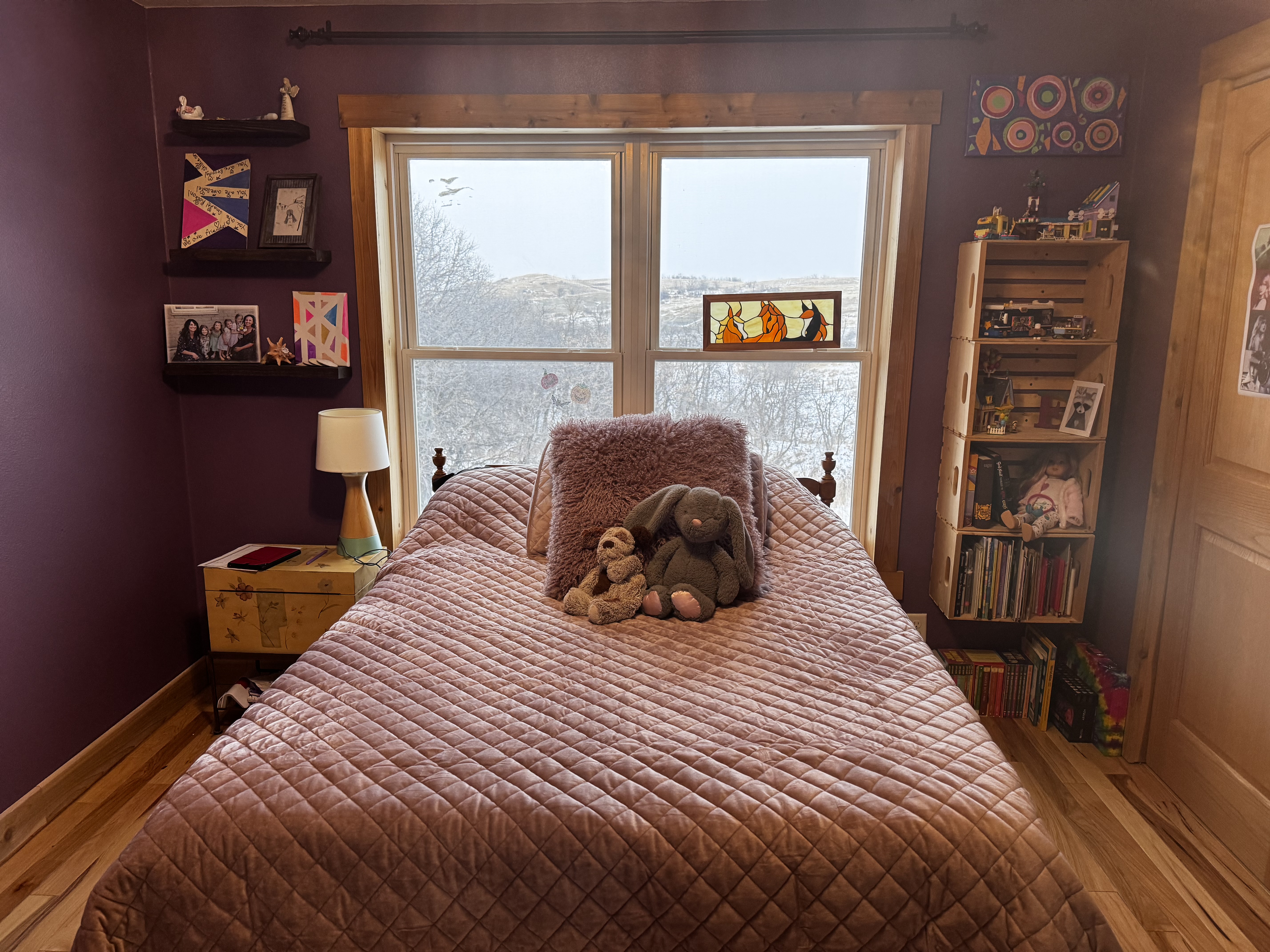
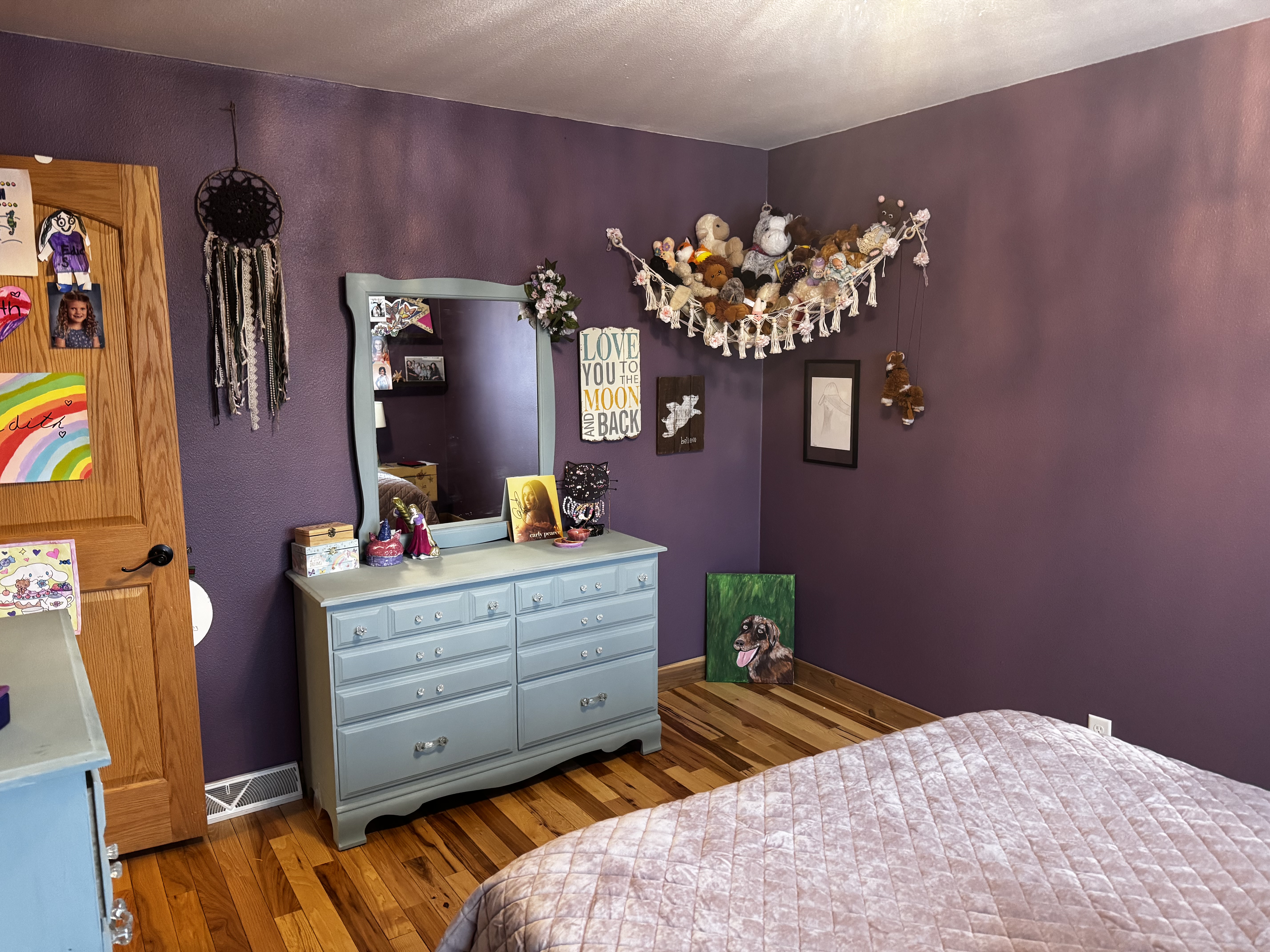
Yesterday, in preparation for painting over nail holes, scuffs and the occasional crayon mark on their walls, my oldest daughter and I unloaded the clothes from her pink hand-me-down dresser drawers and repainted them a dusty blue to match the new bedding she picked out on a recent shopping trip. She helped me unscrew the glass knobs and sand and scuff the bright pink paint, sang along with every word of every Taylor Swift song on the speaker, and made the funniest little digs and jokes as she worked, and I thought, oh yes, this girl, like me, like her father, she likes a project.

IMG_9953.jpeg

A project. I suppose that’s it right there, the word to sum up a year if it doesn’t sum up a life. What are we doing if it isn’t project after project?

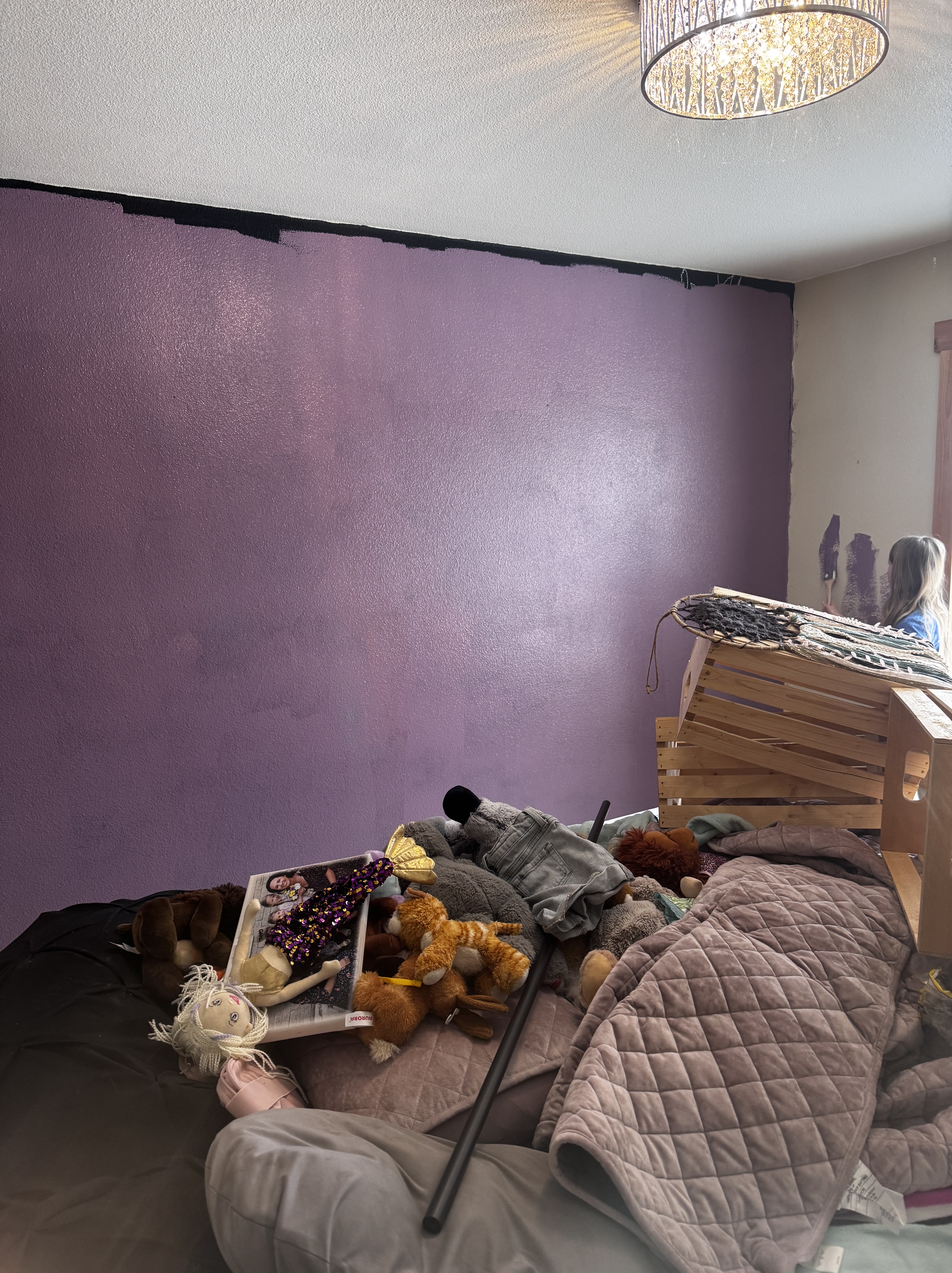
Specifically, this year featured an album release, a music video, art classes and events, and a new retail store for our non-profit, taking care of cows and bottle calves, teaching the girls about horses, a new garden spot, fences and water system fixing, and wrapping up the loose ends of a five-year-long house renovation. I just bought the toilet paper roll holder for the new bathroom last weekend, finishing one thing so we can move on to getting that wall the right lavender color for Rosie’s room.

IMG_4800.jpeg
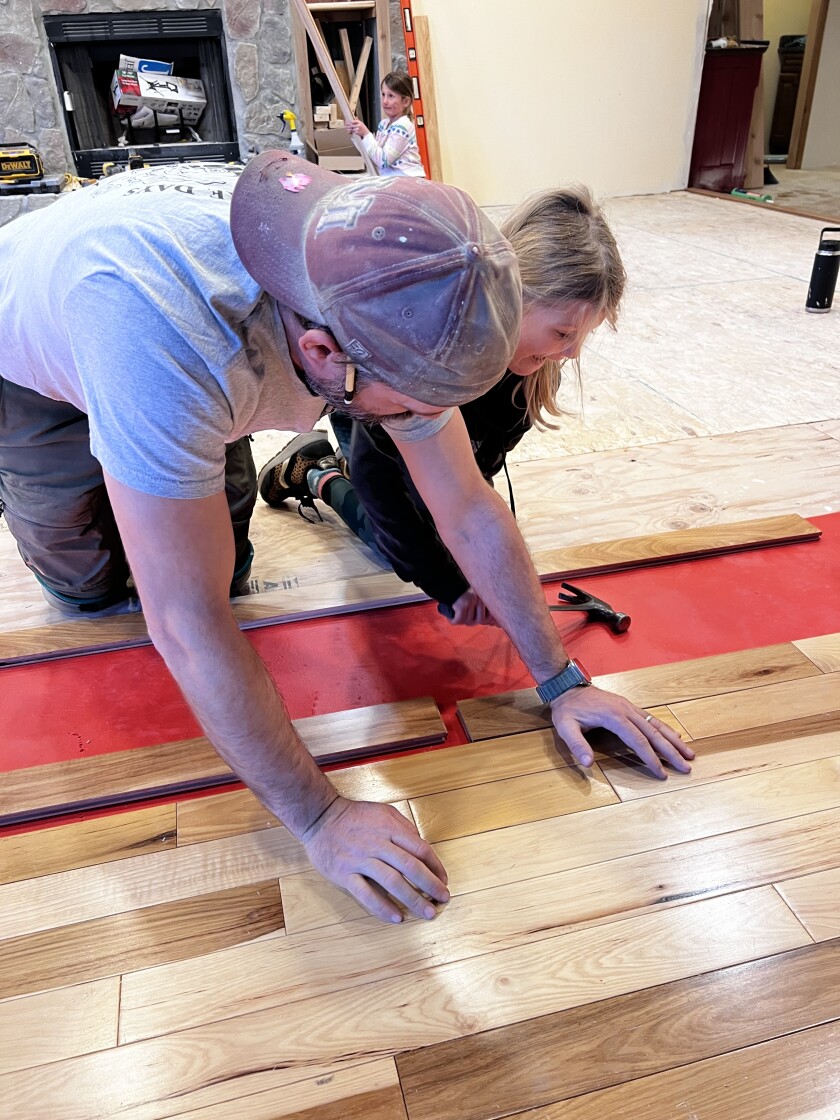
Putting the floor in in our new addition

Anyway, I wanted to find a way to make this New Year’s note to you inspirational even though you are all probably running into as many encouraging quotes as you can handle this time of year.

Regardless, I think I’ve finally come to what I want to say since the winding journey from the Cenex’s paint section where we started. My husband and I, when we were young and first married and searching for where to land, or where to go next, made ourselves a life motto that has carried us through this year, and all the years since, for better or for worse: Our life is a series of choices, and you’re allowed to make a new one anytime you want. If you don’t have the tools, if you don’t have the muscle, someone you know does. Replace those old knobs. Build a new wall. Take one down. Ask for help to undo the hinges.

I’m realizing now, with my daughters growing up, that I don’t want to say “right before my eyes” at the end of it all, but more “right by my side.” That red thread, when you’re building something together, it seems to tighten up a bit. That’s always been the case for my husband and me, so of course, why wouldn’t it be for our relationship with our children?

Happy New Year to you and yours. May you find what you need in the construction phase.

Red Barns and People Get Old

The Official Music Video for Red Barns and People Get Old has just been published. Please take a moment with this special and personal story about generational ranching and the hearts and land involved.

Thank you for listening and thank you for sharing with the people in your life who may see a familiar story in this song.

Red Barns and People Get Old: Written by Jessie Veeder
Starring: Cody Brown, Carol Mikkelson and Rosie Scofield
Special thanks to Patty Sax
Directed by: Nolan Johnson DoP Editor/Editor: Steven Dettling
Video by ‪@quantumdigital1404‬

Recorded at ‪@omnisoundstudios‬ ‬ Nashville, TN
Produced, Mixed and Mastered by Bill Warner, Engineered by Josh Emmons and Bill Warner

jessieveedermusic.com

The good life of a good dog

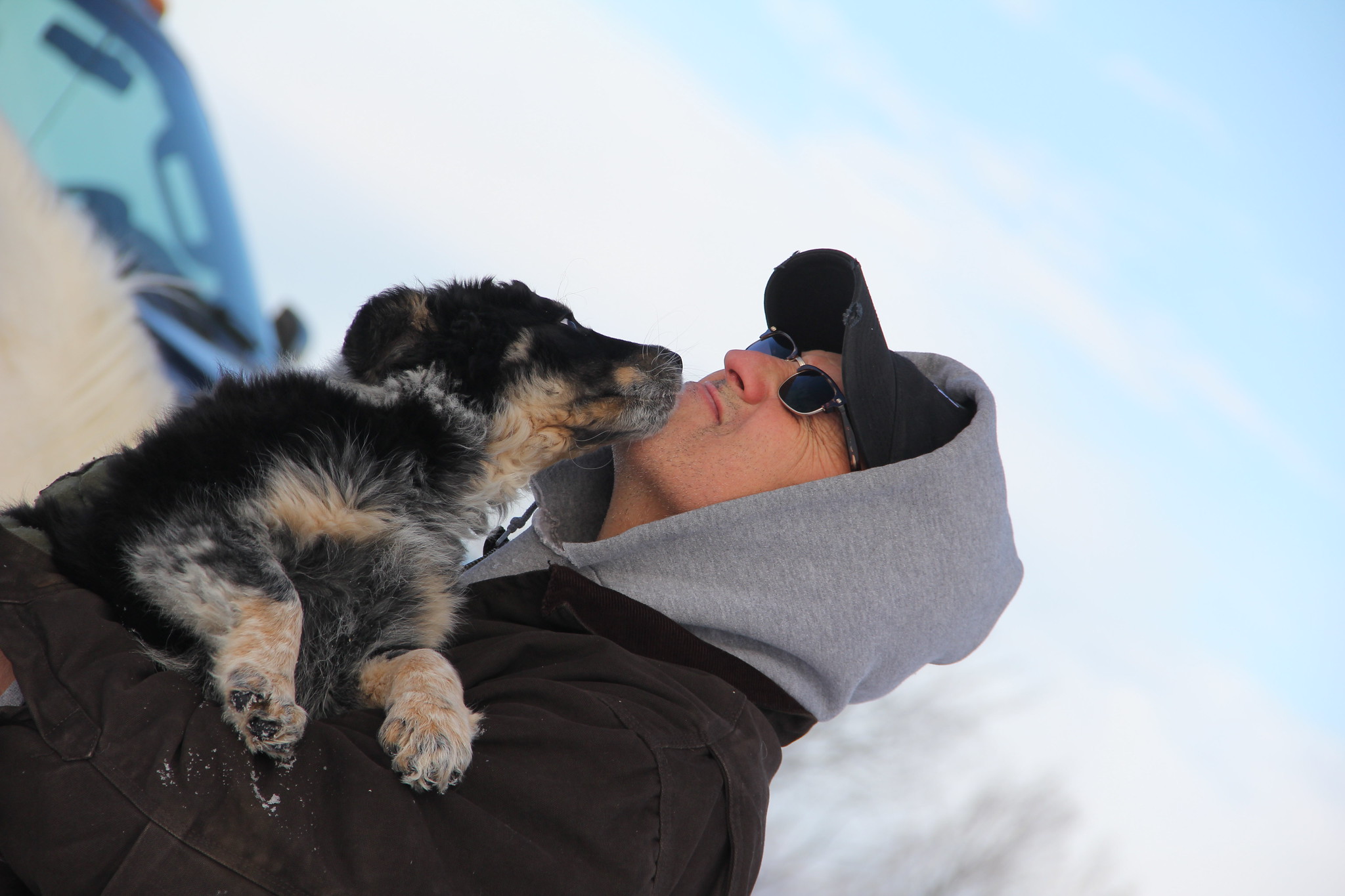
My dad lost his old cow dog, Juno, last week. After fourteen years of chasing cows through the draws, barking at squirrels and fighting with raccoons, howling with the coyotes and riding shotgun next to dad in the side-by-side, she took her last rest in her snug bed under the heat-lamp in the garage and didn’t wake up again.

Fourteen years is a long life for a ranch dog living wide open, tasked with the very thing they were bred to do. The job of moving cattle alongside the horses, chasing them out of the tough brush or keeping them motivated while moving pastures is dangerous enough, but add in the other wild and unpredictable things—a rattlesnake or a mountain lion, a truck driving too fast down our county road—and it’s not surprising that some of our dogs don’t live to be old and gray. But Juno did. And while she was with us, she was about the best dog there ever was.

I can say that, and you can believe me, because she wasn’t my dog. Everyone thinks their dog is the best dog, but everyone loved Juno and you would have loved her too. I held her tiny fluffy body on my lap in the passenger seat of my dad’s pickup when we brought her home from the neighbor’s. We had just moved back to the ranch for good and I was excited to have a pup around and just like that she belonged here the same way every animal has on this ranch (except maybe those two wild Corrientes that kept trying to run away to the badlands).

Anyway, dogs out here, they’re special, like an extension of our limbs when there is work to be done or fences to be adjusted or when things need to be checked. And so they ride along, in the back of pickups or in the backseat or, like Juno, right next to you in the cab of whatever you’re driving, bringing along the stink from whatever they rolled in and all the personality they possess.

These dogs, the blue heelers, the border collies, the kelpies, the Australian Shepherds and all the combinations there can be, they know why they’ve been put on this planet, and it’s to follow at your heels, from barn to house to shop to tractor to cattle pen to pasture to pickup to four-wheeler to horse pen to the ends of the Earth in case they can be of assistance, or annoyance, but always in the name of companionship.

Our neighbor had a big blue heeler when I was growing up named Critter. Critter’s place in the world moved up through the years from pickup box to shot gun seat until Critter and my neighbor could be found driving around the place practically cheek to cheek, the dog making a point every once in a while, to put his paw up on his human’s shoulder while watching the trail ahead as a sign of partnership and solidarity.

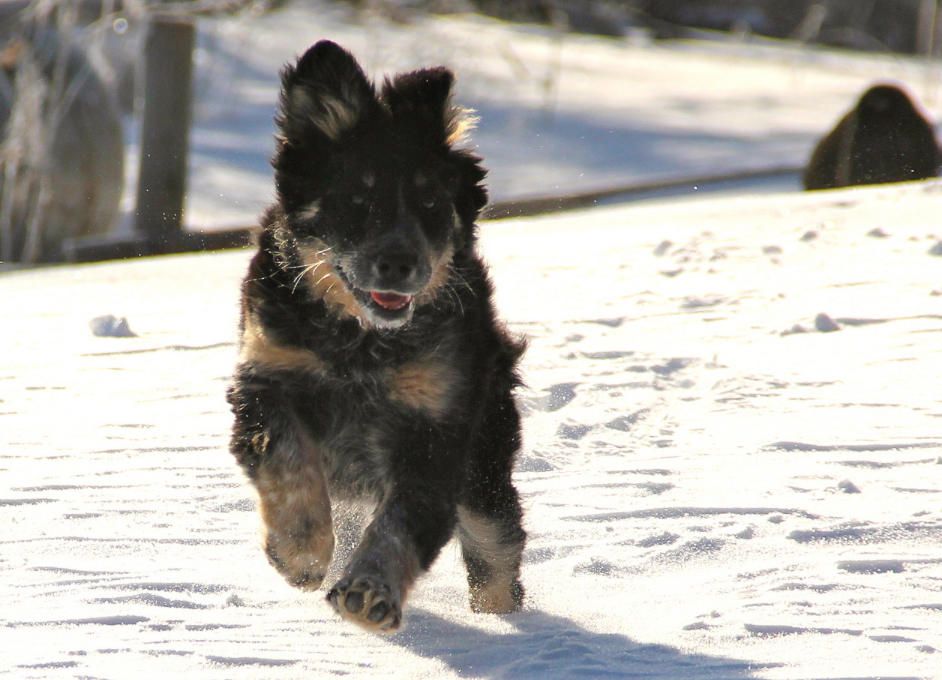
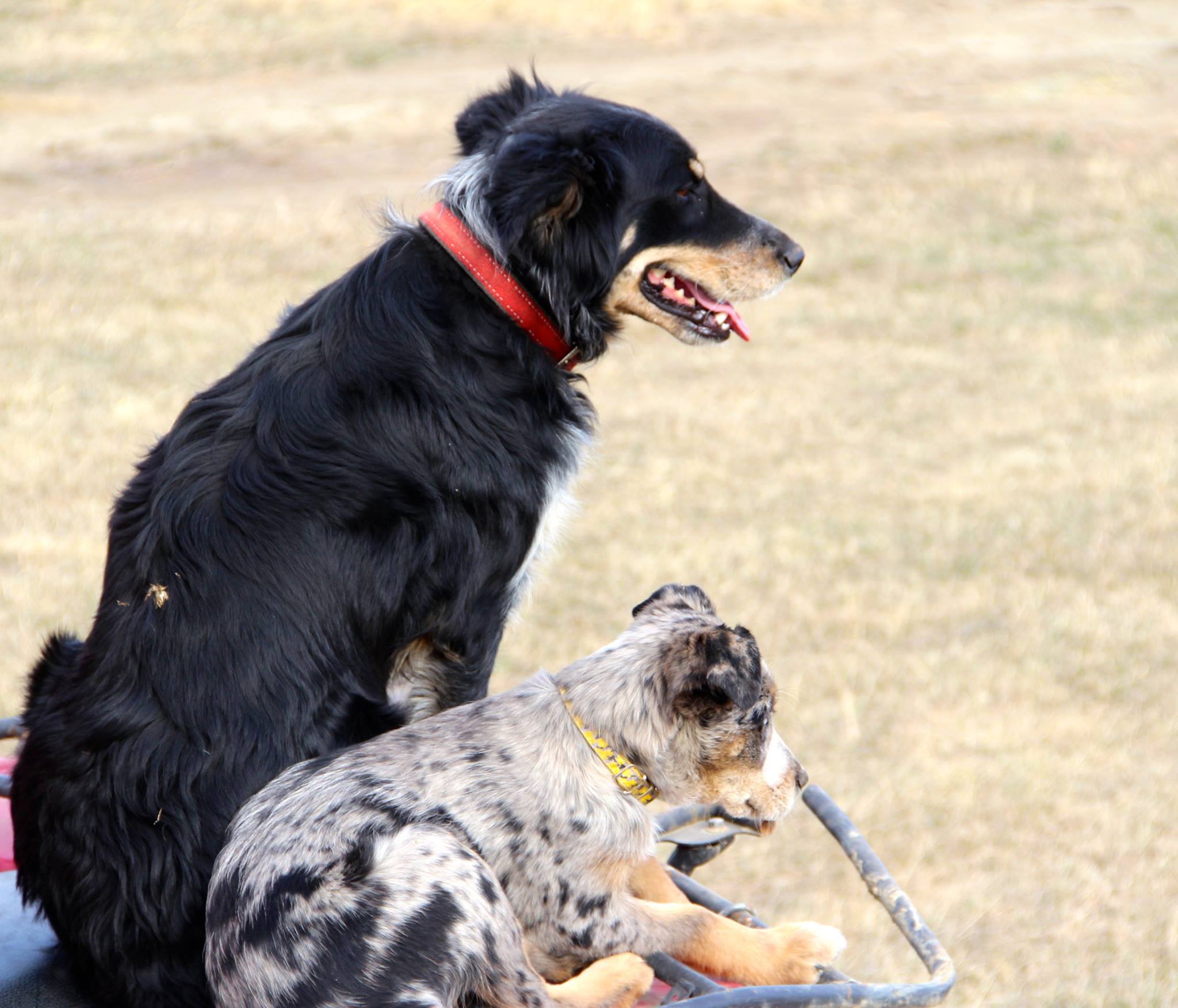
The other day I came home to find our two dogs in the house. We have a border collie/Aussie cross named Remi and a Hanging Tree Cattle dog named Gus. They’ve lived in the garage and in the yard their entire lives like most cow dogs do, so when they get to come inside, they’re not sure what to do but stare at my husband’s face and follow him from room to room waiting for a command. And I’m not sure why he decided to bring them in, other than he’s been working on the house addition for the past couple weeks and he just likes to have them close. When you open the door though, they can’t get out fast enough to go roll in the snow and pee on the trees and chase the squirrels and run out ahead and do the things dogs are meant to do. Honestly, I’d like to come back as these dogs in another life, to know so fully what it is that you’re made for is a gift that only humans can overthink and screw up.

Maybe we should work to be more like the dogs, more like Juno…Fluffy and affectionate, an easy keeper and ready to be there when needed (and even when she isn’t–cut to that dog showing up ten miles from home when you tried to leave her behind.)

Anyway, life won’t be the same here at the ranch without you Juno. Thanks for all the help.

Cousins by the camper

Cousins by the camper
Forum Communication

Listen to the podcast here

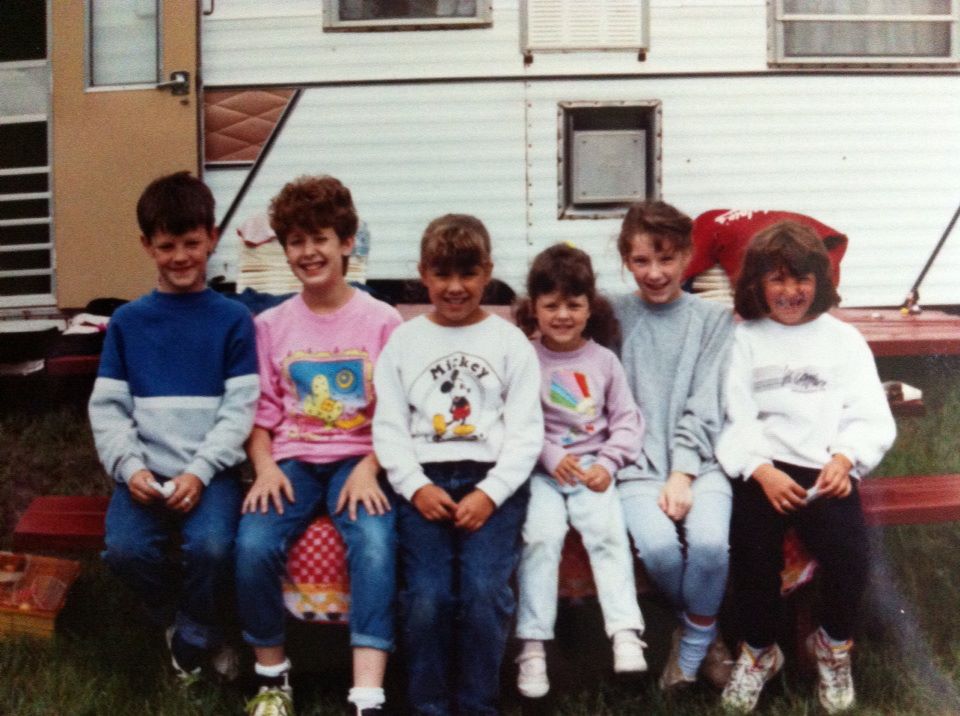
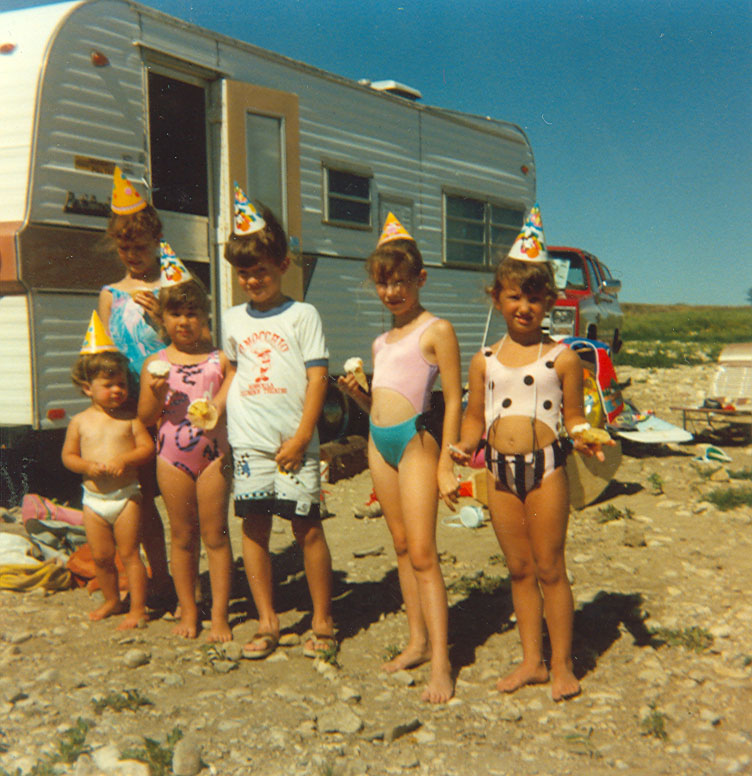
There’s a family photo that resurfaces every once in a while of six little kids with fluffy ‘90s hair sitting on a picnic bench in front of a 1980s tin-sided bumper pull camper. One of us is in a Mickey Mouse sweatshirt, a couple in tight rolled jeans, all of us had bangs that started in the middle of our craniums. It was summer in North Dakota on the edge of the clay shores of Lake Sakakawea and we were squinting against the morning sun, a calm moment captured between itching mosquito bites and slapping horse flies away. A calm moment captured before a picnic of watermelon and juice boxes and hotdogs cooked on my uncle’s tiny grill. A calm moment captured before we became who we really were in that fuzzy photograph—cousins, grandchildren of Pete and Edith Veeder, connected by blood and big love and orange push-up pops and a ranch with a pink road that runs right through. Cousins reunited for a weekend of camping under a fussy North Dakota sky where it’s always a little too cold for swimming with a good chance of a camper-shaking thunderstorm.

Those six kids are all grown up now and so are the two who were too wiggly to sit still for the photo, some of us raising fluffy haired kids of our own. And this summer, for many different reasons, I will have seen every one of my cousins in person, on both sides of my family, in the matter of a few months. This very likely hasn’t happened since we were kids and it’s been an unexpected blessing in this season that is rolling in and out of my life as quickly as one of those thunderstorms.

I watch my daughters take the road that cuts between my house and my sister’s on their way to play because they can hardly stand a day without seeing one another. Now that they are old enough, they take that road themselves. And when I tag along, they leave me in the dust, holding hands and pulling tight on that thread that binds me to them, stretching it out to reach the people they need beyond me. What I would have given to have lived right down the road from my cousins.

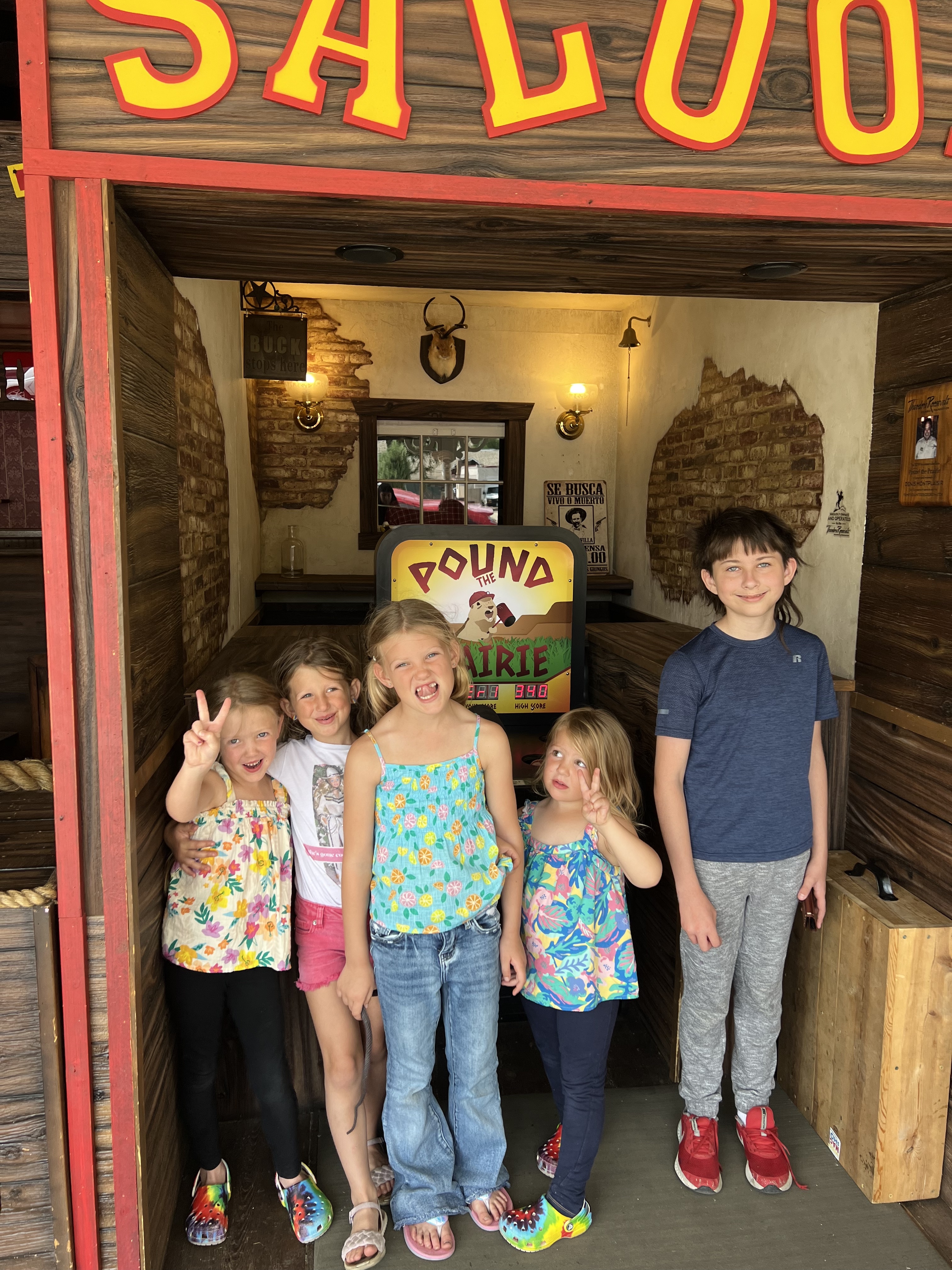
I watch these girls run toward one another and I can’t help but wonder how these relationships will continue and evolve through the years, as sisters and cousins and friends. Their innocence presently has us all fooled into thinking that it could last forever, that they will eternally be bonded in this same tender and intricate way. But years have shown me enough scenarios in which it can all quietly or not so quietly fade or crumble or implode because humans are complicated, and our hearts are tender, and time is a thief. Sometimes my sister and I let ourselves imagine our daughters as teenagers fighting over boyfriends or driving themselves to town for a rodeo or a football game. We think my youngest, Rosie, will insist on driving and then we think she’ll drive too fast. And Edie, my oldest, will try to keep them in line but Emma, my youngest niece will take Rosie’s back. And Ada, the animal lover, might prefer to stay home with the horses, but could be convinced to break any rule because Rosie and Emma plead a good case. Oh it’s fun to imagine but not without wondering how they could ever be anything but here safe at the ranch at 3 and  5 and 6 and 7, in the sweet spot of sprinkler running and Bible Camp songs and endless game of babies in our basement.

Is that what our parents thought that day they asked us to sit shoulder to shoulder on the picnic bench? That if they pointed that camera and developed that film that it would help them remember this fleeting moment where we were together and sun kissed and smiling, before we knew that growing up could simultaneously ache and excite us. Before that thread pulled tight on us across the countryside as we wandered off to find out who we were supposed to be beyond the grass-stained knees of those tight-rolled jeans. I know it is. And then I wonder if they knew that it was because they believed in that pink road and that picnic table bench and family camping trips and Christmas suppers and Easter egg hunts at gramma’s that even now, after all these years, we do what it takes to have the chance to be who we really are, who we’ve always been, Pete and Edith’s grandchildren, squeezing in to say cheese.  

What they left behind

This week’s column is a revisited story from my book, “Coming Home.” Get your copy at www.veederranch.com.

On the Podcast this week I sit down with my husband to talk about homestead houses and how history can haunt us, just like the Goat Man Chad encountered near the Lost Bridge in the badlands. Find out what word I just made up out of thin air last week, hear a story about Lutheran kids dressing up as nuns and get the scoop on the spooky relic from the old house behind my childhood home that chills me still. 
Listen here, or on Spotify or Apple Podcasts

What they left behind

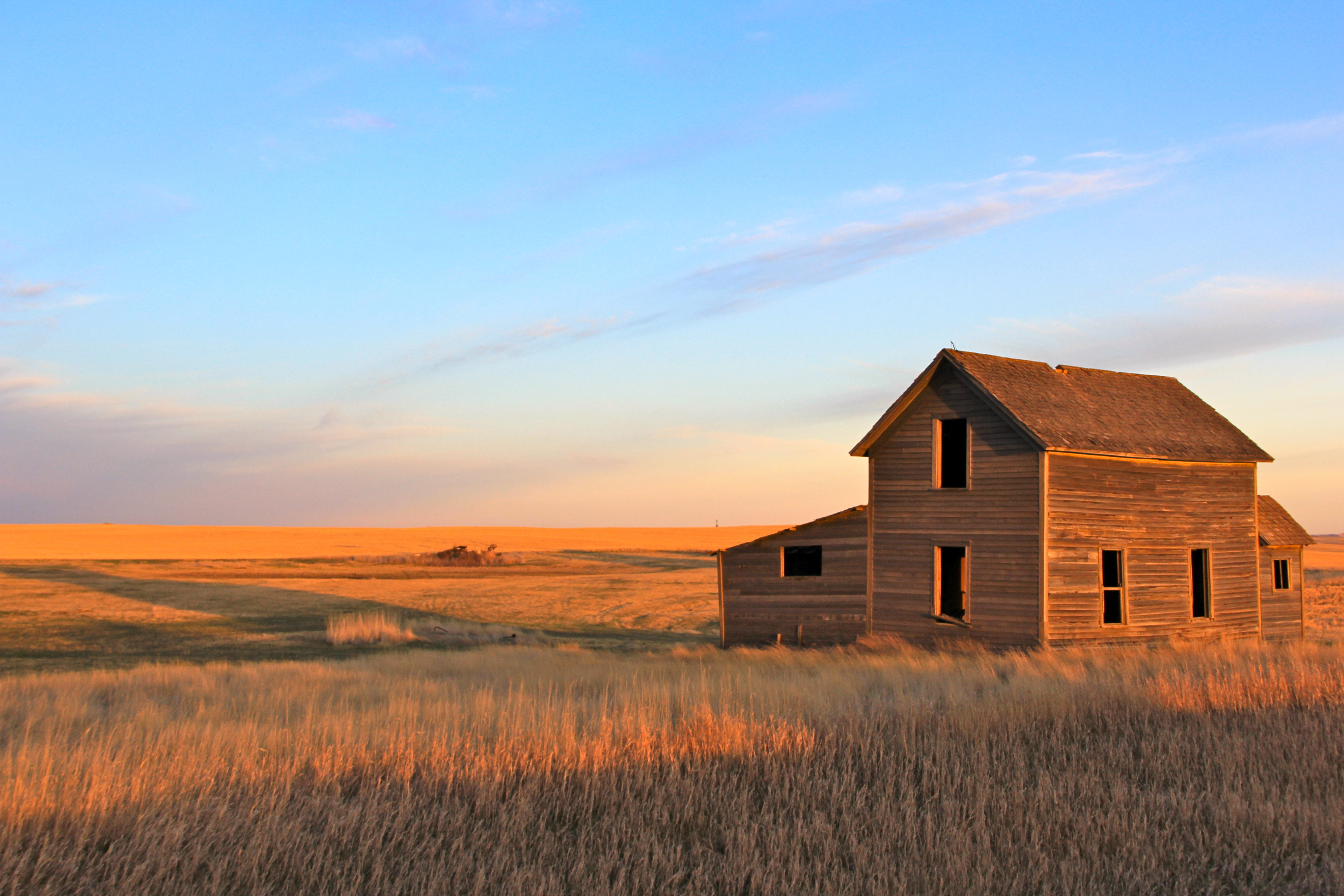
It’s a gloomy day, the rain is falling, the sky is gray and the trees are stripped from black branches. It’s Halloween season and all of the sudden I’m reminded of the old house that used to sit up in a grove of trees behind the yard where I grew up.

It’s not so uncommon around here for a family to purchase land from neighbors or inherit an old family homestead, so there aren’t many farmsteads around these parts that didn’t come with an old structure lingering on the property, providing ranch kids with plenty of bedtime ghost story material.

And so it went with the old house that stood tucked back on the other side of the barbed wire fence, against a slope of a hill, surrounded by oak trees and the remnants of Mrs. B’s famous garden. Her hearty lilac bushes, her grove of apple trees, her wild asparagus and rhubarb still thrive in the clearing she made in those trees all those mysterious years ago, before the family up and left, leaving that garden untended, the root cellar full and a house seemingly frozen in time.

“What happened to them?” I would contemplate with my cousins, one of our favorite subjects as our eyes grew heavy, tucked in bunk beds and sleeping bags scattered on the floor, together growing up, together trying to figure out what the passing of time really means and how a story could be left so undone.

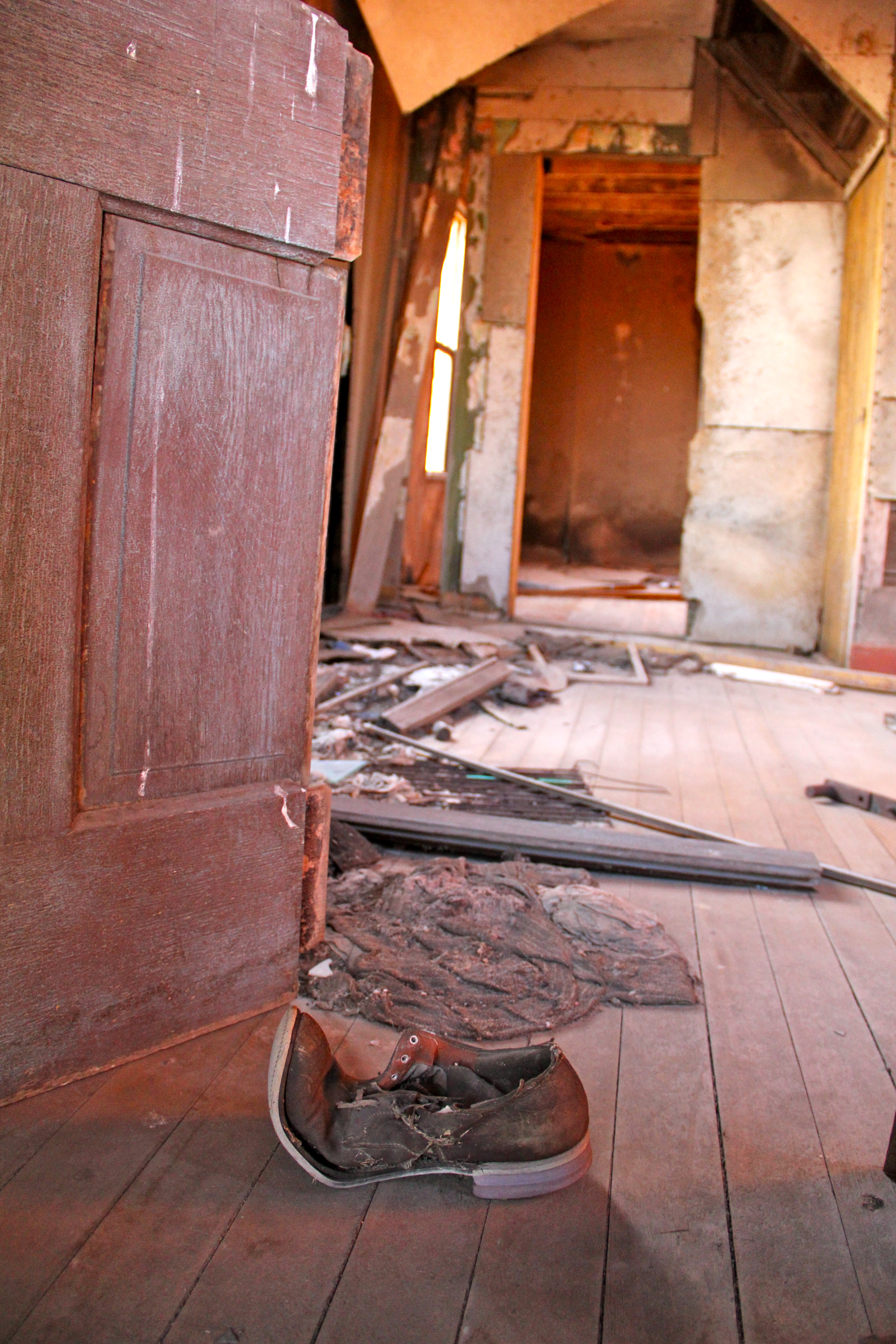
Gramma took some old dresses, vintage black smocks with pearl buttons and lace collars from the small bedroom closet of the old house. We would pull them over our heads to perform pretend wedding ceremonies or attend fancy parties like we saw on our mothers’ soap operas, the fabric smelling like mothballs, dust and old forgotten things.

But no matter what character you were that day, you couldn’t help but think about who the real woman in those dresses once was. And who would leave them behind?

So, as it goes with kids, our curiosity outweighed our fear and we went on a mission to collect samples of this family’s life that still existed between those walls.

And while I remember kitchen utensils hanging neatly on hooks, canned beets and potatoes lined up on shelves, the table and chairs sitting in the sunlight against the window, waiting for a neighbor to stop over for coffee, I also remember bedrooms scattered with old newspapers and magazines, the dates revealing the last years of occupancy, the fashion of the season, stories of drought and cattle prices sprawled out among diary entries and old letters, a glimpse into a world that existed long before us kids sifting through the rubble in tennis shoes with neon laces.

And then I remember the dentures. Or maybe I just remember the story my oldest cousin told about the dentures. It doesn’t matter now who was actually there to witness it, it evolved to belong to everyone. An expedition to the old house, a creak of a cupboard door and the discovery of a jar full of teeth that nobody noticed before.

“The place is haunted.” That was the consensus, especially when, at the next visit, the unwelcome house guests were greeted at the door by a flurry of bats (or, more likely, a bat or two). Yes, the spirits of that mysterious couple came back to the place. How else could you explain the thriving asparagus plants? The teeth?!

And so that was our story of the old house, a strangely fantastic pillar of our childhood adventures and a structure that had to eventually be burned down due to its disintegrating floor joists and general unsafe environment.

I stood in my snowsuit and beanie and watched the flames engulf the graying wood and shoot up over the tops of the black oak trees and wondered how it all eventually came down to this; a life turned into old forgotten things, turned into ashes, turned into stories.

Maybe that’s the scariest tale of them all.

But each fall the apples in the old woman’s orchard ripen, each spring her lilacs bloom and each year their names come to our lips because of what they left behind, making me wonder if we were right about the haunting thing after all.

Summer, don’t leave me…


This week on the podcast, I have coffee with my little sister, Alex, who is a former guidance counselor and teacher, to get some perspective on back to school. Alex gives some tips on the best questions to ask about your child’s day to actually get a response and I try to get to the bottom of why having a kid going into first grade is carrying more weight than the first day of Kindergarten. We talk season changes on the ranch, back to school traditions and more. Listen at this link or on Spotify or Apple Podcasts.  

What can happen in a summer at the ranch? When you’re raising two young daughters this is where they sprout and bloom, in this season of sunshine and sprinklers and butterflies and toads. We’re winding it down now.

If you’re reading this in your local newspaper, I am probably in one of the big towns coaxing those daughters to try on pair of school shoes, making them stand up, walk around a bit, feeling where their big toe hits, asking them if they feel ok. Do they feel ok? It’s the exact same thing my mom used to do, word for word it seems. Because these days you can get just about anything to come to you in the mail out here with the click of a button, but the shoes need to be tried. It’s a back-to-school ritual that we’re in now because I blinked.

I blinked.

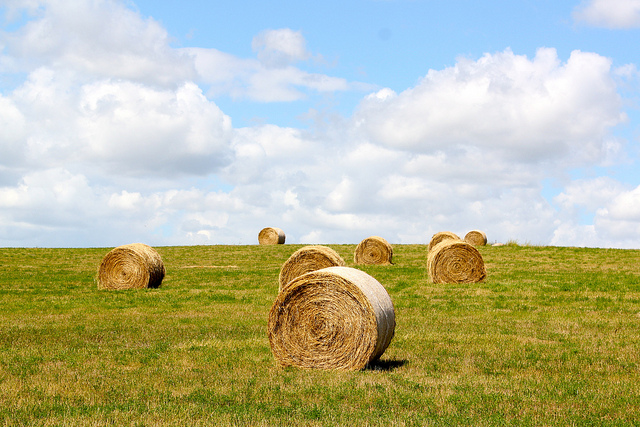
They all told me not to, but I did and the spring that brought record breaking snow drifts with it, then it melted and made way for a summer filled with armpit high grass and wildflowers and healthy black calves kicking up their heels on the hilltops and laying down in the cool draws. Because the rain came to feed the hay crop and you should see the bales dotting the fields. Here we spend our three fleeting months of summer preparing for the long winter and we’re all more prepared than ever it seems. Thanks to the rain. Thanks to the sun. Thanks for the work.

I watched my daughters’ sandy hair turn blonde under that sun, and their pale skin tan, their cheeks rosy and flushed when they came in for popsicles. And I saw them stretch out of their long pants so they could properly skin their knees on the scoria road as they ran wide open toward their cousins’ house. I want to run wide open with them right back into the spring so we can do it all over again, but this time I’ll keep my eyes wide open. I promise.  

Why does this always happen to me? Why do I get lonesome for this season before it’s even officially over? Is it because it always feels like we’re at the end of one of those predictable summer themed movies, where the lighting is perfect and they conquer a fear and they all fall in love in the end at a beach house somewhere along the coastline? Back here in the real world I’m picking the ripe tomatoes from my garden and hoping for rain again, the sun is setting low at 9 pm and  the credits are rolling and I have to get back inside to get to the dishes….

And nothing has changed here except sort of everything. Kids learn to ride their bikes and climb the monkey bars backwards. They make friends in the campground they’ll never see again. She decides not to wear shirts with unicorns on them because she’s not a baby anymore. They fix their own hair, get their own milk to pour, decide they like tomatoes, grow an inch…

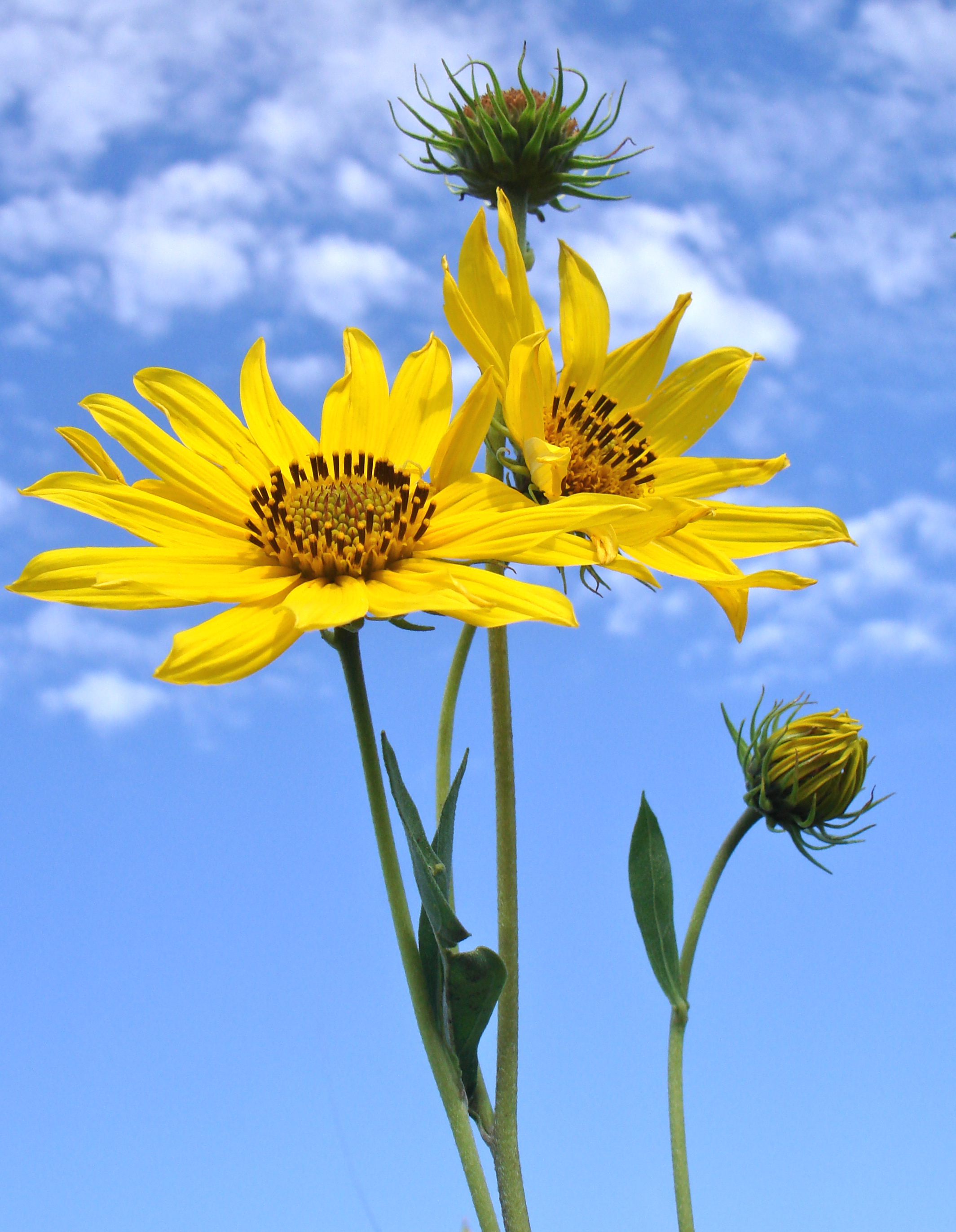
It’s all so gradual, these quiet transformations, like summer herself. You go out one day and notice the sweet peas coming with the green grass and the next time you look they’re dried up and gone, making way for the sunflowers to bend in the wind alongside that green grass turned golden.

This is us too you know, I need to make the reminder should we forget that we are as much a part of the transformation of seasons and time ticking as the rising and setting of the sun. You might not have noticed. You might have blinked, and that’s ok.

So stand up, walk around in it now, how does it fit? Does it feel ok? Do you feel ok?

Summer Don’t Leave Me

Summer don’t leave me
stay under my feet
hang warm in the sky
don’t dry up the wheat

Summer stay near me
to kiss my skin tan
mess up my long hair
hold tight my hand

Summer please stay here
in the chokecherry trees
on the back of a good horse
in the green of the leaves

Oh, Summer my good friend
there’s only so many hours
so take the storms and the rainbows…

but don’t take my wildflowers

Wild Sunflowers

This world needs more barn dances

In this week’s podcast, my husband and I reflect on who taught us to dance, how our Dirty Dancing days are over and pontificate on the old house that used to be on the ranch, who lived there and why they left

I think what this broken old world needs is a few more barn dances.

You may have forgotten that those used to be a thing that people did.

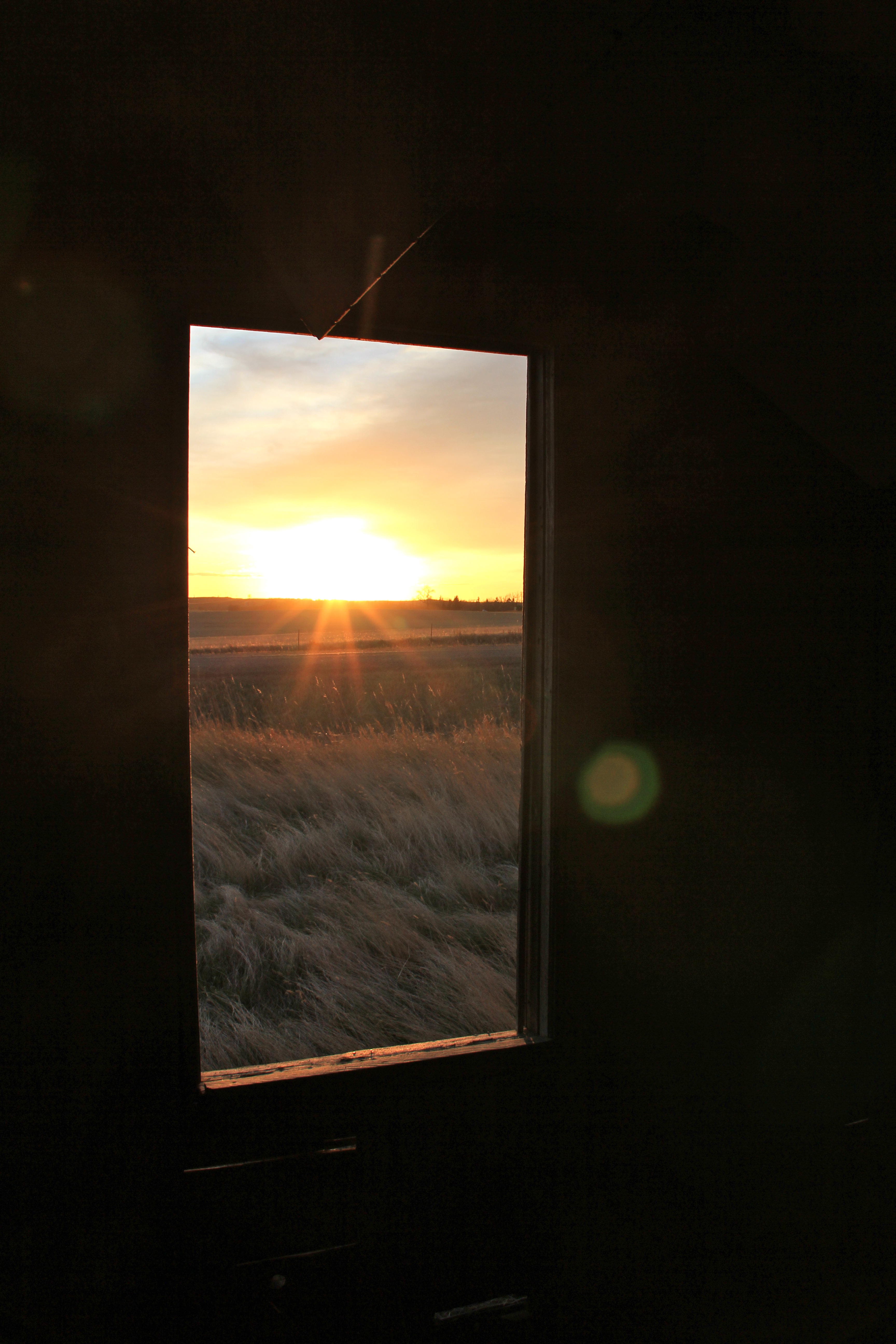
Above the house where I grew up is an old shed. It’s sat there for nearly a hundred years now I think. It outlasted the homestead house where a family used to live and then one day moved away, leaving what seemed to be everything behind—dresses and books and filled-in calendars and ledgers and dishes in the cupboards, canned garden vegetables in the root cellar, the lilac bushes and the apple orchard and mattresses and lace curtains moving like quiet ghosts with the wind cutting through the gaps in the walls. Old houses fall apart in the most slow and lonesome way when there’s no one there to sweep the floors and wipe the windows and serve the bread.

They left the house and all those things and they left that little wooden shed my dad said used to be a granary. He remembers it and he remembers those neighbors.

They used to have dances in there my dad told me when I was poking around as a kid. It seemed impossible to me. That granary was much too small, not even close to 1,000 square feet. If you danced it would be a tight circle. Add a guitar and a fiddle and the quarters would be beyond close. Tight. Unimaginable to us these days, losing ourselves and one another in wide-open floor plans, separate rooms and all the space between. Houses are big enough now so that you never have to lay a hand on each other on your way to the kitchen sink, or sit with legs touching on the living room sofa, or fall asleep to the sound of your sister breathing in the small bed next to you. Not if you didn’t want to anyway. Not if you’re what we call “lucky” to have all that room…

Back then I imagine the landscape, and the work that needed to be done upon it, gave you all the space you needed from the next living soul. Lonesome looked a bit different back then.

Maybe that’s why they turned tiny granaries into dance floors. Because wouldn’t you want to hear the slow drawl of the neighbor’s fiddle spill out of the leaky roof and into the night sky lit with stars? Wouldn’t you want to put your hand on her waist and swing her around laughing? Wouldn’t you want to sing along, to hear their voices overlap and chatter, gossiping and encouraging and entertaining to help you forget for a moment the worry of it all?

You would have wanted to then, when it was a bit quieter. When the world you knew stretched only as far as the horizon, or as far as you could afford a train ticket to take you. You see, they were islands too, in much different ways. And then, in so many of the same. Humans have always been humans, after all.

But the dancing in that tiny building, well, one hundred or so years ago, there was no other choice.

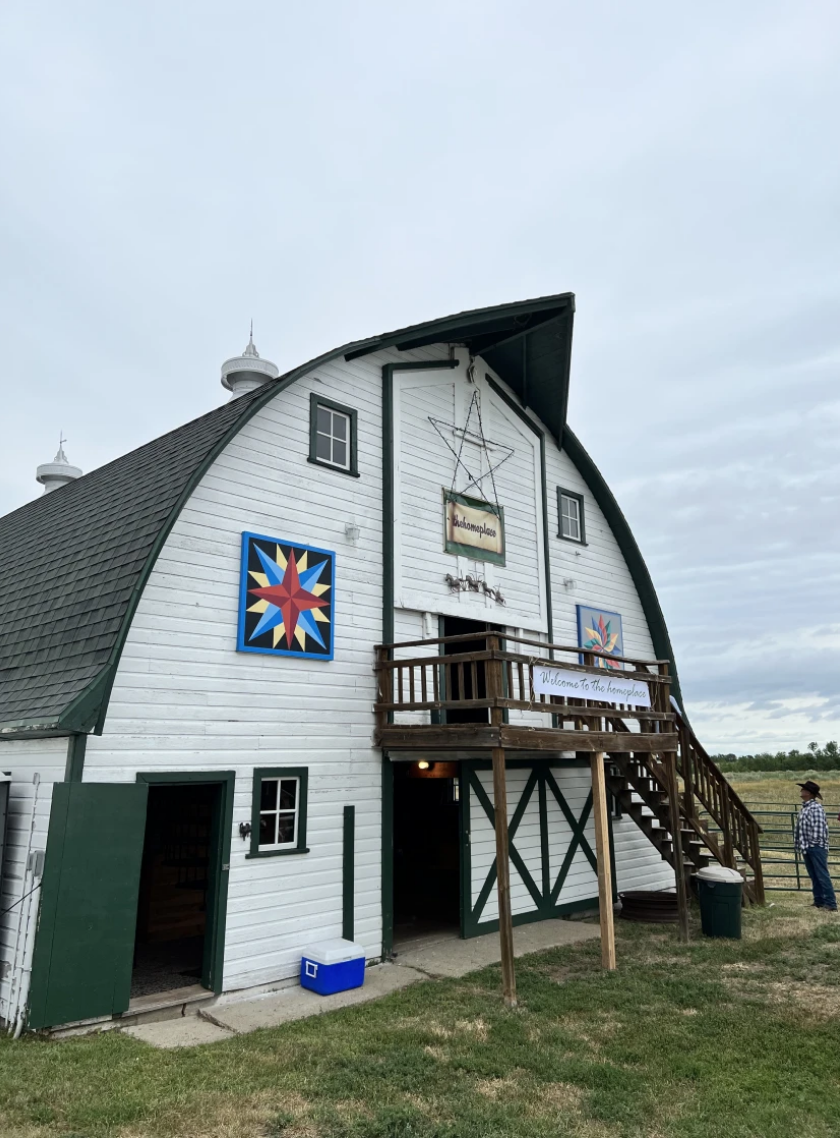
Now we have so many. So many excuses. So many oceans we’ve put between us… But last week a man in the middle of rural North Dakota, more than one hundred years from when the first barn was raised on this northern prairie landscape, called his family, his neighbors and friends, and told them to come on over to the Homeplace. Come on over to the barn. We’ll feed you. There will be music. And there will be dancing.

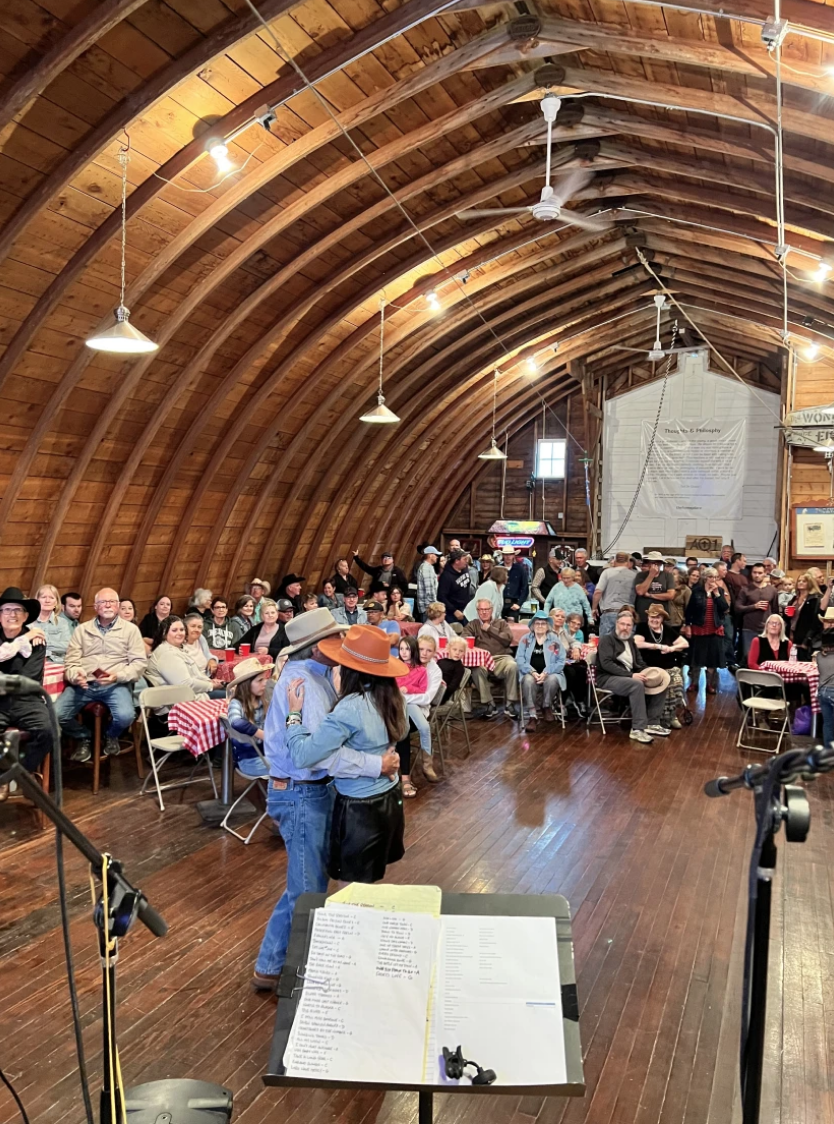
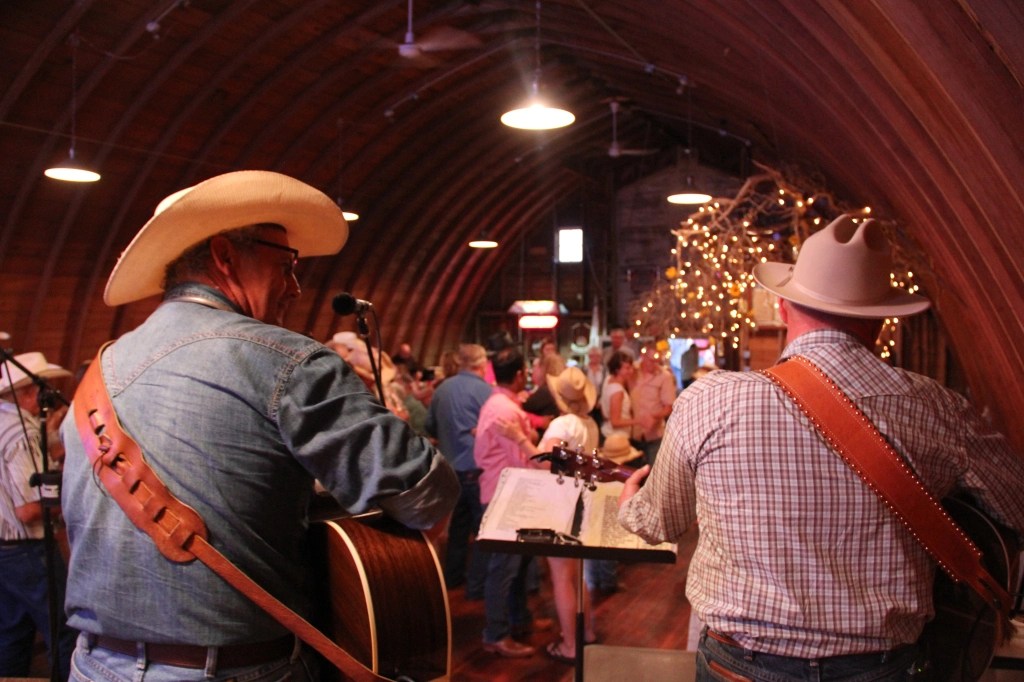
He’s been doing it for years, so they knew. They had it on their calendars. And his daughters and their families and he and his wife, they made the Fleischkuechle and the kuchen because that was tradition too. And me, well me and the guys were lucky enough to witness it all from the little stage in the corner of the loft of the old barn with the shined up floors where we strummed guitars and sang some songs they knew and some they didn’t and all with a beat for a good two step, or a waltz or a chance to join hands in a circle. Because I heard him say it into the microphone when he welcomed them all to that loft after a picnic supper–he didn’t want his grandchildren to grow up in a world where there were no barn dance. So he made sure, at least for his community, it was not a lost tradition.

And from my perch behind the microphone he reminded me that we may not all have big beautiful barns preserved from the cruel weather of time, but if we’re lucky, we have a spot that might work just fine enough for dancing in a circle.

Because I’m not sure, but I think it’s true, that just like old houses, people, they fall apart too, slow and lonesome if there’s no one there to sweep the floors, to brush past, to breathe the same close air, to sway side to side, and open the curtains and let the light in and serve the bread and do the things that, together, people are meant to do…

Will our children know the quiet?

Will our kids have a chance to know the quiet?
Forum Communications

On a recent trip to a Minnesota town, I took a walk along a path by the river that wound through the city. I kept my headphones out and listened to the sound of slow-moving traffic, wind moving through the changing leaves, dogs barking, a mom and dad chatting, strolling their newborn down the sidewalk on a sunny evening, the sound of my own thoughts…

In the quiet neighborhood I noticed a little girl swinging, alone on the playground behind her apartment complex, her mom sitting on a bench at the corner of the sandbox while the child sang to herself, pumping her legs up to the sky, lost in thoughts of her own, only the way a child can do it when left to herself. What might it be like to be a bird? She closes her eyes and imagines she’s flying, imagines she has wings and a place to be. She sings to herself and the world she’s created in that slow and steady moment she was given to play alone.

I used to be that girl. I hope we all have been a version of her at some point in our childhoods, whether we grew up between these sidewalks or, like me, with miles of road and trees and creeks separating me from parks like these. With years between my sisters and me, I spent plenty of time alone as a kid, using my imagination to occupy me, to come up with a project or a song or a place I needed to be that day — checking on the wild raspberries, trying my hand at catching a frog or pushing logs up along a fallen tree and calling it a fort. I didn’t know it then, but it was the best gift I could have been given, the time to learn how to be with myself.

It’s served me well now as an adult in a career that’s sent me traveling thousands and thousands of miles along lonesome stretches of highway, navigating it alone. Dining alone. On a mission to wander.

To be quiet with myself has never been a thing that’s scared me, and now, as a parent to two young children in a world that feels noisier every day, the thing that scares me about the quiet is that our children won’t have a chance to know it. And without the quiet moments, I worry they won’t get to truly know themselves.

Last weekend my husband was digging in a water tank for the cattle behind my parents’ house, along the creek that used to be my old stomping grounds. My 5-year-old suggested we take him a picnic and so we packed up juice boxes in lunchboxes and ducked through the fences behind dad’s garden, past where the tire swing used to hang and along the beaver dam where a tin-can telephone used to connect my fort with my little sister’s across the creek.

We found a log to sit on and dug into our treats, talking about how I used to float sticks and watch the water bugs row across the clear water, and pretty soon I was leading them along that creek bank, making crowns out of reeds, picking riverbank grapes, jumping after frogs and digging in the sand. I was transported and they were transfixed the way wild places work on children. Let’s go farther, stay longer, look for more frogs, please.

Do you know we can still feel this way if we allow it? The magic — it still works on us too. I forget sometimes, but I was reminded.

There’s magic in nature. Magic. Magic in reaching for the sky, in the pumping of our legs to the rhythm of the songs we sing to ourselves. What’s it like to be a bird? Close your eyes, let the quiet in and grow yourself wings…

Lost tooth memories

Losing a tooth and gaining memories
Forum Communications

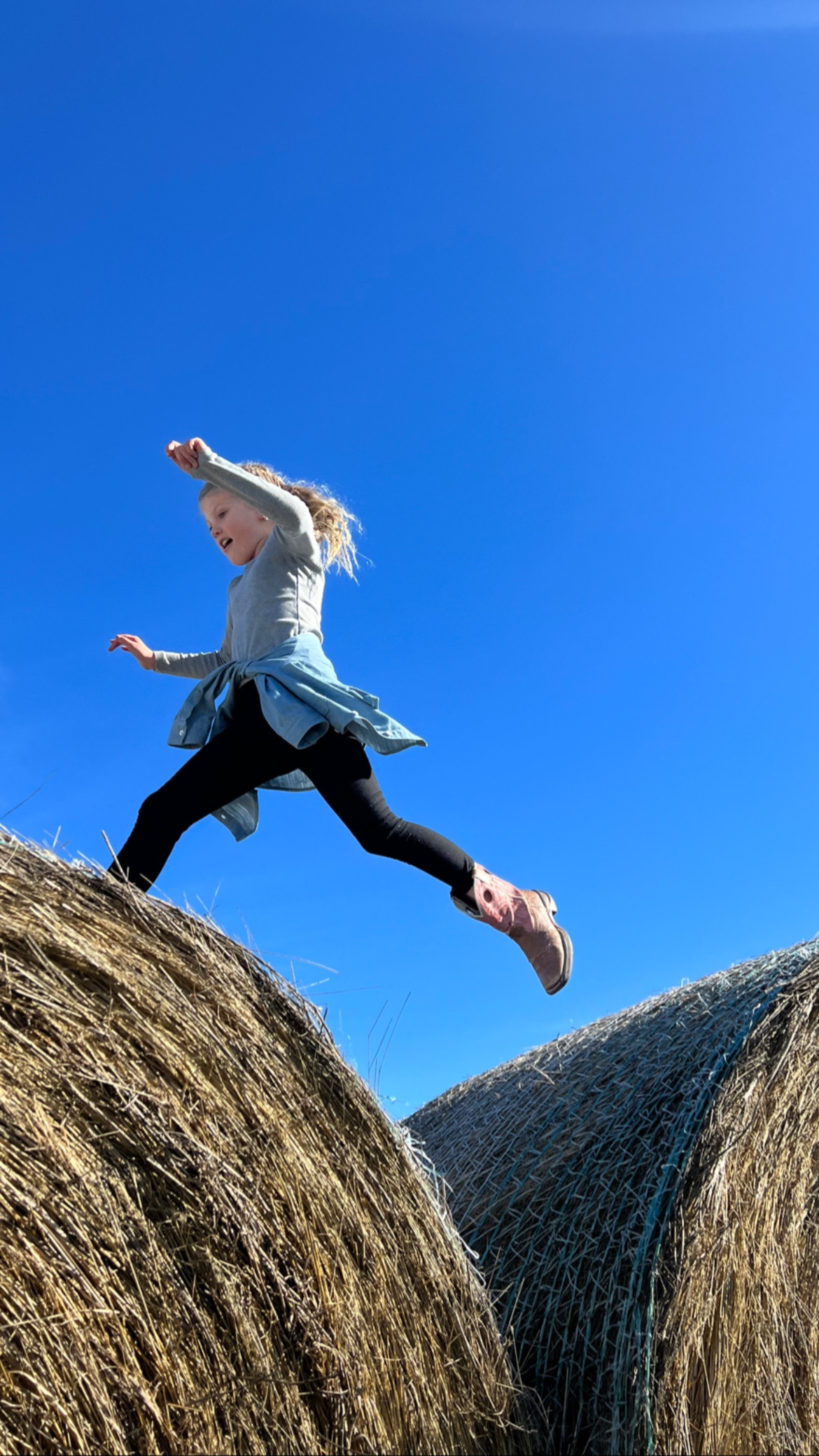
My oldest daughter lost her first tooth last week. On her 47th jump off the panel fence while we were feeding bottle calves, she fell and jarred her little jaw enough to knock a loose tooth looser.

By bedtime, all bathed and fresh and ready for sleep, she let her daddy pull that wiggly tooth, the one I swear she just grew yesterday.

And while she went into the whole thing brave and tough, chaos ensued well past bedtime when she realized a part of her that was once in her mouth, was now in her hand.

And there was blood.

And crying. From both Edie and her little sister. (And maybe me a little, because I thought he was just going to wiggle it!) But, for Edie, all that was scary was calmed by the dollars left under her pillow. I’m still not sure Rosie is over the trauma of it all.

Come to think of it, maybe neither am I. Because it all seems to be happening at once. She turns 5 and learns to ride her bike without training wheels, she loses her first tooth, I register her for kindergarten and listen to sad ’90s country for a week straight — and then I blink and she’s taking the painting she did in junior high, the old lamp in the attic and packing up the station wagon, waving goodbye to me while I stand in the very same driveway where she just learned to ride her bike yesterday.

At least that’s what Suzy Boggus told me as I drove out of the elementary school parking lot wiping my tears away. The song has a bit more bite than it did when I was singing along to it on my bus ride to school.

Letting go.

We’ve taken a large step into that phase of parenting now, and my girls take twirling leap after spinning bike tire toward their independence. I see it now in how they’re suddenly so aware of the wide-open spaces that surround them. No more fenced yard holding them in — they climb right under it and wonder now if they can get themselves from our house to Gramma’s or aunt Alex’s.

Maybe if they run to the top of the hill and stand on the tallest rock. Maybe if they follow that deer trail, or the cow dog. Maybe if they didn’t pick up every pretty rock they found along the way. Maybe if they wouldn’t have face-planted in the dirt running too fast down the hill. Maybe if they would have told their mother they were leaving the yard, she could have come and rescued them from themselves a bit earlier.

But oh, so much of me loves to watch them suddenly realize that all of this is theirs to make footprints on. To take care of. To inspect for crocuses, to pick up a cactus or two on their jeans. The big blue sky, the tall oaks, the stock dam and the crick and the sticks they throw for the dogs, the mud that gets stuck to their boots, the big rocks that will become their special, secret spots, even though we can see them from the house…

My daughters, at 5 and 3, are entering the sweet spot of childhood where memories are made and the world seems wide open and full of questions and mystery. They’re entering a phase of childhood in which I can remember for myself now, and how it felt to fall in love with this place.

How it felt to hold my little sister’s hand and help her through the fence.

How big my dad’s fingers felt in my mouth when he helped pull out my first tooth…

I can remember that, Edie. You’ll remember it now too… you’ll remember now…