Homemade Halloween

Happy Day after Halloween everyone! How’s your blood sugar level? I’m feeling the need to check in on you all after a Halloween that lasted three whole days. Are you upright? Did the kids make it?

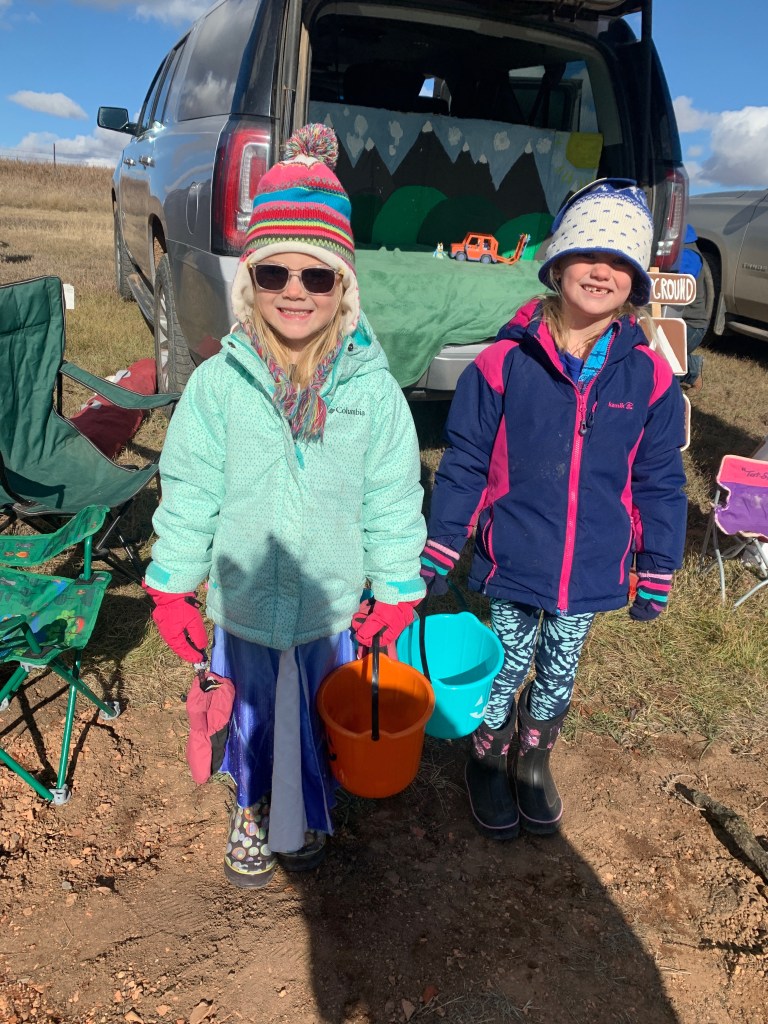
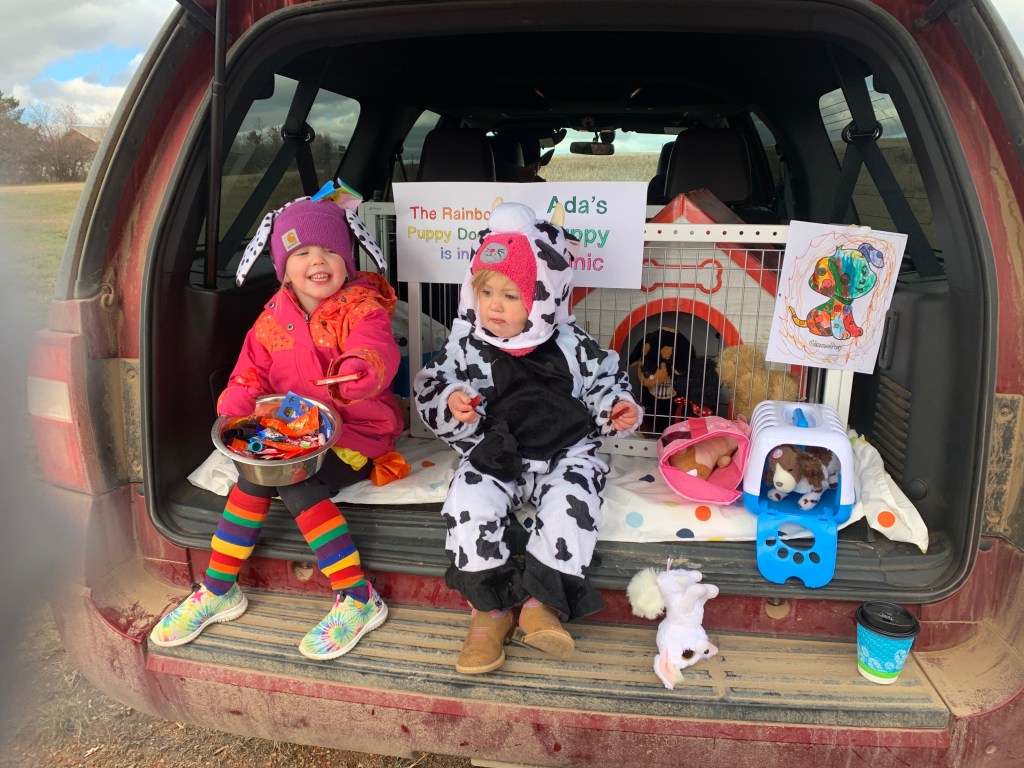
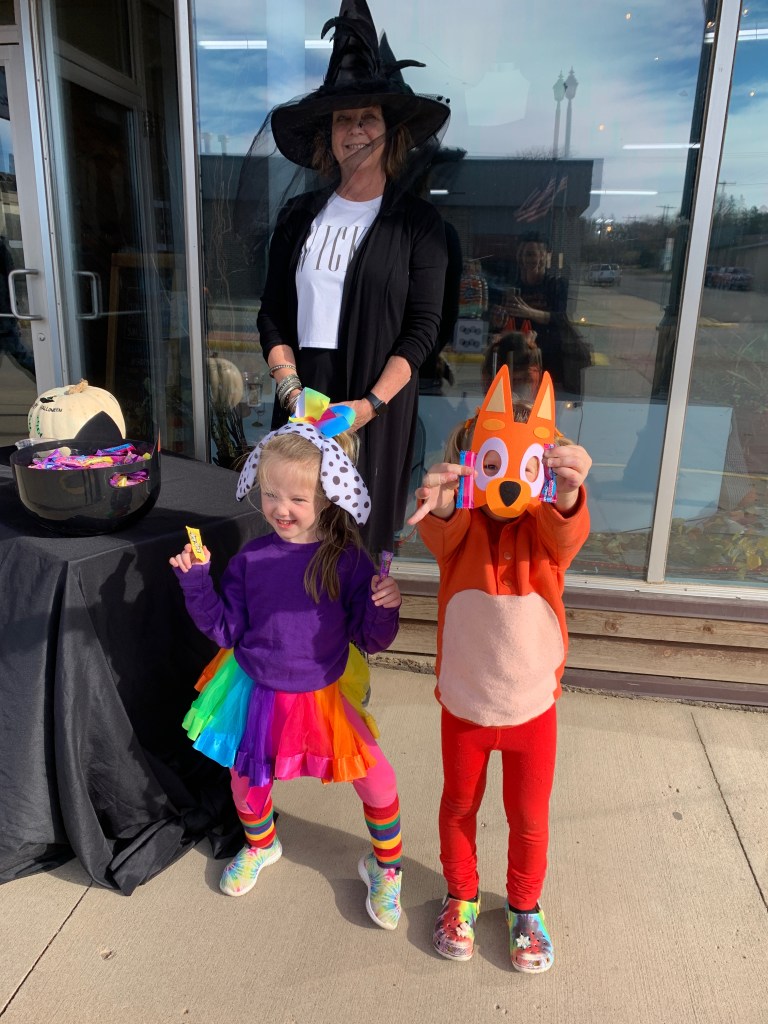
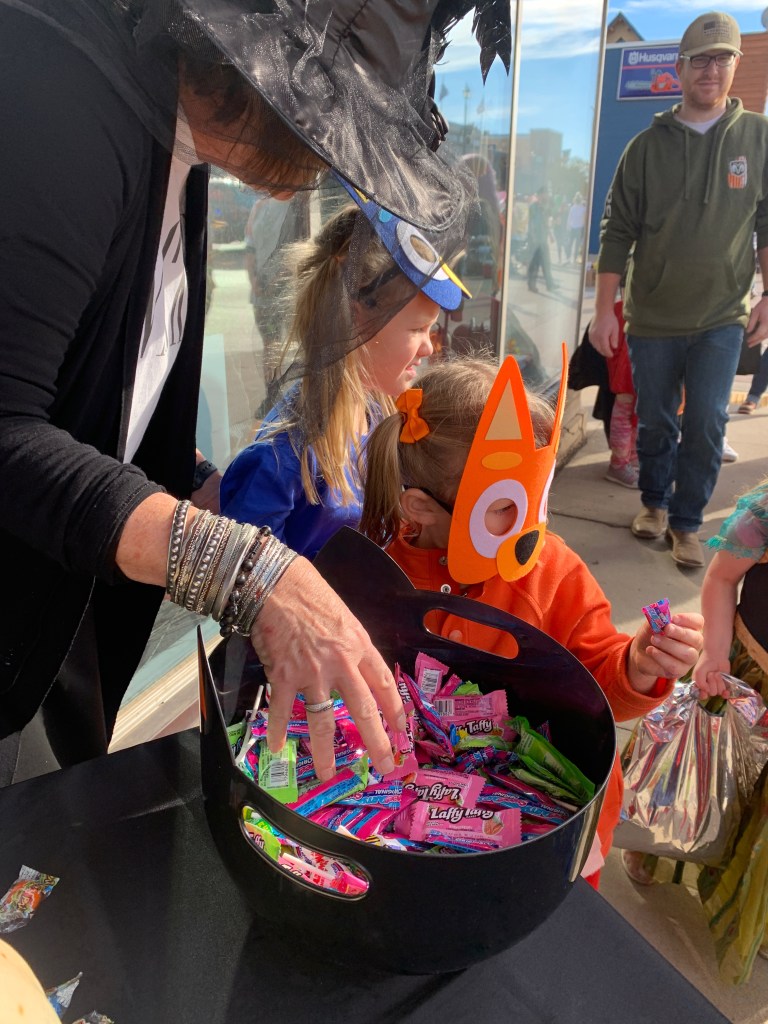
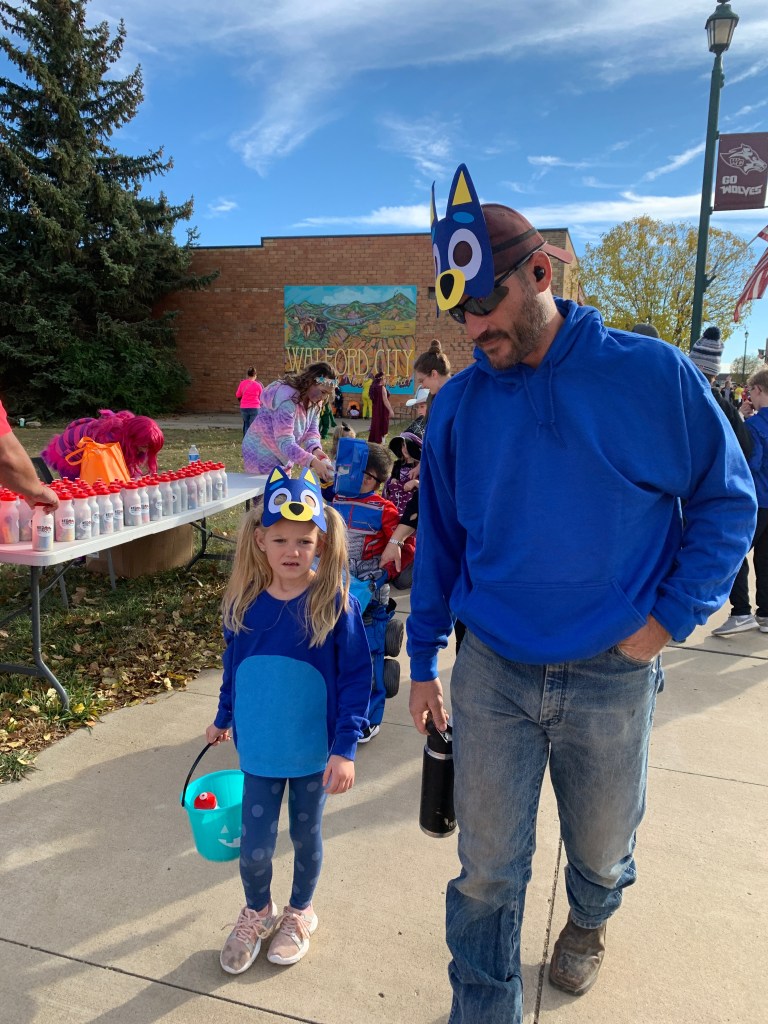
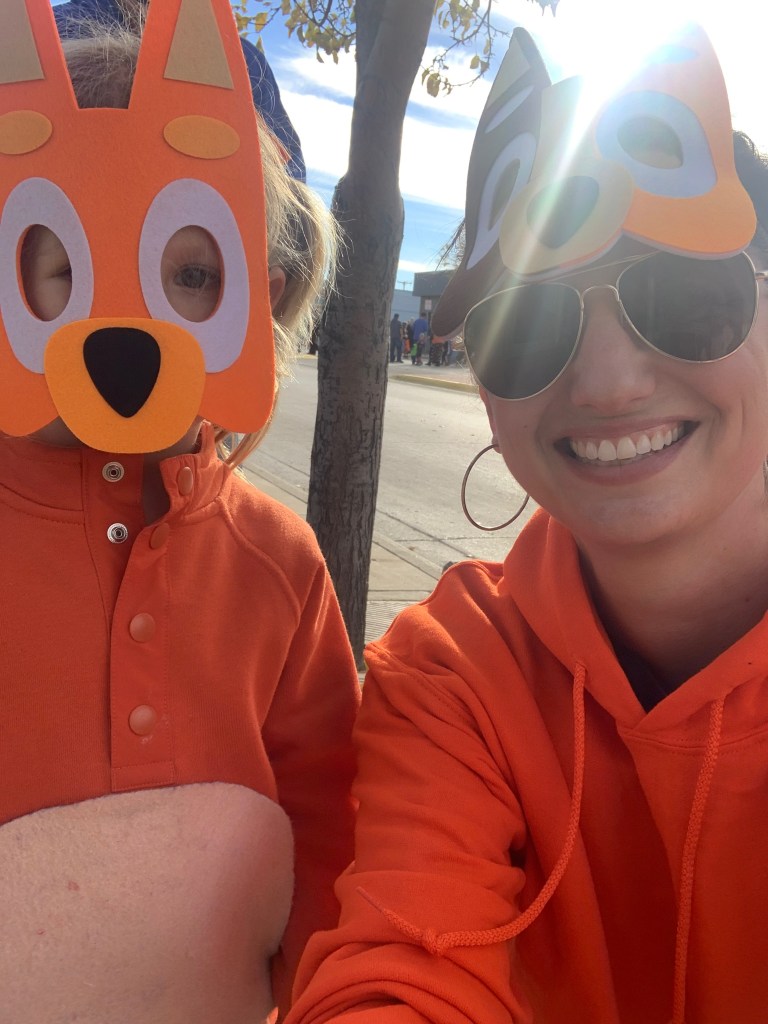
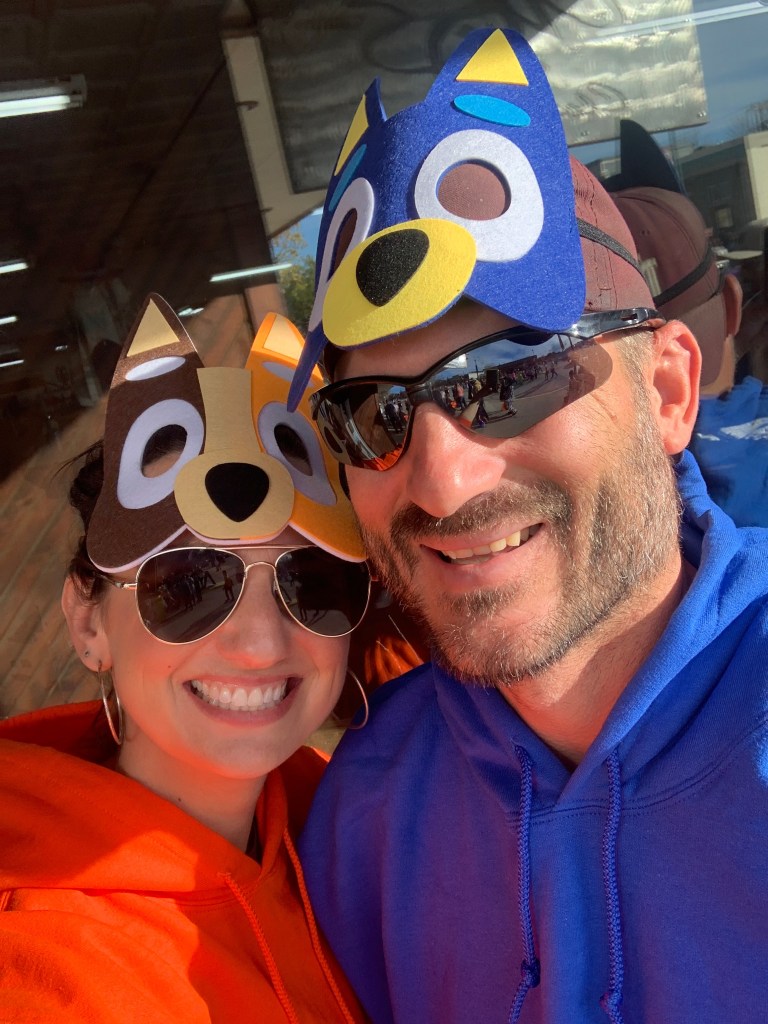
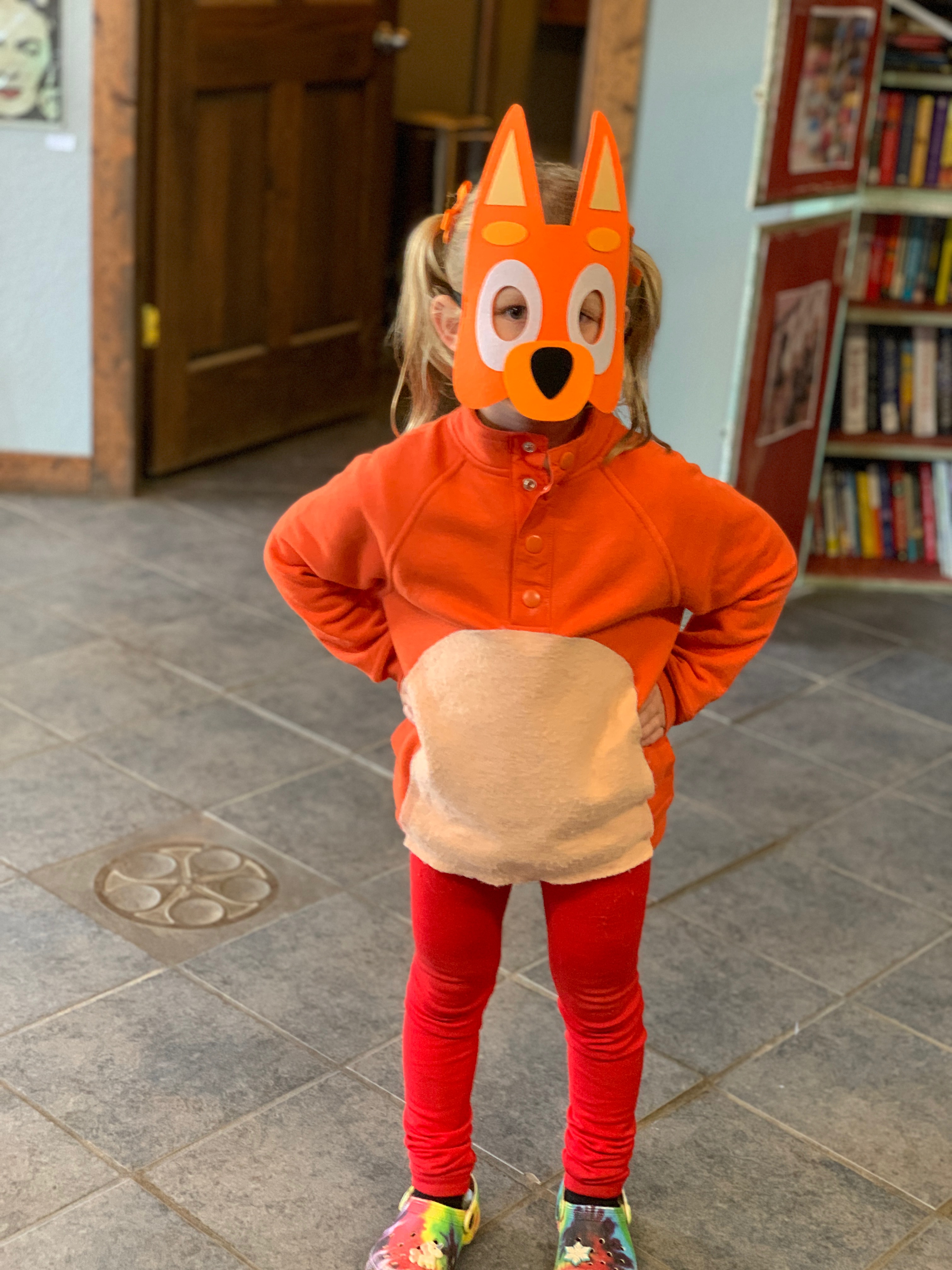
This week’s column is a reflection on my Homemade Halloweens, and this year we carried on the tradition successfully, although I was a little nervous when I wrote the column that my five-year-old was going to reject the homemade and head toward her rack of princess dresses. But alas, she proved that she has a soft and gooey center and dressed up as Bluey, the star of her little sister’s favorite show, making Rosie’s dreams come true and her momma proud and thankful that I didn’t get out the glue gun for nothing.

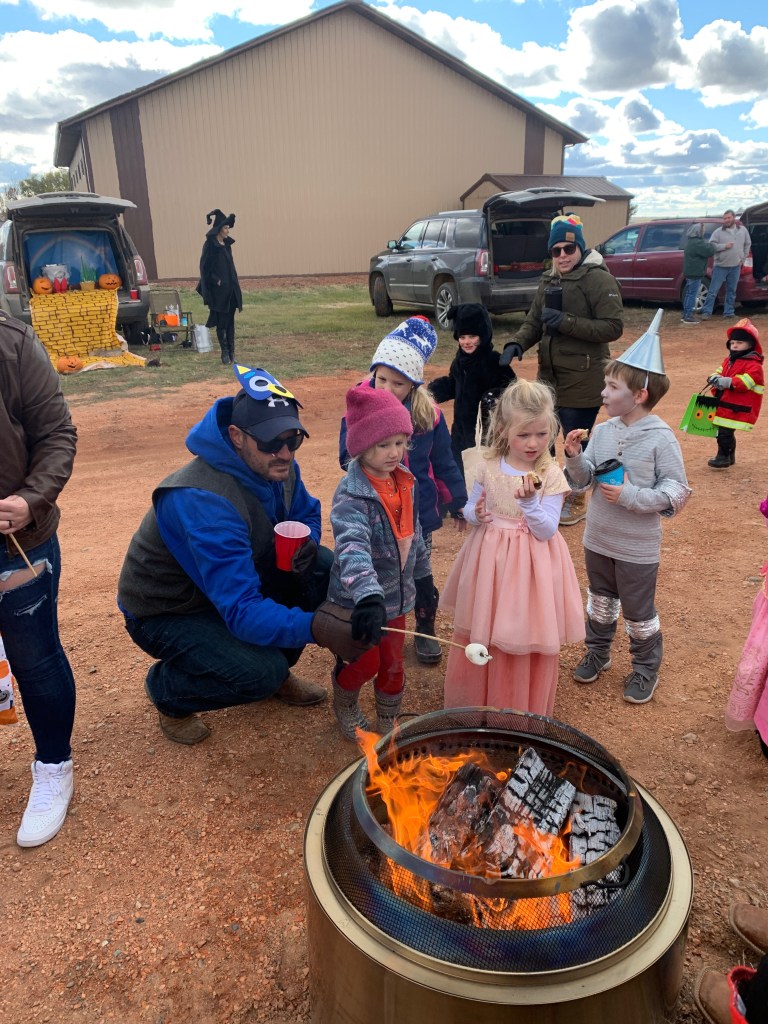
So here’s the thing about having Halloween officially land on a Sunday–not only does it make for a three day celebration, it means that I had a whole day and a half to thoroughly obsess over my Trunk-or-Treat display. Because when I was a kid, Trunk-or-Treat didn’t exist. But oh, it exists now and I. Am. Here. For. It.

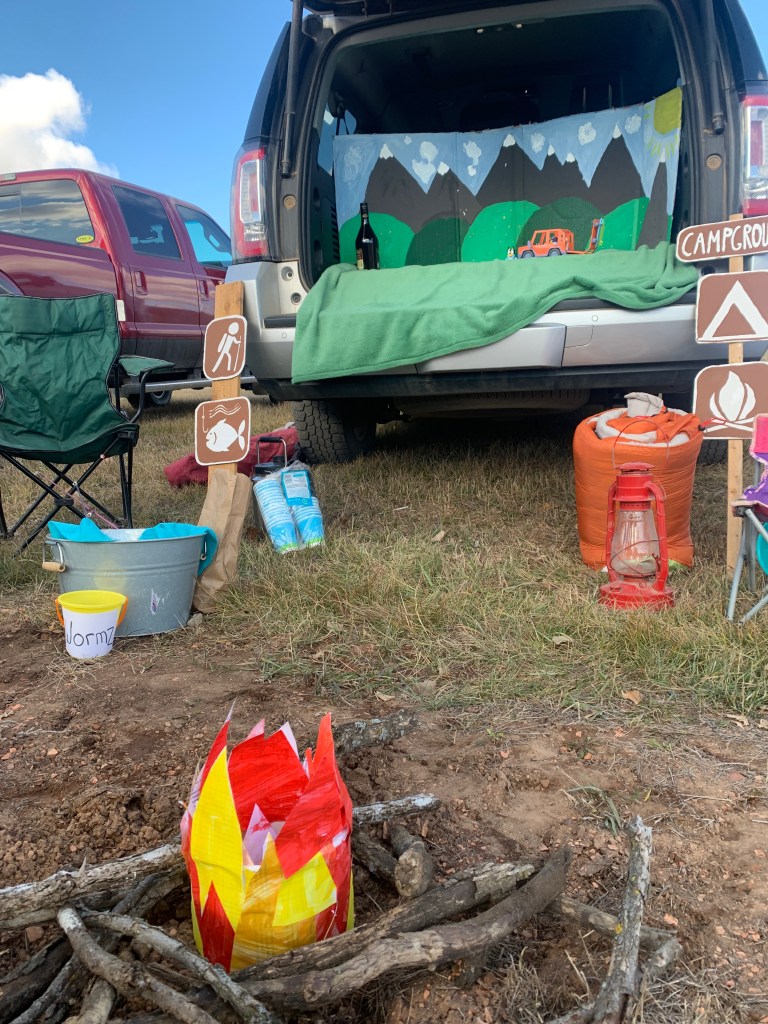
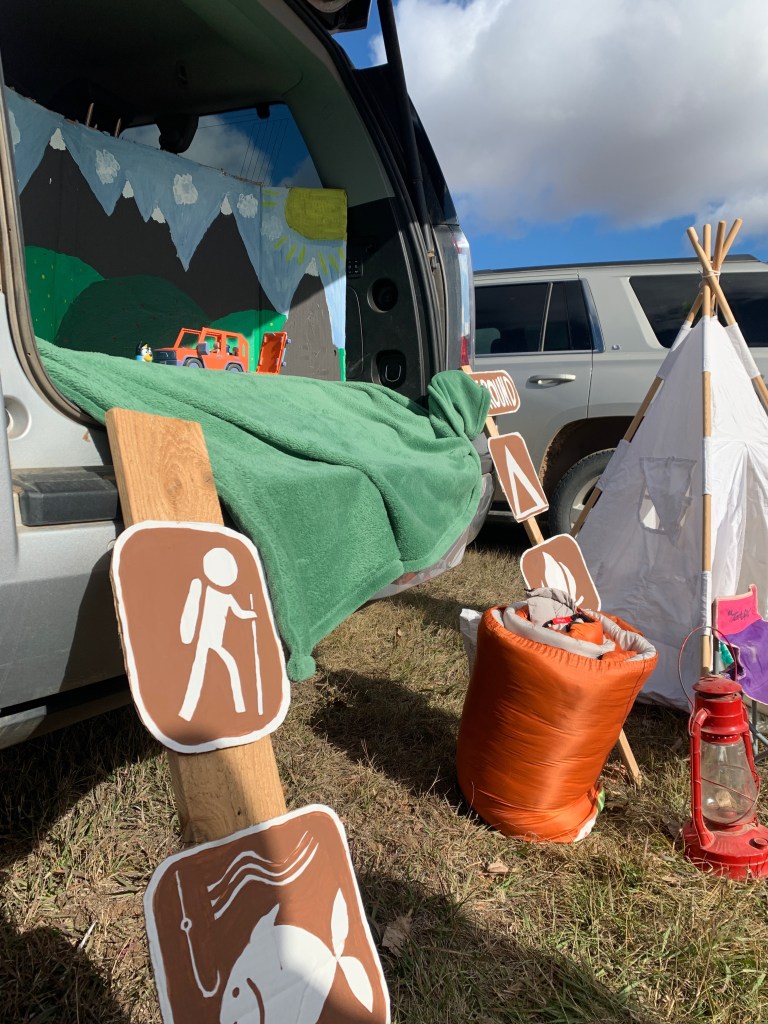
So the girls and I spent Saturday night and Sunday morning turning the back of my car into a campsite. We painted signs and mountains, brought up the sleeping bags and Teepee and old time lantern, took out the fishing poles, gathered sticks and cut up paper to make a fake fire and fully and completely destroyed our kitchen in the process. And then we loaded it all up to head down the road to figure out how to coordinate our Bluey Family costumes with our winter gear. Because weather’s never really stopped North Dakotan’s from doing our best to celebrate something. And so we celebrated, in 70-some degree weather on Friday on Main Street and 30-some degree weather on Sunday handing out candy from my lawn chair and “fishing hole.” the fishing hole.

The girls and I went all out on our Trunk or Treat Theme this year. My kitchen is covered in paint and crafting supplies, and I had to take a half-hour shower to thaw out from sitting in 30-some degree weather handing out the chocolate, but it was worth it.

I hope you all enjoyed this fun holiday the way you prefer to enjoy it–eating all the candy, entering the costume contest, playing tricks on the neighborhood kids, or shutting the lights off and hiding out–because if there was ever a holiday that screams “you do you” it’s All Hallow’s Eve.
Ok, here’s this week’s column.

Another Homemade Halloween

If you don’t watch Bluey with your kids, you should. An adorable Aussie show featuring a family of Heelers. They have two little girls, Blue and Bingo, and two little girl cousins, Muffin and Socks, and I feel like it’s our life on the ranch as a cartoon.

By the time you read this, I will have successfully consumed all of the chewy SweeTarts, Reese’s Peanut Butter Cups and Milk Duds I purchased for Halloween, proving yet again that I can’t be trusted to buy any candy early, unless I somehow hide it from myself, which would mean I won’t find it until they clean my house to move me into the nursing home.

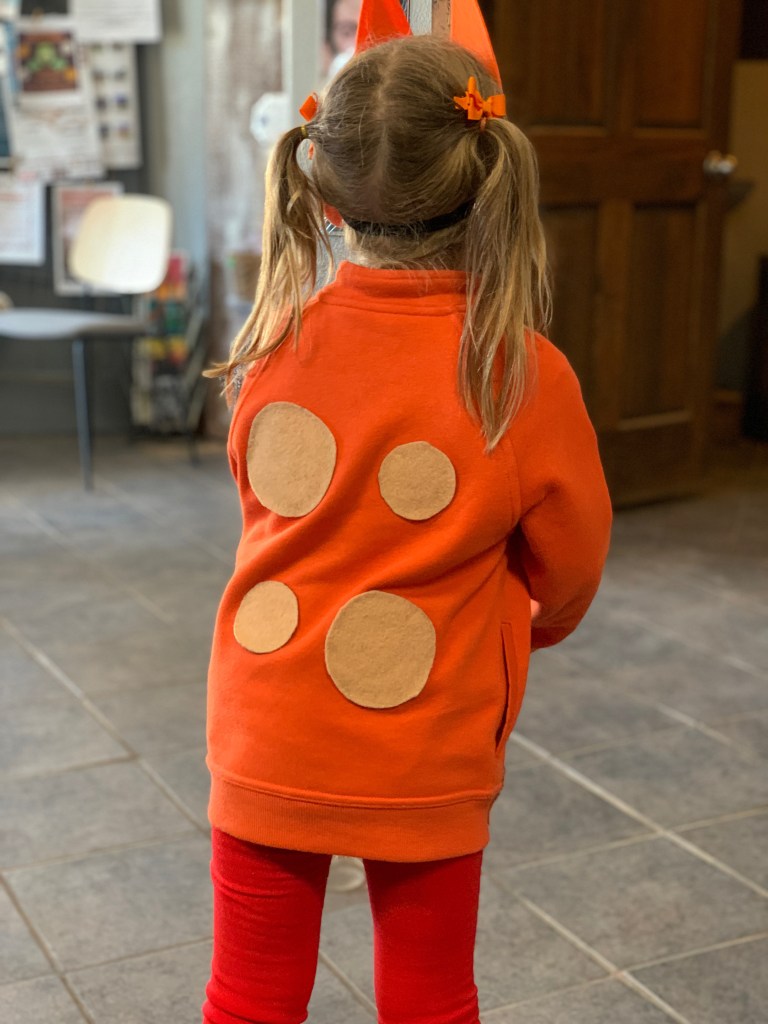
By the time you read this, I will have hot-glued some felt to a couple bright sweatshirts (and added puffy paint just for fun) in an attempt to create a costume you can’t find in stores, only to learn that my oldest would now rather be Elena, Princess of Avalor than Bluey, a cartoon blue heeler puppy made out of a hoodie.

I’m not sure I have enough hot glue sticks, felt or glitter in the house to construct a full-on ballgown, not that I won’t try. Edie’s too young to understand that I will, indeed, try.

Because her father and I come from a long line of “make your own costume” people. Walmart wasn’t just down the street, you know. Oh, and money didn’t grow on trees then either. And uphill both ways, and all that stuff that will send my daughters’ eyeballs rolling.

Anyway, did anyone else’s mom stuff you in one of those pumpkin leaf bags, paint your face green and call it a costume? How about a princess in one of her old bridesmaid’s dresses with a pipe cleaner crown? No.
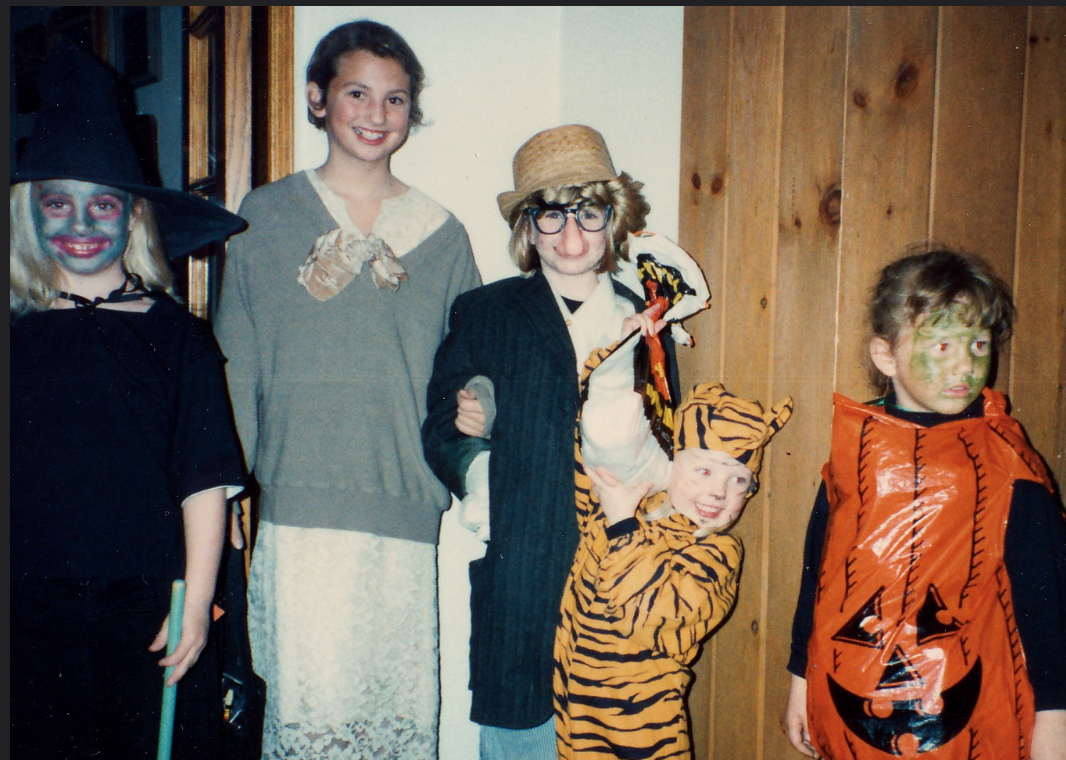
Halloween in the early 90s. My little sister as a garbage bag pumpkin and me as an old lady in my grandma’s dress.

Well, then there was always the one clown suit our grandma made that we could get from the cousins down in South Dakota who wore it last year, trying to decide if it’s best to wear the snowsuit over or under the baggy striped and polka-dotted jumper. Then we all crammed in the neighbors’ pickup with the tiny seat in the back and covered the 15-mile radius from neighbor to neighbor to neighbor, stripping off our beanies, coats, mittens and snowpants to reveal our characters and sit and have a cup of hot chocolate or a cookie before heading to the next house.
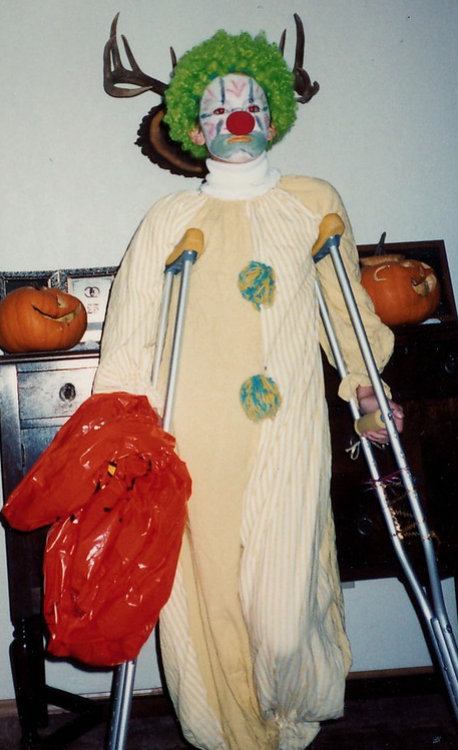
Trying to incorporate my broken leg into my costume

I was a full-blown adult before I ever dressed in a store-bought costume — I was a deviled egg, and I borrowed it from my little sister. We still have it if you want to borrow it, too, along with some wigs, a couple witch hats and a child’s flamingo costume we acquired along the way.

Me and my husband, as full grown adults…in homemade costumes…

We love Halloween around here, but it’s such a different time. Since my oldest daughter was born, we’ve collected enough princess, mermaid, Wonder Woman, Batgirl, Supergirl, cheerleader and ballerina costumes, complete with the plastic high heels, crowns and capes to play dress-up or trick or treat every day for a month.

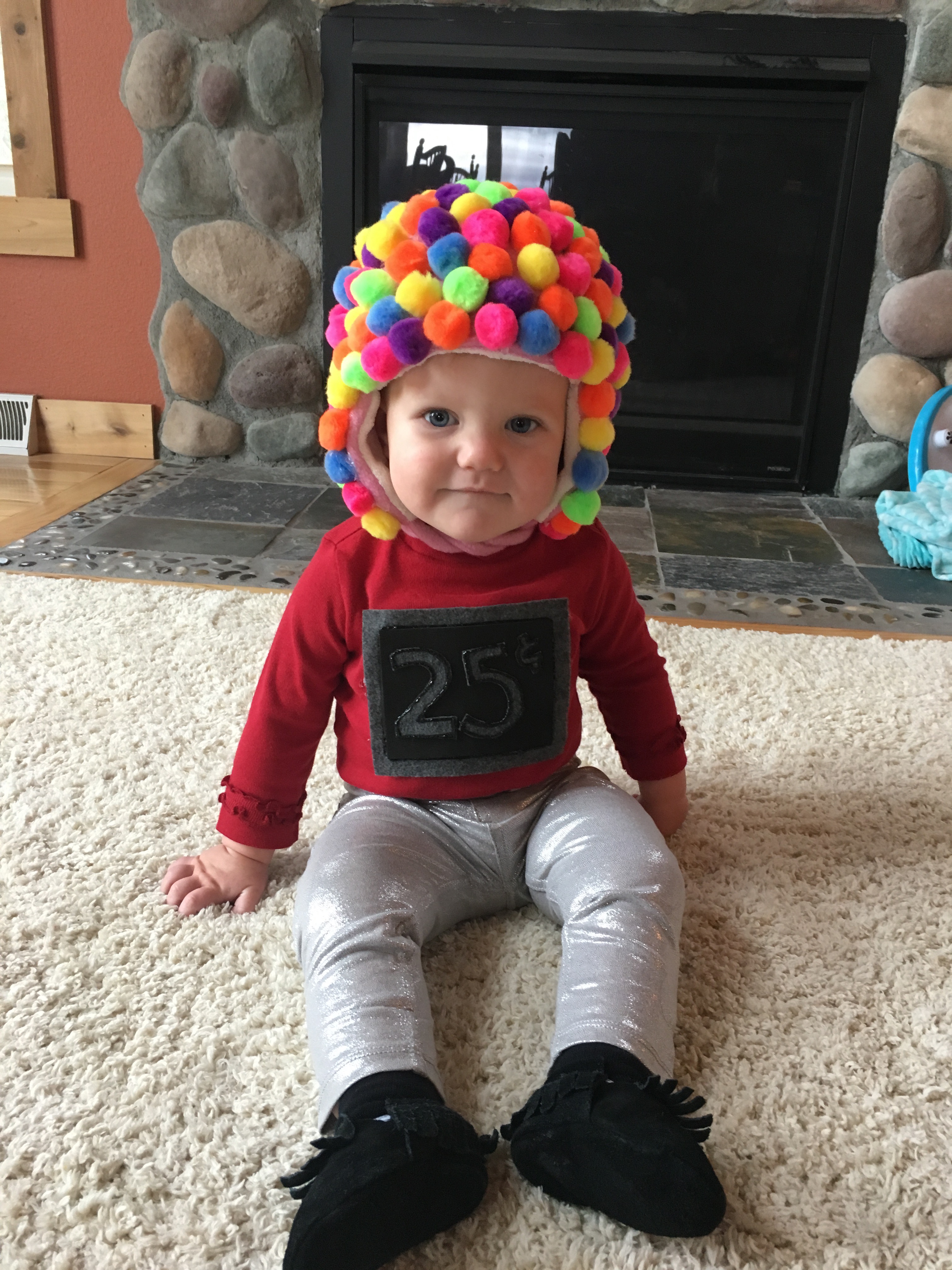
But when Halloween comes knocking on our door, I get that old familiar urge to construct something. One year, I hot-glued hundreds of colorful puffballs on a beanie and made 11-month-old Edie into a gumball machine.
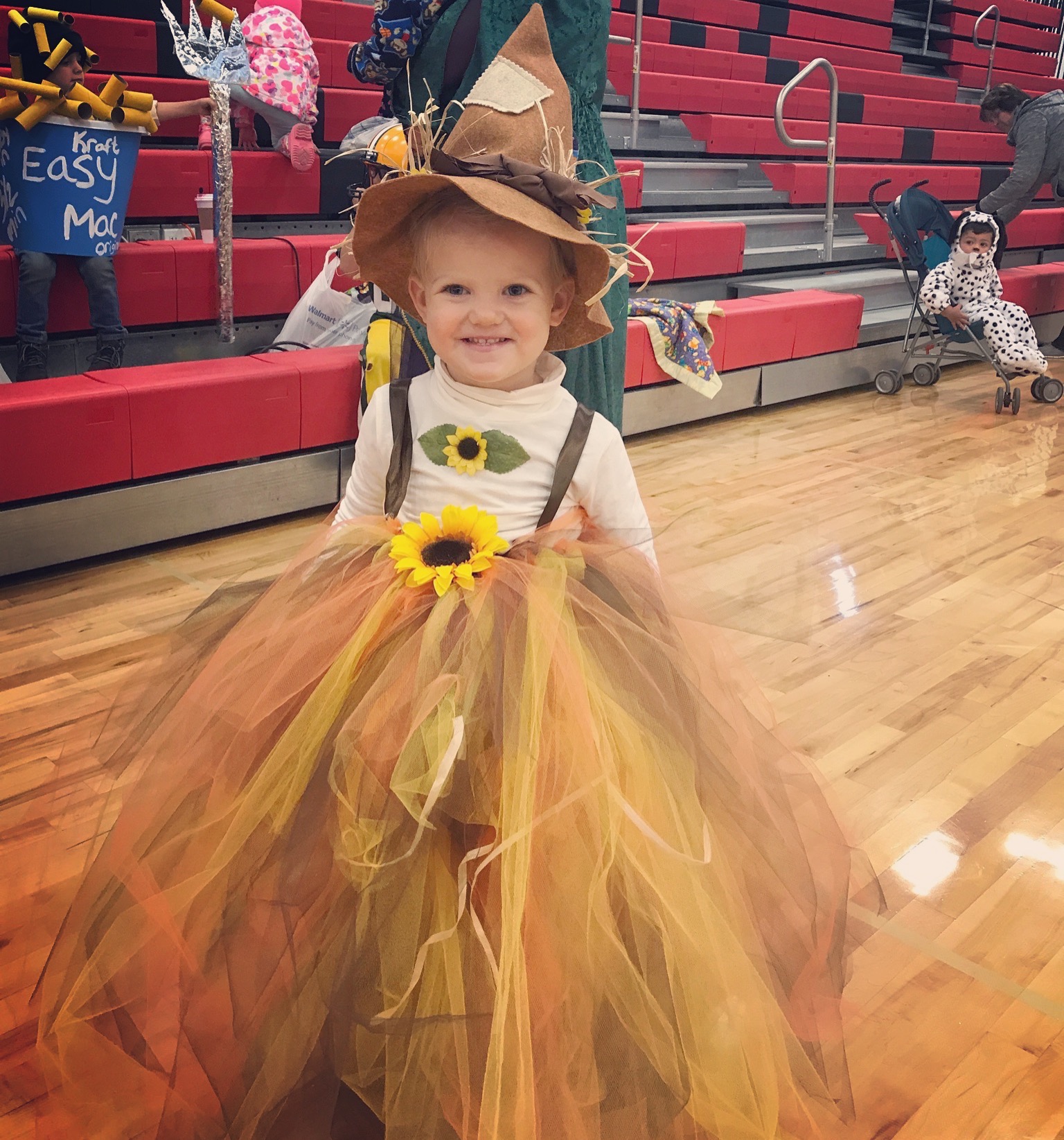
The next year I ordered as much harvest-colored tulle I could find and spent two days making a giant tutu for a cute little scarecrow and my daughter took one look at it and cried. Apparently it wasn’t pink and sparkly enough for the 2-year-old.
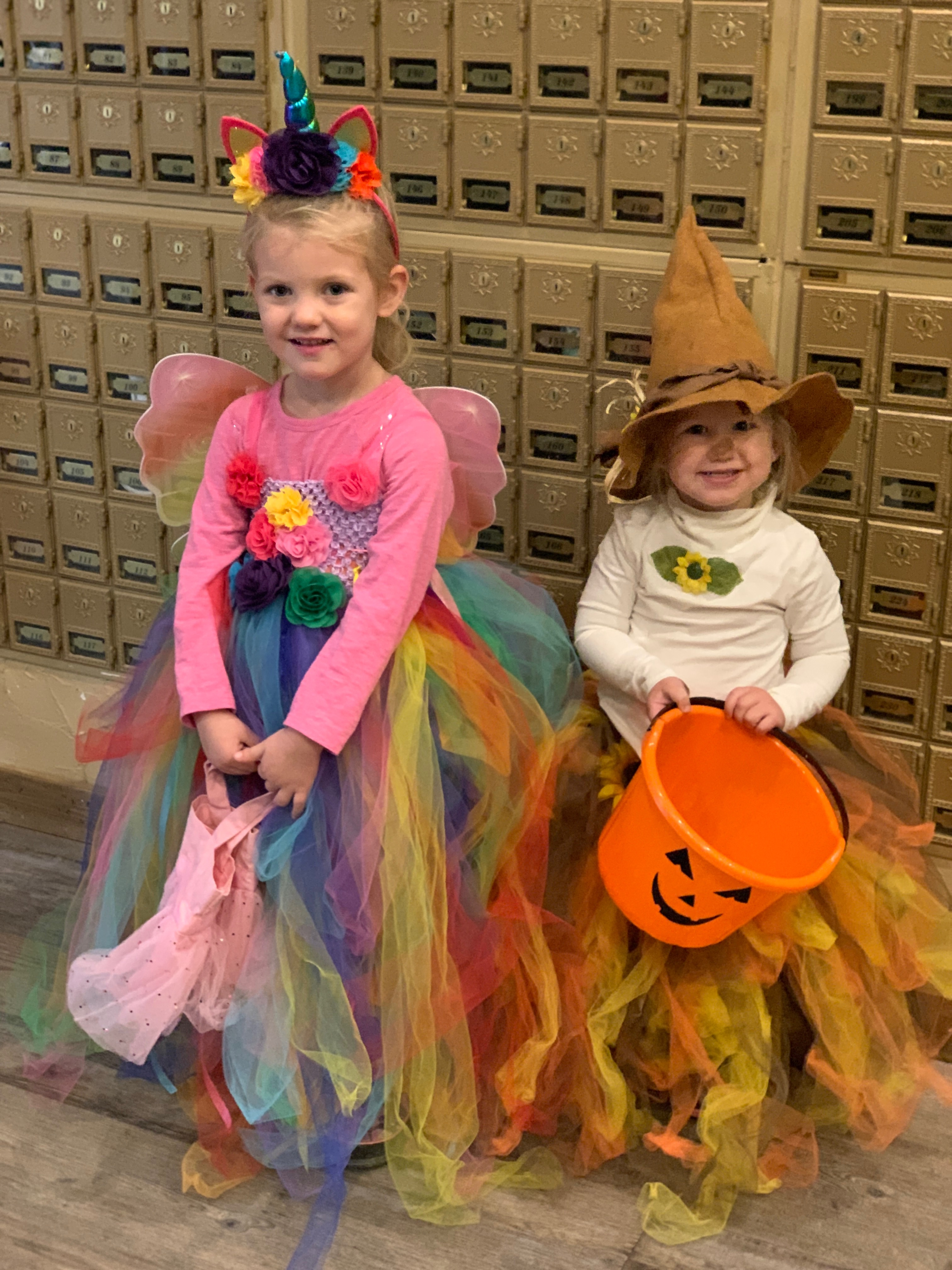
Recycling the idea on Rosie a few years later

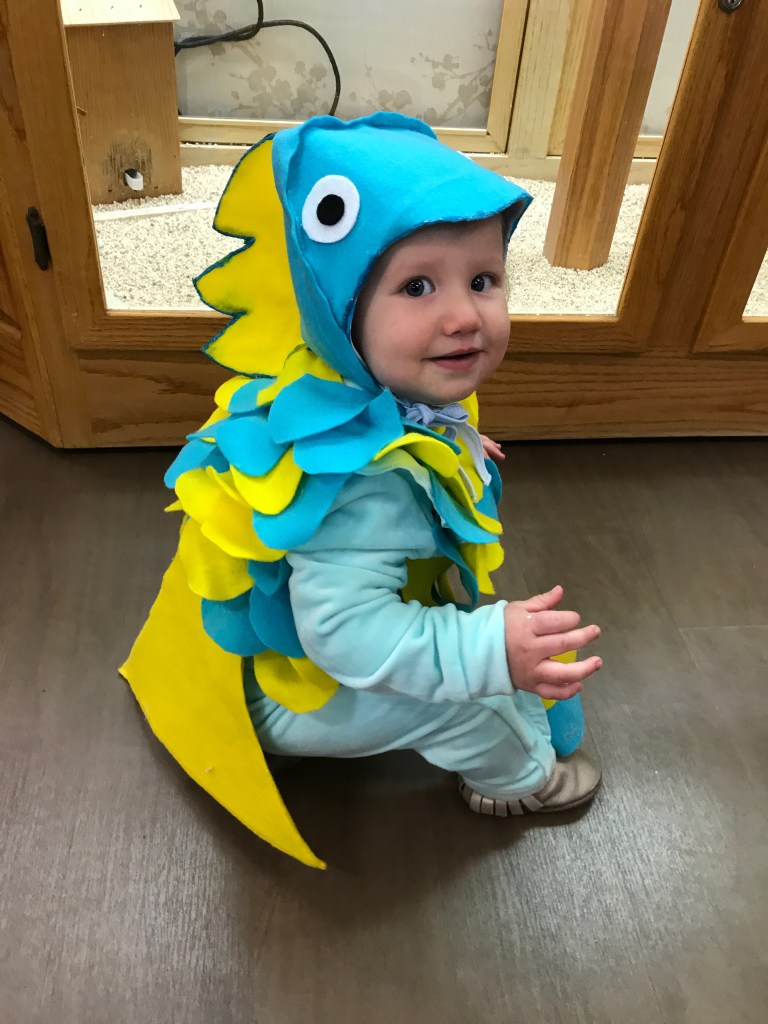
But that didn’t stop me from whipping out that glue gun the next year to create an epic mermaid crown out of old costume necklaces and beach shells and turning a little sweat suit into a flounder fish for baby Rosie. Because I have to glue while I can! I knew that the days of my daughters appreciating my homemade efforts were going to be short-lived.
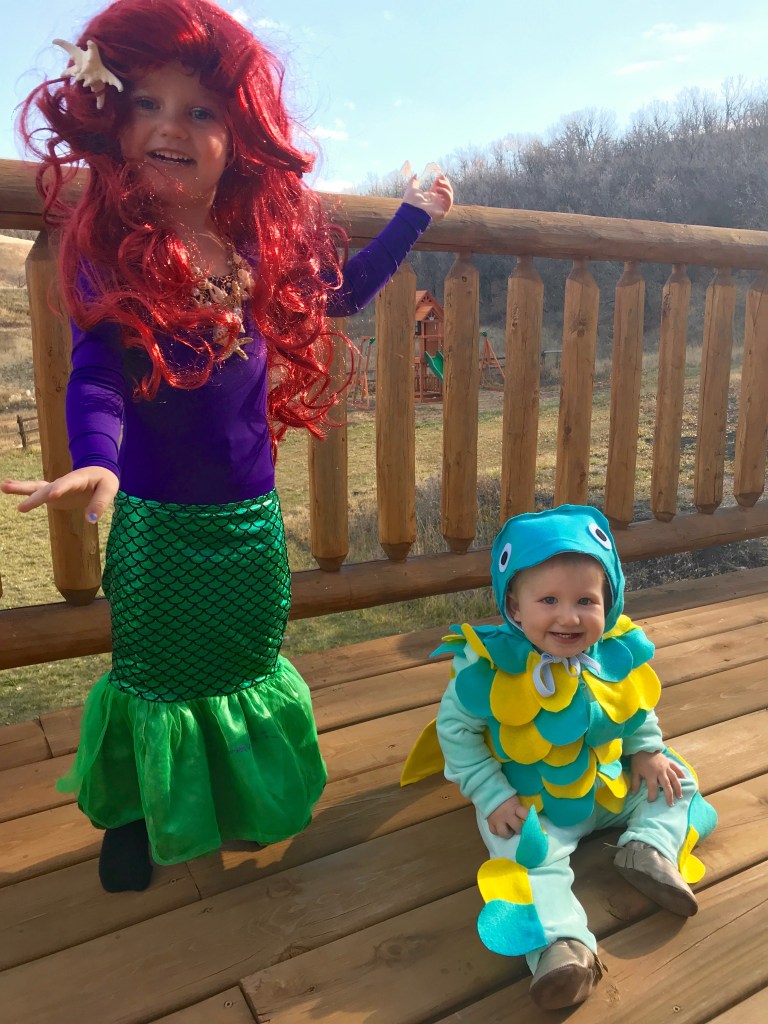
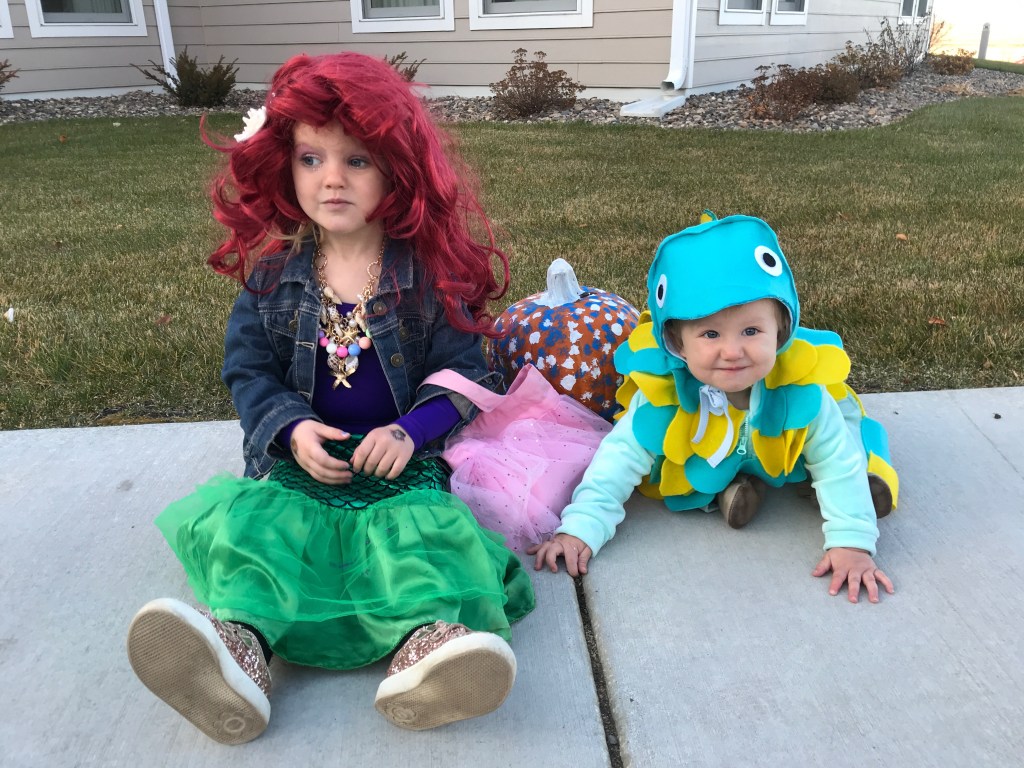
I didn’t know that the timeline would be so short. Apparently almost 6 is when your daughter turns to you out of the blue and asks you, very frankly, to not embarrass her.

And I’m not sure what qualifies as embarrassing to a 6-year-old, but apparently I’ve done it. A few times actually.

If you need me, I’ll be drowning my sorrows in Reese’s and bedazzling something.
Fall work and the promise of rain

On Saturday, it rained.

It rained and it soaked the earth and it made mud puddles and the kids splashed in them and we all pressed our noses against the screens and windows and held our breath. Hoping it would last.

My dad was in another town, and so I expected a call or a text, wondering how much rain we had so far. I didn’t realize it until this very dry year, when the man called me every time it rained, to see how much we got. Because I have a rain gauge. And he doesn’t.

Never has.

Isn’t that crazy? A rancher in North Dakota without a rain gauge! It’s even crazier when I tell you why. Why?!

Because he’s superstitious. He figures if he buys one, it will never rain again. Kinda like the old “buy a snow blower and it won’t snow” thing.
So he’ll call his brother who’s 3 miles down the road in the summer with a big ol’ rain gauge nailed to a fence post. And then he’ll call me, who’s closer by 2 miles and has a butterfly gauge stuck in my flower pot, flapping in the breeze, and then he’ll compare the two and calculate if he can breathe a sigh of relief or keep worrying.

It seems this inch of rain let him breathe a bit. And I think he needs to thank my husband for the wet forecast, because he started a deck project with a deadline a few days ago, which pretty much guarantees a weather delay.

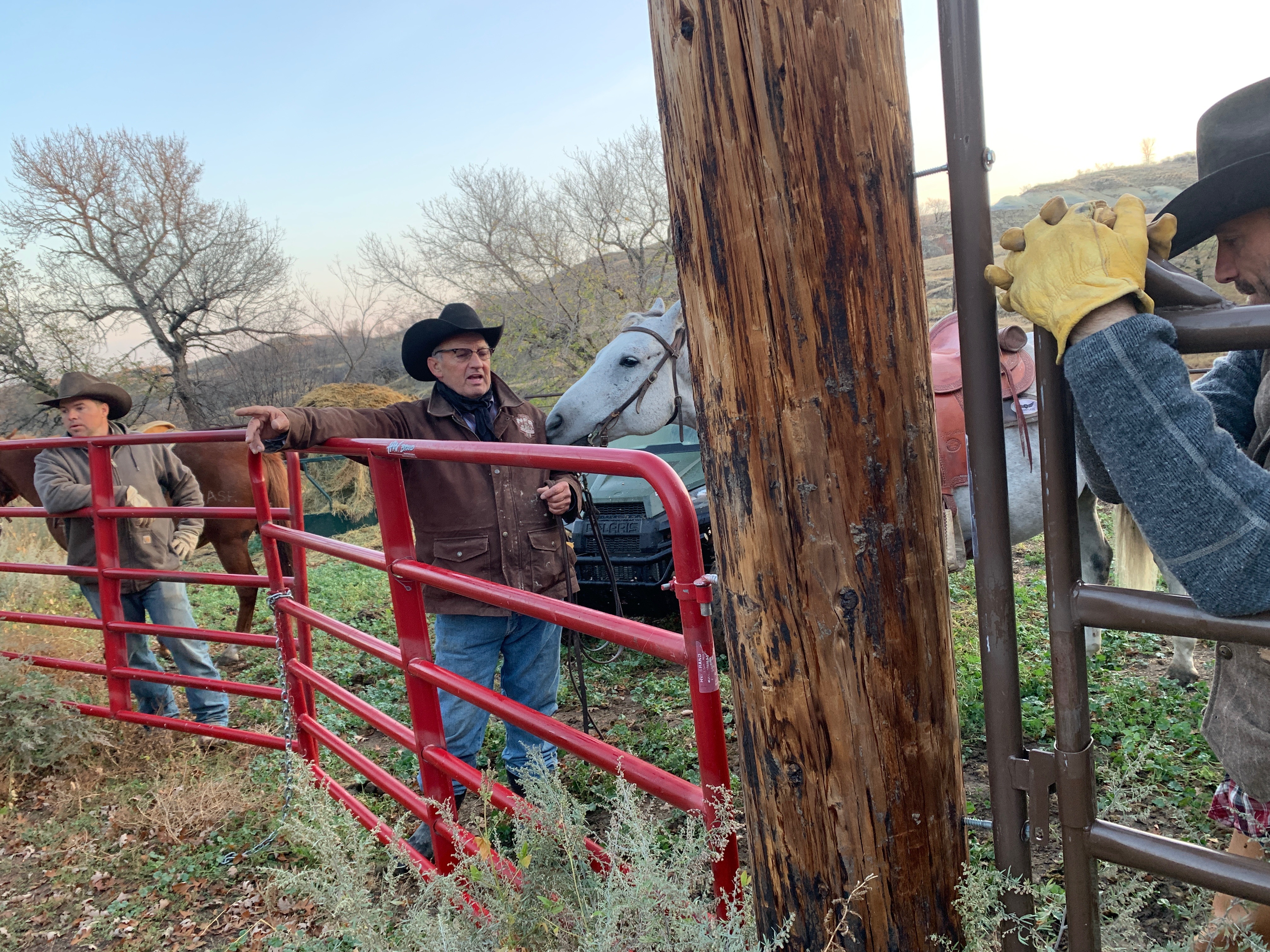
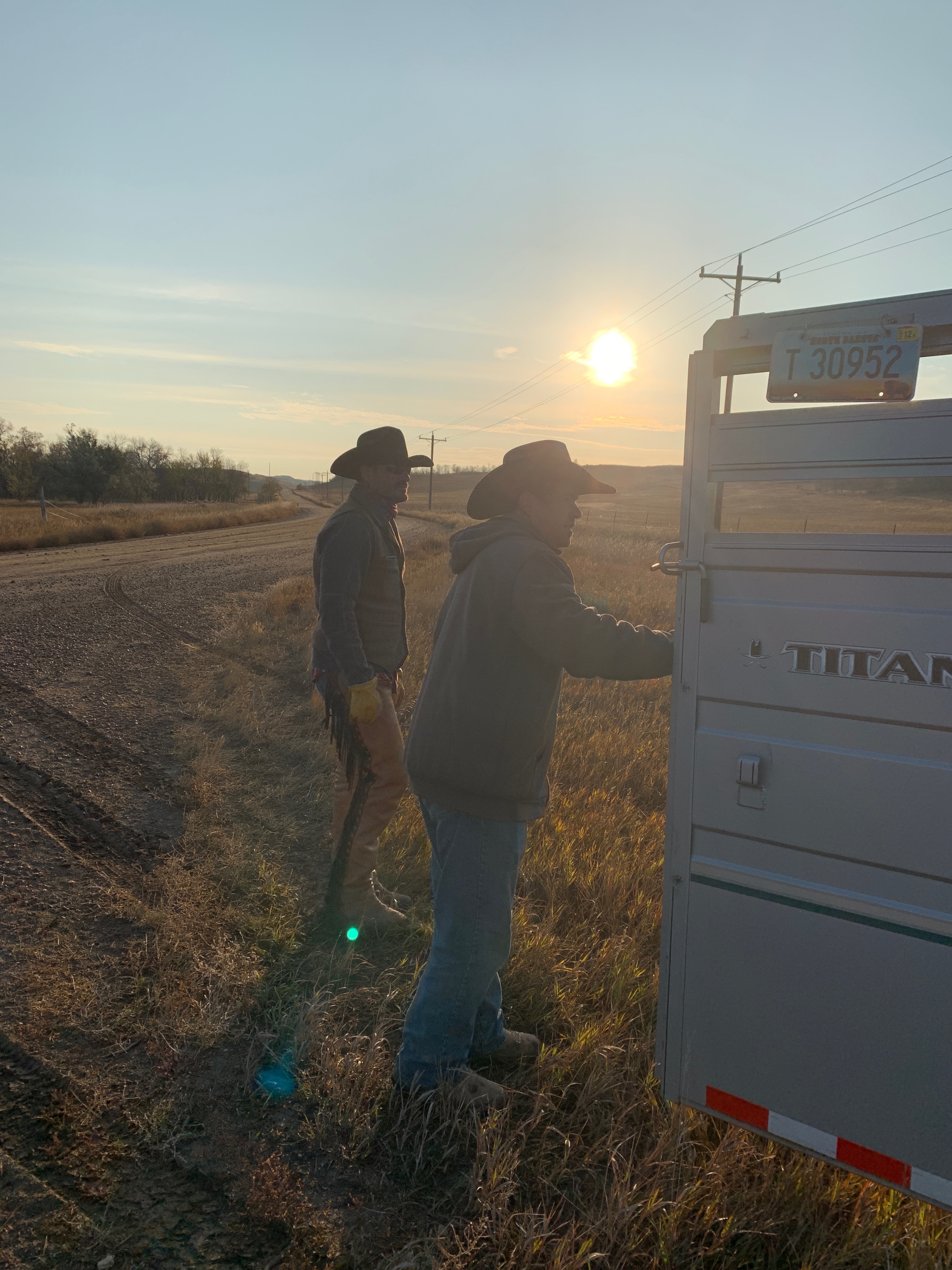
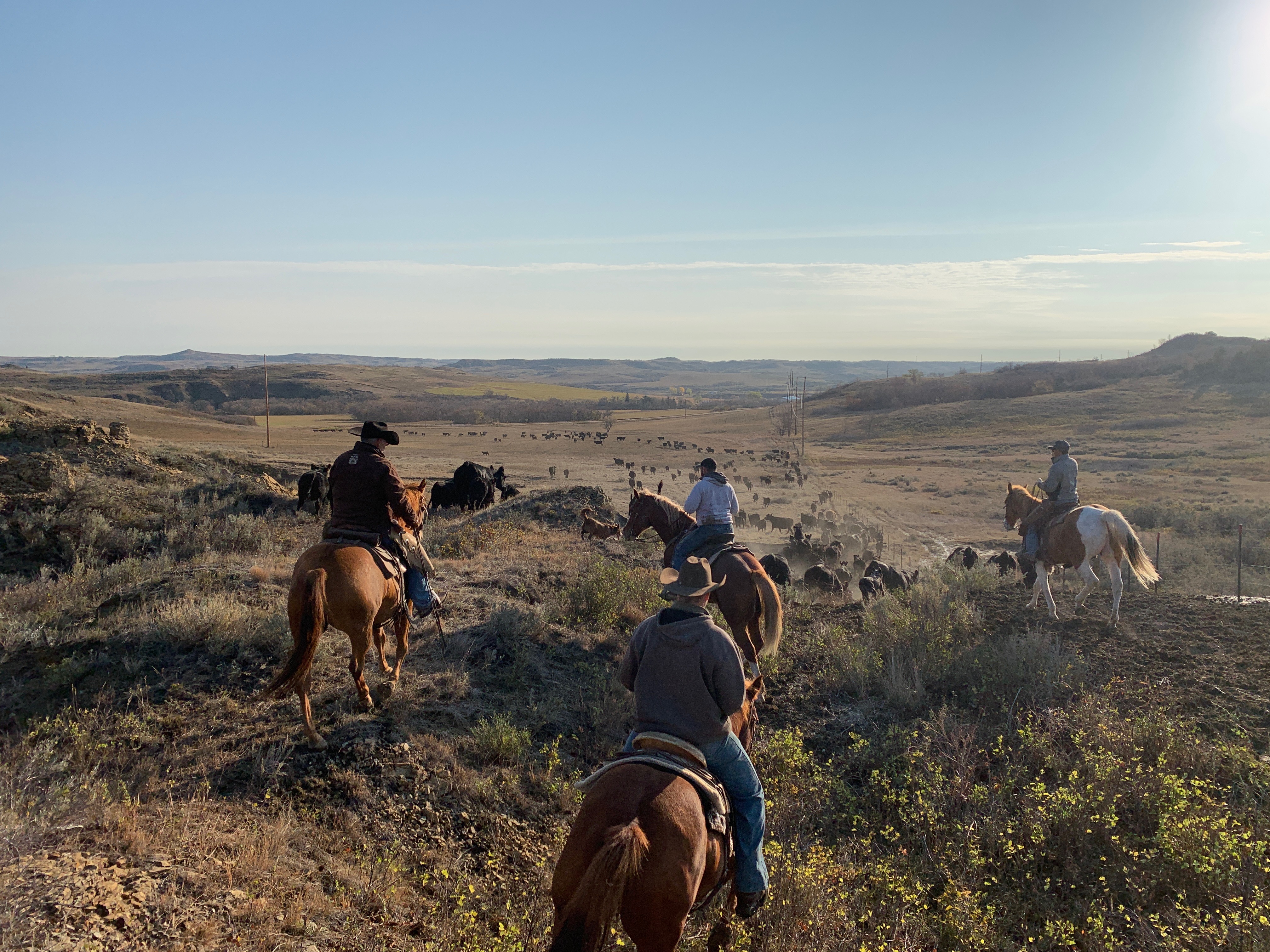
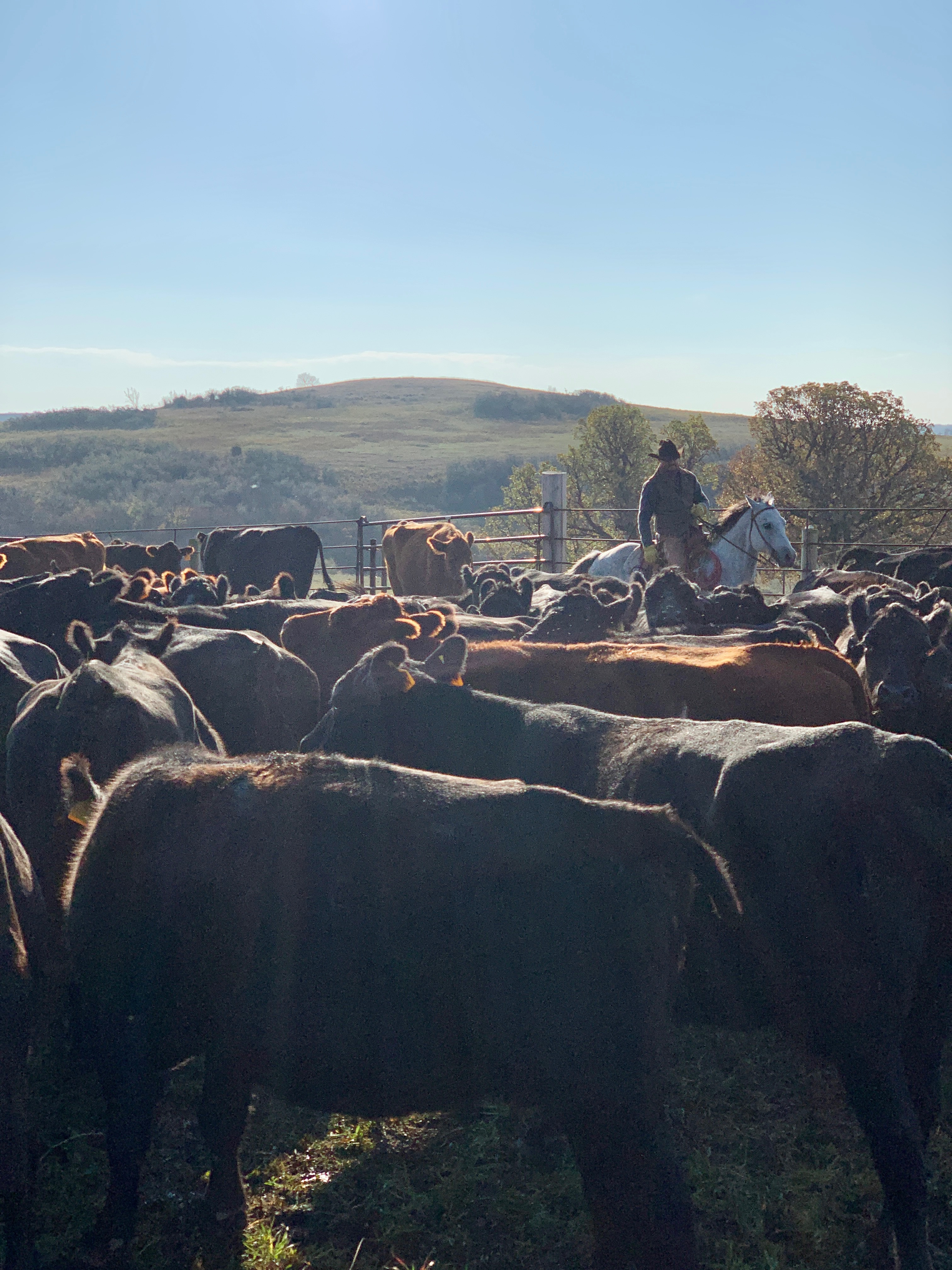
But we’ll take it, just like we took the rain on Saturday with homemade tomato soup cooking on the stove and a plan to work calves the next morning in the mud, up on a horse as soon as the sun broke over the horizon. We put on layers, long johns and jeans and chaps and sweatshirts and neckerchiefs, gloves and earflap caps.

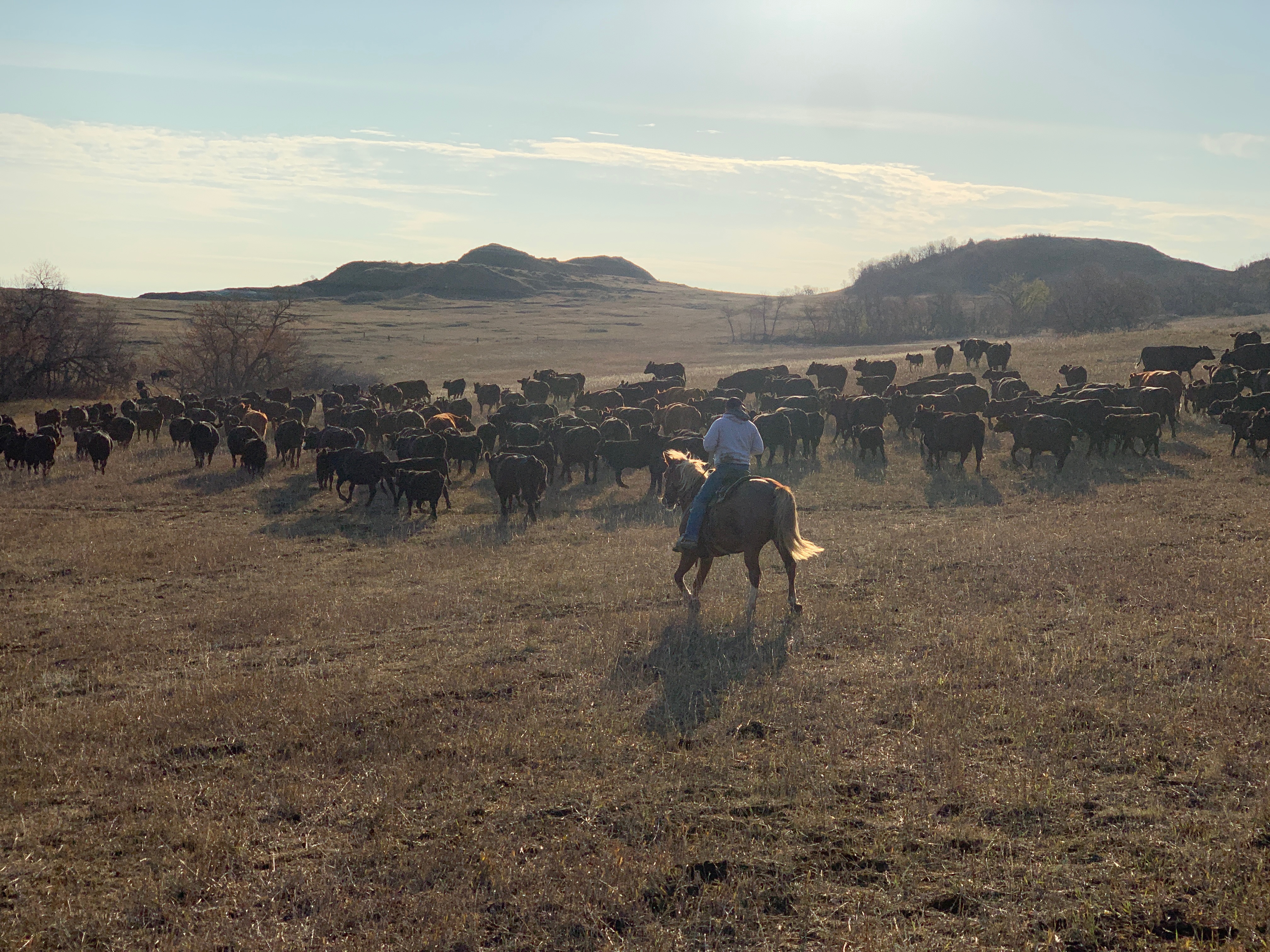
We could see our breath against the morning light. And as that sun burned the chill off our cheeks and the bare branches of trees that had given up their leaves, we pushed lazy cattle from one pasture, across the cover crop and into the corrals where we sorted and checked and counted and stripped off those carefully plotted layers the way North Dakotans do in the transition of seasons.

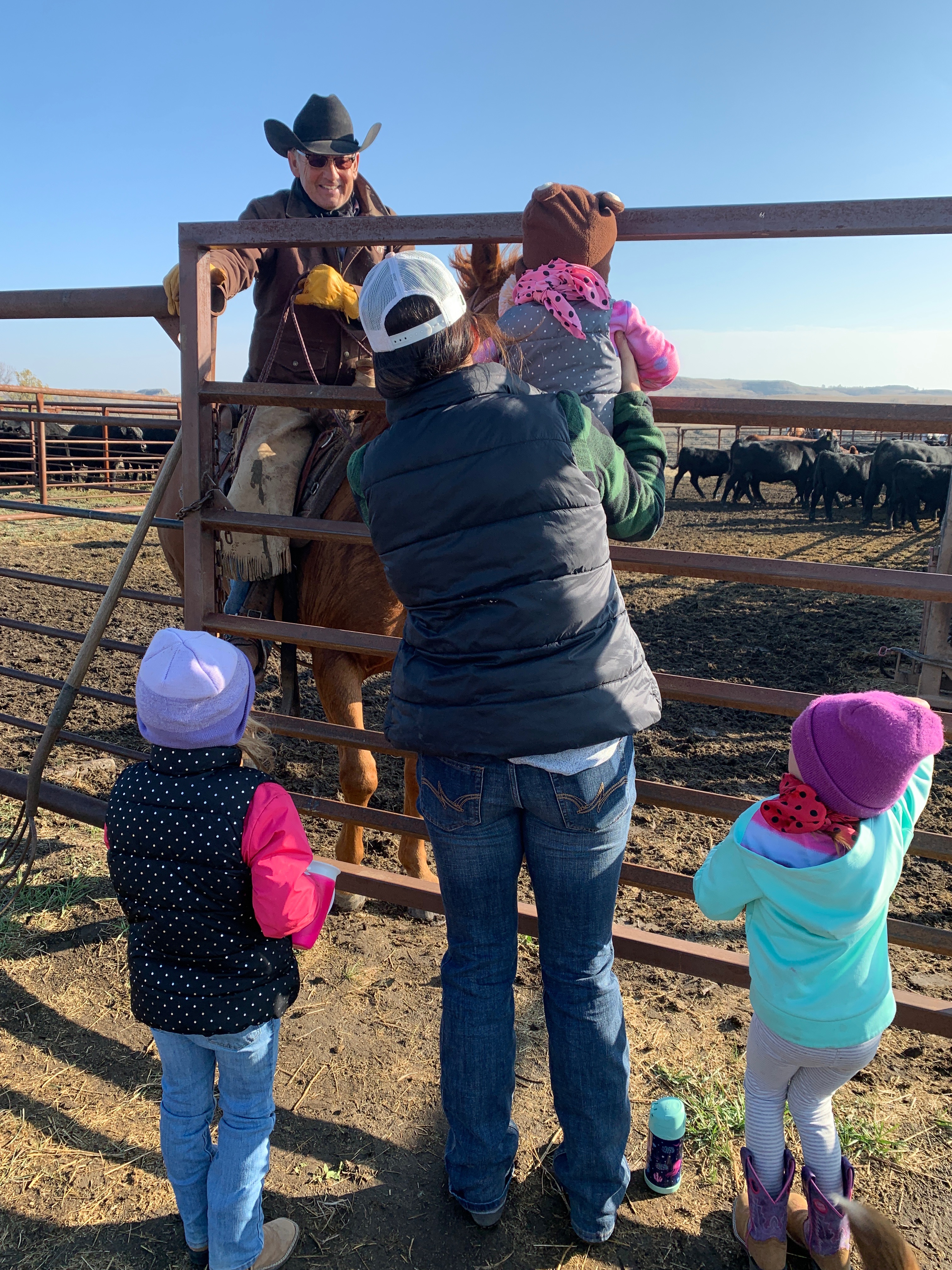
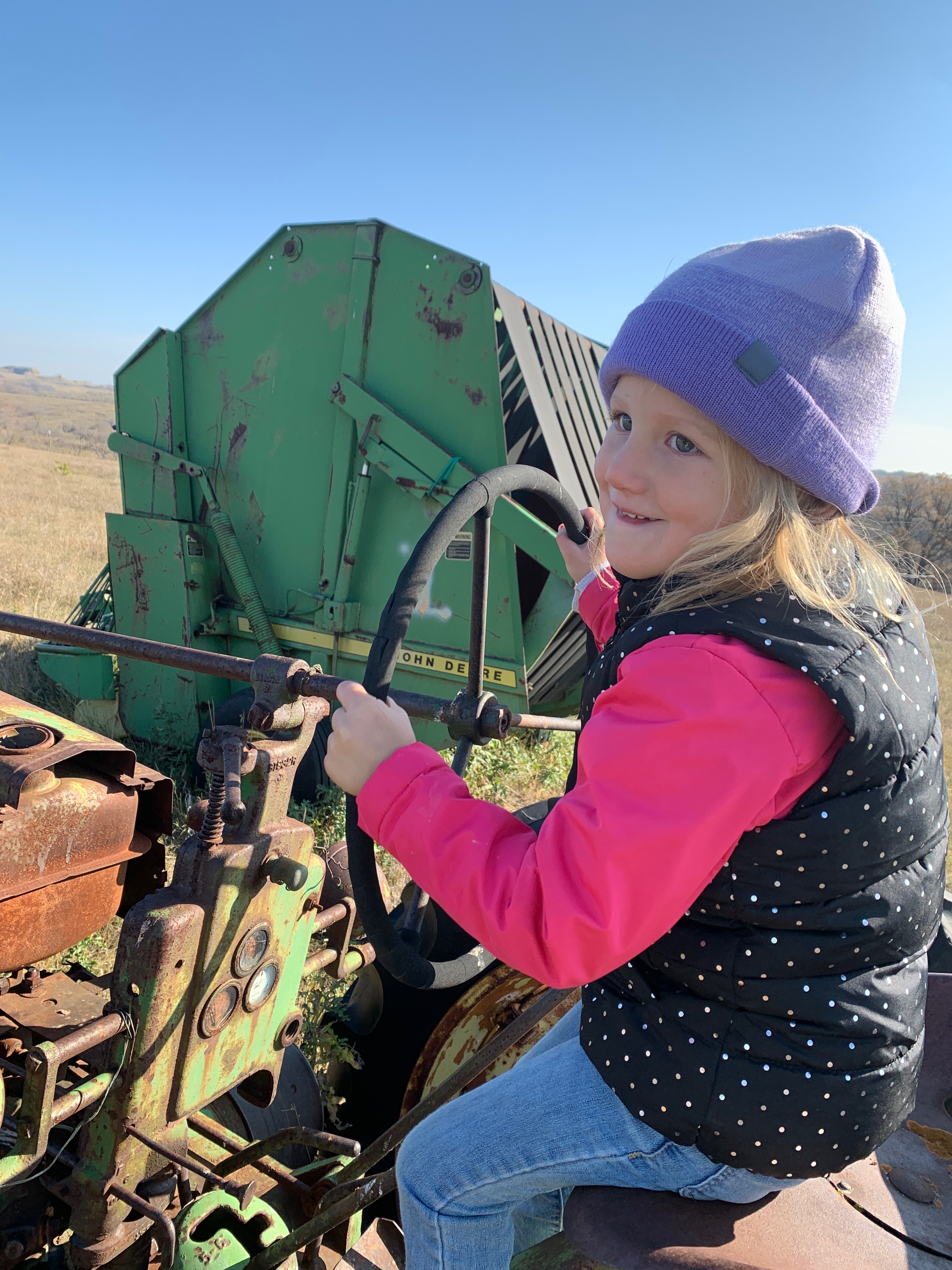
This kind of fall work takes a village, and we have a good little group. Two young cowboys from down the road show up with horses, one of our best friends from high school who wouldn’t miss the chance to ride these hills, and my husband and my dad and me. And my little sister, who brings the kids to watch and climb on fences and old haying equipment and helps her tiny daughter push calves through with the pink sorting stick.

And my mom who puts the soup on, makes the Scotcharoos and lays the sandwiches out for the crew so I can stay to help in the corrals a bit longer. Nothing tastes better than warm lunch after work like this. And I like having them all in the house to feed them as a thank you for the help.

This kind of work is good for the soul I think. Hands busy, heart pumping, air in your lungs. It’s precisely why people remain in this lifestyle no matter the practicality of it really.

Despite the lack of vacation days and stability. It’s because the back of a horse in the hills becomes your office space and your church and your therapy and your living and your family and your friendships and it’s all wrapped up out here in the least complicated way so that even when it’s hard, it is worth it.

It’s almost always hard.

But then, if you’re patient enough with the promise, it will rain…

Why I’m moving to the suburbs

And now a true story about what it’s like being me trying to be a ranch hand and a housewife and why I may need to start shopping for khakis and a house in the suburbs.

The scene: Going with my dad on a ride to gather cows. We are in a hurry because every day it gets darker a little earlier. It was 7:30. It gets dark at 8:30… or something like that.

And now me explaining myself: I’ve never been able to keep up with my dad on a horse, and I’m afraid no matter how much help I think I am, I’m quite certain he would be better off without me.

I mean, I could be riding a racehorse. You know, one of those fast buggers that wins the races that racehorses win. It could have countless trophies, made jockeys famous and fans from around the world could be chanting his name. And that horse would take one look at me and decide that running isn’t his thing today.

And neither is trotting for that matter.

Nope. Not until we’re pointing toward the barn anyway. Or cutting a path through the thick trees. Yeah, in the trees he’d find a quick pace.

But Dad? Dad could ride a horse that was halfway to the light at the end of the tunnel and that horse would turn right around to give him his last breath.

So this is what I deal with when we’re in a hurry: Kicking and pushing and working to find a pace on a lazy horse to keep up with Dad as he heads toward the trees, providing me with directions that I cannot hear because he is facing the hills and I am three horse lengths behind him.

I yell, “What?”

And he says something about following a cow through the trail in the trees.

So I do.

Only there isn’t a trail.

So me and my suddenly lightning-fast horse make our own trail through the brush so thick that I lose sight of the cow I’m supposed to be following (and all forms of life and light for that matter).

I hear Dad hollering from what seems like 20 miles away and wonder how he got that far in what I thought has only been 30 seconds (I’m not sure though because I lose all sense of time because I’m focusing on trying to keep both my eyeballs as we duck and weave and through the thick brush).

“Jessss!!!” Dad’s voice echoes through the trees. “Wheeereee youuuuu attt?”

“Uhhhh…” I spit the leaves from my mouth. “Just, uh, cutting a trail here…”

…and bringing with me some souvenirs: sticks in my shirt, leaves down my pants, acorns in my pockets and twigs jammed nicely in the puffs of my ponytail as I emerge on the other side of the brush alone and searching for any sign of the cow I was supposed to keep an eye on.

Ah, never mind, looks like Dad has her through the gate.

I cuss.

I kick my horse to catch up while I work on ridding myself of the vegetation I acquired on my “Blair Witch” journey through the coulee.

I catch up just in time to follow him to the top of a hill, down through another coulee, along the road and into the barnyard where we load up the horses and I wait to make sure Dad’s tractor starts so he can get home and get a bale of hay.

It does not start.

So I drive him and the horses home.

Slowly.

Because I have precious cargo.

And because apparently I like to torture this man who is trying to beat the sun.

And the other man in my life, the one I married, was still at work when I got in from “helping.” So I decided to make him a casserole, only to be asked, three bites into his meal, what I put in this thing.
“Cheese, noodles, hamburger… the regular… why?”

He gets up from his chair, pulls something from his mouth, looks and me and says:

“Because I just bit into a stick.”

If you know of any nice places in the suburbs, give me a call. I’ll be shopping for khakis and looking for a new job.

Blue Buttes and the backdrop of childhood

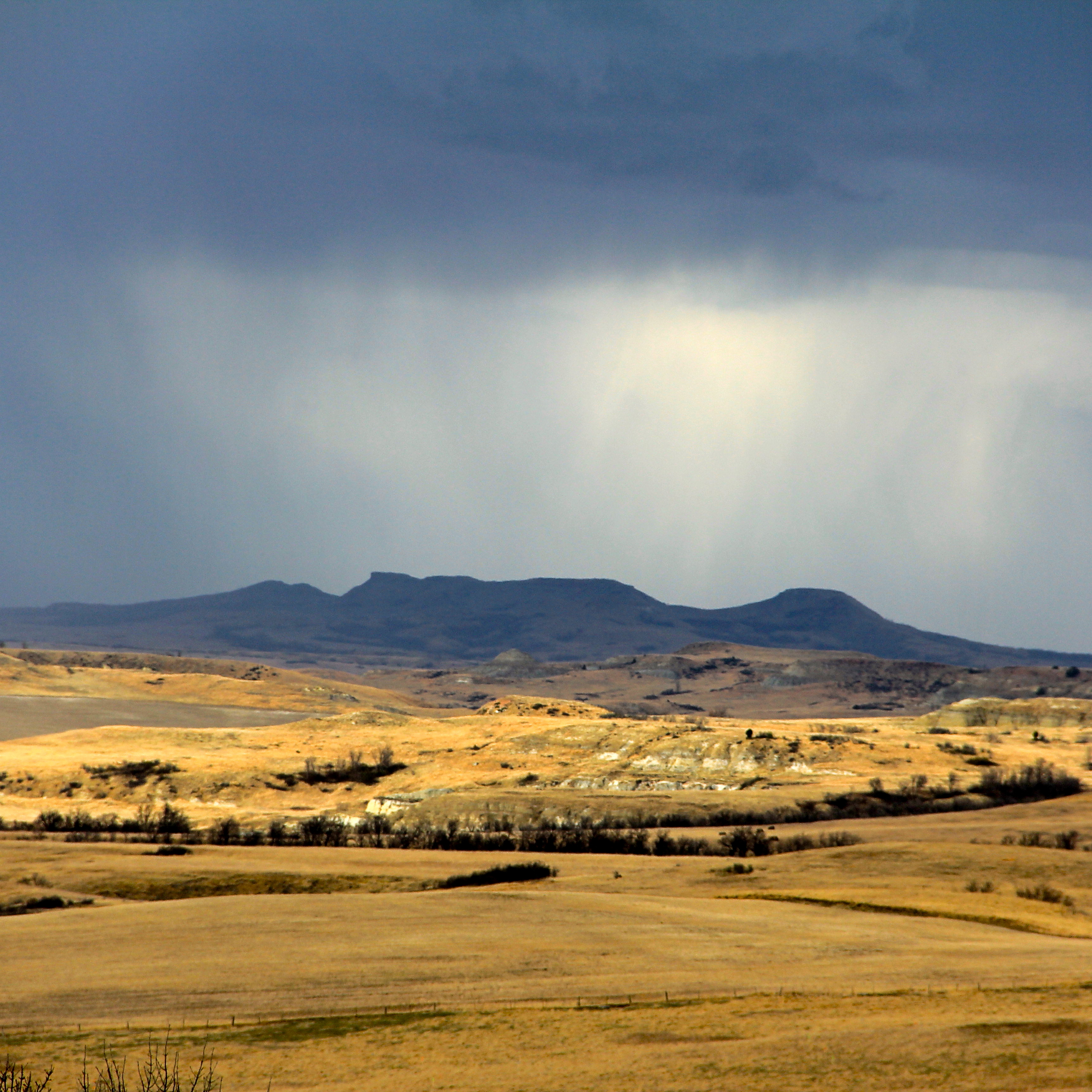
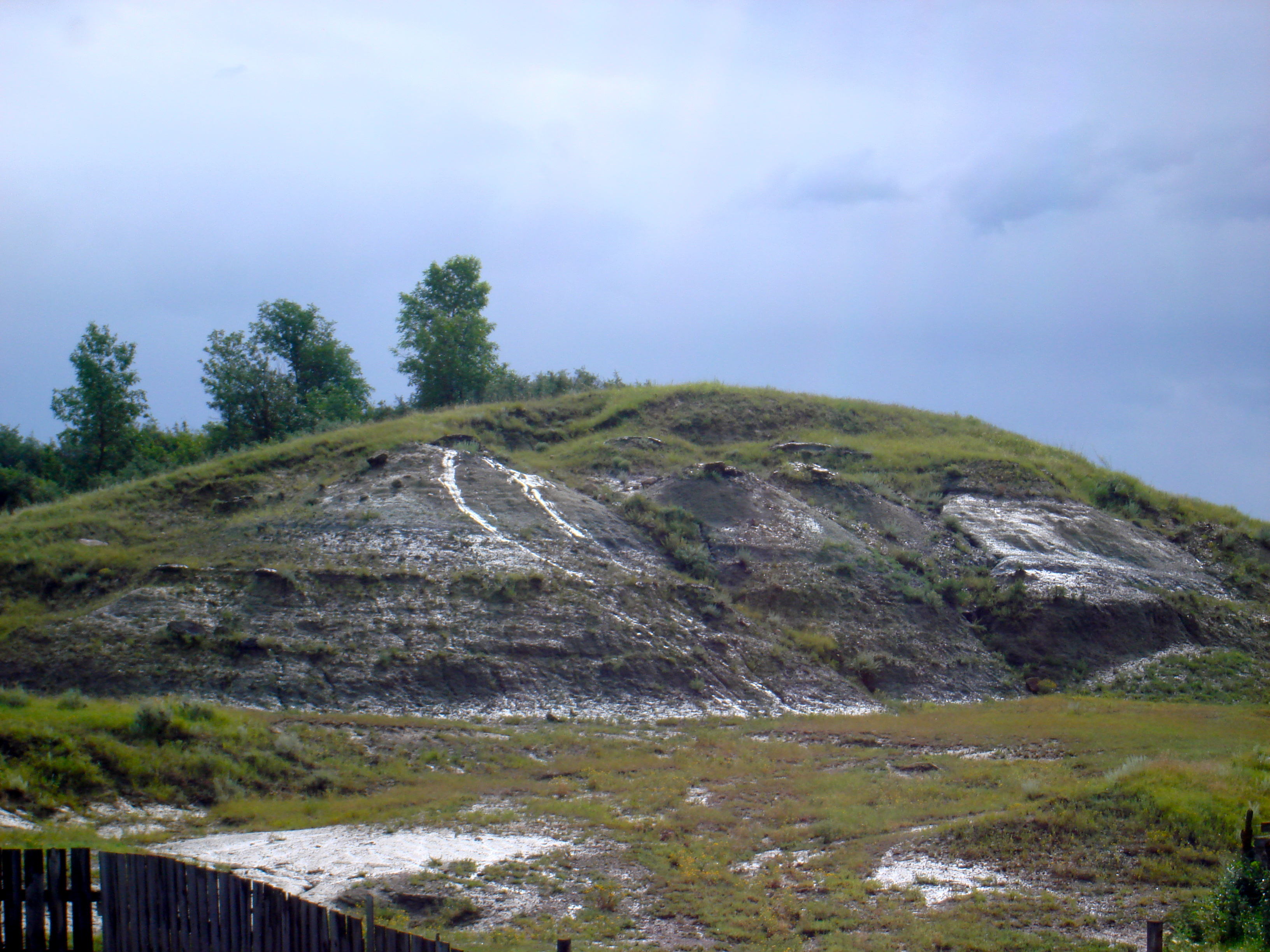
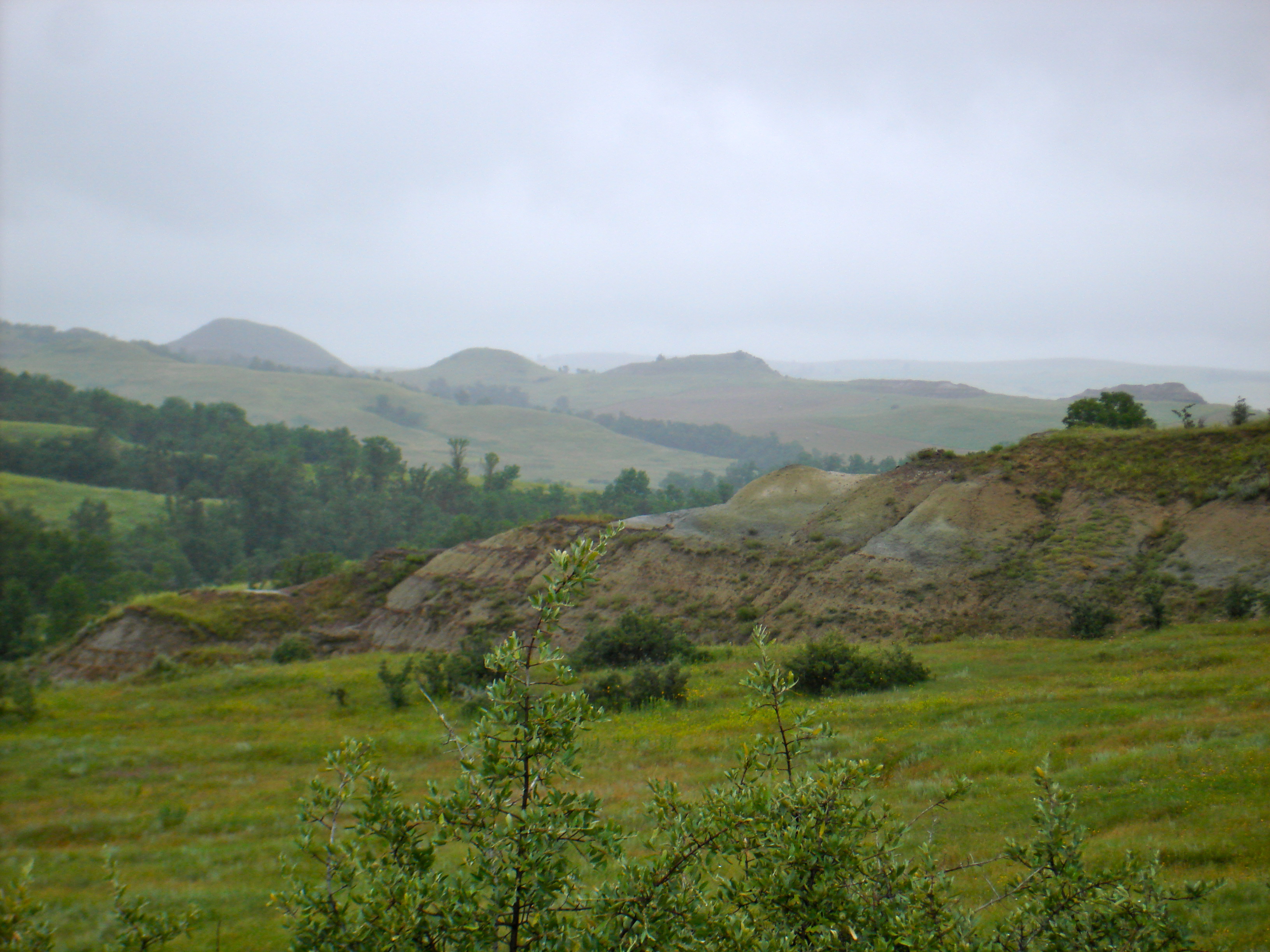
There are sets of buttes that frame the landscape of our ranch. When you’re turning off the highway and coming down toward home, or when you find yourself on the top of a hill, searching for cows, or the dogs, or the other riders who are supposed to be with you, if you look north, as far as the eye can see, there they stand — the Blue Buttes — the backdrop to this little painting we live in here at the Veeder Ranch.

Every time I look at them, I’m reminded of a story that my dad told me about a drawing he colored of a cowboy on a mountain during a project in elementary school. He used his crayons to make the man’s hat brown, his shirt yellow, the sky blue and the mountain he was riding along purple.

When the teacher asked, “Why did you paint the mountain purple? Mountains aren’t purple!” my young dad said he felt embarrassed and confused. He didn’t think he was wrong. The only encounter he had up to that point with anything resembling a mountain was the Blue Buttes that waved to him from about 7 miles north. And they sure looked purple to him.

Oh my heart.

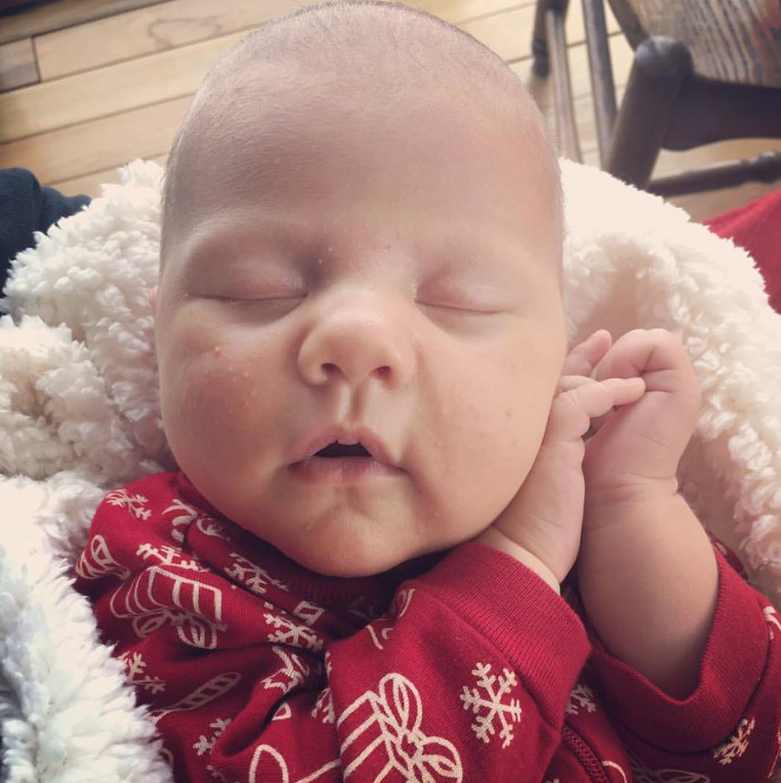
This week my oldest daughter, Edie, will start her first day of kindergarten. It’s a milestone she’s more than ready for, but I can’t stop kissing her cheeks and looking at her wondering how this happened. Wasn’t I just measuring her milestones in weeks and months? And now here we are staring down an entirely new chapter and all I can do is reminisce with her about how I used to rock her to sleep every night by pacing the floor.

Oh, I’m not ready. Like, in denial, putting off school shopping, not ready.

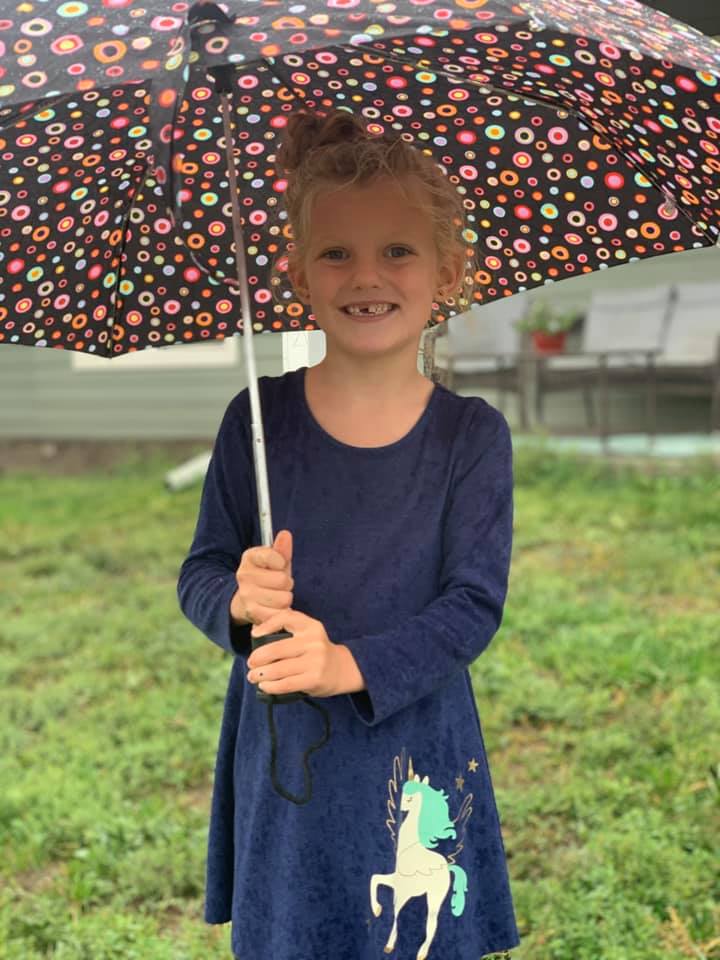
Recently we took Edie to the big hospital to get her tonsils taken out and while they were in there, they took her wiggly front tooth, too. (A fun surprise for all of us when she came off of anesthesia.) So if she didn’t look like a kindergartener before, she certainly does now.

So very soon, off she’ll go into a world that, day after day, will teach her things, so many things, she didn’t know before. Like, maybe, that the Blue Buttes aren’t actually blue or purple. And that 5+5 is 10 and 10X10 is 100 and then maybe the lines in a Shakespeare play and the periodic table and, too soon, that the Tooth Fairy is actually her mother, scrounging up cash, writing notes and sneaking into her room at night.

Right now my daughter is full of magic and innocence, collecting toads with her little sister in her ballet costume, drawing flowers with faces, playing dolls, hoarding special rocks, pumping her legs on the swing and believing that maybe unicorns exist somewhere. She’s also arguing with me about brushing her hair, choosing outfits that don’t match but make her “feel like herself,” and reminding me that every day of parenthood, if you’re doing it right, is a day closer to letting them go where they need to go.

But for now I’m soaking in the fact that, for now, where my girls need to go is outside to see if we can find some more toads. And can they please wear their princess dresses and bring their dolls in their strollers?

And then after that they might find themselves in the trees, following the secret path up to the top of the hill to check on the sunflowers, the wind tangling up their already messy hair. And if they look north, as far as the eye can see, they will find those buttes, purple and blue as can be, the backdrop of their childhood that I hope will never lose its magic, even in memory…

Happiness is a wild plum patch

Happiness is a wild plum patch
Forum Communications

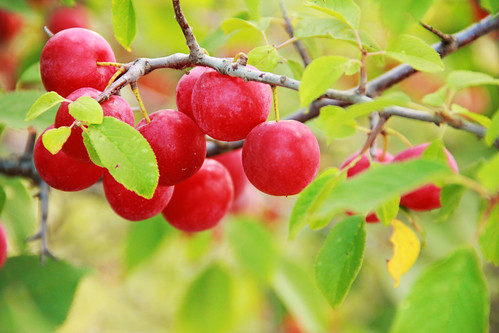
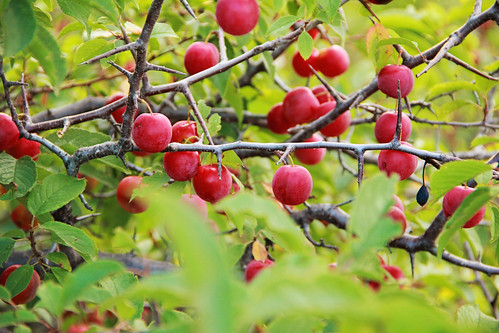
Western North Dakota grows wild plums. In the patches of brush where the poison ivy sneaks and the cows go to get away from the flies. They start as blossoms on the thorny branches and, under the hot sun, turn from green in early July to red to a dark purple bite-sized berry just waiting to be picked in the beginning of autumn.

Wild plums mean summer is almost over. They mean roundup is on its way. They mean sucking on pits and spitting them at your little sister. They mean scratches from branches on a detour for a snack on the way to get the bull out of the trees. They mean Dad’s stories of Grampa sitting at the table in the winter dipping into a jar of canned wild plums, drenching them in cream and stacking the pits neatly on the table.

They mean memories of Grandma’s jelly on peanut butter toast.

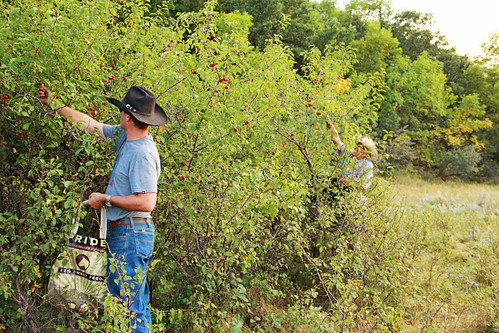
They mean reassurance that sweet things can grow in brutal conditions, a reminder we all need from time to time. Wild plums mean a passing surprise on our way through a pasture and coming back later with the farm pickup to fill up a bucket, me squished in the middle seat between my husband and my dad, the Twins playing on the radio as we bump along on prairie trails that haven’t been under a tire in months looking for that magical patch of fruit, wondering out loud if we could of dreamed it.

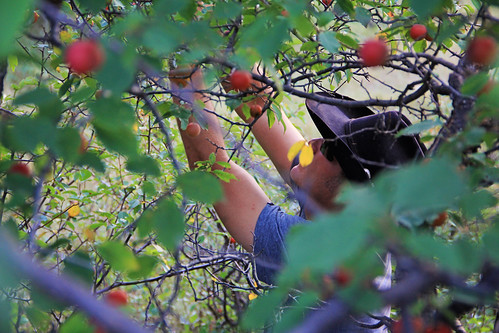
A wild plum patch means listening to the two men banter as they pick and reach and gather like little boys, making plans for the best way to fill our bucket.

“Shake the tree, we can get the ones on top.”

“Keep ’em out of the cow poop!”

“Are you eating them, Jess? Hey, no eating!

“I’ve never seen a patch like this. Jessie, you can make so much jelly!”

Yes. I could. With the 6 gallons of plums we picked standing in the bed of the pickup, ducked down in the clearing where the cows lay, scaling along the edges of the trees. I could make jars of jelly, pies, pastries and syrups to last until next plum picking. I could. Maybe I will.
But even if I didn’t, even if we did nothing more than feed those wild plums to the birds, it wouldn’t matter. The magic of wild and pure things is in their discovery and the sweet reminder that happiness can be as simple as a wild plum patch.

A garden is an act of hope for the future


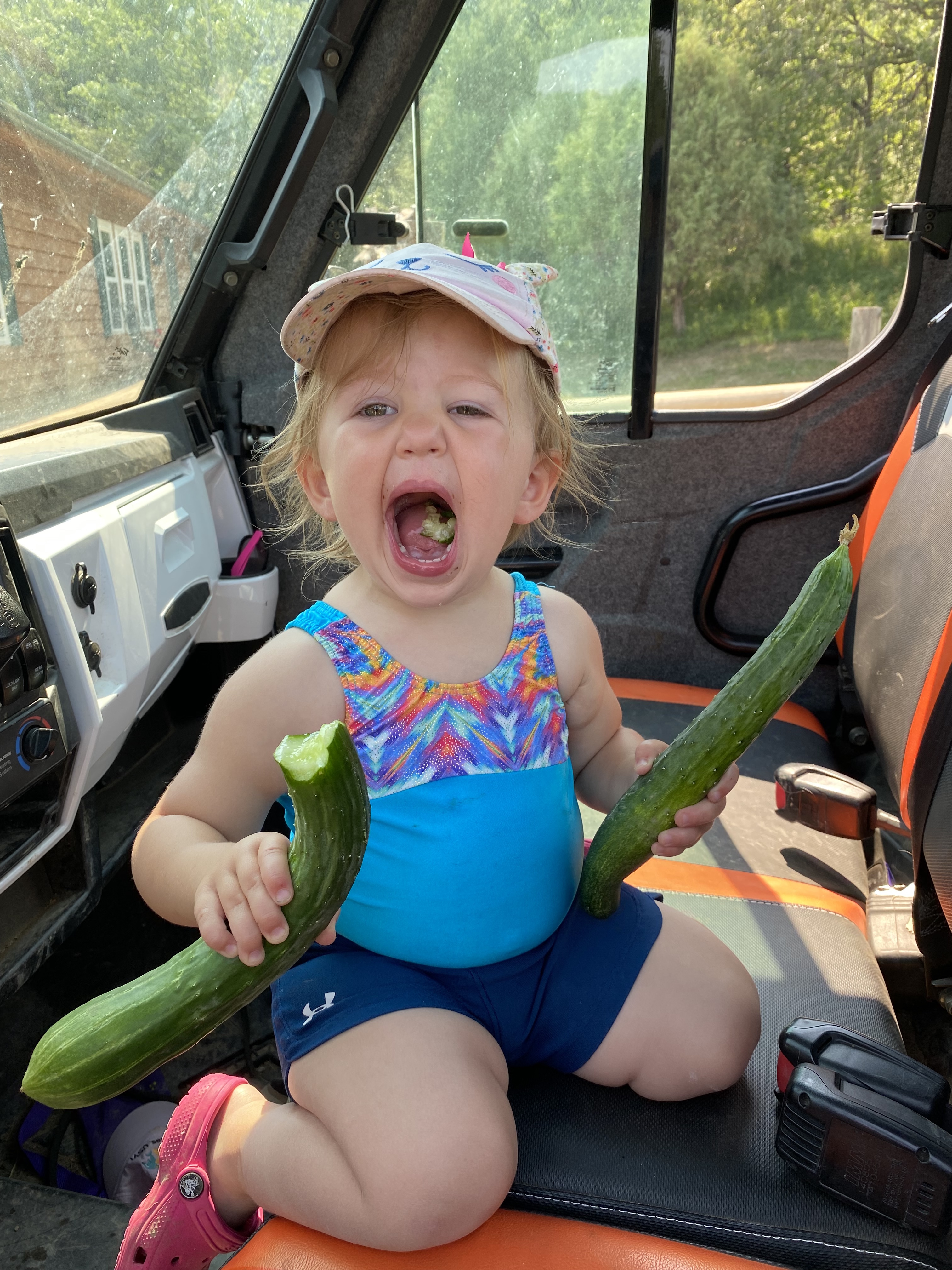
It’s about that time of year when all you gardeners out there are discovering you have a cucumber situation. I was that gardener once, but these days all I’m growing is pigweeds in my new retaining wall and that’s a story for another day. Turns out pigweeds are the only thing that seem to multiply faster than a cucumber (unless you count zucchini, but I only count it when I’m throwing it in the coulee or trying to figure out how you all make it taste like chocolate cake).

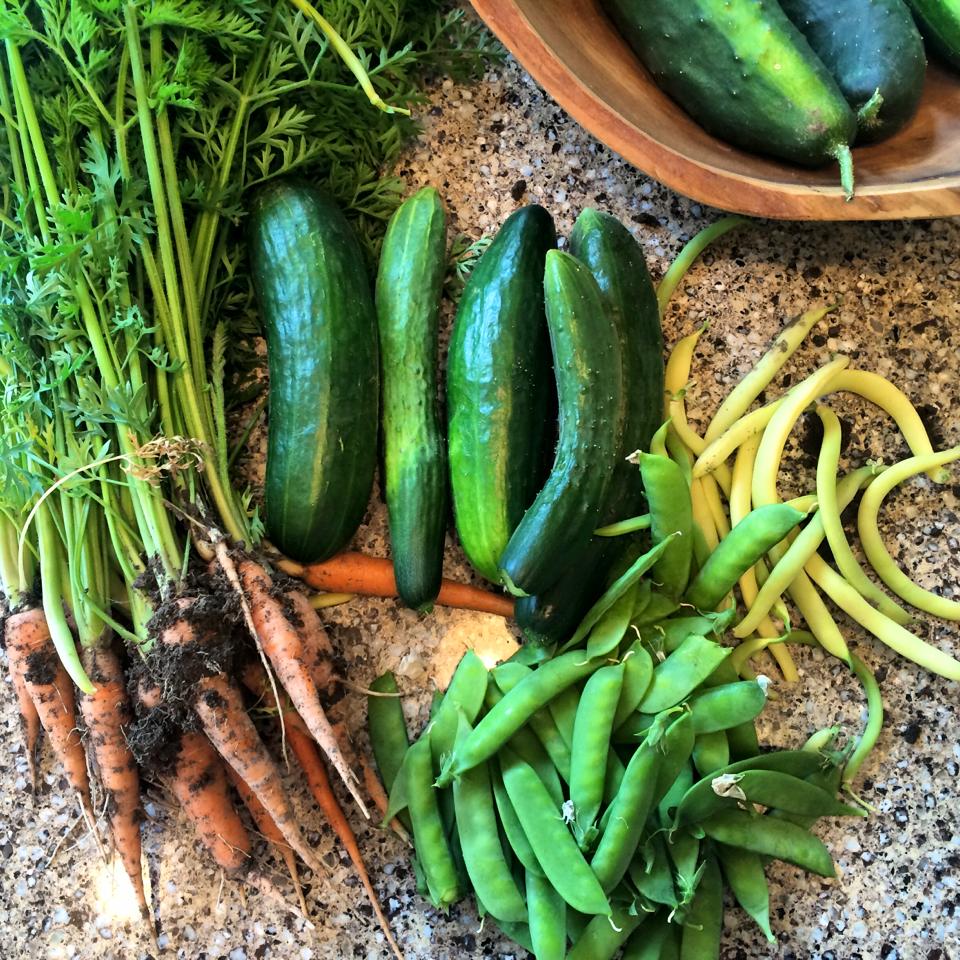
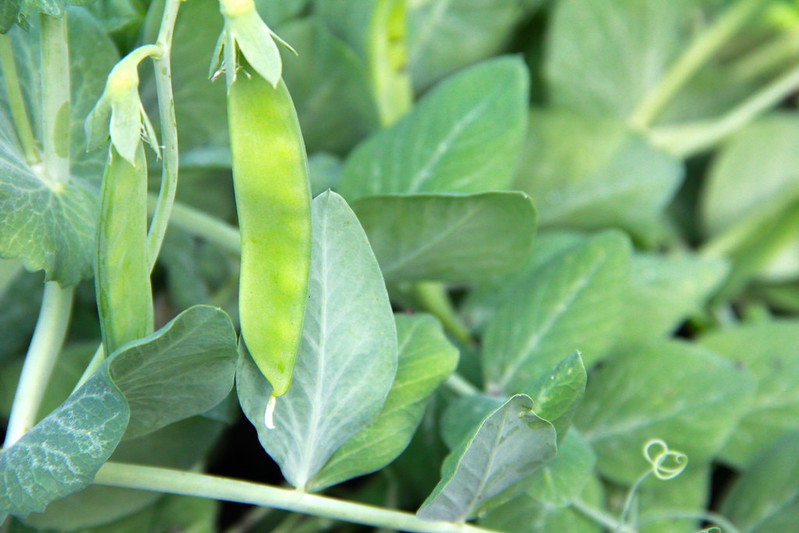
Yes, it’s coming up on garden harvest season and because and I’m feeling nostalgic about gardens of my past. Because there’s something magical about a garden, it’s always been that way for me. As a kid I gladly claimed the role of garden planter and helper each season, carefully spacing and placing the bean seeds two inches apart and finding the right stick to mark the row before moving on to the radish and carrot mix, dreaming of the hot summer day when I could come out and pull a ripe pea pod off the vine.

There is no crisp like the fresh snap of a pea pod. There is no orange like the orange on a carrot, the subtle hint of black earth lingering as you take a bite by the garden hose. There’s nothing more fresh than slicing into a ripe, red tomato, its juice and seeds spilling over onto your kitchen counter where you think it’s a shame to waste it on sauce or supper, so you finish the whole thing off right there. And there’s nothing more satisfying than reaping the rewards of a past and personal effort you put in to something that came alive, before your very eyes, simply because you cared.

Because planting a garden is the physical act of hope for the future.

My Niece Emma robbing Papa Gene’s Garden

When I was a young kid and my family lived in Grand Forks, my dad helped my great grandma Eleanor keep her backyard garden. I reach way back in the archives of my memory and I can see my dad disappearing and reappearing from under the leaves of waist-high tomato plants while my great grandmother stood on the edge of her lawn to visit and I itched the fresh mosquito bites on my bare legs.

That Red River Valley dirt held different kind of secrets than the rocky, gumbo clay of my dad’s home in Western North Dakota. I was too young to understand how much that garden must have meant to both him, a ranch kid missing home, and to my great-grandma Eleanor, whose knees were too worn to do the planting and the weeding.
And in the high heat of summer, when the vegetables were ripe for harvesting, my great grandma looked forward to picking and chopping and mixing up her sister Maebelle’s Garden Soup. It’s something my mom looked forward to each year as a way to connect with her grandmother. It was a labor of love, a practice of patience and a tradition tied to family tied directly to the ground beneath our feet.

And so I want to share the recipe for you here as an offering of hope, a reason to take care and a special way to enjoy all that you’ve been watering this season.

Aunt Maebelle’s Garden Soup

As written on my mom’s recipe card.

Get out your 8 qt. or 12 qt. stainless steel soup kettle (Maebelle was very specific)

Dice 3 LARGE sweet onions (the “heart” of this soup)

Melt a 1/2 stick of butter in the soup kettle and add onion and sauté slowly until they are soft (but not browned). It will take a while.

Add 6 large potatoes, peeled and cubed, and 6 large carrots, peeled and cubed, to the onion and cover all with 3 cups of water. Cook gently. Stir.

When the carrots and potatoes are partially cooked, add 1 pound of yellow beans (summer only) and 1 pound green beans (fresh or frozen). Beans should be cut up in 1/2 inch pieces.

Add lots of fresh chopped flat leafed parsley and lots of fresh dill (or dry dill weed)

Season with Lawry’s Seasoned Salt and Lawry’s Seasoned Pepper (to taste)

When the above has cooked, add a can of cream style corn and stir

(Now here’s my favorite part) Add 1/2 stick butter and let sit (not cooking) for 1 hour or so. (This seems weird, but it’s the rules)

Bring heat up and add 16 oz. package of frozen petite peas

Add 1 1/2 quarts of whole milk (Maebelle was known to slip a little half and half in also)

Adjust to your own taste. Try not to add more than 3 cups water. Maybe more milk, half and half or cream.

When I flipped the recipe card over I discovered that Maebelle often made “bullet” dumplings to add to this soup. I’ve never had this soup with dumplings, but you can’t go wrong with dumplings.

Now invite your family over to help chop, chat and enjoy!

Emma’s outfit is goals.

Tiny, perfect things

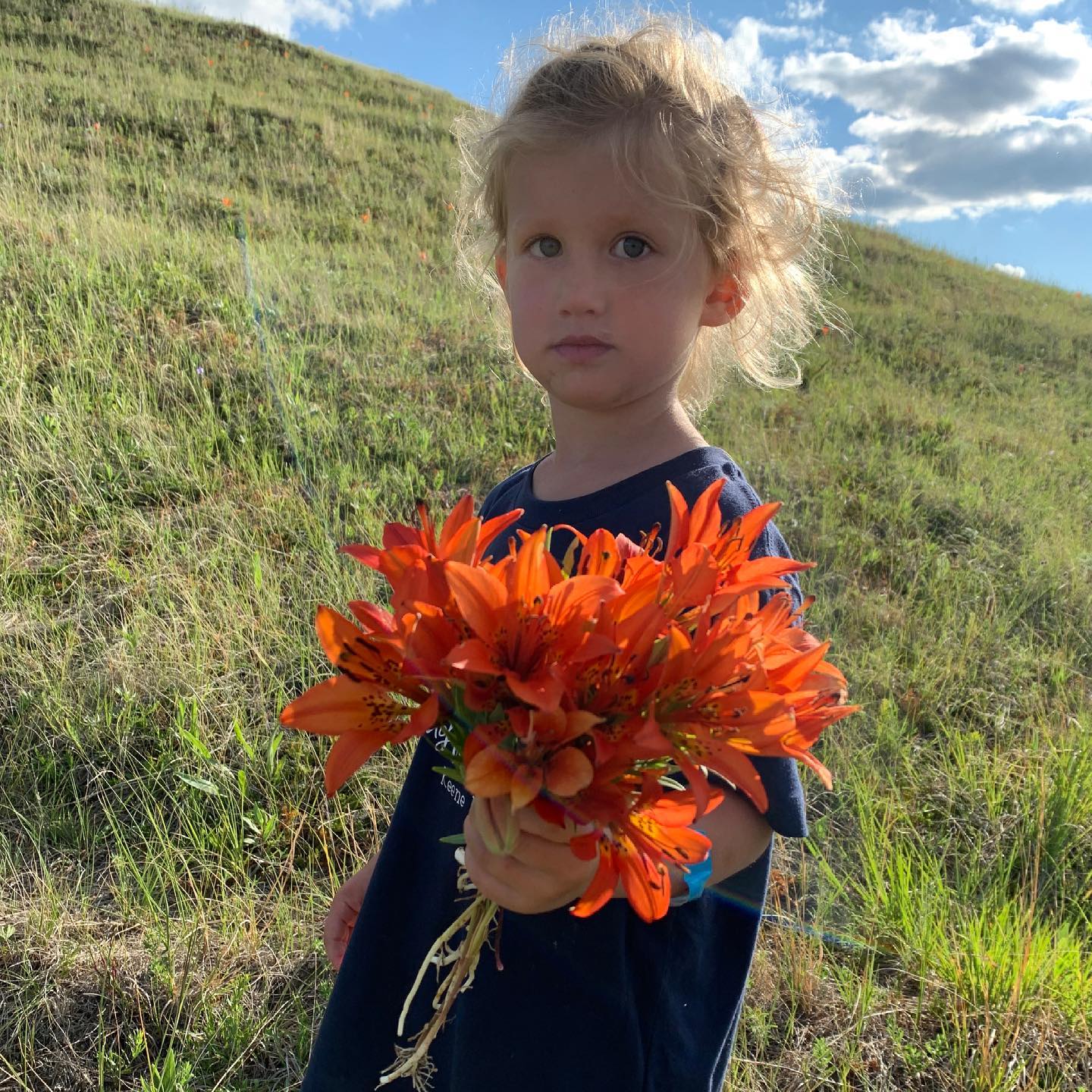
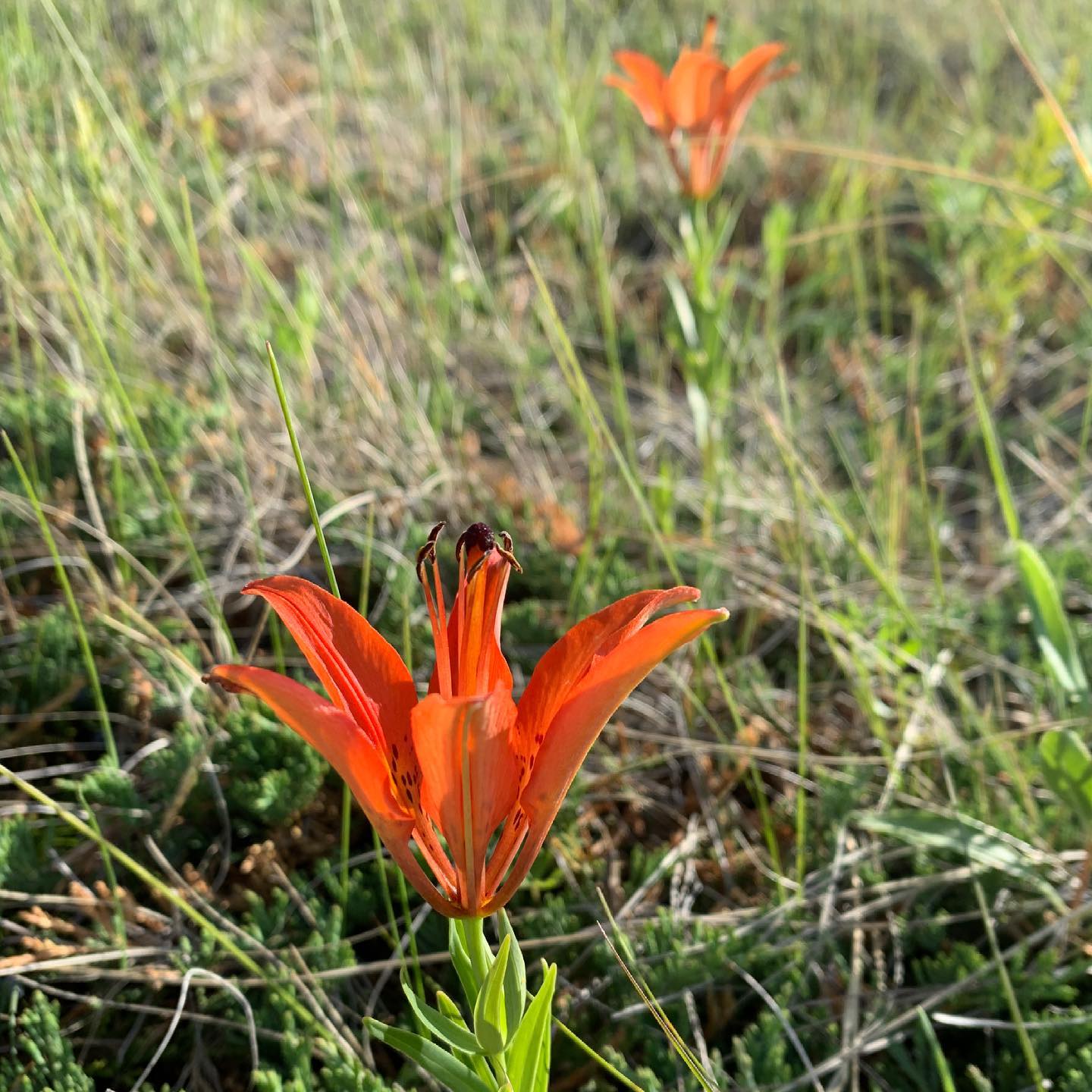
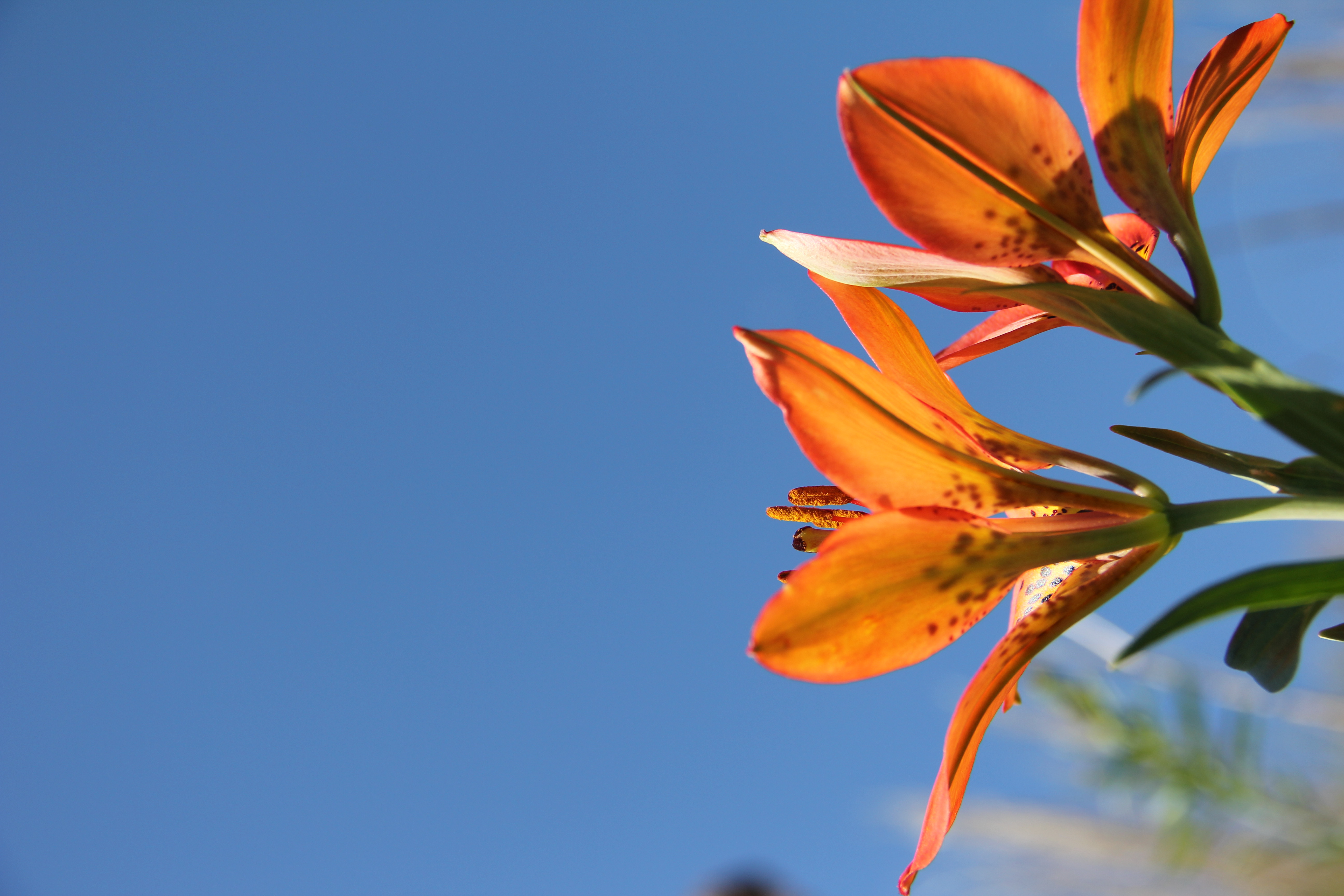
There is a hill on the ranch that is completely covered in tiger lilies. My little sister went on a ride with Dad and they discovered them, a scattering of bright orange petals opening up to the bright blue sky.

It has been a dry year here, with our spring rain coming to us late, and so our wildflower crop is just now appearing. And this news about the tiger lilies may not seem so thrilling to some, but it’s exciting for us.
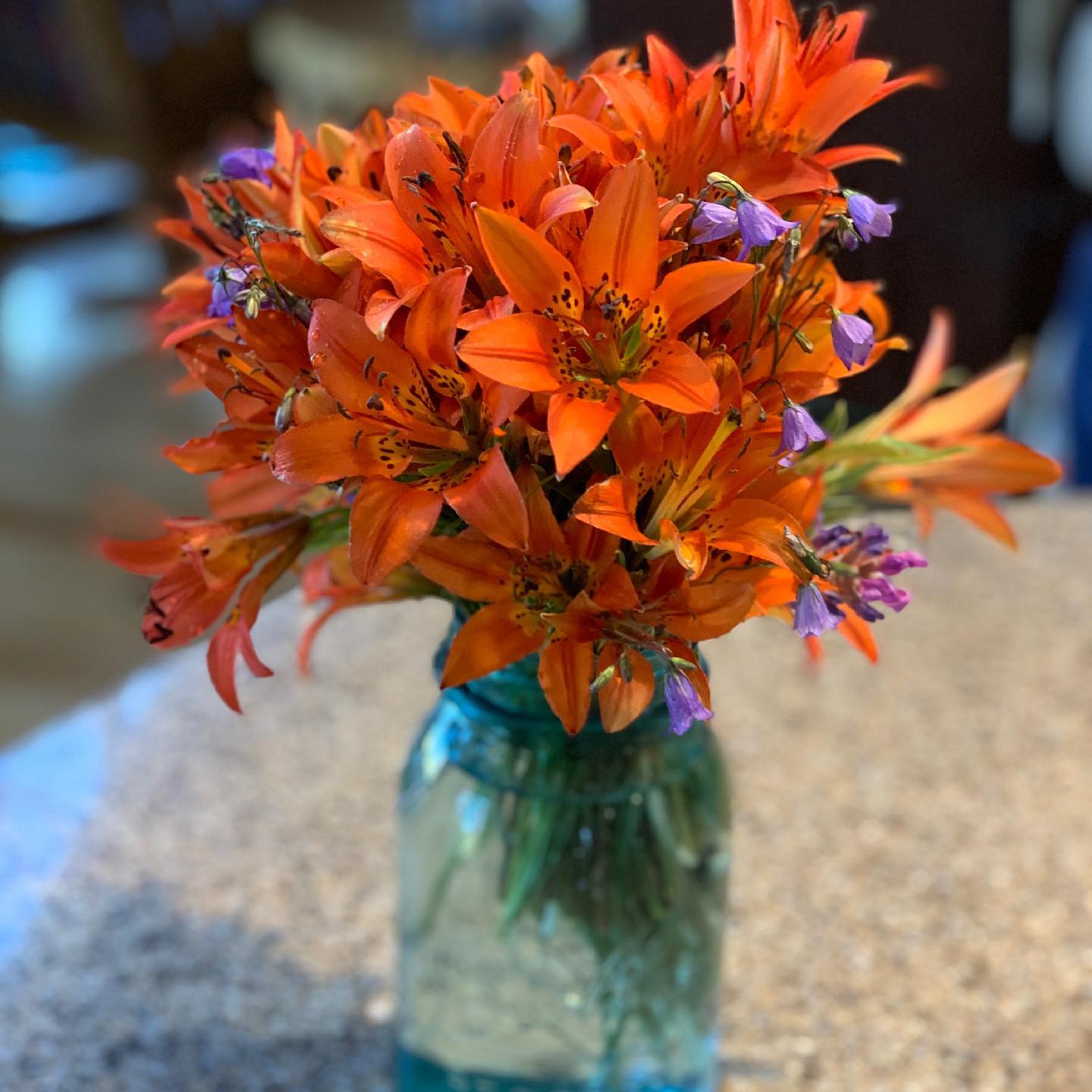
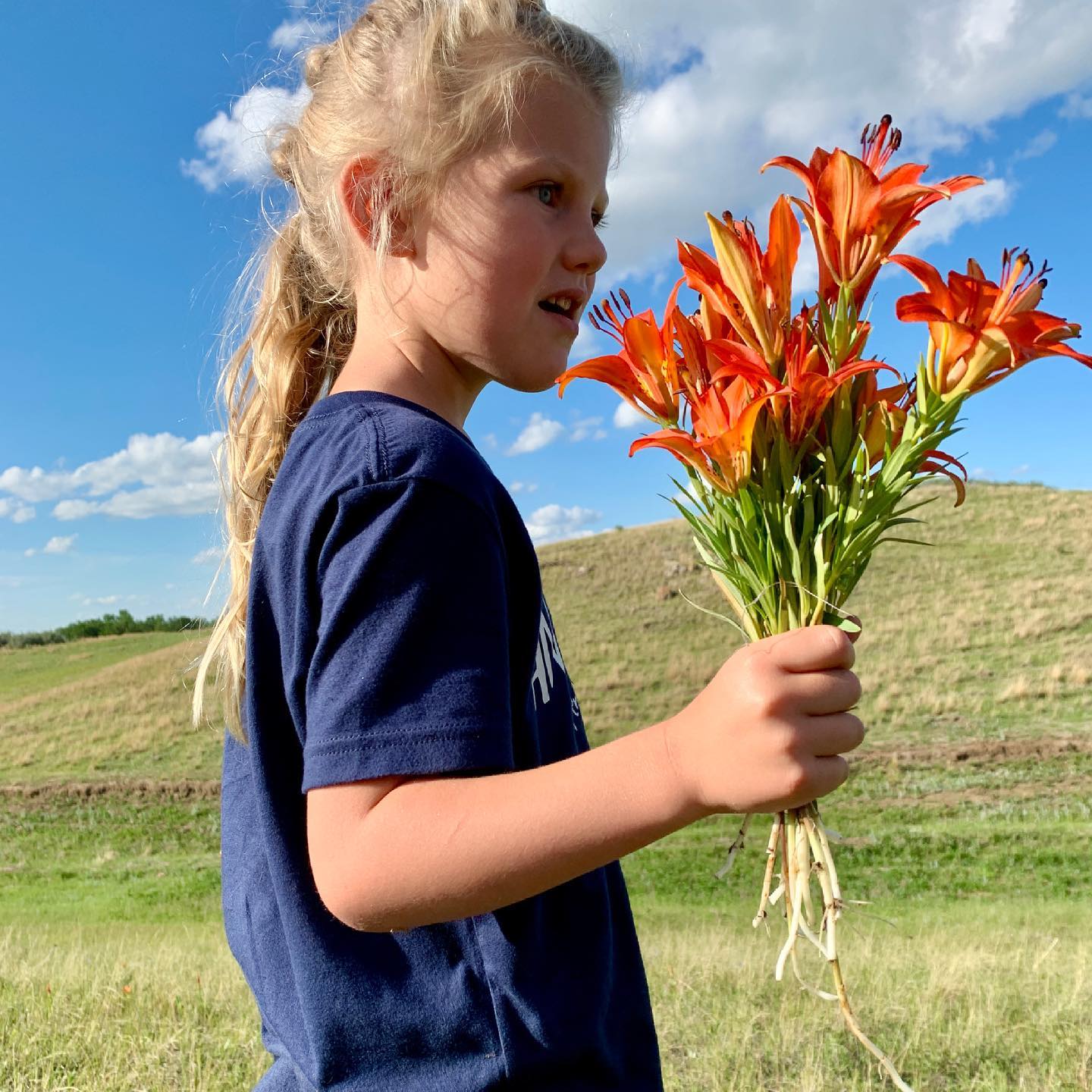
Because the flower is so perfect, and so exotic looking, and they don’t always come up every year. So when they do, we feel like we have access to our own personal florist, Mother Nature.

I don’t know if everyone has a favorite flower, but the tiger lily is mine. I carried them at my wedding, a bouquet of orange walking with me down a grassy, makeshift aisle in a cow pasture. We had to mow and build benches and move cow pies to make it presentable for guests, but we didn’t get rid of all of the cactus. My little sister found this out as she was making her trek down the aisle in front of me. I didn’t know if she was crying because of the cactus in her leg, or if she was so happy for us. I think a little of both.

Anyway, that’s what happens when you live in a wild place. No matter how you try to tame it, the flies and the thorns, the barn swallows and the raccoons, they don’t care about your fancy new deck furniture that you got for the family reunion — they will show up to eat the cat food and then poop on it.

And so then you sort of become wild, too. I know because I caught myself standing outside in my underwear one morning yelling at the birds to find a new place to make their messy clay nests. Not here, swallows. Not on the side of my house! And my husband? Well, he likes to scare raccoons at midnight… also in his underwear.

Anyway, I guess that’s why the wildflowers seem so special out here. For so much of the year we’re battling the elements, praying for rain, shoveling snow, bundling up, tracking mud in the house, pulling burs out of horses’ manes, cutting down weeds and clearing and cleaning and building and doctoring. The wildflowers, especially the tiger lily, seem like a reminder that there is perfection in this world, in the smallest things. Tiny, pretty miracles surviving despite and because of the hot sun and clay dirt.

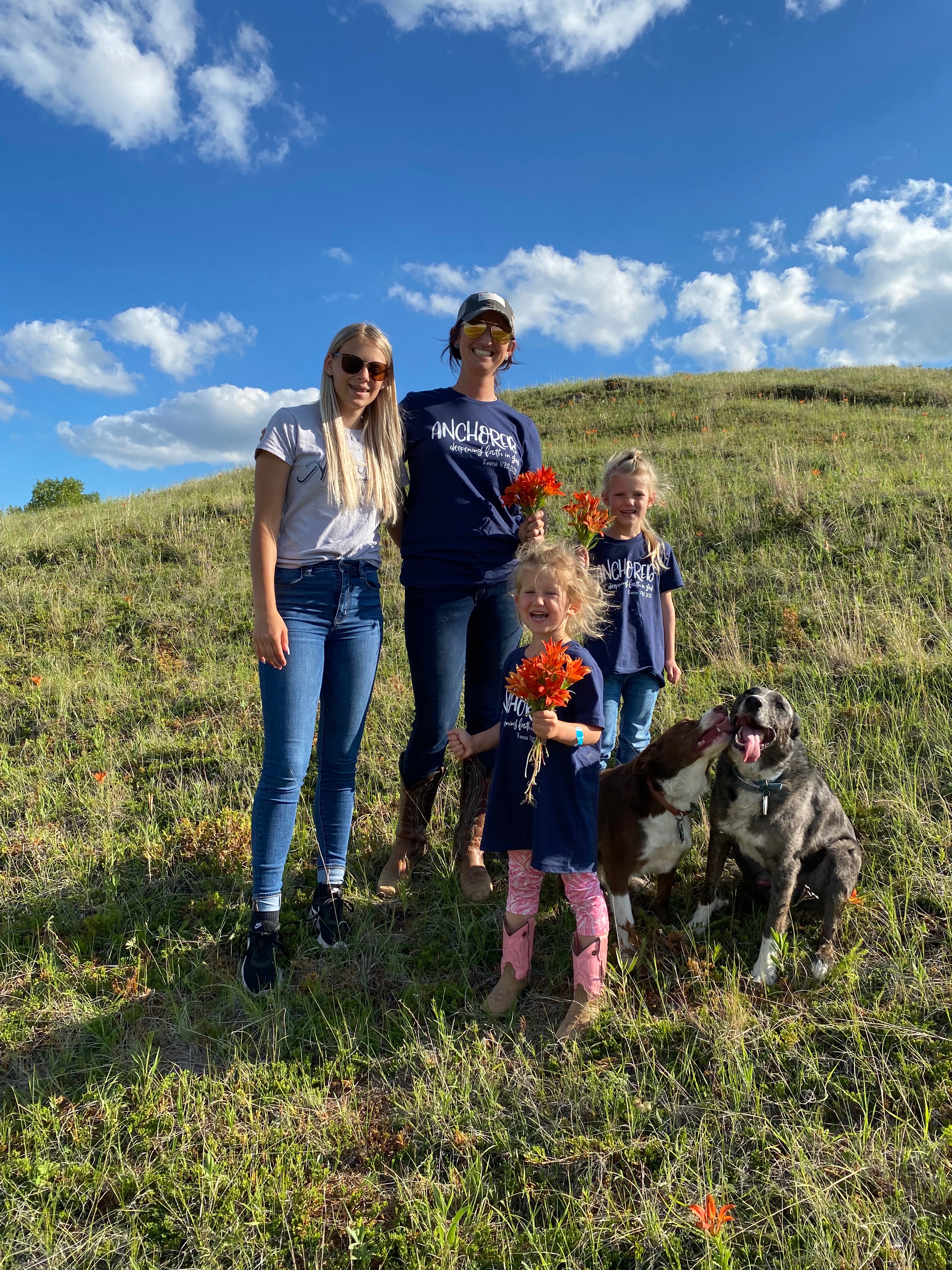
I took my girls to that tiger lily hill the other day to check out this year’s crop. On the way they were singing Bible school songs they just learned, doing the actions and repeating the lines over and not quite right the way little kids do in the cutest way.

They had never seen a tiger lily before, and so it was a fun and easy Easter egg hunt, each girl grabbing up more than a handful of the flowers and thrilled with it all. With the familiar songs they were humming, and their sun-flushed cheeks and mosquito-bit arms, I couldn’t help but think: Now isn’t this the quintessential ranch summer?

I wonder what they will remember about being a little kid out in these hills. Do they feel as wild and free as I used to feel out here, enamored with the mystery of this place and how it can change so magically by the hour, the sun sinking down, turning the tips of the trees and grass and my daughters’ hair golden?

I hope so. I hope they feel as wild and beautiful and as loved as those lilies, because they are to me. My own little tiger lilies on the hilltop, growing before my eyes.

My favorite little flowers reminding us that there are perfect things in this world.

Free and safe and lonesome…

There’s a hill outside my house we call Pots and Pans.

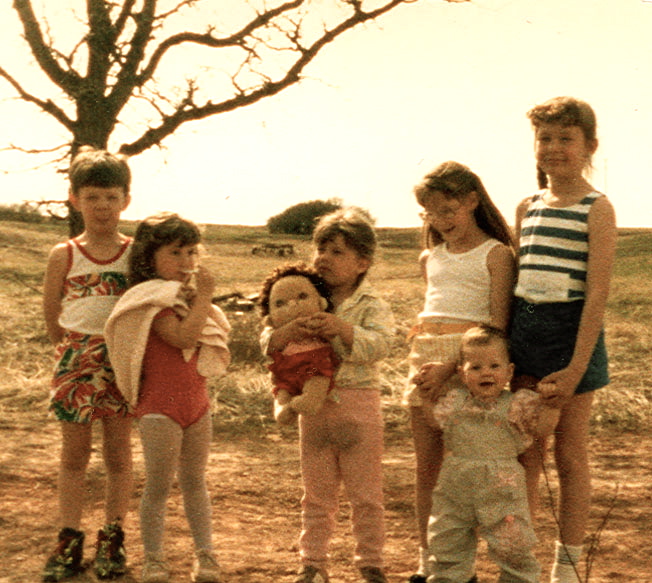
When we were kids, my cousins and I would take the trek from my grandparent’s barnyard, past the bulls munching on hay, over the corral fences, along the dusty cow trail, up big granite rocks, stopping to declare we were kings and queens of the world, taking a juice box from our fanny packs to sit for a break along the way, kicking up little cactuses to add to the drama and adventure of finally making it up to the peak where old pots, pans and sifters waited for us among the sandstone rocks so that we could pretend the way kids do, while the grass scratched our bare legs and the wind whipped through our wild hair and the North Dakota summer sun flushed our cheeks.

And we could see everything from way up there. We could see the red barn our grandpa moved in with his brother and dad 50 years before. We could see the grain bins and the black cows and the sorrel and bay horses and the line of old fence posts trying to hold them in. The reflection of the hot sun on the stock dam and the tops of the oak trees bending in the relentless wind. And the mailbox and the pink road cutting through it all. We could see it all up there and I remember it making me feel free and lonesome and safe all at the same time.

And we were just kids, so we could have played anything up there. We could have been superheroes or dinosaurs, gold miners or Jesse James and his gang. We could have been magical fairies or mermaids or wild horses even. Kids that age, in the sweet spot between 3 and 10, with space and freedom like that, we could have been anything.

But we gathered those pots and pans up and we pretended to be grown-up versions of ourselves making supper for our children out of dirt and sweet clover, washing dishes, singing to them and putting them to bed in the house we made from the boundaries of the rocks and the tree line.

We could have been anything, and so we pretended to be grown-ups. What a thing to pretend. If we only knew how much of it really becomes cooking supper and tidying up the messes we make, tucking one another in at night and wondering what it’s going to be like…

Because we thought that we would someday be old enough and know enough to be as free as we wanted to be. No more rules. No more bedtime. No more supper table to sit at until we finished the spinach on our plates. We didn’t know then that maybe, on that hilltop, picking cactuses out of our little cousin’s bare legs, that we may have been as free as we’ll ever be.

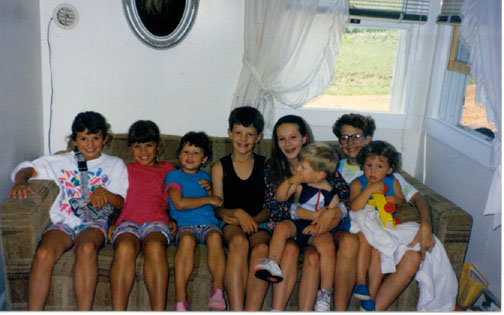
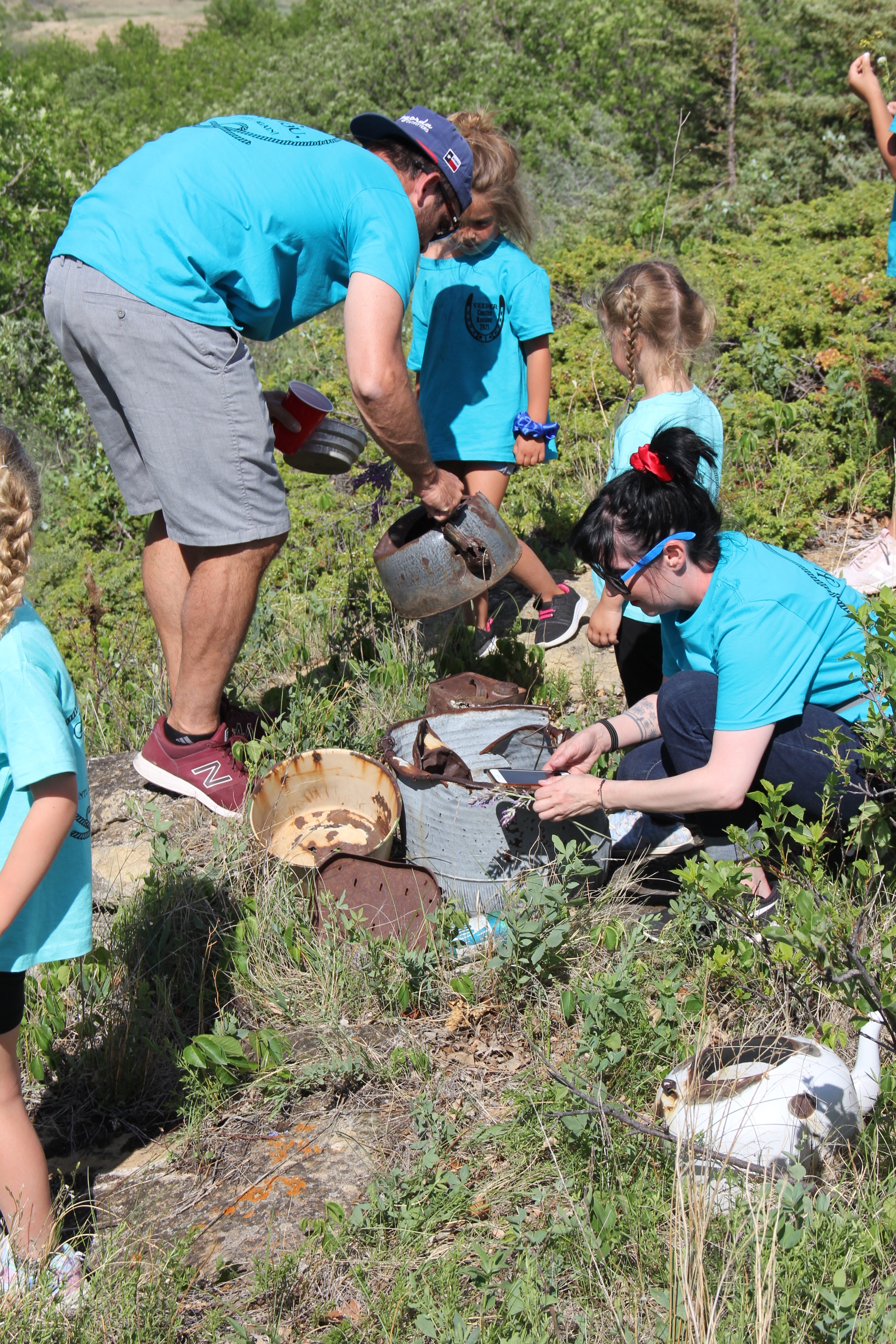
Last week, we gathered up on that hilltop again, all of us cousins, over 30 years later, carrying our children on our backs, or holding their little hands, explaining the magic to our husbands and boyfriends, stepping on cactuses and gathering up the old pots and pans that had scattered down the bank over the years, just like us I suppose, gathered up from Texas and Minnesota and South Dakota and from just down the road outside the houses we put here, under that big hill, all grown-up now, like we wanted to be.

If you’ve ever wondered, like me, what keeps us bound to one another, I wonder if it isn’t as simple as the memories. It sounds silly, but for us cousins, it only had to be as epic as finding kittens in the old barn, or pretending that pink road was made of yellow bricks and one of us was Dorothy.

We held onto one another because we were given time and space to create a bond on a landscape with no agenda but to be to us what we dreamed it to be. And so the years between then and now, in the growing-up part that took us far from those hilltops, we held those memories, those old pots and pans and cactuses and black cows and clay buttes as a part of us.

Standing on that hilltop with them again, all these years later in the thick of the messy and wonderful and complicated lives we built, the grass scratched our bare legs and the wind whipped through our wild hair and the North Dakota summer sun flushed our cheeks again. We could see everything… free and safe and lonesome, all at the same time.

Maybe it’s the rain

Maybe it’s the rain
Forum Communication

I’ve been working on another book the past few months. Like the last, it’s a compilation of some of my favorite photos, columns, blogs, poems and recipes from the past 10 years I’ve spent documenting what it means to raise kids and cattle and make a life on the ranch.

Like the last, it’s been a nostalgic and difficult project to take on with full-time work, ranch life and two loud and wonderfully distracting kids in the house.

I typically don’t spend much time looking back on what I’ve written because I have to focus on what to write. And so I’ve been seeing our lives a little differently lately, thinking about how far we’ve come and how far we haven’t, how some things have changed completely and how some things haven’t changed at all, and it’s from that place that I share this piece on that limbo between past and present, a reflection brought on by the rain.

It was late August, and it had been hot for weeks, the kind of heat you remember as a kid, where Popsicles melt on sticks in the heavy air that sends the flies gathering at horses’ bellies and driving them to bob their heads and swish their tails in the trees.

We were sweating it out in the little house in the barnyard where my grandparents used to live, three years into our marriage and three months into unpacking our lives back home at the ranch where I was raised. And it was only six years ago, but we were just kids, really, with plans big enough to keep us busy.

But that day we resigned to the weather, keeping busy with tasks in a house that was sinking and shrinking with the weight of time.

And then the clouds rolled in, dark and as ominous as the lightning on the horizon, and we found ourselves standing, noses pressed to the screen door, watching the water form new rivers and waterfalls in the corrals.

The buttes in the horse pasture turned from rock to slick mud in a matter of minutes, and soon I found myself running behind my new husband through the mud, past the new barnyard river and scrambling up to the top of those buttes where we stood side by side before launching our bodies down the steep bank of that hill, sliding on the slippery, wet gumbo, just like we used to do as kids.

I’ve told this story before. You may remember it and how it ended in bruises, bloody scrapes and a heap of laughter spilling out into that dark, rainy night.

I’m thinking about it now because last weekend I found myself out in the rain again with my husband. We were riding through an unfamiliar pasture looking for a couple stray cows. The day was still, but the sky kept spitting on us, a little mist followed by small, flying drops hitting our cheeks and gathering on our horses’ manes.

It was a quiet rain, the kind that seems to clean up the landscape, making the colors richer against the gray sky. And I just kept looking at my husband on the back of his bay horse, his black hat and red scarf moving along the big landscape, and I started thinking about the times in my life where the rain made the moment.

I decided this was one of them.

And it was perfect timing, I think, following behind him on trails where he broke branches for me or hollered my name from a hilltop. We were doing work, and we were living out a plan, rain or shine.

But that day, I preferred the rain, because I was starting to wonder if it is possible to spend the rest of my life here without losing the magic of this place. A few days before, I received a note from a man telling me that my life seemed romantic in a way that few people know and that I was lucky for it.

I sort of felt like a fraud, wondering if I gave him a false conclusion. Settling into a new life as a mother and a new partnership as parents, no matter how much we wanted it, hasn’t been an easy and seamless transition. I’ve been struggling with it in ways I hadn’t expected.

I began to wonder if I was the same woman who slid down that gumbo hill with that young man six years ago.

We pushed up the bank of a wooded coulee, and I listened to the rain hitting the leaves and the branches break against the chest of my horse, and I thought about how I was taught to lean forward as a horse takes you through the trees so that you don’t catch one to the face and get pulled off.

It’s a lesson I reach back for when I’m in the thick of it, the same way I reach back for the girl who kissed a boy under that old oak tree in the field, promising him forever, no matter the weather.

So maybe it’s the memories we make that keep this place magic.

Or maybe it’s just the rain.

Rain on the Buttes

I’ll be performing at the TAK Music Venue in Dilworth, Minn., on June 17 and in Jamestown, N.D., on June 24. Hope to see you all out and about!

The myth of “back to normal?”

Was there ever such a thing as normal?
 The more I think about wanting to return to “normal,” the more absurd I find the whole concept.

The new year is upon us. Finally.

I sit in front of this computer screen compelled to work out something profound as we bid adieu to a year that has brought us together and torn us apart, made us lose and find hope, scared us, confused us, angered us and often found us wishing time away and saying things like, “I can’t wait to get back to normal.”

I’ve said it myself plenty of times, yet only recently have I really sunk my teeth into what this “normal” actually looks like. And the more I reach to know it, the more absurd I find it.

Because we seem to be holding this “normal” to standards with which we’re sure we recall living at ease, comfortable and certain of what our tomorrow was going to look like, as if that’s a gift we once possessed together. Normal. Is there such a thing really?

The beauty and tragedy of time ticking away the seconds, minutes and hours that make up a life, is that any of those seconds, minutes or hours have the ability to change our course, and change us, profoundly. In 2020, we got to experience that as a nation, as a world, in a sense, collectively.

But collectively, we did not all have the same experience, the same struggles, the same outcomes, the same attitude or willfulness or support or despair. And saying that we’re all in this together, in this “new normal,” felt like a bitter and hard pill to swallow when the numbers didn’t add up and your business had to close. Or your father died. Or you haven’t seen your grandmother in person for months and your children are home from school, but you still need to report to work and there is no one knocking on your door to help you fill in the gaps that these unprecedented times have handed you.

With the exception of some small tasks and ways of living, there has not ever been a universal normal, let alone a universal new normal. But I think we can all agree that what we have endured these past nine months as a country and as global citizens is unnerving, upsetting, heartbreaking, eye-opening and, hopefully, humbling.

And so I’ve taken to reading. Novels and memoirs printed on dog-eared pages with the bed lamp on when the house is quiet like I used to do before our normal was parenthood and overwhelming plans in the works and handheld screens that dictated our schedule and mood and how we tick away the time.

Last night, I turned the last page on a memoir written by a woman raised by a Norwegian immigrant mother in the early 1900s. There were pages about what it took to feed her family, the 200 chickens and trading eggs each week, 20 miles away in Williston, N.D.

Nothing to do but Stay

There were pages on a father spending the winter clearing a path to and from the one-room schoolhouse where his teenage daughter taught and his younger children learned, and then, when it got too impossible, leaving them there to spend the week, because they didn’t want to risk students arriving alone to an empty schoolhouse.

And then there were pages about the flu pandemic of 1918 and how one woman’s chicken noodle soup delivered by horse and wagon one cold winter evening may have saved a life, and on and on I found new perspective and new gratitude for those who have endured the “normal” that came before us.

So now here’s the best I can do. In this new year, my hope is that we can all come to accept that we are humans who live on constant shifting sand. And once we accept it, perhaps we can find some time to be grateful for it, with the understanding that even though we do not all live in the same state of normal, we have within us the power to be there for one another.

And if we have nothing else in common, that’s one gift we do, indeed, possess together.