Flannel shirts and wild plum blossoms

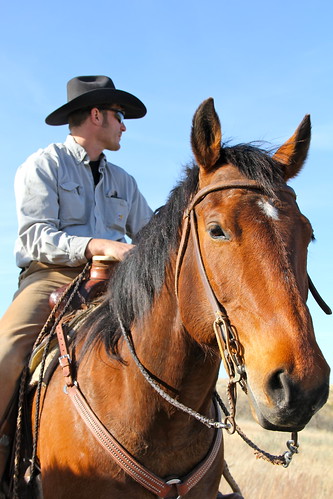
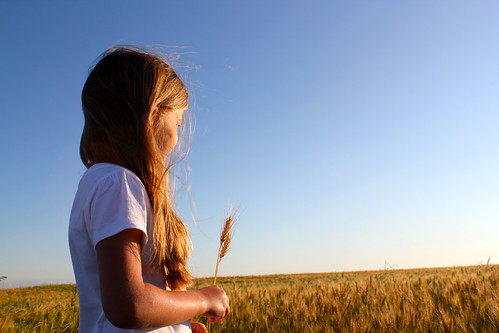
When I grow up I want to be the kind of woman who lets her hair grow long and wild and silver. When I’m grown I hope I remember to keep my flannel shirts draped over chairs, hanging in the entryway and sitting on the seat of the pickup where they are ready and waiting for me to pull them on and take off somewhere, the scent of horse hair on the well-worn sleeve.

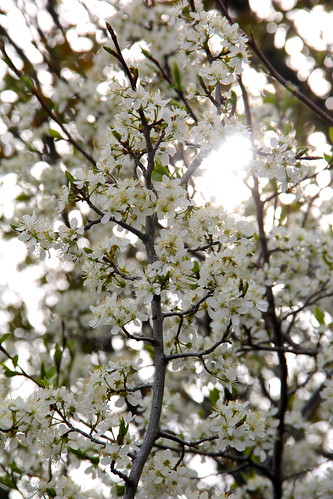
When I grow up I want to remember every spring with the smell of the first buds blooming on the wild plum trees what this season means to me. When I grow up I pray I don’t forget to follow that smell down into the draws where the air falls cooler the closer you get to the creek, where the wind is calm.

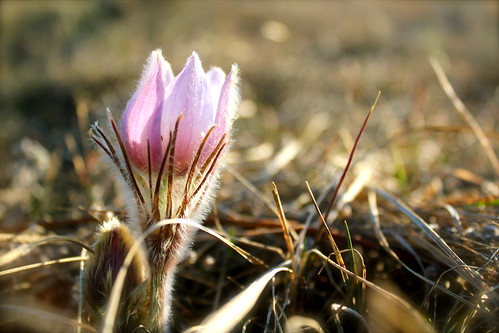
When I grow up I hope I don’t find I have become offended by a bit of mud  tracked from my boots onto the kitchen floor. I hope I keep the windows open on the best summer evenings with no regard for the air conditioning or the dust…because a woman can only be so concerned with messes that can be cleaned another day, especially when she needs to get the crocuses in some water.

When I am older and my memory is filled to the brim, I hope that the smell of damp hay will still remind me of feeding cows with my father on the first warm day of spring when the sun had warmed the snow enough to cause small rivers to run on our once frozen trail. I hope it reminds me how alive I felt wading in that stream while my dad rolled out the bale and I tested the limits of the rubber on my boots.

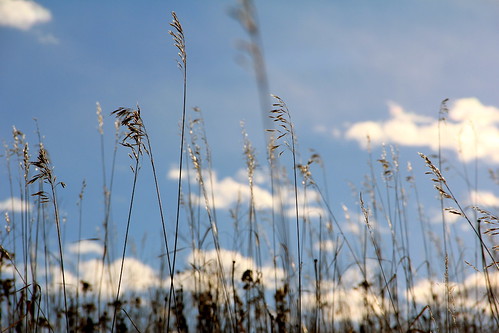
And when my hair turns silver I hope I remember that my favorite colors are the colors of the seasons changing from brown to white to green to gold and back again. I pray I never curse the rain, that I don’t forget the rain is my favorite color of them all.

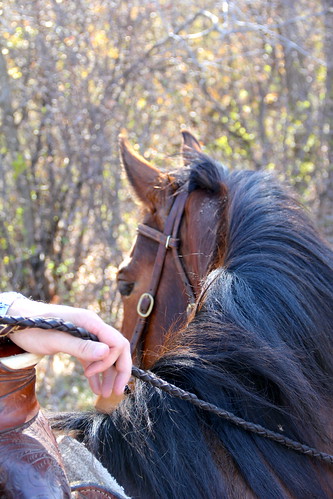
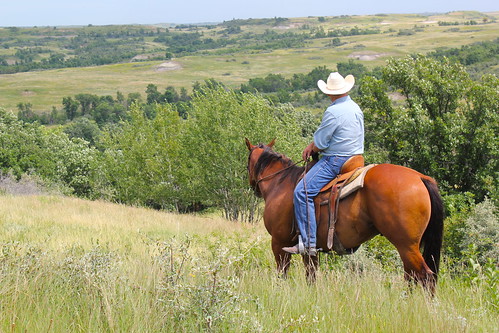
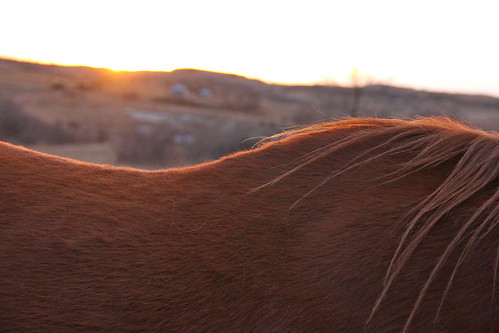
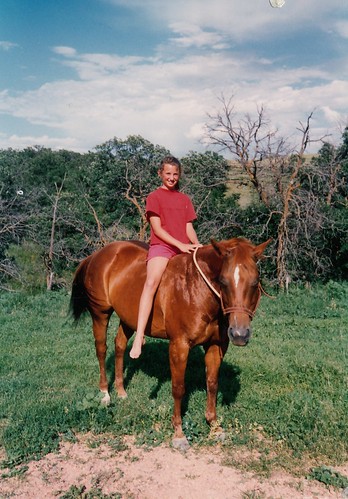
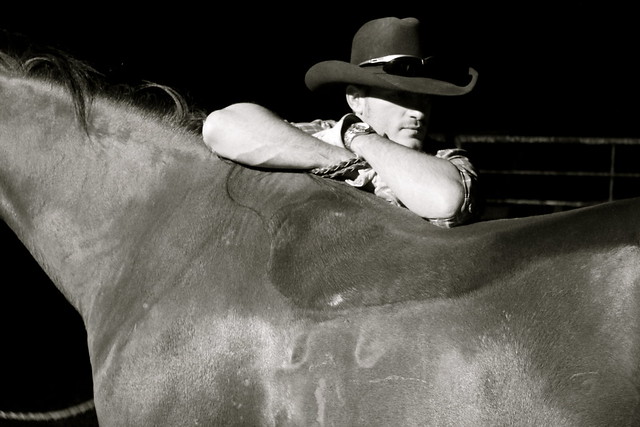
Yes, when I am an old woman and my knees don’t bend the way they need to bend to get me on the back of a horse, I hope I am still able to bury my face in her mane, to run my hands across her back and lean on her body while I remember the way my spirits lifted as she carried me and my worries away to the hilltops.

I hope I recall how the first ride of spring made my legs stiff, my back creak and my backside sore, even as a young woman with muscles and tall boots.

Yes, boots! When I am an old woman I hope I will wear my red wedding boots every once in a while and recall how I stood alone in them out in the cow pasture at 22-years-old waiting for the horse-drawn wagon to come over the hill and take me to the oak tree where my friends and family gathered and the man I loved was waiting to marry me.

My red boots will remind me, so in all of the shuffle and lost things that become our lives, I hope I remember to save them.

And as I watch the lines form on my husband’s face, little wrinkles around his eyes from work and worry and laughter, I hope I remember to say something funny, to tease him a bit, so I might be reminded again how he got the most important ones…the ones that run the deepest.

Yes, when I am old and my hair is silver and long and wild, I hope I feel it was all worth it.

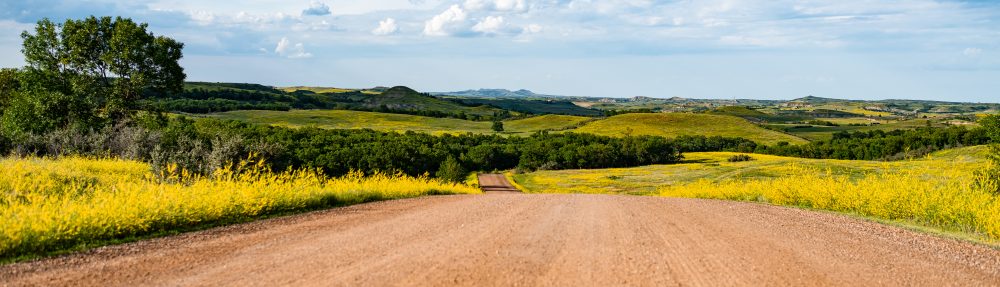
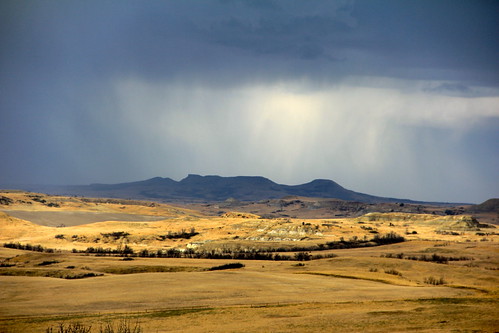
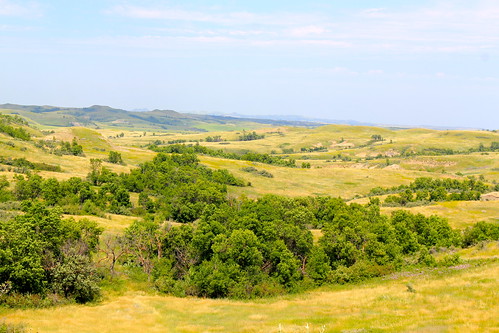
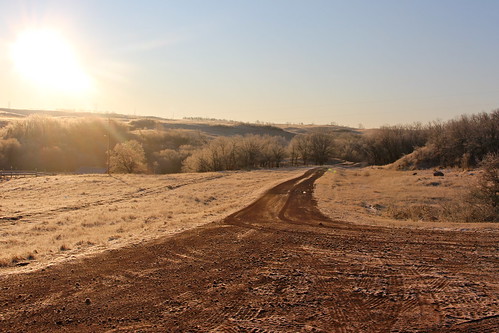
But more than anything I hope that those things that made me– the dirt under my fingernails; mud on my boots; a good man’s laughter; the strong back of a horse; the rain that falls on the north buttes and the scent of summer rolled up in a hay bale at the end of a long winter–I hope they remain here on this place so that another spirit living along this pink road might one day find herself in flannel shirts and wild plum blossoms.

Inside Old Houses

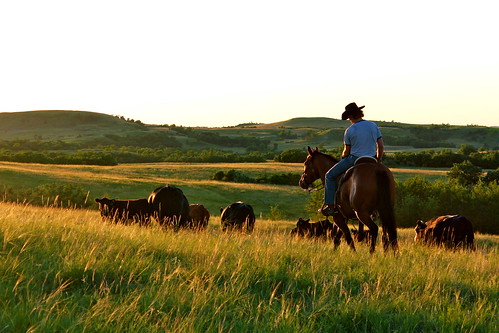
We live on gravel roads that stretch like ribbons along pasture land dotted with black cattle and a patchwork quilt of grasses and crops. As we kick up dust beneath our pickup tires heading out to a chore or to meet up with a neighbor, we take for granted how these roads were built. Why there are here in the first place.

These days we are in a rush aren’t we? Aren’t we headed somewhere on a deadline?  So we drive faster than we should on these roads beat up from years of wear by our rubber tires, and now, by the new-found rush of a booming industry.

I remember a time when these roads were quiet. It was where my cousins and I could skip like characters from “The Wizard of Oz” down the middle of the pink road without a care in the world. The only vehicle that was certain to meet us was carrying our great uncle driving with his windows down, checking fences and out for coffee with the neighbors; or my mother  looking to borrow some sugar. If we were lucky it would be the Schwann’s Man hauling the promise of orange push-up pops in the back of his truck and we would put the game on time-out and sit on the front porch trying to get to the bottom of the treat before it melted and dripped down our fingers.

We didn’t know that  there would ever be anything here at the end of this road besides imagination and our grandmother’s cookies. We didn’t know that anything but our  boots and agriculture would kick up dust on the road.

I spent Friday afternoon with a reporter from the cities. He came to visit me on the ranch to talk about the landscape, ranch life, my music and what’s happening here in the booming oil field we have in Western North Dakota. I agreed to have the conversation and then gave him the requested directions he needed to find me.

  • Head east out-of-town until you hit the school.
  • Turn right and follow the pavement.
  • Cross a cattle guard, but only one. If you hit the second  you’ve gone too far.
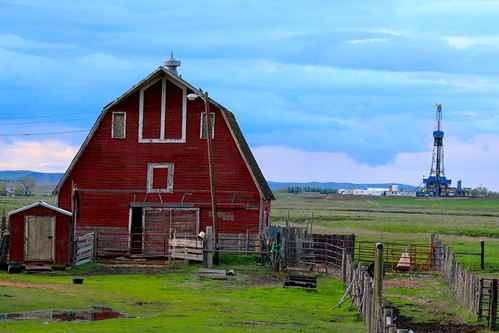
  • Turn left on the red scoria road until you see the small red barn.

Because we’re in the middle of all of this activity, all of this national press, the #3 oil-producing state in the nation, but we are not on the GPS.

I am not sure if it was my very rural directions or the wrong number provided for the county road, but my reporter friend didn’t quite make it to me, so he found the top of a hill (because we don’t have cell service either) and called.

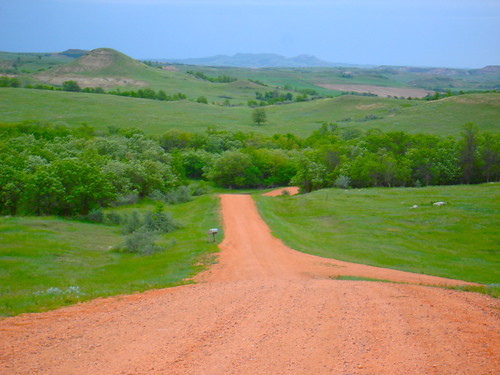
I got in my pickup and found him on the pink road where I used to pretend I was Dorothy, waiting with his hazard lights on for me to show up and tell him what I do, what I think and what it means to me to live here right now.

What I do is ride horses and chase the pug and take pictures and sing and tell stories.

What I think is that every day we work  to live a good and true life as we build a house on my family’s land that once was the middle of  nowhere and has now suddenly become the middle of something that is so much bigger than the sound of Pops’ tractor coming over the hill.

What it means?

The truth is I haven’t put my thumb on the black or the white, because between the past and the future there are so many colors here.

So I sent him on his way with a story and a new-found love for the pug and grabbed my camera to follow that pink road to meet my neighbor, a friend who is absolutely intrigued by the idea of what this place was in another time. We had plans to take our country roads and explore the little pieces left behind by the generations that came before us. My friend knows where every buried treasure lies. Her eyes are open to it, our history and tumbling down memories that scatter across our landscape in the form of old houses and churches and schools.

My friend moved to this area from Montana with her husband almost two years ago, but you would never know she is new to the place. Ask her about the stone house across from her approach or the old Sandstone school and she will tell you a story about it. She will tell you who built the house and what he did for a living, who taught in the school and where you can find photos of the students. My roots are planted here and I’m sure I have heard bits and pieces of these stories as I grew up, but hearing her tell about the families who homesteaded near her new home, watching her put the pieces together as she peers inside the windows of old houses, seeing her wonder and excitement as she unearths an old book from an abandoned house or admires the green paint on an antique table, makes me wonder too.

It makes me wonder what memories were held in the hearts of those prairie people who have long ago returned to the earth. What would they think if they saw us driving down this road in our fancy cars to get to houses for two that quadruple the size of where they raised 12 children?

How far away I feel from that life some days…

And then I talk with my friend I am reminded that our goals were the same.

To make a living, to raise our families. To have a good life.

Just as the family that inhabited that old house with the broken windows and remnants of a life I will never lead, we are existing in a changing landscape where trees grow and fall, baby calves are born and sold, ground is tilled for crops and minds are inventing ways to make the living easier.

Inside those old houses they ate, they prayed, they laughed and worried, just as we do in our own homes with too many television screens and not enough vegetables.

So what does this mean?

The washed out fences and boarded up school-house doors remind us, like the newly paved roads and constant wind that blows across our prairie, tangling our hair and knocking on our windows, that this place, this land, is not ours solely and rightfully and individually. One day we will abandon these houses in decision or death and there will be a new generations searching these roads for our story.

So we should tell it now, honest and true and leave to them what they will need.

If I weren’t these things…


I sit on the love seat in the back room of my parent’s house. It’s 9:30 on a Wednesday evening. I’ve finished my slice of pizza. My mother brought it home from town. I’ve had my glass of wine and we’ve had our visit about the weather and the traffic and the pizza and the fact that my little sister is back home tonight on her pursuit for a job here.

My little sister might be moving back home.

I close my eyes at the thought as her shoulder touches my shoulder. This love seat is small, so my other shoulder is not free either. It’s smashed up against my husband’s leg as he leans back, sprawled out on the arm of this overstuffed piece of furniture.

The three of us, we are a sandwich, and I am the lettuce, the cheese, the pickle, mayo and turkey. They are the bread and we are everything you need for a good bite.

We close our eyes and listen to Pops blow the air from his lungs through the harmonica he wears around his neck. We hear a lonesome sound, one that is familiar and sad and haunting and beautiful and home. We lean in closer…to one another. To him.

We taste his words…

I live back in the woods you see 
My woman and the kids and the dogs and me...

We don’t say it, but it seems those words might have been written for this man sitting in front of us, his hair more silver than it was yesterday, his fingers callused, his voice ringing with those pieces of gravel that dug their way in from years of playing songs like this in bar rooms.

I’ve got a shotgun a rifle 
and a four wheel drive…

It’s quiet tonight. The dogs are asleep and the trucks have taken a different route or maybe they finally called it quits for the day.

I know the stars are out.

And a country boy can survive 
Country folks can survive…

In the kitchen the warm scent of brownies my mother is frosting fresh from the oven drifts back to us smooshed together, the sandwich, on the love seat. I can’t see her from my position as the lettuce, the cheese, the pickle and mayo and turkey, but I know my mother is sipping wine and running her long fingers along the pages of a new magazine.

We grow good ole tomatoes and homemade wine…


Everything I ever knew for certain is filling my lungs and my ears, touching my shoulders and swaying along to all of the things I am on the inside.

And a country boy can survive


I am his lungs and heart and pieces of his gravely voice.

I am her fingers and worries and holidays.

I am his goodnights and kisses. His battles and wishes.

I am her blood, her memories…her shoulder.

Country folks can survive…

We breathe in the air of this house, the air Pops uses to push through the next verse, and I think that if I were not these things,  I might not exist at all…

*Lyrics from “A Country Boy Can Survive” by Hank Williams Jr. 

The boy on the hill…

Most Sundays we get together with mom and pops for dinner. After a week of work and crazy schedules followed by a weekend of chores and projects or travel, one of us decides that someone should cook a decent meal, pour some wine in a glass and make us all sit down.

I admit, with the house and my weird schedule, it has been momma making the meals lately.

But it’s one of the things I think we both look forward to, and now that the sun stays out a little longer and there’s no snow in sight, I pull on my shoes, whistle for the dogs and follow the winding creek to my parent’s house over three big hills, nestled in the oak groves. Husband, usually busy putting in the last nail for the day, meets me over there in his pickup and soon we’re settled the kind of easy talk that comes only with the people you’re closest to.

We complement my mother’s cooking, tease her about her bottomless wine supply, talk about work and weather and my stupid dogs. Usually I whip out a story that requires use of an accent and pops laughs and squeezes his eyes tight as he throws his head back. It’s my favorite look on him for so many reasons…

But my favorite is when we start talking memories. It usually always comes to this, a story about my father’s childhood in the very spot we’re building a house. A revelation about how my mom was forced to run track by her cheerleading coach, so she did it…in ballet slippers. Husband’s confessions about the punishment dealt out after fighting with his brother that included holding hands with him on the couch for as long as his father saw fit.

There’s something about being a room with people who you know the best in this world, people who know you in the same way, and still being able to learn something about them. And it doesn’t matter if we’ve heard the same story a few times, there is always something to add, a question to ask that reveals more character, more memory, sheds a different light on this person.

Last night pops shared a story about his childhood that I’m sure I’ve heard before, possibly dozens of times. But it doesn’t matter, I could hear it a thousand times and be transported.

I want to exist in this story, in this ten minute vignette of my father at four years old that somehow sums up everything he became here on this landscape as a child, growing into a man with white hair and a wife who he transplanted from city sidewalks and dance studios to a house at the end of a dirt road in the coulee with party-line phones and a bull snake in the shed.

I love the way he tells it, sitting at the end of the table, plate pushed forward, arms folded, coffee brewing for dessert. He looks to the ceiling as if up there he might catch a glimpse of that little boy, four-years-old with curly black hair riding bareback on a paint pony alongside his father. It’s fall or summer, he can’t remember. But I imagine the leaves were just starting to turn as the pair trotted out of the barnyard, the little boy on his father’s trail moving east toward the reservation where the cattle graze in the summer.


He’s not sure why his father took him along for an almost seven-mile-one-way cross-country trip. At four-years-old, he thinks now that it might have been a little extreme for such a youngster. But ask him then and it was all he wanted to do. Leave him behind? He would have tried to follow anyway.

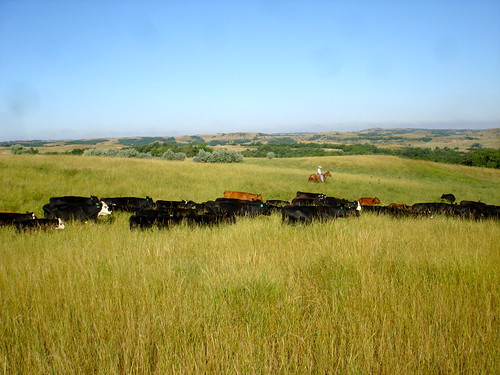
The pastures out east, even today with an increase in activity, are some of the most isolated and untouched places out here. The rolling buttes rise and fall for miles between fences into creek bottoms with black mud and cattails, creeks that are difficult to cross with a horse, even in the late summer. The oak groves, bordered by thorny bull berry brush and thistle, begin to blend into one another and look the same. I’ve seen them play tricks on even the most familiar cowboy, getting him mixed up on what draw he’s in or where he is when he emerges from ducking and cutting through the narrow cattle trails along the banks.

So there he was, a little boy, clinging tight to that pony as it jumped over the creek and raced up the side hills to keep up with the big horse. And it was at the top of one of those rocky hills that his father told him to stay and wait.

“Don’t move,” his father said as he made plans to check the creek bottoms, to find cows that have been milling in there to stay cool and get away from the flies. “I will come back and get you.”

So on top of that hill sat my father on his pony. He shakes his head now and laughs as he tells it and we take a sip of our coffee, shift in our seats and imagine him as a little boy, wind flopping his hat and moving fluffy clouds that made shadows on the buttes.


He can’t remember if he was scared or nervous now. He searches for a recollection of that feeling in his coffee cup and then rests his chin on his fist. All he can remember is that he was told not to move and so he didn’t. He didn’t move as he scanned the hills and squinted into the oak trees for any sign that his father might be on his way back to him.

And while he was peering into the horizon, holding his breath and the reigns of his pony, someone did come over that hill. But it wasn’t his father in his saddle and cowboy hat, but a Native American girl with long black hair and legs dangling on each side of her bare backed horse under the late summer sky.

“Can you imagine what she thought,” my father chuckles at the memory of this girl, who he recalls was a teenager, but was probably only about ten or eleven years old, so young herself. “Here she found this little boy on a pony all by himself out there on the hill.”

He goes on then to tell us the part of the story we remember from last time it was told here at this kitchen table. He recalls how she asked him if he was ok and if he was lost. He told her that he wasn’t supposed to leave this spot. That his dad was coming back for him.

My father doesn’t remember many of the details of conversation, what she looked like, what they said, but he remembers she stayed with him, she stayed with that little boy with curly hair and a hat flopping in the prairie wind, on that hilltop, more than likely holding her breath and scanning the horizon for any sign of a cowboy coming back.

Now he pulls at his napkin and says though he doesn’t remember how long she sat with him, but when you’re four years old ten minutes can seem like hours. And I can relate, remembering my own time spent on hilltops waiting for this father of mine to come back for me. It could have been hours. It could have been minutes. But she stayed until that little boy had an escort through the valleys and over the creeks, back west to the barnyard and to his momma and big sister waiting with canned meat and biscuits and for a report of the day’s events.
And so he told it to his mother, the story about the girl. And for years to come around their dinner table this would be one of their family’s stories, one of the memories they would share over Sunday meals about a little boy who was my father who had found a girlfriend out east in the hilltop.
And as my father protested, they would throw back their heads and close their eyes and laugh…

From the top of the hill…

Sometimes, when the day is coming to a slow close and my head is spinning with worry and lists, schedules and a pile of things that must wait until tomorrow and the dishes from a dinner of meat and potatoes sits waiting to be taken care of on the table, I slip on my boots and head out the door.

I’m usually not gone long, and husband has grown accustomed to this behavior, understanding it’s not a storm out, or a give up, or a frustrated stomp, but a ritual that his wife needs to put a flush in her cheeks and make sure she’s still alive out here where the trucks kick up dust on the pink road and the barn cats quietly wait in the rafters of the old buildings for a mouse to scatter by.

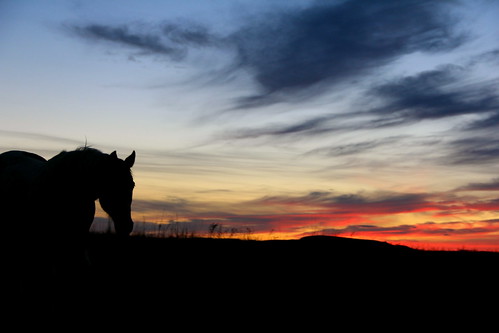
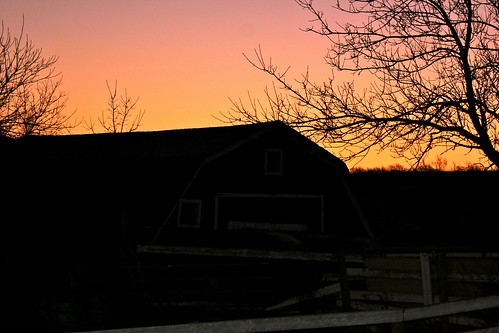
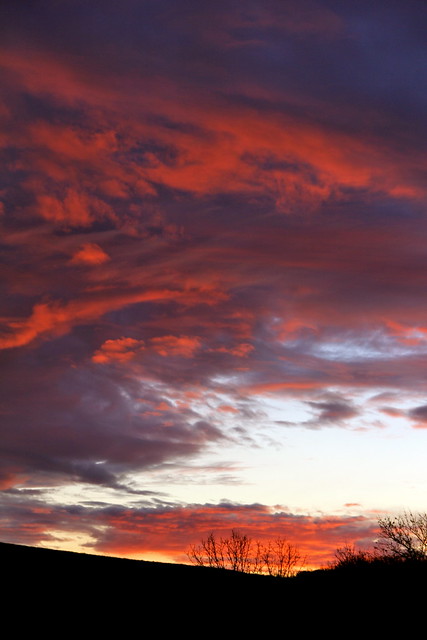
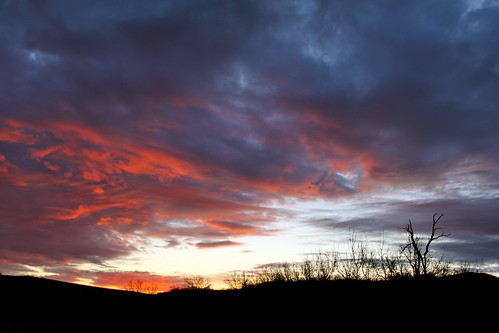
I tell him I need to go walking and he knows which trail I’ll take, down through the barnyard, past the water tank and up the face of the gumbo hill, the one that lets you look back at the house where the kitchen light glows, the one that gives you the perfect view of the barn’s silhouette tall and dark against a sky that is putting on its last show of the night as it runs out of light.

It’s a ritual that needs timing, because that sun, once it decides it’s out, goes quickly to the other side of the world. My pace is not meandering but diligent. I need to get to the top of that hill. I need to find the horses before the last of the light cools down the air  sends me back to the house to tend to the dishes and slip under the covers until we meet again in the morning.

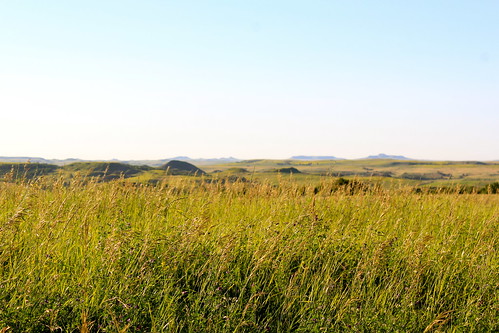
So I time it, and sometimes, if there’s enough light I head  a little further east to check out how the light hits the buttes in my favorite pasture making the hills look gold and purple and so far away. Sometimes I just keep walking until dark. And sometimes the evening finds me sitting on a rock or pacing in the middle of the ancient teepee rings that still leave their mark on the flat  spot on the hill. I like to stand there and imagine a world with no buildings and no lights on the horizon. I examine the fire ring, close my eyes and think about sleeping under the leather of a teepee, covered in the skins of the animals, under a sky that promised rain and wind and snow and a sunrise every morning.

The same sky that promises me these things, but it cannot promise anything else.

I think of these people, the ones who arranged these rocks, hunted these coulees, and watched the horizons and I am humbled by the mystery of the ticking thing we call time.

And I wonder what they called it.

Because I take to those hills and look back at my home and the sections of our fences that have been washed away by the melting snow, the barn that is in desperate need of a new roof, a house that has stood for fifty-plus years on a foundation that crumbles  and I am reminded that time takes its toll on this land the same way it puts lines around the corners of my eyes… and there is not one thing man can make to stop it.

These thoughts, this understanding, is not what you would call comforting or nostalgic, but it is a fact. A fact that I have come accustomed to when I climb those hills. A fact that builds roads and oil wells, new houses and fences and bigger power lines stretching across a landscape I still like to consider wild.

I climb to the hilltop to see how things have changed, to catch the last of the day’s sun, and I am reminded that the progress we seek is the same progress the wild world is after as well, but the change is steady and slow. Trees grow, the creek keeps flowing and eroding its banks, the weight of the snow sends hills crumbling…flowers bloom, wither and die and just as the earth is sure all is steady, in comes a storm, a twister, a high wind or a bolt of lightening to knock down some trees, create new ravines and change things a bit.

I climb to that hill and look back at that farmstead and remember those kids we used to be, running through the haystacks and searching the barn for lost kittens. I climb to that hill and I remember my grandmother in her shorts and tank top, exposing her brown skin while she worked in the garden. I remember my first ride on a horse by myself, getting bucked off near the old shop, hunting for Easter eggs with the neighbor girls in the gumbo hills behind my grandmother’s house, branding cattle in the round pen.

From the top of the hill I could still be ten-years-old and my grandmother could be digging up potatoes. From the top of the hill my cousins could be hiding in the hay bales and my father could be waiting on the side of the barn to jump out and scare them, sending them running and laughing and screaming. From the top of the hill the neighbor girls could be pulling up in their dad’s pickup, dressed in pastels and rain boots, ready to hunt for eggs. From the top of the hill you don’t notice all of the work that needs to be done on the fences, the roof of the house, the crumbling foundation.

From the top of the hill that light in the kitchen is still glowing the same color it was when I would come in from an evening chasing cattle with my father or catching frogs with my cousins to a house filled with the smell of my grandmother’s cooking.

From the top of the hill the only thing certain to change is the sky…

and everything else is forever.

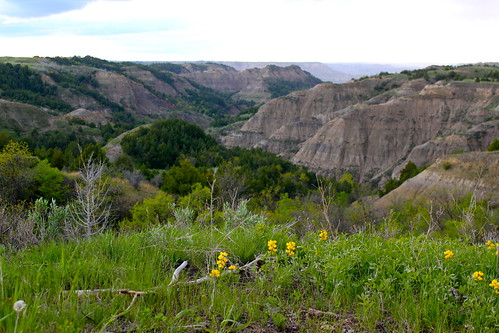
A winter breath in Theodore Roosevelt National Park…

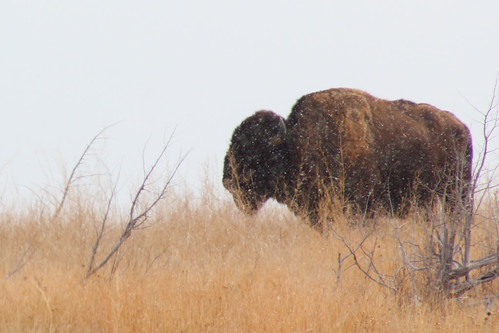
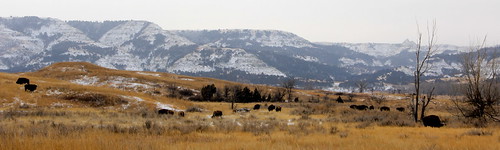
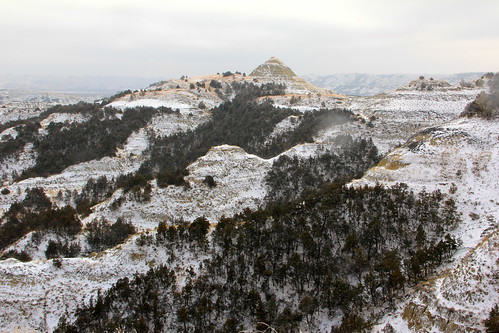
I took a moment on a regular weekday morning, a morning when much of the state was preparing for one of our first winter storms of the season, to find some magic in the winter.

I knew just where to go to find it. A place that was set aside just for us when we need magic moments like these.

The Theodore Roosevelt National Park.

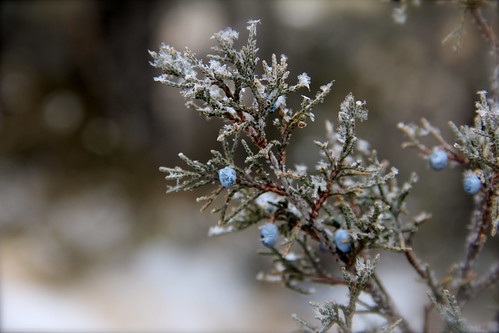
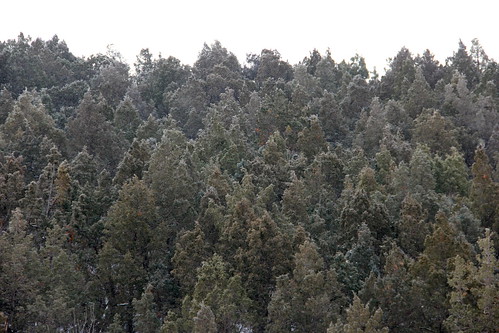
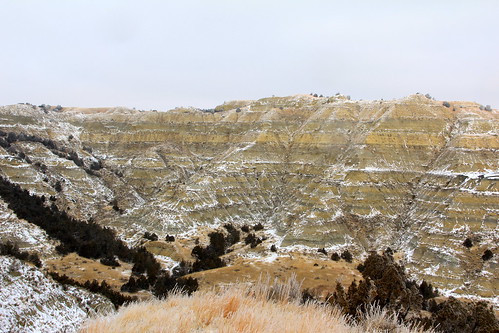
It’s right in my backyard really. I’ve shown you before. It’s just down the road from the office that was waiting for me to take phone calls, finish some reports, and stay caught up. But it was snowing ever so lightly, frost was hugging the branches of the trees and the wind was calm enough to for me to hear something calling me out to explore, to look, to listen.

I needed to see what it looked like out there in its winter outfit.

I needed to listen for silence because in the absolute quite, everything inside of me quiets too.

I needed quiet.

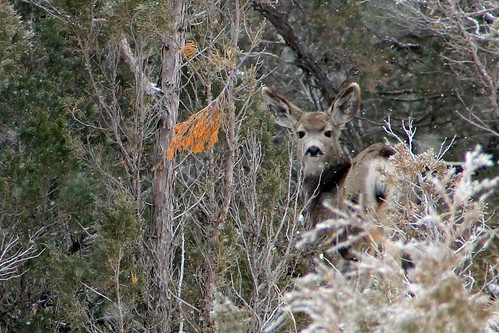
I needed quiet enough to remember that I was in there all along. I needed quiet to tell me I was in there with all of that noise and static and voices drowning out the sound of those young deer on the trail ahead of me, cutting a path with their hooves, leaping over fallen branches and stopping to check out that creature behind them in a puffy coat and mittens. They don’t miss a thing and if I hadn’t stepped off of the road and up that hill, if I wouldn’t have stepped softly, slowly, I certainly would have missed them.

I don’t know what it is about being alone in nature. I write about it often. I dream about places not yet discovered, about trails that have been untouched by human feet. I don’t know anything except for it heals me in some way. I know that being alone under the branches of the oaks or the arms of the big cedars awakens something in me and reminds me that not only am I alive, but completely insignificant in the grand scheme of it all.

Insignificant.

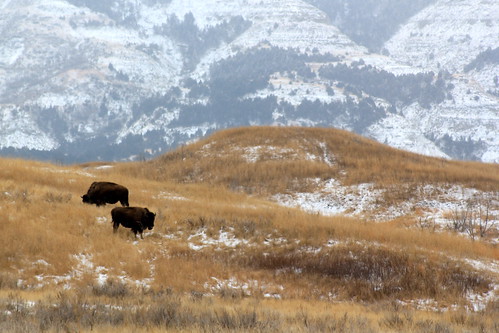
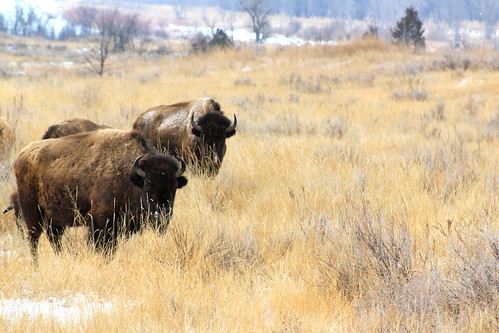
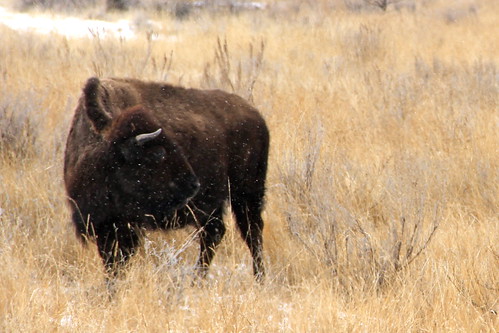
But that word doesn’t scare me. It thrills me. It thrills me to know that one charge of the mighty bison, one stomp of his hoof, could send me reeling.

It excites me to know my limits out there and to know to keep to them. To know the dangers of a mis-step could send me into a catastrophic fall.

To know the river flows fast under the ice and I have no matches for a fire and no intention of staying out past my allotted time.

To know that once we belonged here, but not anymore.

Because somewhere along the line we have separated from nature, from the quiet spaces on an earth that was laid out for us. We covered ourselves from the stars to survive, laid floor on the dirt and found new ways of making things that were good and true and simple damn complicated.

We’ve built fences and staked claim to things like rocks and mountains and grass. We have named it all. Dissected it. Studied why anything would turn out the way it has.

We’ve learned how it all could benefit us. How it could help us cure diseases, build more skyscrapers, heat our homes and reach us closer to the satellite we have placed among the stars in a sky we have yet to conquer.

So I go to the park, I take the back roads, I follow the trails on the ranch that holds my family’s name to be reminded of this:

I know not a fraction of what the acorn knows. I will never tame the wind nor will I ever touch all that the breeze has touched. I will never listen close enough to hear what the coyotes hear. I will never be as brave and howl my life into the night.

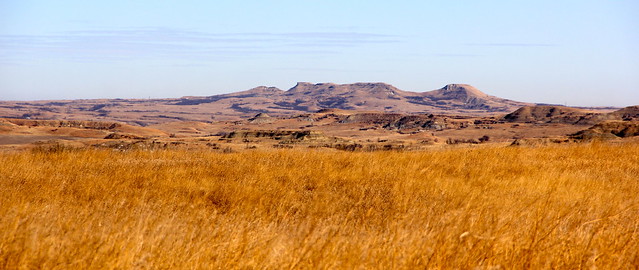
I count the striations of the exposed earth on a landscape that was formed by tons and tons of moving glacial ice and I know I will never have a story that grand. I will never be as interesting or romantic as those buttes.

I catch a hawk circling above the tree tops and am reminded I will never soar. I will never see our world the way she sees it.

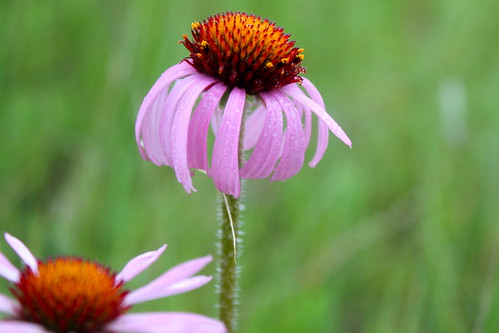
And I won’t possess the strength of the bison, the authority of the season, the power of the sun and the clouds. I will never stand as tall, or know the patience of the old birch trees. And I will never own the delicate strength of the wildflower.

No, I come to the park as a spectator. I come to the park as a girl. A girl who has hands that need gloves made of leather and boots made with fur. I girl with thoughts and ideas and dreams about how to capture this place, how to share it by telling the story of the bison, singing the music of the hawk, and whispering just as softly as the doe caught on my trail.

But they are stories I am not worthy to tell.

So I stay quiet and listen.


When I could break untamable horses and catch fish with a spear…

When I was younger, a little girl all wrapped up in the magic of this place, my favorite book of all time was “My Side of the Mountain.” I’m sure you’ve read it. It’s about a boy who finds himself living away from home in the wilderness of the mountains inside of a giant hollowed out tree. I can’t remember the exact story now or why he was alone out there, funny how those details escape me no matter how many times I went over the pages and marked my favorite parts. The parts where there were diagrams of how to build a fire with no supplies and something about a windmill and making a spear for fishing.

I still have the book buried somewhere deep in the rubble of the basement. It was one I could not give up to charity or to my younger sister. She just wouldn’t understand. She was a normal girl after all. A normal girl who read about horses and babysitting and a guy named Harry Potter.

Oh, I read about horses too. Horses that needed to be rescued from an island and a kid who became friends with a wolf, and another kid who overcame obstacles and won the Iditarod with a pack of misfit dogs and a whistle. I read about little girls growing up on the prairie during the homesteading days, riding in covered wagons, getting lost in blinding snow storms and making dolls out of corn cobs. I made one of those dolls myself.

I wanted to be these kids.

I wanted to be the free-spirited girl who broke the free-spirited horse. I wanted to live in a time where there was no “Garfield and Friends” on television, where we ate what we planted and went to school in a one room school-house. I wanted to be the girl who beat up the bully and wore pants when dresses were the rule.

I wanted to break the rules. I wanted to tame a wolf puppy, train a wild falcon to hunt, catch fish with a spear I sharpened out of a tree branch and exist in a far away time where those things were necessary for survival.

Screw microwave popcorn and Super Mario brothers, I wanted adventure!

And I wanted to live in the wilderness like the kid I came to love in “My Side of the Mountain.”

I am sure I wasn’t unlike most kids at 9 or 10 or 11 years old. We all wanted to prove our capabilities, stand out from the crowd, be the best at something. At that age most of us were lost in some sort of fantasy, whether it was flying to the moon, getting a puppy or discovering that elves really do live under mushrooms like in that book we just read. We all had a little more confidence than we had experience at the real world

So I’d like to think that it wasn’t that unusual that I, a 10-year-old girl who already lived about as far out in the middle of nowhere as anyone could live, had convinced myself that I could survive out in the wilderness alone. Without a house. Or a toilet. Or my momma’s cheeseburger chowder.

Yes, there was a time that was my plan. And let it be known that as a kid, I was pretty serious about these kinds of things. In the evenings I would step off of the bus from a day at country school, grab a snack, and head out up the creek behind our house. For months I would work on building what I called “secret forts” all along the creek that winds through our ranch. In the oaks and brush that grew along the bank I would identify just the right tree, one that was bent over just so, growing parallel to the ground, a perfect frame for which to create a sort of tent like structure out of fallen logs. And then I would begin the tedious process of locating and moving fallen branches, branches that took every ounce of muscle and try in my spindly little body to budge out of their place under overgrown vegetation and fallen leaves. But when it was dislodged from its space, I would drag it back to my tree and hoist it up to rest next to the last one I had managed to maneuver.

It would take a few days, but eventually I would have my secret fort enclosed with every moveable log and branch within a 100 foot radius. And when it was complete I would look around to make sure my little sister hadn’t followed me here like she did last time, identifying my plan and ruining the secrecy of the secret forts.

And then I would lay down inside of  it. And under the flawed “shelter” of fifty logs leaning on a tree, providing nothing but a faulty wind break for the day dreaming girl laying on her back in the grass and leaves and twigs underneath, I would think about my next move. I would need a door. Yes. That would be necessary. I could make the door the way I imagined Huck Finn made his raft. I would need some rope. Some rope and a knife. I wonder if dad would let me carry a knife? I need some sort of blanket. Maybe there’s something in the barn. Oh, and a fire. Of course!

I would be scouring the creek bottom for granite rocks to arrange in a proper fire circle when the sun sink down below the banks and I would decide I wasn’t quite ready to spend the night. Besides, I forgot to bring a snack and the wild raspberries weren’t quite ripe yet. Taking one last look at my creation and deciding to reevaluate the next afternoon, I would turn my back to it and follow the cow trail back toward the house where my little sister was likely lurking in the shadows, having found out my secret again, begging me to let her help next time. Begging me to let her in the fort as the sun gave off its last light and we argued and grappled until we could smell dad’s steaks on the grill or mom’s soup on the stove.

This was my daily ritual for months and one of my signature childhood memories. Eventually I gave in and helped my little sister build her own fort. A much smaller fort. Across the creek. Out of site.

I thought I wanted to be alone out there, left to my own survival skills, but it turned out that having company was a nice addition, no matter how stubborn and annoyingly curious that company might be. So we built a tin-can telephone that stretched from my fort to hers and brought down old chair cushions from the shed, searched for wild berries, tried to catch frogs and minnows in the pond and spent our evenings planning our next move: spending the night.

But we never did it. We never spent the night. Summer gave way to fall and the leaves fell and covered the floor of our paradise. We would pull on our beanies, mittens and boots and trudge down the freezing creek to clear out the fire ring we weren’t yet brave enough to use. And then the cold set in and the snow came and the neighbor girls called us to go sledding and our dream of being wilderness women collected snow and waited on a warmer season.

I can’t help but think about those girls on days like these. Days when the cold sets in and the house seems smaller. Days when the toilet is doing the thing where it leaks, burnt casserole from the night before sits waiting for a clean-up on my countertop, the television’s blank and broken.

There’s no morning news today.

No one but me and the wind out here. The wind that seems to be calling me this morning to get out of the house. Come out of behind those curtains, from under the shelter of the shingles. Come have an adventure girl. Come dream about hollowed out trees, living on wild berries, building a fire for warmth and living a life like no one lives anymore.

I step outside and follow the trail to the creek bed, trying to remember where I set that first fort. Trying to remember what pulled me out here all of those years ago. Trying to remember the fantasy, the magic as the cold bites at my cheeks and the snow crunches under my feet.

I turn around and I miss my sister.

I turn around and I’m alone. Alone with a woman who used to be a girl I knew, a girl who thought she could tame wolves, fight off the bad guy, break untamable horses and live alone in the wild.

I follow the creek and look for her. I know she’s here somewhere. I hope she hasn’t given up.

I could really use her right now.

Dear Husband…

Dear Husband,

Good morning.

As I write this I imagine you on your way to work in your red pickup, your warm cap pulled down over your ears, a little of your scruffy hair escaping out the sides. Or maybe you’re there already, digging into the jobs you’re good at. I lost track of how long it’s been since you found me buried under a pile of covers and pillows to kiss me good morning before the sun peeked over the buttes. I turned over and pulled those covers back up over my head, waiting for a more reasonable hour to rise from my dreams.

Husband, I have known you since you were a 12-year-old boy with hair just as unruly as it was this morning as you ran your callused hands through it. I knew you when your locker was six down from mine and you would walk with me to class. I knew you when your yellow lab, Rebel, was alive and young and he would pull you on your roller blades down the street. I was there when you heard your parents had to put him down.

I knew you when you wore your football jersey on our hometown field on Friday nights. I sat in the stands to watch you play and then waited for you at the gate after the game. I was there when you broke your ribs on the wrestling mat, I heard the stories about wrecking you bike, dislocating your shoulder in a three-wheeler accident, and the one about the fish-hook that somehow got lodged in your finger. I was there when you got that shiner senior year.

I lay next to you at night and trace your scars. I know where they came from, and I am thankful for that.

I am thankful that you picked up the phone to call me one summer evening only to find me crying on the other end of the line, catching my breath between whimpers to tell you about how I jumped off a small cliff at the lake and wrecked my ankle and my chance at making the A-squad basketball team. How was I to know that would be the first of a lifetime of comforting and level-headed conversations spent with you? How was I to know that hurting my ankle wasn’t the end of the world, but that conversation with you was the beginning of a life spent with a man who never hangs up?

A man who called again and then, when he learned to drive, drove thirty miles and way too fast every Sunday to the middle of nowhere to catch a girl with equally unruly hair mowing the lawn, painting the barn, riding a horse, digging in the garden or laying out in the summer sunshine.

Yes, husband, I knew you then. I knew you when your plans didn’t extend past Saturday night, but your future was blindingly bright. I knew you when your pants were too baggy, your music too loud and you thought you were invincible, bulletproof and incapable of breaking hearts. I was there when you learned it wasn’t true.

And, thankfully, you knew me. You knew that if you showed up, played chess with my little sister, talked guns with my dad and made my mother laugh that you would be able to take that trip every Sunday. You knew to tell me true things, because an honest man might not always win, but in the end, at least he is an honest man.

And so husband, here’s what I have to tell you today.

Each time I see you walking through that door after work or catch you cooking in our tiny kitchen, the smell of your soup filling my nostrils, each time I find you in your easy chair, feet kicked up after a day filled with work, I remember for a moment that boy I used to know and my heart starts beating the same way it did  when you would meet me at my locker, when I would pick up your evening phone calls or see your old Thunderbird pull into my parent’s driveway.

But there you are, a man. A good man who cooks and fixes things and doesn’t make a damn fuss when I cry over things there’s no use crying about. A man whose heart is planted here right next to mine in a place that grew me, that grew us, up and together and away and back again. Husband, I might not always run to the door when you swing it open, my hands might be busy, my head might be somewhere else. Love, I might not always take a moment to curl up on your lap when you are in your favorite chair, I might not bring us a blanket because there might not be time that evening to sit. My Man, I might not wrap my arms around you when you are stirring a soup or making a mess in our kitchen, but I should.

My 16 year-old head over heals self would.

Because all that 16 year-old-head-over-heals-self wanted in the whole world, all of the wishes she used up on stars that fell and clocks that turned to 11:11 were wishes for a lifetime spent with you–waking up to your kisses, falling asleep in your arms, eating your cooking and building our home.

Yes, that 16-year-old-self had some things right, but she mostly knew nothing at all.

She mostly took a huge risk with her wishes spent on a teenage boy with unruly hair and pants that didn’t fit right. She knew nothing about life really. Nothing about the things that happen between those morning kisses and evening meals.

So here’s what your 28-year-old-head-over-heals-wife has to say to you today.

Thank you. Thank you for the every day good-morning kisses, yes, but mostly thank you for fighting with me without ever raising your voice or your fist, pushing me to stand up for myself and never hanging up on me no matter how many times I’ve done it to you. Thanks for staying true to yourself no matter how I push and for understanding that there are some things that you can’t change about me (like my addiction to shoes) and for not giving up on the things that are worth changing (like my lack of self-confidence and tendency to leave the back hatch of my car open over night). Thank you for never walking away in an argument, never sleeping on the couch and for always calling before you leave town to see if I need anything from the grocery store.

Thank you for fixing the things I break.

I break a lot of things.

And thank you for making me pick out and purchase my own car and schedule my own oil changes but always coming to my rescue when my tire is flat or the thing doesn’t start.

Thank you for coming with me to ride horses and for patiently teaching me, every day, how to properly use our complicated T.V. remote.

At 16 when I wished for you forever, I didn’t know that these things were important. I didn’t think about who would do the taxes or build our house, unclog the hair from the drain or clean up the puppy poop on the floor. I thought all you needed was love and affection. Those things you gave me, so I thought the other stuff came easy and fell into place like the things that happen in the “happily ever after” section no one ever bothers writing into Disney Movies.

I was wrong. It can be hard. All of the love and affection in the world can’t pay the heating bill,  help you decide who unloads the dishwasher at night, make the house remodel itself or cure a sickness while you’re out basking in the glow of one another.

No, it can’t.

But I am so grateful this Valentines Day, husband, that I was wise enough at 16 to make those wishes for a boy who would become a young man with a ring who asked me to be his family.

I’m glad I took the risk.

I am happy I said yes.

And I am happy I have you, on Sunday, and every day in between.

Are you warm yet?

Uff da, it’s kinda cold here in Fargo.  It’s normal for February, but with all of the 50 degree temperatures we’ve had in January, we’ve been spoiled and confused about what season we’re living in. Which makes today’s -32  windchill feels a little mean.

Yes, today in Fargo it’s winter indeed and I am happy I remembered to pack my giant sweater.

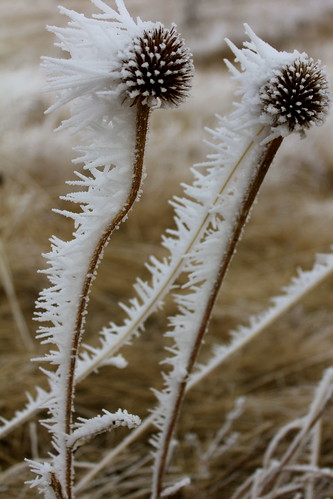
But we’re in the middle of February and even though the light at the end of the winter tunnel is approaching I think it’s time for a little reminder of what this land looks like with a change of clothes.

Because even a mild winter can feel long up here. So we need to be reminded that all that brown and white…

will eventually turn green.

That snowflakes

turn to raindrops…

and the frozen creeks will melt

and babble and sing again.

And the bare trees will bring fruit that tastes sweet on our lips,

The sun will once again flush our pale cheeks,

and strip the thick coats from the back of the beasts.

Creatures will emerge,

flowers will bloom again,

and the sun will soon rise on a new season.

There. Are you warm yet?

Community in a time of change…

I interrupt the regular programming of walking the hills, chasing Little Man, scolding the pug and cooking with my husband to  talk for a moment about community. I want to talk about belonging somewhere, calling it home, embracing its flaws and standing up for a place…taking care of it.

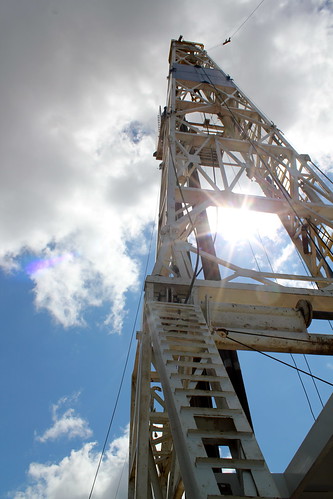
No matter where you live in this country you’ve probably caught bits and pieces about the changes that are occurring in Western North Dakota due to new technology that allows us to extract oil from the Bakken and other large reservoirs that lay 10,000 feet below the surface of the land…the land where our roads wind, our children run, our farmers cultivate, our schools and shops sit. The land we call community. The land we call home.

For the people who exist here oil is not a new word. Neither is the Bakken. My county is celebrating its 60th year of oil discovery soon and its county seat isn’t even 100 years old. So you can imagine many long time residents of the small “boomtowns” you’re hearing about have had their hand in the industry at one point or another in their lifetime. Some have stories about finishing high school or returning home from college and working in the oil fields in the 1970s, moving up in industry, making their place, seeing it through the rough times and coming out on the other side as leaders and veterans of the industry.

Veterans of the industry like the ranchers and farmers in this area working to exist and tend to their land while the search for oil below their wheat fields and pastures carries on around them. During rough times, times when cattle prices were low, or the rain didn’t fall, some of those landowners have taken a second job driving truck or pumping for oil to make ends meet, to pay off some debt, to get their kids through college.

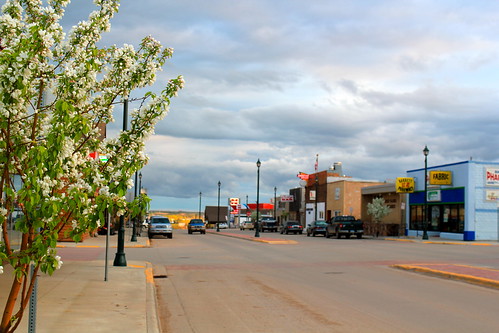
These people have served as members of the school board, city council, 4-H leaders and musicians in local bands. They have helped build up their main streets, keeping small businesses in business and the doors of the schools struggling with declining enrollment open. They’ve coached volleyball and cheered on their hometown football teams. They’ve helped a neighbor with his fencing, brought their kids along on cattle drives, drove the school bus to town and back every weekday, filled the collection plate at church and then helped rebuild its steeple.

These people continue this way to this day and I expect many in this generation, my generation, will be telling similar stories when it’s all said and done…stories that start with back breaking, 80 hour a week job and end in a life made.

A kind of life we are all living out here surrounded right now by oil derricks and pumping units and wheat fields and new stop lights and cattle and badlands. And I know you’re hearing about it. It’s big news in a tough economy–an oasis of jobs,  opportunity and money in what some have come to refer to as “The Wild West” or “The Black Gold Rush.” It’s a story of hope, yes, but what we really like is the drama don’t we? We like to hear about the guy who came to North Dakota on a prayer only to live in his car in the Wal-Mart parking lot while he hunted for a job that allowed him to send money home to his wife and kids, or build a house, or a booming business. We like to talk over the dinner table about how the bars are full and the lines are long at the post office, about how a new building is going up and how the new stop lights and three lane highway is not doing enough to control the traffic.

We talk about how our lives are changing. I have been trying to wrap my mind around what this means for the place I have and always will call home. But the bottom line is that without this change, I probably wouldn’t be here to contemplate it at all.

Yesterday I worked with a small group of elementary children who are full of life and love and energy and ideas…and nearly all of them have moved with their parents to this town within the last couple years. They come from all different backgrounds, from several states away. They come with ideas and insight into a world that extends outside this small and growing town where they now live.  Some of them have left the only house they have known behind, some have left pets and horses they used to ride, wide open space and friends to live in a new place, a place much different from where they came from. A place that has work, but doesn’t have an abundance of houses their parents can chose from with big back yards where they can play.

When asked where they are from they will tell you Wyoming, California, Montana or Washington.

When asked about their home, they say it is here.

Change? Compared to these children, we know nothing of it.

Because last night I returned to the ranch after dropping off the last student only to pull on my tennis shoes and drive down the road with Husband to meet up with neighbors to play a few games of volleyball. And there we were at a small, rural recreation center surrounded by some of the community members who raised funds to build the place nearly fifteen years ago. Fifteen years ago when the pace was slower, but the most important values were there.

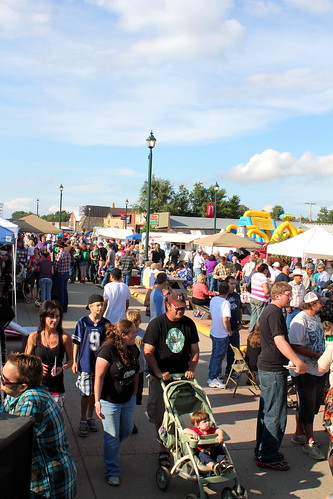
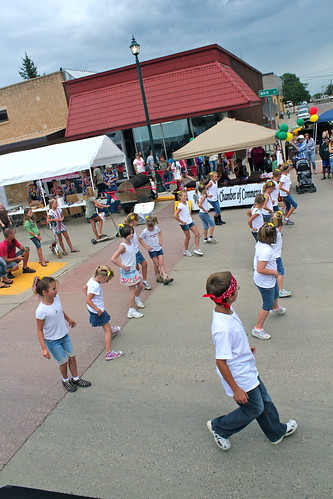
The value of having a space to get together to play a game, to craft, to hold meetings and New Years Eve parties and baby showers. In that very gym where I skidded across the floor last night to hit a volleyball my neighbor passed to me was the very gym I served pancakes in as part of a youth group fundraiser when I was twelve years old. It was where I gathered with friends and family after a community member’s funeral. It was where I attended 4-H meetings and put on talent shows with my friends. And it’s where I’m going to craft club next Tuesday. Yes, nearly fifteen years after that talent show this is still my meeting place and I still get to call all of the teachers, ranchers, accountants, stay at home moms, business owners and yes, oil industry professionals who are running after fly volleyballs, laughing and joking and skidding across the floor, my neighbors. 

But you know what I need to remember? Those students and their families and the people who are on their way here to look for a better life?  They are my neighbors too. And they have a lot to teach us.

So if you ask me how life has changed, I might tell you about the traffic. I might tell you how there are a couple oil wells behind my house and how that was hard to get used to. I will tell you about the new business coming to the area and how we now have stop lights in town. I will tell you about the challenges. And then I will tell you about the people who are keeping their fingers on the pulse of this development and discovery. I will tell you about those who are asking the right questions about our environment and making the tough decisions about our infrastructure in order to better accommodate new students in our schools and new residents of our towns so that they feel they belong here the same way I belong.

They are on the front lines welcoming visitors to the museum, taking the time to ask questions at the grocery store, spending their retirement as County Commissioners, City Council and Chamber of Commerce members. I will tell you about the people who are not only sticking it out during these growing pains, but who are working every day to make their home a better home for the next generation.

Yes, right now our community is overwhelmed. Whether or not we saw this coming, whether or not we thought we were prepared, many days for many people it feels like the phone calls, the needs that can’t be met, the questions that don’t have answers yet, are overwhelming…and it’s tempting for many to pack up and leave a place they don’t feel they recognize anymore.

But here’s what I’m proposing to those living in the middle of the Wild West and to those in any community really:

Stand up for it. Go to meetings. Ask questions. Play Volleyball together. Exist in it. Don’t be afraid to be frustrated, but then do something. Anything. Invite a new person to your quilting club. Put on a talent show. Volunteer. Attend a basketball game. Mentor a student. Instead of complaining about the trash in the ditches, get your friends together to pick it up. Set a good example. Set your standards and then be prepared to put your muscles into it.


If it’s your community, make it your priority. Because it’s your community and it’s worth loving and fighting to take the frustrations and turn them into solutions. To turn the complaining into action. To shift from fear and uncertainty to a place of positive energy and open-mindedness.

It isn’t  easy, but those who have seen this through, those who have walked the main streets when the stores are full only to turn around to see them empty, those who built that school, owned that store, lived in that house for 50 years, they will tell you, not only is it worth the effort, it’s our responsibility.

Want to keep up with what’s happening in Western North Dakota and my hometown?
Visit: mckenziecounty.net for the latest in news and progress and the North Dakota Petroleum Council for information on North Dakota’s oil industry.