This page cannot be displayed

Ahhh, country living.
The peace and quiet.

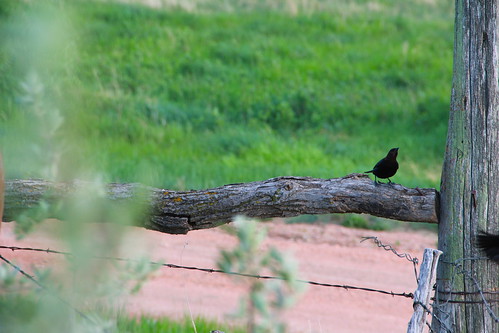
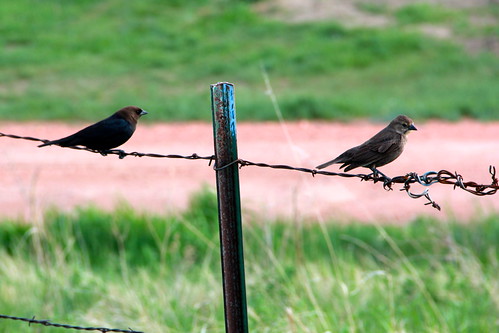
The gravel roads and sweet song birds.


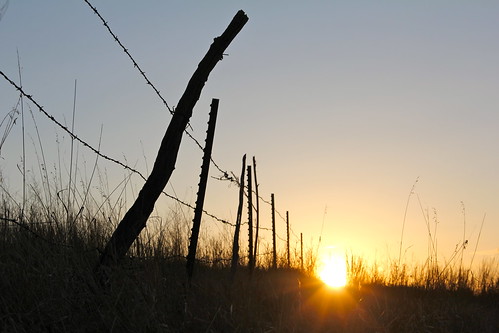
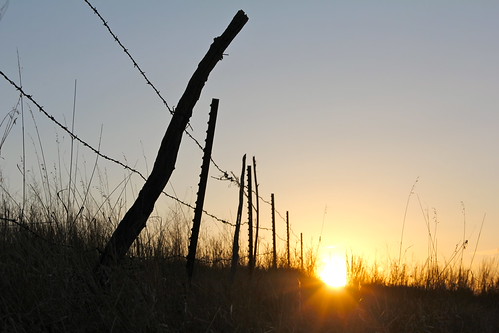
The barbed-wire fences and big blue skies.


The green grass and horse poop in the yard…

The lack of a liquor store within an acceptable distance when you desperately need to find out who starred in that 1998 movie with Nicholas Cage, go to your computer in anticipation of the answer only to find that “Google” cannot be displayed….and probably won’t be for a good two to three weeks…because…well…you live in the middle of nowhere

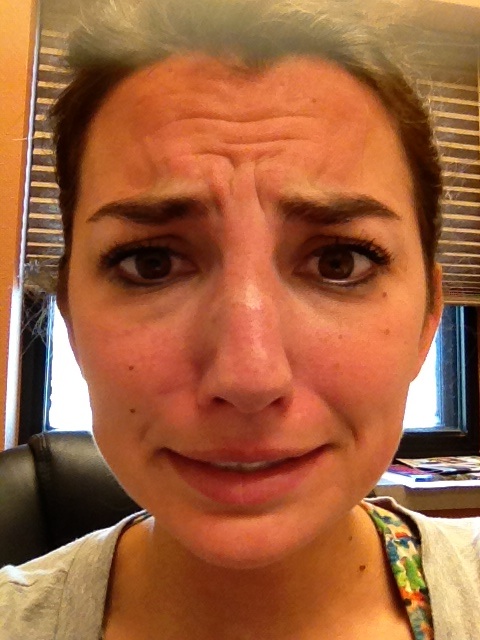
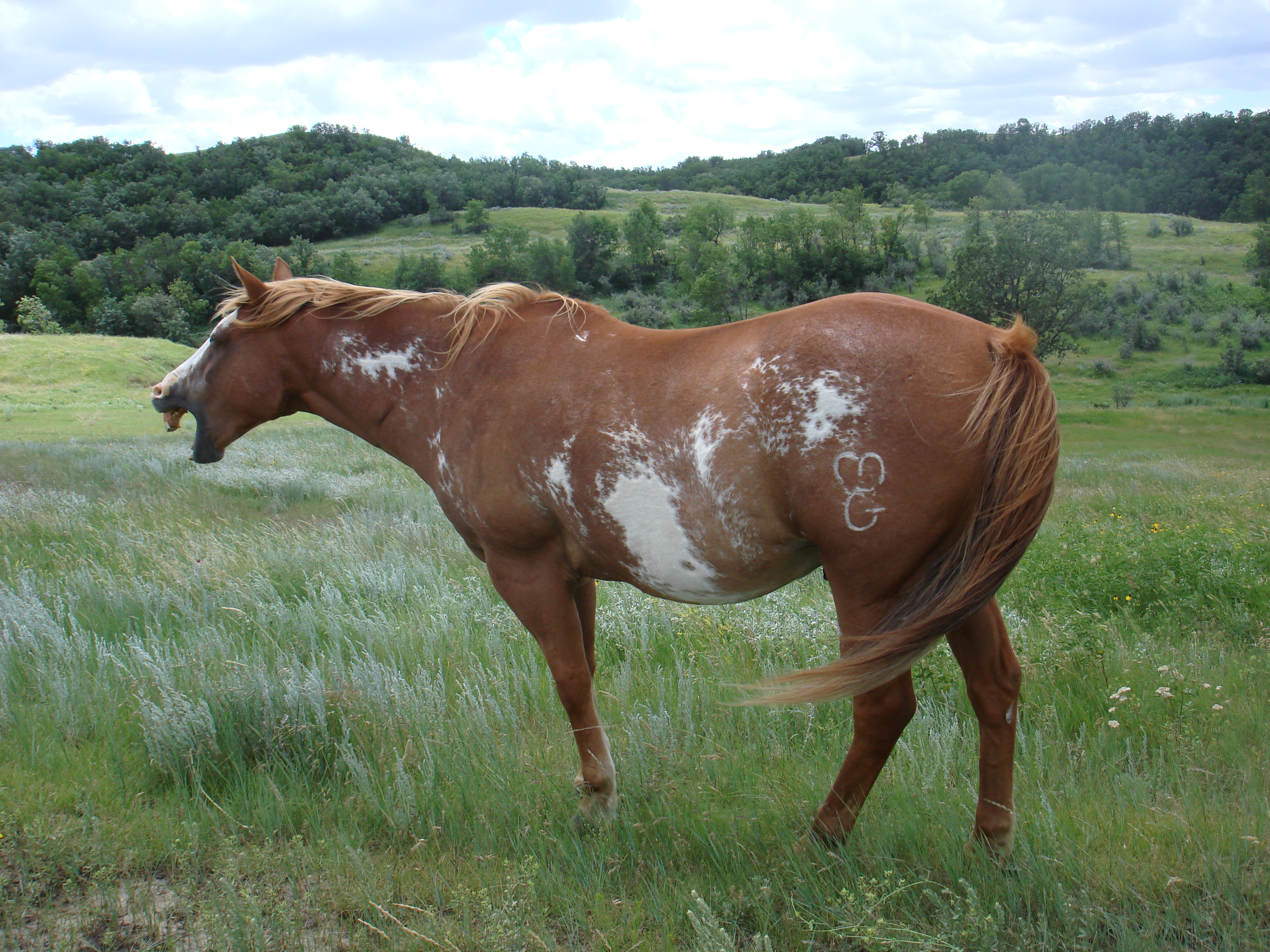
That sinking feeling when you come to realize that you are not smart, you don’t have a good memory, you don’t know how many ounces there are in a gallon, how to actually make a hamburger casserole, what “decoupage” means, or the remedy you should use to treat that weird growth on the old horse’s ass…

you just know how to use the internet.

And now you don’t have it.

And you are in the middle of nowhere.

And you can’t Google anything.

So you go to town.

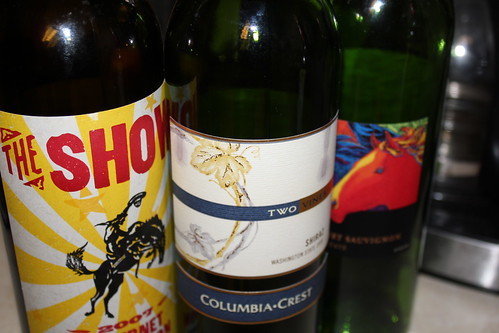
Get five bottles of wine.

Find a computer in civilization and Google “how to survive in the middle of nowhere without access to Google.”

And then laugh, because you just “Googled” “Google.”

But just a little, because, well, there are some things “Google” can’t help you with…

Especially when you don’t have internet.

Ahhh, country living…

If you need a moment…

If you need a moment take it.

Make a promise and don’t break it.

Have an itch? Scratch it.

Want the setting sun? Go catch it.

I’ve seen that smile so bring it.

You know the song. Sing it!

You have dreams, go chase them.

Problems? You can face them.

Seeking beauty? The earth grows it.

And when you love somebody…

show it.

If I could be a season…


We’ve had a couple beautiful days at the ranch lately.  Things are starting to blossom up around here, making way for the butterflies and bees and bugs. The birds have found their way home and so have the pair of geese that live in the dam outside our new house. I’ve been spending my evenings strolling through the coulees to see if I can break the record I set of 25 wood ticks crawling on my body at once.

It seems I’ve always known just where to find them.

But the wood ticks are pretty much the only black blotch on what is my favorite season. Wood ticks and the burdock weed, but I figure I can take a few heebie jeebies and invasive plants in exchange for wild purple violets,

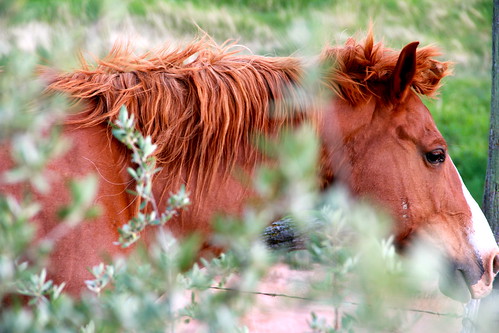
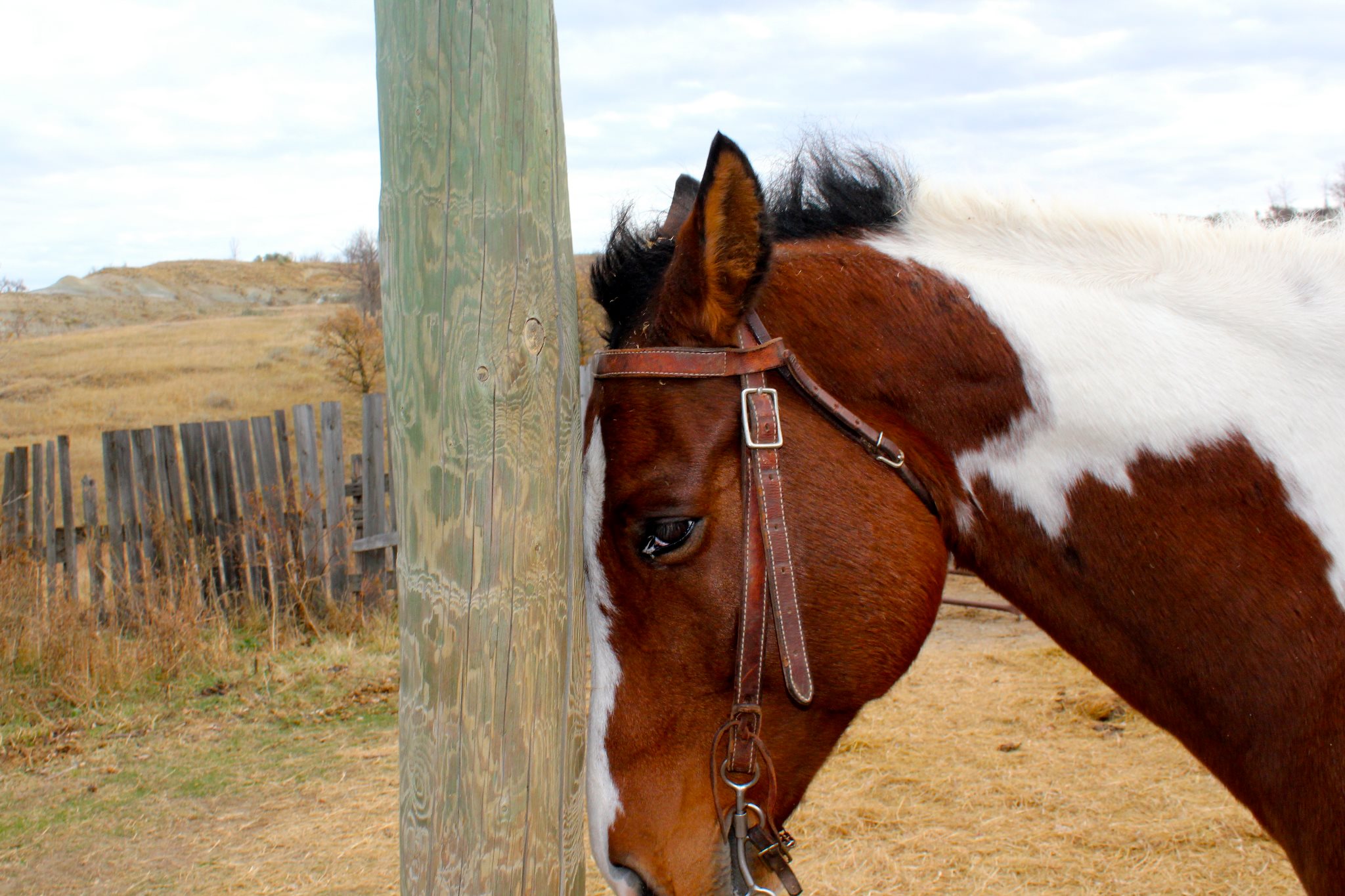
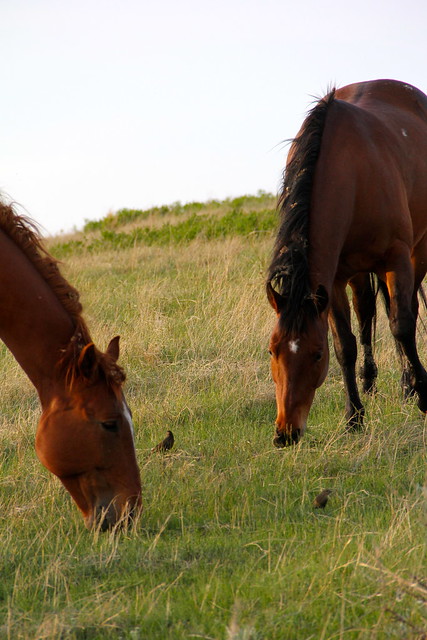
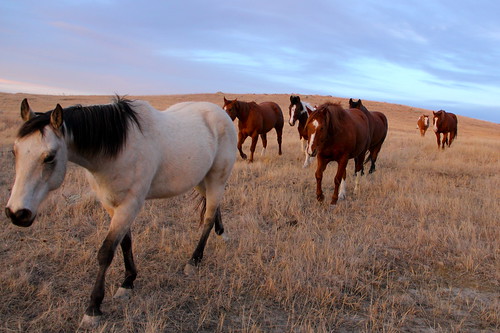
horses with slick spring coats,

rhubarb and blue skies.

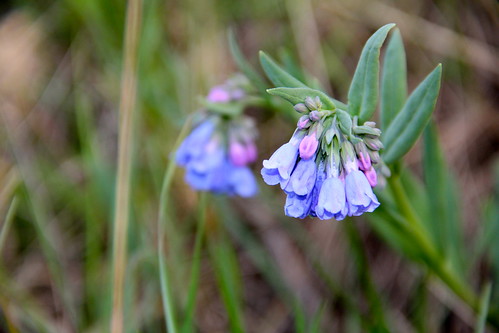
The thing about spring around here is that it moves fairly quickly, so you’ve got to catch it before the bluebells wither up in the heat of the day and those familiar birds fly south.

Against the backdrop of late spring everything seems to come alive, and with the windows open in the house I am invigorated and inspired. Because we wait for this warm sunshine all year and northern prairie people everywhere don’t take one “Goldie Locks” day for granted. No, we busy ourselves with lists of things to do before winter rolls around.

And in the summer around here that can mean chores and projects of course, but  more than anything it means living out in it.

Because man could not build a better space for us to exist in. No roof can compare to the comfort and drama of the rolling clouds that threaten a few warm rain showers and promise a blue sky that always comes back to us. Families seem at ease here in the hills alive and buzzing with the sounds of life and change and growing things.

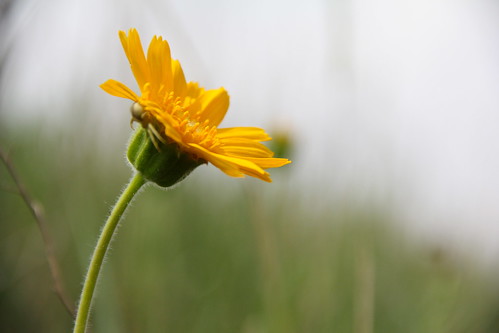
The wildflowers are a welcome home present that appear overnight, the grass our living, breathing carpet.

In the creek the minnows appear like magic and along the banks sprout blossoms promising fruit.

A prairie spring is a world that cannot be replicated. It is a world that is so far from the drastic howling winds of winter and the brown and sleeping earth, that you would swear you were living on a different planet just two months ago.

In those months I felt like a down coat and wool socks, steaming hot chocolate and melty white marshmallows.

A dumpling in warm soup.

Heavy blankets.

But today I feel like a garden. Like a picnic, a cold drink, a bratwurst on a lawn chair.

A warm breeze.

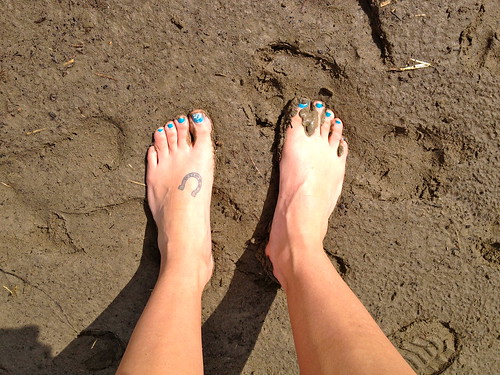
Bare feet.

The sun soaked queen of the barnyard.

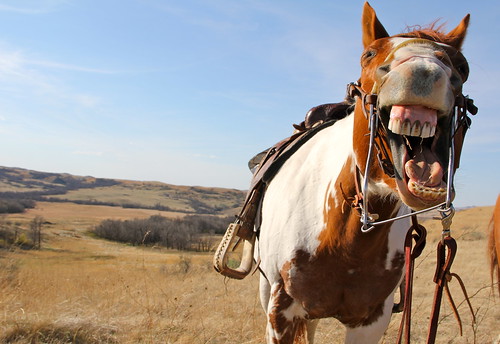
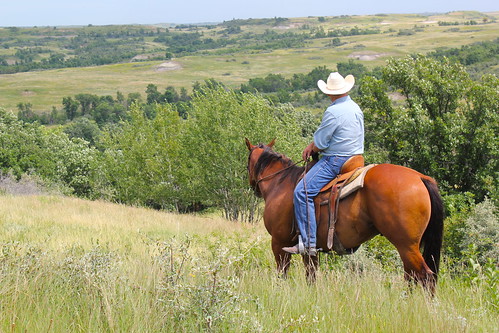
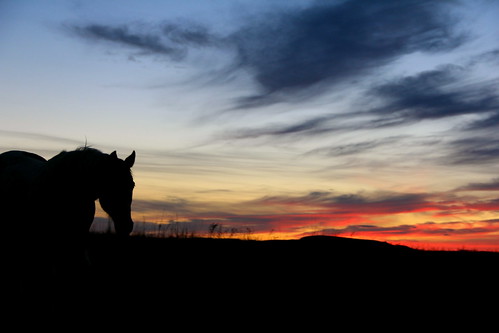
I want to stand on the hills with the horses, facing the wind to keep the flies away, the only concern for the day.

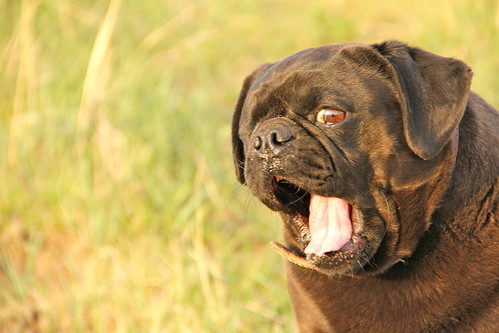
I want to run close to the ground with the pug, smelling the things he smells, allowing my heart to pump hard, my tongue to hang out, my delusions of grace and agility to run rampant.

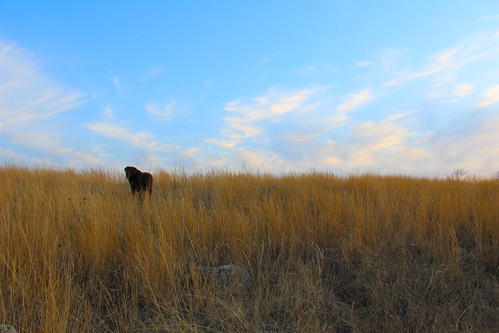
I want to jump in the dam with the lab when the heat gets too warm on my skin.

I want to taste what the bees taste.

I want to sit in the clouds and cast cool shadows all of it.

I don’t want to live in this season.

I want to be it.

Love letters from me

Last week in the middle of a life that sent me down to the scary basement of this old house to search for things to throw away, I found something I didn’t know I had.

And that something might have turned into one of the most important pieces of my life.

See, among our snowshoes, highschool yearbooks, that old radio noone can throw away, games of Cranium and Catch Phrase, college text books and papers, canning jars and countless pairs of boots was a box I didn’t recognize.

And in this box filled with odds and ends that echoed the man who was outside trying to start our lawnmower– an old rope, a tarnished belt-buckle, a necklace made from deer antlers, a tupperwear dish full of shot-gun shells and two-dollar bills– were little pieces of paper, neatly folded and tucked away in a shiny cardboard package…

My 16-year-old handwriting telling our love story.

I would have missed it, the memories of a love that blossomed when we were much too young for things like love, if one of those neatly folded letters didn’t find its way out of the box and onto the dusty floor as I moved that box into the hallway in an effort to consolidate the neglected pieces of our lives. I tossed the box aside to retrieve the piece of paper that looked so familiarly intriguing. I squatted down on the floor and unfolded the page.

I recognized that handwriting.

I recognized the feelings.

But I didn’t recognize the words.

Up and down notebook pages, on typing paper and inside homemade cards were professions of my adoration toward a boy who used to meet me at my locker and walk with me to class. A boy who played football and had a yellow dog, whose hair was never right and neither were his parents. A boy who gave me my first kiss and drove a Thunderbird too fast on the highway to my house every Sunday to ride horses and teach my little sister to play chess…

A boy who received those notes, folded them back up, put them in his pocket only to tuck them away in a box to be saved and moved from place to place as he went off to college with the girl, drove her to Yellowstone National Park in the middle of July with no air conditioning, proposed to her under her favorite oak tree, married her there and proceeded to work on the happily ever after.

I didn’t know the boy kept the notes.

I didn’t know the man still had them.

I didn’t remember the girl who wrote them.

A quirky girl who made up stories about turtles stuck on fence posts in an attempt to make the boy laugh. A girl who unabashedly poured her feelings out on pages she hand delivered to the boy who would write her notes back with no notion that any other eyes would ever see…

I took those notes out one by one and on the floor of the grimy basement I was reminded of that girl with frizzy hair and a Ford LTD that guzzled oil and needed a jump start after school.

I was reminded of the boy who always had jumper cables waiting when the bell rang.

And as each page unfolded so did the memories of what it was like to be 16 and so in love.

We were all there once weren’t we? You can remember it can’t you? Your first car ride together. Your first kiss. Fight. Breakup.

Most people have gone through the process and then started it all over again with another first kiss, another first car ride, another first fight…a series of excitement and emotions that cycle through in different ways with different people until you find the one you choose to hang on tight to. And you may or may not have written love letters. And they may or may not be in someone’s basement, someone who is a stranger now, someone who remembers you with a scent of perfume or an old favorite song on the radio as they are driving down familiar roads.

If there is one thing in my life that makes me wonder about fate and choices and understanding the human connection, it is this relationship I have had with this boy who is now my husband. The familiar road? I never strayed. That favorite song? It has not stopped playing.

That first car ride together? We’re still driving.

And sometimes I’ll admit that I wonder if I knew anything back then. That hair? Are you kidding? Those high-water pants? Kill me. The decision to buy two baby turtles and raise them under a heat lamp in an aquarium in my dorm room? Not the most logical.

I admit there have been times I have wondered if I missed out on something, if I shouldn’t have gotten so comfortable, if I should have had my heart broken a few more times…kissed more boys…

But I read those letters last week, the ones I scrawled during study hall and math class when I should have been paying attention. My words were never chosen carefully and mostly I said nothing at all except something about a test that and a note to him about luck at a football game or singing on the weekend.

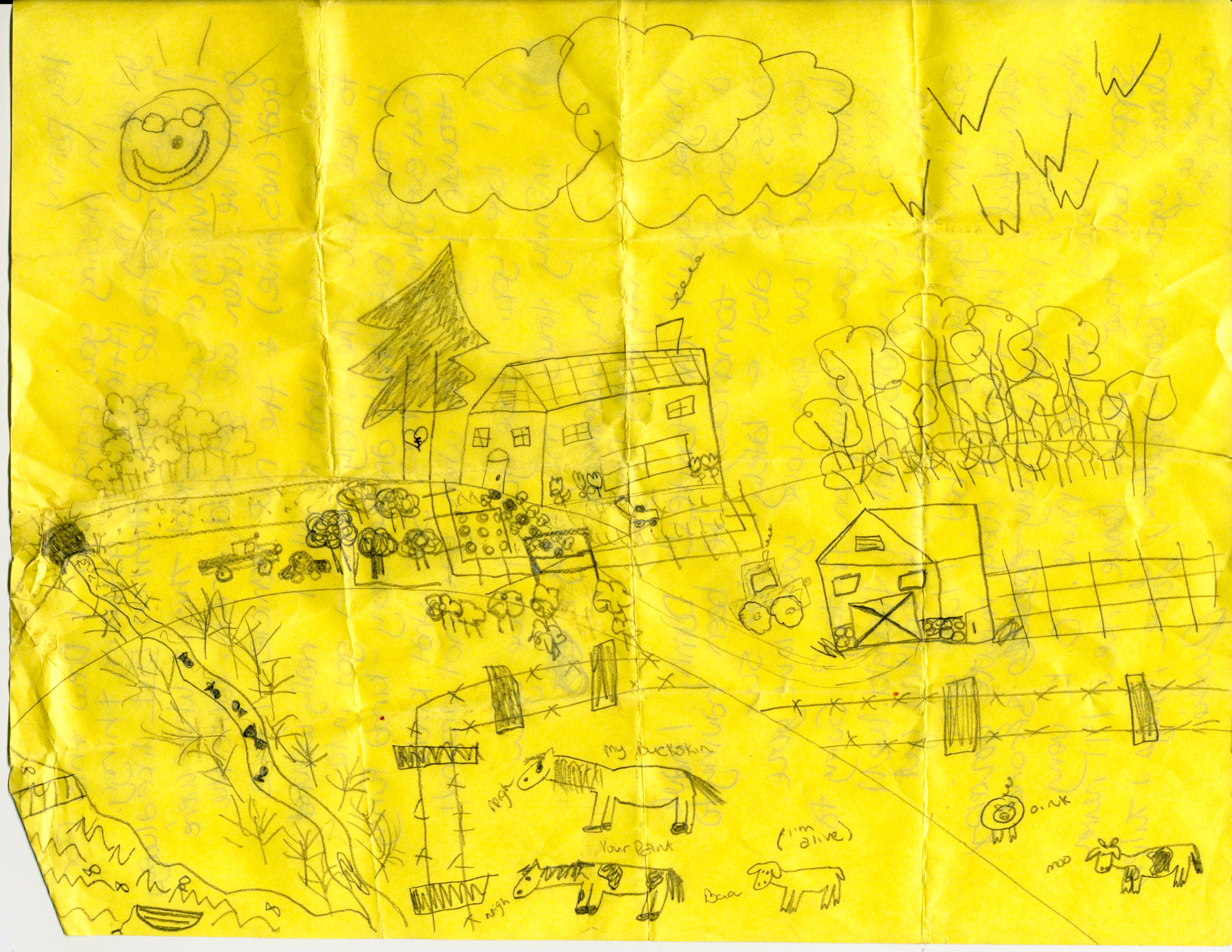
Then I came across a note with a drawing of a house with a chimney in the crook of a hill. Beside it I drew a barn and below it a creek that wound through a fenced in pasture. In the pasture I drew two horses, one for him and one for me. I also drew a pig and a goat, a cow and boat in the dam I built with the creek on the edge of the paper. There were two vehicles in the driveway: A pickup for him. A car for me.

Now, I had been looking for love stories lately, hunting them down and reading them, watching them on television, asking people how they met, opening my eyes to see one walking down the street, at a table next to me in a restaurant or in the line at the grocery store.

Lately I’d been feeling like maybe our story wasn’t enough.

Then I opened another letter and read: “If we can say we loved each other for a lifetime I will have lived my dreams.”

Now I didn’t know anything then about life and how hard it can be to live out dreams and make things like this work.

I still don’t.

But I have to give that 16 year old credit. She may not have known what she wanted to be, how far she wanted to travel or how to properly boil an egg.

But  she knew what she was doing.

She knew what love was.

Inside Old Houses

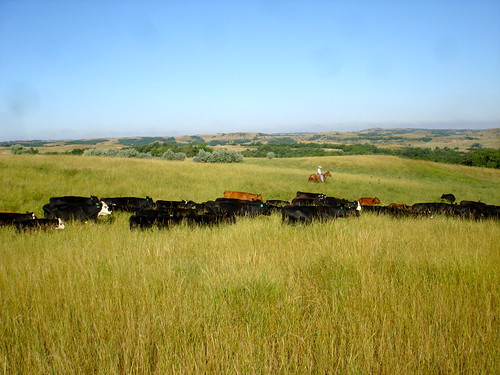
We live on gravel roads that stretch like ribbons along pasture land dotted with black cattle and a patchwork quilt of grasses and crops. As we kick up dust beneath our pickup tires heading out to a chore or to meet up with a neighbor, we take for granted how these roads were built. Why there are here in the first place.

These days we are in a rush aren’t we? Aren’t we headed somewhere on a deadline?  So we drive faster than we should on these roads beat up from years of wear by our rubber tires, and now, by the new-found rush of a booming industry.

I remember a time when these roads were quiet. It was where my cousins and I could skip like characters from “The Wizard of Oz” down the middle of the pink road without a care in the world. The only vehicle that was certain to meet us was carrying our great uncle driving with his windows down, checking fences and out for coffee with the neighbors; or my mother  looking to borrow some sugar. If we were lucky it would be the Schwann’s Man hauling the promise of orange push-up pops in the back of his truck and we would put the game on time-out and sit on the front porch trying to get to the bottom of the treat before it melted and dripped down our fingers.

We didn’t know that  there would ever be anything here at the end of this road besides imagination and our grandmother’s cookies. We didn’t know that anything but our  boots and agriculture would kick up dust on the road.

I spent Friday afternoon with a reporter from the cities. He came to visit me on the ranch to talk about the landscape, ranch life, my music and what’s happening here in the booming oil field we have in Western North Dakota. I agreed to have the conversation and then gave him the requested directions he needed to find me.

  • Head east out-of-town until you hit the school.
  • Turn right and follow the pavement.
  • Cross a cattle guard, but only one. If you hit the second  you’ve gone too far.
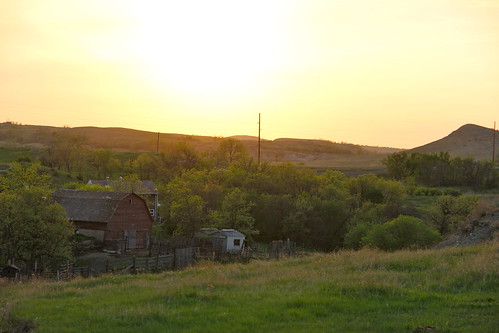
  • Turn left on the red scoria road until you see the small red barn.

Because we’re in the middle of all of this activity, all of this national press, the #3 oil-producing state in the nation, but we are not on the GPS.

I am not sure if it was my very rural directions or the wrong number provided for the county road, but my reporter friend didn’t quite make it to me, so he found the top of a hill (because we don’t have cell service either) and called.

I got in my pickup and found him on the pink road where I used to pretend I was Dorothy, waiting with his hazard lights on for me to show up and tell him what I do, what I think and what it means to me to live here right now.

What I do is ride horses and chase the pug and take pictures and sing and tell stories.

What I think is that every day we work  to live a good and true life as we build a house on my family’s land that once was the middle of  nowhere and has now suddenly become the middle of something that is so much bigger than the sound of Pops’ tractor coming over the hill.

What it means?

The truth is I haven’t put my thumb on the black or the white, because between the past and the future there are so many colors here.

So I sent him on his way with a story and a new-found love for the pug and grabbed my camera to follow that pink road to meet my neighbor, a friend who is absolutely intrigued by the idea of what this place was in another time. We had plans to take our country roads and explore the little pieces left behind by the generations that came before us. My friend knows where every buried treasure lies. Her eyes are open to it, our history and tumbling down memories that scatter across our landscape in the form of old houses and churches and schools.

My friend moved to this area from Montana with her husband almost two years ago, but you would never know she is new to the place. Ask her about the stone house across from her approach or the old Sandstone school and she will tell you a story about it. She will tell you who built the house and what he did for a living, who taught in the school and where you can find photos of the students. My roots are planted here and I’m sure I have heard bits and pieces of these stories as I grew up, but hearing her tell about the families who homesteaded near her new home, watching her put the pieces together as she peers inside the windows of old houses, seeing her wonder and excitement as she unearths an old book from an abandoned house or admires the green paint on an antique table, makes me wonder too.

It makes me wonder what memories were held in the hearts of those prairie people who have long ago returned to the earth. What would they think if they saw us driving down this road in our fancy cars to get to houses for two that quadruple the size of where they raised 12 children?

How far away I feel from that life some days…

And then I talk with my friend I am reminded that our goals were the same.

To make a living, to raise our families. To have a good life.

Just as the family that inhabited that old house with the broken windows and remnants of a life I will never lead, we are existing in a changing landscape where trees grow and fall, baby calves are born and sold, ground is tilled for crops and minds are inventing ways to make the living easier.

Inside those old houses they ate, they prayed, they laughed and worried, just as we do in our own homes with too many television screens and not enough vegetables.

So what does this mean?

The washed out fences and boarded up school-house doors remind us, like the newly paved roads and constant wind that blows across our prairie, tangling our hair and knocking on our windows, that this place, this land, is not ours solely and rightfully and individually. One day we will abandon these houses in decision or death and there will be a new generations searching these roads for our story.

So we should tell it now, honest and true and leave to them what they will need.

If I weren’t these things…


I sit on the love seat in the back room of my parent’s house. It’s 9:30 on a Wednesday evening. I’ve finished my slice of pizza. My mother brought it home from town. I’ve had my glass of wine and we’ve had our visit about the weather and the traffic and the pizza and the fact that my little sister is back home tonight on her pursuit for a job here.

My little sister might be moving back home.

I close my eyes at the thought as her shoulder touches my shoulder. This love seat is small, so my other shoulder is not free either. It’s smashed up against my husband’s leg as he leans back, sprawled out on the arm of this overstuffed piece of furniture.

The three of us, we are a sandwich, and I am the lettuce, the cheese, the pickle, mayo and turkey. They are the bread and we are everything you need for a good bite.

We close our eyes and listen to Pops blow the air from his lungs through the harmonica he wears around his neck. We hear a lonesome sound, one that is familiar and sad and haunting and beautiful and home. We lean in closer…to one another. To him.

We taste his words…

I live back in the woods you see 
My woman and the kids and the dogs and me...

We don’t say it, but it seems those words might have been written for this man sitting in front of us, his hair more silver than it was yesterday, his fingers callused, his voice ringing with those pieces of gravel that dug their way in from years of playing songs like this in bar rooms.

I’ve got a shotgun a rifle 
and a four wheel drive…

It’s quiet tonight. The dogs are asleep and the trucks have taken a different route or maybe they finally called it quits for the day.

I know the stars are out.

And a country boy can survive 
Country folks can survive…

In the kitchen the warm scent of brownies my mother is frosting fresh from the oven drifts back to us smooshed together, the sandwich, on the love seat. I can’t see her from my position as the lettuce, the cheese, the pickle and mayo and turkey, but I know my mother is sipping wine and running her long fingers along the pages of a new magazine.

We grow good ole tomatoes and homemade wine…


Everything I ever knew for certain is filling my lungs and my ears, touching my shoulders and swaying along to all of the things I am on the inside.

And a country boy can survive


I am his lungs and heart and pieces of his gravely voice.

I am her fingers and worries and holidays.

I am his goodnights and kisses. His battles and wishes.

I am her blood, her memories…her shoulder.

Country folks can survive…

We breathe in the air of this house, the air Pops uses to push through the next verse, and I think that if I were not these things,  I might not exist at all…

*Lyrics from “A Country Boy Can Survive” by Hank Williams Jr. 

The boy on the hill…

Most Sundays we get together with mom and pops for dinner. After a week of work and crazy schedules followed by a weekend of chores and projects or travel, one of us decides that someone should cook a decent meal, pour some wine in a glass and make us all sit down.

I admit, with the house and my weird schedule, it has been momma making the meals lately.

But it’s one of the things I think we both look forward to, and now that the sun stays out a little longer and there’s no snow in sight, I pull on my shoes, whistle for the dogs and follow the winding creek to my parent’s house over three big hills, nestled in the oak groves. Husband, usually busy putting in the last nail for the day, meets me over there in his pickup and soon we’re settled the kind of easy talk that comes only with the people you’re closest to.

We complement my mother’s cooking, tease her about her bottomless wine supply, talk about work and weather and my stupid dogs. Usually I whip out a story that requires use of an accent and pops laughs and squeezes his eyes tight as he throws his head back. It’s my favorite look on him for so many reasons…

But my favorite is when we start talking memories. It usually always comes to this, a story about my father’s childhood in the very spot we’re building a house. A revelation about how my mom was forced to run track by her cheerleading coach, so she did it…in ballet slippers. Husband’s confessions about the punishment dealt out after fighting with his brother that included holding hands with him on the couch for as long as his father saw fit.

There’s something about being a room with people who you know the best in this world, people who know you in the same way, and still being able to learn something about them. And it doesn’t matter if we’ve heard the same story a few times, there is always something to add, a question to ask that reveals more character, more memory, sheds a different light on this person.

Last night pops shared a story about his childhood that I’m sure I’ve heard before, possibly dozens of times. But it doesn’t matter, I could hear it a thousand times and be transported.

I want to exist in this story, in this ten minute vignette of my father at four years old that somehow sums up everything he became here on this landscape as a child, growing into a man with white hair and a wife who he transplanted from city sidewalks and dance studios to a house at the end of a dirt road in the coulee with party-line phones and a bull snake in the shed.

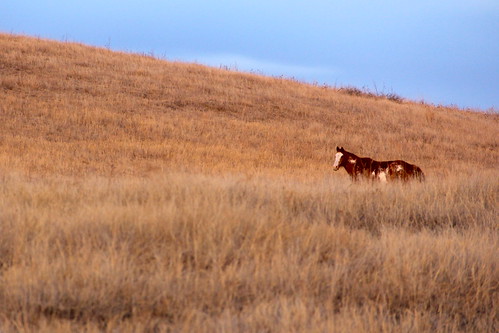
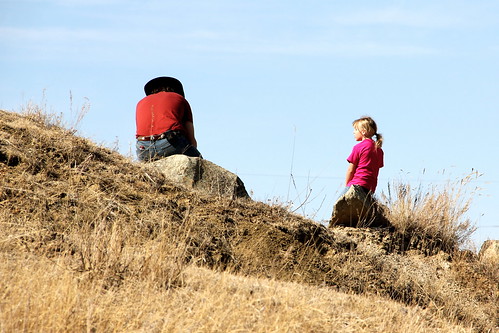
I love the way he tells it, sitting at the end of the table, plate pushed forward, arms folded, coffee brewing for dessert. He looks to the ceiling as if up there he might catch a glimpse of that little boy, four-years-old with curly black hair riding bareback on a paint pony alongside his father. It’s fall or summer, he can’t remember. But I imagine the leaves were just starting to turn as the pair trotted out of the barnyard, the little boy on his father’s trail moving east toward the reservation where the cattle graze in the summer.


He’s not sure why his father took him along for an almost seven-mile-one-way cross-country trip. At four-years-old, he thinks now that it might have been a little extreme for such a youngster. But ask him then and it was all he wanted to do. Leave him behind? He would have tried to follow anyway.

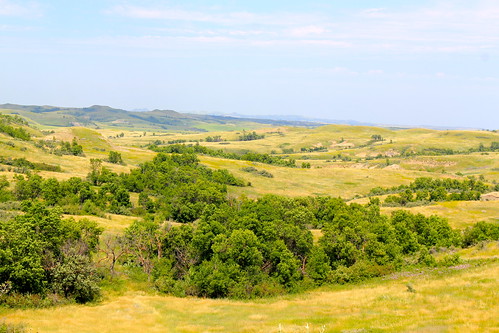
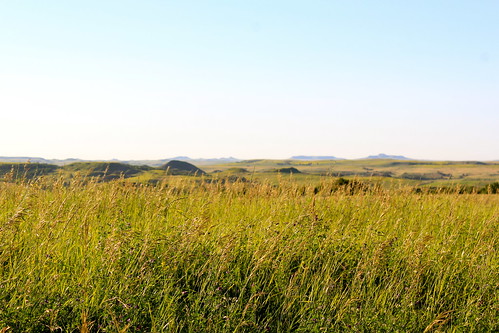
The pastures out east, even today with an increase in activity, are some of the most isolated and untouched places out here. The rolling buttes rise and fall for miles between fences into creek bottoms with black mud and cattails, creeks that are difficult to cross with a horse, even in the late summer. The oak groves, bordered by thorny bull berry brush and thistle, begin to blend into one another and look the same. I’ve seen them play tricks on even the most familiar cowboy, getting him mixed up on what draw he’s in or where he is when he emerges from ducking and cutting through the narrow cattle trails along the banks.

So there he was, a little boy, clinging tight to that pony as it jumped over the creek and raced up the side hills to keep up with the big horse. And it was at the top of one of those rocky hills that his father told him to stay and wait.

“Don’t move,” his father said as he made plans to check the creek bottoms, to find cows that have been milling in there to stay cool and get away from the flies. “I will come back and get you.”

So on top of that hill sat my father on his pony. He shakes his head now and laughs as he tells it and we take a sip of our coffee, shift in our seats and imagine him as a little boy, wind flopping his hat and moving fluffy clouds that made shadows on the buttes.


He can’t remember if he was scared or nervous now. He searches for a recollection of that feeling in his coffee cup and then rests his chin on his fist. All he can remember is that he was told not to move and so he didn’t. He didn’t move as he scanned the hills and squinted into the oak trees for any sign that his father might be on his way back to him.

And while he was peering into the horizon, holding his breath and the reigns of his pony, someone did come over that hill. But it wasn’t his father in his saddle and cowboy hat, but a Native American girl with long black hair and legs dangling on each side of her bare backed horse under the late summer sky.

“Can you imagine what she thought,” my father chuckles at the memory of this girl, who he recalls was a teenager, but was probably only about ten or eleven years old, so young herself. “Here she found this little boy on a pony all by himself out there on the hill.”

He goes on then to tell us the part of the story we remember from last time it was told here at this kitchen table. He recalls how she asked him if he was ok and if he was lost. He told her that he wasn’t supposed to leave this spot. That his dad was coming back for him.

My father doesn’t remember many of the details of conversation, what she looked like, what they said, but he remembers she stayed with him, she stayed with that little boy with curly hair and a hat flopping in the prairie wind, on that hilltop, more than likely holding her breath and scanning the horizon for any sign of a cowboy coming back.

Now he pulls at his napkin and says though he doesn’t remember how long she sat with him, but when you’re four years old ten minutes can seem like hours. And I can relate, remembering my own time spent on hilltops waiting for this father of mine to come back for me. It could have been hours. It could have been minutes. But she stayed until that little boy had an escort through the valleys and over the creeks, back west to the barnyard and to his momma and big sister waiting with canned meat and biscuits and for a report of the day’s events.
And so he told it to his mother, the story about the girl. And for years to come around their dinner table this would be one of their family’s stories, one of the memories they would share over Sunday meals about a little boy who was my father who had found a girlfriend out east in the hilltop.
And as my father protested, they would throw back their heads and close their eyes and laugh…
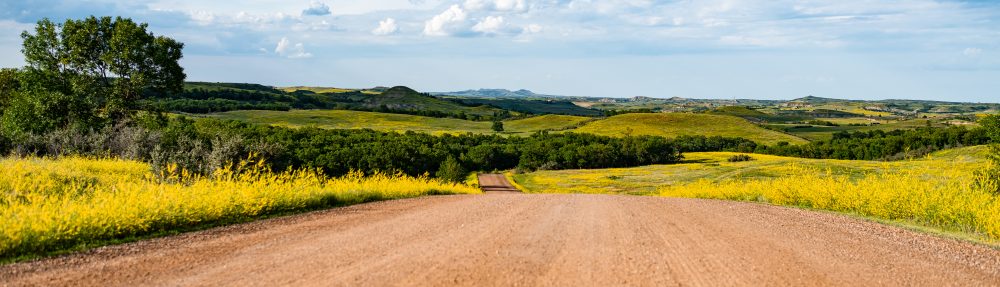
From the top of the hill…
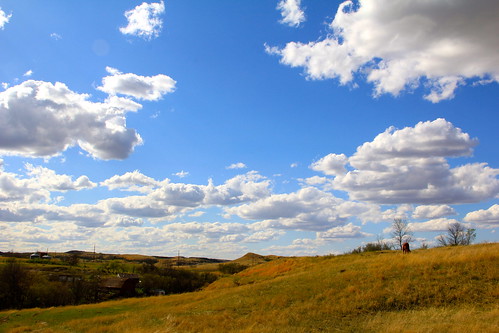
Sometimes, when the day is coming to a slow close and my head is spinning with worry and lists, schedules and a pile of things that must wait until tomorrow and the dishes from a dinner of meat and potatoes sits waiting to be taken care of on the table, I slip on my boots and head out the door.

I’m usually not gone long, and husband has grown accustomed to this behavior, understanding it’s not a storm out, or a give up, or a frustrated stomp, but a ritual that his wife needs to put a flush in her cheeks and make sure she’s still alive out here where the trucks kick up dust on the pink road and the barn cats quietly wait in the rafters of the old buildings for a mouse to scatter by.

I tell him I need to go walking and he knows which trail I’ll take, down through the barnyard, past the water tank and up the face of the gumbo hill, the one that lets you look back at the house where the kitchen light glows, the one that gives you the perfect view of the barn’s silhouette tall and dark against a sky that is putting on its last show of the night as it runs out of light.

It’s a ritual that needs timing, because that sun, once it decides it’s out, goes quickly to the other side of the world. My pace is not meandering but diligent. I need to get to the top of that hill. I need to find the horses before the last of the light cools down the air  sends me back to the house to tend to the dishes and slip under the covers until we meet again in the morning.

So I time it, and sometimes, if there’s enough light I head  a little further east to check out how the light hits the buttes in my favorite pasture making the hills look gold and purple and so far away. Sometimes I just keep walking until dark. And sometimes the evening finds me sitting on a rock or pacing in the middle of the ancient teepee rings that still leave their mark on the flat  spot on the hill. I like to stand there and imagine a world with no buildings and no lights on the horizon. I examine the fire ring, close my eyes and think about sleeping under the leather of a teepee, covered in the skins of the animals, under a sky that promised rain and wind and snow and a sunrise every morning.

The same sky that promises me these things, but it cannot promise anything else.

I think of these people, the ones who arranged these rocks, hunted these coulees, and watched the horizons and I am humbled by the mystery of the ticking thing we call time.

And I wonder what they called it.

Because I take to those hills and look back at my home and the sections of our fences that have been washed away by the melting snow, the barn that is in desperate need of a new roof, a house that has stood for fifty-plus years on a foundation that crumbles  and I am reminded that time takes its toll on this land the same way it puts lines around the corners of my eyes… and there is not one thing man can make to stop it.

These thoughts, this understanding, is not what you would call comforting or nostalgic, but it is a fact. A fact that I have come accustomed to when I climb those hills. A fact that builds roads and oil wells, new houses and fences and bigger power lines stretching across a landscape I still like to consider wild.

I climb to the hilltop to see how things have changed, to catch the last of the day’s sun, and I am reminded that the progress we seek is the same progress the wild world is after as well, but the change is steady and slow. Trees grow, the creek keeps flowing and eroding its banks, the weight of the snow sends hills crumbling…flowers bloom, wither and die and just as the earth is sure all is steady, in comes a storm, a twister, a high wind or a bolt of lightening to knock down some trees, create new ravines and change things a bit.

I climb to that hill and look back at that farmstead and remember those kids we used to be, running through the haystacks and searching the barn for lost kittens. I climb to that hill and I remember my grandmother in her shorts and tank top, exposing her brown skin while she worked in the garden. I remember my first ride on a horse by myself, getting bucked off near the old shop, hunting for Easter eggs with the neighbor girls in the gumbo hills behind my grandmother’s house, branding cattle in the round pen.

From the top of the hill I could still be ten-years-old and my grandmother could be digging up potatoes. From the top of the hill my cousins could be hiding in the hay bales and my father could be waiting on the side of the barn to jump out and scare them, sending them running and laughing and screaming. From the top of the hill the neighbor girls could be pulling up in their dad’s pickup, dressed in pastels and rain boots, ready to hunt for eggs. From the top of the hill you don’t notice all of the work that needs to be done on the fences, the roof of the house, the crumbling foundation.

From the top of the hill that light in the kitchen is still glowing the same color it was when I would come in from an evening chasing cattle with my father or catching frogs with my cousins to a house filled with the smell of my grandmother’s cooking.

From the top of the hill the only thing certain to change is the sky…

and everything else is forever.

It was a day like this…

It was this kind of day
a hug and kiss kind of day

a put your pole in a puddle
and fish kind of day

You ran down the big hill for fun

basked in the warm pre-spring sun

It was a big stick kind of day
a muddy crick kind of day

a ketchup and mustard
picnic kind of day

You took the hand of your best friend to hide
beneath oak trees and sky blue and wide

It was your best horse kind of day
a no-chores kind of day

 an open the windows and doors kind of day
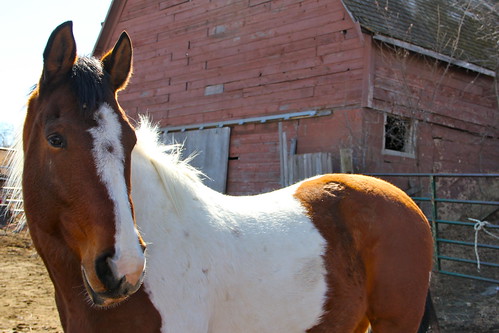
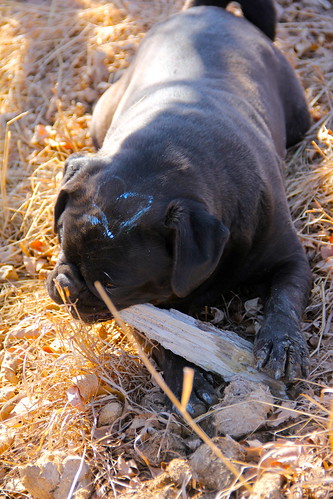
you used your paint to you let your art spread
to your cheeks and, oops, the dog’s head

You found renewed energy
forgave your enemies
noticed the small things you’ve missed

like a spider’s spun web
brighter thoughts in your head
the way that it feels to be kissed

It was a day made for races
in wide open spaces
a good day to climb way up there

the best way to tangle your hair
Yes, it was a day just like this
short sleeves, walking sticks

the only place in this world I would wish
to spend next to you in this gift.

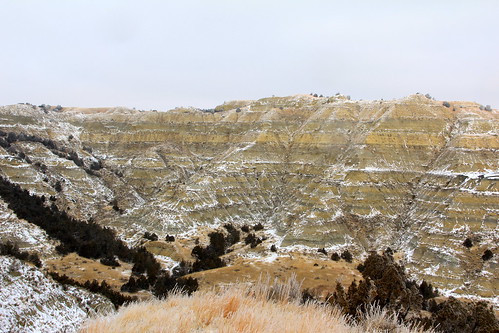
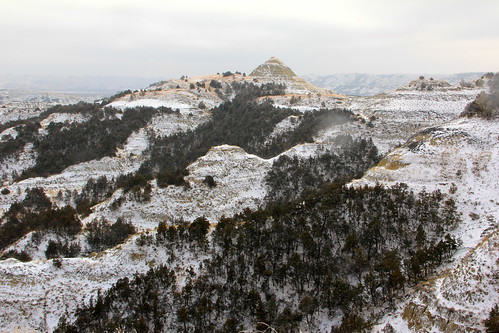
A winter breath in Theodore Roosevelt National Park…

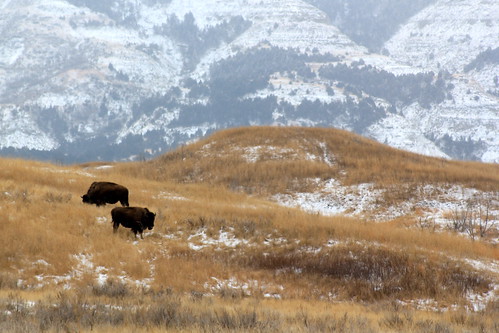
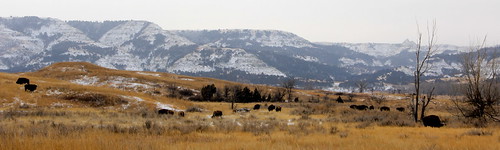
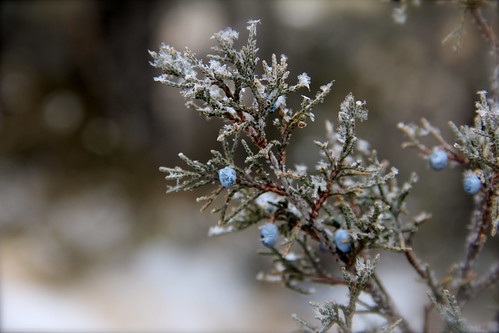
I took a moment on a regular weekday morning, a morning when much of the state was preparing for one of our first winter storms of the season, to find some magic in the winter.

I knew just where to go to find it. A place that was set aside just for us when we need magic moments like these.

The Theodore Roosevelt National Park.

It’s right in my backyard really. I’ve shown you before. It’s just down the road from the office that was waiting for me to take phone calls, finish some reports, and stay caught up. But it was snowing ever so lightly, frost was hugging the branches of the trees and the wind was calm enough to for me to hear something calling me out to explore, to look, to listen.

I needed to see what it looked like out there in its winter outfit.

I needed to listen for silence because in the absolute quite, everything inside of me quiets too.

I needed quiet.

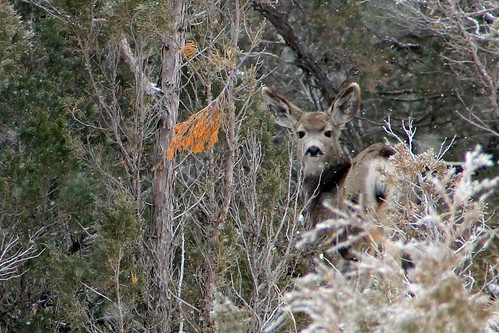
I needed quiet enough to remember that I was in there all along. I needed quiet to tell me I was in there with all of that noise and static and voices drowning out the sound of those young deer on the trail ahead of me, cutting a path with their hooves, leaping over fallen branches and stopping to check out that creature behind them in a puffy coat and mittens. They don’t miss a thing and if I hadn’t stepped off of the road and up that hill, if I wouldn’t have stepped softly, slowly, I certainly would have missed them.

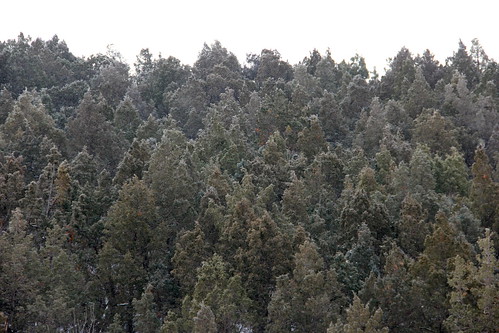
I don’t know what it is about being alone in nature. I write about it often. I dream about places not yet discovered, about trails that have been untouched by human feet. I don’t know anything except for it heals me in some way. I know that being alone under the branches of the oaks or the arms of the big cedars awakens something in me and reminds me that not only am I alive, but completely insignificant in the grand scheme of it all.

Insignificant.

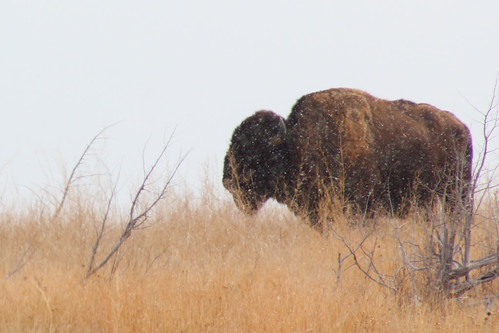
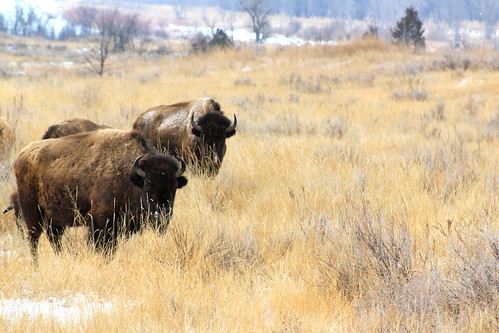
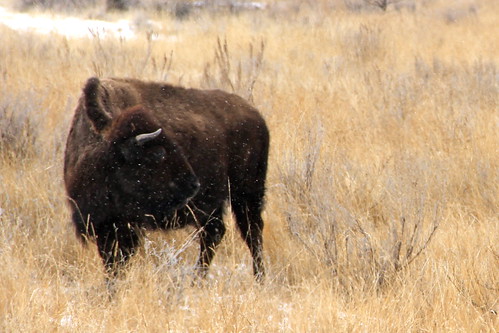
But that word doesn’t scare me. It thrills me. It thrills me to know that one charge of the mighty bison, one stomp of his hoof, could send me reeling.

It excites me to know my limits out there and to know to keep to them. To know the dangers of a mis-step could send me into a catastrophic fall.

To know the river flows fast under the ice and I have no matches for a fire and no intention of staying out past my allotted time.

To know that once we belonged here, but not anymore.

Because somewhere along the line we have separated from nature, from the quiet spaces on an earth that was laid out for us. We covered ourselves from the stars to survive, laid floor on the dirt and found new ways of making things that were good and true and simple damn complicated.

We’ve built fences and staked claim to things like rocks and mountains and grass. We have named it all. Dissected it. Studied why anything would turn out the way it has.

We’ve learned how it all could benefit us. How it could help us cure diseases, build more skyscrapers, heat our homes and reach us closer to the satellite we have placed among the stars in a sky we have yet to conquer.

So I go to the park, I take the back roads, I follow the trails on the ranch that holds my family’s name to be reminded of this:

I know not a fraction of what the acorn knows. I will never tame the wind nor will I ever touch all that the breeze has touched. I will never listen close enough to hear what the coyotes hear. I will never be as brave and howl my life into the night.

I count the striations of the exposed earth on a landscape that was formed by tons and tons of moving glacial ice and I know I will never have a story that grand. I will never be as interesting or romantic as those buttes.

I catch a hawk circling above the tree tops and am reminded I will never soar. I will never see our world the way she sees it.

And I won’t possess the strength of the bison, the authority of the season, the power of the sun and the clouds. I will never stand as tall, or know the patience of the old birch trees. And I will never own the delicate strength of the wildflower.

No, I come to the park as a spectator. I come to the park as a girl. A girl who has hands that need gloves made of leather and boots made with fur. I girl with thoughts and ideas and dreams about how to capture this place, how to share it by telling the story of the bison, singing the music of the hawk, and whispering just as softly as the doe caught on my trail.

But they are stories I am not worthy to tell.

So I stay quiet and listen.