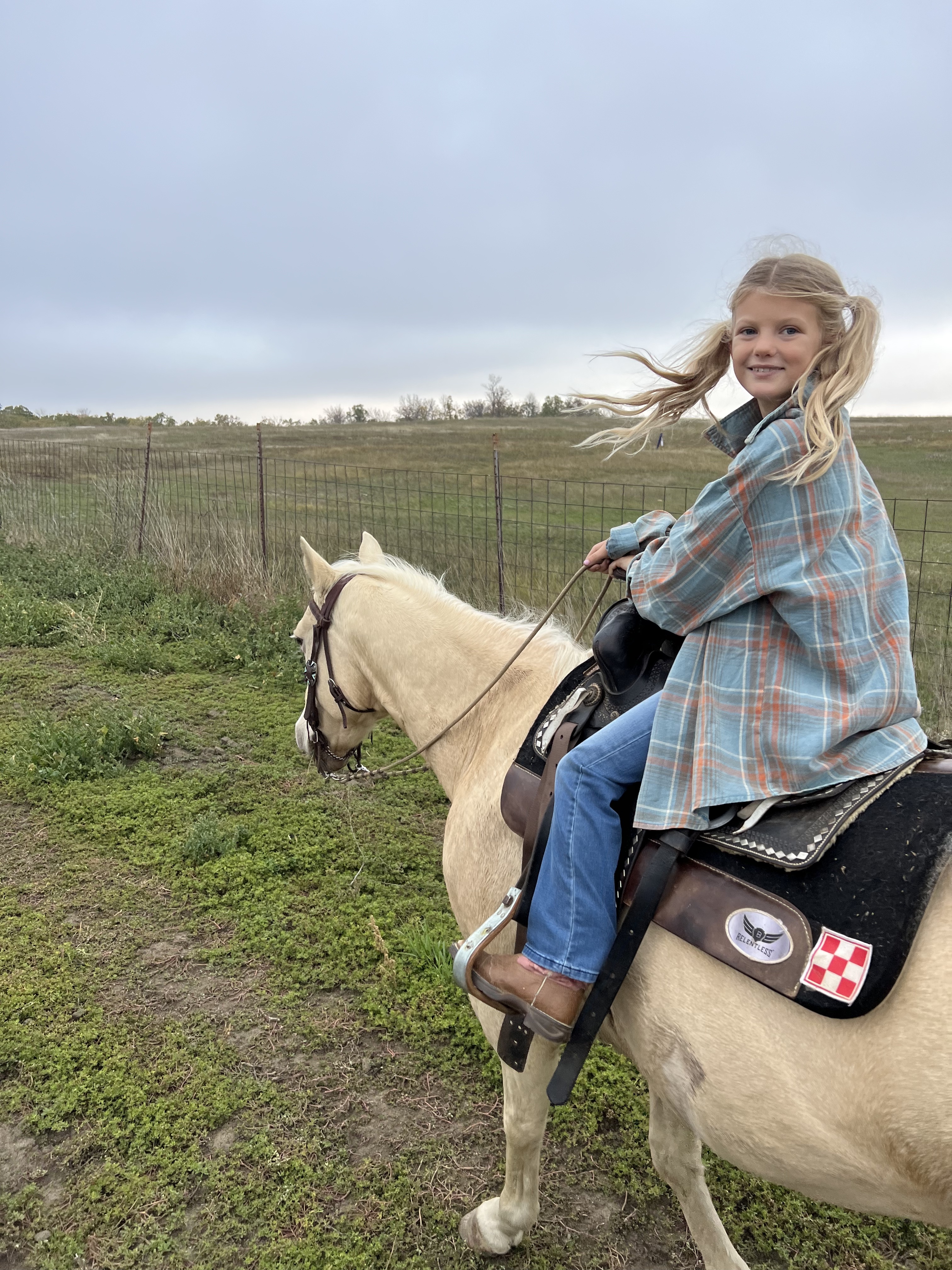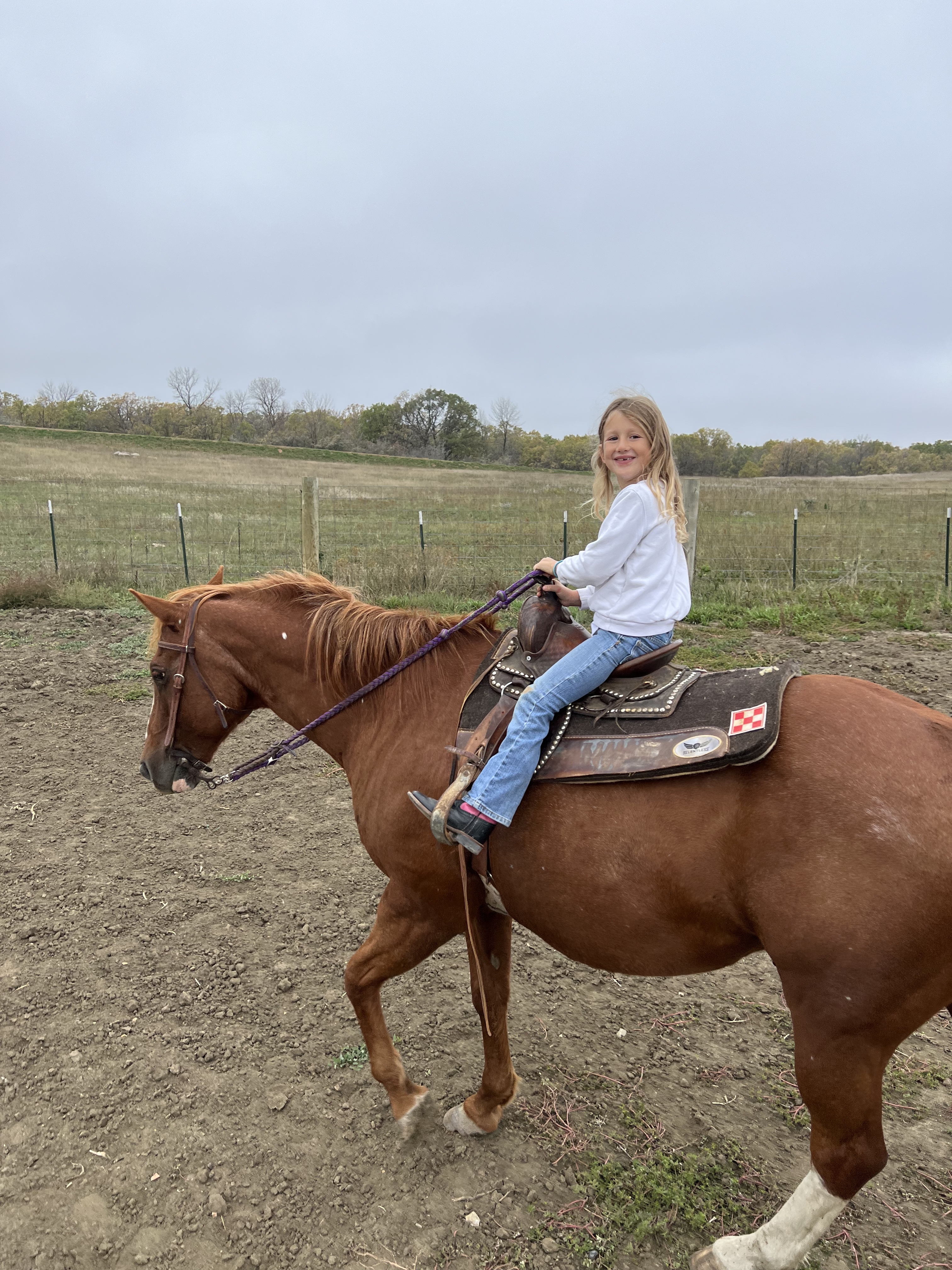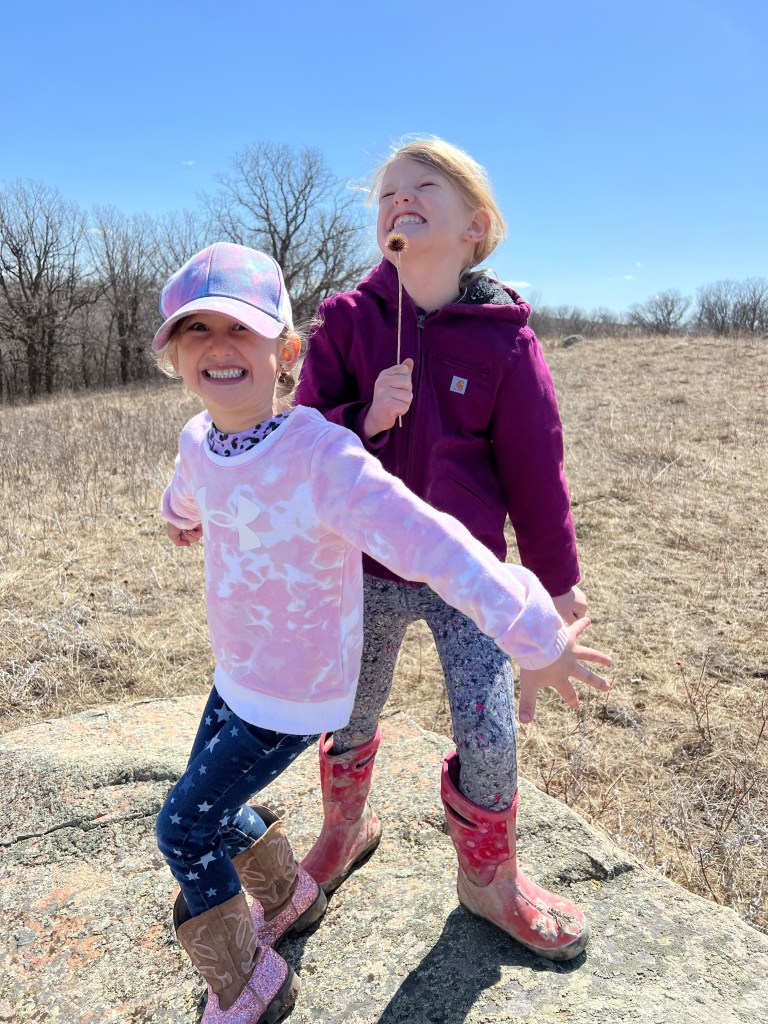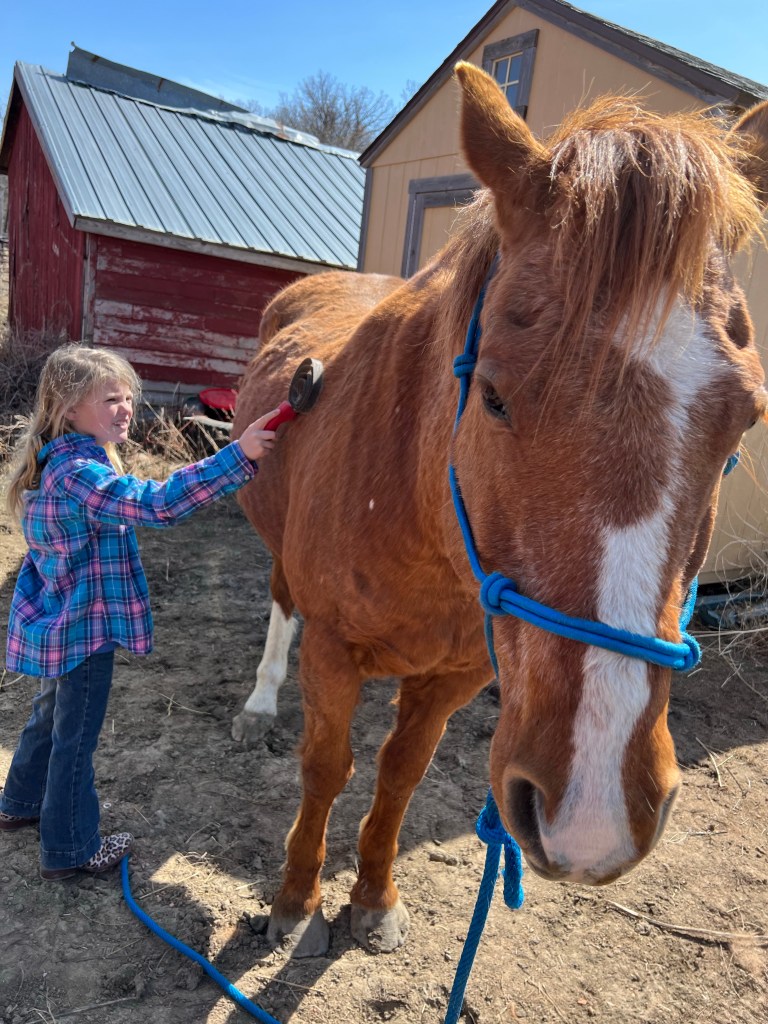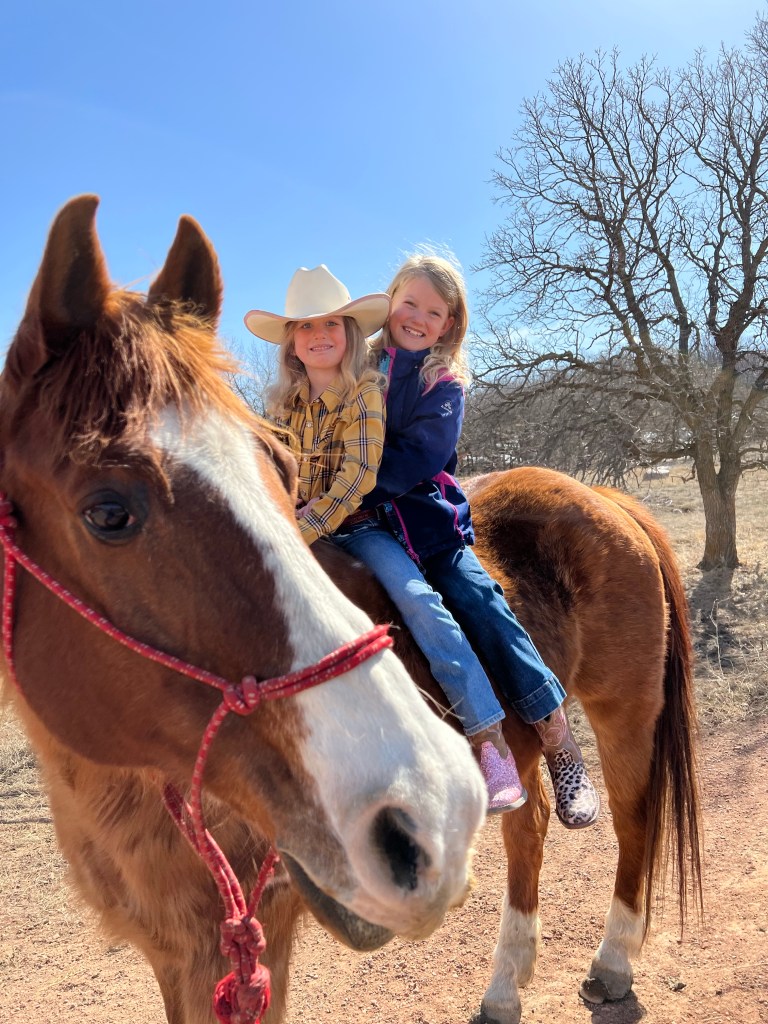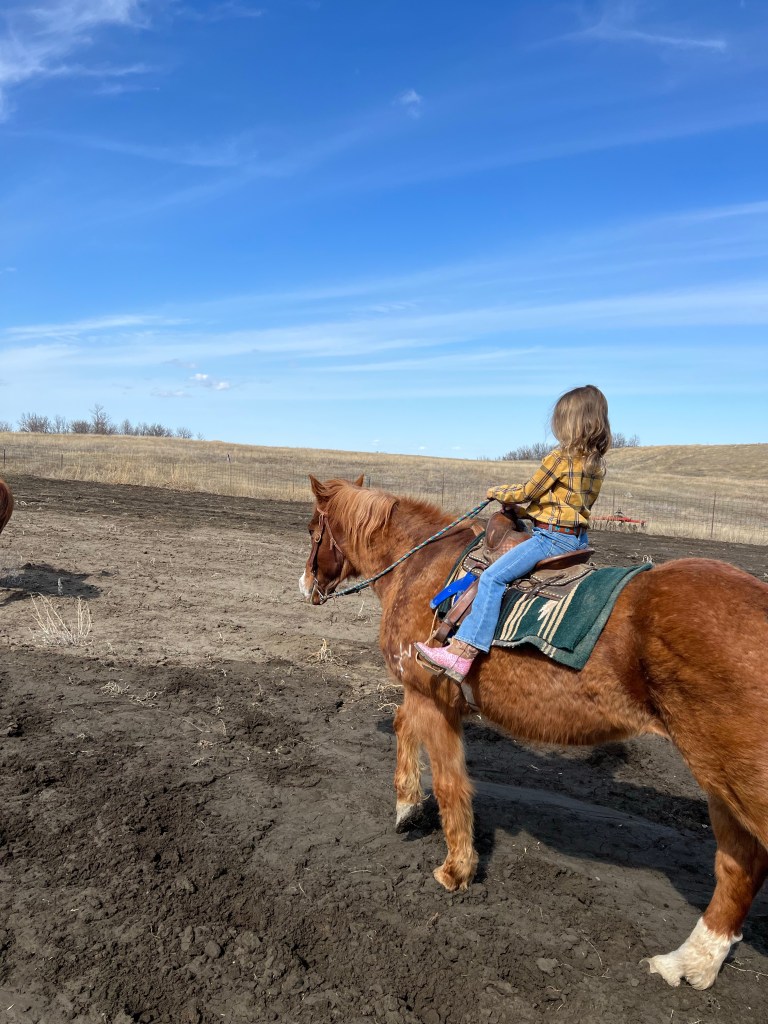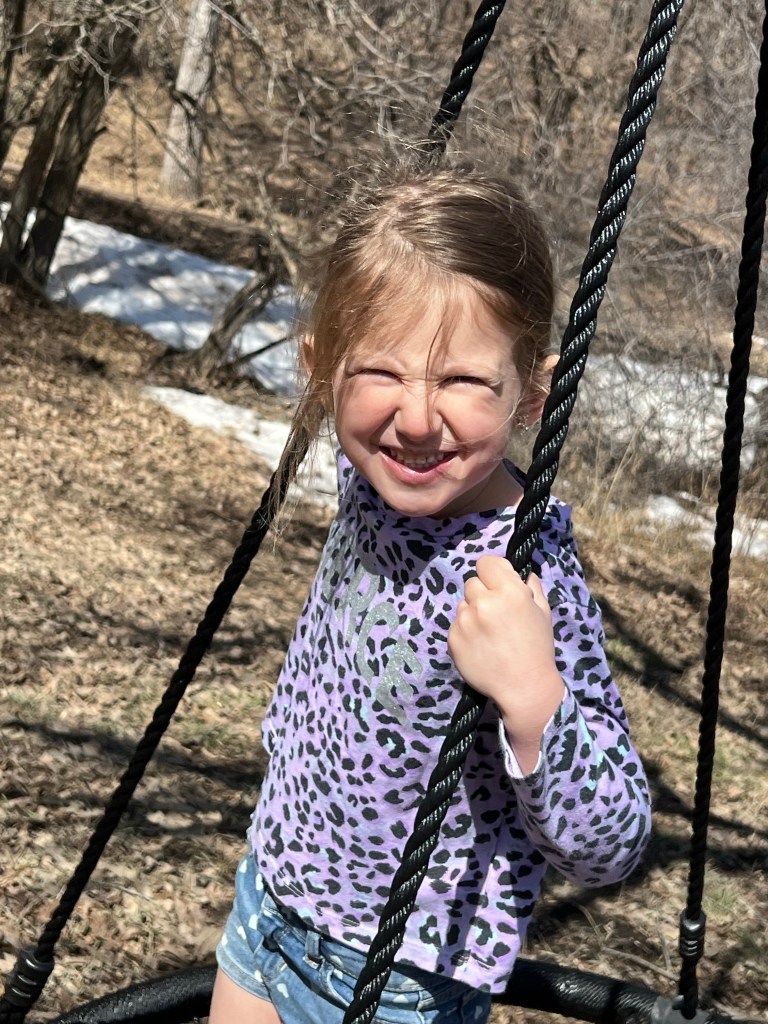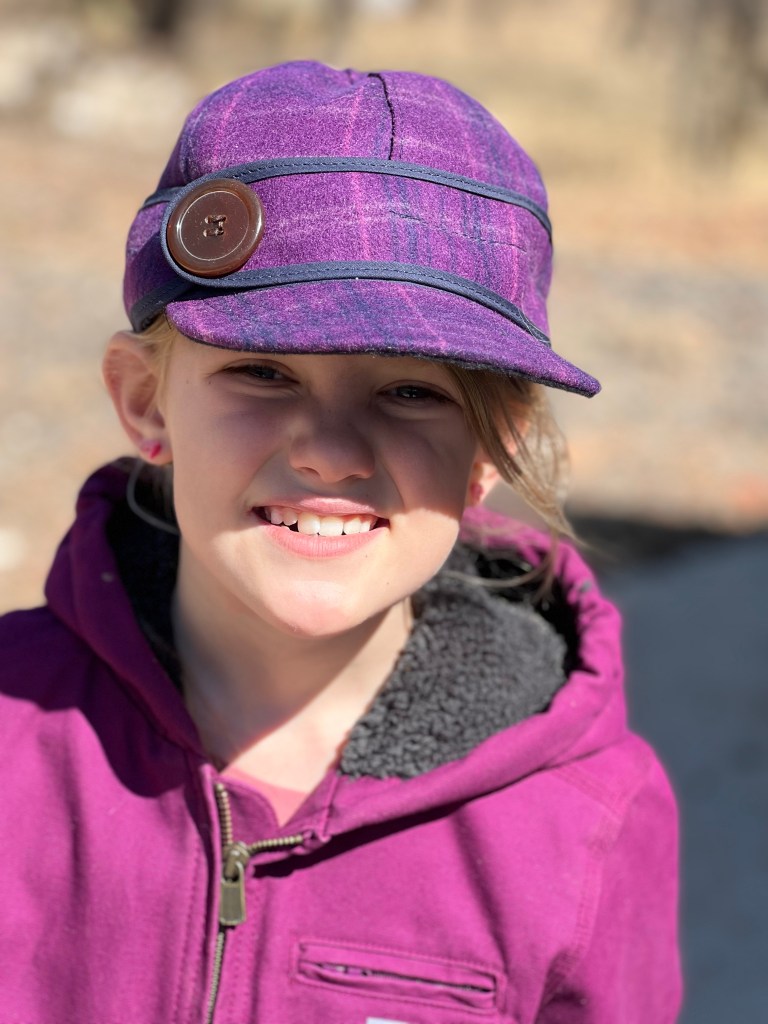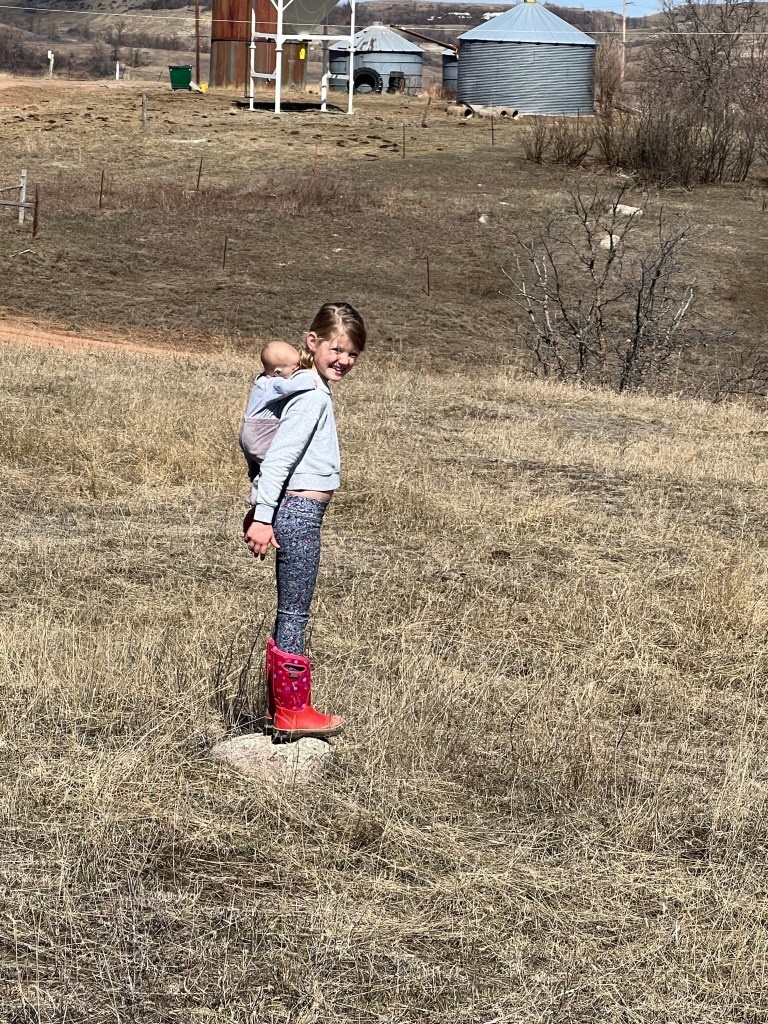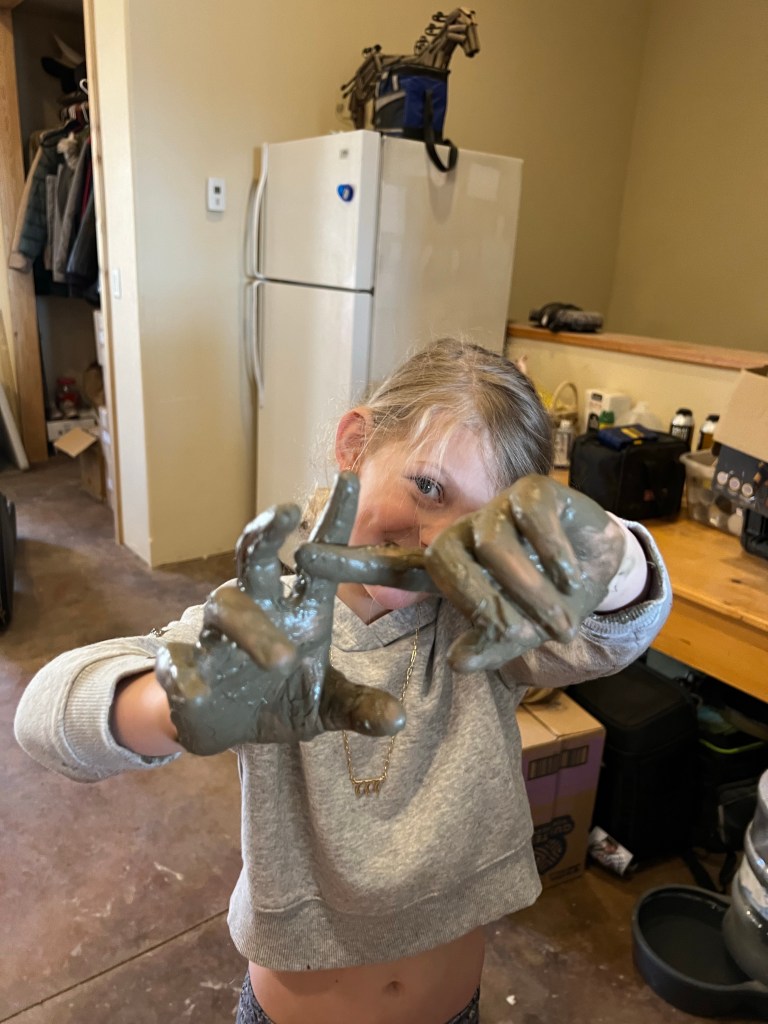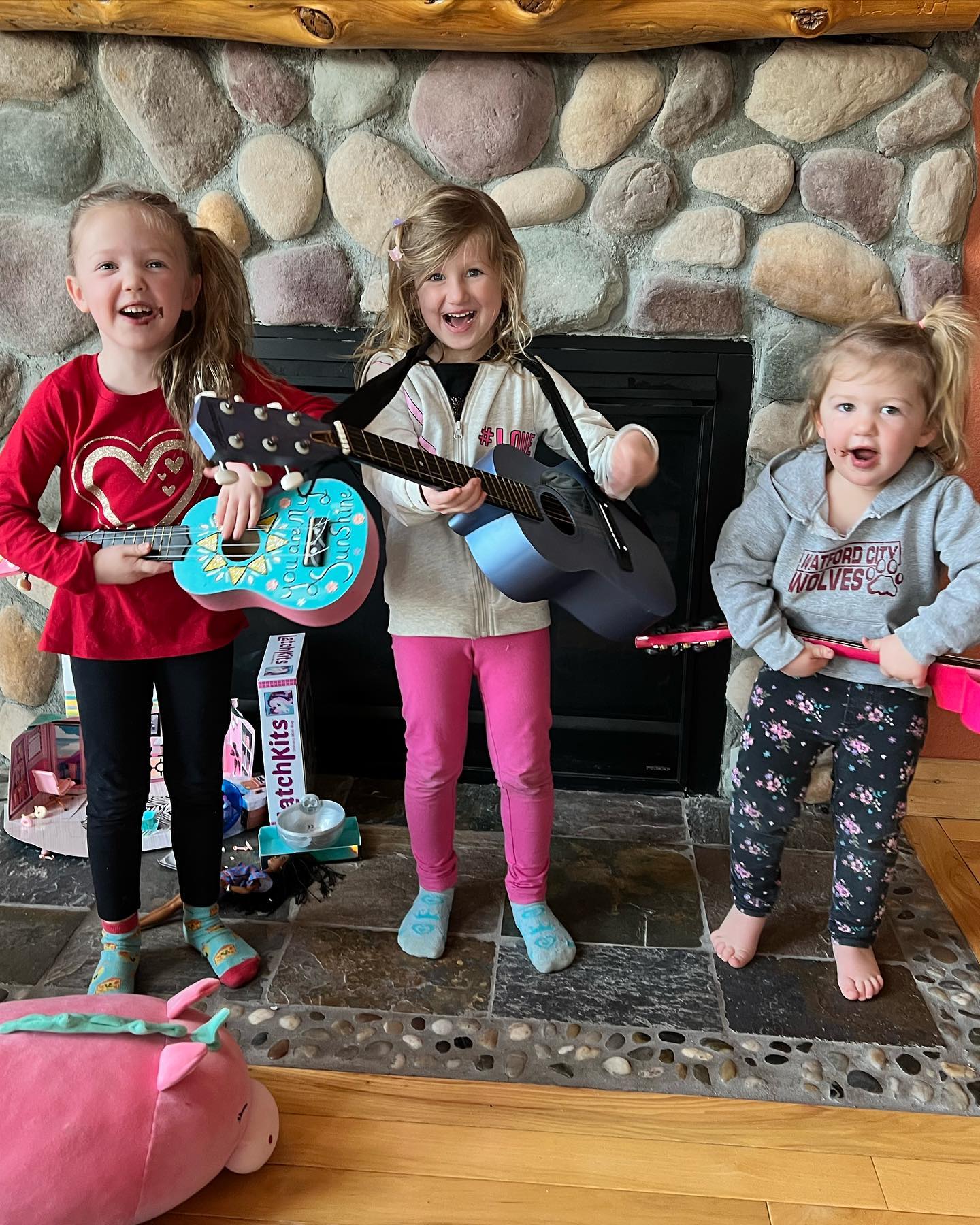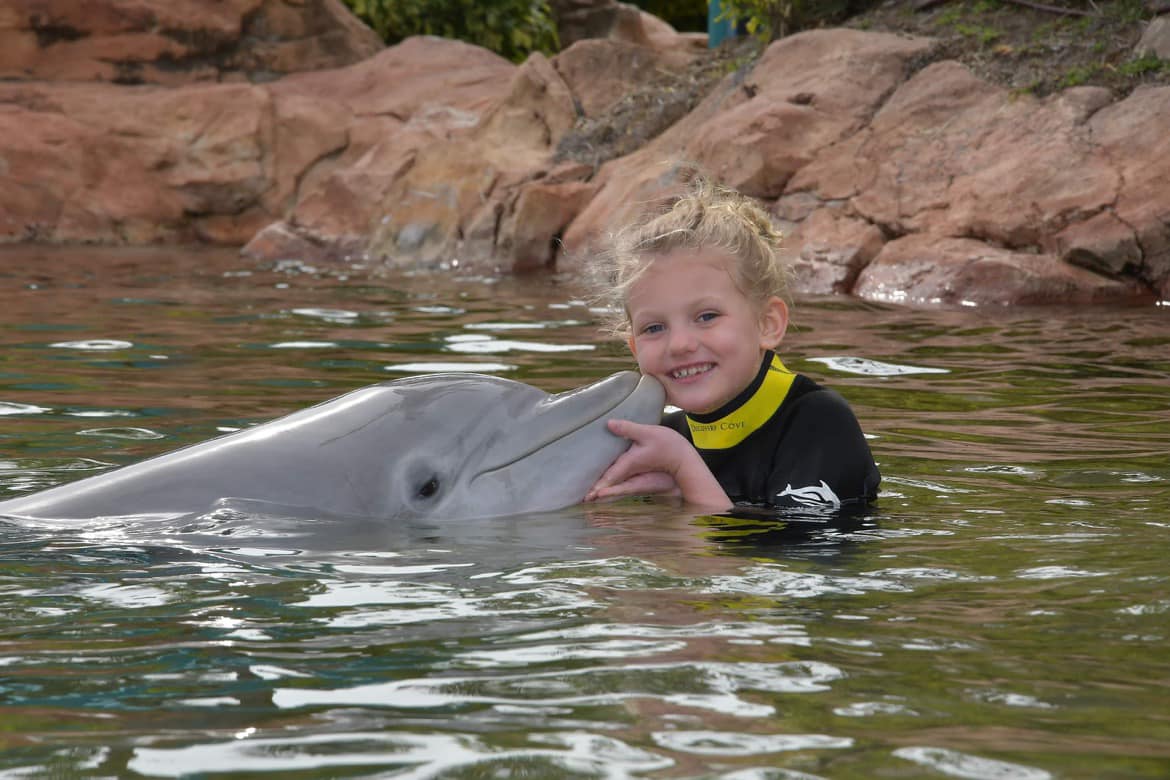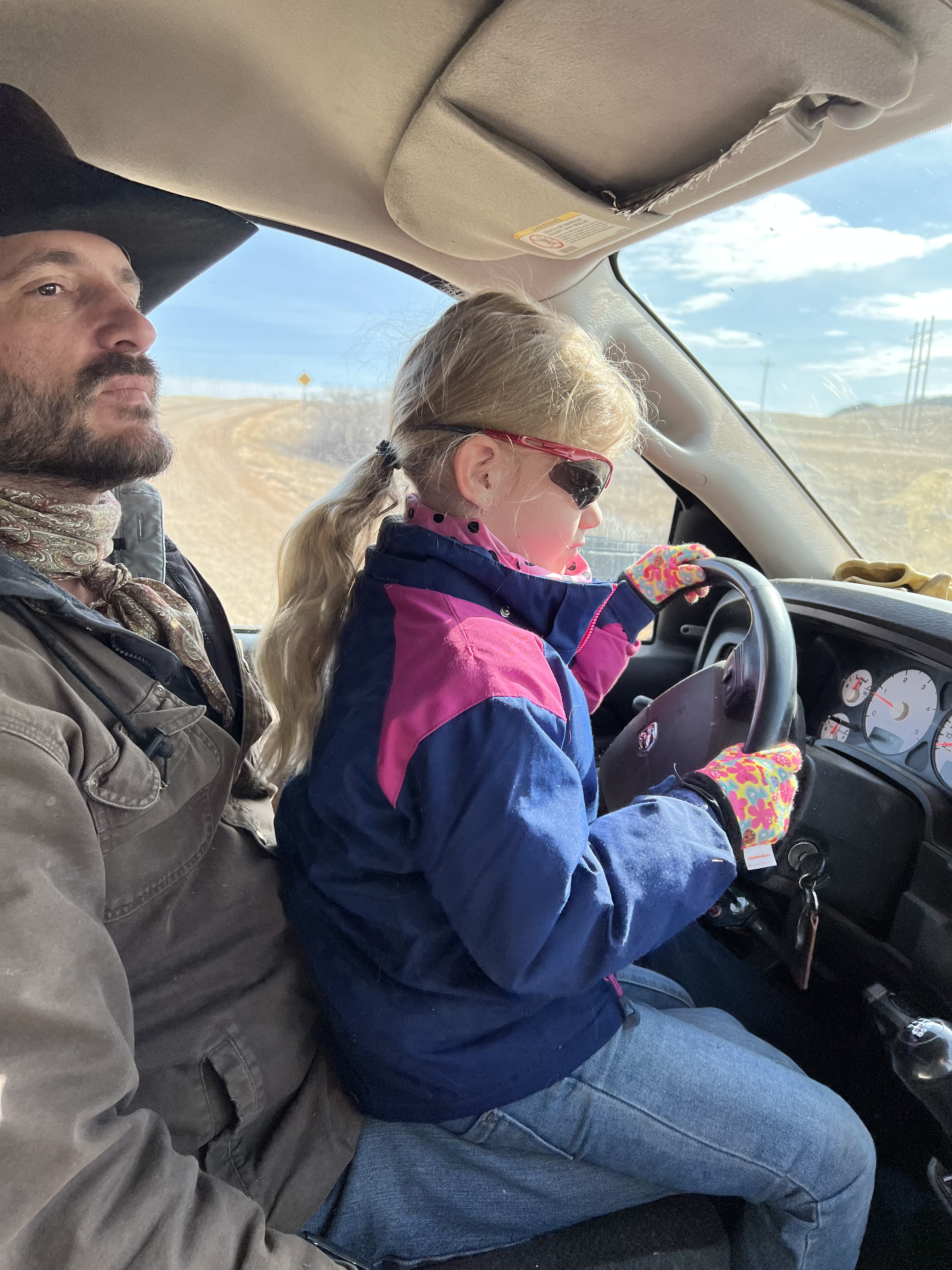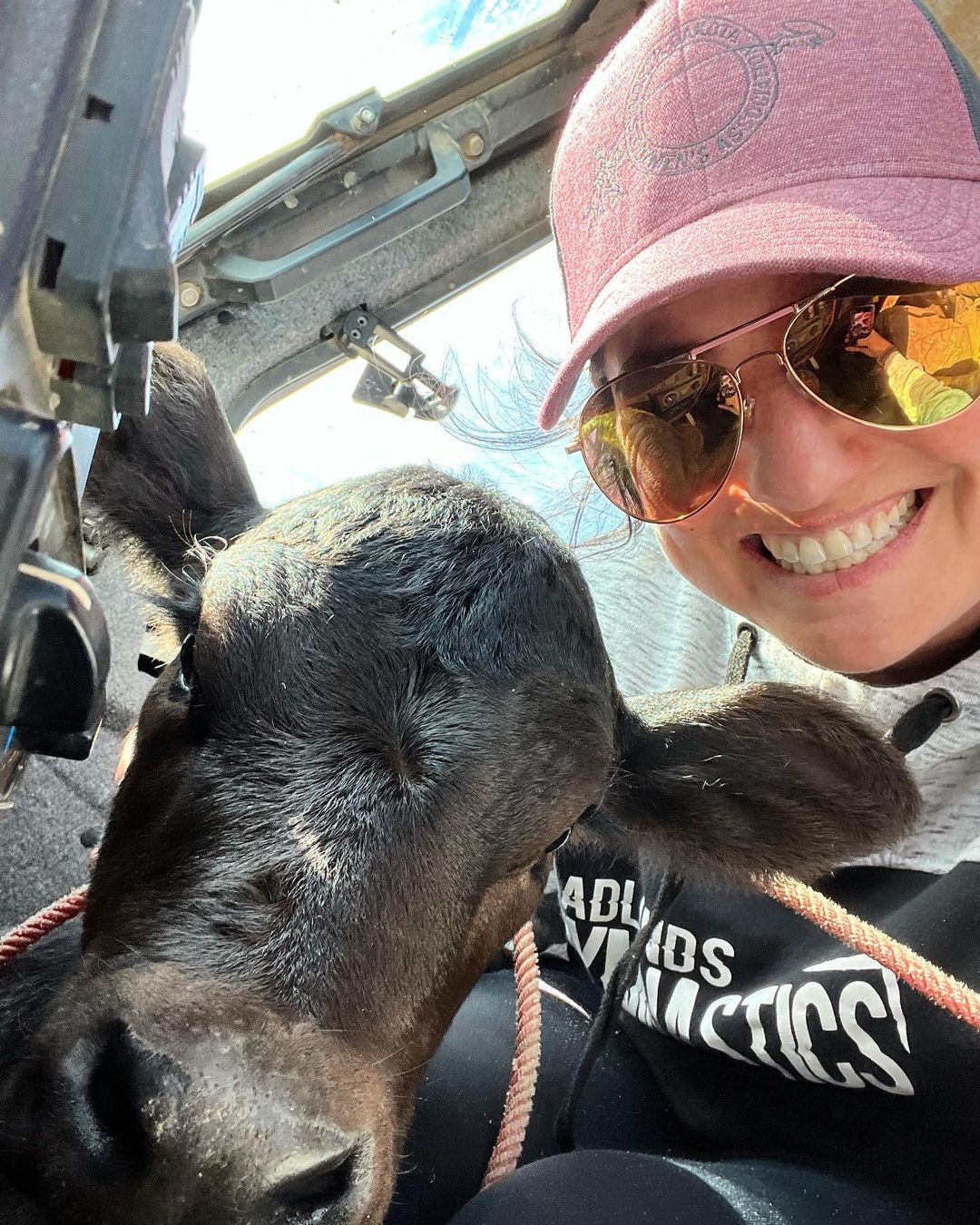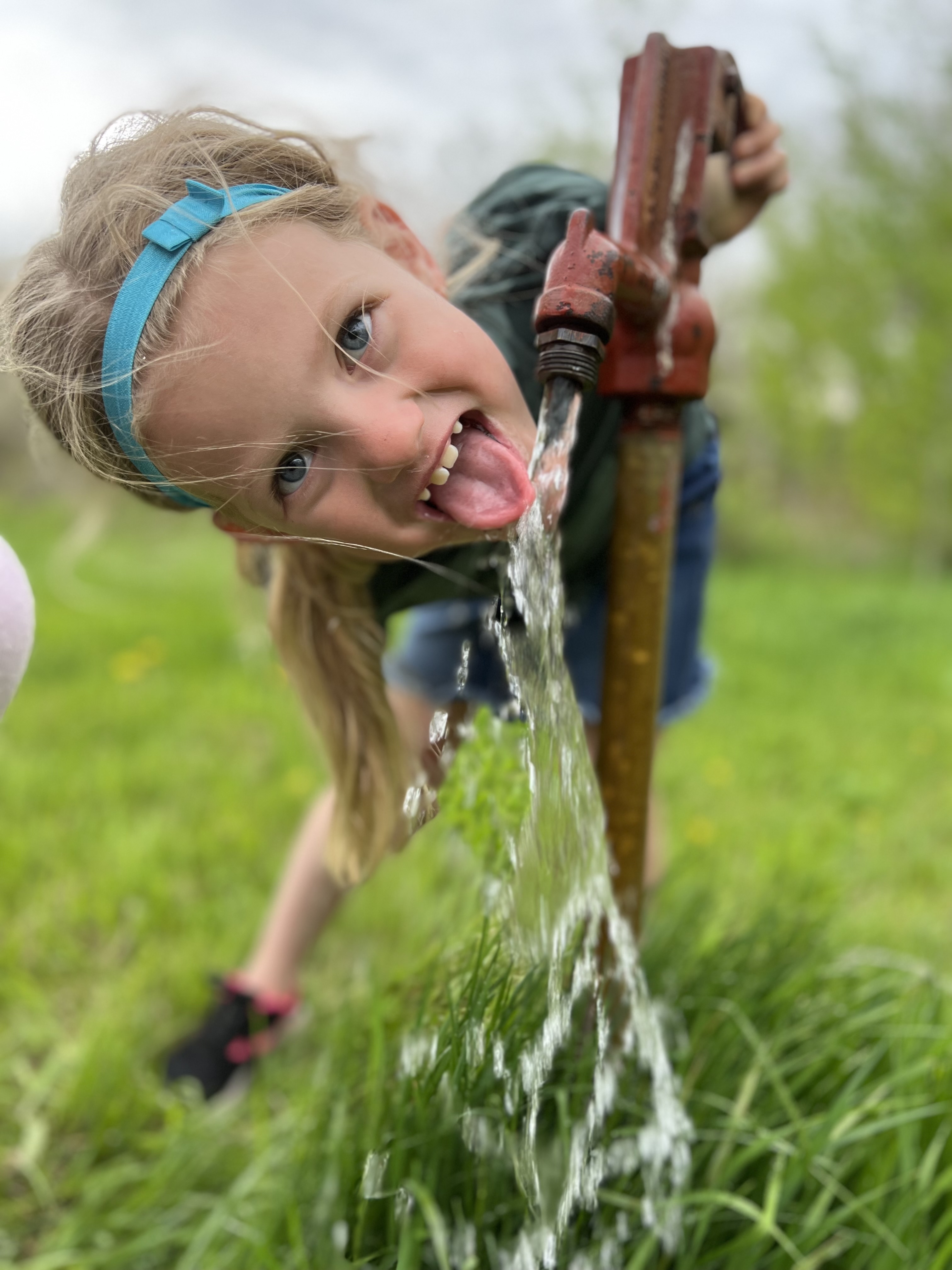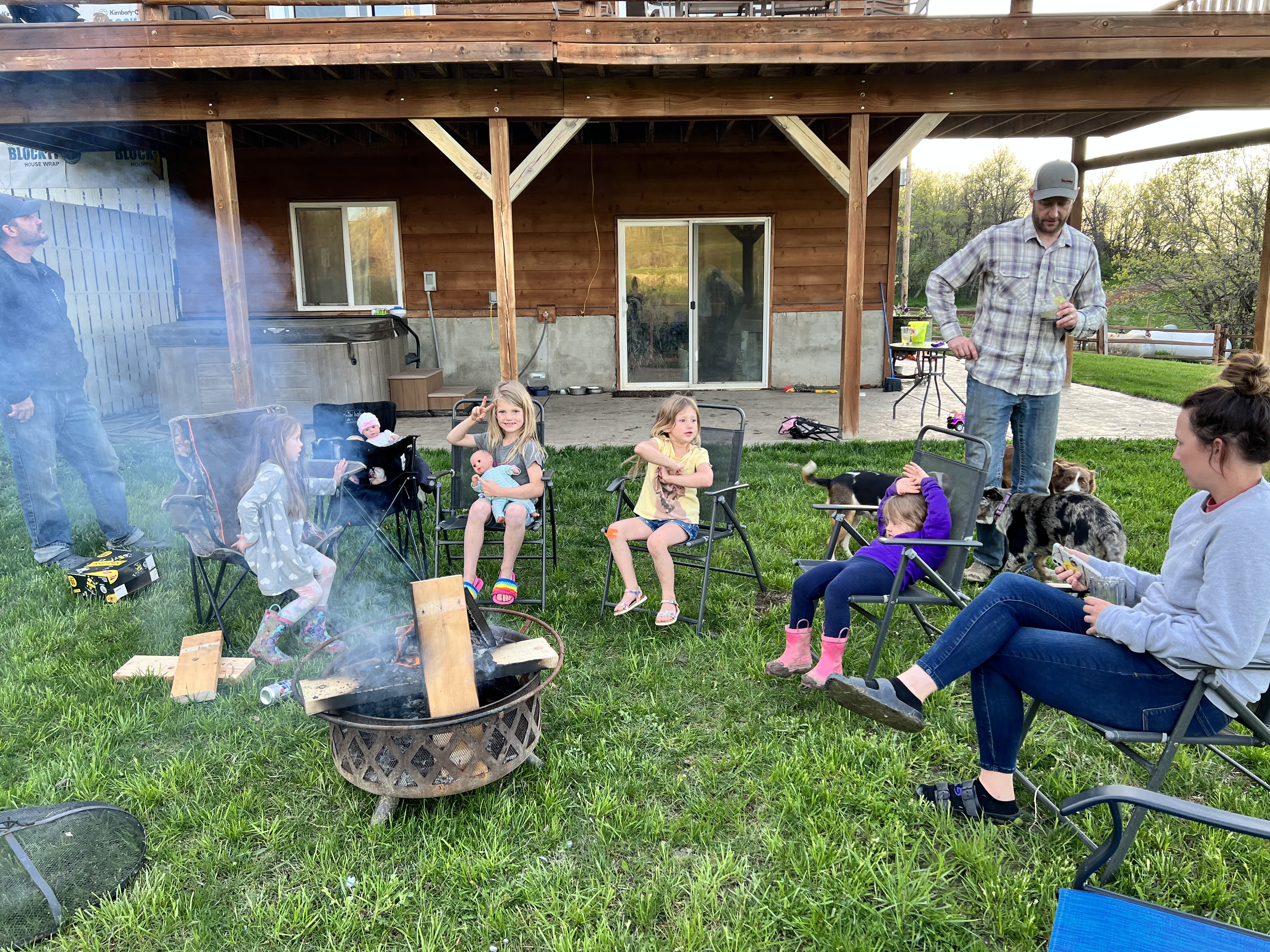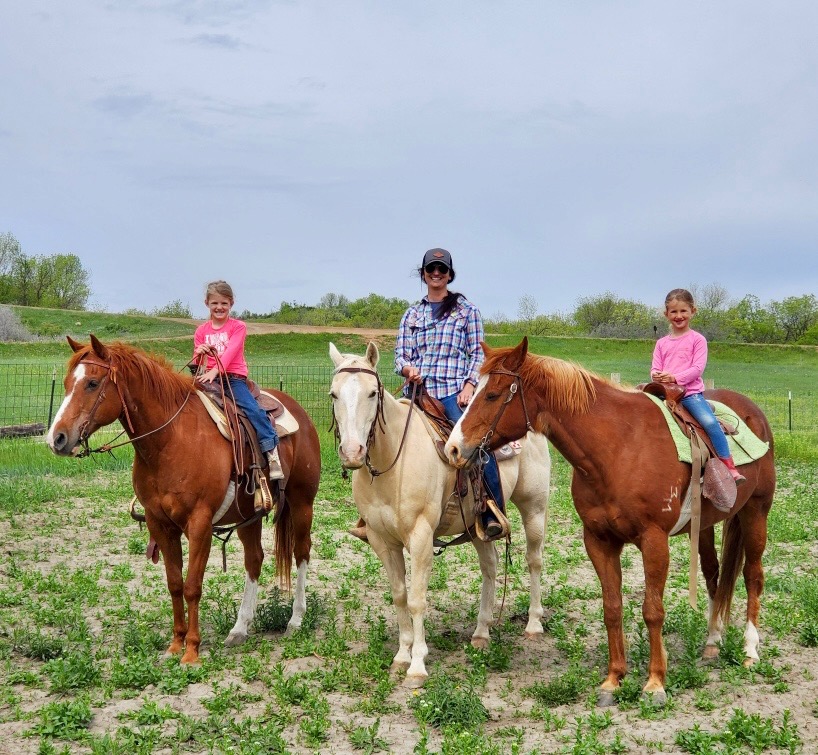
Another podcast up and at ’em for you. This week we sit down to reflect on our role in other people’s memories, especially our children’s. Speaking of children, ours are really loud in this episode, so fair warning if you’re not as good at ignoring them as we are. Also, I brings up the time I overbid on my husband dressed as the world’s ugliest woman in a local fundraiser. This has nothing to do with anything, but you get to hear it anyway. And as a special treat, Edie tells the story of Paul Bunyan and it’s adorable. Listen at the link below or wherever you get your podcasts.
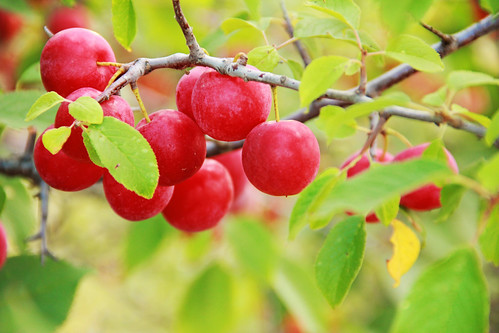
The kids are back to school, the mornings are cool, the tomatoes are ripening in the garden and so are the wild plums in the sharp and poky brushes of the ranch. Just yesterday my nieces came in with handfuls they had collected with their mom and grandpa and informed me that they are ready by dropping them on my kitchen counter and inviting us all to indulge.
Ripe wild plums are one of the signs that we’re transitioning into fall and so I wanted to share with you a memory from the archives from when I found myself with a bag full of homegrown apples and the urge to do something beautiful with them. And so my mom, little sister and I (none of us seasoned bakers) decided to take on my grandma Edie’s pie recipe, crust and all.
It’s a sweet memory sprinkled with nostalgia from when my oldest daughter (who just started second grade) was just a baby. She was fresh and new to this world, named after the grandma’s whose recipe we had in hand, and I was fresh and new to motherhood and feeling domestic and content in the kitchen surrounded by the comfort of generations and the promise of a cool down.
Enjoy this season. Enjoy the fruits of your labor and lock your doors because it’s also the time of year that zucchini starts hitchhiking…
Making Memories. Making Pies. September, 2016
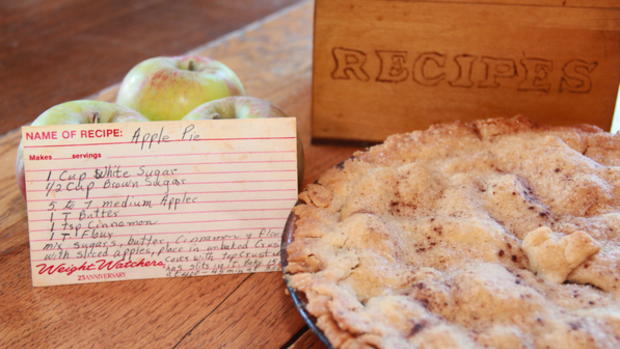
My mom keeps a small wooden box in her kitchen, tucked up in the cupboard next to her collection of cookbooks. On the front it reads “RECIPES” in the shaky, wood-burning technique of a young boy trying his hand at carpentry.
And inside is an assortment of recipe cards, of course, notes from a kitchen and a cook who left us all too soon, taking with her that famous homemade plum sauce.
And the from-scratch buns she served with supper.
And the familiar casseroles that you could smell cooking as you walked up toward the tiny brown house from the barnyard after a ride on a cool fall evening.
Every once in awhile my mom will open that box on a search for a memory tied to our taste buds. She’ll sort through the small file of faded handwriting and index cards until she finds it, setting it on the counter while she gathers ingredients, measures stirs and puts the dish together the best way she remembers.
I’m thinking about it now because it’s sitting on my kitchen table, the one that used to sit in my grandmother’s kitchen all those years ago acting as a surface to roll out dough and pie crusts or a place to serve countless birthday cakes or her famous April Fool’s day coffee filter pancakes.
And so they’ve met again, that table and that box, which is currently sitting next to a pie pan covered in tinfoil.
Because last week we pulled the box out on a mission for guidance on what to do with the 50,000 pounds of apples my little sister inherited from the tree in the backyard of the house she bought a few years back.
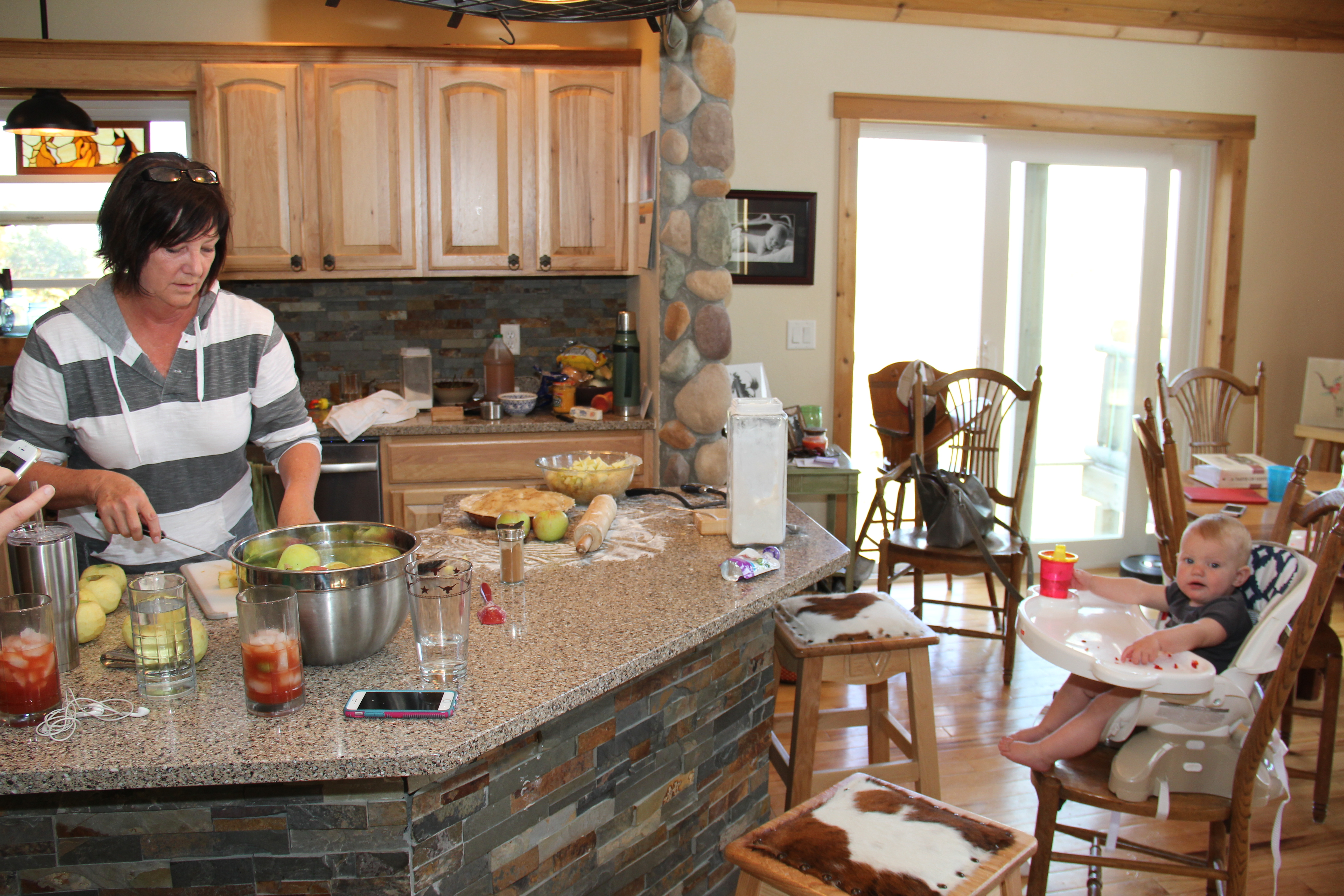
“Maybe we should make applesauce or apple crisp,” we said as Little Sister plopped the fourth bag full of fruit on my kitchen counter, my mom sipping coffee and my big sister entertaining my nephew beside her.
I reached up in the cupboards to dust off a couple recipe books because we all agreed then that apples this nice deserve to be in a pie, and Googling “pie making” seemed too impersonal for such an heirloom-type task.
Then Mom remembered the recipe box.
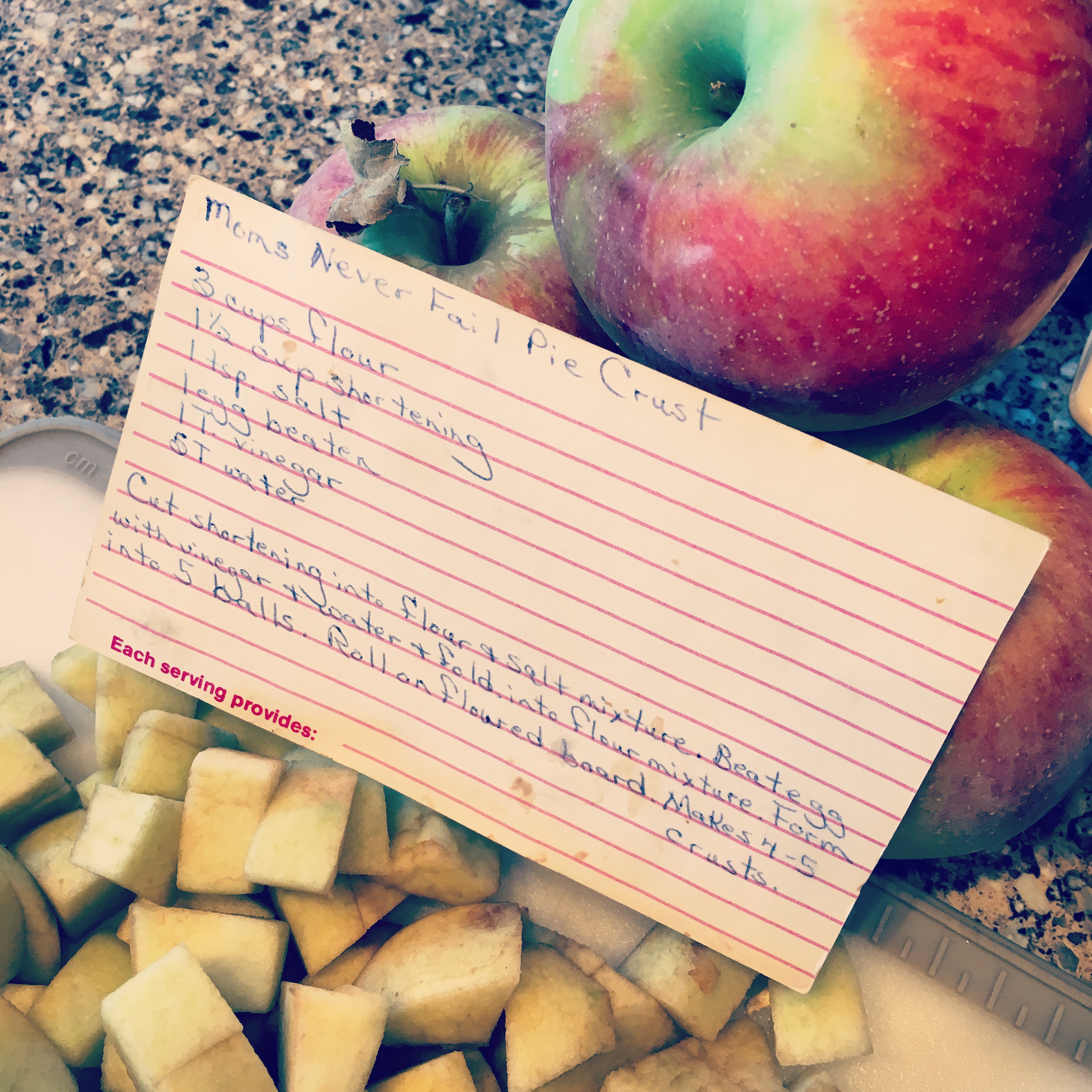
And that Gramma Edie used to make the best apple pies.
It was a memory that was intimately hers and vaguely her daughters’. We were too young to remember the cinnamon spice or the sweetness of the apples or the way she would make extra crust to bake into pieces and sprinkle with sugar when the pies were done, but our mother did.
And most certainly so did our dad.
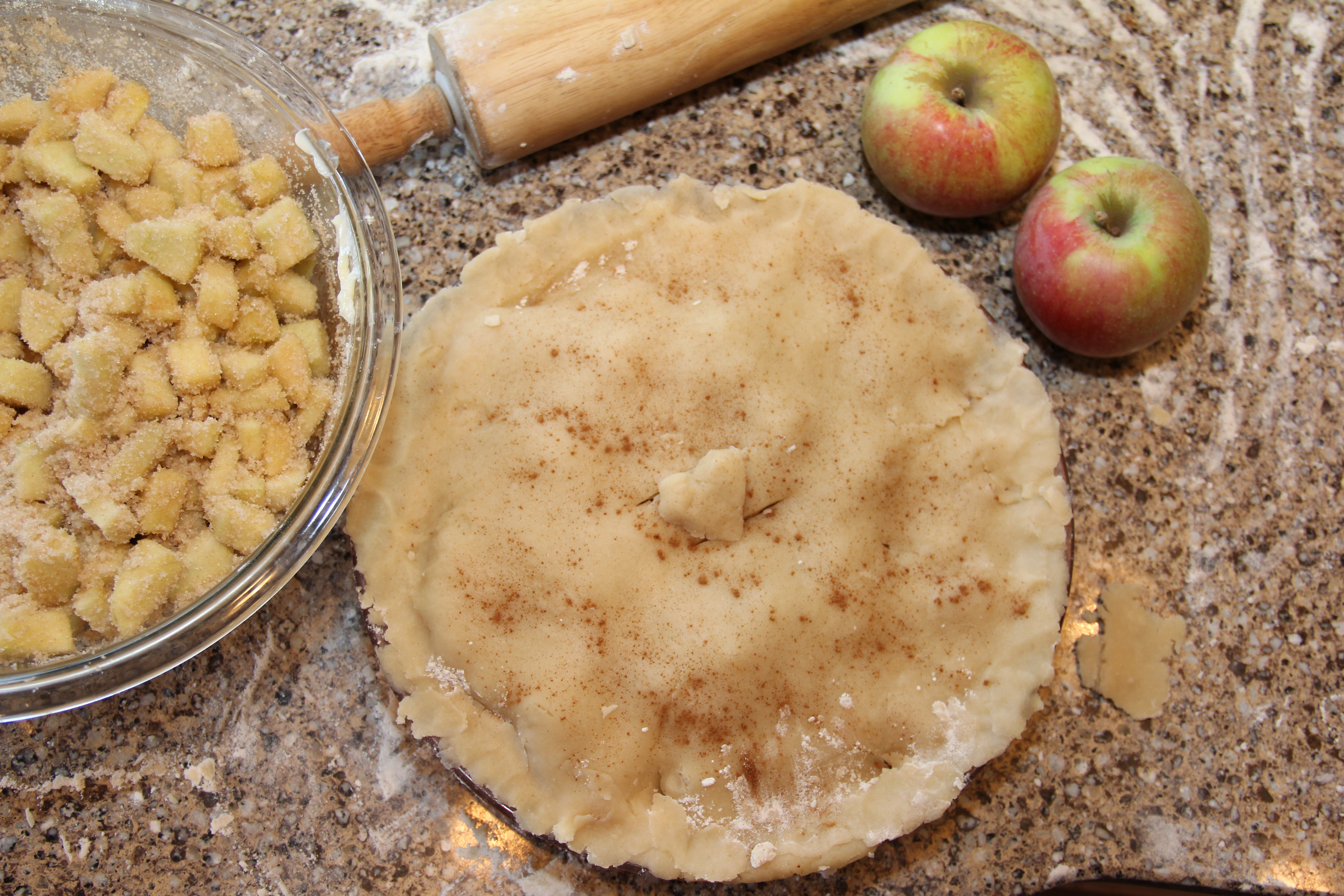
So we dove into the recipe with the unreasonable confidence of amateurs and spent the afternoon in my kitchen, peeling apples, bouncing the baby and rolling and re-rolling out gramma’s paradoxically named “No Fail Pie Crust,” laughing and cheering a victory cheer as we finally successfully transferred it to the top of the pie using four hands and three spatulas, certain this wasn’t our grandmother’s technique.
Wondering how she might have done it.
Little Sister carved a heart in the top to make it look more presentable. We put the pie in the oven, set the timer and hoped for the best.
We fed the baby and gave her a bath. We watched my nephew demonstrate his ninja moves. We talked and poured a drink. We cleared the counter for supper. We put the baby to bed.
And then we pulled the pie from the oven. We marveled at our work. We decided it looked beautiful, that we might declare it a huge success, but first we should see what Dad thinks.
So we dished him up a piece. It crumbled into a pile on his plate, not pie shaped at all. But he closed his eyes and took a bite and declared it just the right amount of cinnamon, the apples not too hard, the crust like he remembered, not pretty but good.
We served ourselves and ate up around that old table. We thought of our grandma, wondered if she might have given us a little help and put the recipe back in the box right next to her memory and the new one we made.
And we closed the lid.
This story, Grandma’s recipe and more can be found in my book “Coming Home” available for purchase here.
Music News
My new single, “If You Were A Cowboy” will be released on September 12 on all platforms! Pre-save it on Spotify here to help it gain some momentum and to get it delivered directly to your inbox on release day!
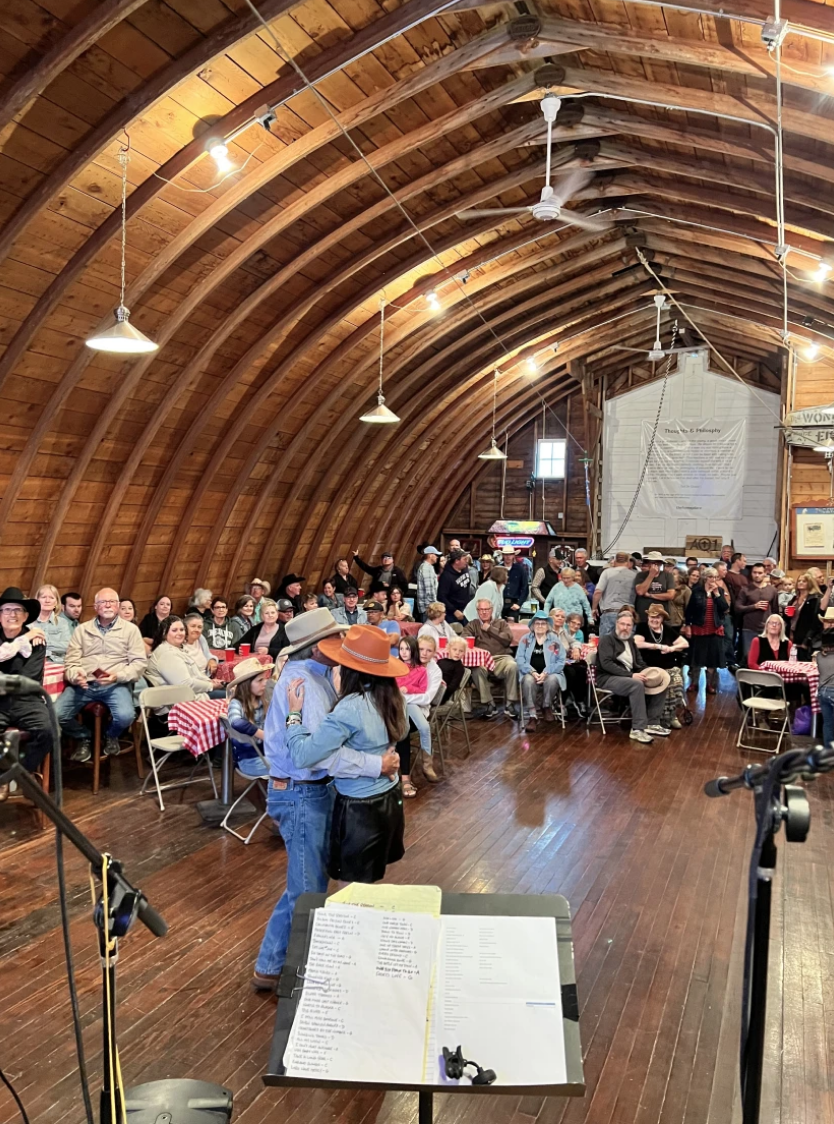
Enjoy a sneak peek into the making of the music video, which we wrapped up this week in a cool old barn near Bismarck with some great North Dakota based musicians and videographers.
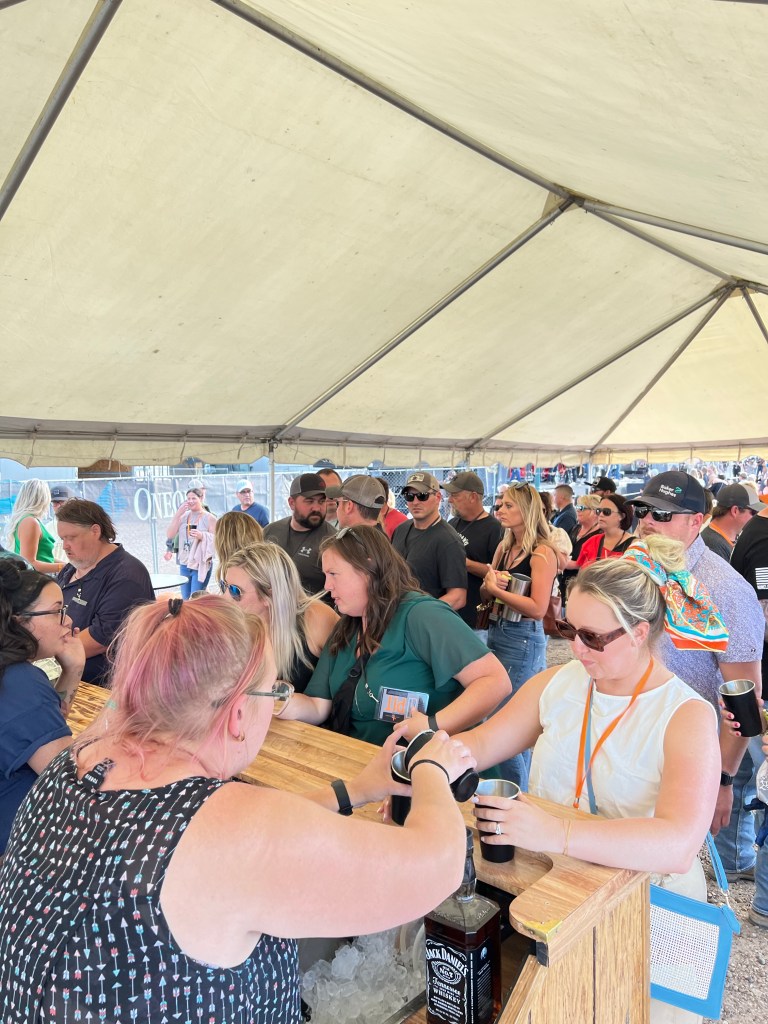
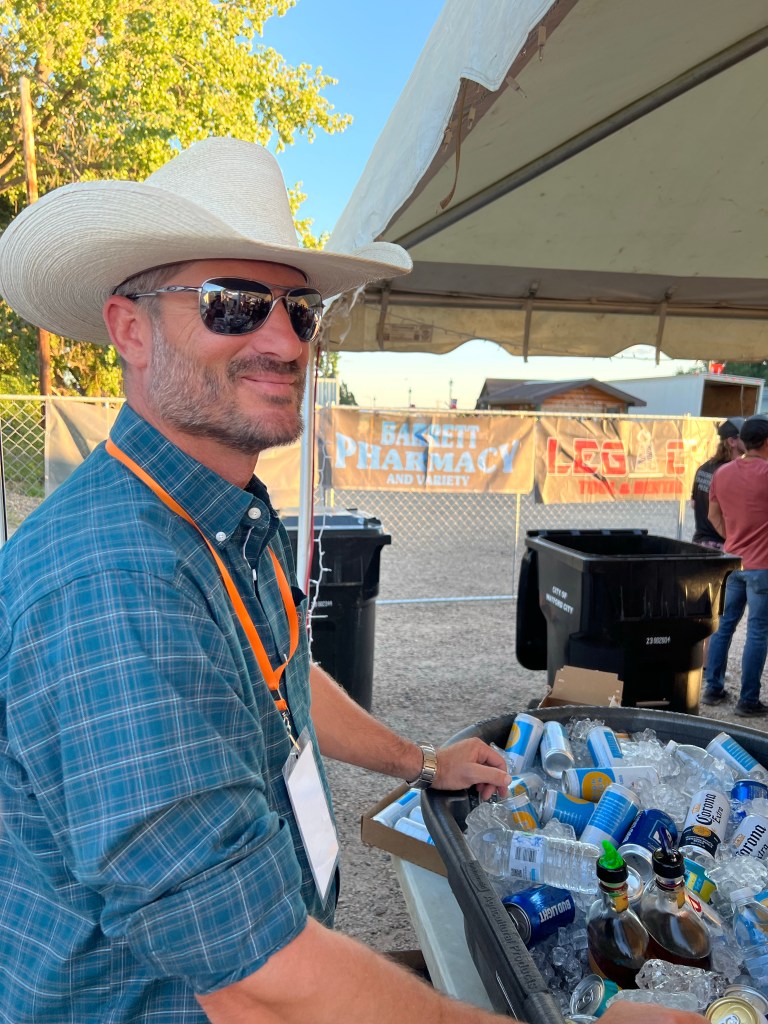
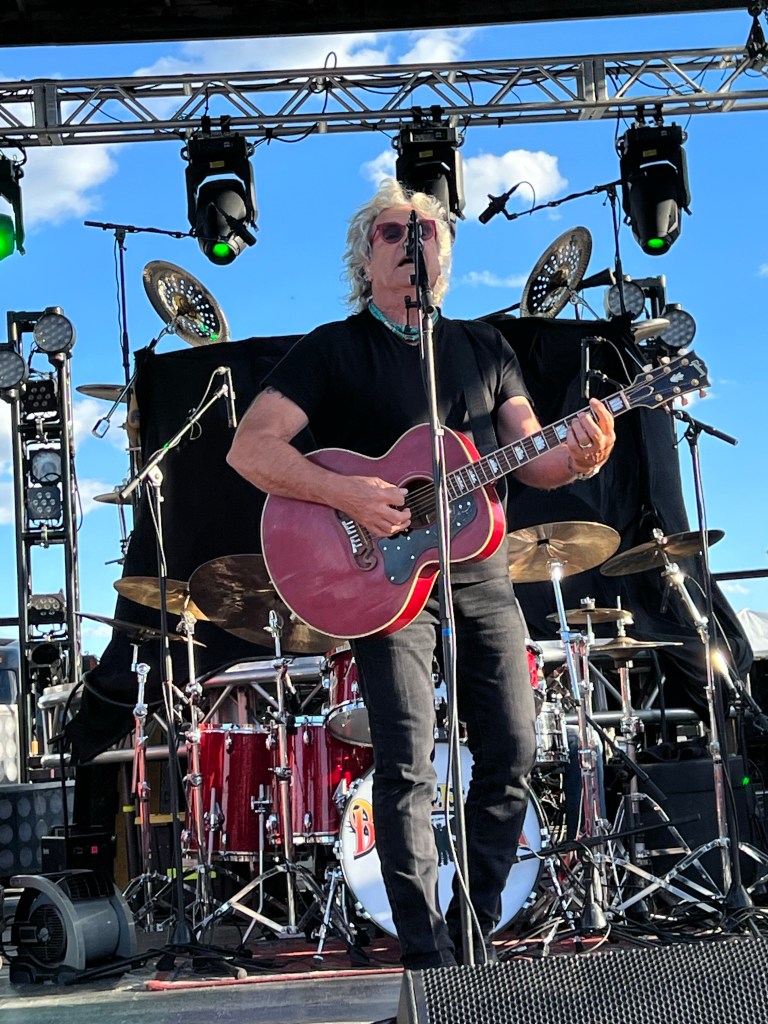
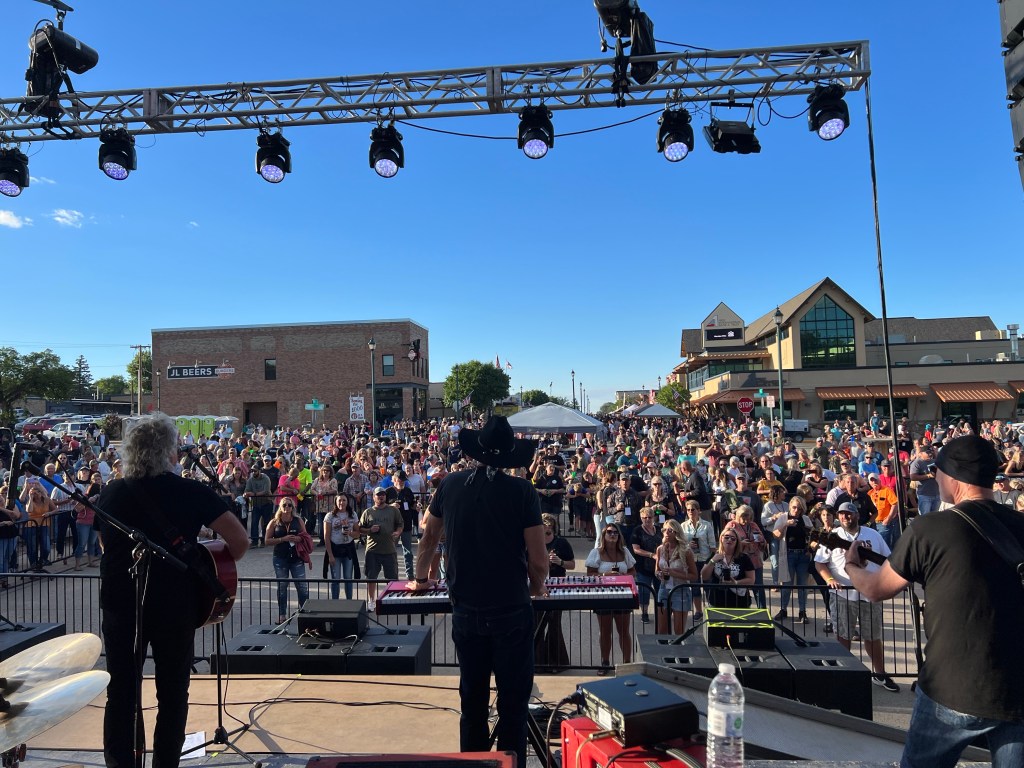
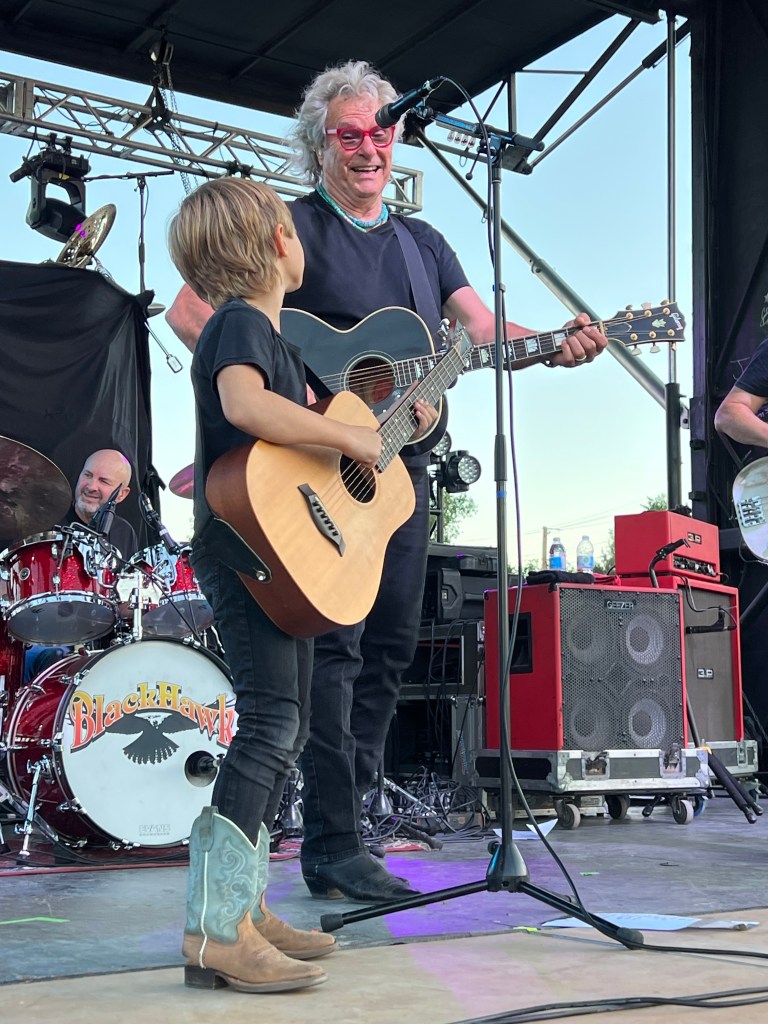
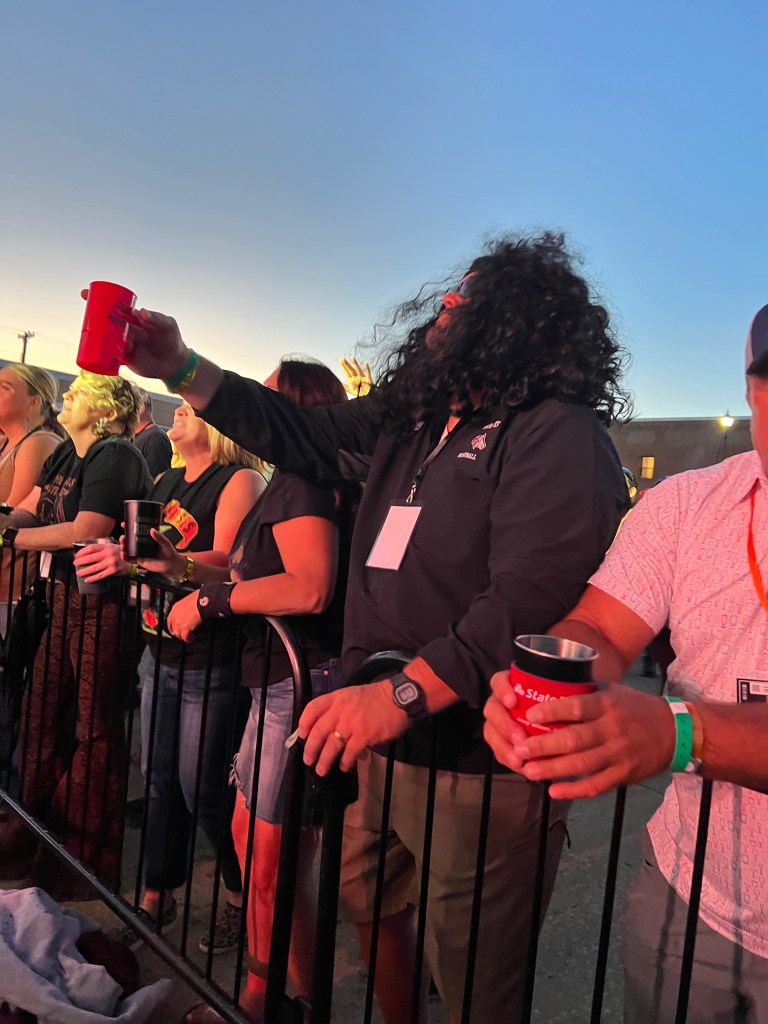
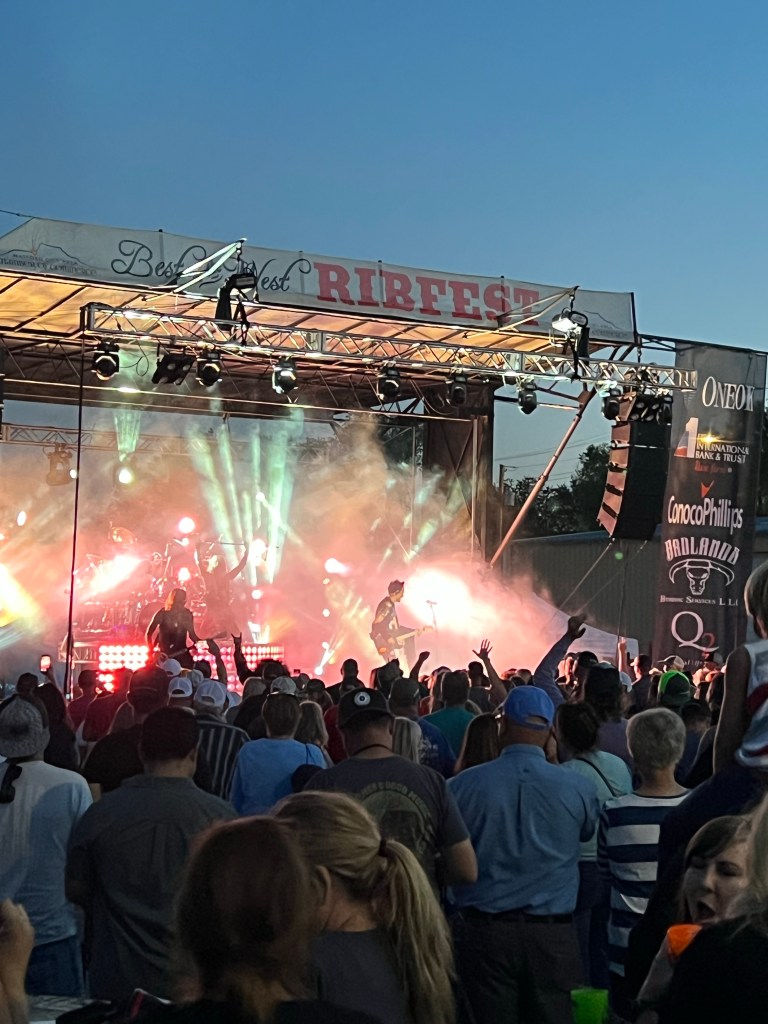
Happy mid August! We’re late with the podcast this week because I was traveling and helping host our big Ribfest event in town on Friday. Saturday we celebrated our 17th Anniversary by recovering from slinging beers at the concert until well past mid night. Both my husband and I have the same syndrome, we would much rather be hauling chairs, punching tickets or working the bar at these things, we think it’s more fun? Is that weird? It is fun though, to be a part of making the wheels of these community events turn ’round, even if it meant our idea of an anniversary activity was a nap.
(Cue pictures of the legendary BlackHawk and regional favorite tribute band Hairball…and all the thousands of People!!!)
Anyway, so I’m behind, like I’ve been all summer, but honestly, who isn’t? It’s a gift to not have enough time for all the things you want to do isn’t it? So enjoy last week’s column and if you didn’t yet, check out last week’s podcast (where we cover the snake situation). If you like to hear us chat in the kitchen while we intermittently get interrupted by kids and cats and company, tell your friends to like and subscribe to Meanwhile, back at the ranch… on Spotify, Apple Podcasts or wherever you get your podcasts.
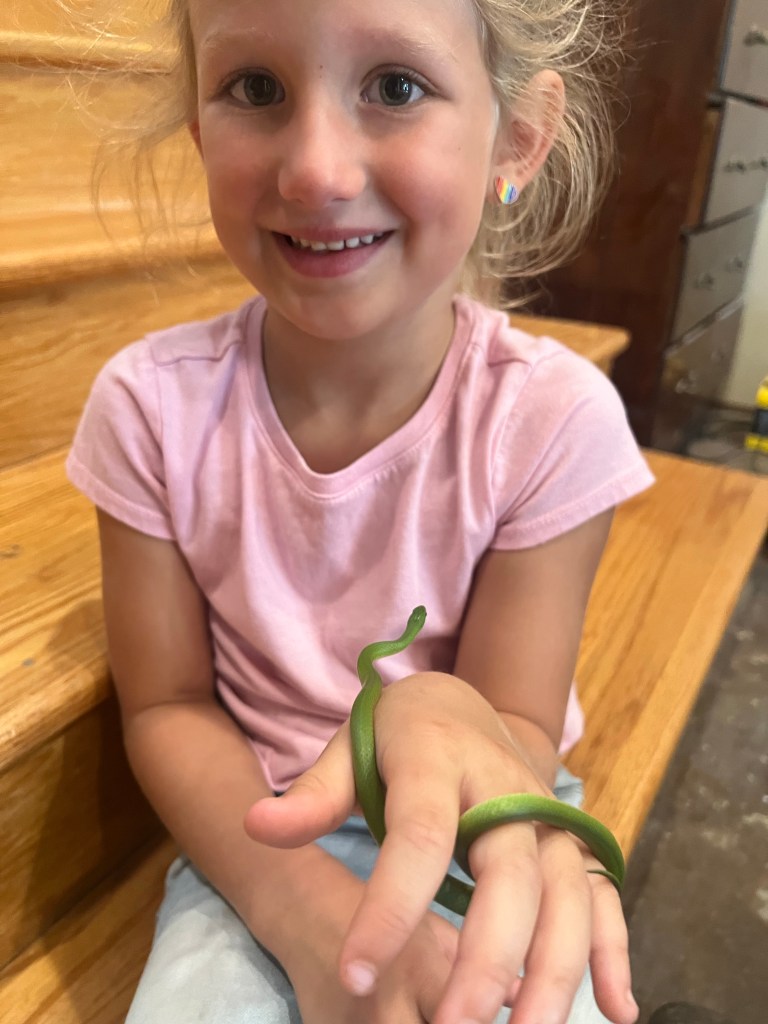
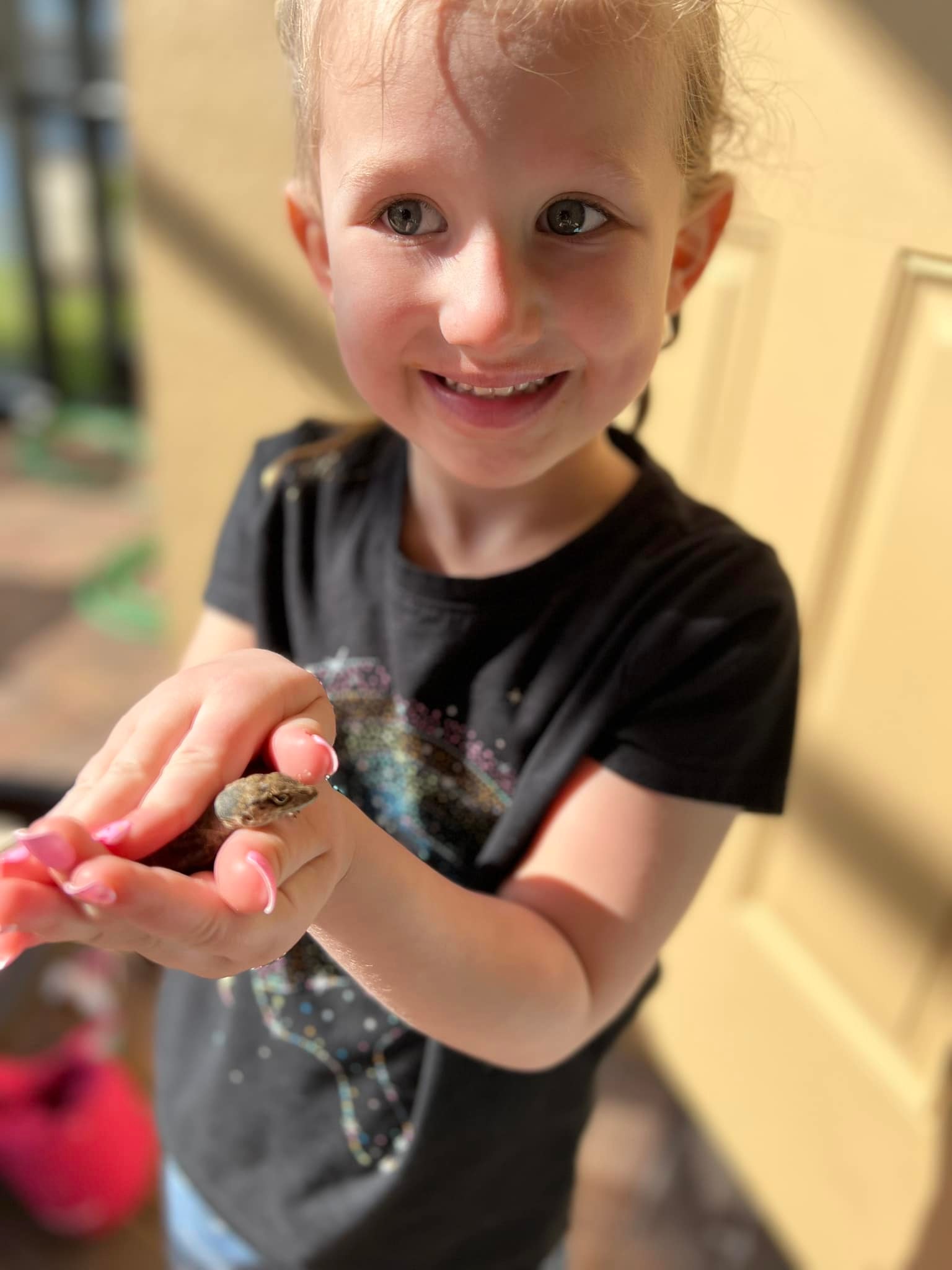
My daughters brought a tiny green grass snake into the house recently. I was working in the kitchen and they excitedly called up from the basement with big news, but before I could turn around, there they were, standing behind me excitedly introducing me to “Greenie.”
Rosie, my five-year-old, fell in love with that little grass snake. She made a habitat for him in a cardboard box with rocks and grass, shade and a little dish of water. It would wrap around her hand and wrist and everyone who stopped by that day got an introduction. She was proud to have had a hand in discovering this little wonder, curious about its tiny tongue and what it eats and where it sleeps and, of course, how to tell if it’s a girl or a boy, which in case you’re wondering, is impossible, even if you Google it.
If she had a say in it, that little grass snake would have stayed with us here, in the house, in that box by her bed. But the rule about wild animals is that they just get to visit. No sleepovers. Rosie cried when her sister helped her release it that afternoon. Then, when I wasn’t looking, she caught it again. And so another round of tears fell when I helped her release it that evening. She held it close to her little chest before setting it free in the weeds and I lingered to be sure the snake didn’t make it in our family Christmas card photos. I didn’t point out the other tiny green grass snake I noticed had met its end on the road a few dozen feet from us.
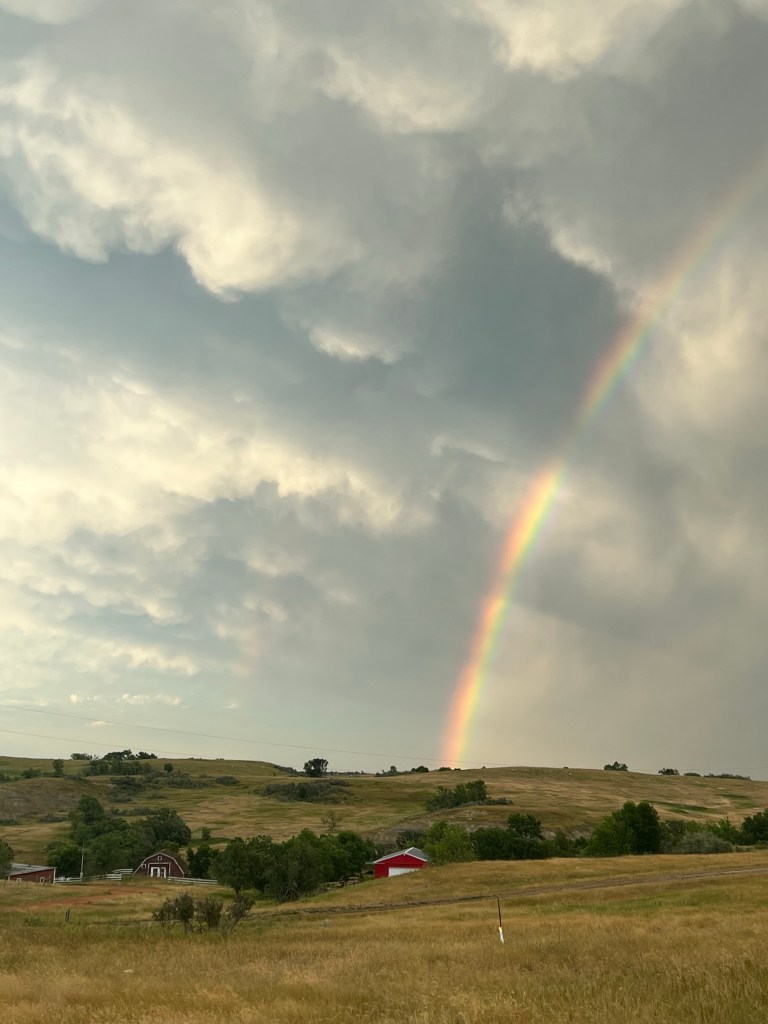
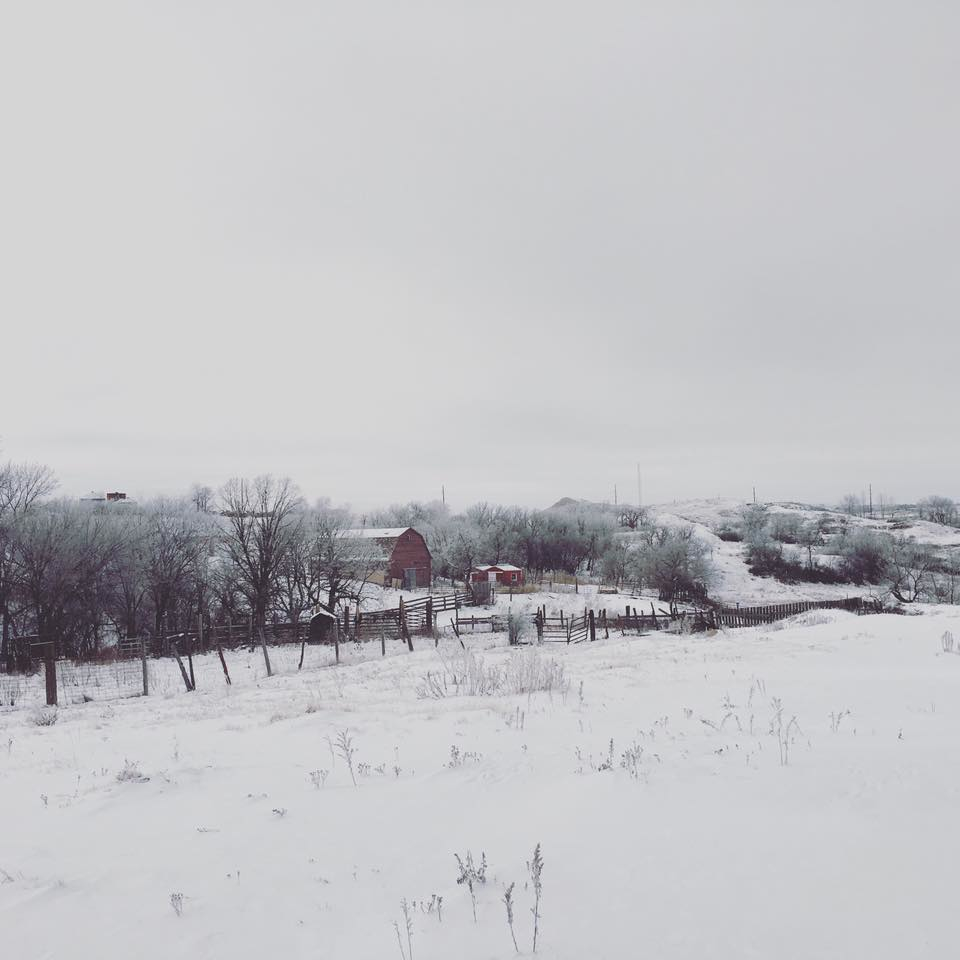
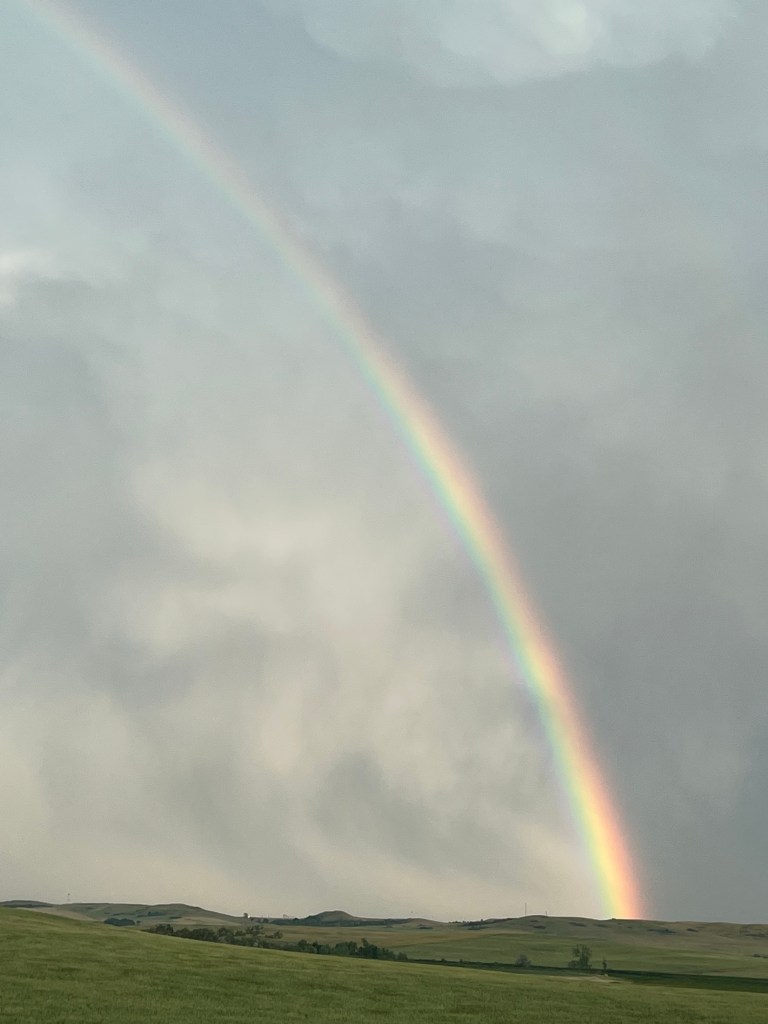
The next evening the humidity brewed up a dramatic summer storm and as it moved across the countryside it left behind a rainbow that refused to give up. I drove toward it the entire 30 miles from town to the ranch and still it held onto its colors so I could see what it looked like against the backdrop of the old red barn. We need to tear that barn down, but it seems that everyone around here is waiting for the other to make the first move. It’s hard to let go, even to things made of wood and stone. In that moment though, I was glad it was there, quietly hanging on to the landscape, slowly and silently fading like old red barns and rainbows do.
A couple years ago, when Rosie was three or so, we were at the start of a long road trip and I asked her if she wanted to color or watch a show. “No,” she replied, “I’m just going to look out the window in case there’s a rainbow.”
I fixed my eyes on the road and the colors stretching over it. I just heard the news that someone I thought would live forever had passed away suddenly and unexpectedly. And this sounds silly, but the news was the reason I stopped on my way home to get my favorite flavor of ice cream cone for the road. It’s the reason I drove a bit slower, a bit more carefully thinking about Rosie and the rainbow and the little green garden snake and the man I knew that was on this earth yesterday and somewhere else today, maybe somewhere rainbows go when they disappear if you want to get poetic about it.
And I did want to get poetic about it I think. I took a walk that evening as the sun was setting and the wind calmed down. I thought I would make it quick and beat the dark and the rain, but as I turned to head the half mile back to the house the sun sunk below the horizon and the sky began to spit rain. I lifted my face up and closed my eyes, trying to feel each drop hit my forehead and then my cheeks, my lips and my hairline and my nose and my eyelids.
In a few weeks I will turn 40 and I will wonder how it happened and I will wonder what I’ve learned in all these years and I will wonder where the time has gone.
But in that moment, on the dark road with my face to the sky, I was alive and breathing with my feet on the earth.
Look up. Look down. Look out. Look around. In case there’s a rainbow. In case there’s a beautiful little green snake.
Listen to the poddcast here or on Spotify or Apple Podcasts
My three-year niece, Emma has a bird book. She stands on the couch in the living room and looks out the window with that book in her chubby little hands and marks the ones she sees. It’s adorable, and that kid doesn’t miss a beat. She’s looking up at the sky whenever she can.
The other day I was walking with all the girls, my two daughters, who are five and seven, and Emma and her sister Ada, who is also five and probably loves animals the most of any kid I’ve ever met. Like, she has a gift with them, truly. Now bear with me here, this all matters because as we approached my house I noticed Emma stop dead in her tracks to stare intently at something way up in a tall tree by the road. When I caught up to her I looked up too and realized that what had her attention was a bird, about twenty feet up in an ash tree, flapping and panicked, trying to escape the small piece of twine that had somehow wrapped around its leg and attached him to a small branch. I later learned it was a cedar waxwing, which explained why other cedar waxwings would occasionally fly in to check on it, wondering why it couldn’t join the flock.
It was heartbreaking to watch, and even more heartbreaking to watch these four little girls discover the bird’s misery. Edie, my oldest, looked at me with urgency and, of course said, “We have to help it! Hurry!” Which is exactly what would have been going through my mind as a 7 year old, and, actually, it was going through my mind as a mom then too, but with a little more apprehension because I was home by myself and I’m afraid of heights and, frankly, a little unnerved by flapping birds. Also, so many things could go wrong in this situation if I actually figured out a way to get up there. Like I wouldn’t make it in time for one, or if I did, the bird might be gravely injured. Or, maybe of more concern, I could be gravely injured, I mean, I don’t have a great track record with ladders.
Anyway, if you’ve ever been in an urgent situation where four innocent and sweet little animal-loving girls are looking to you to SAVE A LITERAL LIFE, you can’t blame me for trying to do something. So they told me they’d keep watch while I ran to the house and got the ladder…and the pickup… because my plan was to, you guessed it, back the pickup up to the tree, put the ladder in the box, climb up there with my scissors and bibbidi bobbidi boo, release the wax wing like a Disney Princess Superhero.
But first I needed to call my sister to hold the ladder, grab me those gloves, and, in case it all went south, divert the attention and call the ambulance. Only a sister would come tearing in the yard in minutes flat after only being told, “there is a bird situation here.”
Turns out, once I got the ladder in the back of the pickup and got to the third rung, I also needed her to give me a pep talk. “If you’re going to do this, you just gotta commit” she said handing me the scissors and then wrapping a tight grip on my leg because even though we both knew that wasn’t going to keep me from falling to a bloody death in the name of a tiny bird, it made us both feel better. Oh, and also she needed to call off the dogs that suddenly came to investigate, both of us imaging that unfortunate scenario.
Anyway, if these girls ever say I never did anything for them, I’m documenting it now in this publication that me, their mother, who is indeed truly afraid of heights, backed our pickup up to that tall tree, placed the ladder in the bed, climbed it, pulled the branch attached to the bird down to my level and detached it, untangled the tiny little bird leg from the twine and didn’t scream once (or at least not too loud) in front of my audience of little girls. In fact, I held that bird long enough for all of them to get a quick, closer look and then let it go, off safe and sound into the trees.
And then I sopped the sweat from my face and calmed my shaky legs and we all went on with our weird, wonderful little lives feeling good about the one we all saved. And Emma marked Cedar Waxwing in her bird book.
Today I want to share a piece that closes out my book “Coming Home.” I wrote it when I was still in my twenties in our first year back at the ranch. I was seeing this place through new eyes, realizing what time can do to us, clinging tight to the things that made me as I was discovering them again.
Those gray hairs I talk about are pushing through strong and I realize in the re-reading, I didn’t define what “grown up” actually means. Is it now? Is it ever?
I grab my flannel and go look for crocuses.
This week on the podcast I sit down with my oldest daughter, Edie, to talk about what it means to be an adult. And why kids like the mud. And yetis. Listen here or wherever you get podcasts.
When I grow up
When I grow up I want to be the kind of woman who lets her hair grow long and wild and silver. When I’m grown I hope I remember to keep my flannel shirts draped over chairs, hanging in the entryway and sitting on the seat of the pickup where they are ready and waiting for me to pull them on and take off somewhere, the scent of horsehair on the well-worn sleeve.
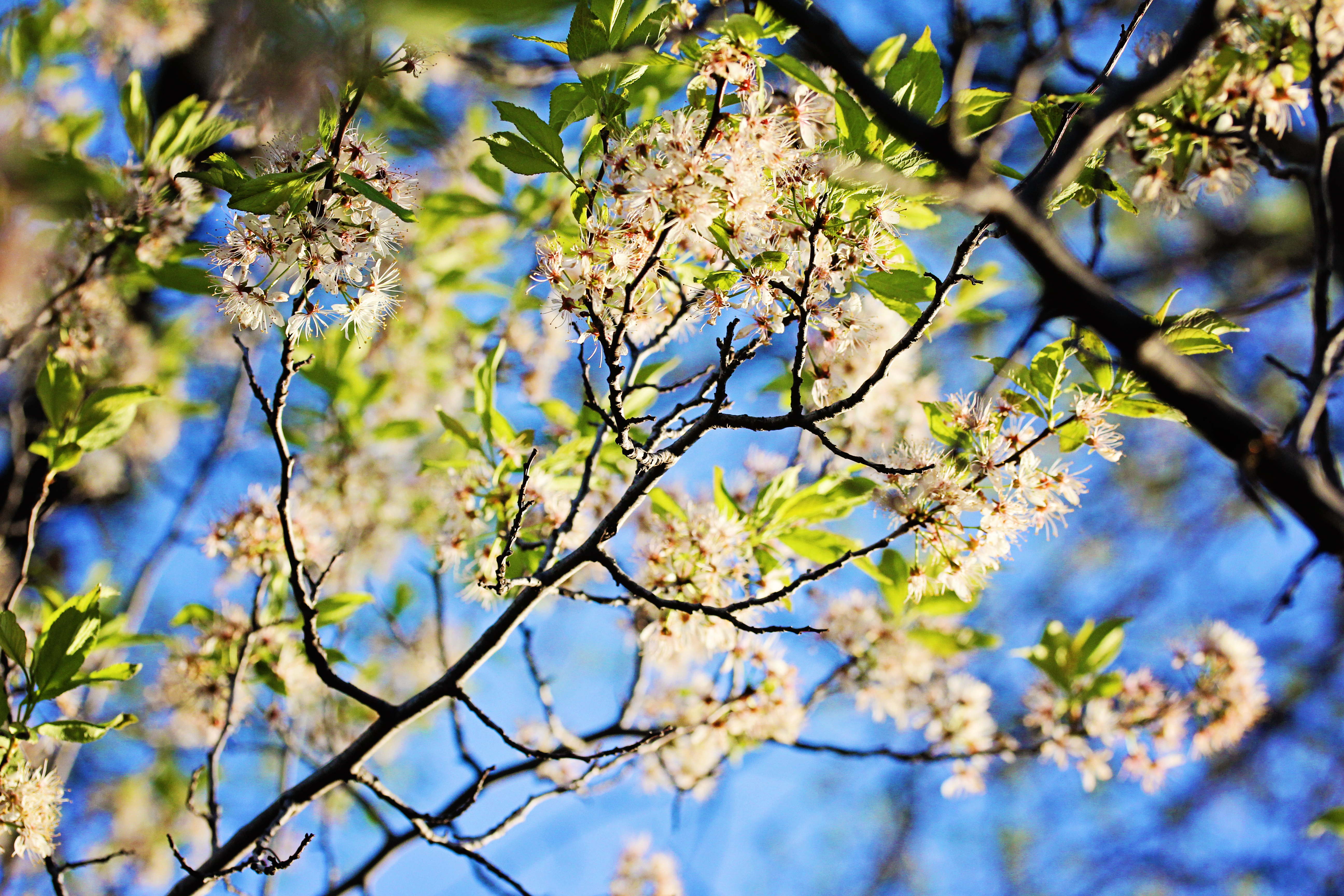
When I grow up I want to remember every spring with the smell of the first buds blooming on the wild plum trees what this season means to me. When I grow up I pray I don’t forget to follow that smell down into the draws where the air falls cooler the closer you get to the creek and the wind is calm.
When I grow up I hope I don’t find I have become offended by a bit of mud tracked from boots onto the kitchen floor. I hope I keep the windows open on the best summer evenings with no regard for the air conditioning or the dust, because a woman can only be so concerned with messes that can be cleaned another day, especially when she needs to get the crocuses in some water.
When I’m older and my memory is full, I hope that the smell of damp hay will still remind me of feeding cows with my dad on the first warm day of spring when the sun warmed the snow enough to make small rivers to run on our once frozen trail. I hope it reminds me how alive I felt wading in that stream while he rolled out the bale and I tested the limits of the rubber on my boots.
And when my hair turns silver I hope I remember that my favorite colors are the colors of the seasons changing from brown to white to green to gold and back again. I pray I never curse the rain and that I don’t forget that next to the rosy flush in my baby’s cheeks, rain is my favorite color of them all.
Yes, when I’m old and my knees don’t bend the way they need to bend to get me on the back of a horse, I hope I’m still able to bury my face in her mane, to run my hands across her back and lean on her body while I remember the way my spirits lifted as she carried me to the hilltops.
I hope I recall how the first ride of spring made my legs stiff, my back creak and my backside sore, even as a young woman with muscles and tall boots.
Yes, boots! When I am old I hope I will wear my red wedding boots every once in a while and remember how I stood alone in them out in the cow pasture as a young woman waiting for the horses and wagon to come over the hill and take me to the oak tree where my friends and family gathered and the man I loved was waiting to marry me.
My red boots will remind me, so in all the shuffle and lost things that become our lives, I hope I remember to save them.
And as I watch the lines form on my husband’s face, little wrinkles around his eyes from work and worry, I hope I remember to say something funny, to tease him a bit, so I might be reminded again how he got the most important ones, the ones that run the deepest.
Yes, when I’m old and my hair is silver and long and wild, I hope those things that made me—the dirt turned to mud, a good man’s laughter, the soft breath of my child asleep on my chest, the strong back of a horse, the rain that falls on the north buttes and the scent of summer rolled up in a hay bale at the end of a long winter—will be there to see me out, happy and softened and weathered, just like the flannel I’ll remember to leave draped over the chair…
This week on the podcast we catch up on getting back on the horses in the spring, my dad’s horse-whispering skills and some of our epic horse wrecks. Which brings us to wishing we didn’t know how it feels to hit the ground when we watch our girls ride the big horses by themselves. We also catch up on my Nashville plans and how Chad had to rescue me once again from the side of the road. Listen here or wherever you get podcasts.
Today it’s raining. Not a winter rain, but a true spring rain, one that smells like dirt turning to mud, one that lingers to soak the ground, not a lick of wind, it feels warm even though it’s barely above freezing.
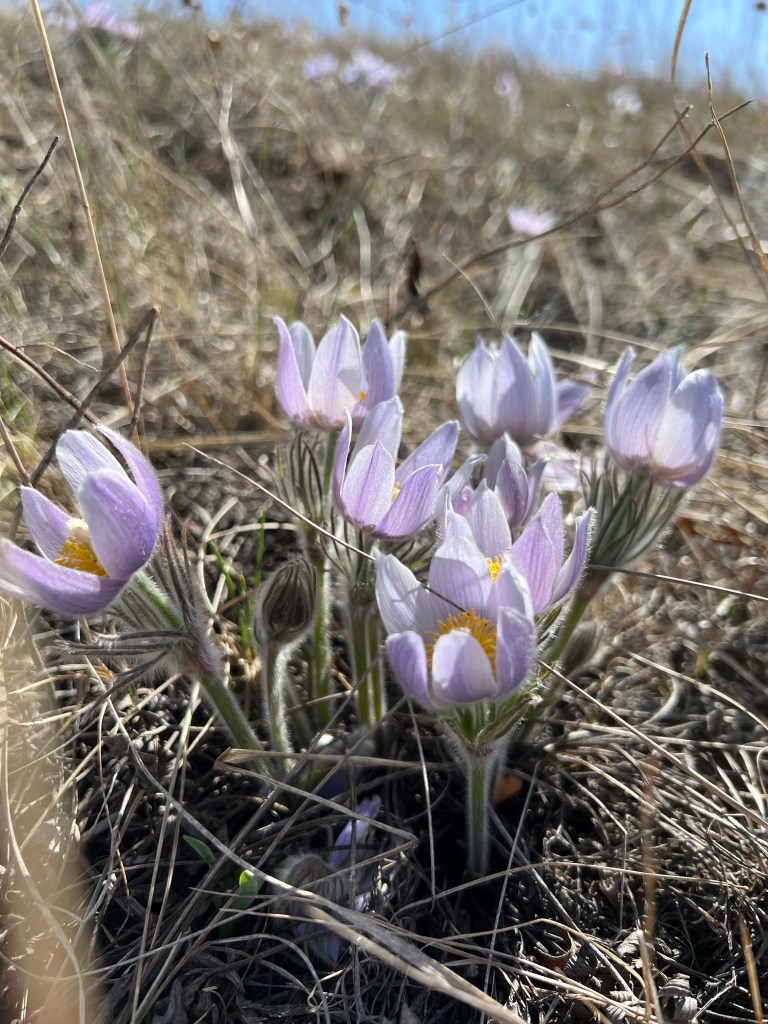
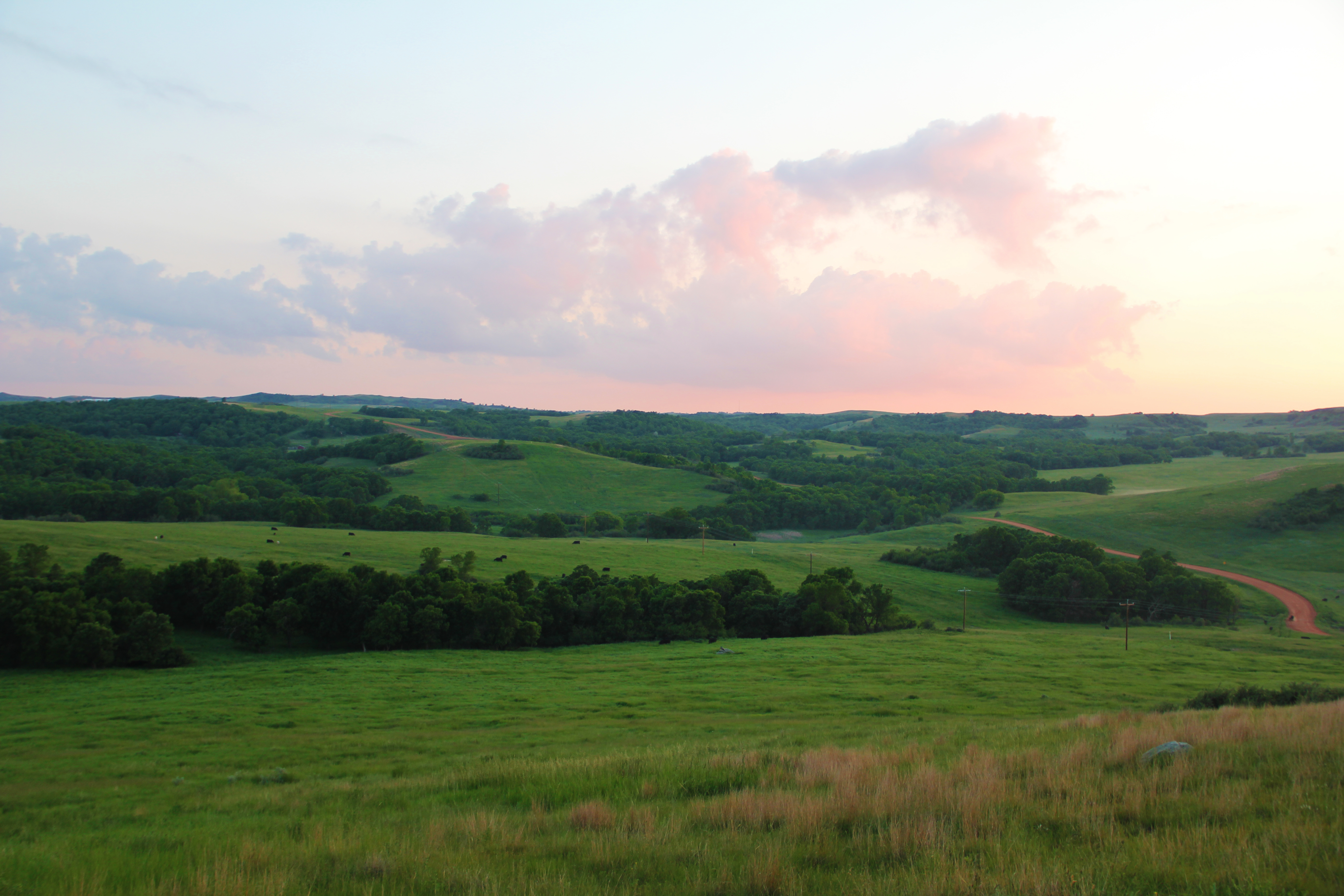
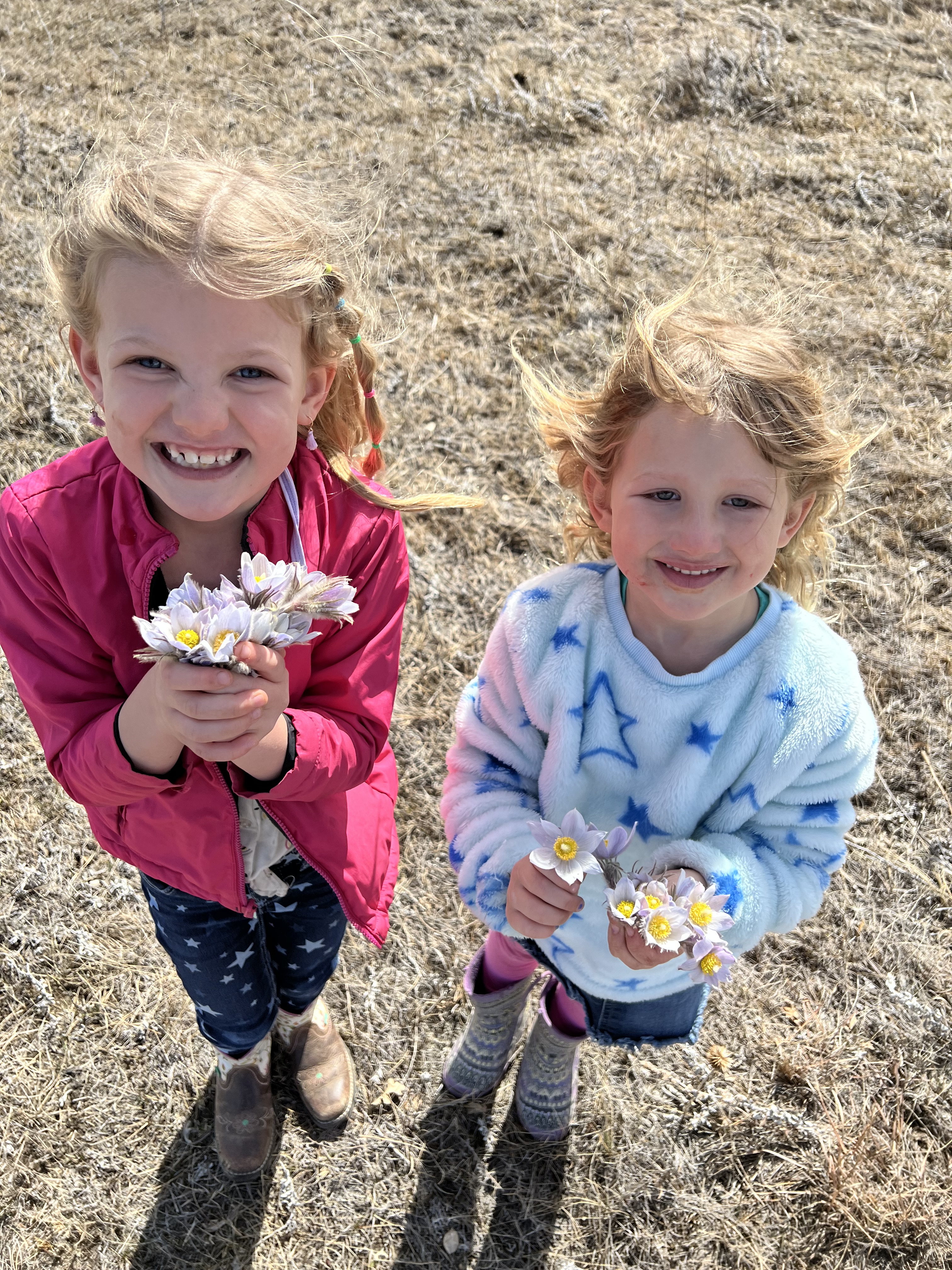
Last Sunday I took my daughters out to the hilltops to look for crocuses. I knew it was probably a bit too soon, but when the first calves of the season are born and the snow disappears from the high spots, it’s time to check. And we did find some, though they were still sucked up tight into their buds, not quite ready to open up to the sun. But that was good enough for us. We’ve waited all this time, we could wait one more day. These are the rituals that come with the seasons, and they take patience.
Our hike around the hilltops on that 60-degree day found us next in the barnyard to greet the horses. After winter months out to pasture and bribing them in for scratches with oats and sweet feed, it was time to put on their halters and brush off their thick coats and get reacquainted.
In these moments, it seems like last fall was a lifetime ago, back when their coats were sleek and shiny and us humans were confident on top of them. It’s been months since we last saddled up the girls’ old geldings. Seven months now that I’m counting.
Seven months is a long time in the life of these little girls. Since then, both have turned another year older, they’ve stretched out inches, they’ve built new muscles and found the answers to new questions. They were ready to see what they could do with these horses now that they were all grown up.
Seven months in old-sorrel-horse-years has made them better, more understanding, a little more gray around their muzzles, and just fine with the task of trotting and turning around the still-sorta-muddy-but-dry-enough arena.
My husband and I stood shoulder to shoulder in that dirt watching our daughters get tested for stubbornness and will by their animals. I think we both held our breath, equally excited for the months ahead and lonesome for those springs that have passed, replacing our tiny, chubby, giggling daughters being lead around the pony pens with these creatures, lanky and independent and capable enough to do it themselves.
Oh, I know from experience, there’s nothing like being a young girl out here on this ranch in the spring! Nothing. The possibilities stretch out before you like that creek full of spring runoff, winding and glimmering and equal parts rushing and patient. Everything around you is waking up, and you can go out in it because you’re a part of it, reaching your bare arms up to the sun, unfolding out of your winter bud like that crocus today.
This spring, my daughters will take to the trees behind the house without having their mother as their guide. They will find a favorite, secret spot, they will wear down their own trails. They will take their baby dolls along and pretend they are mothers out in the wilderness. They will build forts and bring picnics and pick ticks off their jeans and drag mud into the house, and the world outside these doors will turn green as their skin turns brown and their hair turns gold.
They’ll scrape their knees running too fast on the scoria road, they will slap at mosquitoes, they will fight about silly things that are their most important things, and they will come in crying.
And they will have each other and their horses and the hilltops and the budding wildflowers blooming along with them. That’s all I ever wanted.
Well, I made it home for Elko on Sunday after a 17 hour straight drive. Turns out it takes a couple days to recover your sleep equilibrium after a trip like that. It also takes a few days to come back around to the real world after an experience like the National Cowboy Poetry Gathering. It was such an honor to be a part of it.
Click here to read an interview with myself and poets Yvonne Hollenbeck and Patricia Frolander about opening up the festival with our “Welcome to Elko Town” Show in the Elko Daily News.
This week’s podcast I sit down with my husband and rehash all the highlights of the trip while he patiently listens, covered in sheet rock dust from holding down the home construction project and keeping the kids alive while I was away. I am lucky to be able to be gone, and even more lucky to have place like this, and people like him, to come home to.
So that’s what the column is about. Finding refuge and grounding in my walks through the hills, where I’m most inspired. Most lonesome. Most nostalgic. Most myself.
Listen to this week’s column here or on Spotify, Google or Apple Podcasts
Sometimes, when the day is coming to a slow close and my head is spinning — with worry and lists, schedules and as the dishes sit waiting on the table, the kids playing in the yard, desperately needing a bath — I slip on my boots and head out the door.
I’m usually not gone long, and my husband has grown accustomed to this behavior, understanding it’s not a storm out, or a give up, or a frustrated stomp, but a ritual that I need to put a flush in my cheeks and make sure I’m still alive out here where the trucks kick up dust on the pink road and the barn cats quietly wait in the rafters of the old buildings for a mouse to scatter by.
I tell him I need to go walking and he knows which trail I’ll take, down through the barnyard, past the water tank and up the face of the gumbo hill, the one that lets you look back at the corrals where the yard light glows, the one that gives you the perfect view of the barn’s silhouette, tall and dark against a sky that is putting on its last show of the night as it runs out of light.
It’s a ritual that needs timing, because that sun, once it decides, goes quickly to the other side of the world.
Sometimes if I get out early enough, I head a little further east to check out how the light hits the buttes in my favorite pasture, making the hills look gold, purple and so far away. Sometimes I just keep walking until dark. Sometimes the evening finds me sitting on a rock or pacing in the middle of the ancient teepee rings that still leave their mark on the flat spot on the hill. I like to stand there and imagine a world with no buildings and no lights on the horizon. I examine the fire ring, close my eyes and think about sleeping under the leather of a teepee, covered in the skins of the animals, under a sky that promised rain and wind and snow and a sunrise every morning.
The same sky that promises me these things, but cannot promise anything else.
I think of these people, the ones who arranged these rocks, hunted these coulees, and watched the horizons and I am humbled by the mystery of the ticking thing we call time.
And I wonder what they called it.
Because I take to those hills and look back at my home — the sections of our fences that have been washed away by the melting snow, the old barn that needs to be torn down, the threshing machine looking ancient and ominous in the shade of the hill — I’m reminded that time takes its toll on this land the same way it puts lines around the corners of my eyes, and there is not one thing man can make to stop it.
This understanding is neither comforting nor nostalgic. It just is. Time builds roads and oil wells, new houses and fences and bigger power lines stretching across a landscape. Time grows the trees, erodes the creek banks, crumbles the hills with the weight of the snow, puts blooms on the flowers and withers them away just the same.
I climb that hill, look back at that farmstead and remember those kids we used to be, running through the haystacks and searching the barn for lost kittens. I climb to that hill and I remember my grandmother in her shorts and tank top, exposing her brown skin while she worked in the garden. I remember my first ride on a horse by myself, getting bucked off near the old shop, hunting for Easter eggs with the neighbor girls in the gumbo hills behind my grandmother’s house, branding cattle in the round pen.
From the top of the hill, I could still be ten years old and my grandmother could be digging up potatoes. From the top of the hill, my cousins could be hiding in the hay bales and my dad could be waiting on the side of the barn to jump out and scare them, sending them running and laughing and screaming. From the top of the hill, the neighbor girls could be pulling up in their dad’s pickup, dressed in pastels and rain boots, ready to hunt for eggs. From the top of the hill, you don’t notice all the work that needs to be done on the fences, the water tanks, roof of the shop and the crumbling barn.
From the top of the hill, that yard light is still glowing the same color it was when I would come in from an evening chasing cattle with my dad or catching frogs with my cousins to a yard filled with the smell of my grandmother’s cooking.
From the top of the hill, the only thing certain to change is the sky and everything else is forever.
Listen to the podcast where Chad and Jessie sit down to talk about highlights of the year at the ranch and why margaritas and cookies should be included in more New Year’s resolutions. Listen here or on Apple Podcasts or Spotify.
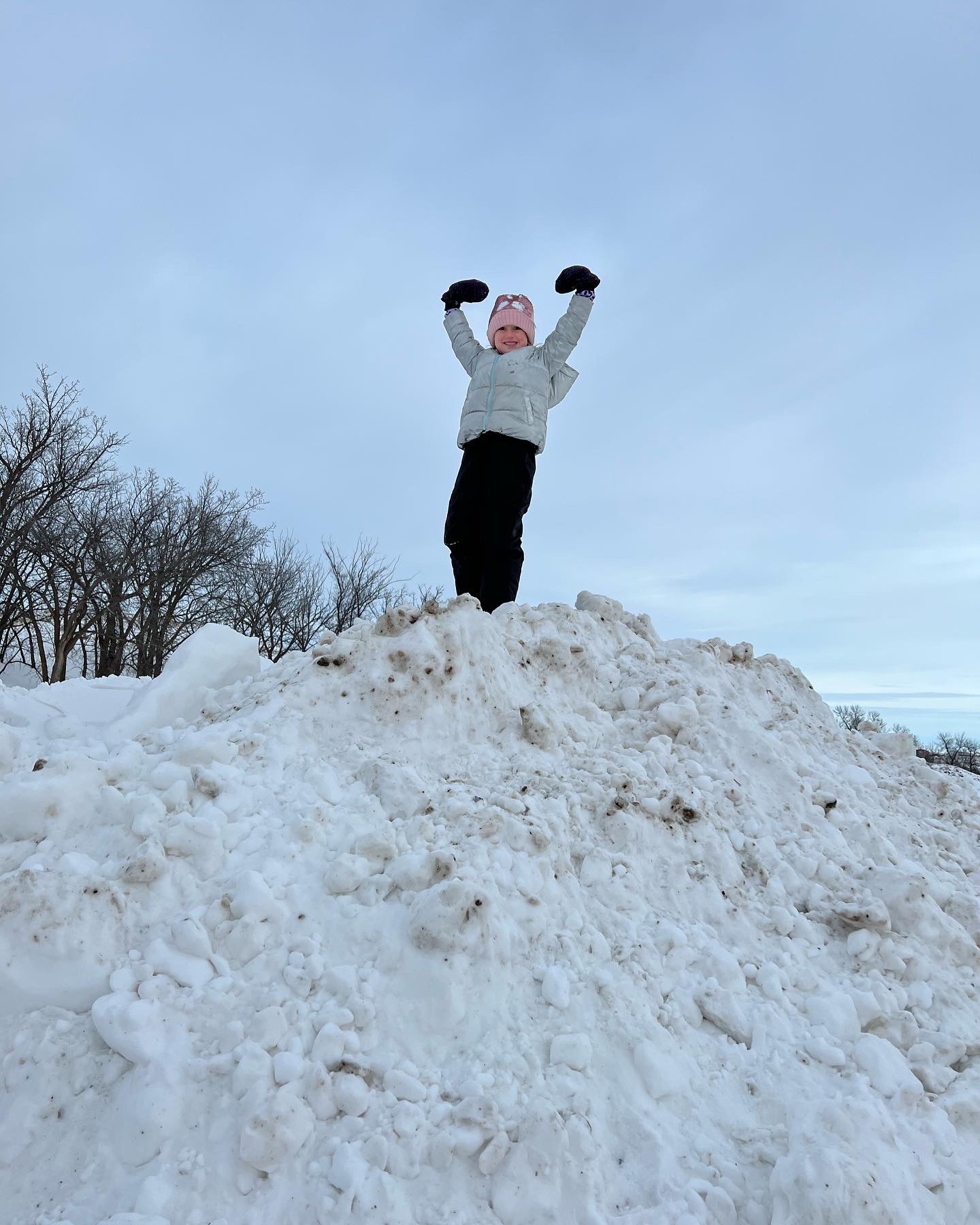
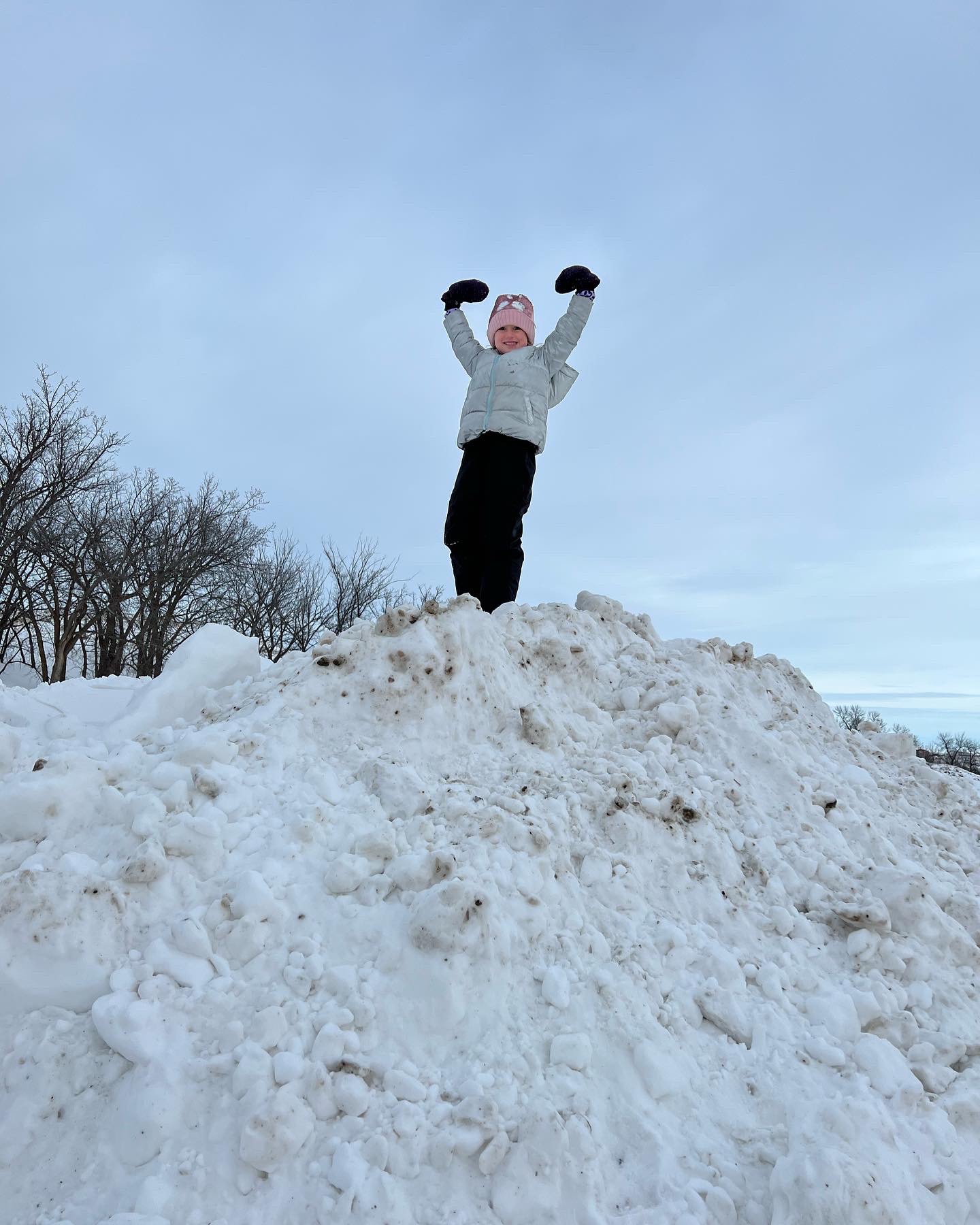
Yesterday I watched my young daughters and their cousins fly down a slippery hill on a little orange sled, negotiating time after time who rides with whom next. Who sits in the back to hold on and who gets the front to take in the view and the likelihood of snow on their cheeks. We were experiencing a regular heat wave here. Thirty-seven above zero was a 50-some degree temperature shift toward a warmer winter day, and even though we could only find one sled buried under the giant drifts, we took it and we went to play.
Because the weather had been so cold, so well below zero for weeks, the snow piled so high that we haven’t been able to play in it. And around here, besides filling the creeks in the spring, that’s the best thing about snow.
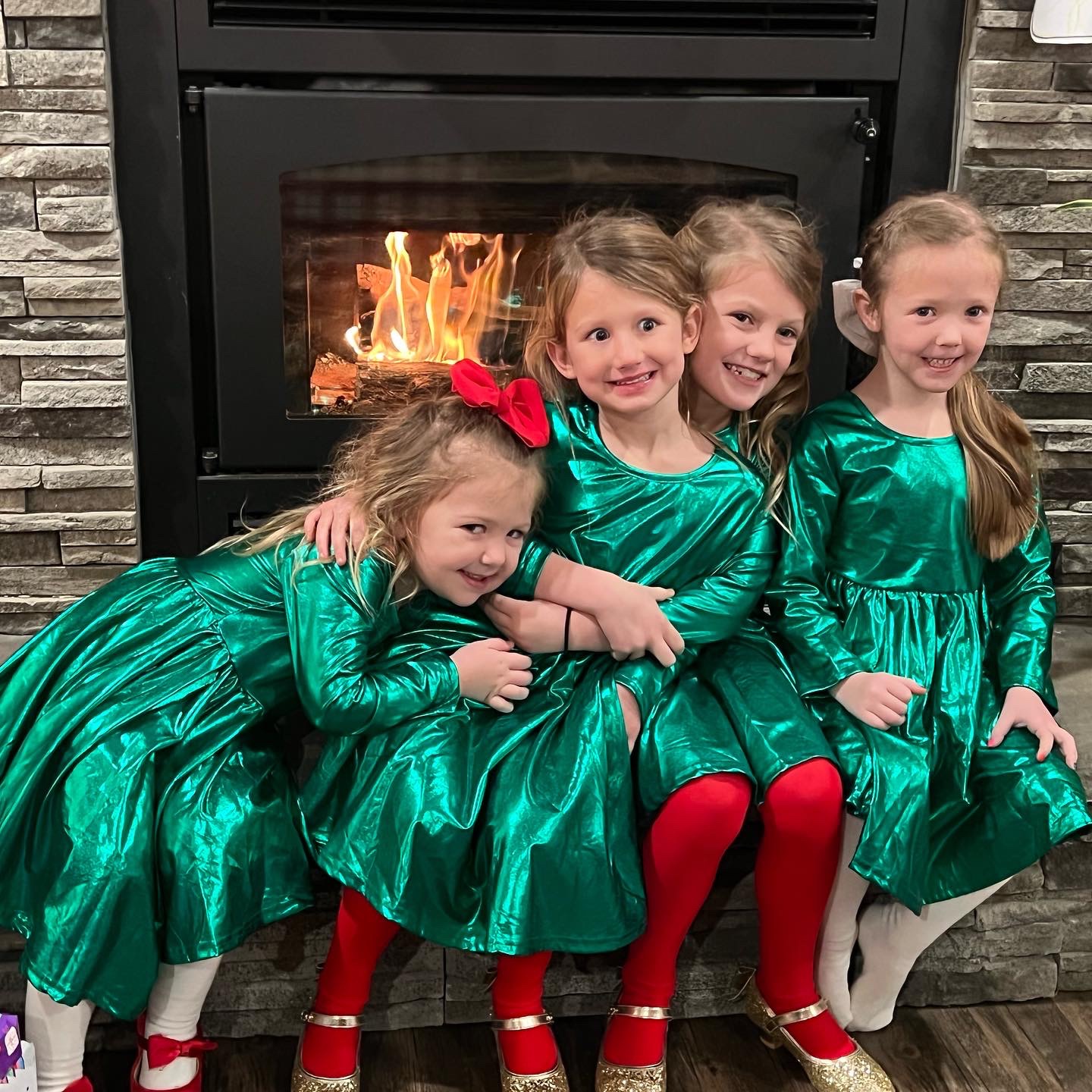
We got a blizzard for Christmas, and a broken tractor, and a couple chances to get stuck in our yards and dig each other out. But the New Year forecast doesn’t look as brutal and so that’s the weather report in the quiet of the morning, from a mom sitting under the glow of our Christmas tree lights in that timeless, wonky, magic space between Christmas and the New Year, the dishwasher humming before sleepy kids wake up, reminding me that it’s all a little bit of a mess around here, there’s always something to be done. And we’re lucky for it. And also we’re tired. And overwhelmed sometimes. And grateful. And worried and wondering if we’re doing any of it right while simultaneously holding our ground on what we fiercely believe.
At the turn of the New Year I always feel compelled to reflect, as it seems we all do, on time and how it’s changed us, our family, and the promises I intend to make from here on out. But the further I get into this life the more I realize there are things that are so fundamentally out of our control, that maybe the ultimate gift we can promise to give to ourselves and those around us is a bit of grace.
Dear New Year,
I promise to do the best that I can most days, and other days, when I am not at my best, I promise to sleep on it and try again and be OK with that.
New Year, I won’t ever stop declaring it. If it’s wonderful, I’m saying it out loud so that I hear it, and you hear it and they hear it. We need more talk about the good things. But if it’s bad, if it’s bad in the ways that truly matter, I’m declaring it, too. I’m going to be better about that one, because I’ve learned this year that’s just as important. Because in the saying it out loud we give ourselves a chance to grieve, or to hope, or to find solutions, or to be there for one another.
New Year, I am going to continue eat the cookies. And order the steak. And pour the margarita when the occasion calls for it. Life’s too short. But I’m also going to continue to walk to the top of the hills to take in the view, and I’m taking the kids with me.
Because as I watch them dig tunnels through snow banks, declare themselves queens of the snow drift mountains, as they negotiate flying down the hills holding on to one another, I promise, New Year, if there’s fun to be found, if there’s beauty, I’m gonna be out there looking for it. That’s the most important one to me, it always has been, but more so now that these kids are watching.
This week on the podcast I sit down with my husband to talk about why it’s become so important to me to finish reading an actual book, and then he tells me why he thinks one of the characters in Charlie and the Chocolate Factory is the worst villain of all time. We talk libraries and old cell phones, bow hunting and the new wild animal that has made its appearance at the ranch. Listen here or on Apple Podcasts or Spotify.
I’m doing a mental health check. As the sun sinks in the sky earlier each evening and the frost settles into the mornings to glisten with the sunrise and show us our breath as we hurry through chores or out to start cars or to grab the morning paper (do any of you still get the morning paper?), it’s time to realize that I can’t lean on the sun as much anymore.
Winter is creeping in and I’ve decided to be proactive about how I’m going to handle it. And how I’m going to handle it is to pretend like it’s 20 years ago.
And I’m not trying to come across with major “good ol’ days” energy exactly, but I feel like 20 years ago there was a lot more space in my head for me.
Think about it for a minute. When was the last time you stood in line for something, maybe the grocery store aisle or the post office and just stood there? No digging your phone out of your pocket to scroll the latest updates on social media or the news feed custom made for your specific brand of dread and drama? `When did we stop making small talk? When did we make the switch from the urge to notice what’s happening around us to absolutely needing to watch a stranger make a chicken dish, or a fool of herself, or put on a full face of makeup or be absolutely outraged about something on Instagram?
In the middle of a Thursday evening errand, I would be much less stressed if I just read the covers of tabloids and Women’s Health magazines in the rack to pass those three to four minutes instead of checking work email or engaging in an endless scroll of cute outfits I can’t afford and triggering headlines of world news I absolutely cannot change, all while waiting to pay for the avocados I need for that Instagram chicken dish.
There was a time when we didn’t fill each empty, slow-moving minute with information and entertainment, wasn’t there? I mean, at least I remember it as a child of the 80s and 90s. We might be the last generation to have lived through a time when you couldn’t just Google it, and had to rely on resources like the evening news to get the scoop, your friends for fashion advice, your grandma’s recipe box for a dish and your parents to reassure you that it’s all going to be OK. By today’s standards of drowning in information and trying to sort fact from fiction, we were living in the dark ages. And if anything, that explains the questionable hair choices.
Anyway, I’m not trying to make a big case for what is better or worse here. Time ticks on and we all tick with it. It’s just that right now I’m feeling overwhelmed and, along with my young daughters’ constant refrains of “mom, mom, mom,” I think one of the culprits is the continuous dinging and flashing of my phone.
Here’s where my husband would say, “just ignore it,” and then I would roll my eyes because I have made it my job to not ignore it. I’m a communicator. I run a business and a non-profit. All the work that I do is tied to making sure I’m getting the message out and connecting people with the stories I tell. And the paradoxical thing is that I’m doing it in all the ways that are currently making me crazy. I have to stay connected. This is how we communicate now, and honestly it has created for me a certain type of freedom, opportunity and audience that I could have only dreamed up when I was on the road 20 years ago, driving from town to town to sing songs about North Dakota in a half-filled room of strangers in Kansas.
But I think there’s a fine line a lot of us cross back and forth between constant connection and being present. And right now I’m starving for presence, if not for my mental health, but more importantly to model it for my children. Because I want these daughters of mine to know how to listen to the voices in their heads as they grow in the quiet moments of their youth, the ones that whisper to them, “This is who you could be, darling. This is who you are.” I want to help them to be comfortable in the silence, because that’s when the music is made.
So as fall gives over to the cold blanket of a long winter, I’m not making any big declarations really, except to notice what’s happening here. And then maybe I’ll read more books before bed, take more walks and cook more recipes in my grandmother’s handwriting. And when we’re all together or maybe more importantly, when I’m alone, I’m turning off the WiFi and Bluetooth connections to all the information and stories in the world to free up some space to make our own.
We don’t give this time of the year much recognition because we’re all scrambling to get work done before winter comes, so on the podcast I sit down to recognize it and talk it out with my husband. The conversation turns to fall work and food, naturally, because we’re up north and we’re getting cold and we’re starving for carbs and cream. Hear why I thinks Chad would be a good contestant on reality game shows and learn why my all time favorite meal was after I jumped out of a plane over the beach.
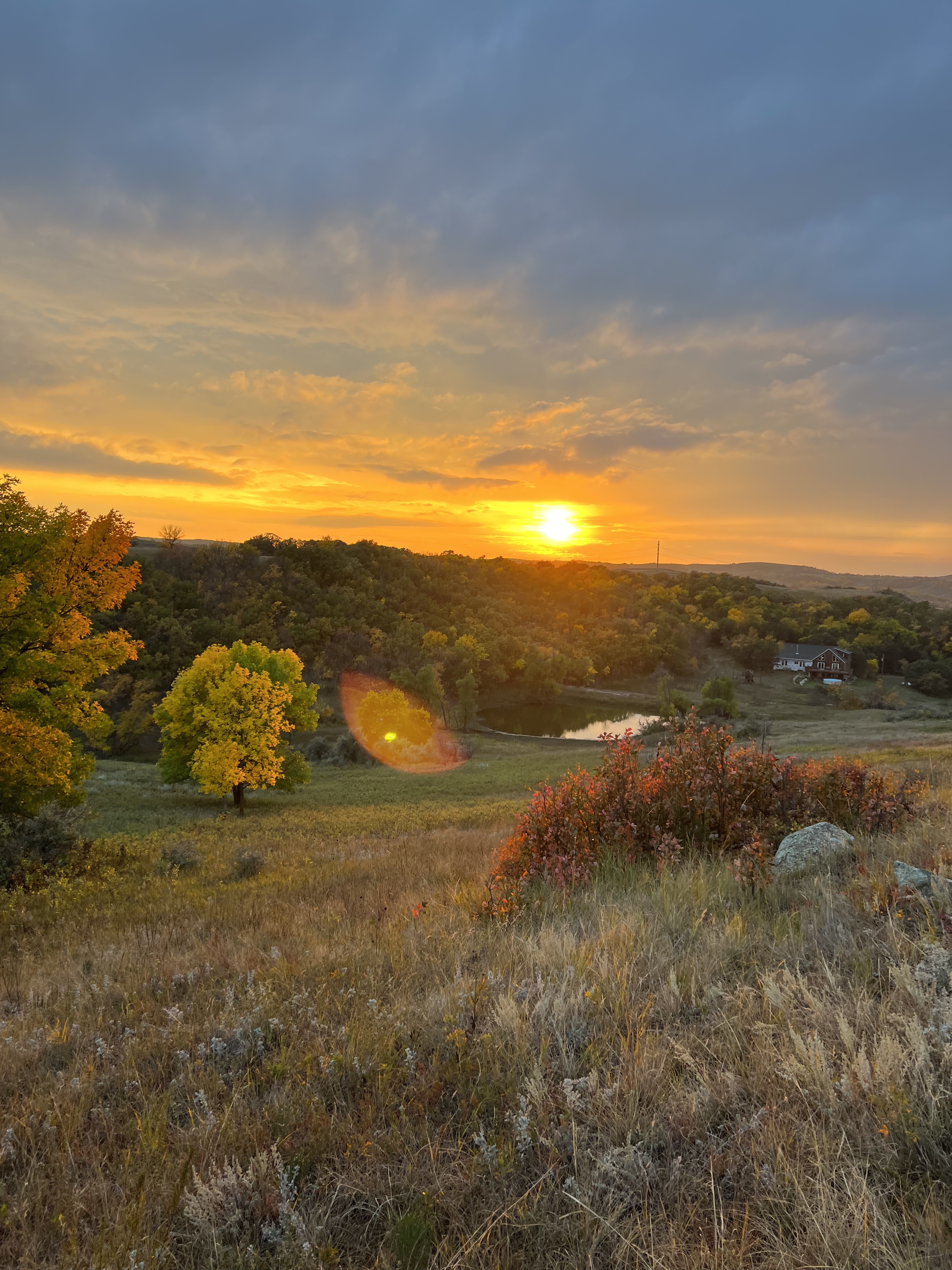
There’s a moment between summer and late fall at the ranch that’s so good at being glorious that it actually makes us all believe we could last forever under a sky that’s bright blue and crisp and warm and just the right amount of breezy all at the same time.
Up here we’re easily swayed to forget about the drama that is our seasons. I imagine it’s a coping mechanism we develop that gets us crazy stoic people through -20 degree temperature snaps.
It’s forgetting that gets us through, but it’s remembering too. The combination is an art form.
Because at -20 degrees we remember that one-day it will be sunny and 75.
And when it’s sunny, 100 degrees and 100% humidity and there’s not a lake in sight, we remember the -20 degrees and somehow find a way to be grateful for it all.
Yes we keep taking off layers and putting them on again until we make ourselves the perfect temperature.
Funny then how we’re not really good at giving the in-between moments the credit they’re due around here. We usually grab them up and soak them in just enough to get some work done on a horse, paint the house, wash the car or get the yard cleaned up for winter.
Because we’re taught up here to use those perfect moments to prepare us for the not so perfect ones that are coming.
That’s why fall, though a romantic season for some, gives me a little lump in my throat that tastes a lot like mild panic.
Because while the pumpkins are nice and the apple cider tastes good enough, I can’t help but think that autumn is like the nice friend who slowly walks over to your lunch table with the news that your boyfriend doesn’t want to go out with you anymore.
And my boyfriend is summer. And when he’s gone, I’m stuck with the long and drawn out void that is winter promising Christmas, a hint of a sledding party and a couple shots of schnapps to get me through the break-up.
Hear what I’m saying?
But the change is beautiful. I can’t help but marvel at it no matter its underlying plot to dry up the leaves and strip them from their branches and jump start my craving for carbohydrates and heavy whipping cream in everything.
So I always decide to give it the credit it’s due when it starts to show off in full form, taking a break for the office and house work to marvel at the leaves, collect some acorns and walk the trails the cattle and deer cut through the trees during the heat of summer.
I will never call this moment a season, it’s too fleeting and foreboding for that, but I will reach out and touch those golden leaves and call it a sort of magic.
The kind that only nature can perform, not only on those leaves, but also on the hair on a horse’s back, the fat on the calf, the trickling creek bed, the tall dry grasses, used up flowers and a woman like me.
Yes, I’m turning too. My skin is lightening. My hunger unsuppressed. My eyelids heavy when the sun sinks below the hill much earlier than my bedtime.
My pants a little tighter with the promise of colder weather.
Ok. I’ve been reminded. Summer–a month of electric thunderstorms and endless days, sunshine that heats up my skin and makes me feel young and in love with a world that can be so colorful– is over.
And so I’m thankful for the moment in these trees to be reminded that I have a little time yet, but I best be gathering those acorns.