Sunday Column: A new season…

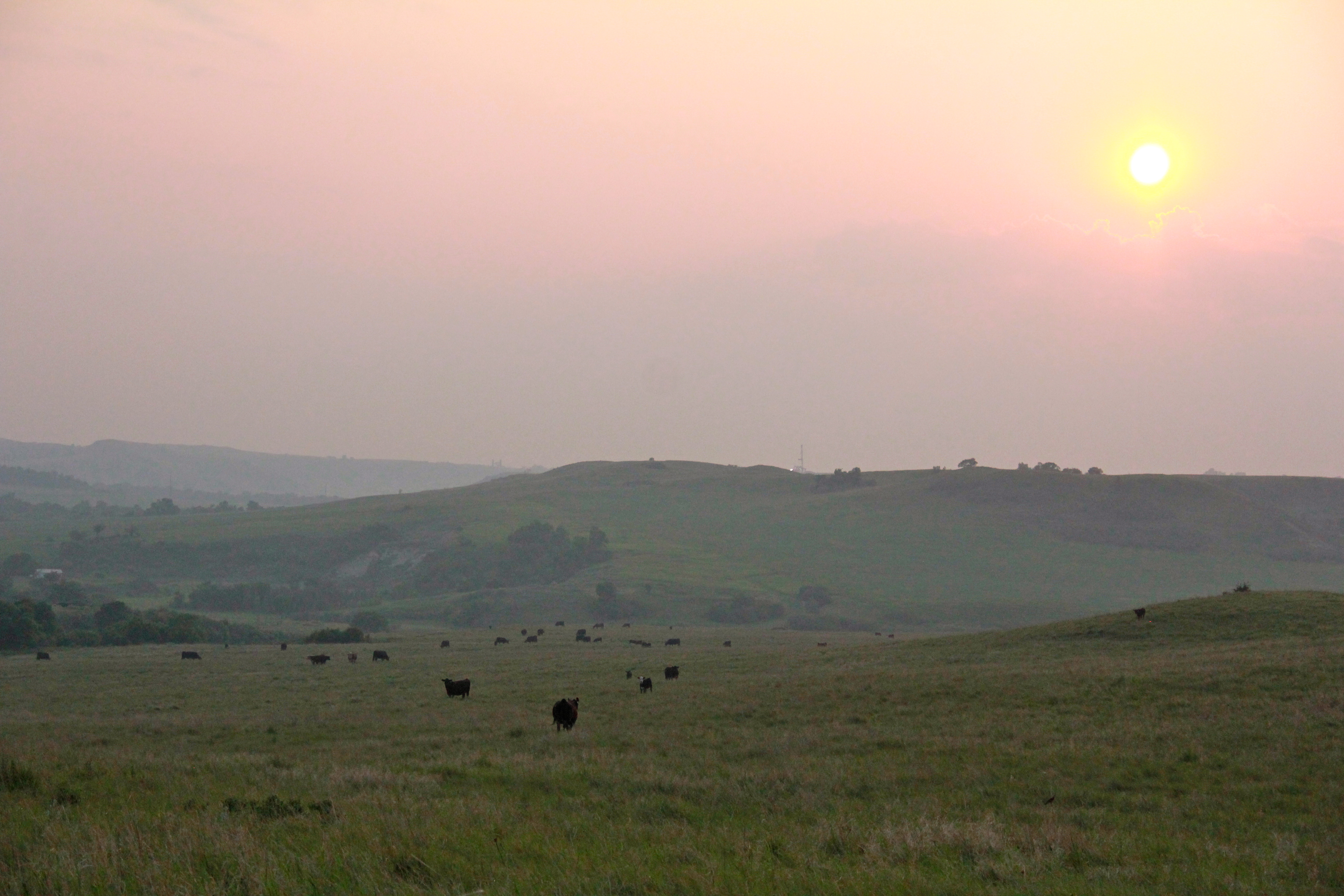
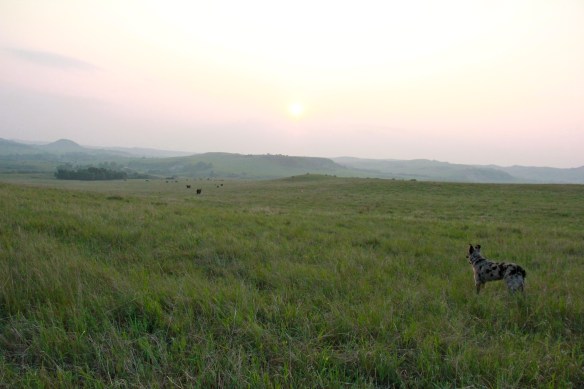
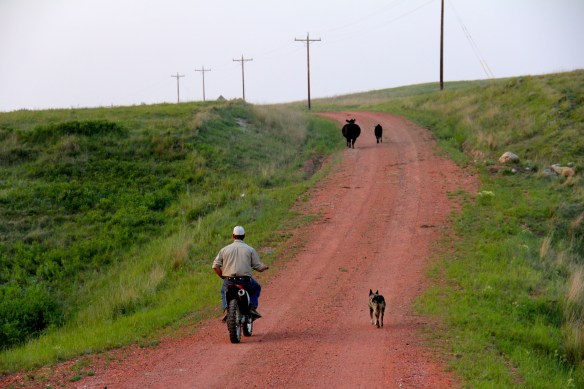
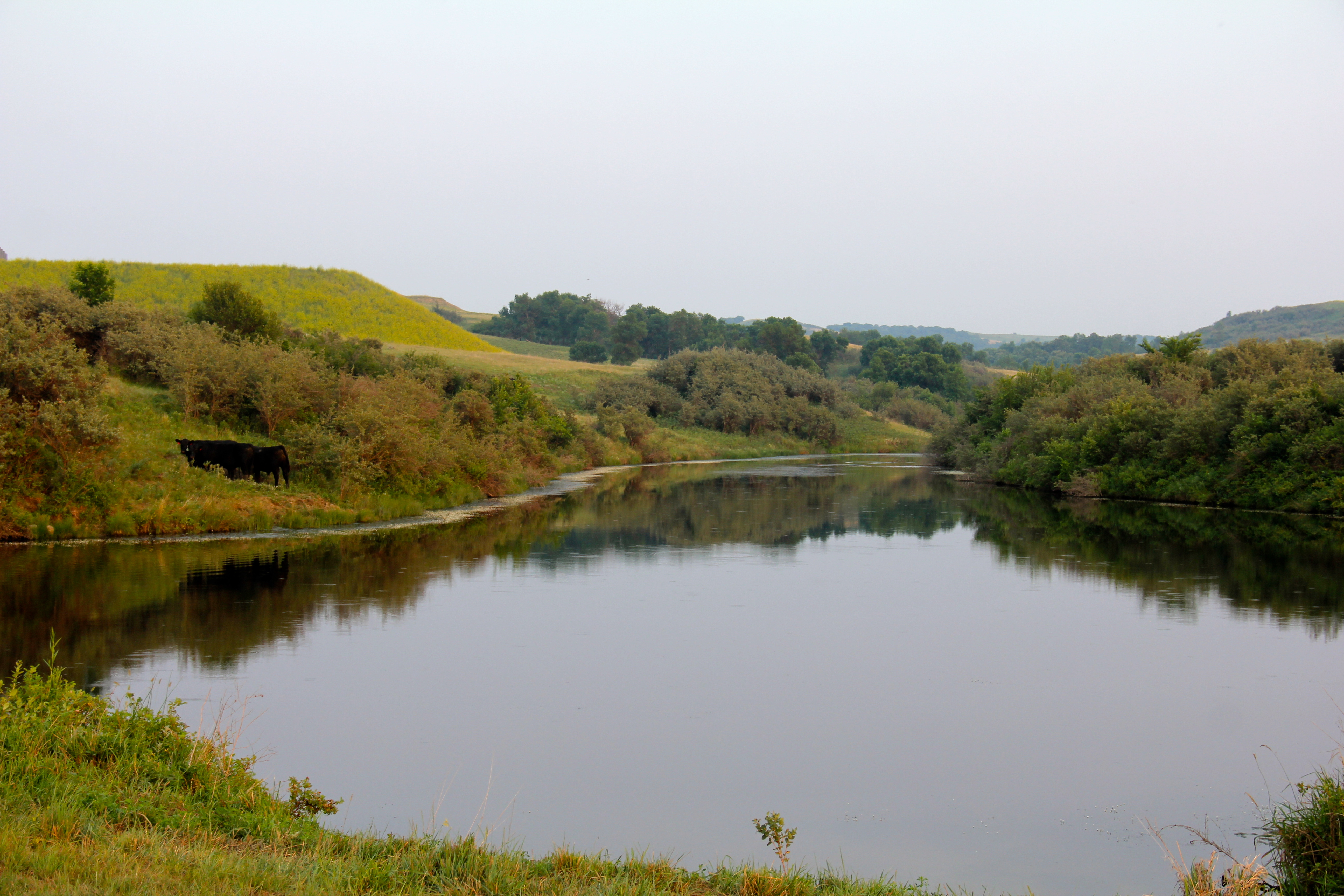
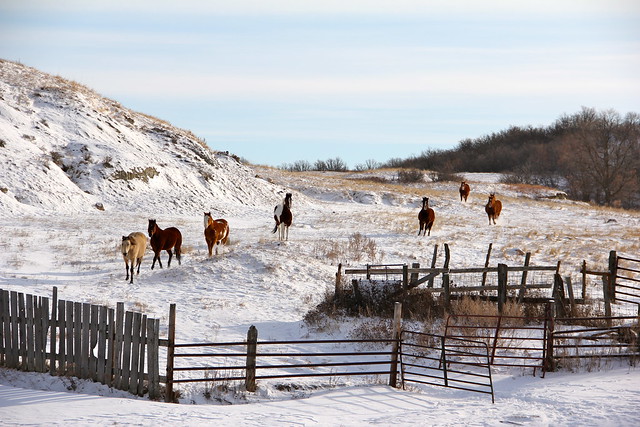
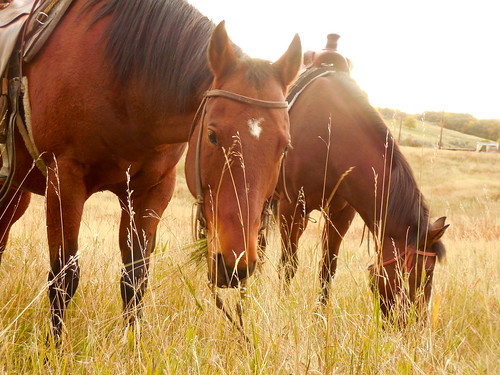
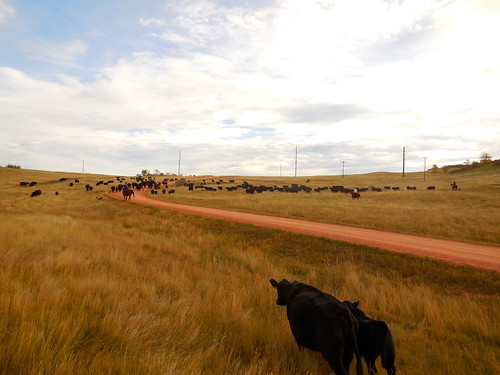
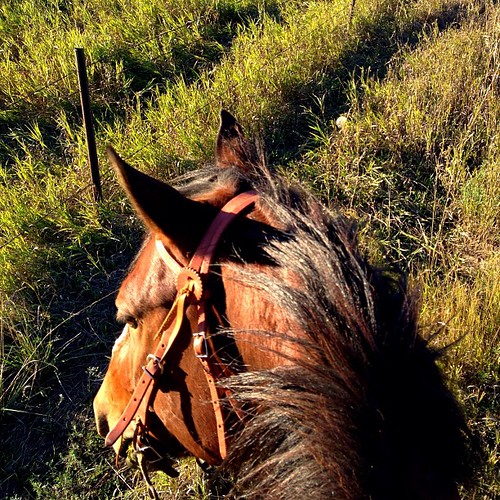
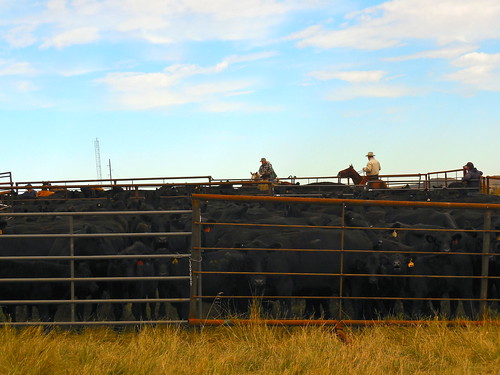
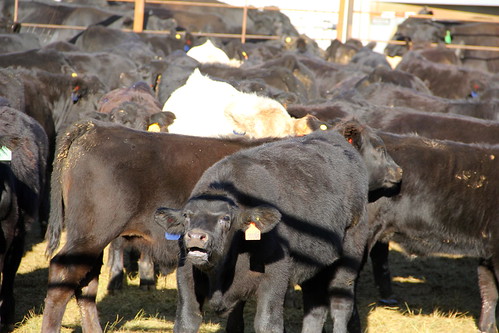
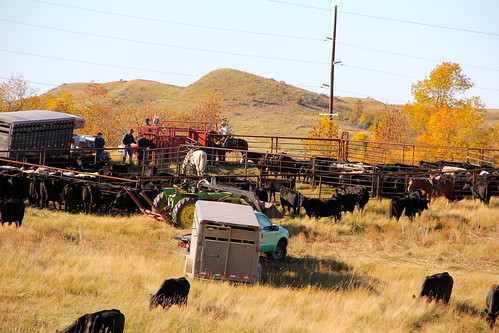
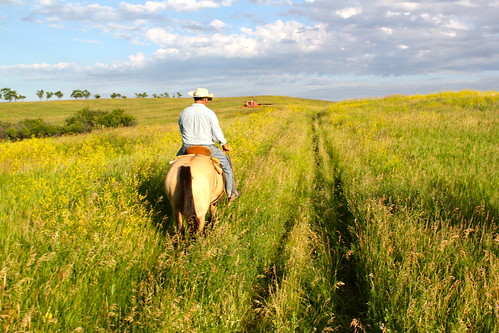
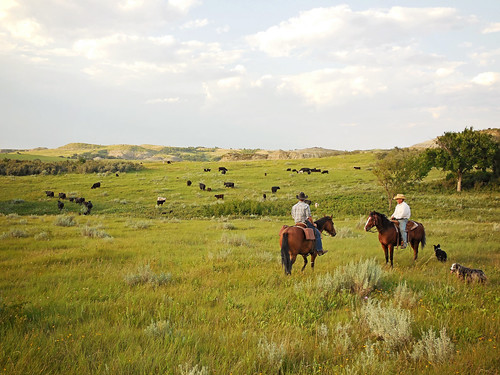
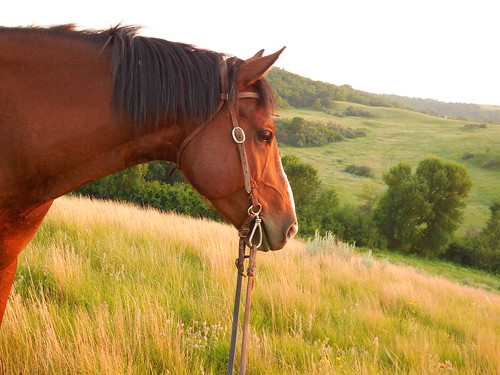
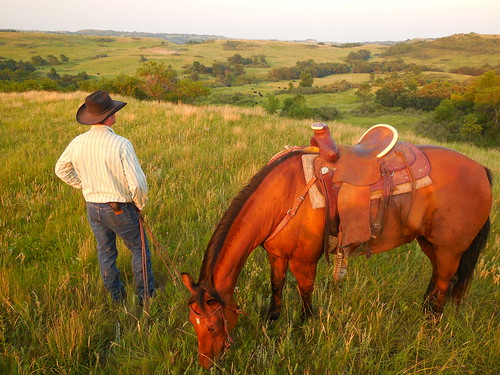
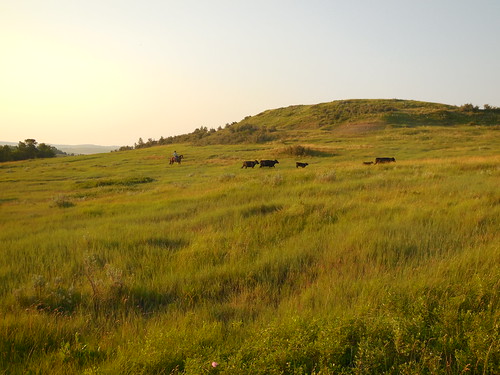
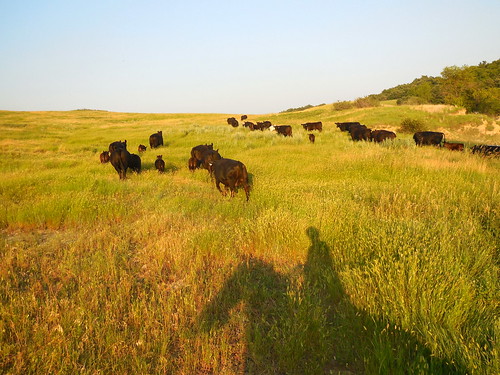
Screen shot 2015-09-21 at 12.02.21 PMYesterday was cow gathering day on the ranch. I helped pull burs from the horses’ manes and sprayed flies and waved as my sister, husband and dad loaded up the trailer and headed for the hills.
It’s roundup season and I’m in my stretchy pants working on the finishing touches of growing this baby (and online shopping and eating everything I can touch).
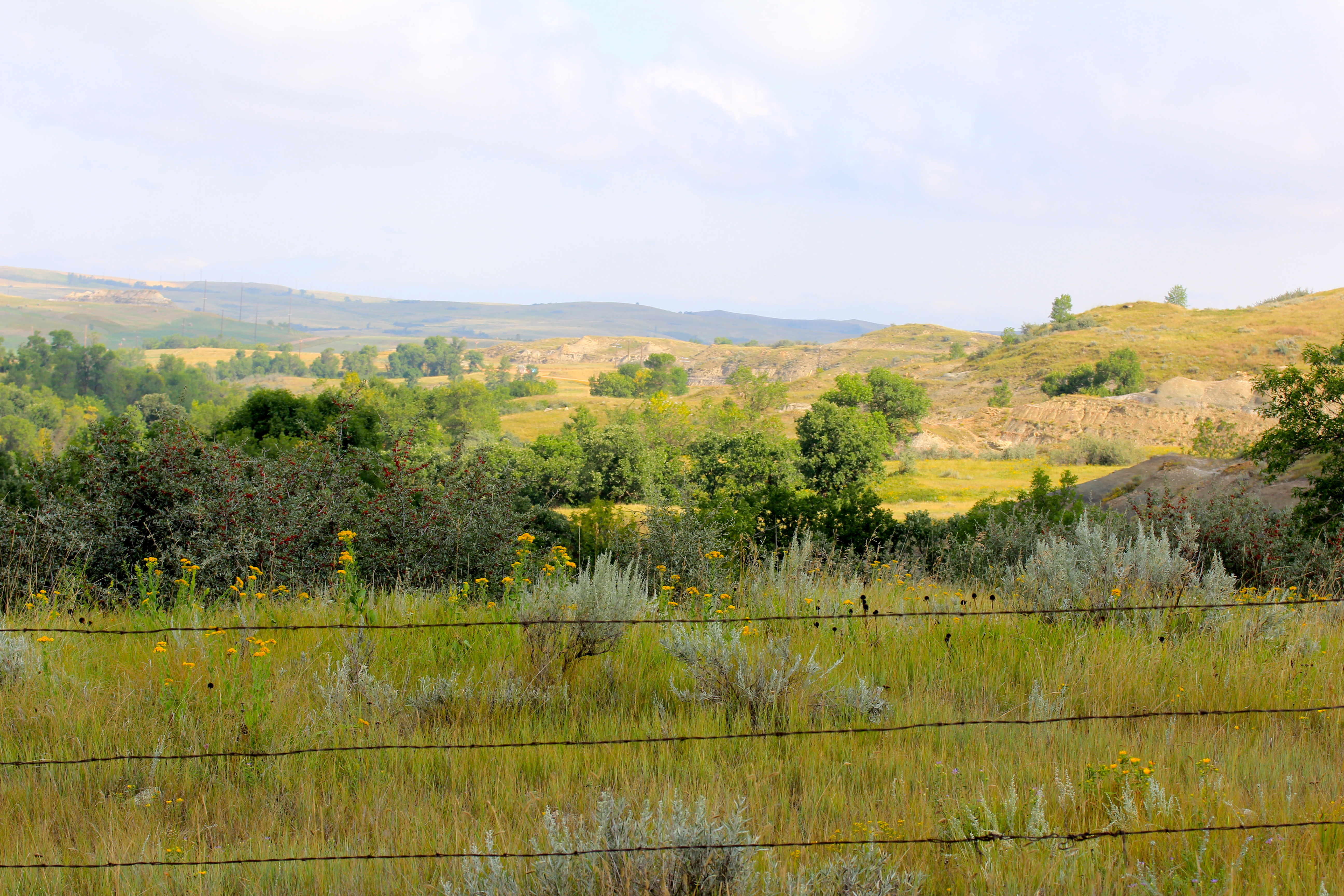
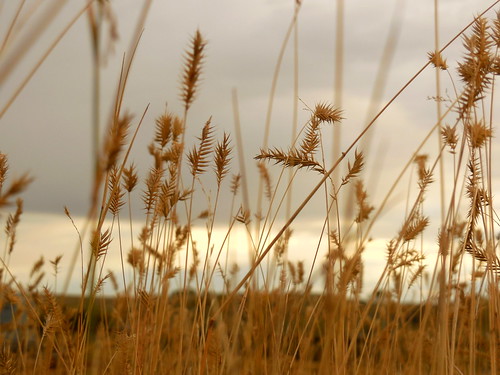
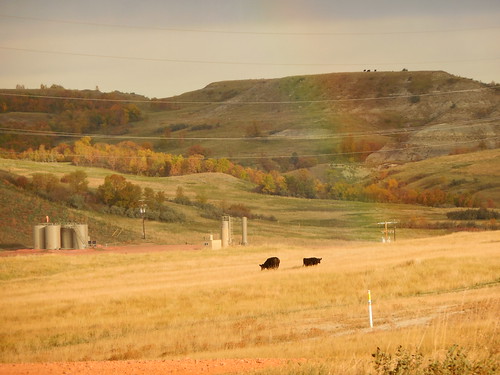
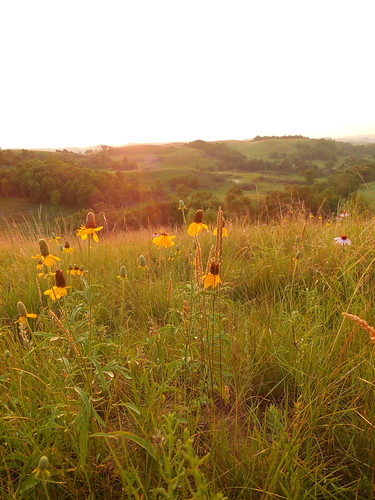
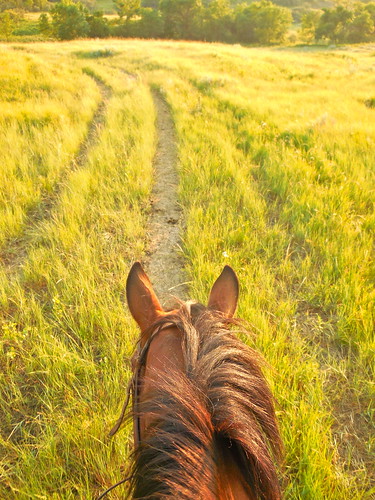
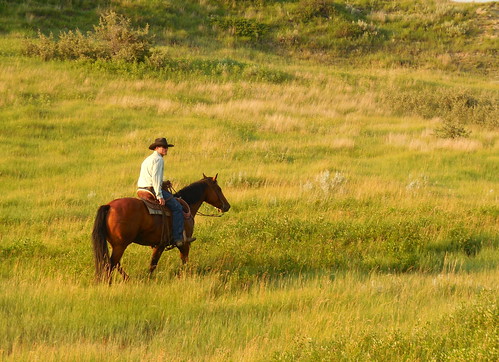
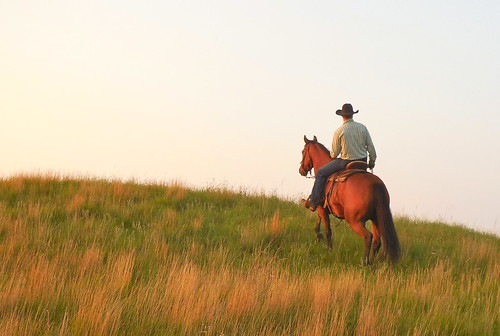
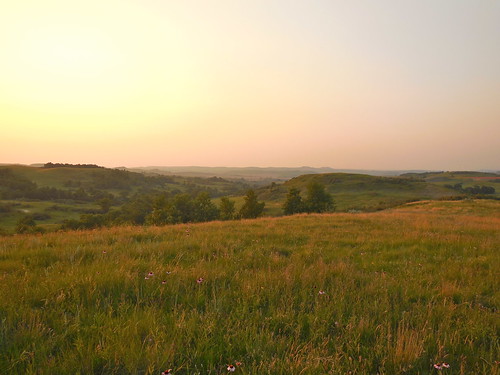
It’s been a beautiful fall with temperatures in the mid 70s and the colors changing nice and slow. And while the best way to experience it is on the back of the horse, I’m happy staying on foot, wandering the hills and looking forward to the day we can get this baby up on his own horse.
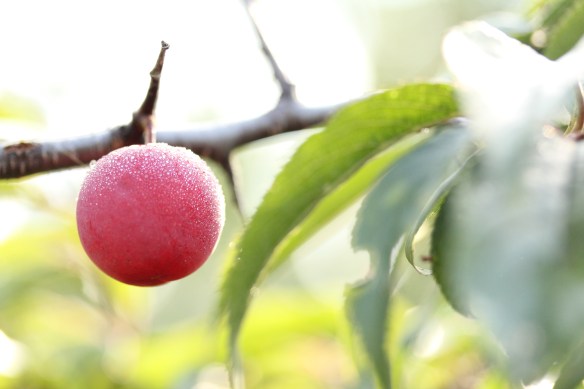
So that’s what this week’s column is about. A little reflection on roundup season and spitting wild plums at my little sister as we followed behind our dad. She used to have a white pony named Jerry who would, every once in a while, decide he needed a break and spontaneously lay down and try to roll her and the saddle off his back.
He was a shit.
But so was she sometimes…so they were a good pair.

Ah, I love this time of year.

If you need me I’ll be out taking pictures…

And if you have a reliable pony to sell, well, we’re in the market…
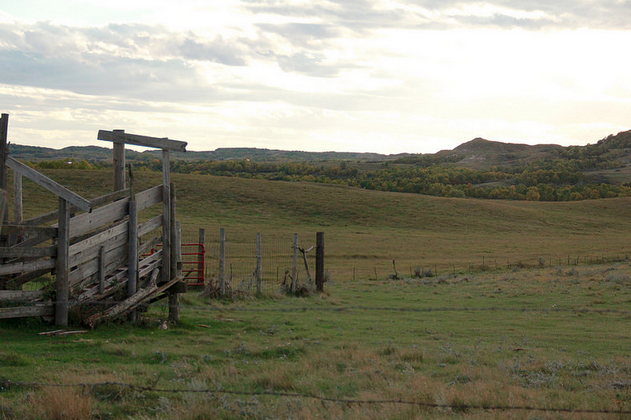
Screen shot 2015-09-21 at 12.05.41 PM

Coming Home: Ever-changing seasons make me feel alive
by Jessie Veeder
9-20-15
Forum Communications
http://www.inforum.com 

This season change is so predictably unpredictable, sneaking up on us slowly in the middle of a hot summer day and leaving with a strong gust of wind.

This year it seems to be settling in despite the heat. The trees that were first to display their leaves are the first to change their colors this September. I’m reminded it’s nearing roundup season, and I have a flashback of spitting plums at my little sister on her pony, Jerry, as we ride side by side toward the reservation.

I’m bundled up in my wool cap and my dad’s old leather chaps braving the cool morning and a long ride through coulees, up hills, along fence lines and under a sky that warmed the earth a little more with each passing hour.

I would strip off my cap first, then went my gloves and coat, piled on a rock or next to a fence post for easy retrieval when the work was done.

Moving cattle, even then, never felt like work to me. Perhaps because I was never the one responsible for anything but following directions and watching the gate — a task with the perfect amount of adventure, freedom and accountability.

It was during that long wait from when the crew gathered all the cattle in the pasture and moved them toward my post that I would make up my best songs or find the perfect feather for my hat.

And while this year my growing belly and precious cargo have kept me from the back of a horse, my adult role working cattle hasn’t changed much.

I’m the eternal watcher, the girl who makes sure the cattle don’t turn back or find their way into the brush or through the wrong gate, left to my own devices while the guys head for the hills.

And even if it all goes awry, even if the cows head for the thick trees or go running the wrong way past the gate and down a hill and the plan morphs depending on the attitude of a herd of bovines, around here I’ve always found it a pleasantly hectic adventure.

And I’m feeling compelled to live it in my head today, knowing it’s a ritual I’ll miss this season, pulling on our boots to sit on the backs of horses swatting at the sticky flies with their tails on a calm and sunny morning that promises to turn into a hot afternoon.

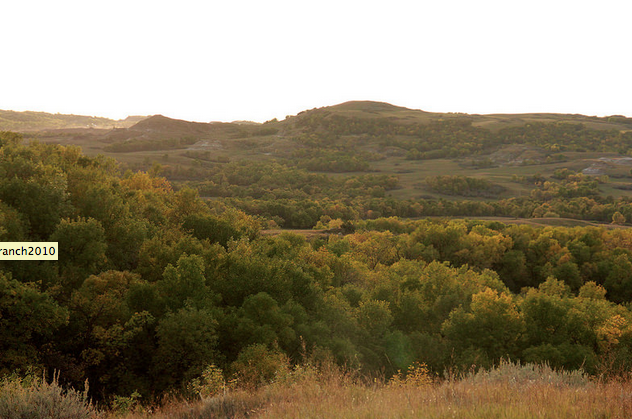
Each month the pastures change — a new fence wire breaks, the creek floods and flows then dries up, the ground erodes and the cows cut new trails, reminding me that the landscape is a moving, breathing creature.
Screen shot 2015-09-21 at 12.03.01 PM

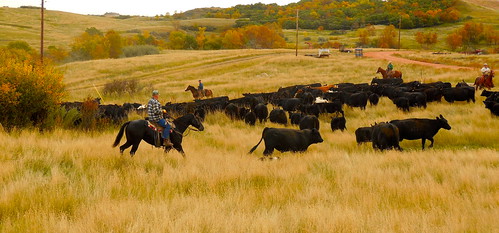
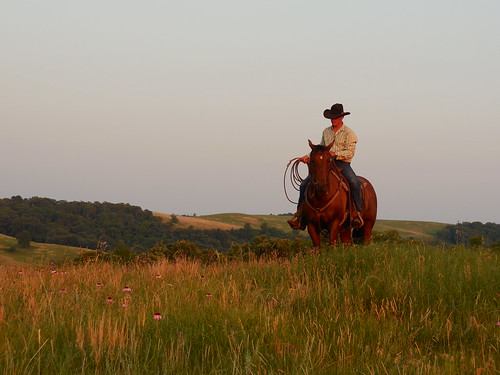
And I’m the most alive when I’m out here. I follow behind the guys making plans for the day and look around to notice the way the light bounces off of cowboy hats and trees slowly turning golden.

I find my direction while my husband cuts a path through the trees and Pops lopes up to the hilltop to scan the countryside.

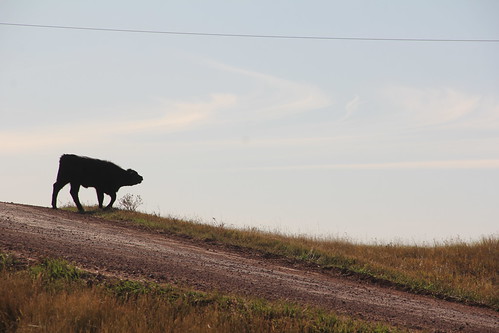
I move a small herd toward the gate and wake a bull from the tall grass at the edge of the pasture.

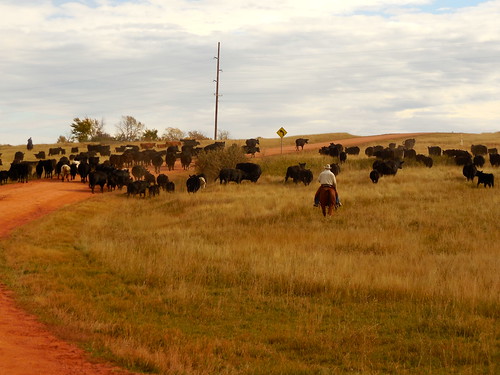
Pops comes up off the hill to join me, the cattle he’s found moving briskly in front of him. We meet up, finding my husband waiting at the gate with the rest of the herd.

And that’s how it goes, the three of us pushing the cows along: Pops at the back of the trail counting and taking mental notes, my husband on the hillside making sure they turn the right way, and me watching the brush.

The sun warms our backs and sweat beads on our foreheads as we head toward home, talking about lunch and the fencing that needs to get done that day.

And the deer population.

And a pony for my nephew.

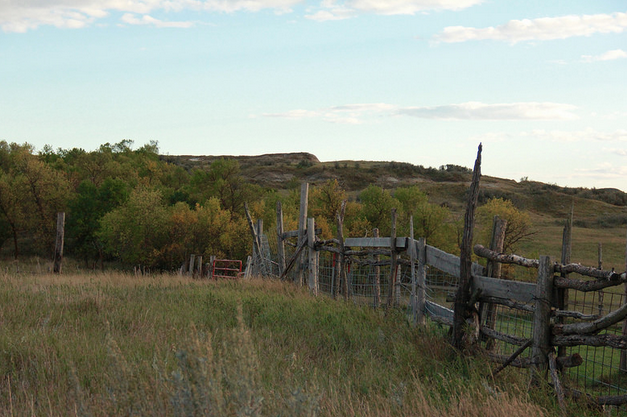
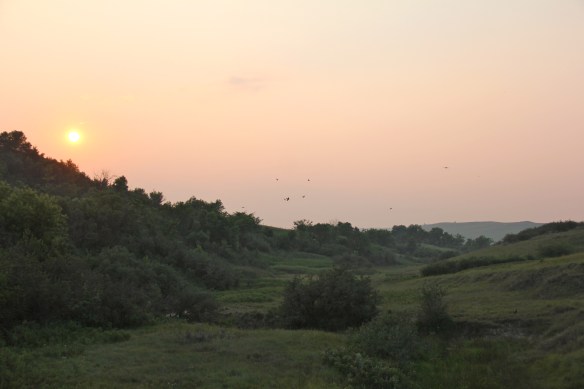
And the weather and the changing leaves and all of the things that need discussing when you’re on the back of a horse, on the edge of a season, on a piece of earth that’s constantly changing, even though, year after year, out here, I always feel the same.
And the weather and the changing leaves and all of the things that need discussing when you’re on the back of a horse, on the edge of a season, on a piece of earth that’s constantly changing, even though, year after year, out here, I always feel the same.

 Screen shot 2015-09-21 at 12.05.30 PM

Sunday Column: The Rules of Fencing

IMG_3349Happy July everyone. My favorite month of the year. I rung it in in family tradition by heading east to my grandparent’s lake cabin in Minnesota to hang with the relatives and do lake things.
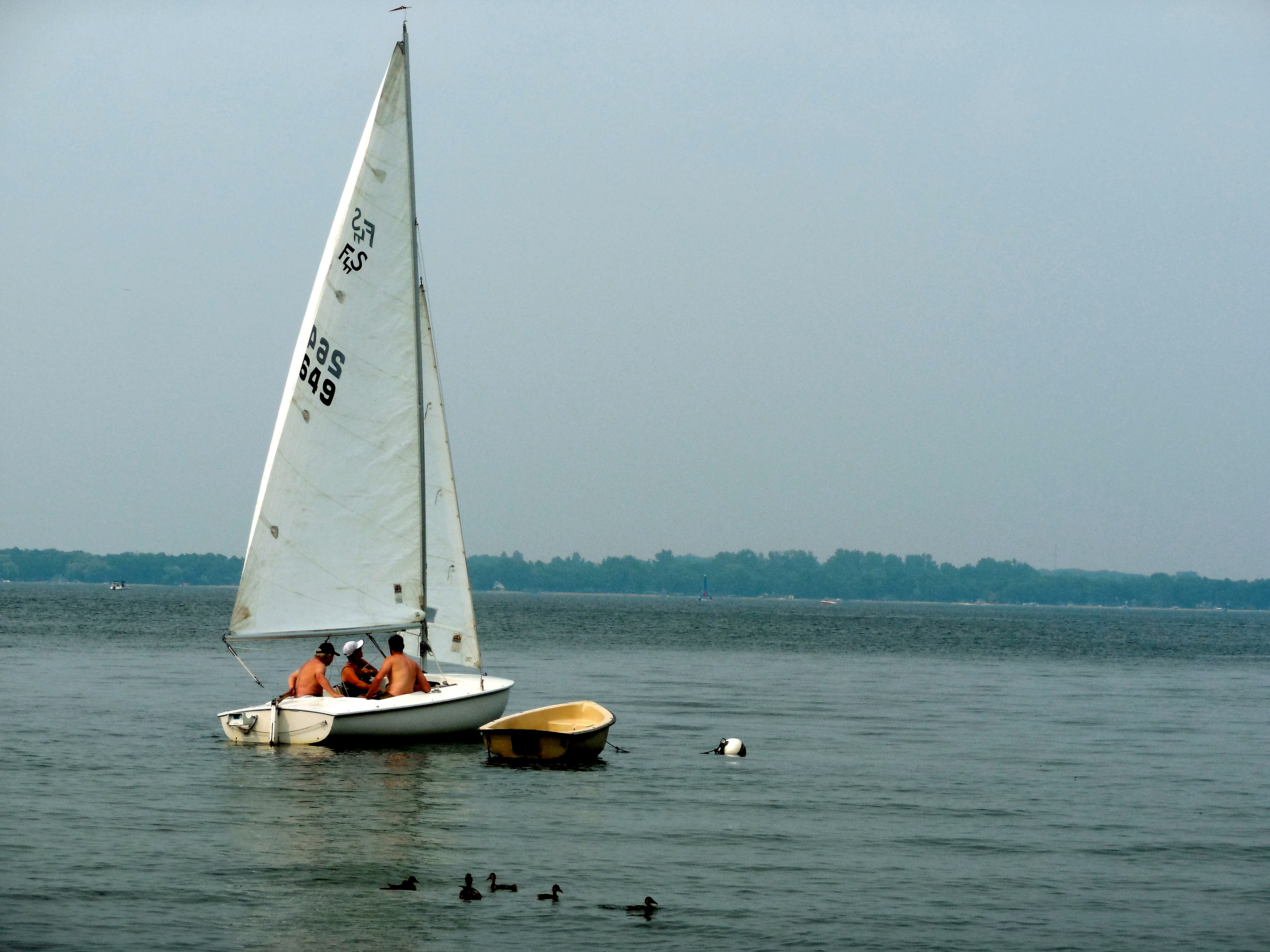
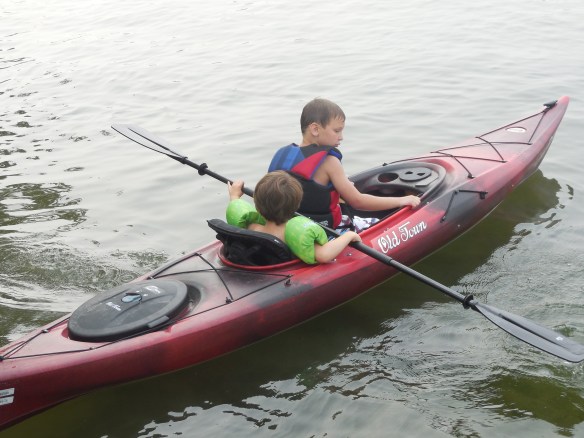
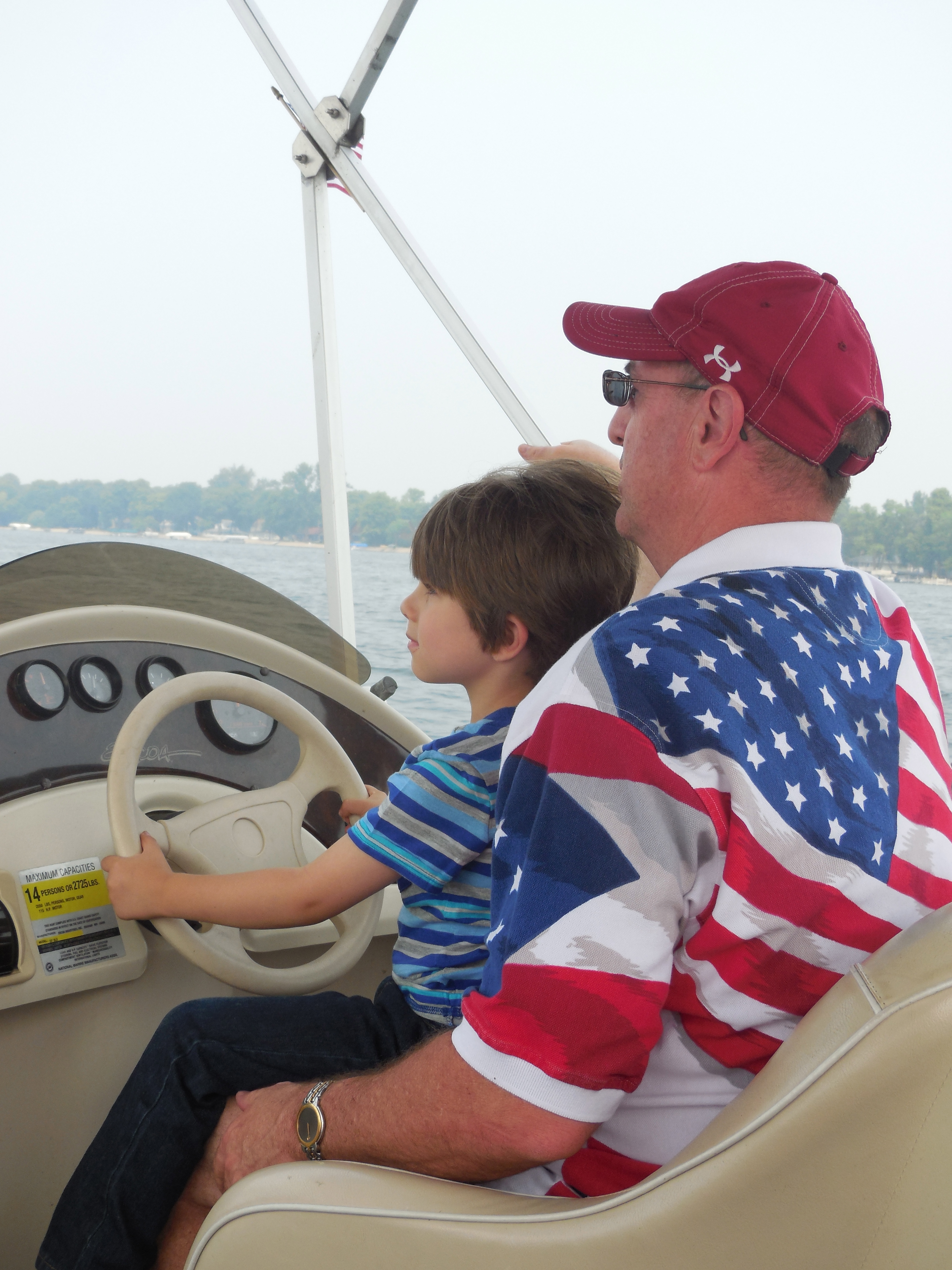
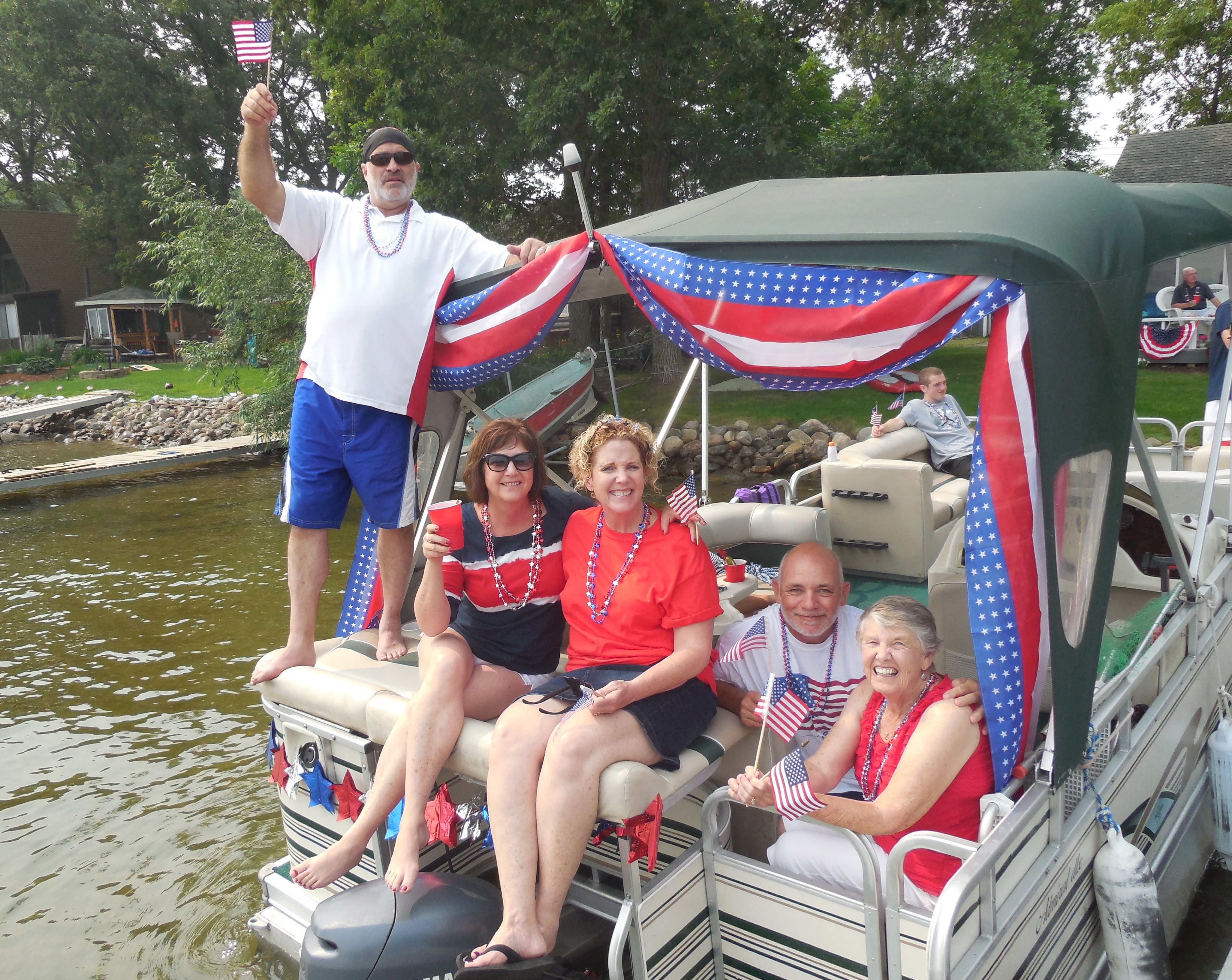
And while the rest of the ranch and me were out in Minnesota last weekend frolicking in the water, eating summer sausage sandwiches, lounging in the sun, taking in the fireworks displays, DSCN3428DSCN3433DSCN3420 DSCN3417  DSCN3414

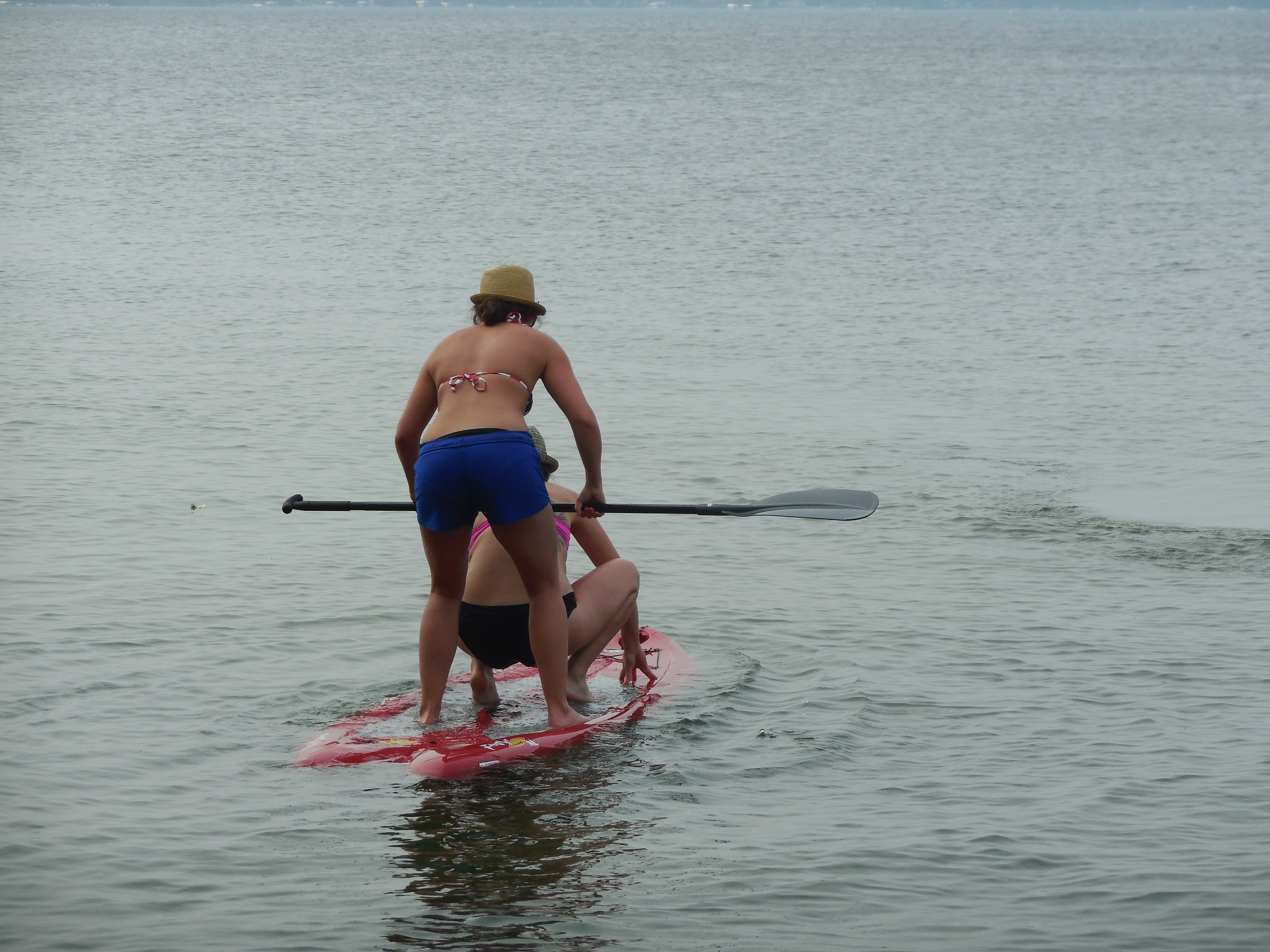
and trying to balance two Veeder girls and a baby bump on a paddle board…

DSCN3442

Husband had to stay home to work and take care of the cows.

IMG_3367

Now, don’t feel too bad. In the summer, with the tall green grass and plenty pasture land, taking care of the cows really just means making sure they don’t get into the neighbors field.

And that’s pretty much it.

IMG_3365

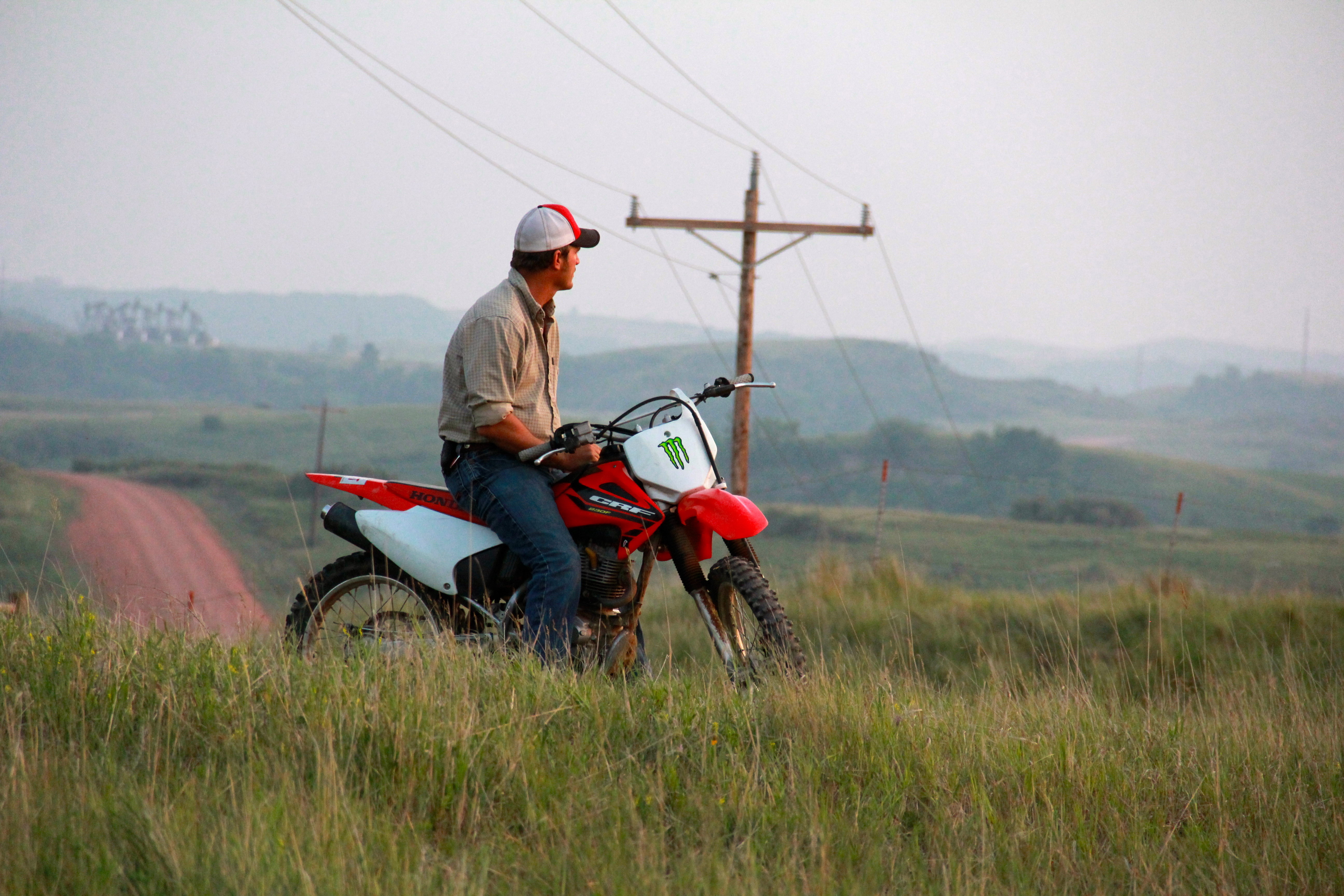
I was feeling guilty a little bit, except that I know the man is fine with the responsibility, especially since his recent purchase…the two-wheeled cow checker–for when you’re pretty sure the cows are in, but just want to zip around to make sure so you probably don’t need to go through all the trouble of getting the horses in and saddling up.

IMG_3369  IMG_3362

It’s the perfect tool for a man who has the heart and spirit of a twelve year old…

IMG_3334

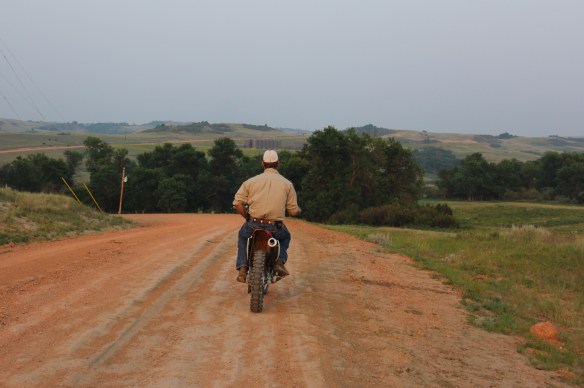
And so that’s what Husband did this weekend. He mowed the grass and worked on wiring the garage and finishing the basement and he checked the cows.

And, not surprisingly, a few were out.

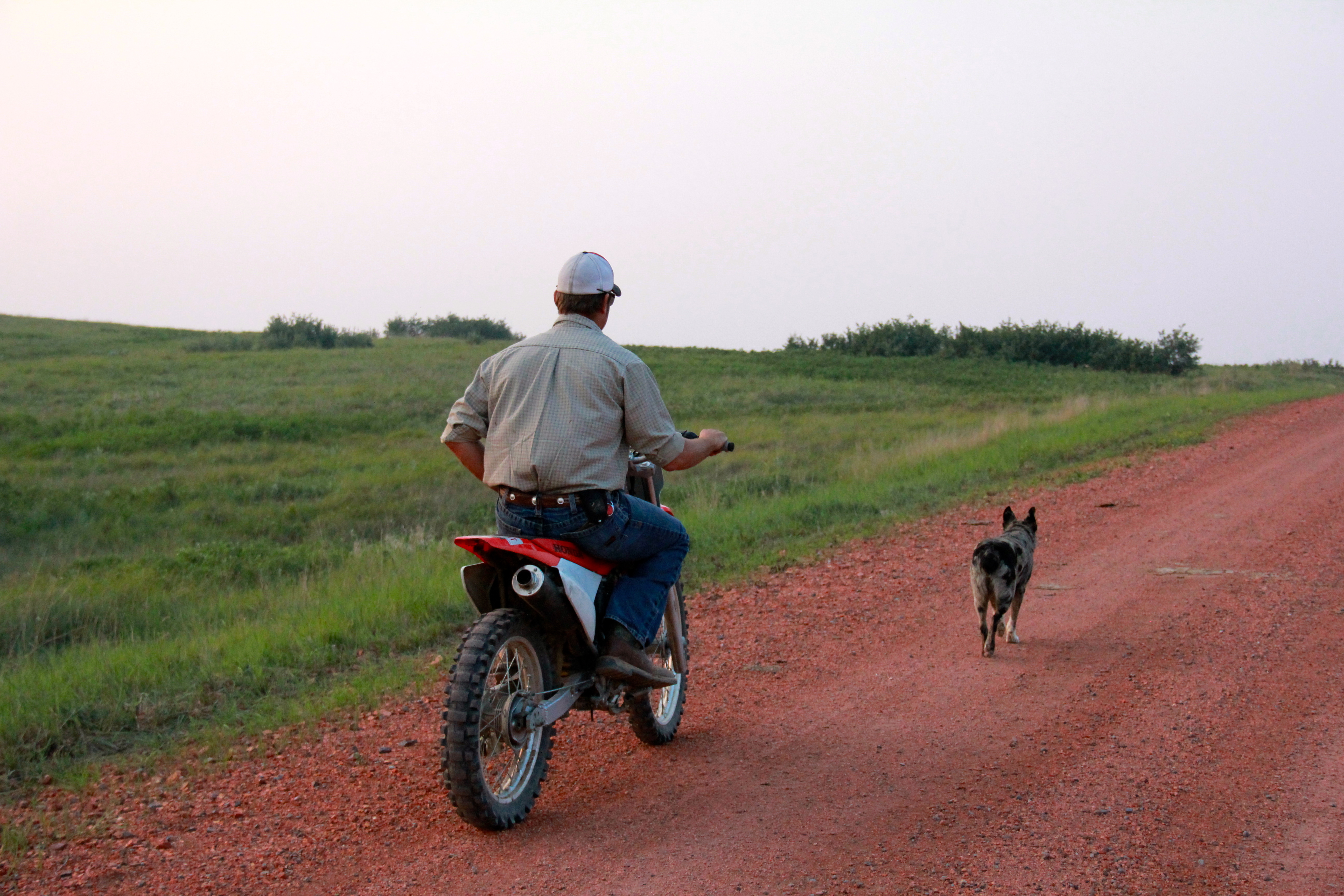
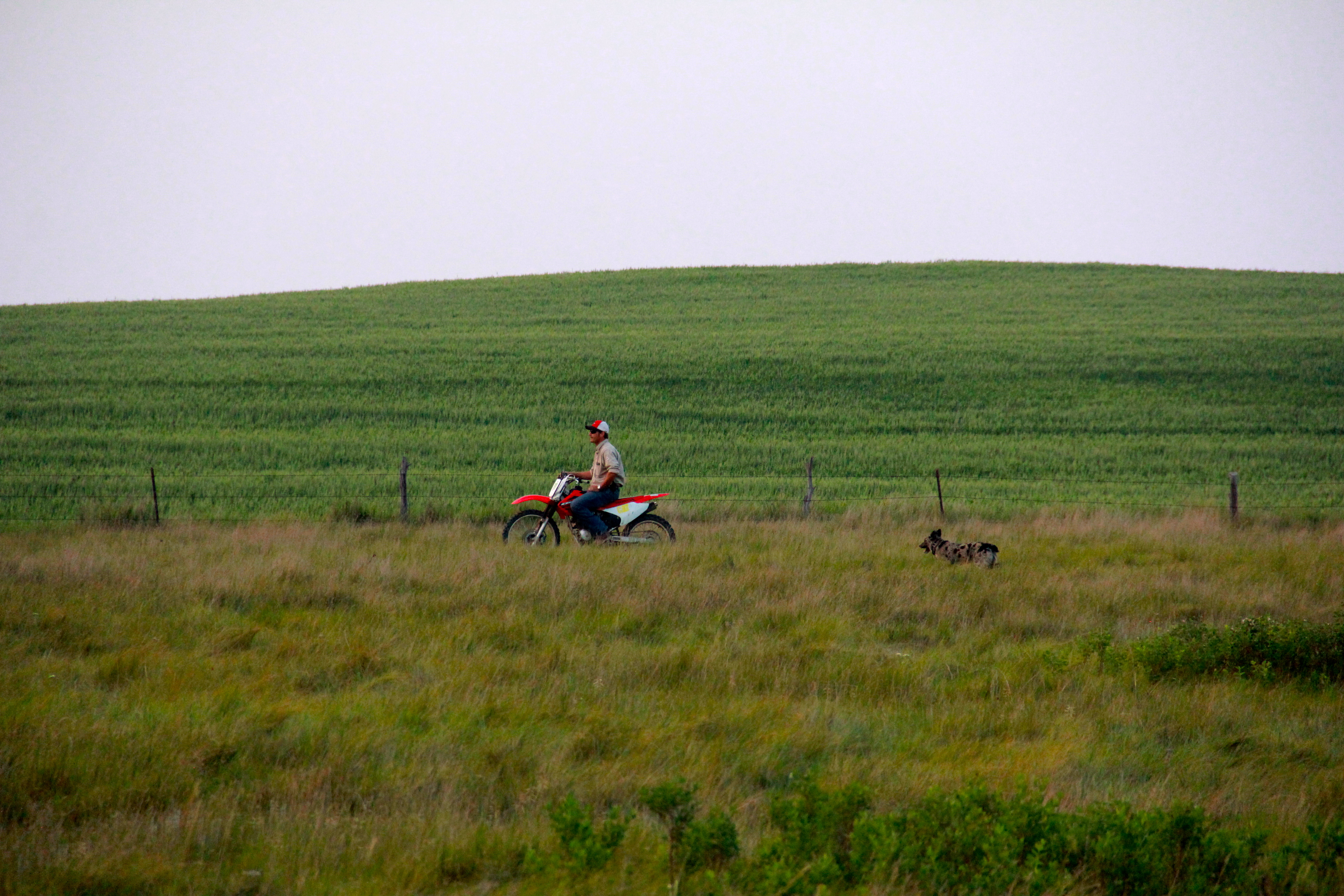
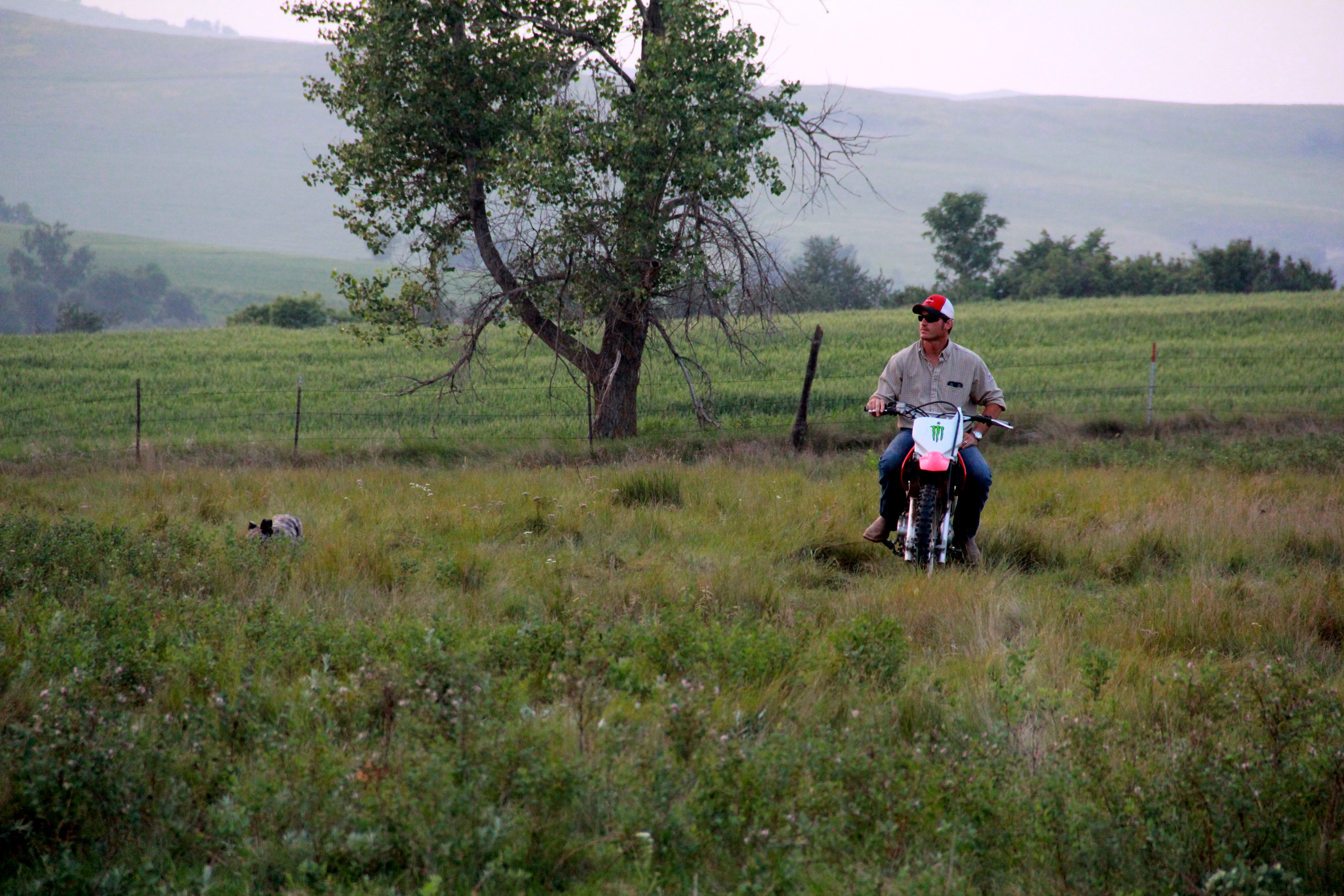
So he got them in. With the dog and a dirt bike.

IMG_3378 IMG_3382

IMG_3345

And then, as it would tend to go, while he went back to check the fences for the undiscoverable holes, he looked behind him to witness one feisty and athletic old bovine, the one he just put back in her place, making a leap back to the other side, like a 1,500 pound mule deer.

IMG_3339

Because sometimes even the best cowboys with the best dogs, the best forms of transportation and the best fences cannot tame a cow convinced that the grass is greener…

IMG_3337

Coming Home: Rules of fencing, the never-ending chore, are never forgotten
by Jessie Veeder
7-5-15
Forum Communications

There are jobs at the ranch that are truly enjoyable at times. Fencing is generally not one of them.

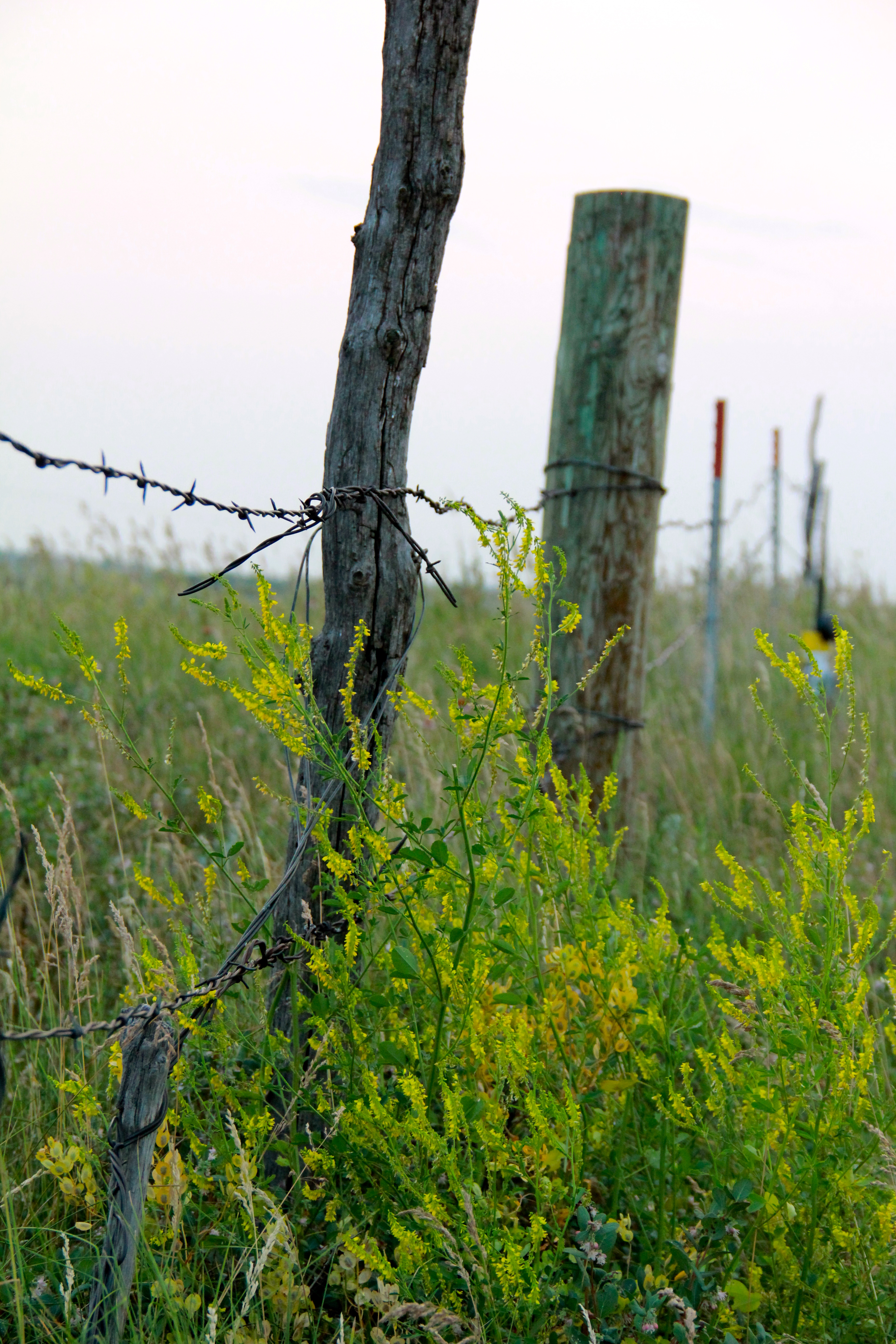
Fencing at the ranch involves wood ticks, nasty brush, a kazillion horse flies, barbed wire, pliers and a lot of bending over.

And if that doesn’t sound pleasing enough, ranchers get a little extra comfort when they pull on their flannel jammies at night knowing that they are never at a loss for work as long as they have barbed wire fences.

Some of my earliest memories as a ranch kid are of hopping in the pickup on a hot July day with my dad to go check fences.

I remember leaning against the stick shift of the old truck as my dad drove slowly down the fence line, stopping every few moments to get out, grab a staple or new fence post and make a repair. I remember eating warm ham sandwiches, sweating and swatting the buzzing bugs that multiplied in the thorny brush patches where the fence was always down, the poke of the barbs and the hum of the Clint Black song coming through the am radio of the old work pickup.

But mostly I remember being hot.

And so as long as I live, I will never forget the 10 (or was it 11) basic rules of fencing the Veeder Ranch, because monumental and never-ending tasks like these leave an impression on a kid.

1) Choose to take your trip in the heat of the day. It’s not a smart option, but the only option for procrastinators who like to have coffee, bacon and eggs, and then another helping while they catch the end of CBS Sunday Morning.

2) Intend to apply a thick mist of Deep Woods OFF to ward off the hawk-sized bugs, and then forget to bring it along as you head miles into the wilderness. Because how else would you be able to really test how much buzzing and biting a human sauna can endure?

3) If you think you may need five to seven steel fence posts to get the job done, be sure to only locate one to take along. Because a man needs a challenge, and figuring out how to re-stretch a half-mile of wire using a rusty plier, reused fencing staples from 1918, a pocket knife and one measly fence post is the type of feat only a real Renaissance/MacGyver-type specimen can handle. Which brings me to the staples …

4) Forget them in the shop.

5) But for the love of Martha, don’t forget the dog. I mean, running for 3 to 4 miles at top speed behind the four-wheeler to a location void of water or an adequate breeze is the perfect death-defying act for a cow dog. Go ahead, just try to leave him behind, but don’t be alarmed when he pops up over the hill and makes a beeline to the tiny bit of shade the midday sun provides off of your small ATV.

And while you’re at it…

6) Forget to bring your good leather gloves. Instead, pull on the pair with the hole where your right pointer finger is located. Because the No. 7 rule of fencing just happens to be …

7) Bleed. You’re not fencing until you’re itchy, poked, stabbed, bruised and bleeding.

8 ) So make sure to bring company. Because if a man cusses in the pasture and there’s no one there to hear it, is he really even angry?

And if you’re cussing anyway, you might as well …

9) Sweat. Sweat out all that water that you forgot to pack. Sweat so you must roll up your sleeves just enough to expose your flesh to the thorns you must reach into to yank up trampled fence.

10) And then bleed again, cuss louder, sweat a little more, turn around to find that your companion has disappeared over the hill to pick wildflowers, decide that only a really smart and athletic cow could maneuver through your fence repairs, head home for lunch with every intention of returning after the meal only to revisit the site the next morning to find those extra plump, extra lazy cows are in the field again.

11) Repeat until the ground freezes.

Peace, Love and Fence Posts,

Jessie

IMG_3326

Tangled.

IMG_4199

Out here on the ranch there are people and animals and machinery and water and buildings and growing things and plans thought out but maybe not discussed with one another…

When you combine all the moving parts sometimes things can go kinda weird, get tangled up so to speak.

Like last week I came home from something or other to Husband pushing dirt on the Bobcat, just like every other dry summer day. We have been working on landscaping and planning for a fence to keep the cows out of yard, so getting the dirt in the right places has been the longest and first step in the process.

Anyway, so I get home and I drop my bags, shuffle the mail pile on the counter and look out the window at the hill where the horses generally graze, and then down at the plum patch on the edge of what will be our fenced in yard one day.

IMG_4173

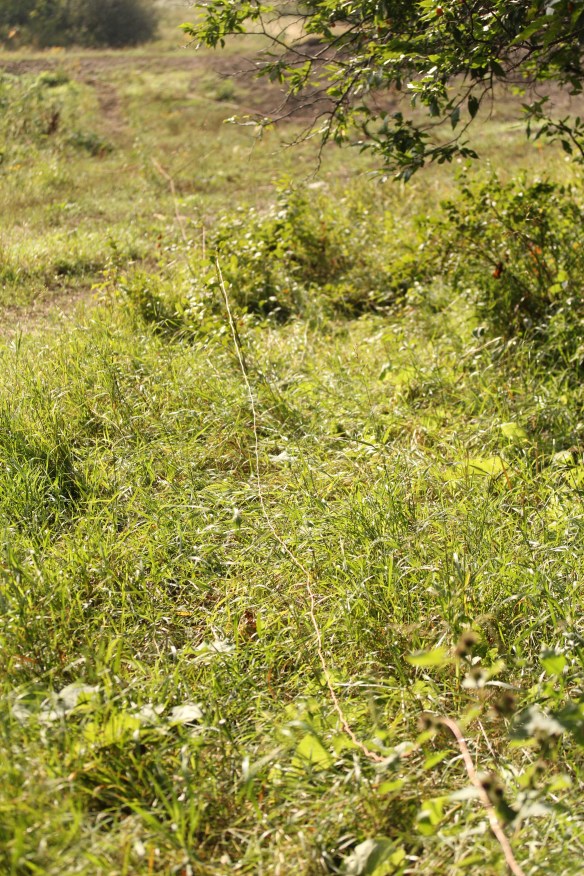
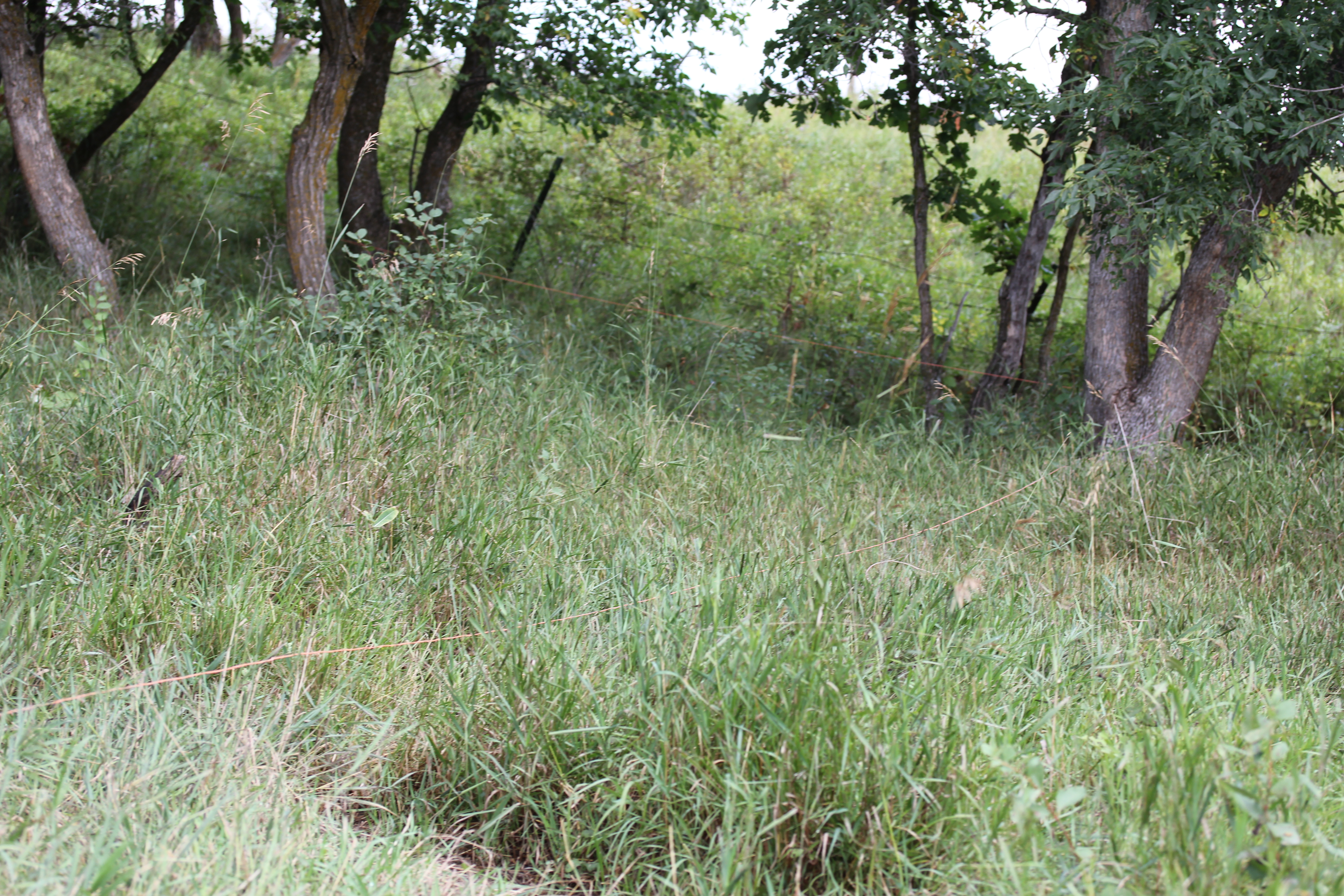
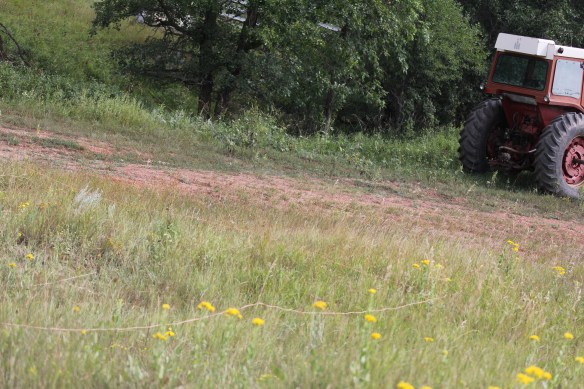
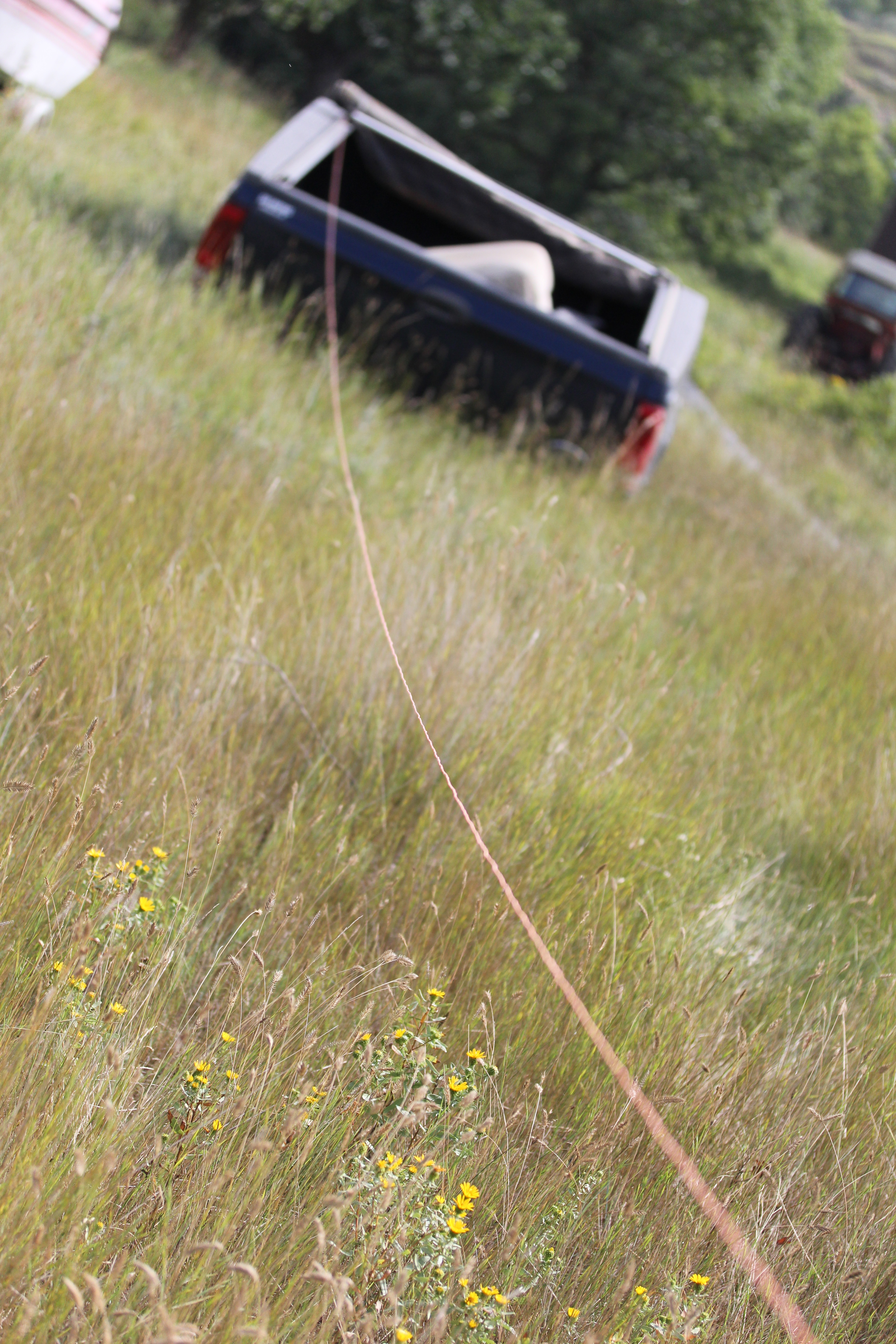
Then I notice a piece of wire or string or something stretched across the edge of the yard, from the plum patch, across the open toward the dam, with no end that I could see…

IMG_4176

With Pops and Husband involved in this place, a few scenarios run through my mind about the existence of this piece of wire or string or whatever.

1) Maybe Husband is staking out where the fence will go, which is good, because I think he’s right on in the placement.

2) Could Husband have strung a piece of electric fence or wire or something to temporarily keep the cows off his dirt moving masterpiece?

3) But it sorta looks like a piece of twine, and Pops was out here on the 4-wheeler the other day driving up the hill to check on things. I bet a peice got stuck to the back of his machine and he drug it a ways…that’s probably it…

4) Who the hell knows…these boys never tell me anything…I gotta call Pops, I’m too lazy to try to catch Husband on that Bobcat right now…

I dial…it rings…he answers.

“Hello.”

“Hi, it’s me. Yeah, did you like, string some twine across our yard, or like, maybe drag a piece on your 4-wheeler when you went by the other day…”

“No. No I didn’t. I noticed it too. It was there when I drove past…piece of twine, goes all the way up to the dam as far as I can tell…a cow musta drug it I think…”

IMG_4186

“Well that’s a theory…really? Weird…I wonder how far it goes?”

“Yeah, I don’t know…”

“Well, ok, just checking…I guess I’ll go investigate…wrap it up…”

“Yeah, ok bye.”

I hung up.

Wonder where a cow picked up all that twine? Wonder where it got hooked? On her foot? On her ear? On a tooth or something?

How did she pull it all that way without a snag or a snap?

I headed down to the plum patch, which seemed to be the middle of her destination, twine strung up in the thorns and heading toward the dam in one direction, to oblivion in the other…

IMG_4164

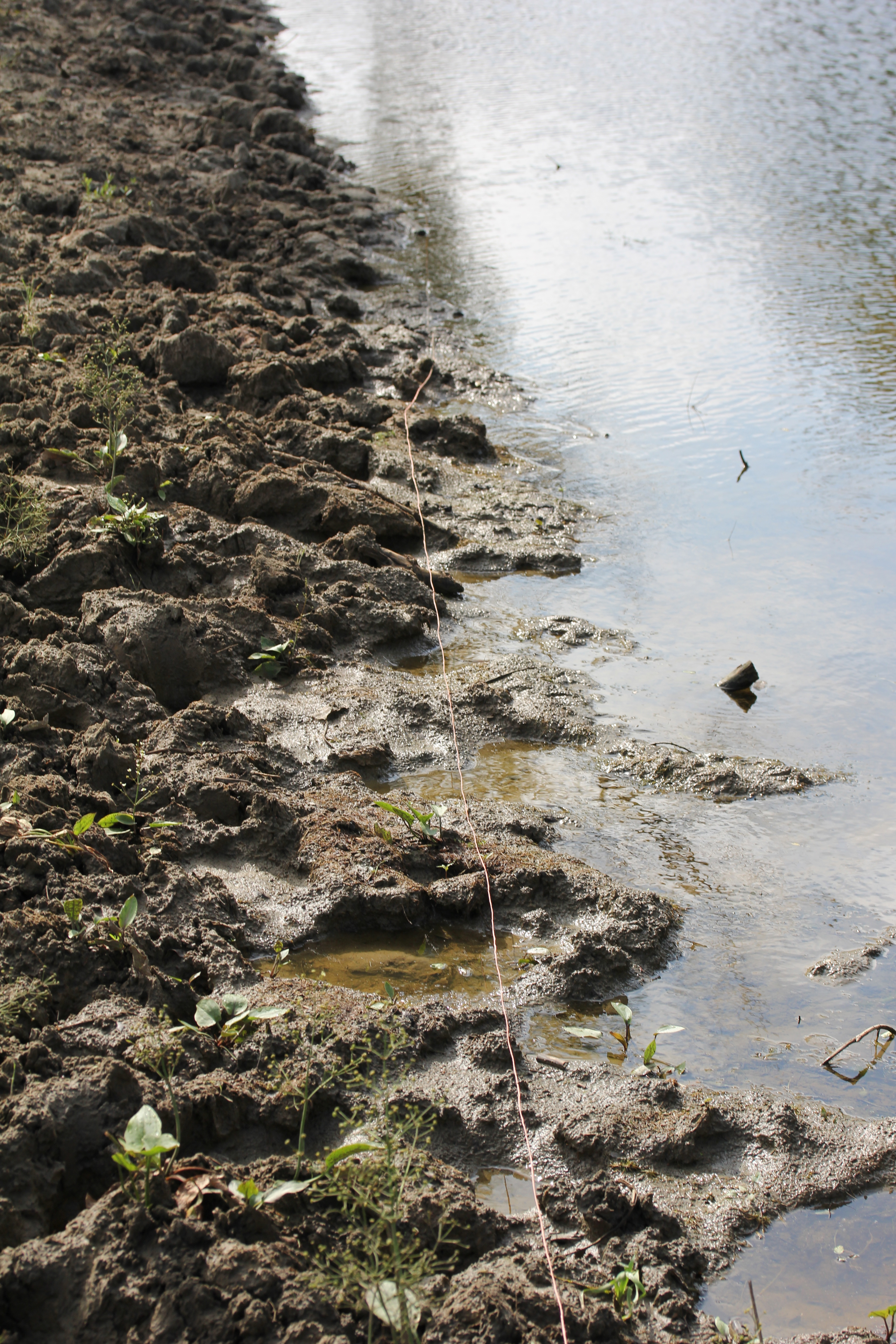
I grabbed it and followed it along the cow path that lead to the dam…
IMG_4175

To the edge of the dam where she grabbed a drink…

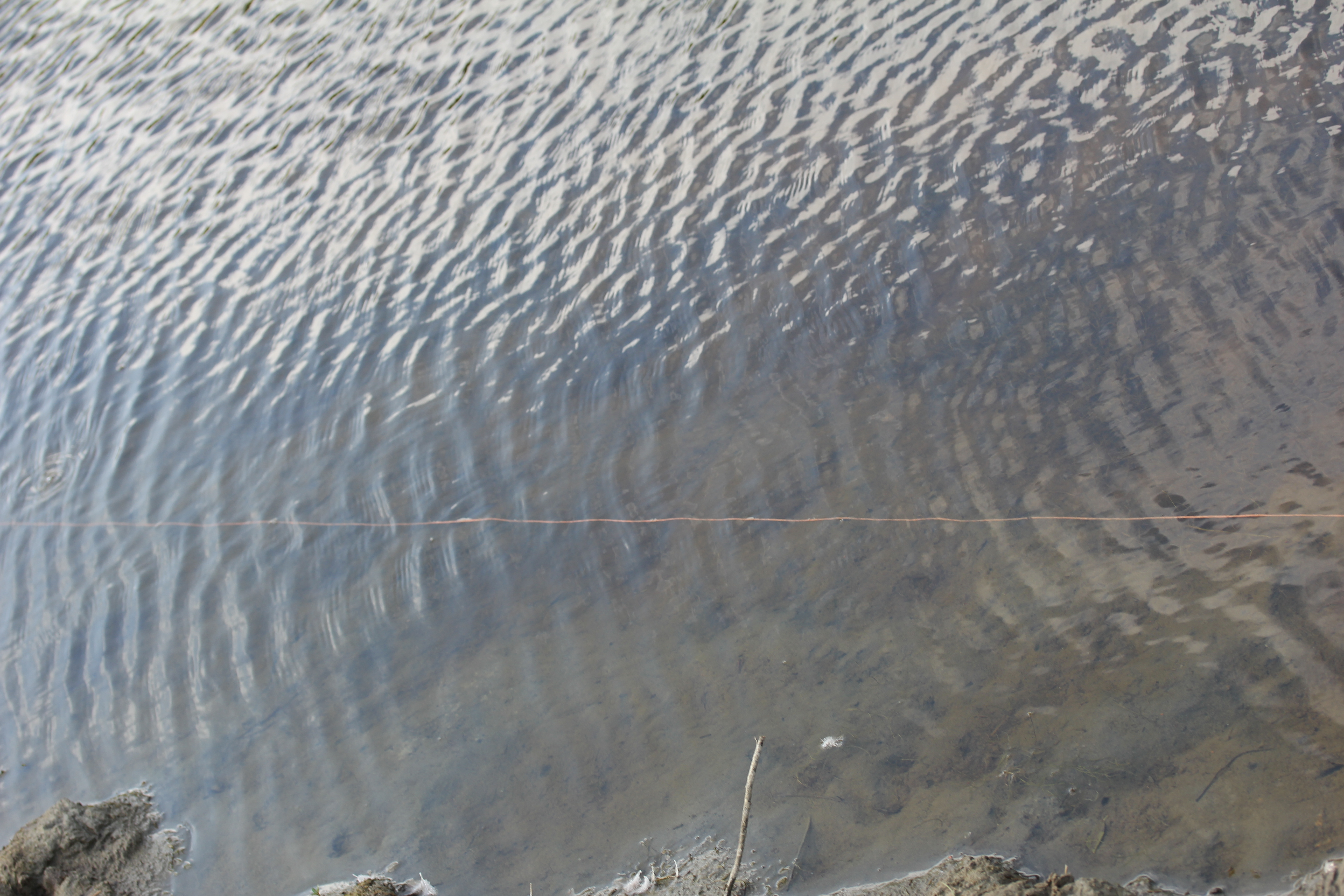
IMG_4185and then literally into the dam where she must have hung out to cool off.

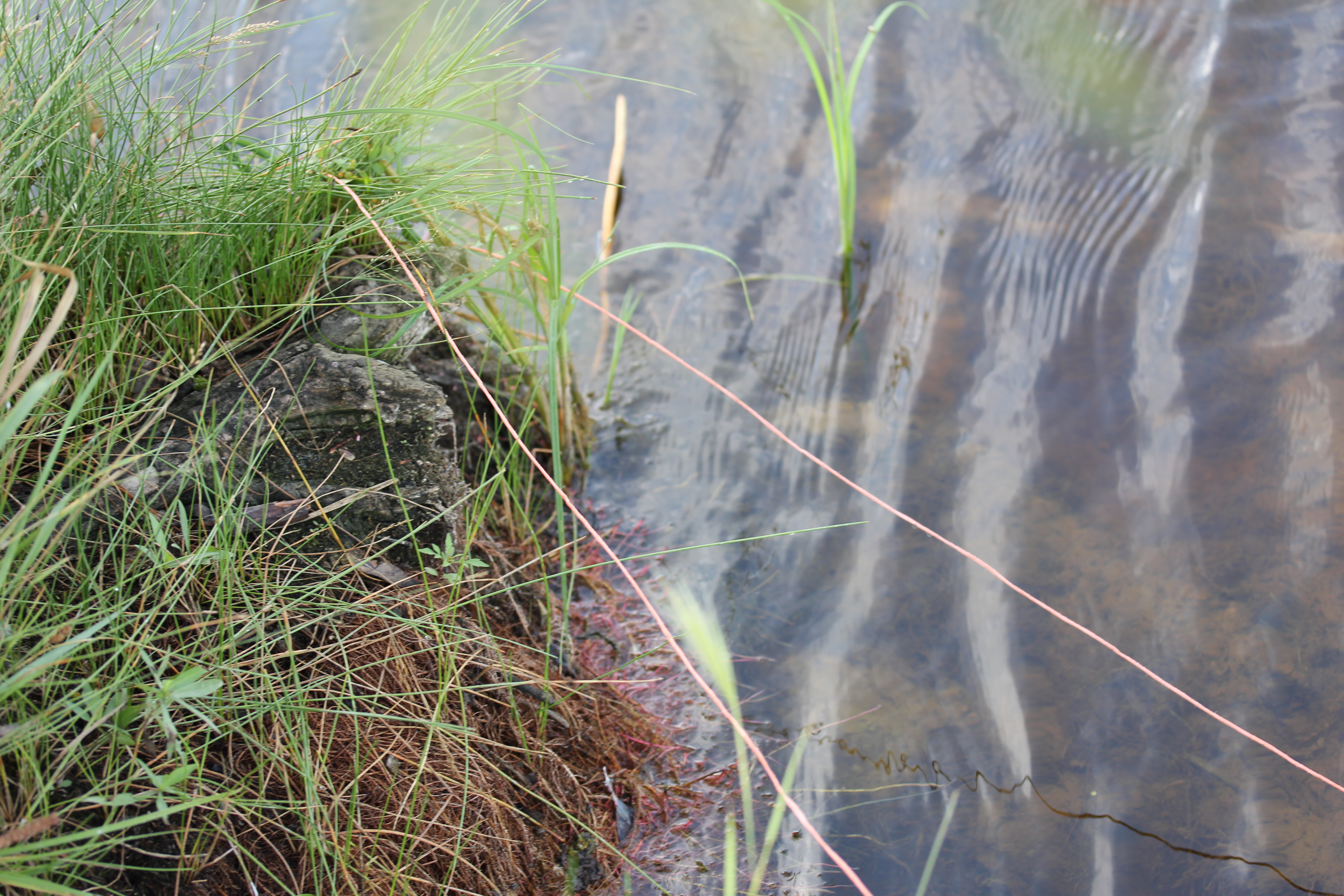
IMG_4187And then turned around IMG_4188Then turned around to head to the shade of the trees up by the fence…

IMG_4190Where it looked like she might have taken and a nap and detached from it…

IMG_4196

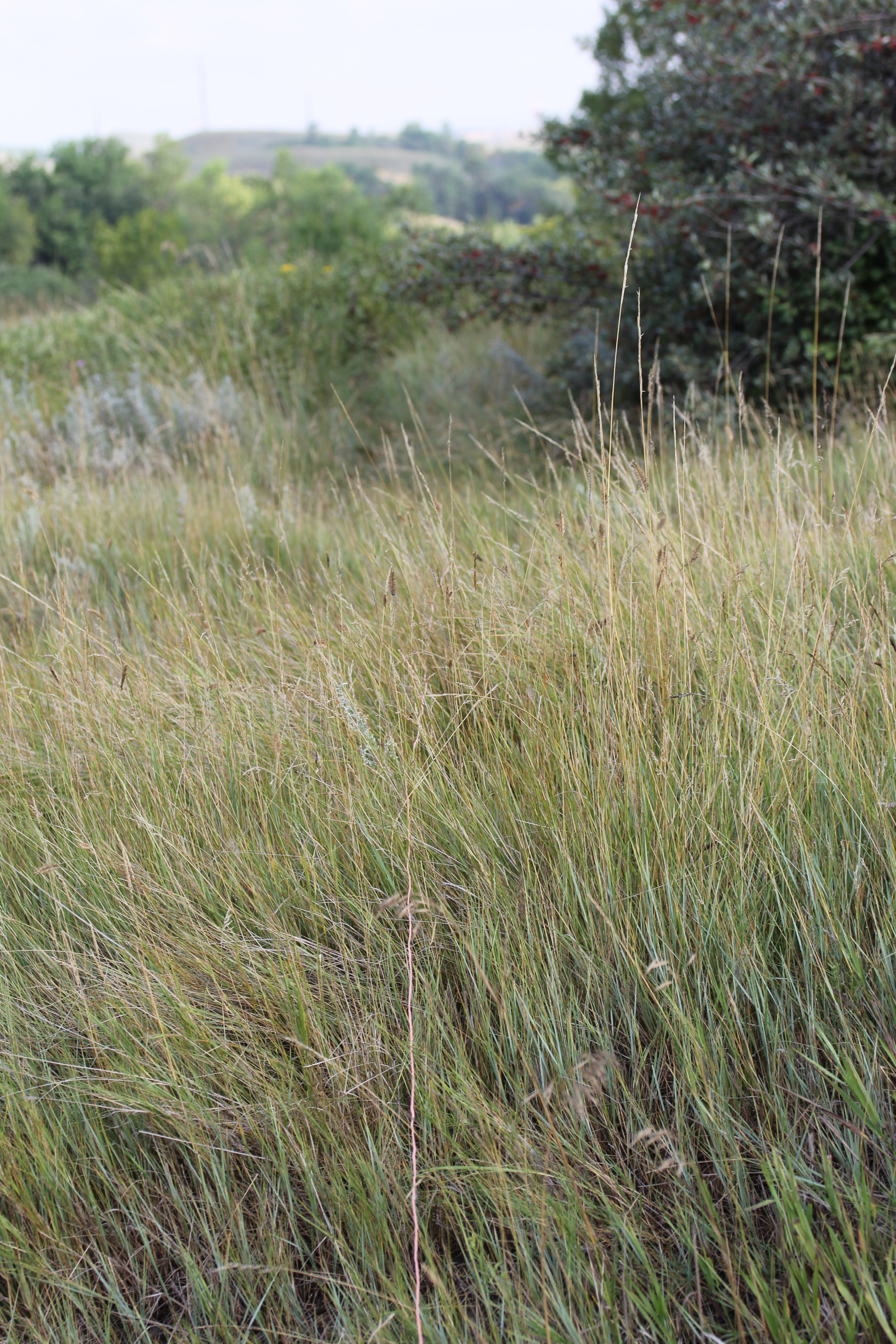
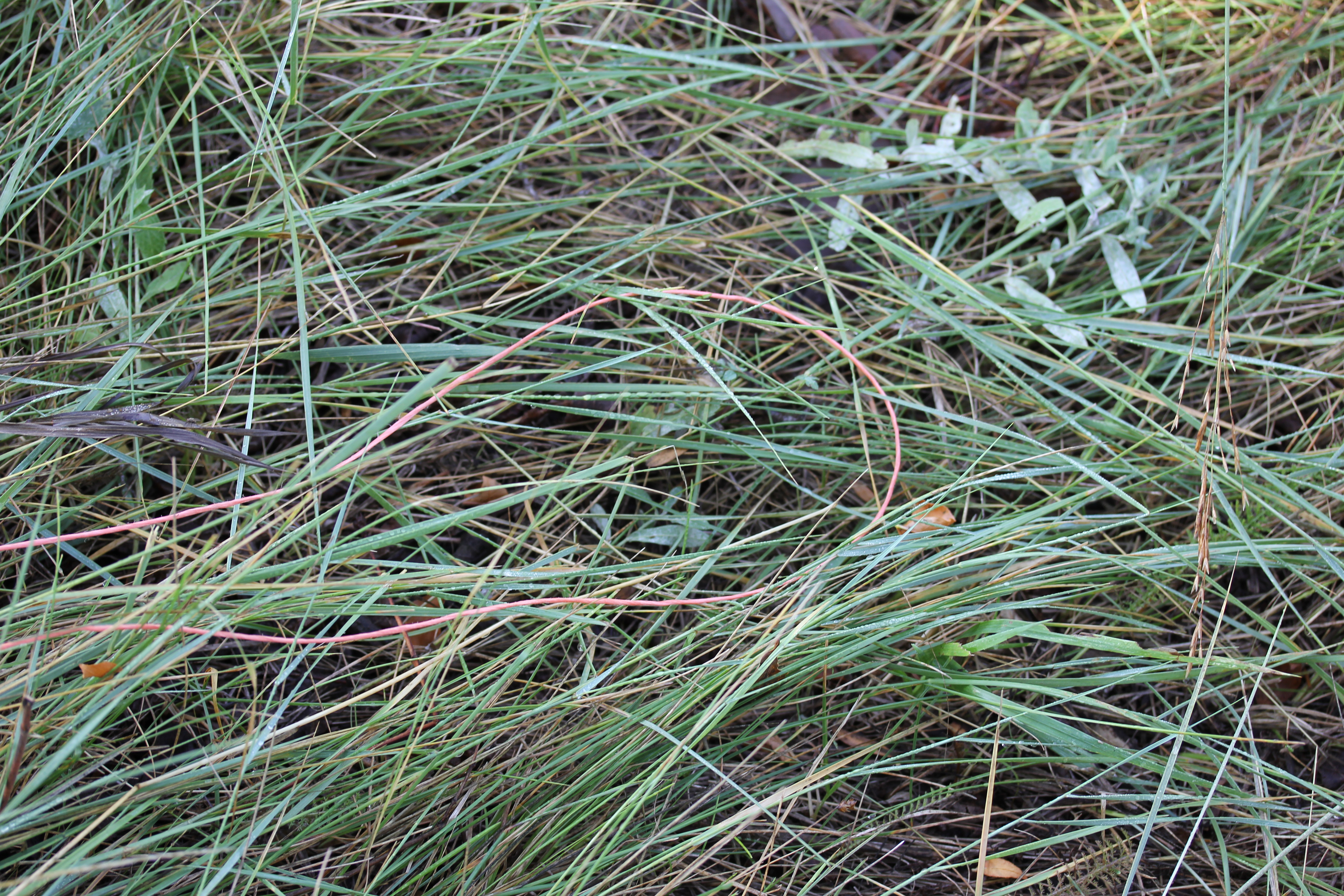
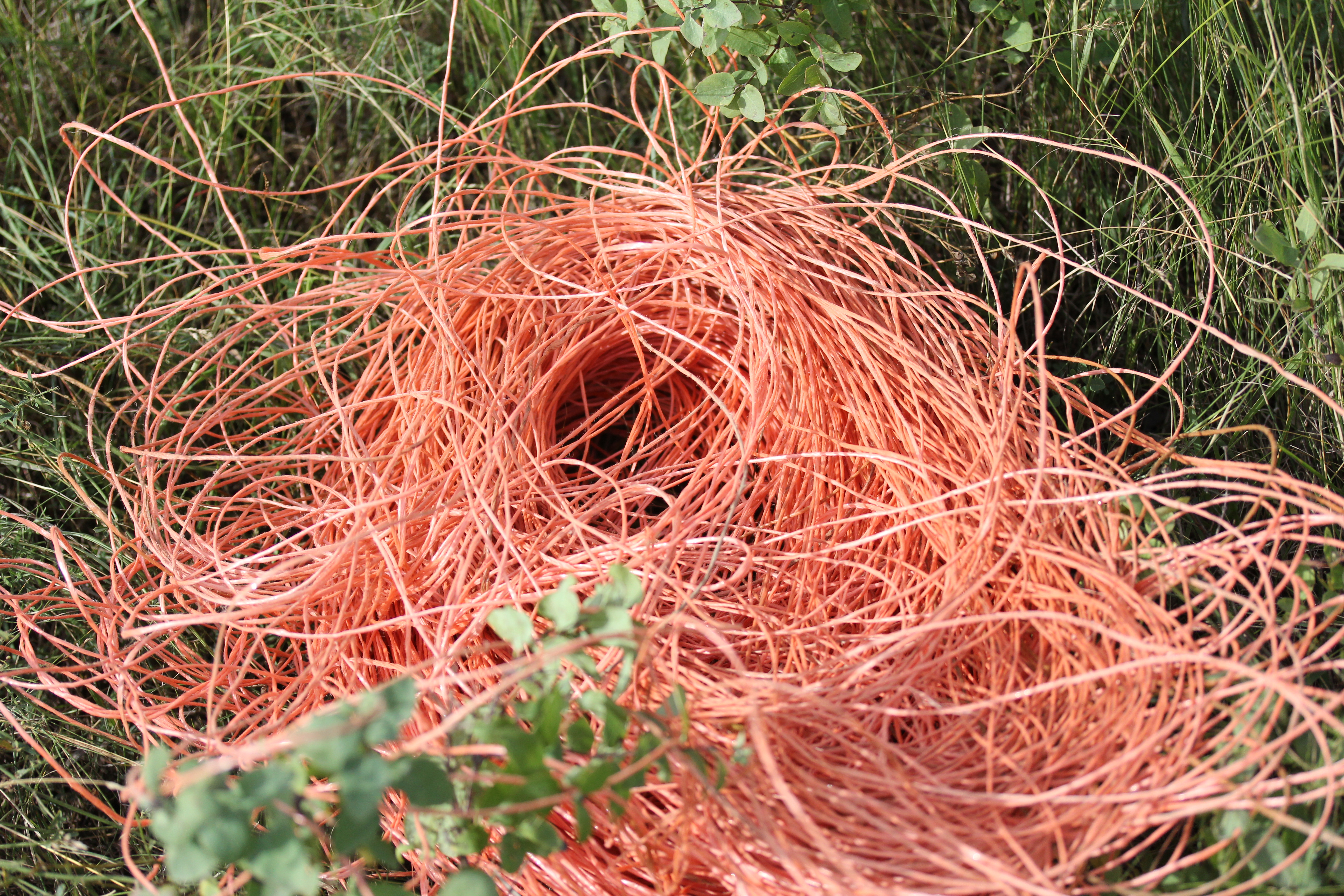
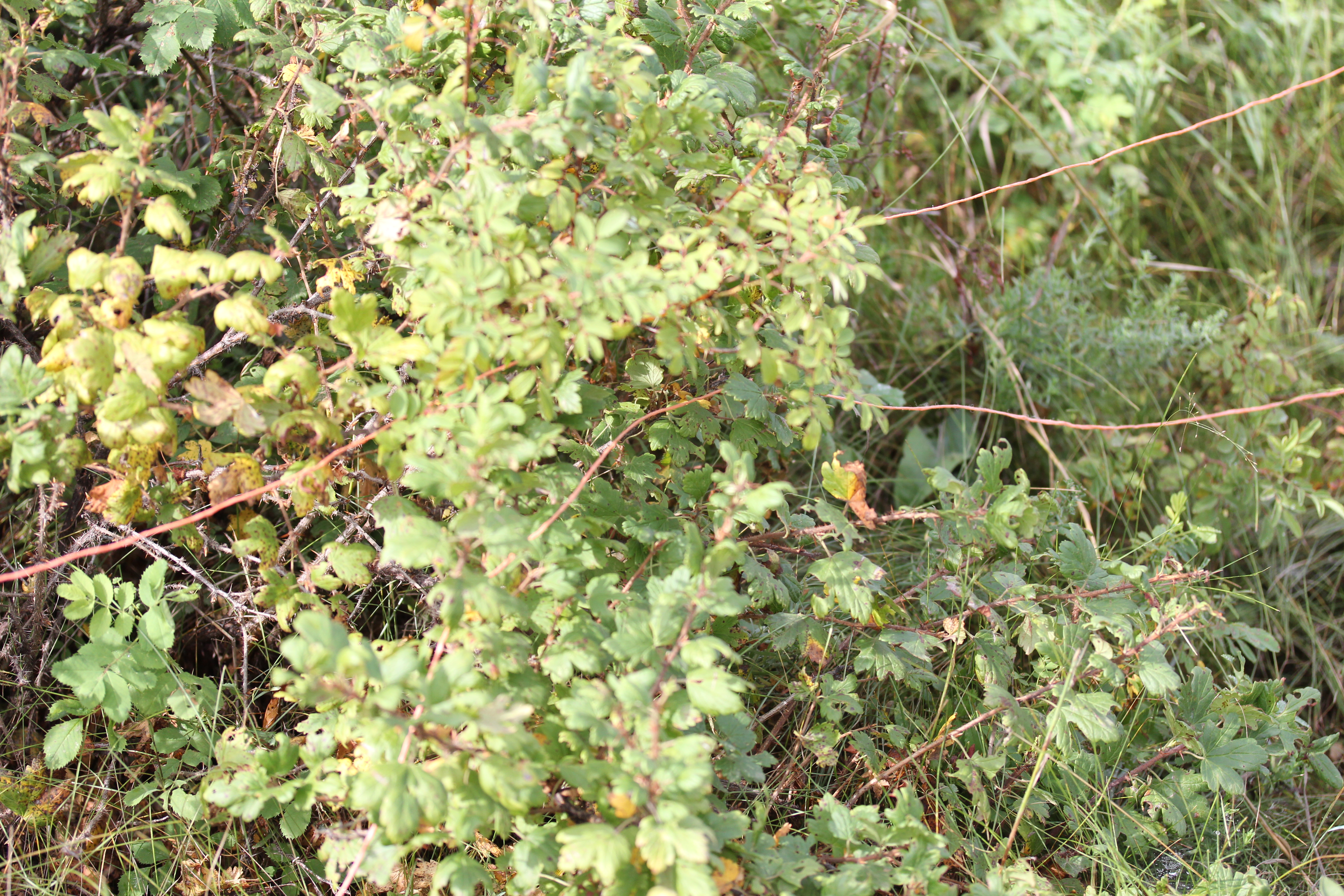
But that was only the beginning. because there I stood with a pretty substantial roll of twine around my arm looking for the end, which seemed to be trailing back toward my house again, up the hill and toward the barnyard, with no end in sight.

I backtracked, to find the source, coiling as I went…

IMG_4206

It was going to be a long trip…

Back past the plum patch, up along the cow trail that turns into the road on the top of the hill. Past the old machinery and the broken down three-wheeler and lawn mower that we need to move for crying out loud. I have to get on that.

Then down toward the shop where the cow seemed to have gone back and forth, back and forth, zigzagging in front of the old tractor and little yellow boat. IMG_4217Then up to the old combine to scratch her back or something…
IMG_4215

Then back up to the top of the hill, across the road, to the scoria pile we’re saving for a literal rainy day, then back down through the brush on the side hill toward the old combine again, tangling up in the thorns of the prairie rose patch somehow…
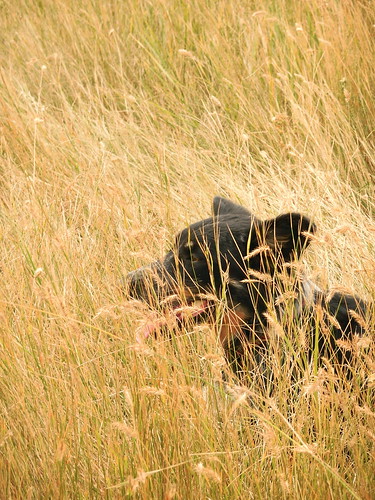
IMG_4218

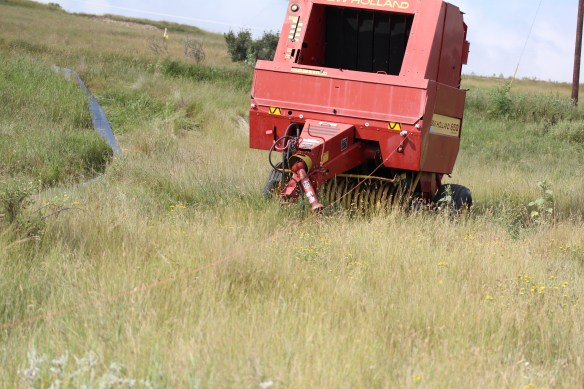
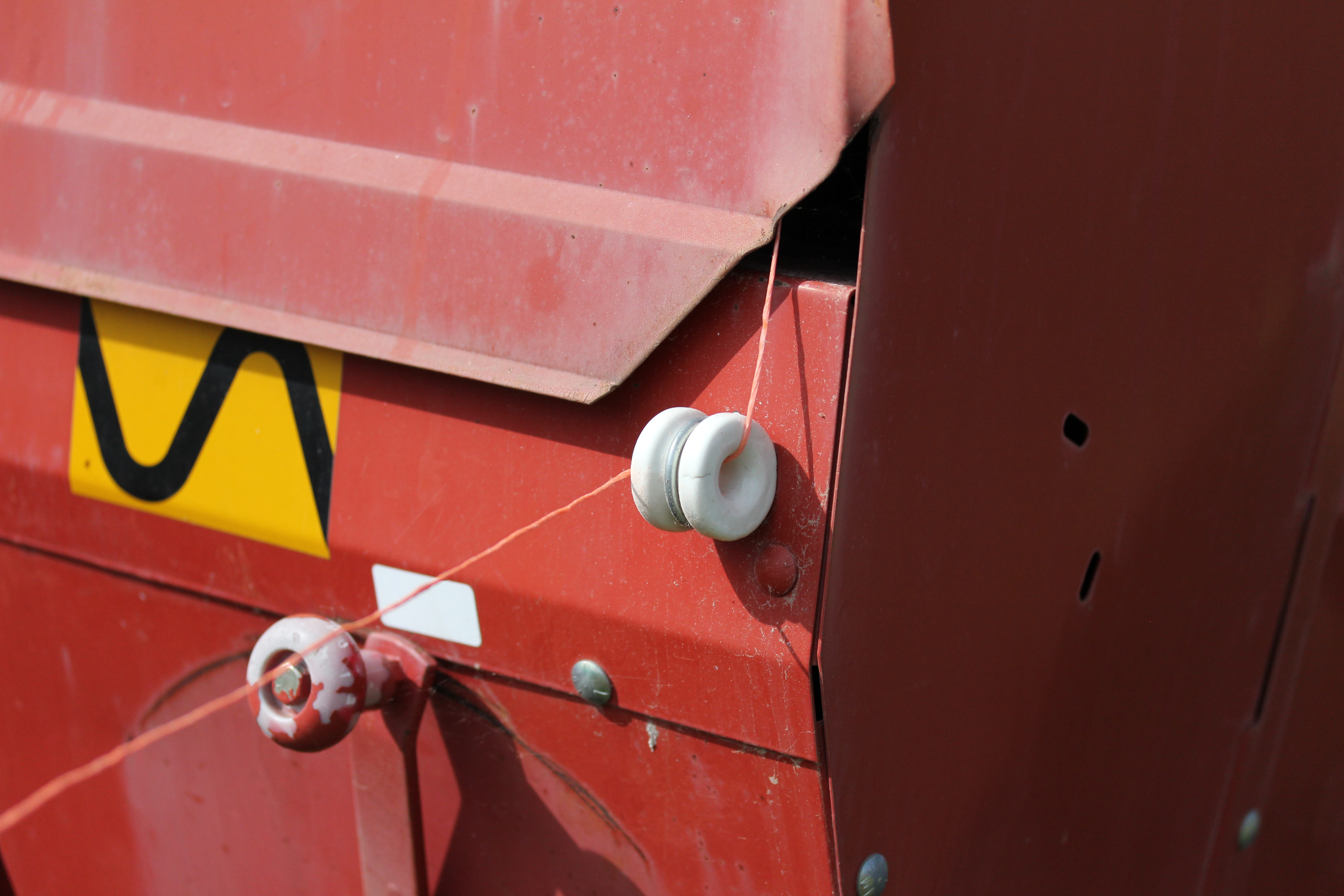
Then over toward the barn yard…wait, turn around, not yet…back in front of the shop, hooking on every stray weed and grass along the way, but never coming undone…no…where the hell did she pick this up?

IMG_4223

Why did we leave a big-ass roll of twine just laying around for some creature without opposable thumbs to go dragging for miles and miles across the countryside?

Why can’t we get our shit together around here?

How long is this damn roll? How long is this going to take?

Do you know how long this is going to take!!!

IMG_4219

And how does this even happen?

Where did it even…
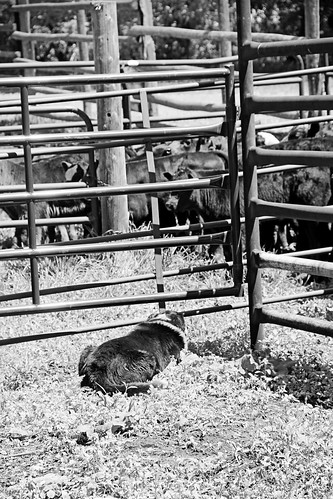
IMG_4221

Begin? …

IMG_4222

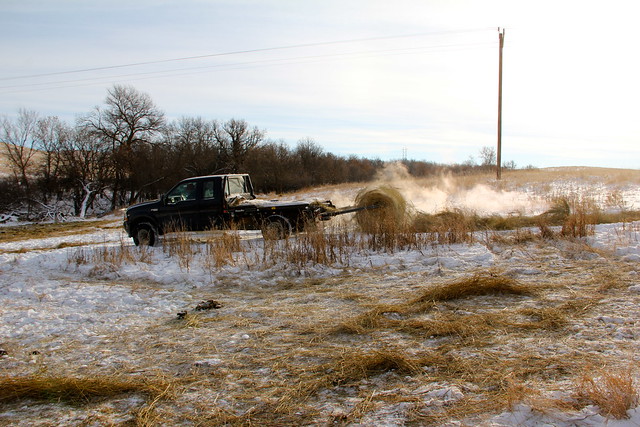
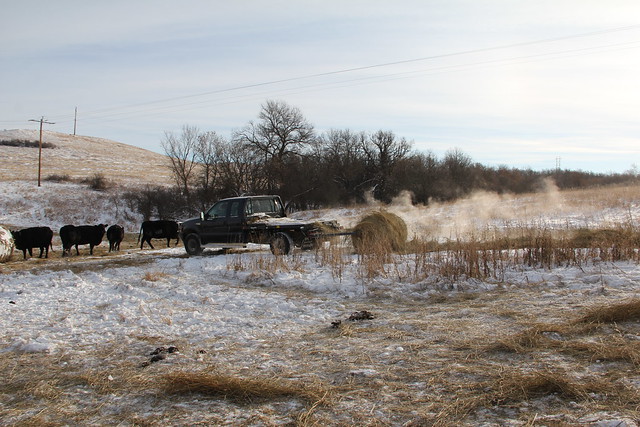
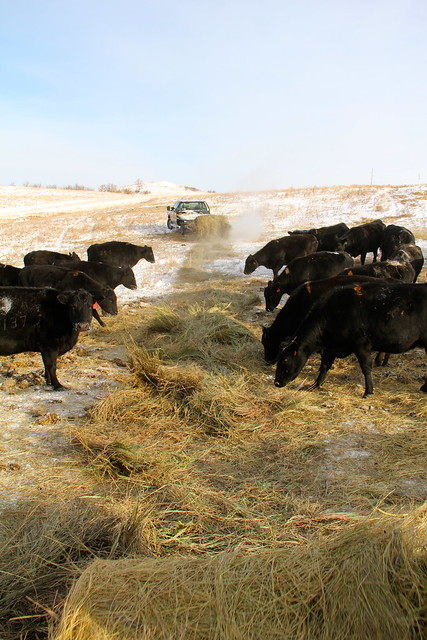
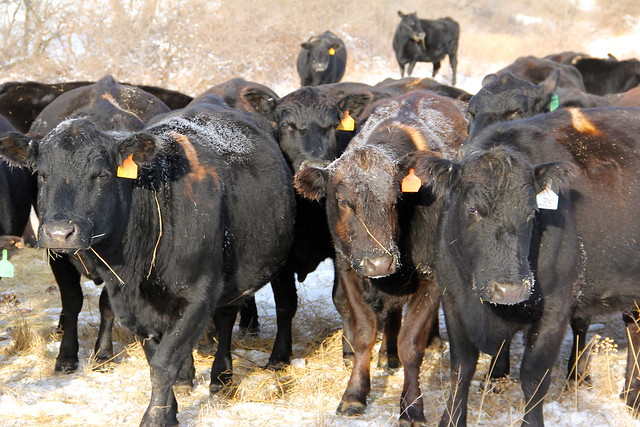
Feeding Hay

It doesn’t say so on the calendar, but the temperatures and blowing snow make it perfectly clear.

Winter is here.

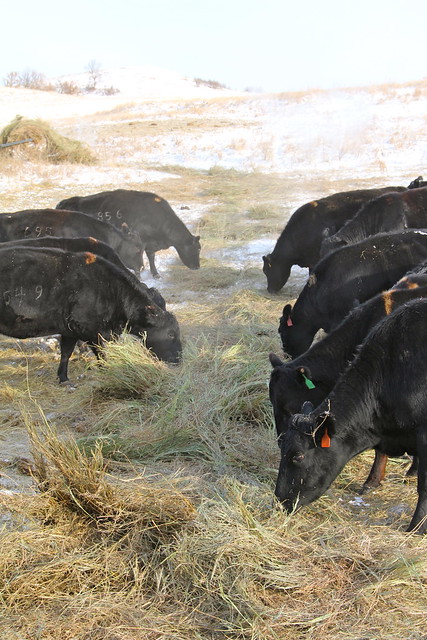
And because we still have some cows around, this means feeding hay and breaking ice for the animals.

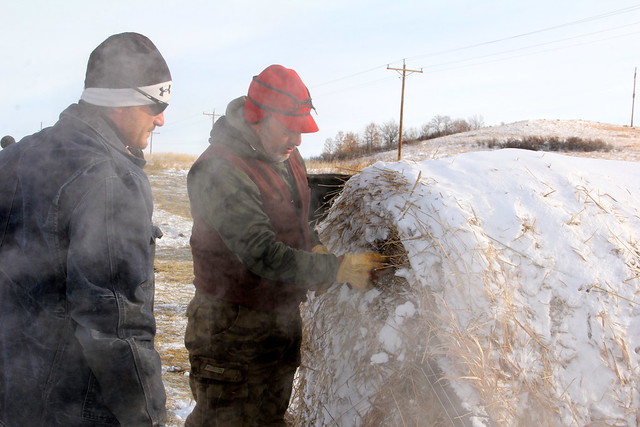
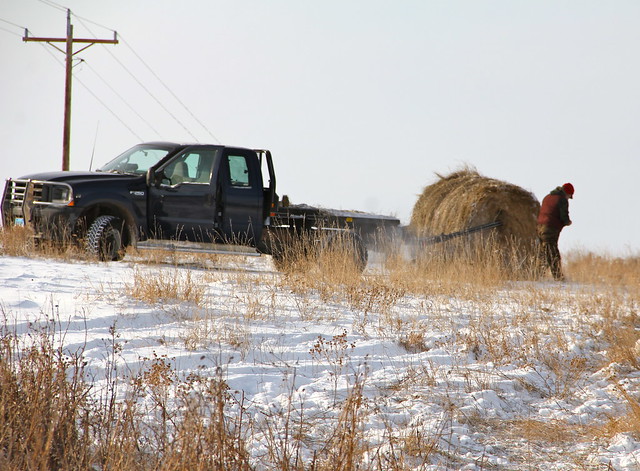
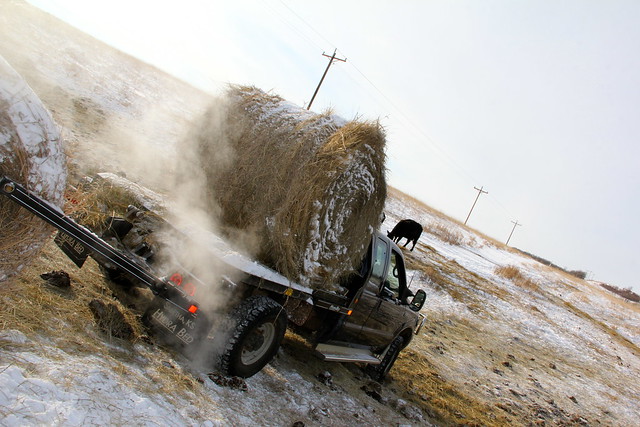
When I was growing up we had cattle every winter. And every evening after my dad came home from his work in town, often after the sun had gone down, I would bundle up in my coveralls and beanie, and sit beside him in the feed pickup as he rolled out bales for the cows.

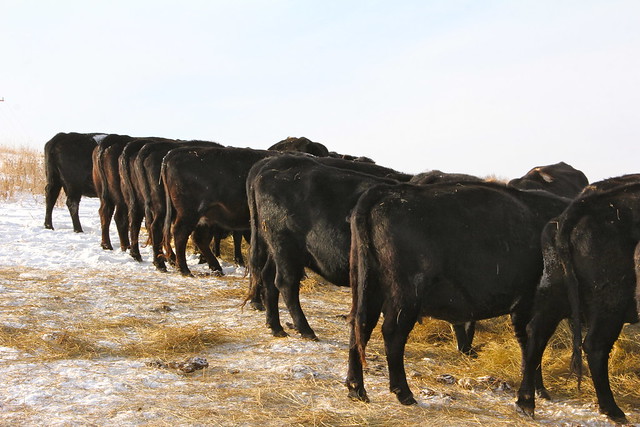
It was always one of my favorite chores for a lot of reasons. The pickup had heat, so that was one of them. I got to sit bundled up and watch the cows come in from the hills in a nice straight, black line.

When we would feed cake or grain, I got to drive the pickup while Pops shoveled it out the back. He would put it in low and release the clutch and tell me to keep it out of the trees. My nose would barely reach over the steering wheel, but I felt helpful and I liked it.

And I liked the way the hay smelled when it unrolled from the back of the pickup, like it had kept some summer underneath its layers.

There’s something about an everyday chore like this that is sort of comforting. Maybe it’s the knowing that you’re a necessary part of the order of things. Knowing that you’re responsible.

It’s the taking care I think.

These cows are heading to different pastures next week, leaving these prairie pastures to the horses.

So I was glad to get one last feed in with the ladies.

Bon appetit fine gals. I’ll miss taking care of you!

A prayer for the South Dakota Cowboy

As the sun shines down through the golden trees and rests on the back of the black cows grazing outside my windows and along our cattle trails, we send out a prayer to ranchers in western South Dakota who’s early autumn turned into a devastating winter storm last week.

Winter Storm Atlas Kills Thousands of Cattle in South Dakota
The Weather Channel
http://www.weather.com

Tens of thousands of cattle killed in Friday’s blizzard, ranchers say
Rapid City Journal
http://www.rapidcityjournal.com

Up to four feet of snow in some parts of our neighboring state buried cattle, horses and sheep in a cold grave, leaving ranchers and citizens without power to dig out and count their losses with the help of airplanes, neighbors and the National Guard.

I have just written and filed my Sunday column on how ranchers across the heartland are looking across the prairie, the badlands and the foot of their mountains and holding our breath, heart broken and worried for our neighbors, knowing that out here, raising these animals and crops, we’re all at the mercy of the sky.

So I’ve decided it’s worth spreading the news, not because it can reverse the damage, but because it sheds light on the industry and the farmers and ranchers who don’t call what they do a job, but a life.

Blogger Dawn Wink with Dawn Wink: Dewdrops explains the effects a storm of this magnitude has on a ranching family and not only their bottom line, but their morale.

Read it here:

The Blizzard the Never Was–and its Aftermath on Cattle and Ranchers
by Dawn Wink
Dawn Wink: Dewdrops
www.dawnwink.wordpress.com 

and send up a prayer to the cowboys in South Dakota.

Want to help? Here are some ideas: 

 The South Dakota Cowgirl
How can you help? 
http://www.thesouthdakotacowgirl.com

Heifers for South Dakota
Pledge a heifer (a bred yearling or a replacement quality weanling) for a rancher in South Dakota

Give to the cause today!
Ag Chat Rancher Relief Fund

The roundup.

Sometimes we have to bring the cows home.

This is what that looks like…

when it takes a little longer than planned to get them there.

And this is what it looks like in the morning waiting for the rest of the crew to come and help finish the job.


Rounding up. Gathering. Sorting. Working.  Punchin’ ‘

These are all words for moving cows home, although I can’t say we wear out the last very often.

I should start though.  Cow Punchin’ sounds cool and retro and as you know, that’s the image I strive for.

Well, something like that, but anyway…cow punchin’ is my favorite task on the ranch. I like the idea of gathering everything up in a big black mass of bellering and creaking and munching from all across the Veeder Ranch acreage. I like to make a big swoop of the place,  riding alongside the cowboys, loping up to hilltops, opening gates and following behind a nice steady stream of marching cattle on a well worn path.

I like the crisp air and the way my bay horse moves under me, watching and knowing and doing a better job of anticipating a cow’s move than I ever could.

I like the dogs and how they work as our partners in pushing the bovines forward, seeking approval and a little nip at the heels of the slow ones.

I like the way voices carry off into the hills and the conversations and curse words that come up when we’re all out in the world on the backs of horses.

I like how anything can happen and that anything always means a good portion of the herd will head for the thick brush and I will eventually have to go in there, no matter how many hats, mittens and chunks of hair have come to their final resting places among the thorns.

Or how many thorns have come to their final resting place in my legs.

This week was no exception: wool cap in the trees, tree in my hair, thorn in my leg.

Sounds about right.

Sounds just fine.

Because this is what it looks like when the cows come home in the light of day.


And no matter how many years pass, how many trucks hit their breaks on the way by or how many power lines or pipelines or oil wells cut through the once raw land. No matter the fact that some cowboys carry cell phones now and that I might hear one ringing in the trees below me, roundup always throws me back to the long held tradition of cattle ranching and care taking.

Because no matter what, horses and saddles and riders and neighbors and good dogs still work best to get the job done.

And technology can never save a rancher from the occasional necessity of standing in shit all afternoon.

No. In this line of work, some things just will not change.

Cannot change.

And so I tell you my friends,  if there is anything in the world that brings me peace…

it’s the roundup.

Why I’m here.

We were out late last night working cattle.

And by late, I mean after dark.

And by after dark I mean, a sliver of a moon, a thousand stars, 50 head of black cattle, five people and one flashlight.

No, it’s not all raspberry picking, sunflowers and margaritas on the deck out here.

Sometimes we have to get Western.

And when all available cowboys and cowhands have jobs and responsibilities in the sweet and useful hours of the day, sometimes we find ourselves chasing the sun while we’re chasing the cows.

It’s difficult. Since moving back to the ranch two summers ago I’ve learned a lot of things. I’ve learned how to can a tomato, tile a shower, where to find a missing pug, how make a meal from what I have in my pantry because I’ve got no choice, I’m not driving to town, how to kill a burdock plant, what time of day makes the most magical photos and how long I can go without taking a shower before the neighbors start to complain…

But above all of that, mostly I’ve learned there aren’t enough hours in the day.

And I don’t know how Pops has done it all these years.

Ranching is a full time job. It’s not just about watching them graze in the pasture and riding through them like the Man from Snowy River every once in a while to get your cowboy fix. You have to feed them, move them, watch the water, watch for illness, doctor, move them again, find them when they’re out, fix the fence, move them, fix the fence, patch up corrals, bring them home, let the bulls out, get the bulls in, roundup, doctor, wean the babies, fix the fence, get a plan for hay, move the hay, feed the hay, break the ice on the stock dam and check them every day.

My dad has always had two full time jobs, one of them being ranching. His goal was to keep this place in the family and, during that time, that was the only choice. He would come home from work in the winter and I would bundle up in my Carharts and we would roll a bale out for the cattle in the freezing cold, nearly dark landscape. Sometimes I would drive the pickup while he scooped out cake or grain for a line of cattle trailing behind in the falling snow.

In the spring we would drive out and watch for calves being born. I would sit in the pickup as he braved the wrath of momma while he tagged and checked the baby.

There was more than one time that momma won the battle.

Summers were spent riding horses and moving pastures.

Fall was roundup and time spent in the pickup on the way to the sale barn.

And then he’d do it over again.

Every memory of being a side-kick ranch kid was one I hold close to me as part of my makeup, no matter the fact that I likely wasn’t one bit of help, except maybe that driving part.

And I like to think I’m good company.

I’ve been bucked off, had my fingers smashed, broken bones and cried out of frustration when facing a seemingly impossible task.

Ranching is not a job for the weak, and often I wondered (and I still wonder) if I’m made up of the things my father is made up of.

Why all of those years of long hours in town and late nights? Why not a house in town with a lawn, beer with the guys on Friday nights, golf on Saturday?

I never asked him because it’s a stupid question.

I’ve never asked him because I know the answer.

I’ll tell you here, but I have to do it  quickly, because in an hour, we have to be home from town and saddled up. We have to bring more cows home and it’s gets dark earlier every night.

So here’s what he’d say:

This is it for me. Give me the beaches of the Caribbean, the steep mountains of Montana, give me perfect city streets laid out and predictable, give me the cactus and mysterious heat of the dessert, give me the shores of the mighty Missouri, the fjords of my grandparents’ homeland and I will say they are good.

I will tell you they’re beautiful.

I have seen them and I believe that’s true.

But I would not trade one day out in these pastures for a lifetime on those beaches, even if it means broken tractors and working until midnight with no light but the stars.

And I don’t know what else to say about it except this is my home and I will do what it takes to make sure that it stays the truth.

And that’s why I’m here.

The recipe for time.

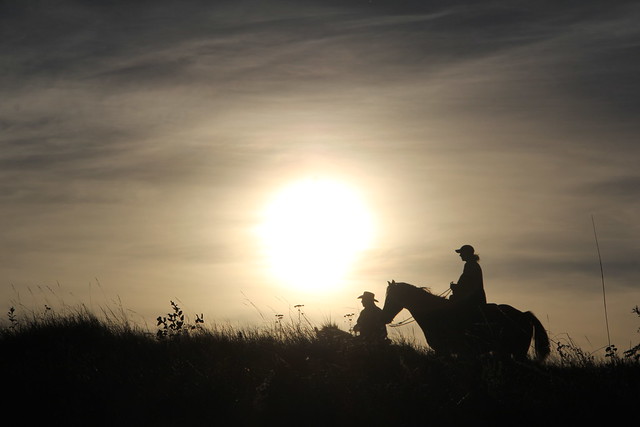
The best part of summer is the back of a horse on top of a hill when the sun is slowly sinking down below the horizon leaving a gold sort of sparkle in its wake. And the cows are in their place, grazing in the pasture with the big dam and the tall grass that tickles their belly.

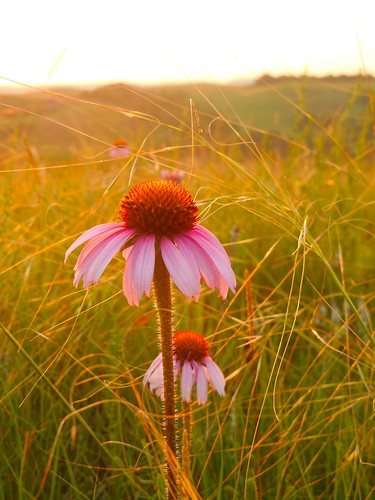
And that guy you love is finished arguing with you about how to get them there, so you can relax now and just love each other and take the long way home to notice how the coneflowers are out in full bloom and the frogs are croaking like they’re trying to tell us something urgent. Something like, “Hey, stop worrying about trivial things. Stop working so hard to make more money to buy more stuff. Stop moving so fast.  This is it right here guys. This is the stuff.”

Who knew frogs had such insight.

Around this ranch moving cattle is a sort of therapeutic chore. With everyone working a day job, taking care of the cattle is a priority that gets us home in the evening and out of the confines of the office, the checklists, the phone calls and the stress of the highway miles full of big oil trucks we pass by with white knuckles to get back home.

If our office could be the back of a horse all day, I think it’d be better for our blood pressure.

Maybe someday it will. Maybe not.

This is my third summer back at the ranch and every day I’m gaining more insight into what it takes to keep a place like this up and running. I’m beginning to understand that there are things in my life I need to weed out to make space for the time I want and need to spend out here on the back of a horse.

It’s funny coming from a woman who, three summers ago, started writing again because she had more time on her hands.

Because she didn’t know how to sit still.

Because she needed to work through what coming home for good means.

You’d think I’d have it figured out by now, but I’m not sure I’m there yet. For months our minds have been set on the bricks and mortar that hold us and all of the stuff we’ve picked up along the way.

That’s the step we are standing on.

But every day I look out the window, step outside to feed the dogs or pull at a weed or get in the pickup to move down the highway and I’m so overwhelmingly grateful that the summer came as promised.

And then I get a little lonesome.


And I haven’t figured it out quite yet, but I have a theory.

I have responsibilities. I have burdens I’ve placed on myself to move forward, to achieve goals. I have deadlines I’ve committed to and jobs to complete, people who have questions and dates marked on my calendar to leave.

And when I’m leaving I want to stay. When I stay I think I’m missing a chance.

What chance? I don’t know. Aren’t I where I want to be?

But I’m not eleven anymore. No one is buying my milk so I can play outside all day.

All I want to do is play outside all day.

All I want to do is sing.

All I want to do is write.

All I want to do is take photographs.

All I want to do is ride.

All I want to do is drink cocktails and sit on the deck that we need to build and catch up with my friends and family and take in the sunset.

All I want to do is everything.

Is this a battle we all fight, the battle of balance? I feel I’ve been fighting it my entire adult life, with a list of so many things I want to be, so many places I want to see, and only one body, one life to achieve it.

No frogs, I don’t want stuff. I want more time.

More time to sit for a bit on the back of a horse and watch the sun go down on a place I love with a man I love and watch the cows graze.

But no one is selling time, turns out it is homemade.

I just need to find the right recipe.

A neighborhood tradition.


We helped our neighbors brand  calves this Sunday. The sun was finally shining enough to give us hope the corrals might dry up by the time the day was over, so it seemed like the perfect day to get some work done.

Branding calves is a traditional chore that happens once a year. And whether your herd is 50 or 500, branding is always a great and necessary excuse to get neighbors, friends and family together to get some work done under the big prairie sky.

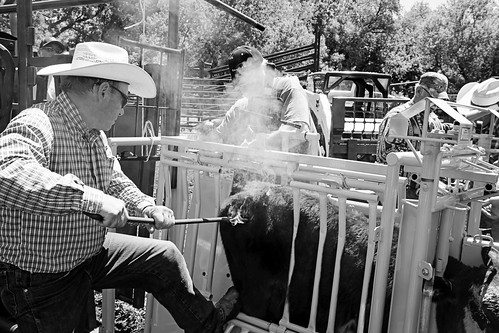
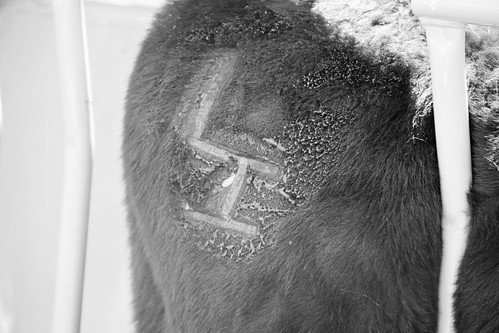
Branding, for those of you who are not familiar with ranching operations, is what cowboys do to identify their calves a month or two after they are born in the spring. Each ranch has a certain symbol associated with its operation and that symbol is placed on the cattle by using grey-hot irons that have been heated up in a fire and placing those irons momentarily on the calf’s hide.


At one time cowboys ran their cattle in open range on land not divided or sectioned off by fences. Branding your cattle meant that each ranches’ herd could graze freely on the open range and could easily be identified come roundup time when the calves were taken to market. Today in Western North Dakota ranch land is split up and sectioned off into pastures. If a neighbor’s cattle break down a fence and get into a field or an adjacent pasture, they are easily identified. In addition, branding cattle has traditionally been a way to deter cattle thieves, as brands are registered and inspected when taken to market.

With most calves born in March and April, ideally a rancher would want to get their branding done in May, but with the snowy and wet weather that occurred during calving and on into the late spring, things have been delayed a bit this year.

Now every operation has their own traditions and ways they like to work their calves. Around here a typical branding day would start early in the morning with a ride out into the pastures to roundup all of the mommas and babies and gather them into a corral where the crew then sorts the calves off from the cows into a smaller pen.

There’s a lot of mooing at this point, which will not cease until the mommas are back with their babies, the end goal the crew will work to accomplish as quickly, safely and efficiently as possible.

Once the calves are sorted the real work begins.  Typically, if the calves were younger, a crew of able bodied cowboys and cowgirls would work to catch and “wrestle,” or hold the calves in place on the ground while another crew works quickly to vaccinate, fly tag, brand and, if it’s a bull calf, castrate.  If all goes well the calf is only down for a few short minutes before the crew releases the baby back into the pen to find his momma.

At the neighbor’s last weekend the process was the same, but because the calves were a little older and a little bigger, Cowboy Kelly decided it would be easier on all of us, calves included, if we used the chute.

And because, as I have mentioned earlier, I was out a little late the night before, drinking some adult beverages, I was ok with missing the opportunity to brush up on my calf wrestling skills. But my desire to be involved was completely selfish anyway, because around this neighborhood it seems you always find you have plenty of help.

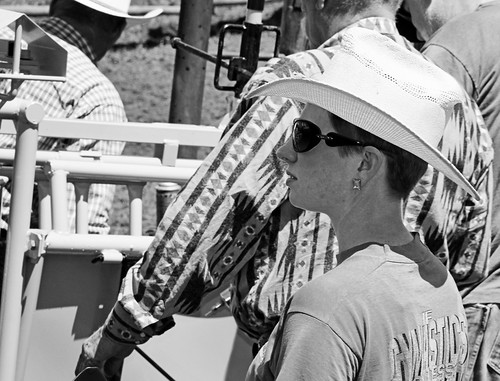
And so was the case on Sunday as one by one under a sun that turned my fair skinned friend’s skin pink, even under her cowboy hat, the crew pushed the babies through the chute and Cowboy Kelly marked them with a brand that has been attached to his family’s ranch and cattle for over 100 years.


I stood by Kelly’s daughter, my best friend and neighbor when we were growing up, as she tagged the calves to help keep the summer flies away and counted and inspected each and every one for her father.

My best friend is a mother now. I watched her carry one of her babies piggyback as she trudged through the mud to shut the gate and I wondered when it was exactly that we grew up.


She just had her first son, her third child, a little red headed boy, a few months ago. He was likely sleeping in his great grandmother’s arms in the house as his grandma set out the dishes, turned on the oven and put ice in the cooler for the crew.

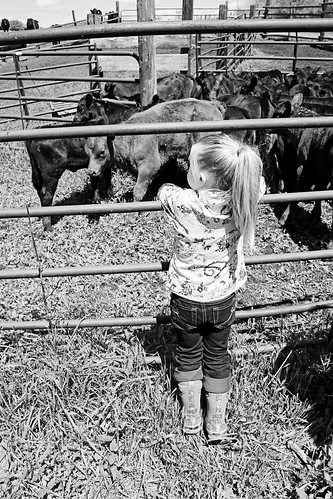
His two blonde and freckled sisters were hanging on the fence in their pink boots and ponytails, watching the action, counting the calves and asking questions next to their cousins and aunts who stood just close enough to make sure they didn’t fall and hurt themselves.

I look at those girls and it’s like I’m looking at my friend, new freckles appearing with each hour those little noses see the sun. I used to stand next to her on that very fence, watching our dads, asking questions, wearing holes in the toes of our red boots, happy with the business of being friends.

And so I stood next to her again on Sunday and we were ourselves, older versions of the children who used to ride their bikes up on the highway between our two ranches, weaving in and out of the yellow center line, our feet off the pedals, the wind tossing our hair, making plans to grow up and get married and work and be cowgirls and mommas out here on our ranches, the only place we knew, the only place on earth for us.

So I guess we are grown up now. And so are those boys we brought home to help with branding back when we were sixteen or seventeen and hoping they could pull it off.

Hoping our dads approved.

When the last calf got his brand, the crew gathered for a Bud and to  lean on fences and find some shade. I snapped a few more pictures as my friend tallied up the ratio of bull calves to heifers.

She’s always been good with numbers.

I’ve always liked words.

And so I’ll tell you the most important part about branding. Everyone will agree.

While we were standing in the sun and the smoke of the branding irons, inside the house our mothers were cuddling the babies and cooking up a casserole meant to stick to a hungry man’s ribs.

Because the number one promise after a successful day of work in this neighborhood is a hearty meal and the chance to catch up, to visit a bit after a busy calving season.  It’s why you can always get a crew, because the work load is eased by friendship and comradery and the spirit that still lives out here on 100 year old ranches, the spirt that holds hope that it could carry on like this through the generations in the faces of the children we used to be.

Farmers at the Super Bowl.

So you watched the Super Bowl. You saw the game, you saw Beyonce shake it, you saw the lights go out and, among the flashy messages, the advertisements for M&Ms and beer and phones and underwear and cologne, you saw this:

Another ad for another product, yes. But one that had a message attached to it that has sent my world into a humming since it aired.

Now it’s possible you missed it. It’s possible you didn’t hear it tucked in there among the baby Clydesdale and the elderly escaping the nursing home for a night at Taco Bell.  It didn’t make the top ten commercials and didn’t get nearly as much buzz in other parts of the country, but it sure is buzzing here.

I don’t usually comment on pop culture or what ‘s happening on T.V. or in sports here because I’ve made it my mission to talk about different things: the way the sun shines on the back of a horse, how the wind blows snow across the prairie and what it’s like to be a woman connected to a place, but as a girl who grew up feeding cattle alongside her father in the coldest winter nights, someone who watched him doctor horses, bring new-born and frozen calves into the basement of the house and nurse them back to life, as a former FFA president and the 4th generation on my family’s ranch, I have to talk about this.

I have to tell you why people like me have been so inclined to share this advertisement, to watch it over and over again, to shout its praises from the rooftops and, well, post it on every social media networking site they can link up to out here in the boonies.

Because finally, among the hype of sports, the glitzy glam of pop culture, the humor and the ruckus and the fight to be the winner, right there in the most prime real-estate of prime-time television someone out there felt it might be important enough to slow it down and tell our story.

Now, I wasn’t at every Super Bowl party in middle America during the 2.5 minutes Paul Harvey’s message was pumped into millions of homes across the country, but I was at one, and as soon as that familiar voice spoke the first word, the room fell silent.

We held our breath in that moment we were certain we were looking at an image from our backyards: a black baldie cow near a barbed wire fence in a barren, snow-covered prairie.

We were quiet because we saw our church standing tall and worn beside a country road,

we saw our grandfather with callused hands and a face wrinkled and weathered from the long days spent in the elements.

We shushed our voices and choked back a tear for the colt our father couldn’t save, laughed a little because we’ve ridden a horse using a head stall made out of hay wire and smiled at the memory of our father’s stopping the tractor to move a nest of newborn rabbits out of harm’s way.

We saw ourselves standing in those fields, our grandmother’s eyes under that hat, our mother holding our hand, our father holding on hope.

We saw our children in the steady cadence of comforting words and a familiar voice that we’ve heard coming through the static on our old tractor radio for years.

The rest of the story.

Our story.

Some days I feel like we’re moving further and further from our connection to the land and the understanding of the dirt from which that potato was plowed. Farmers, ranchers and agriculturalists are not known to stand at the pulpit and tell their stories to the masses. No. Many spend long days working alone in the combine, on the back of a horse checking cattle or working fencing pliers in the deep brush.We share our stories by living them alongside our elders, hoping to learn something, dreaming that one day we might be fortunate enough to try our hand at tending the land.

I know my grandfather’s story. I see the old equipment that couldn’t be repaired breaking the wind from the hilltops on this place. I find little pieces of wire, old engines, scraps of leather, worn coveralls and other little pieces of a life spent scraping and saving and getting by in the old out buildings, in the 100 year old barn, in the fences that need to be repaired. My father keeps the same collection, adding to it at will in case he might need to patch something up.

I know my father’ s story. I know that on Sunday mornings he will knock on the door of my house like he does every weekend for a cup of coffee and a chat between chores.  I know he will take off his boots, un-do his silk scarf and leave his wool cap on his head. I know he will keep his Carhart jacket on because he won’t stay long, just long enough to wonder out loud what might be wrong with the old tractor this time and discuss some plans about buying cattle, fixing the corrals in the spring and making things work better out here.

I know that tractor’s story. It’s been on this place for decades, bought used when my father left for college in the 70s. I know the only thing wrong with that tractor is that you can’t stop time, and we could not afford to buy a new one.

Each day my father has been the caretaker of the family’s ranch it has been an adventure to get that tractor up and running.

Every day it has been worth it.

Somewhere along the line a company like Dodge took notice of the kinds of people buying those trucks they were selling, not for the paint job or the heated seat, but for the horsepower and the muscle that it takes to haul a trailer full of bulls to the sale barn, a couple of priceless horses and a teenage daughter to her first high school rodeo, or through a snowy trail as your grandfather scoops grain for the cattle in the winter.

Somewhere in their marketing plan Dodge thought it  might be a good idea to mention those farmers and ranchers out there throwing bales and feeding the country, because quite frankly, they have helped keep them in business.

So they declared it the “Year of the Farmer” and are working their marketing plan so that spreading the word means supporting the FFA.

That moment a company like Dodge took to tell our story while they had the world’s attention gave us–the farmers, the ranchers, the corn growers, bottle feeders, chicken-coop cleaners, post-hole-diggers, pig-sloppers, 5 a.m. cow milkers, –a little reminder that ours might not be a glamorous story, but it is one worth living.


Click here to watch an interview with the Montana ranchers featured in the commercial.