Memory Keeper Podcast

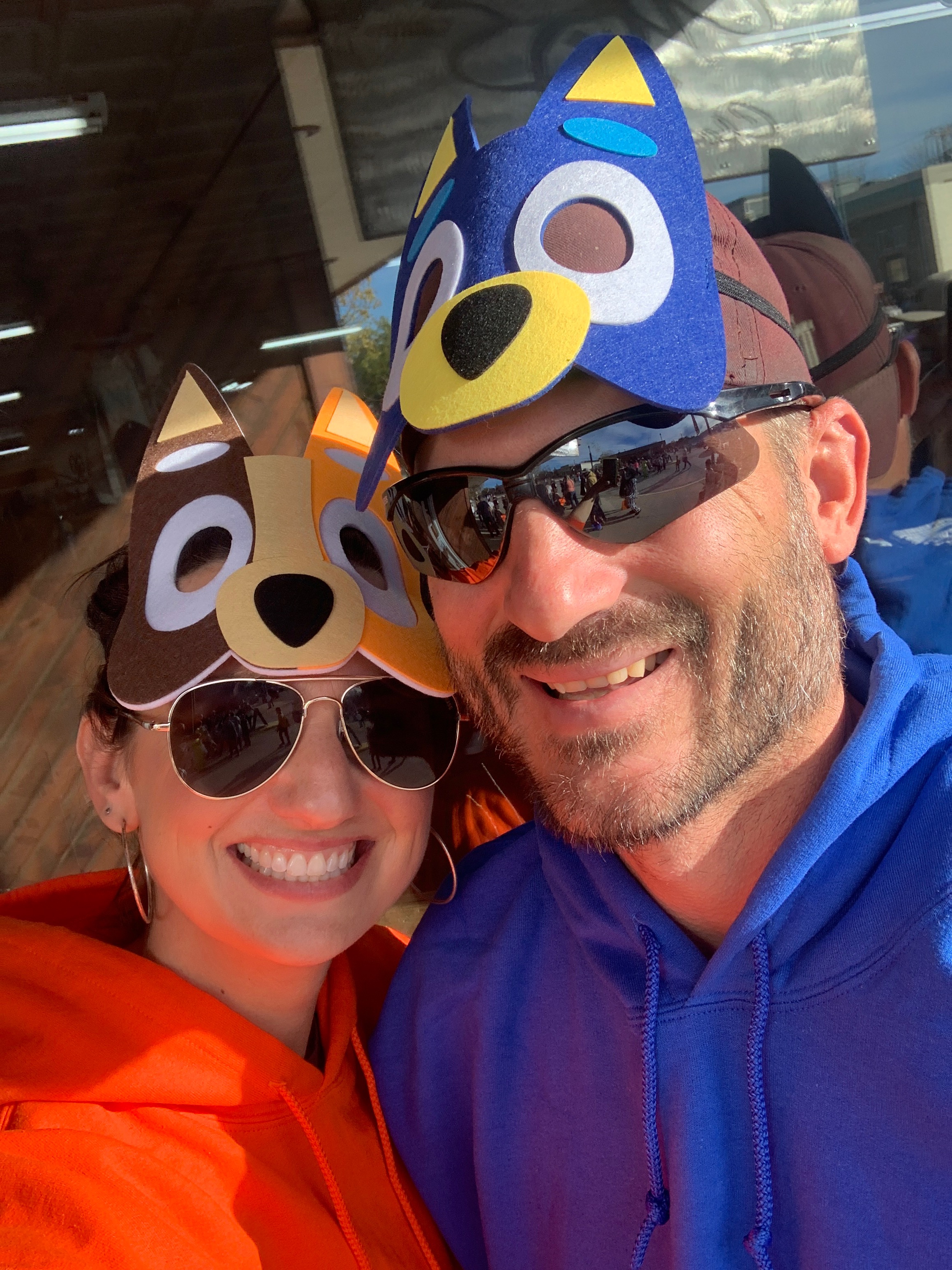
Another podcast up and at ’em for you. This week we sit down to reflect on our role in other people’s memories, especially our children’s. Speaking of children, ours are really loud in this episode, so fair warning if you’re not as good at ignoring them as we are. Also, I brings up the time I overbid on my husband dressed as the world’s ugliest woman in a local fundraiser. This has nothing to do with anything, but you get to hear it anyway.
And as a special treat, Edie tells the story of Paul Bunyan and it’s adorable. Listen at the link below or wherever you get your podcasts.

Scars

Listen to the podcast here or on Spotify, Apple podcasts or wherever you get your podcasts

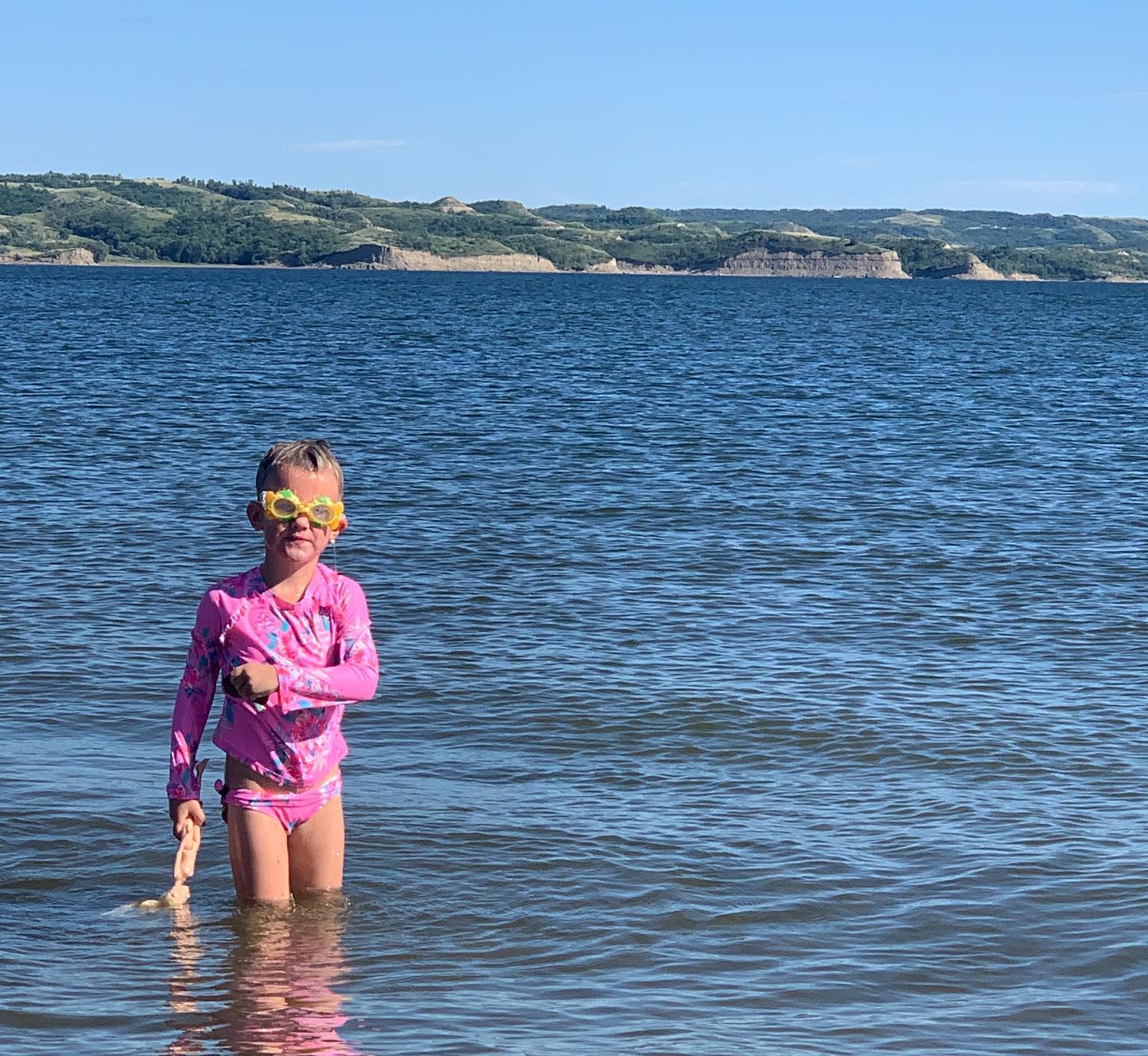
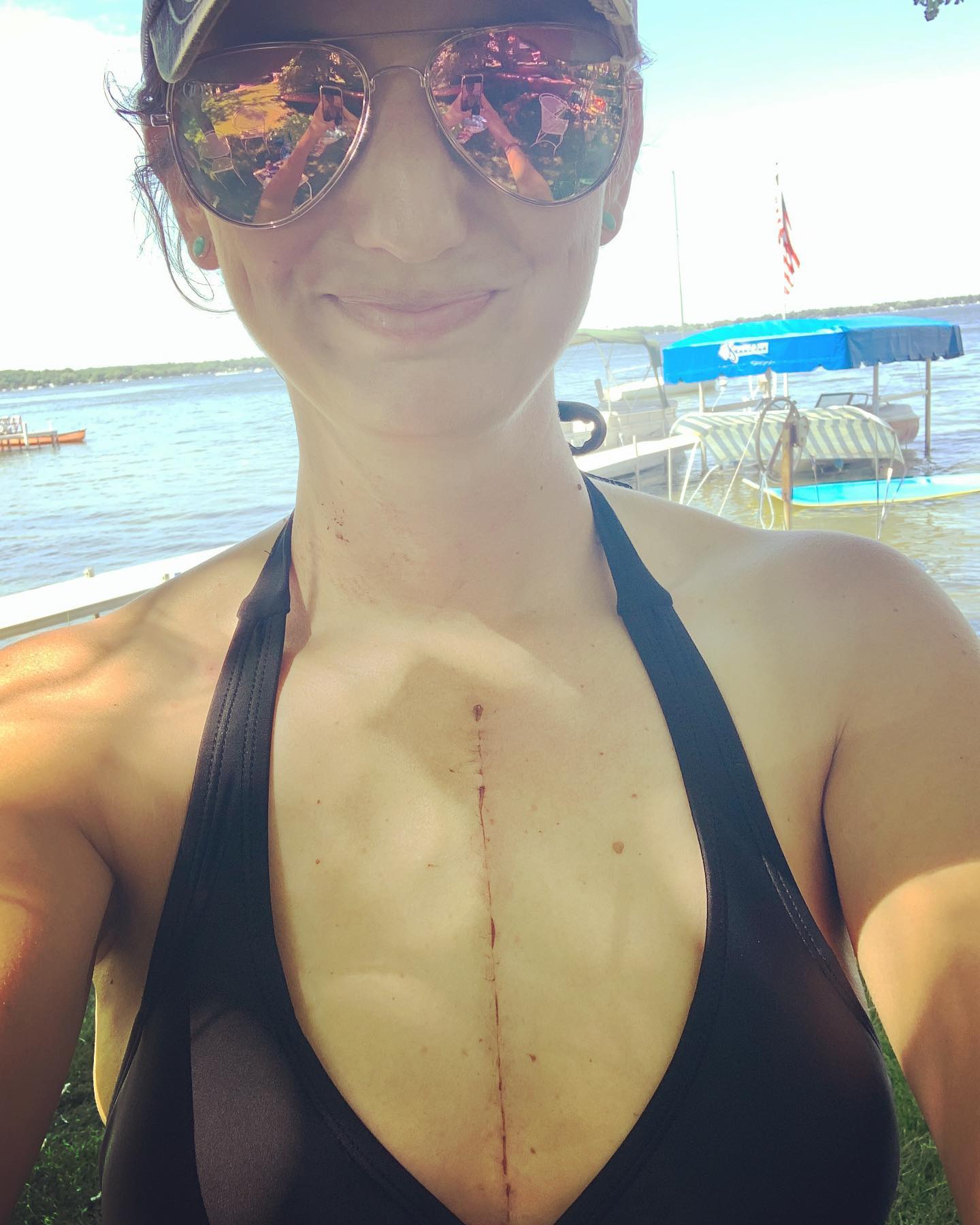
Three summers ago, when my daughters were four and two, we brought them to the shores of Lake Sakakawea to take a boat ride and get an ice cream cone at the marina. I was only a couple months or so post-surgery to remove the tumor that had been blocking a large part of my airway, the one that sliced me right down the middle and left me with three scars where the tubes went and one big one that, for a while, and at that time when it was fresh, resembled a zipper, nice and straight starting at my clavicle and running all the way down my sternum.

I like to think now, from far away, it makes me look like I have the cleavage God never gifted me, but I digress…

Anyway, at that time I wanted to do anything and everything that got me out of the house and distracted from the pain of healing up and the worry and fear that would cling to the back of my throat if I laid too still or it got too quiet. Not that it was ever quiet those days with two daughters young and healthy and growing in the summer sun, a blessing that would keep me out of my head and into their latest art project or wild thing they were attempting to catch. So that hot day we all put on our swimming suits under our shorts and summer dresses and headed out to do what normal families do when they don’t have a mom recovering from major surgery and are spared, at least for now, the black cloud of cancer or loss, as if any breathing adult is walking around completely free from burdens.  As if being a human isn’t knowing what could happen, what inevitably is going to happen, and mowing the lawn or ordering the cocktail or training for the race despite it or because of it, depending on the day. Depending on the outlook.

The girls swam and made sandcastles and swatted away the horseflies and we probably ate the sandwiches my husband made or maybe we made the decision to just grab a cheeseburger at the marina restaurant, what we all wanted to do in the first place. Truth is, I don’t remember the exact details of the day. I don’t remember what my daughters’ swimsuits looked like or even the little nuances we swore we’d never forget, like all the words two-year-old Rosie mis-pronounced or the soft pudge of their toddler cheeks under my smooches, but I do remember I couldn’t lift them then, so they would hold my hand and ask me when. And I do remember they would want to see that scar, to face it, to know about it, even when it was fresh and scabbed and weird and new. And they were young, and I was their mom and while I only had a few years of this parenting thing under my hat, I understood quickly that if I wasn’t scared, then they weren’t scared and so I wore that swimming suit and put on the sunscreen and lived in the world with my big new scar and that was it. This was a part of us now.

I have a point to make here and I get to it more quickly when I tell this story on stagewhen it’s my mission to argue that our failures and imperfections, our bumps and bruises and struggles aren’t for hiding, but for acknowledging, and here’s why. From across the yard of that marina, while I was standing up by the picnic tables to help situate my daughters, a man waved at me and yelled “Hey!” I looked up thinking that I knew him, but I didn’t know him, and so I just yelled “hey” back because we’re friendly here. And then he pointed to his chest and loudly asked (because he was across the yard) “Heart surgery!?”

“No!” I replied, understanding in a few beats, what he was asking. “Tumor!” I yelled back, suddenly and weirdly feeling a little proud that a stranger noticed and acknowledged the very thing that had been running and disrupting my life for months and months.

“Oh, heart surgery here!” he yelled back, pointing again to his chest before giving me a wave and getting back to living a life he was given thanks to that scar under his shirt.

Once, right after my surgery and before this stranger and I nonchalantly hollered at each other about the most terrifying time in our lives, I had a woman ask me why I didn’t hide my scar. She said her husband had one too, but she buttons his shirts up to the top for him if he forgets. She’s embarrassed? Maybe. Or maybe it just reminds her how scared she can be. 

I told her I wear it for all the people who would have given anything to wear this scar if it meant they had one more day here with their kids, or in their garden or on their boat fishing the rocky shores and stopping in the marina to grab a bucket of minnows and a candy bar. It never occurred to me to hide it, but her question made me wonder why, really. The exchange with the stranger on the edge of that lake that had me proudly declaring the imperfection to him and my daughters and anyone withing yelling range, solidified the reason—if you allow yourself to be truly seen, scars and all, others see themselves in you. I argue the act brings with it more hope and acceptance and love than anything else we can do for one another, and that can make all the difference in the healing part.

And also, sometimes, those imperfections can make you look like you have cleavage, at least maybe, from far away…if you squint…

When I grow up


Today I want to share a piece that closes out my book “Coming Home.” I wrote it when I was still in my twenties in our first year back at the ranch. I was seeing this place through new eyes, realizing what time can do to us, clinging tight to the things that made me as I was discovering them again.

Those gray hairs I talk about are pushing through strong and I realize in the re-reading, I didn’t define what “grown up” actually means. Is it now? Is it ever?

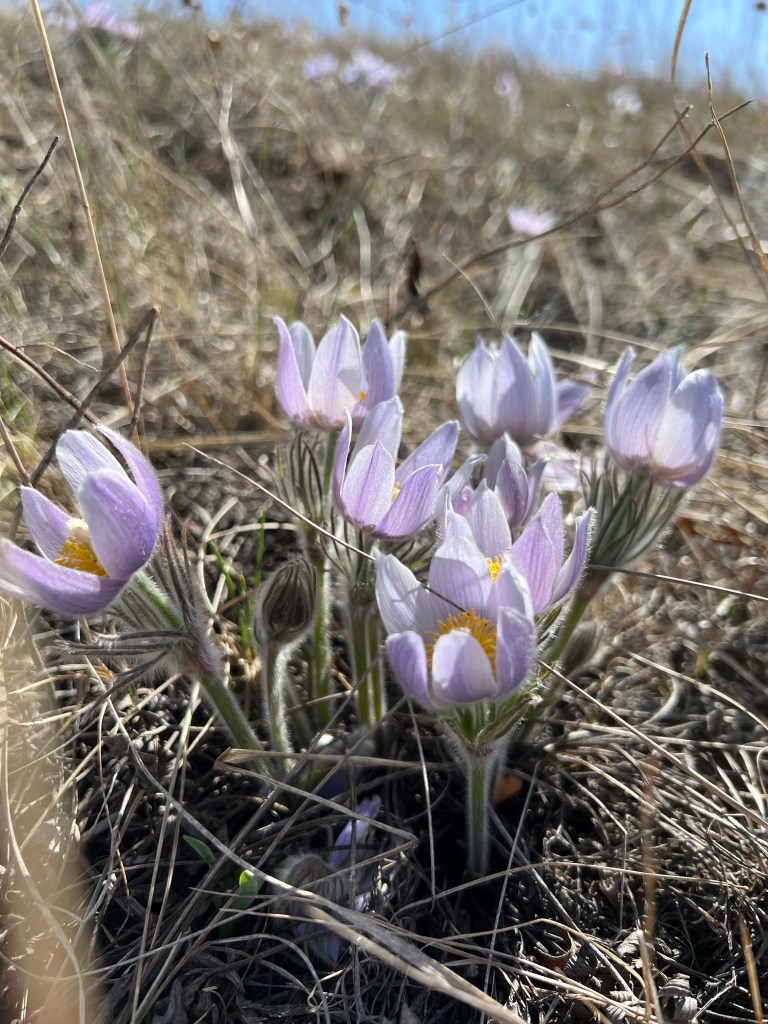
I grab my flannel and go look for crocuses.

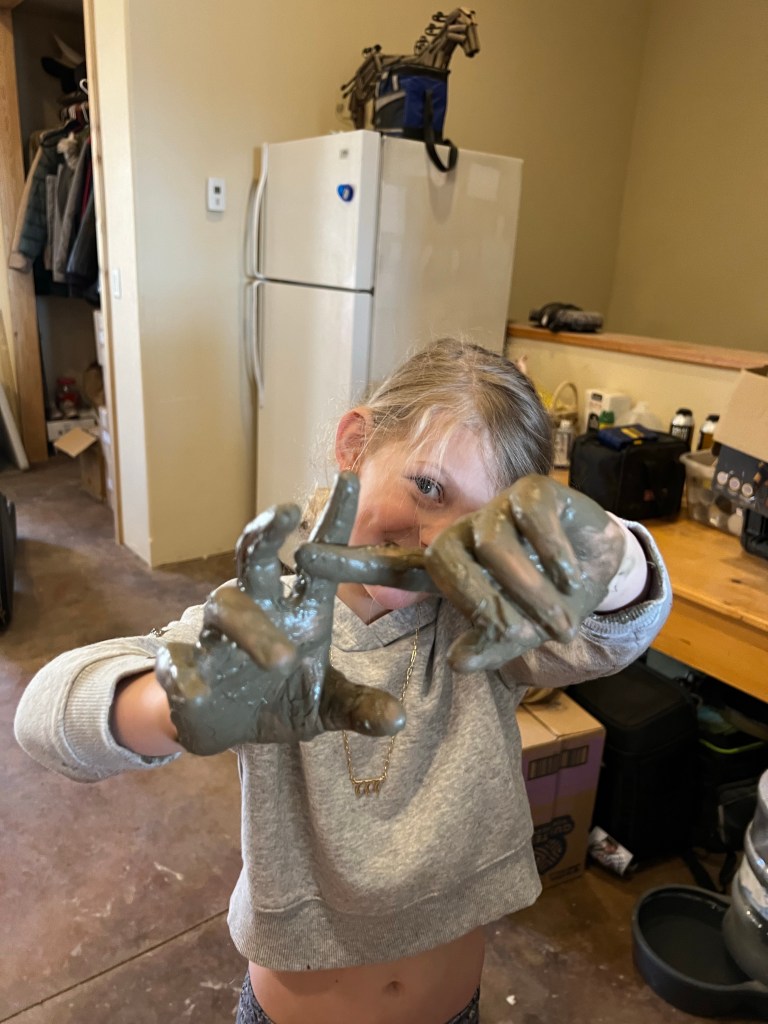
This week on the podcast I sit down with my oldest daughter, Edie, to talk about what it means to be an adult. And why kids like the mud. And yetis. Listen here or wherever you get podcasts.

When I grow up

When I grow up I want to be the kind of woman who lets her hair grow long and wild and silver. When I’m grown I hope I remember to keep my flannel shirts draped over chairs, hanging in the entryway and sitting on the seat of the pickup where they are ready and waiting for me to pull them on and take off somewhere, the scent of horsehair on the well-worn sleeve.

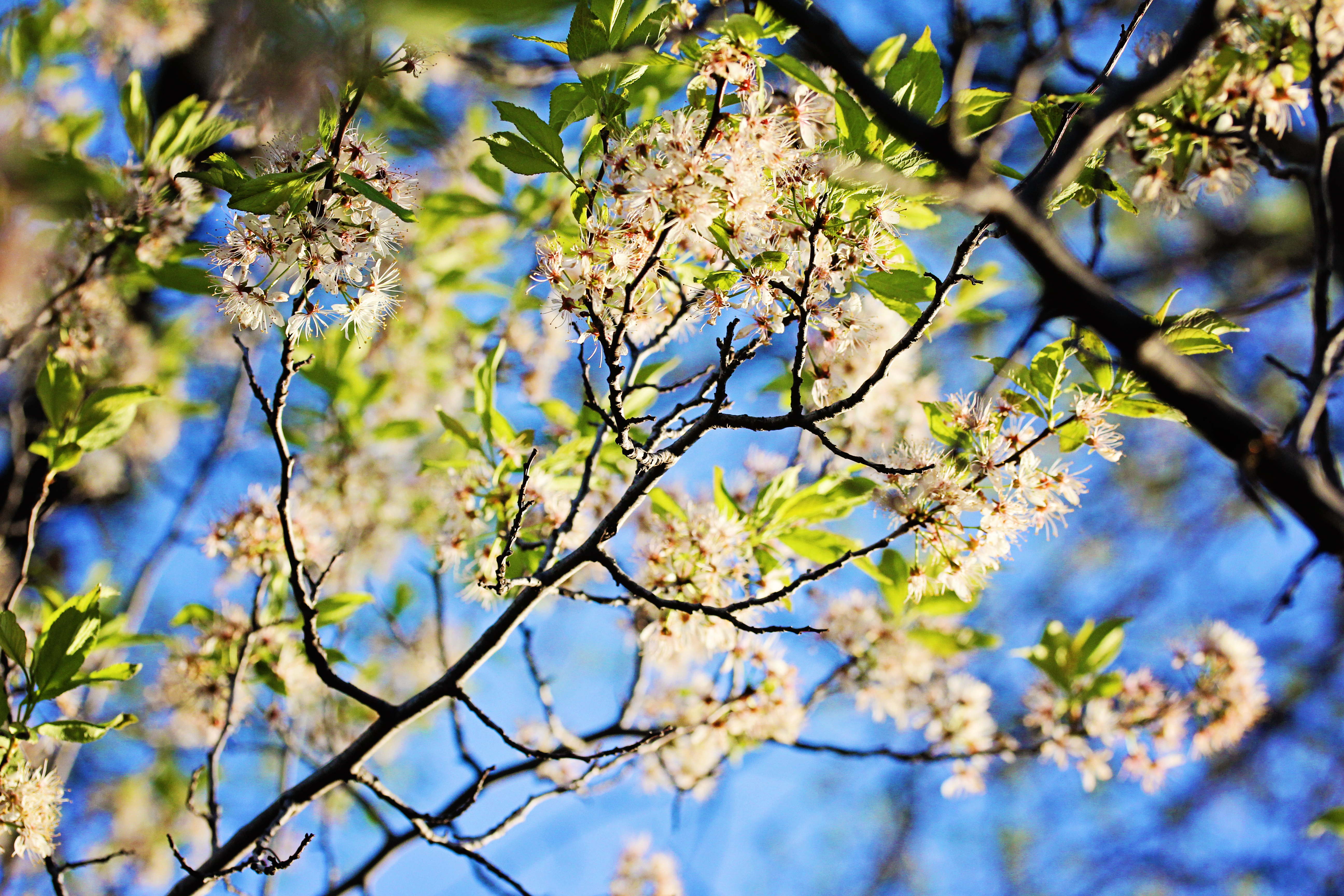
When I grow up I want to remember every spring with the smell of the first buds blooming on the wild plum trees what this season means to me. When I grow up I pray I don’t forget to follow that smell down into the draws where the air falls cooler the closer you get to the creek and the wind is calm.

When I grow up I hope I don’t find I have become offended by a bit of mud tracked from boots onto the kitchen floor. I hope I keep the windows open on the best summer evenings with no regard for the air conditioning or the dust, because a woman can only be so concerned with messes that can be cleaned another day, especially when she needs to get the crocuses in some water.

When I’m older and my memory is full, I hope that the smell of damp hay will still remind me of feeding cows with my dad on the first warm day of spring when the sun warmed the snow enough to make small rivers to run on our once frozen trail. I hope it reminds me how alive I felt wading in that stream while he rolled out the bale and I tested the limits of the rubber on my boots.

And when my hair turns silver I hope I remember that my favorite colors are the colors of the seasons changing from brown to white to green to gold and back again. I pray I never curse the rain and that I don’t forget that next to the rosy flush in my baby’s cheeks, rain is my favorite color of them all.

Yes, when I’m old and my knees don’t bend the way they need to bend to get me on the back of a horse, I hope I’m still able to bury my face in her mane, to run my hands across her back and lean on her body while I remember the way my spirits lifted as she carried me to the hilltops.

I hope I recall how the first ride of spring made my legs stiff, my back creak and my backside sore, even as a young woman with muscles and tall boots.

Yes, boots! When I am old I hope I will wear my red wedding boots every once in a while and remember how I stood alone in them out in the cow pasture as a young woman waiting for the horses and wagon to come over the hill and take me to the oak tree where my friends and family gathered and the man I loved was waiting to marry me.

My red boots will remind me, so in all the shuffle and lost things that become our lives, I hope I remember to save them.

And as I watch the lines form on my husband’s face, little wrinkles around his eyes from work and worry, I hope I remember to say something funny, to tease him a bit, so I might be reminded again how he got the most important ones, the ones that run the deepest.

Yes, when I’m old and my hair is silver and long and wild, I hope those things that made me—the dirt turned to mud, a good man’s laughter, the soft breath of my child asleep on my chest, the strong back of a horse, the rain that falls on the north buttes and the scent of summer rolled up in a hay bale at the end of a long winter—will be there to see me out, happy and softened and weathered, just like the flannel I’ll remember to leave draped over the chair…

The Girls of Spring

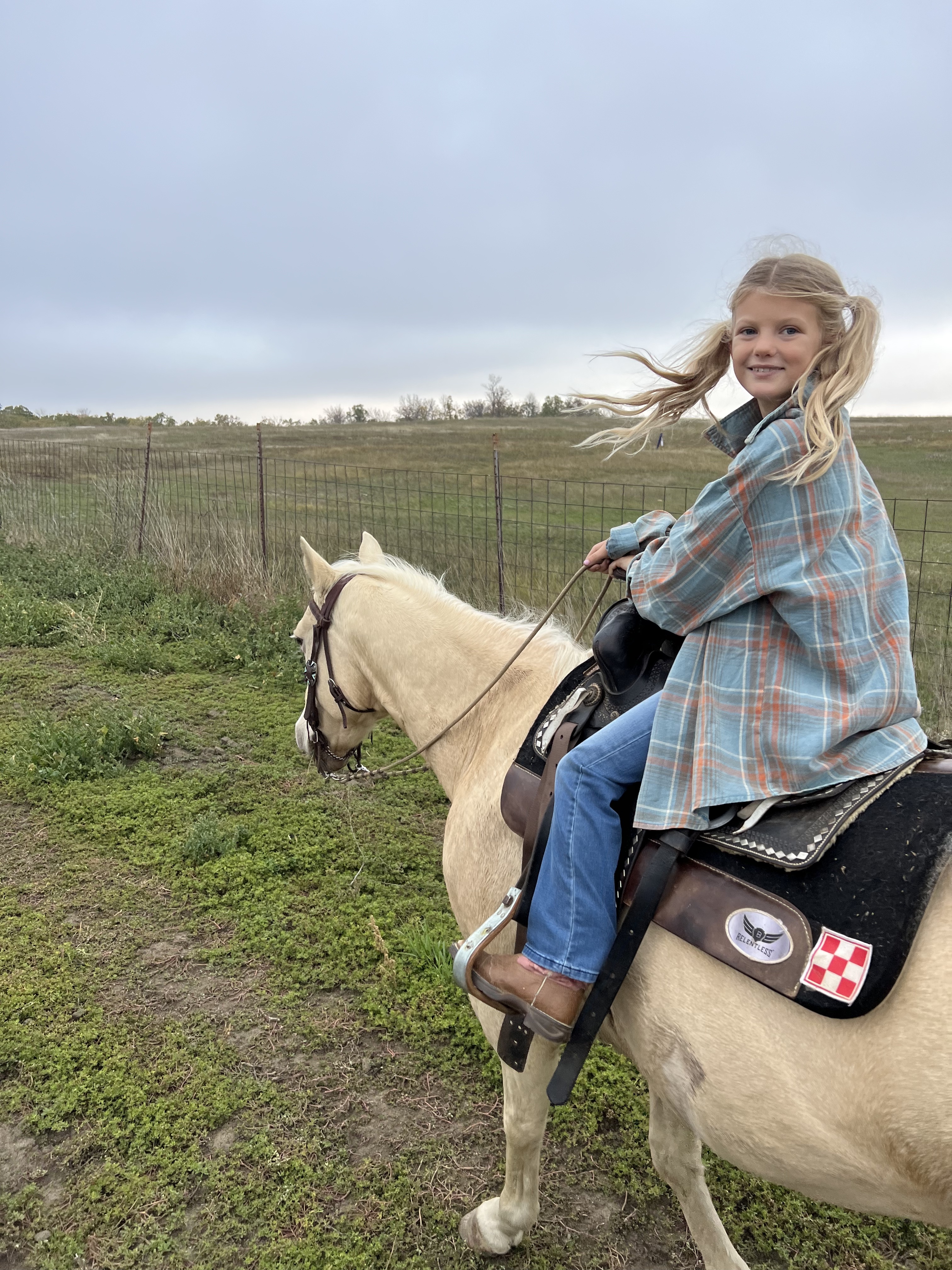
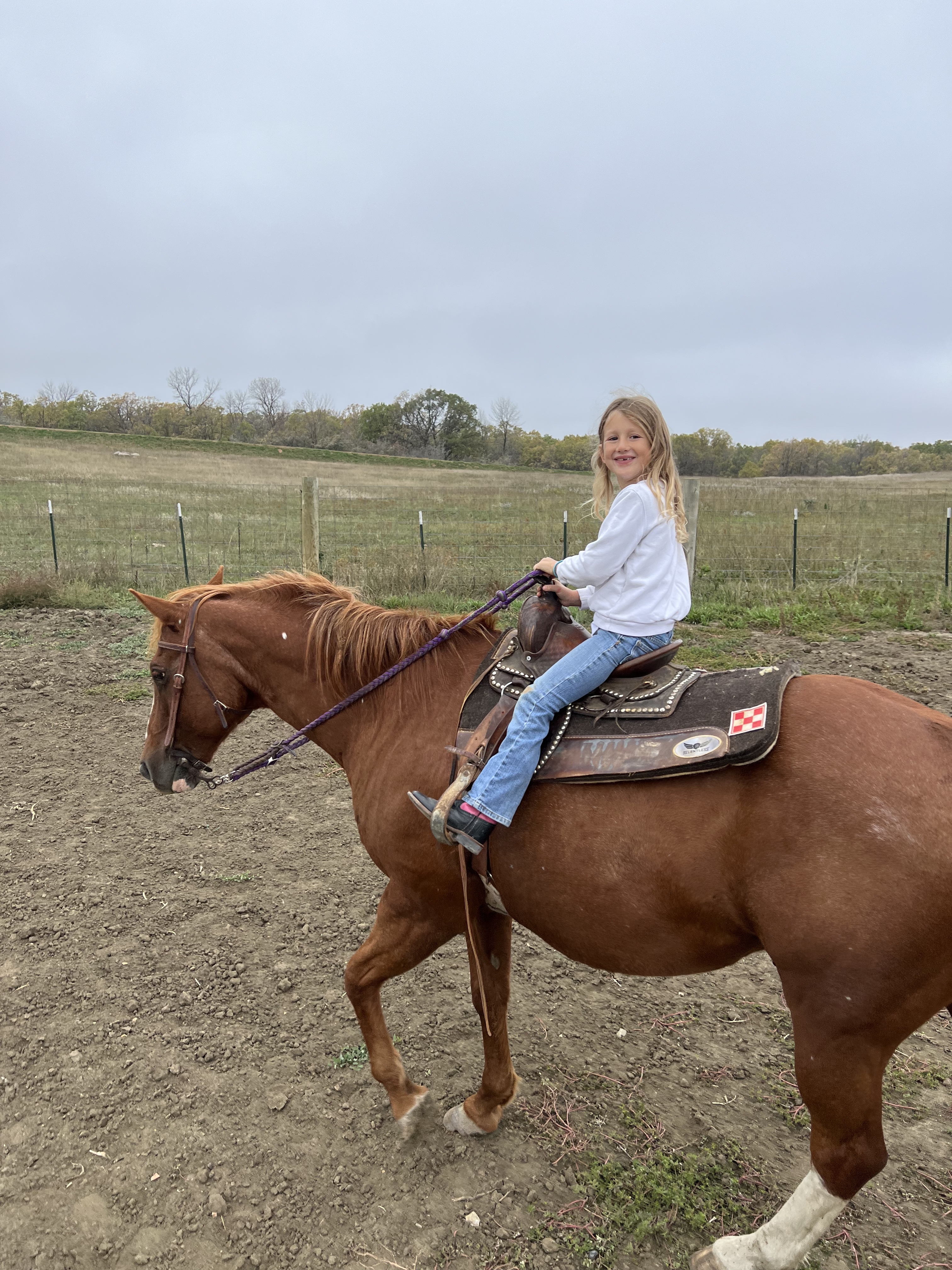
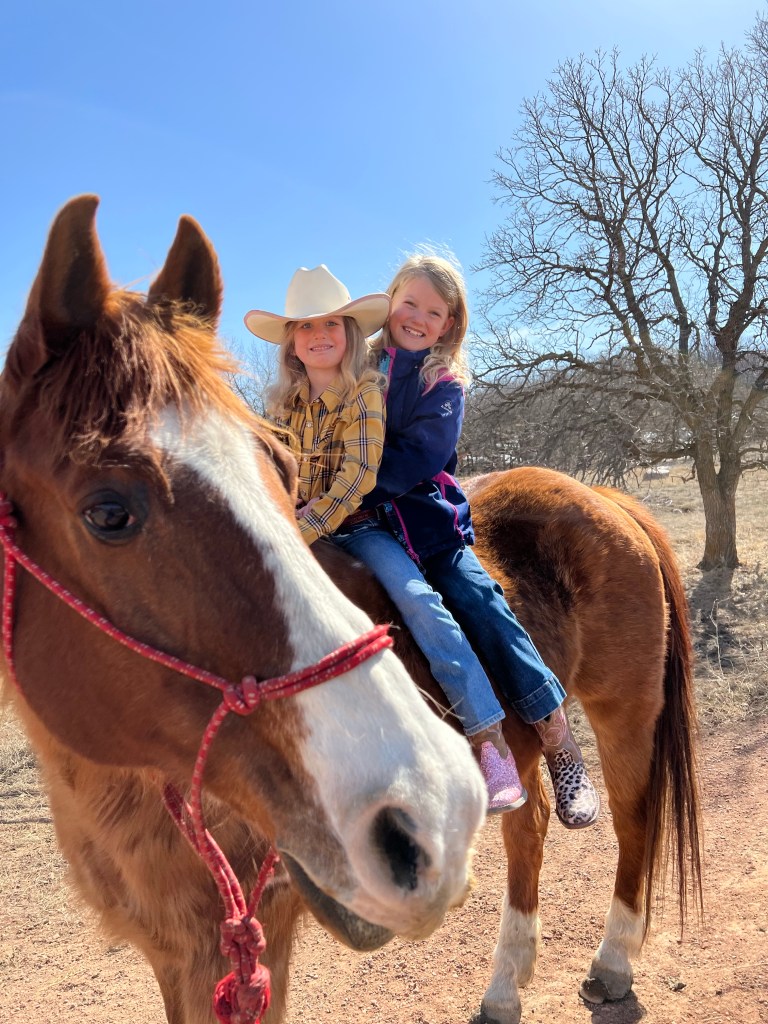
This week on the podcast we catch up on getting back on the horses in the spring, my dad’s horse-whispering skills and some of our epic horse wrecks. Which brings us to wishing we didn’t know how it feels to hit the ground when we watch our girls ride the big horses by themselves. We also catch up on my Nashville plans and how Chad had to rescue me once again from the side of the road. Listen here or wherever you get podcasts.


Today it’s raining. Not a winter rain, but a true spring rain, one that smells like dirt turning to mud, one that lingers to soak the ground, not a lick of wind, it feels warm even though it’s barely above freezing.

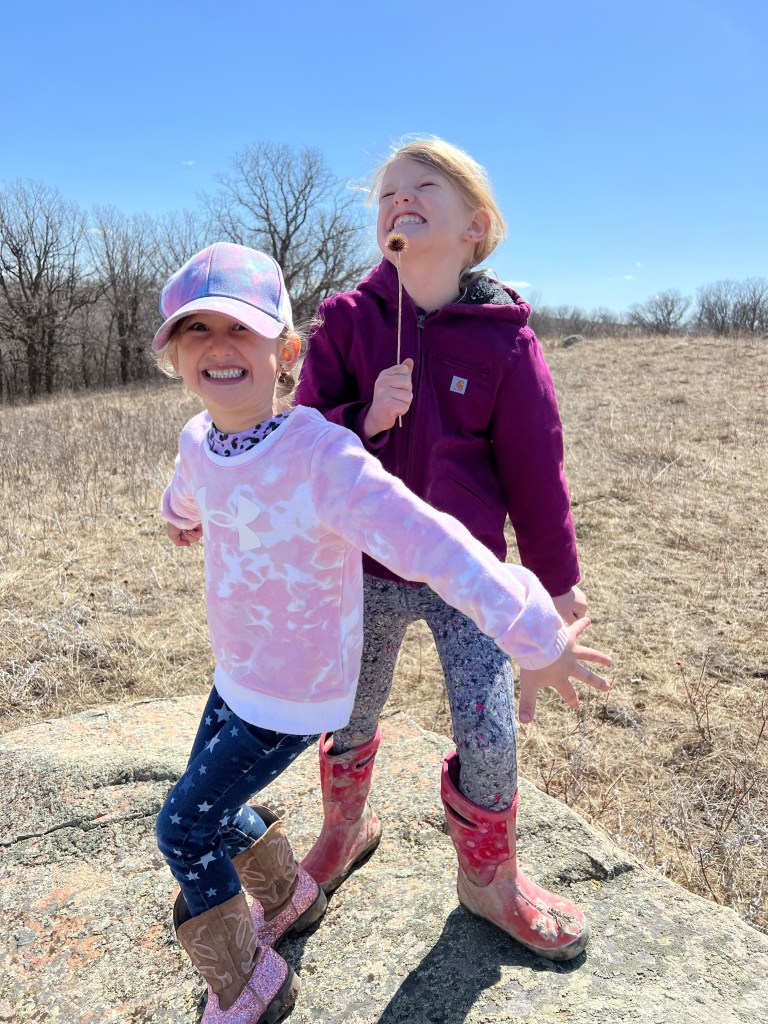
Last Sunday I took my daughters out to the hilltops to look for crocuses. I knew it was probably a bit too soon, but when the first calves of the season are born and the snow disappears from the high spots, it’s time to check. And we did find some, though they were still sucked up tight into their buds, not quite ready to open up to the sun. But that was good enough for us. We’ve waited all this time, we could wait one more day. These are the rituals that come with the seasons, and they take patience.

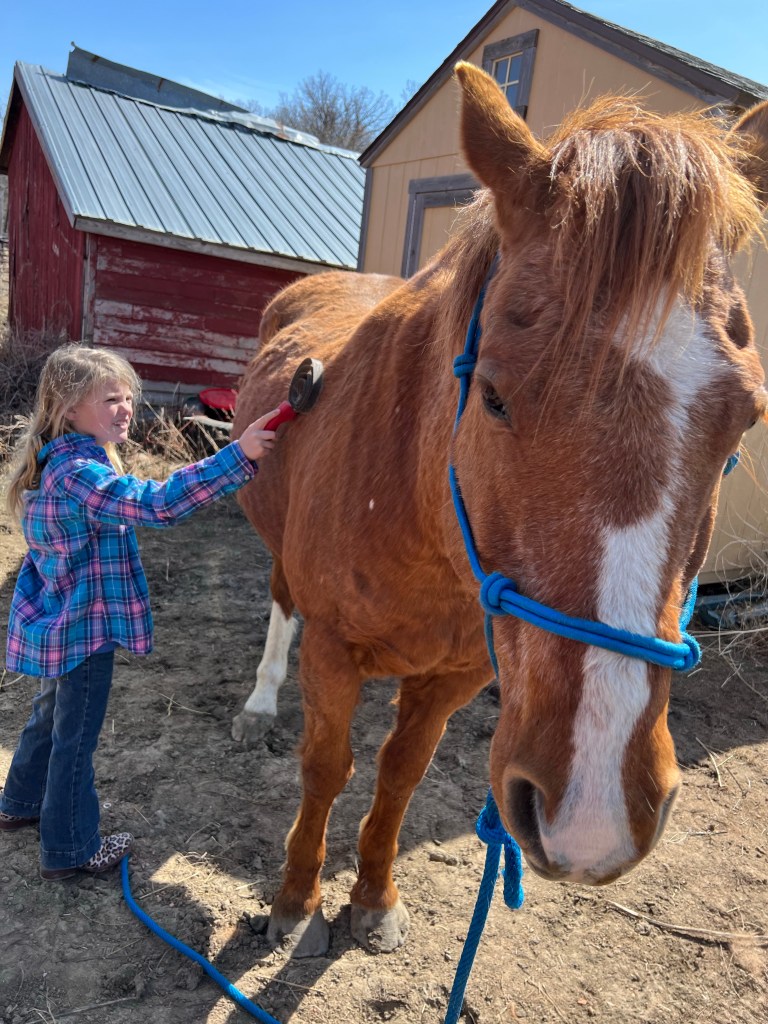
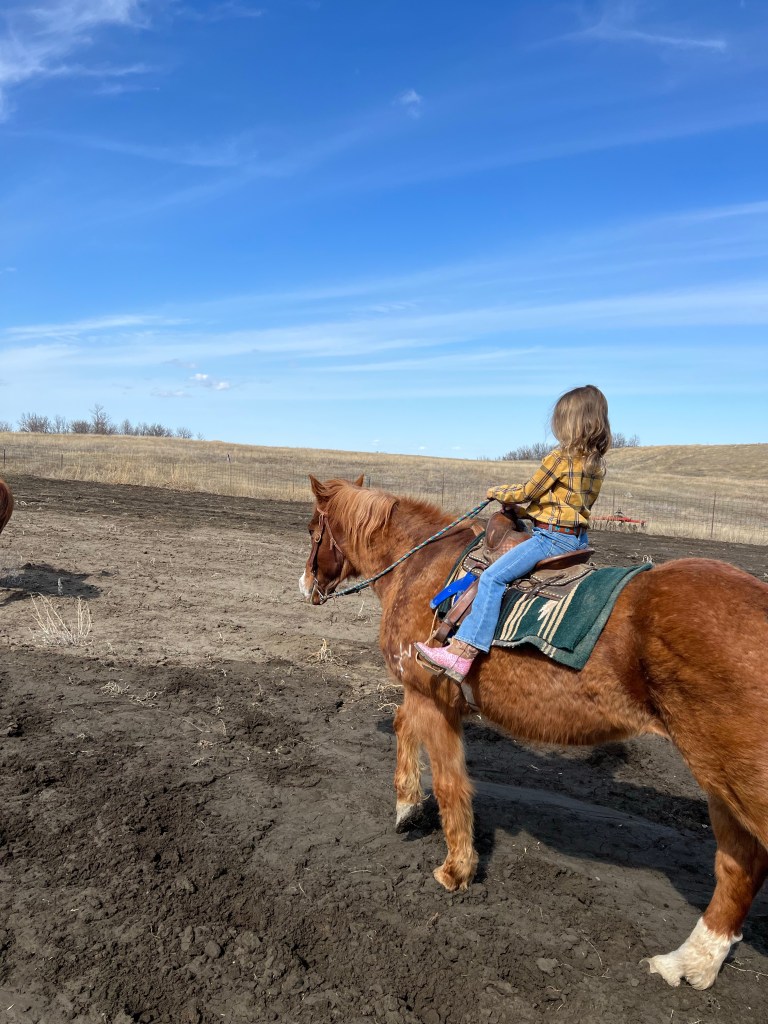
Our hike around the hilltops on that 60-degree day found us next in the barnyard to greet the horses. After winter months out to pasture and bribing them in for scratches with oats and sweet feed, it was time to put on their halters and brush off their thick coats and get reacquainted.

In these moments, it seems like last fall was a lifetime ago, back when their coats were sleek and shiny and us humans were confident on top of them. It’s been months since we last saddled up the girls’ old geldings. Seven months now that I’m counting.

Seven months is a long time in the life of these little girls. Since then, both have turned another year older, they’ve stretched out inches, they’ve built new muscles and found the answers to new questions. They were ready to see what they could do with these horses now that they were all grown up.

Seven months in old-sorrel-horse-years has made them better, more understanding, a little more gray around their muzzles, and just fine with the task of trotting and turning around the still-sorta-muddy-but-dry-enough arena.

My husband and I stood shoulder to shoulder in that dirt watching our daughters get tested for stubbornness and will by their animals. I think we both held our breath, equally excited for the months ahead and lonesome for those springs that have passed, replacing our tiny, chubby, giggling daughters being lead around the pony pens with these creatures, lanky and independent and capable enough to do it themselves.

Oh, I know from experience, there’s nothing like being a young girl out here on this ranch in the spring! Nothing. The possibilities stretch out before you like that creek full of spring runoff, winding and glimmering and equal parts rushing and patient. Everything around you is waking up, and you can go out in it because you’re a part of it, reaching your bare arms up to the sun, unfolding out of your winter bud like that crocus today.

This spring, my daughters will take to the trees behind the house without having their mother as their guide. They will find a favorite, secret spot, they will wear down their own trails. They will take their baby dolls along and pretend they are mothers out in the wilderness. They will build forts and bring picnics and pick ticks off their jeans and drag mud into the house, and the world outside these doors will turn green as their skin turns brown and their hair turns gold.

They’ll scrape their knees running too fast on the scoria road, they will slap at mosquitoes, they will fight about silly things that are their most important things, and they will come in crying.

And they will have each other and their horses and the hilltops and the budding wildflowers blooming along with them. That’s all I ever wanted.

That’s all I ever wanted to give them.

Is this middle age?

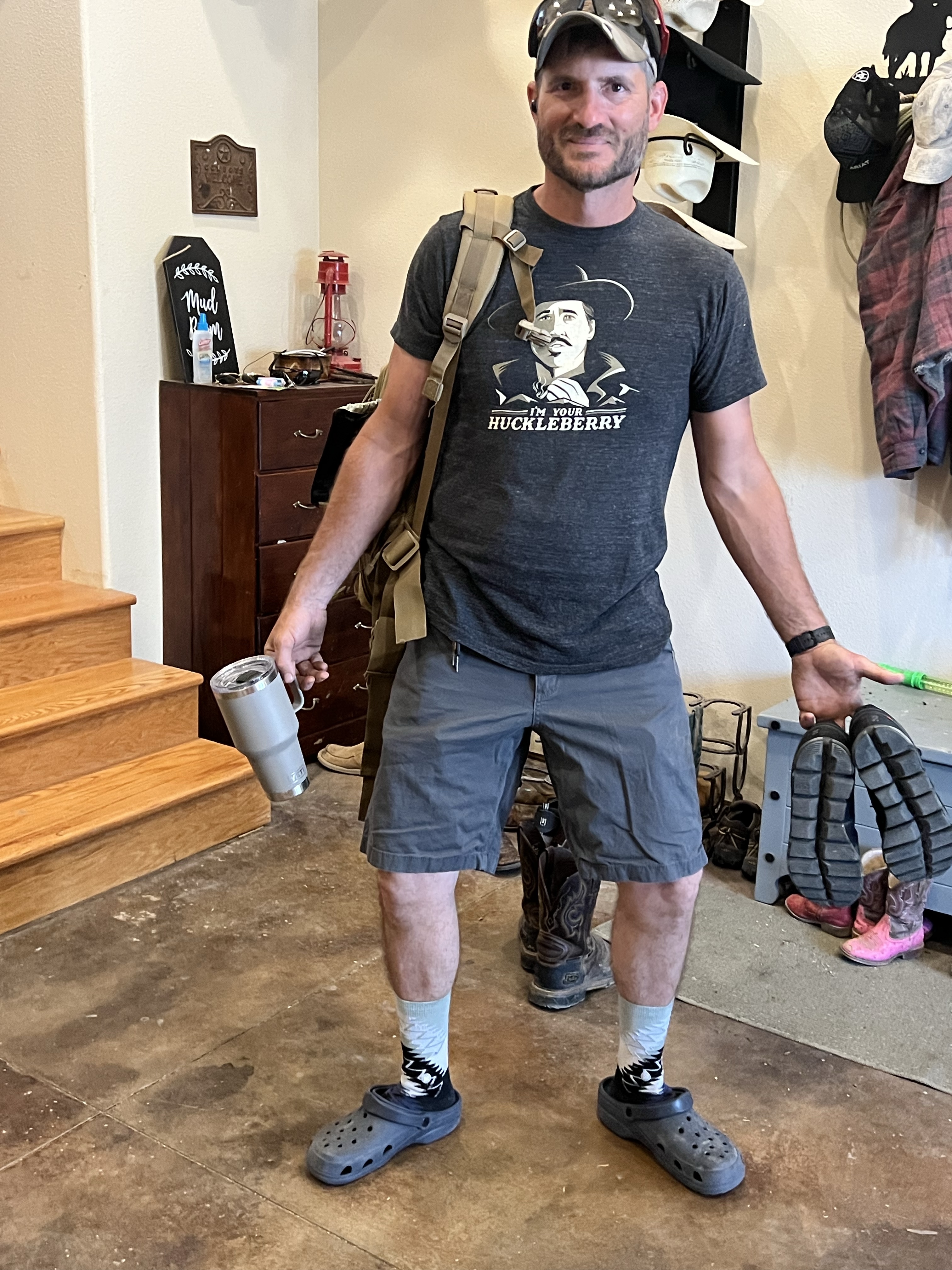
On the podcast I contemplate how this phase of life feels like February and sit down with my husband to talk all things middle age. And Chad has A LOT to say about it. And also, did you know he has “work Crocs?” This episode goes long as we get into discussing my battle with chronic pain, my recent CT scan and why it’s so important to share our stories.

February can be the longest, shortest month. It drags with it a bit of hope that once we’re through it we’ll be standing in the months that could bring us warmer weather.

My husband’s been spending every spare minute working on the addition to the house that he started before the pandemic. The way the years fly now is different then when we were younger and making plans. But we’re deep in our plans now, and sometimes they suck the days right out of us. If I knew, when we were 27 and back at the ranch that we would be 40 and still under construction on the house we imagined, I wonder what I would have said?

Probably something like, “Sounds about right.”

Because under construction is a theme in our lives that just hangs on. As soon as we’re settled a bit, we find another project to get us back there. Does that say something about us? Something that we should sit with and evaluate?

Is part of middle age wondering how exactly you got here? Is it hearing a song you used to play on repeat in his Thunderbird, driving too fast on gravel roads and being transported back there for a moment, realizing you’ll never be that magically naïve again? Is it music on the Classic Rock station or that song re-imagined acoustically by a teenage TikTok star? Is that 40? Did I spell TikTok right? Does anyone even know how to spell anymore?

Seriously, that was an early morning discussion I had with my husband while ushering the kids out the door for school. How close are we to being out of touch?

The things we said we could do, would do, can we? Did we? Are we?

I’m thinking about this today because I feel like over the course of the last couple years we’ve hit a new phase in our life. Our daughters aren’t babies anymore. Maybe that’s why. I’m finding a minute for my thoughts because they can wash their own hair and dress themselves and ask Alexa to play “The Fart Song.” And just this year three of my good friends lost a parent. And some of the relationships we stood up for, sang for, bought wedding gifts for, have ended now. We’ve moved quietly into the generation that doesn’t understand the latest fashion trends (mom jeans and dad tennis shoes anyone?). And so that means we’re officially adults. I realize that. But are we equipped? To know the rules or change the rules? To take care of things?

This is the part of the fairytale that got skipped. They never let us in on what happens after the kiss at the wedding. But we were kids, so we wouldn’t have listened anyway, about what “Happily Ever After” really looks like: 401Ks and attorneys, debt and funeral arrangements, hospital bills, annual exams and scans and therapy and broken furnaces and dishwashers that need to be replaced and school drop-off and soccer practices and elementary schoolers and teenagers under one roof and what to make for supper night after night after night.

We didn’t see this part when we were kissing in that Thunderbird. If we did, we would have sworn it all would be different for us anyway.

But it isn’t. That’s the big promise we all get. Time catches us.

But lately, when that song comes on, it makes me contemplate the romance of this phase. Disney shouldn’t have ended there, because this is the most interesting part I think. So much more at stake. So heartbreaking.

Thhe most human part is right here, in the middle of it, trying to teach our children right from wrong and good from bad when we’re all so tragically and beautifully flawed ourselves. Showing them the love thing, when maybe, some of us, weren’t really shown ourselves. Saying goodbye to the most important people in our lives. Starting over. Or hanging on and loving one another through it. Despite it. Because of it.

Learning to take care despite the assortment of roadblocks or rules put in place for us before we were old enough to understand.

But we’re old enough now. We are. We’re old enough to understand that in that Thunderbird driving too fast with the windows down, we didn’t truly know yet what love was. Or commitment. Or sacrifice. Or loss. And that all of those things come with it. But we’re in the meat of it now. The heart of it. And it’s messy. And complicated and dramatic and the longest, shortest time, like February, sitting with a hope of a thaw, a kitchen dance party, a night out, a newly tiled bathroom and a bigger closet, a morning kiss goodbye or our favorite meal to help us through. 

Unplugging like it’s 1998

This week on the podcast I sit down with my husband to talk about why it’s become so important to me to finish reading an actual book, and then he tells me why he thinks one of the characters in Charlie and the Chocolate Factory is the worst villain of all time. We talk libraries and old cell phones, bow hunting and the new wild animal that has made its appearance at the ranch. Listen here or on Apple Podcasts or Spotify.

I’m doing a mental health check. As the sun sinks in the sky earlier each evening and the frost settles into the mornings to glisten with the sunrise and show us our breath as we hurry through chores or out to start cars or to grab the morning paper (do any of you still get the morning paper?), it’s time to realize that I can’t lean on the sun as much anymore.

Winter is creeping in and I’ve decided to be proactive about how I’m going to handle it. And how I’m going to handle it is to pretend like it’s 20 years ago.

And I’m not trying to come across with major “good ol’ days” energy exactly, but I feel like 20 years ago there was a lot more space in my head for me.

Think about it for a minute. When was the last time you stood in line for something, maybe the grocery store aisle or the post office and just stood there? No digging your phone out of your pocket to scroll the latest updates on social media or the news feed custom made for your specific brand of dread and drama? `When did we stop making small talk? When did we make the switch from the urge to notice what’s happening around us to absolutely needing to watch a stranger make a chicken dish, or a fool of herself, or put on a full face of makeup or be absolutely outraged about something on Instagram?

In the middle of a Thursday evening errand, I would be much less stressed if I just read the covers of tabloids and Women’s Health magazines in the rack to pass those three to four minutes instead of checking work email or engaging in an endless scroll of cute outfits I can’t afford and triggering headlines of world news I absolutely cannot change, all while waiting to pay for the avocados I need for that Instagram chicken dish.

There was a time when we didn’t fill each empty, slow-moving minute with information and entertainment, wasn’t there? I mean, at least I remember it as a child of the 80s and 90s. We might be the last generation to have lived through a time when you couldn’t just Google it, and had to rely on resources like the evening news to get the scoop, your friends for fashion advice, your grandma’s recipe box for a dish and your parents to reassure you that it’s all going to be OK. By today’s standards of drowning in information and trying to sort fact from fiction, we were living in the dark ages. And if anything, that explains the questionable hair choices.

Anyway, I’m not trying to make a big case for what is better or worse here. Time ticks on and we all tick with it. It’s just that right now I’m feeling overwhelmed and, along with my young daughters’ constant refrains of “mom, mom, mom,” I think one of the culprits is the continuous dinging and flashing of my phone.

Here’s where my husband would say, “just ignore it,” and then I would roll my eyes because I have made it my job to not ignore it. I’m a communicator. I run a business and a non-profit. All the work that I do is tied to making sure I’m getting the message out and connecting people with the stories I tell. And the paradoxical thing is that I’m doing it in all the ways that are currently making me crazy. I have to stay connected. This is how we communicate now, and honestly it has created for me a certain type of freedom, opportunity and audience that I could have only dreamed up when I was on the road 20 years ago, driving from town to town to sing songs about North Dakota in a half-filled room of strangers in Kansas.

But I think there’s a fine line a lot of us cross back and forth between constant connection and being present. And right now I’m starving for presence, if not for my mental health, but more importantly to model it for my children. Because I want these daughters of mine to know how to listen to the voices in their heads as they grow in the quiet moments of their youth, the ones that whisper to them, “This is who you could be, darling. This is who you are.” I want to help them to be comfortable in the silence, because that’s when the music is made.

So as fall gives over to the cold blanket of a long winter, I’m not making any big declarations really, except to notice what’s happening here. And then maybe I’ll read more books before bed, take more walks and cook more recipes in my grandmother’s handwriting. And when we’re all together or maybe more importantly, when I’m alone, I’m turning off the WiFi and Bluetooth connections to all the information and stories in the world to free up some space to make our own.

The Layers of Fall

We don’t give this time of the year much recognition because we’re all scrambling to get work done before winter comes, so on the podcast I sit down to recognize it and talk it out with my husband. The conversation turns to fall work and food, naturally, because we’re up north and we’re getting cold and we’re starving for carbs and cream. Hear why I thinks Chad would be a good contestant on reality game shows and learn why my all time favorite meal was after I jumped out of a plane over the beach

There’s a moment between summer and late fall at the ranch that’s so good at being glorious that it actually makes us all believe we could last forever under a sky that’s bright blue and crisp and warm and just the right amount of breezy all at the same time.

Up here we’re easily swayed to forget about the drama that is our seasons. I imagine it’s a coping mechanism we develop that gets us crazy stoic people through -20 degree temperature snaps.

It’s forgetting that gets us through, but it’s remembering too. The combination is an art form.

Because at -20 degrees we remember that one-day it will be sunny and 75.

And when it’s sunny, 100 degrees and 100% humidity and there’s not a lake in sight, we remember the -20 degrees and somehow find a way to be grateful for it all.

Yes we keep taking off layers and putting them on again until we make ourselves the perfect temperature.

Funny then how we’re not really good at giving the in-between moments the credit they’re due around here. We usually grab them up and soak them in just enough to get some work done on a horse, paint the house, wash the car or get the yard cleaned up for winter.

Because we’re taught up here to use those perfect moments to prepare us for the not so perfect ones that are coming.

That’s why fall, though a romantic season for some, gives me a little lump in my throat that tastes a lot like mild panic.

Because while the pumpkins are nice and the apple cider tastes good enough, I can’t help but think that autumn is like the nice friend who slowly walks over to your lunch table with the news that your boyfriend doesn’t want to go out with you anymore.

And my boyfriend is summer. And when he’s gone, I’m stuck with the long and drawn out void that is winter promising Christmas, a hint of a sledding party and a couple shots of schnapps to get me through the break-up.

Hear what I’m saying?

But the change is beautiful. I can’t help but marvel at it no matter its underlying plot to dry up the leaves and strip them from their branches and jump start my craving for carbohydrates and heavy whipping cream in everything.

So I always decide to give it the credit it’s due when it starts to show off in full form, taking a break for the office and house work to marvel at the leaves, collect some acorns and walk the trails the cattle and deer cut through the trees during the heat of summer.

I will never call this moment a season, it’s too fleeting and foreboding for that, but I will reach out and touch those golden leaves and call it a sort of magic.

The kind that only nature can perform, not only on those leaves, but also on the hair on a horse’s back, the fat on the calf, the trickling creek bed, the tall dry grasses, used up flowers and a woman like me.

Yes, I’m turning too. My skin is lightening. My hunger unsuppressed. My eyelids heavy when the sun sinks below the hill much earlier than my bedtime.

My pants a little tighter with the promise of colder weather.

Ok. I’ve been reminded. Summer–a month of electric thunderstorms and endless days, sunshine that heats up my skin and makes me feel young and in love with a world that can be so colorful– is over.

And so I’m thankful for the moment in these trees to be reminded that I have a little time yet, but I best be gathering those acorns.

And pulling on my layers.

September and what keeps it precious

This week on the podcast I sit down with my little sister and talk of the weather turns to embarrassing moment confessions. The flies and the wasps and the rooster and the tomatoes and the mice are taking over the ranch and we talk about it all. Catch it here or on Apple Podcasts or Spotify.

The evenings are getting cooler as the sun sets a bit more quickly and I’m canning tomatoes and chopping up peppers from the garden for salsa so we can have a piece of summer when winter hits hard.

I can preserve our garden vegetables, but haven’t yet found a way to capture the smell of the season changing and the color of the green and gold leaves against an overcast morning sky. This season is so unpredictable, sneaking up on us slowly in the middle of a hot summer day and leaving with a strong gust of wind.

But this year it seems to be settling in despite the heat. The trees that were first to display their leaves this spring are the first to display their colors this September and I’m reminded of roundup season and spitting plums at my little sister on her pony, Jerry, as we rode behind our dad to gather cattle.

Working cows in the fall has always been one of my favorite events of the season. My memories find me as a young girl bundled up in my wool cap and my dad’s old leather chaps braving the cool morning and a long ride through coulees, up hills, along fence lines and under a sky that warmed the earth a little more with each passing hour.

I would strip off my cap first, and then went my gloves and coat, piled on a rock or next to a fence post for easy retrieval when the work was done. Dressing in layers is a different level on the ranch.

Moving cattle, even then, never felt like work to me—probably because I was never the one responsible for anything but following directions and watching the gate. It was during that long wait that I would make up the best songs, sing the loudest, find sticks for slingshots or the perfect feather for my hat.

Turns out these days my role working cattle hasn’t changed much. I remain the peripheral watcher, the one who makes sure the cows don’t turn back or find their way into the brush or through the wrong gate.

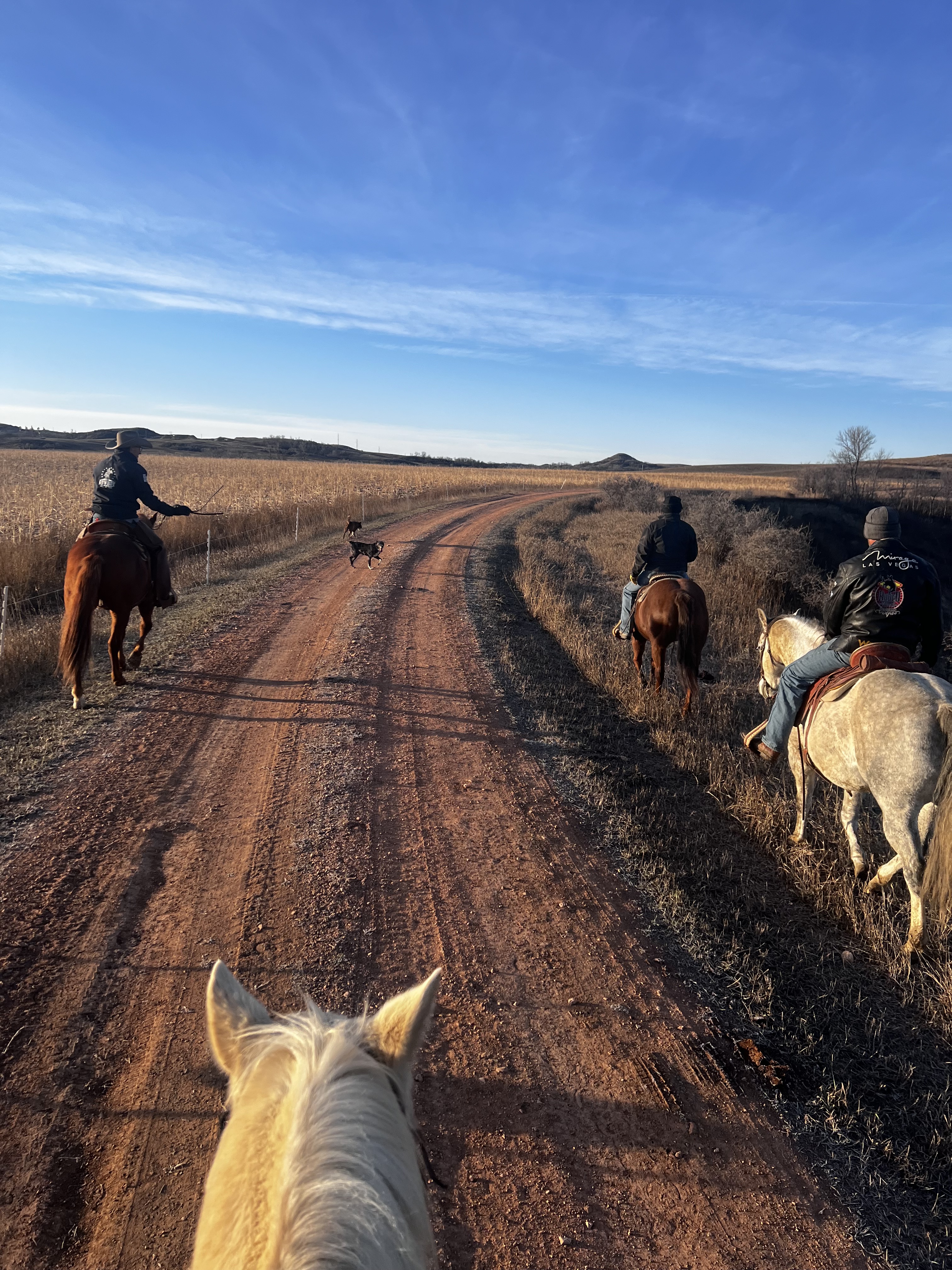
Recently our little ranch crew met in the morning to move cows to a different pasture. Dad, my uncle and aunt who summer up here from Texas, my little sister, my husband and I saddled horses in the crisp air of the morning and met to stretch out across the Peterson pasture and make the move through a couple gates to Hughes (every pasture has a name, these attached to the old homesteaders.)

It was pretty nice and easy because that’s the way we work cattle here. Just let them take the lead mostly, which occasionally finds you off your horse walking through the thick brush or chasing out across the pasture after a stray, or, sometimes deciding on another approach entirely because that’s the way they want to go.

With the exception of a wreck, nothing can really ruin this for me, sitting horseback on a cool morning slowly making its way into a hot afternoon.

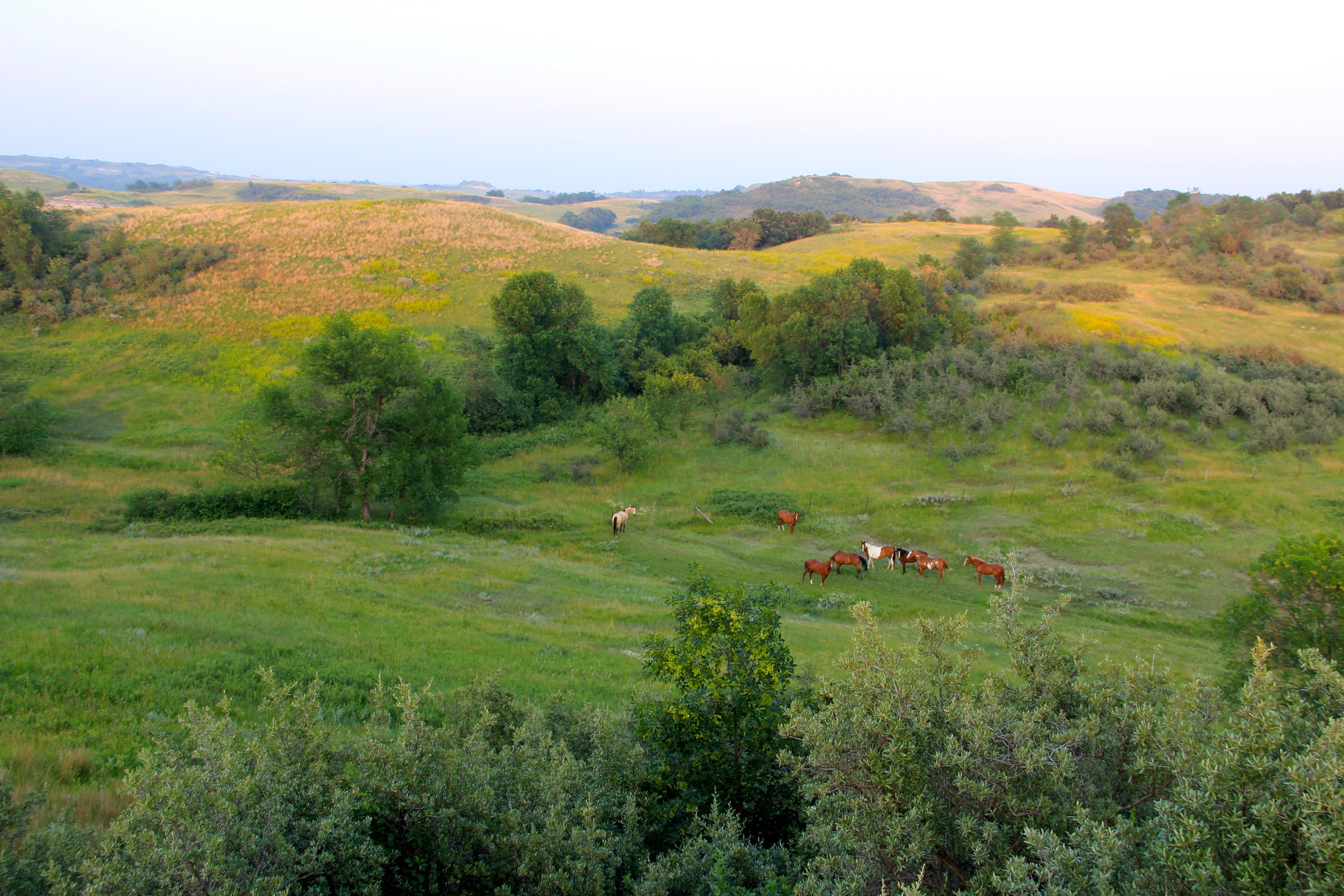
I could walk these trails on the back of a horse forever and not get tired of them. Because each month the pastures change–a new fence wire breaks, the creek floods and flows and dries up, the ground erodes and the cows cut new trails, reminding me that the landscape is a moving, breathing creature.

And I am the most alive when I’m out here, and what makes it even sweeter is that I know the rest of the crew, my family, feels the same way too. I listen as they make conversation about the calf crop and plans for the day. I follow behind like I always have and look around to notice the way the light bounces off of cowboy hats and trees slowly turning golden.

I wait for instruction and find my direction while my husband cuts a path through the trees to search for hidden cows and my dad lopes up to the hilltop to scan the countryside.

I move a small herd toward the gate with my sister and wake a bull from the tall grass at the edge of the pasture. Dad comes up off the hill to join me, the cattle he’s found moving briskly in front of him toward the rest of the herd. We meet up quick to wonder where uncle Wade might be and find him over the hill waiting at the gate with the rest of the cattle. We push them through to taller grass and up to water to help them settle in. We wonder if we got them all.

And that’s how it goes generally, the six of us, this time with the exception of Dad stopping to take a picture of my little sister, creating the opportunity for one squirrelly calf to cut back. He laughed as he went after her, thinking what his own dad might say about stopping for a picture.

But why not take a picture? Morning makes its way into the afternoon and if we let ourselves, we might remember that we don’t get an infinite number of fall days like this in our lifetime. Isn’t that what keeps it all so precious?

We head toward home and talk about lunch and the fencing that needs to get done. And cattle prices. And the deer population. And the weather and the changing leaves and all of the things that need discussing when you’re on the back of a horse, on the edge of a season, on a piece of earth that’s constantly changing…even though, year after year, up here… I always feel the same.

This world needs more barn dances

In this week’s podcast, my husband and I reflect on who taught us to dance, how our Dirty Dancing days are over and pontificate on the old house that used to be on the ranch, who lived there and why they left

I think what this broken old world needs is a few more barn dances.

You may have forgotten that those used to be a thing that people did.

Above the house where I grew up is an old shed. It’s sat there for nearly a hundred years now I think. It outlasted the homestead house where a family used to live and then one day moved away, leaving what seemed to be everything behind—dresses and books and filled-in calendars and ledgers and dishes in the cupboards, canned garden vegetables in the root cellar, the lilac bushes and the apple orchard and mattresses and lace curtains moving like quiet ghosts with the wind cutting through the gaps in the walls. Old houses fall apart in the most slow and lonesome way when there’s no one there to sweep the floors and wipe the windows and serve the bread.

They left the house and all those things and they left that little wooden shed my dad said used to be a granary. He remembers it and he remembers those neighbors.

They used to have dances in there my dad told me when I was poking around as a kid. It seemed impossible to me. That granary was much too small, not even close to 1,000 square feet. If you danced it would be a tight circle. Add a guitar and a fiddle and the quarters would be beyond close. Tight. Unimaginable to us these days, losing ourselves and one another in wide-open floor plans, separate rooms and all the space between. Houses are big enough now so that you never have to lay a hand on each other on your way to the kitchen sink, or sit with legs touching on the living room sofa, or fall asleep to the sound of your sister breathing in the small bed next to you. Not if you didn’t want to anyway. Not if you’re what we call “lucky” to have all that room…

Back then I imagine the landscape, and the work that needed to be done upon it, gave you all the space you needed from the next living soul. Lonesome looked a bit different back then.

Maybe that’s why they turned tiny granaries into dance floors. Because wouldn’t you want to hear the slow drawl of the neighbor’s fiddle spill out of the leaky roof and into the night sky lit with stars? Wouldn’t you want to put your hand on her waist and swing her around laughing? Wouldn’t you want to sing along, to hear their voices overlap and chatter, gossiping and encouraging and entertaining to help you forget for a moment the worry of it all?

You would have wanted to then, when it was a bit quieter. When the world you knew stretched only as far as the horizon, or as far as you could afford a train ticket to take you. You see, they were islands too, in much different ways. And then, in so many of the same. Humans have always been humans, after all.

But the dancing in that tiny building, well, one hundred or so years ago, there was no other choice.

Now we have so many. So many excuses. So many oceans we’ve put between us… But last week a man in the middle of rural North Dakota, more than one hundred years from when the first barn was raised on this northern prairie landscape, called his family, his neighbors and friends, and told them to come on over to the Homeplace. Come on over to the barn. We’ll feed you. There will be music. And there will be dancing.

He’s been doing it for years, so they knew. They had it on their calendars. And his daughters and their families and he and his wife, they made the Fleischkuechle and the kuchen because that was tradition too. And me, well me and the guys were lucky enough to witness it all from the little stage in the corner of the loft of the old barn with the shined up floors where we strummed guitars and sang some songs they knew and some they didn’t and all with a beat for a good two step, or a waltz or a chance to join hands in a circle. Because I heard him say it into the microphone when he welcomed them all to that loft after a picnic supper–he didn’t want his grandchildren to grow up in a world where there were no barn dance. So he made sure, at least for his community, it was not a lost tradition.

And from my perch behind the microphone he reminded me that we may not all have big beautiful barns preserved from the cruel weather of time, but if we’re lucky, we have a spot that might work just fine enough for dancing in a circle.

Because I’m not sure, but I think it’s true, that just like old houses, people, they fall apart too, slow and lonesome if there’s no one there to sweep the floors, to brush past, to breathe the same close air, to sway side to side, and open the curtains and let the light in and serve the bread and do the things that, together, people are meant to do…

It’s mid July and they’re in the hay fields

From haying to old Bible camp memories, weird pets, the proper way to pronounce s’mores and how to deal with an accidental toad murder, Jessie and her husband cover all things mid-western July in this week’s podcast, because if you blink, you might miss it. 

It’s mid July and the guys are in the hay field. Everyone is in the hay field. The heat and the rain and the humidity have created a jungle of grass out here, up past our stirrups, belly high on the cows, over my daughters’ heads in some places. That’s how we describe it when we see one another in town, at the Farm and Fleet, or a t-ball game or anywhere another rancher was convinced to go because it was a little too wet to bale.

It’s mid July and across the state small towns are holding homecoming gatherings, blocking off Main streets so they can pull in a flatbed trailer and use it as a stage for the band they hired from Bismarck or Minneapolis or just down the road because it’s summer in North Dakota and it’s time for dancing in the streets. And the committee that made the plans, they’re hoofing tables and chairs, picnic tables and signs, dressed in matching t-shirts and sweating because they’ve been at it since 6 am, cursing the weather, but glad it isn’t rain, although even rain wouldn’t stop it. We have three fleeting months here, we don’t have the luxury of letting a little bad weather stop us.

It’s mid-July and the lake people are not coming in. Not now, are you crazy? This is their sweet spot and it shows in their bronzed skin and the pictures of the fish they’ve caught. Their kids have another month to find their shoes, but until then, they’re gone with bedtimes and balanced meals.

It’s mid-July and the peas in the garden are ripe for the picking. We send the kids to collect some for supper and they don’t make it to the pot and that’s just fine, because the best way to eat a garden pea is fresh off the vine anyway, the same goes with beans and cherry tomatoes and does anyone need lettuce? It’s coming out of our ears.

It’s mid-July and the wild sunflowers are blooming in the ditches along the highways and county roads. If you’re not in a hurry — in mid-July it should be crime to be in a hurry — you pull over to pick a handful among the sweet clover and wild grasses, the grasshoppers sticking to your legs, the horseflies buzzing, the heat reflecting off of the pavement forming beads of sweat along your hairline. Some little bugs will take the trip back home to the vase with you, a black ant unknowingly hitching a ride to a new world on the petal of a flower.

It’s mid July and the kids are catching baby toads in the yard, five total in a Tupperwear habitat, pinching them carefully between the pads of their little fingers and holding them up to their eyes to get a closer look at their rough skin, tiny eyes and soft, thumping throats. How they just appear like that in the garden is a mystery like the fireflies blinking outside the fence when the sun finally disappears way past that bedtime we set only to miss. It’s mid-July and the magic of growing and momentary things is everywhere, but most especially in these children stretching up towards the sun.

It’s mid-July and the sprinkler’s on. It’s mid-July and we’re at the Farmer’s Market. It’s mid-July and we’re swatting mosquitoes and cutting watermelon and the tops off of freeze-pops. It’s mid-July and we’re camping, poking sticks in the fire and itching bug bites. It’s mid-July and we’re grilling burgers and sending the kids outside to husk sweet corn. It’s mid-July and we’re at another Rodeo, another softball game, the county fair, the state fair, the grandstands at a demo-derby, a concert in the park, the pool in town, yes we dove right in and there’s as much water under us as there is over our heads and we don’t want to hear it, although we say it ourselves, it’s going fast. It always goes so fast…