The Legend of Poker Jim

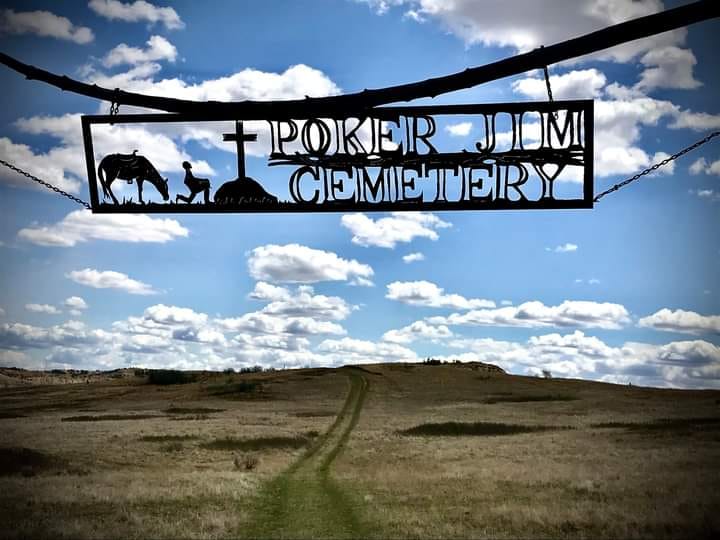
Poker Jim Cemetery photo by Michelle Benson Brown

There’s a legendary story that has been passed around these badlands for several generations. Many North Dakotan’s who follow oral history or who are interested in the lore of the region may have heard it in one form or another, tales like these tend to linger. And this one has been told and retold since 1894 when a dead cowboy fell from the rafters of an old blacksmithing shop and into the middle of a poker game, sending cards and unsuspecting cowboys flying.

It’s the story of Poker Jim, a cowboy who worked for Pierre Wibaux’s large W-Bar outfit. Poker Jim’s real name has not been passed along in the retelling of the story, but his love for gambling and whiskey colors his character in the recounting of his untimely death in a blizzard on a 65 mile ride from the Hay Draw line camp along the north bank of the Little Missouri River to fetch supplies in Glendive, Mont. after provisions at the camp had run low.  When he didn’t make it back after several weeks, the men from the line camp found him near a large rock, frozen to death after what seemed like an attempt to build a fire. Because the ground was too frozen for a proper burial, the cowboys decided to store his body in the rafters of the blacksmithing shop until spring, but failed to tell the new crew in a personnel change. And so the new crew was unaware when they gathered for a poker game, lit a fire and started passing the bottle around, that Poker Jim’s body was above them, thawing out with each passing minute, waiting to make a grand entrance into the game.

The drama, theatrics and characters in this story have held in my gut as ripe for a song for years. It has everything a proper folk song needs—originating among the people of our region through generations and existing in several versions—all it needs now is a rhyme and a tune.

Anyway, maybe it’s the long winter or the recent gathering of cowboy poets that inspired me, but yesterday I sat down with a mission to make Poker Jim’s story into a song. I think he deserves it, after all these years of entertaining us around campfires and potluck suppers. I plan to record this in the spring and will likely share a sneak peek in a few places soon. But until then, enjoy it here in poem form or listen to the rough cut of the song, understanding that in the proper retelling of a story like this, there’s a certain amount of exaggeration and liberties taken while working to stay true to the heart of it.

On the podcast I sit down with my husband to talk about Poker Jim and other legendary tales from our community,  including the last lynching in North Dakota and a tale of a young woman who sacrificed her life to save her siblings from a winter storm. Listen here or where you get your podcasts  

The Legend of Poker Jim

Way down in the badlands
Before the land was tamed
Ran a band of cowboys
And the cowboys ran the game

In line camps and shacks
And old the blacksmithing shop
After long days on the trail
They’d gather up to take their shot

So sit down I’ll tell a story
A legendary one
‘Bout how a hard gambling cowboy
in death he had his fun

It’s true, you won’t believe it
But I tell you that it is
The way my grandpa told it
And his grandpa’s daddy did

They’d say the Dead Man’s Hand
Is the Dead Man’s Hand
Place your bet on the cowboy
But the dealer’s always the land

On the W Bar Ranch
He earned $25 a month
The rest he made on cards
Or lost drinking too damn much

You’d never dream a greener summer
Or a sun that beat as hot
It could make a man forget
Just what the winters brought

And what it brought was cold
And months of drifting snow
In the Hay Draw by the river
Supplies were running low

So Jim, he saddled up
And headed three days for the town
Stopping along the trail
To drink some whiskey down

They say the Dead Man’s Hand
Is the Dead Man’s Hand
Place your bet on the cowboy
But the dealer’s always the land

Just up from Smith Creek
They found him frozen to a rock
They took his body to the rafters
Of the old Blacksmithing shop

When the ground was warm
They planned to lay the man to rest
But failed to tell the crew
Coming new in from the west

And those boys they dealt the cards
Just like the boys before
They lit themselves a fire
Blind to what was in store

Because up above their heads
That stiff body took to thaw
And dropped heavy on the table
In the heat of Five-Card Draw

They say the Dead Man’s Hand
Is the Dead Man’s Hand
Place your bet on the cowboy
But the dealer’s always the land

Now way down in the badlands
These days the land is claimed
And up along the ridgeline
The rock it bears his name

But through the years it’s told
This part remains the same
Not even death could take
Poker Jim out of the game

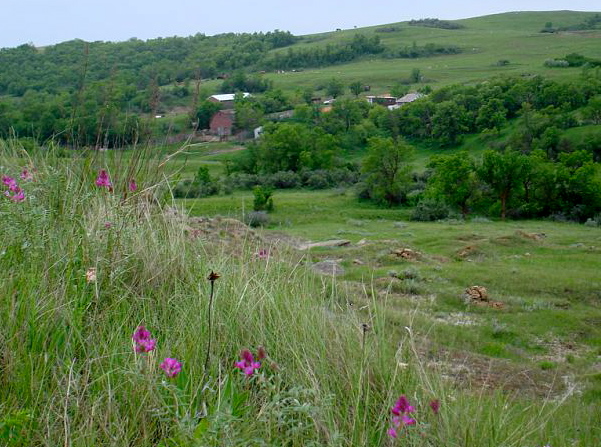
A cemetery is named for Poker Jim in the badlands over looking the Little Missouri River, years after his death, friends of his moved part of the rock where he was found up to his grave to mark it.

If you want more details on this story or to hear a proper retelling from an elder from McKenzie County, click here. Read the story in Prairie Public’s online archive here. It was from there, and the retellings from community members, that I got the details for this piece.
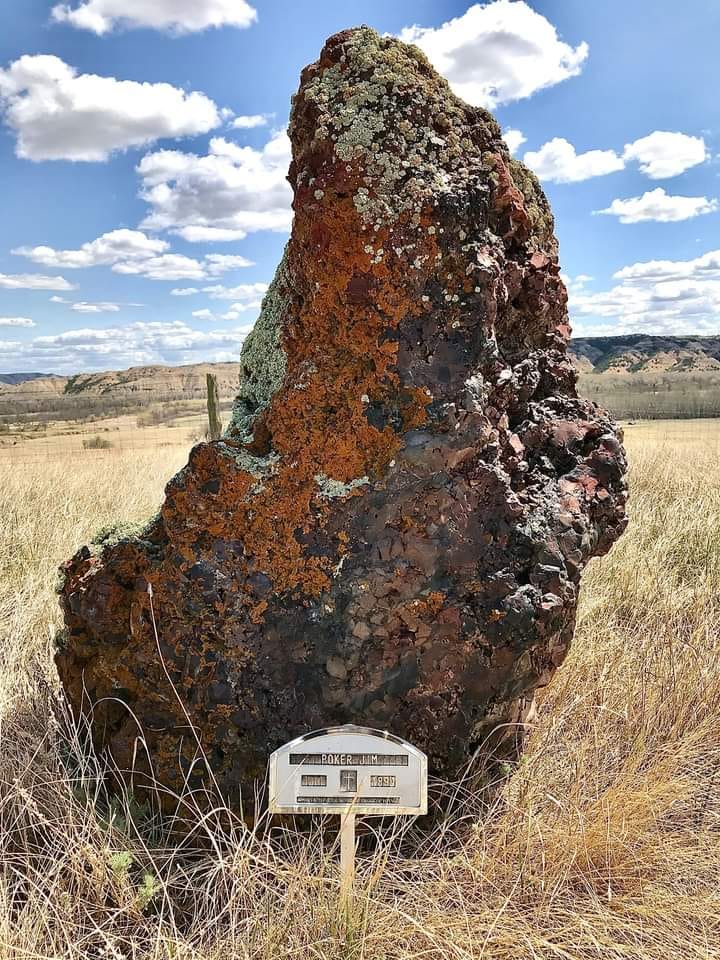
The rock marking Poker Jim’s grave. Photo by Michelle Benson Brown

Notes from the road and the top of the hill

Well, I made it home for Elko on Sunday after a 17 hour straight drive. Turns out it takes a couple days to recover your sleep equilibrium after a trip like that. It also takes a few days to come back around to the real world after an experience like the National Cowboy Poetry Gathering. It was such an honor to be a part of it.

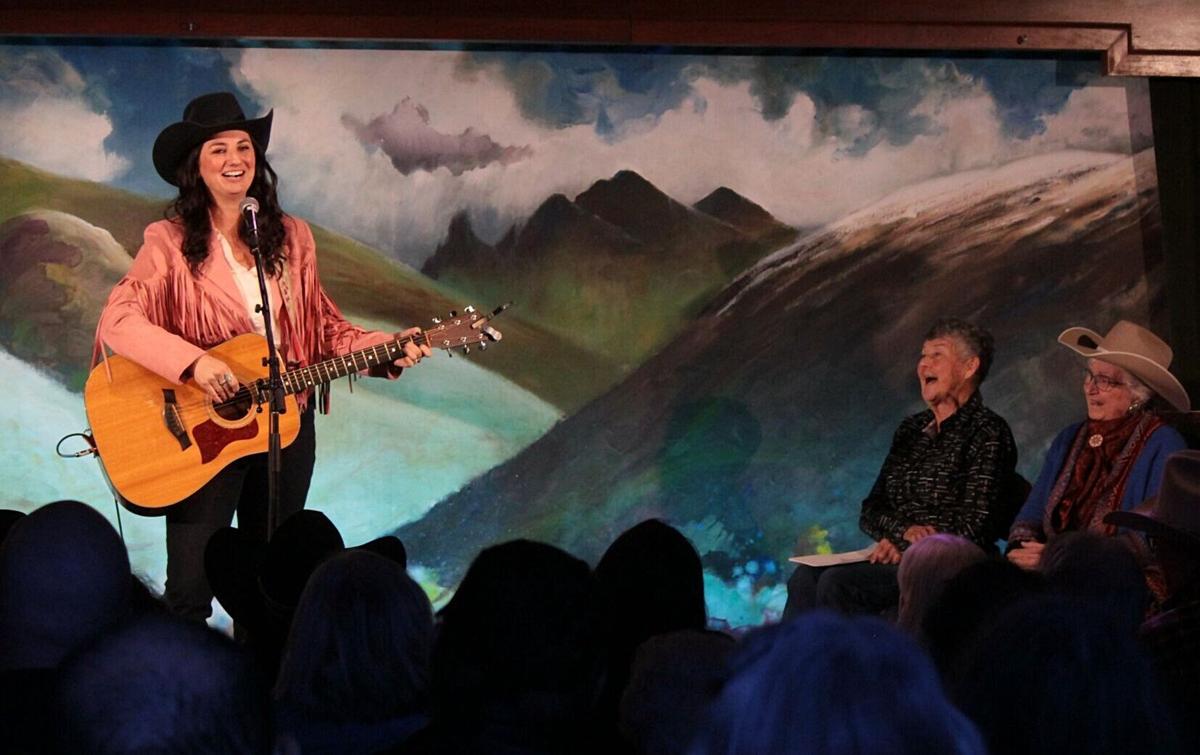
Click here to read an interview with myself and poets Yvonne Hollenbeck and Patricia Frolander about opening up the festival with our “Welcome to Elko Town” Show in the Elko Daily News.

This week’s podcast I sit down with my husband and rehash all the highlights of the trip while he patiently listens, covered in sheet rock dust from holding down the home construction project and keeping the kids alive while I was away. I am lucky to be able to be gone, and even more lucky to have place like this, and people like him, to come home to.

So that’s what the column is about. Finding refuge and grounding in my walks through the hills, where I’m most inspired. Most lonesome. Most nostalgic. Most myself.

Photo by Sweet Light Photography, Charlie Ekburg

From the top of the hill
Forum Communications

Listen to this week’s column here or on Spotify, Google or Apple Podcasts

Sometimes, when the day is coming to a slow close and my head is spinning — with worry and lists, schedules and as the dishes sit waiting on the table, the kids playing in the yard, desperately needing a bath — I slip on my boots and head out the door.

I’m usually not gone long, and my husband has grown accustomed to this behavior, understanding it’s not a storm out, or a give up, or a frustrated stomp, but a ritual that I need to put a flush in my cheeks and make sure I’m still alive out here where the trucks kick up dust on the pink road and the barn cats quietly wait in the rafters of the old buildings for a mouse to scatter by.

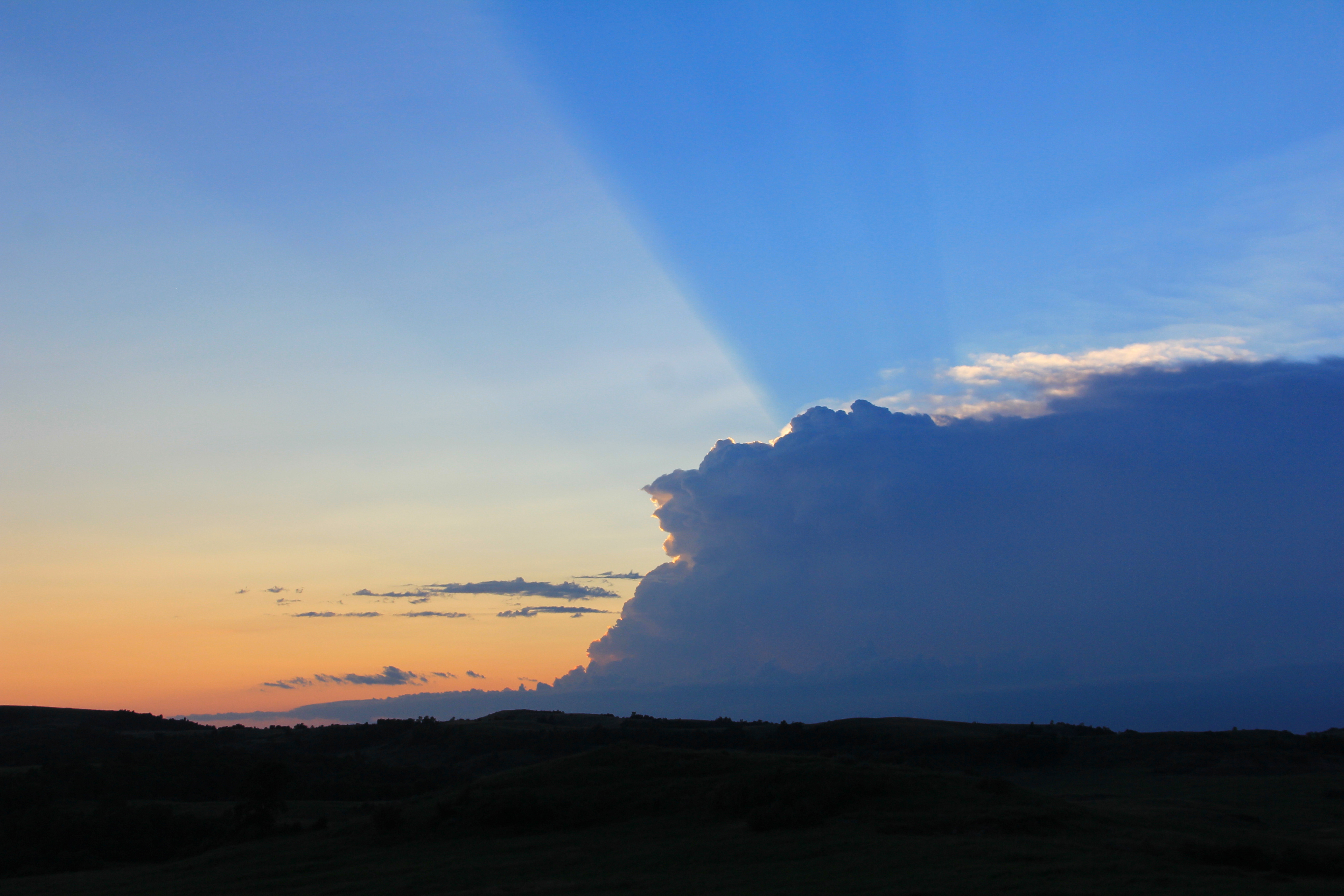
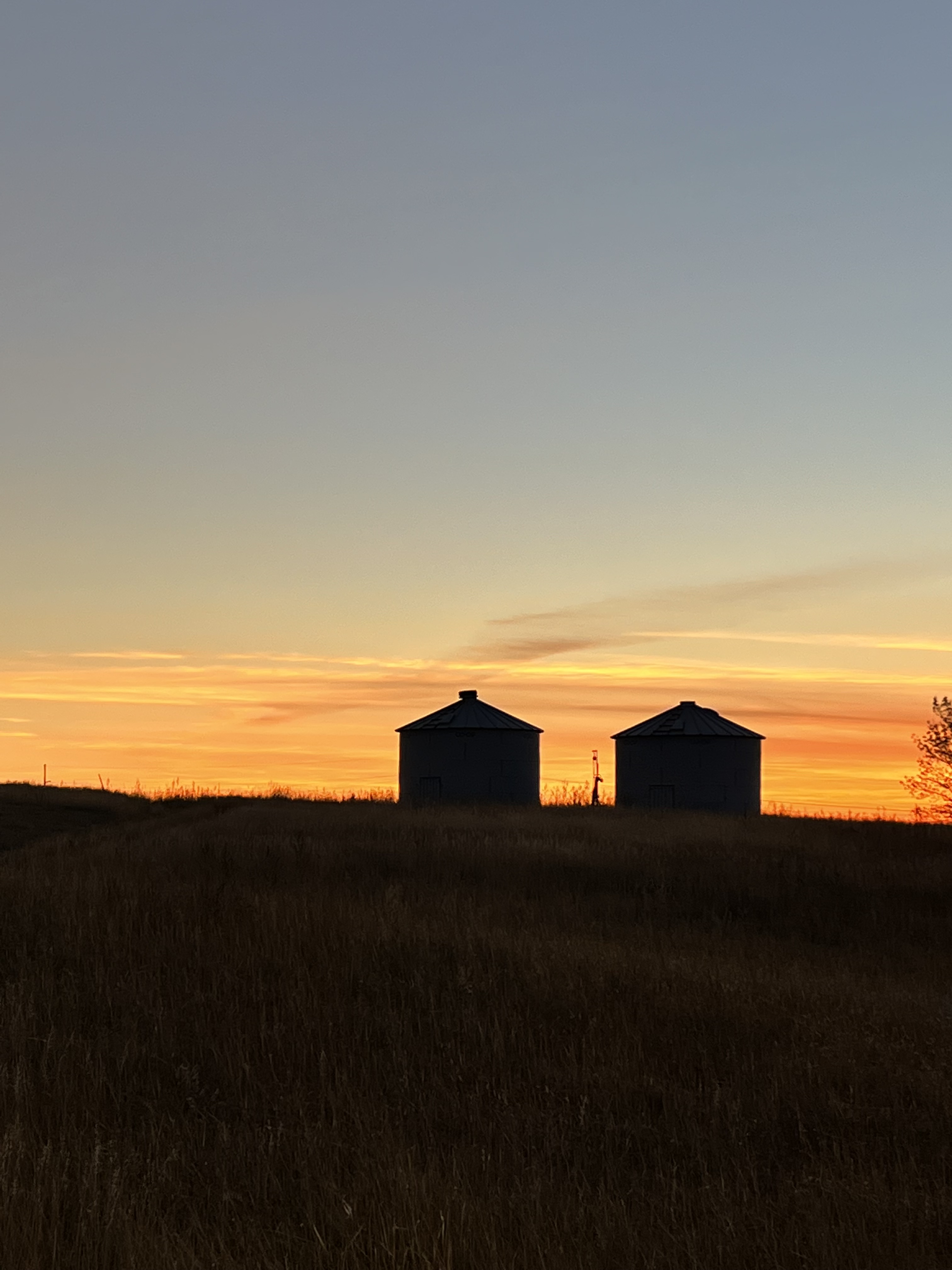
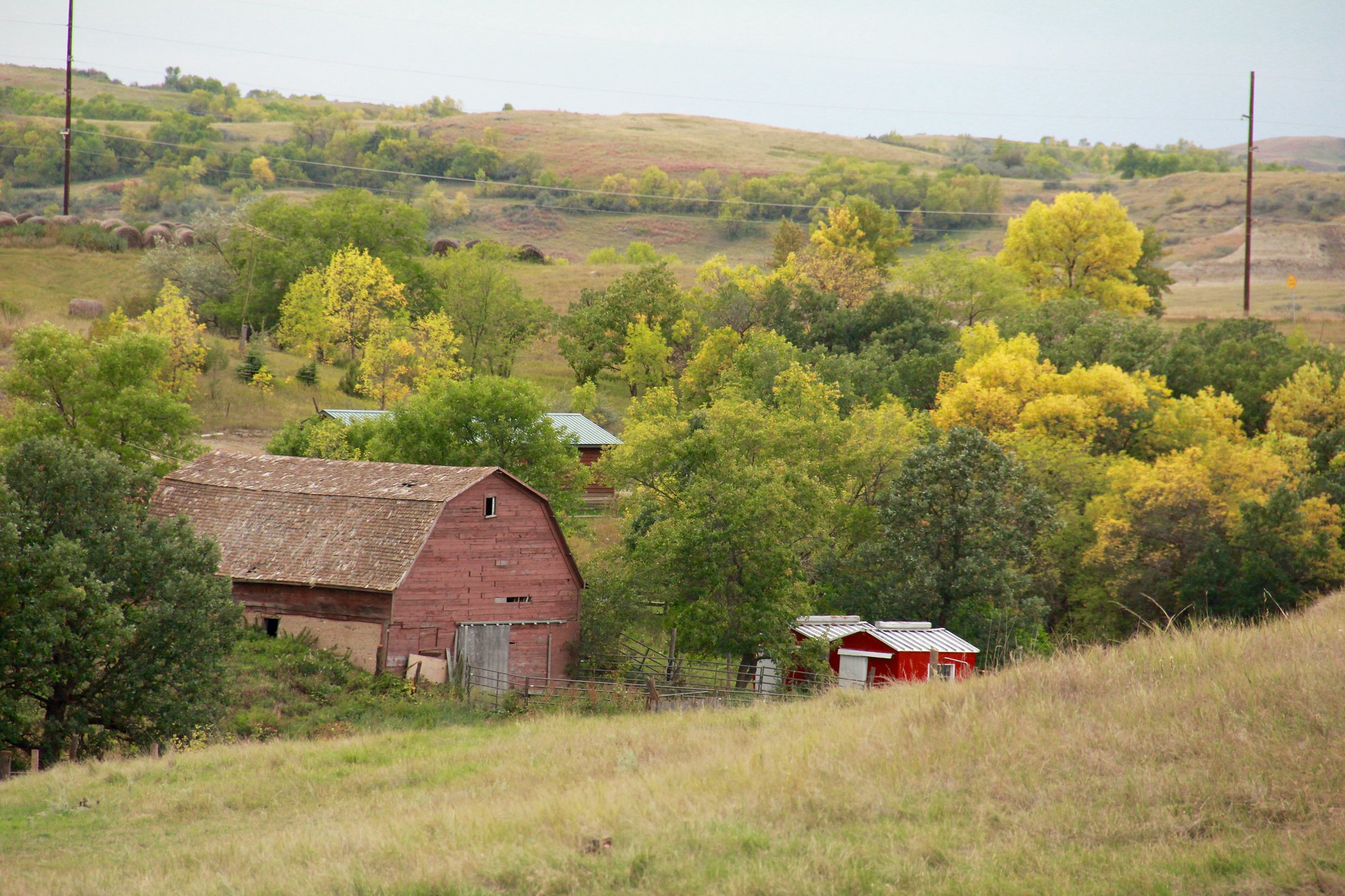
I tell him I need to go walking and he knows which trail I’ll take, down through the barnyard, past the water tank and up the face of the gumbo hill, the one that lets you look back at the corrals where the yard light glows, the one that gives you the perfect view of the barn’s silhouette, tall and dark against a sky that is putting on its last show of the night as it runs out of light.

It’s a ritual that needs timing, because that sun, once it decides, goes quickly to the other side of the world.

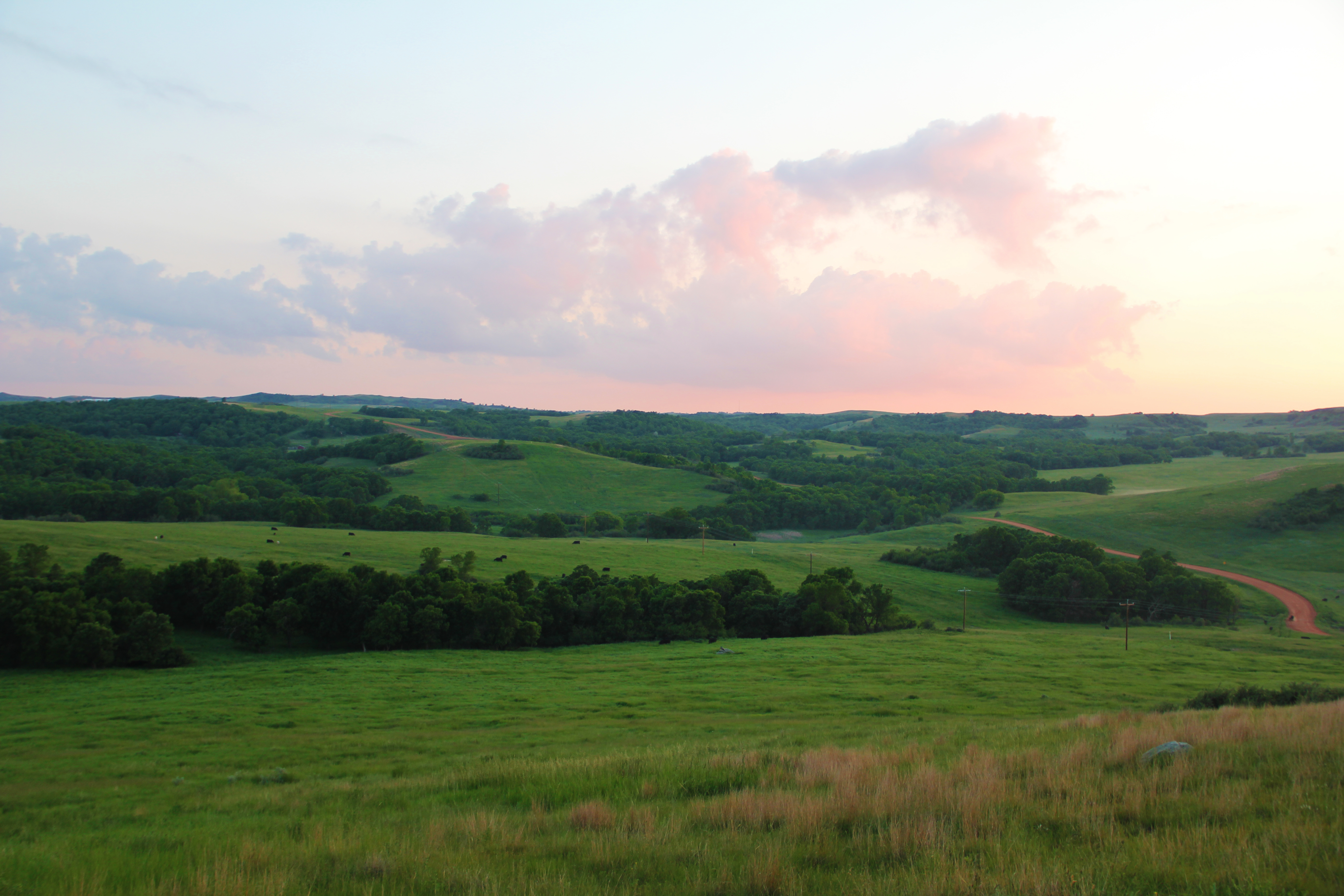
Sometimes if I get out early enough, I head a little further east to check out how the light hits the buttes in my favorite pasture, making the hills look gold, purple and so far away. Sometimes I just keep walking until dark. Sometimes the evening finds me sitting on a rock or pacing in the middle of the ancient teepee rings that still leave their mark on the flat spot on the hill. I like to stand there and imagine a world with no buildings and no lights on the horizon. I examine the fire ring, close my eyes and think about sleeping under the leather of a teepee, covered in the skins of the animals, under a sky that promised rain and wind and snow and a sunrise every morning.

The same sky that promises me these things, but cannot promise anything else.

I think of these people, the ones who arranged these rocks, hunted these coulees, and watched the horizons and I am humbled by the mystery of the ticking thing we call time.

And I wonder what they called it.

Because I take to those hills and look back at my home — the sections of our fences that have been washed away by the melting snow, the old barn that needs to be torn down, the threshing machine looking ancient and ominous in the shade of the hill — I’m reminded that time takes its toll on this land the same way it puts lines around the corners of my eyes, and there is not one thing man can make to stop it.

This understanding is neither comforting nor nostalgic. It just is. Time builds roads and oil wells, new houses and fences and bigger power lines stretching across a landscape. Time grows the trees, erodes the creek banks, crumbles the hills with the weight of the snow, puts blooms on the flowers and withers them away just the same.

I climb that hill, look back at that farmstead and remember those kids we used to be, running through the haystacks and searching the barn for lost kittens. I climb to that hill and I remember my grandmother in her shorts and tank top, exposing her brown skin while she worked in the garden. I remember my first ride on a horse by myself, getting bucked off near the old shop, hunting for Easter eggs with the neighbor girls in the gumbo hills behind my grandmother’s house, branding cattle in the round pen.

From the top of the hill, I could still be ten years old and my grandmother could be digging up potatoes. From the top of the hill, my cousins could be hiding in the hay bales and my dad could be waiting on the side of the barn to jump out and scare them, sending them running and laughing and screaming. From the top of the hill, the neighbor girls could be pulling up in their dad’s pickup, dressed in pastels and rain boots, ready to hunt for eggs. From the top of the hill, you don’t notice all the work that needs to be done on the fences, the water tanks, roof of the shop and the crumbling barn.

From the top of the hill, that yard light is still glowing the same color it was when I would come in from an evening chasing cattle with my dad or catching frogs with my cousins to a yard filled with the smell of my grandmother’s cooking.

From the top of the hill, the only thing certain to change is the sky and everything else is forever.

Dear New Year

Listen to the podcast where Chad and Jessie sit down to talk about highlights of the year at the ranch and why margaritas and cookies should be included in more New Year’s resolutions. Listen here or on Apple Podcasts or Spotify.

Yesterday I watched my young daughters and their cousins fly down a slippery hill on a little orange sled, negotiating time after time who rides with whom next. Who sits in the back to hold on and who gets the front to take in the view and the likelihood of snow on their cheeks. We were experiencing a regular heat wave here. Thirty-seven above zero was a 50-some degree temperature shift toward a warmer winter day, and even though we could only find one sled buried under the giant drifts, we took it and we went to play.

Because the weather had been so cold, so well below zero for weeks, the snow piled so high that we haven’t been able to play in it. And around here, besides filling the creeks in the spring, that’s the best thing about snow.

We got a blizzard for Christmas, and a broken tractor, and a couple chances to get stuck in our yards and dig each other out. But the New Year forecast doesn’t look as brutal and so that’s the weather report in the quiet of the morning, from a mom sitting under the glow of our Christmas tree lights in that timeless, wonky, magic space between Christmas and the New Year, the dishwasher humming before sleepy kids wake up, reminding me that it’s all a little bit of a mess around here, there’s always something to be done. And we’re lucky for it. And also we’re tired. And overwhelmed sometimes. And grateful. And worried and wondering if we’re doing any of it right while simultaneously holding our ground on what we fiercely believe.

At the turn of the New Year I always feel compelled to reflect, as it seems we all do, on time and how it’s changed us, our family, and the promises I intend to make from here on out. But the further I get into this life the more I realize there are things that are so fundamentally out of our control, that maybe the ultimate gift we can promise to give to ourselves and those around us is a bit of grace.

Dear New Year,

I promise to do the best that I can most days, and other days, when I am not at my best, I promise to sleep on it and try again and be OK with that.

New Year, I won’t ever stop declaring it. If it’s wonderful, I’m saying it out loud so that I hear it, and you hear it and they hear it. We need more talk about the good things. But if it’s bad, if it’s bad in the ways that truly matter, I’m declaring it, too. I’m going to be better about that one, because I’ve learned this year that’s just as important. Because in the saying it out loud we give ourselves a chance to grieve, or to hope, or to find solutions, or to be there for one another.

New Year, I am going to continue eat the cookies. And order the steak. And pour the margarita when the occasion calls for it. Life’s too short. But I’m also going to continue to walk to the top of the hills to take in the view, and I’m taking the kids with me.
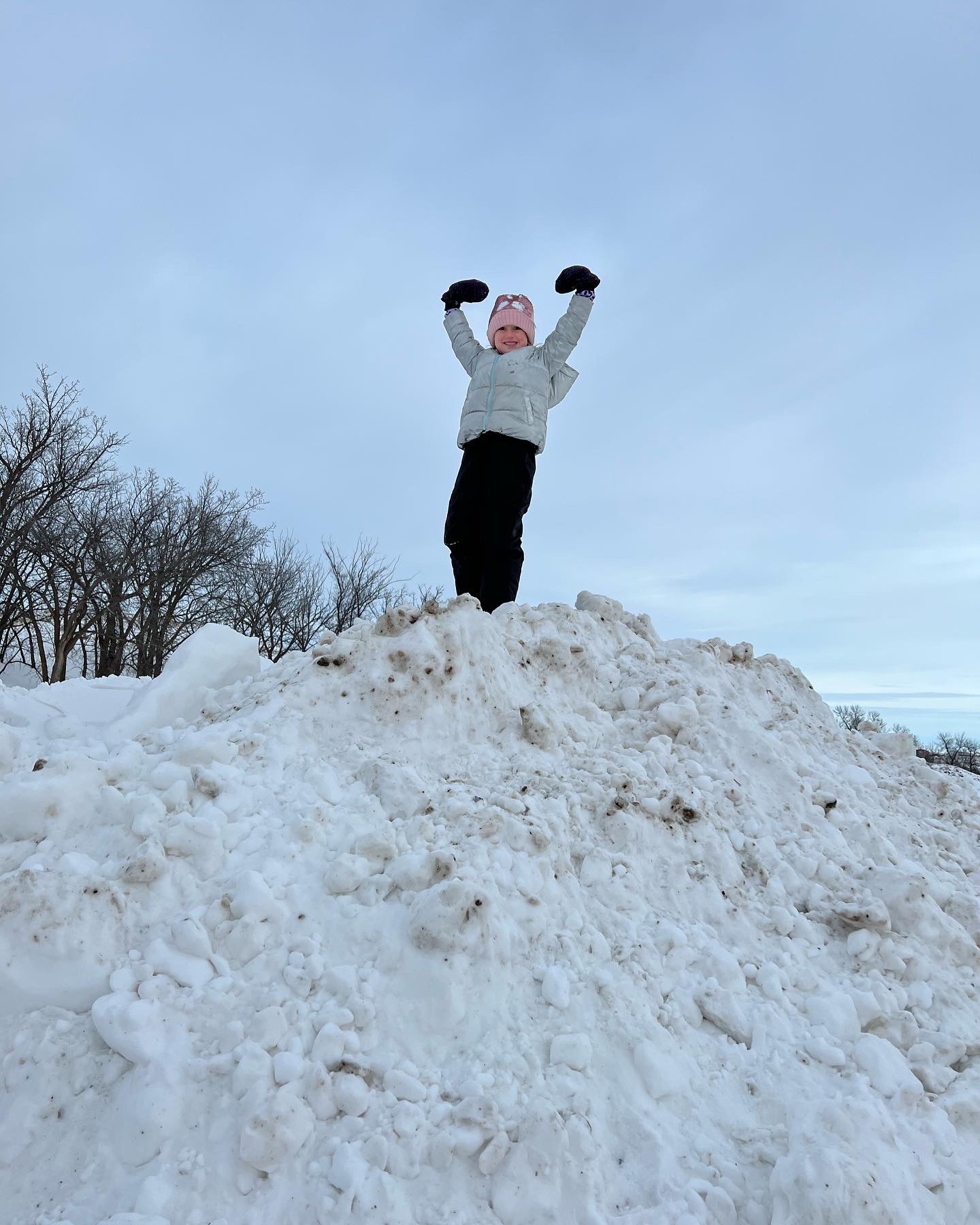
Because as I watch them dig tunnels through snow banks, declare themselves queens of the snow drift mountains, as they negotiate flying down the hills holding on to one another, I promise, New Year, if there’s fun to be found, if there’s beauty, I’m gonna be out there looking for it. That’s the most important one to me, it always has been, but more so now that these kids are watching.
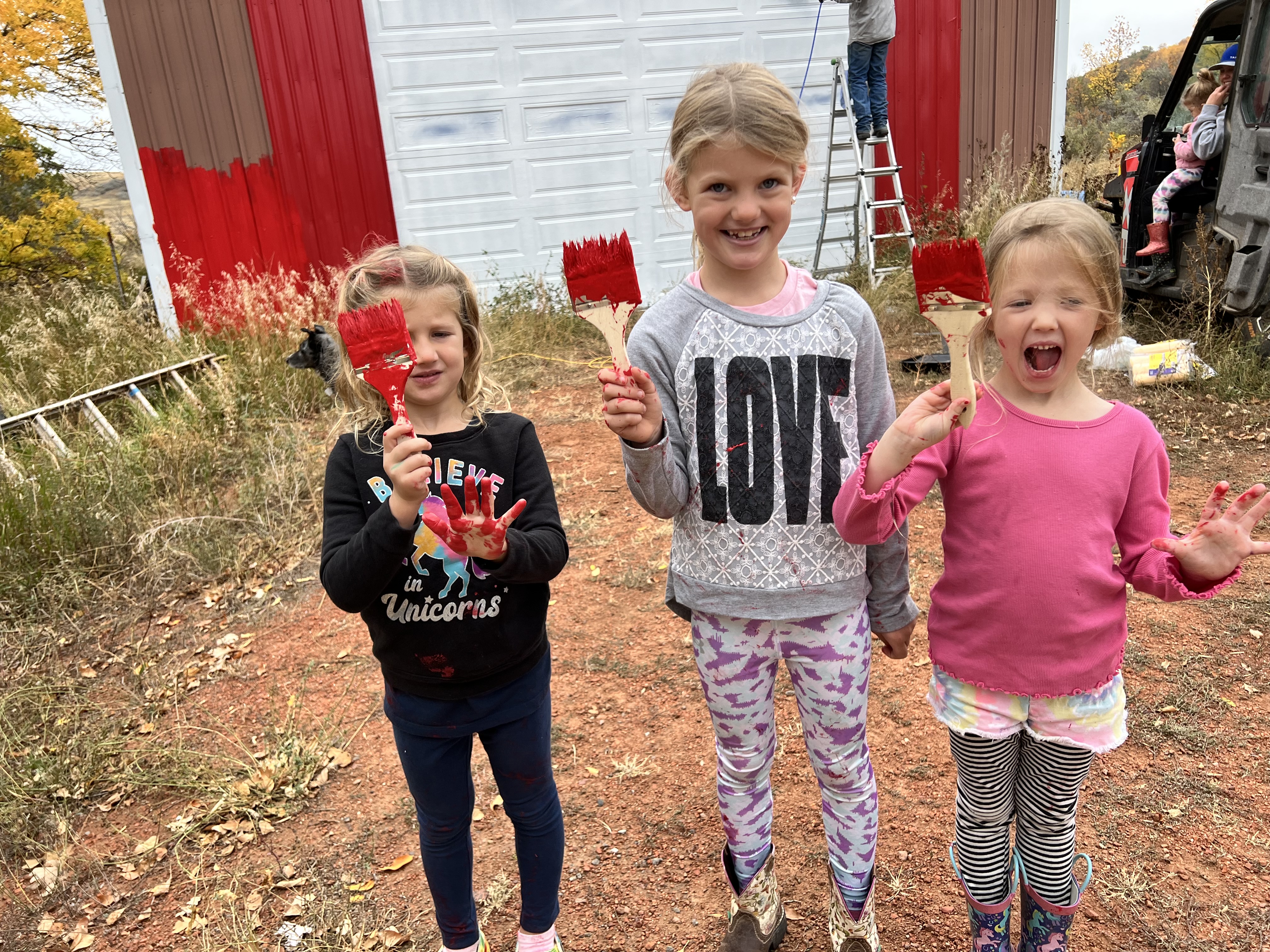
Dear New Year, I look forward to the memories.

The perks of being a ranch kid…

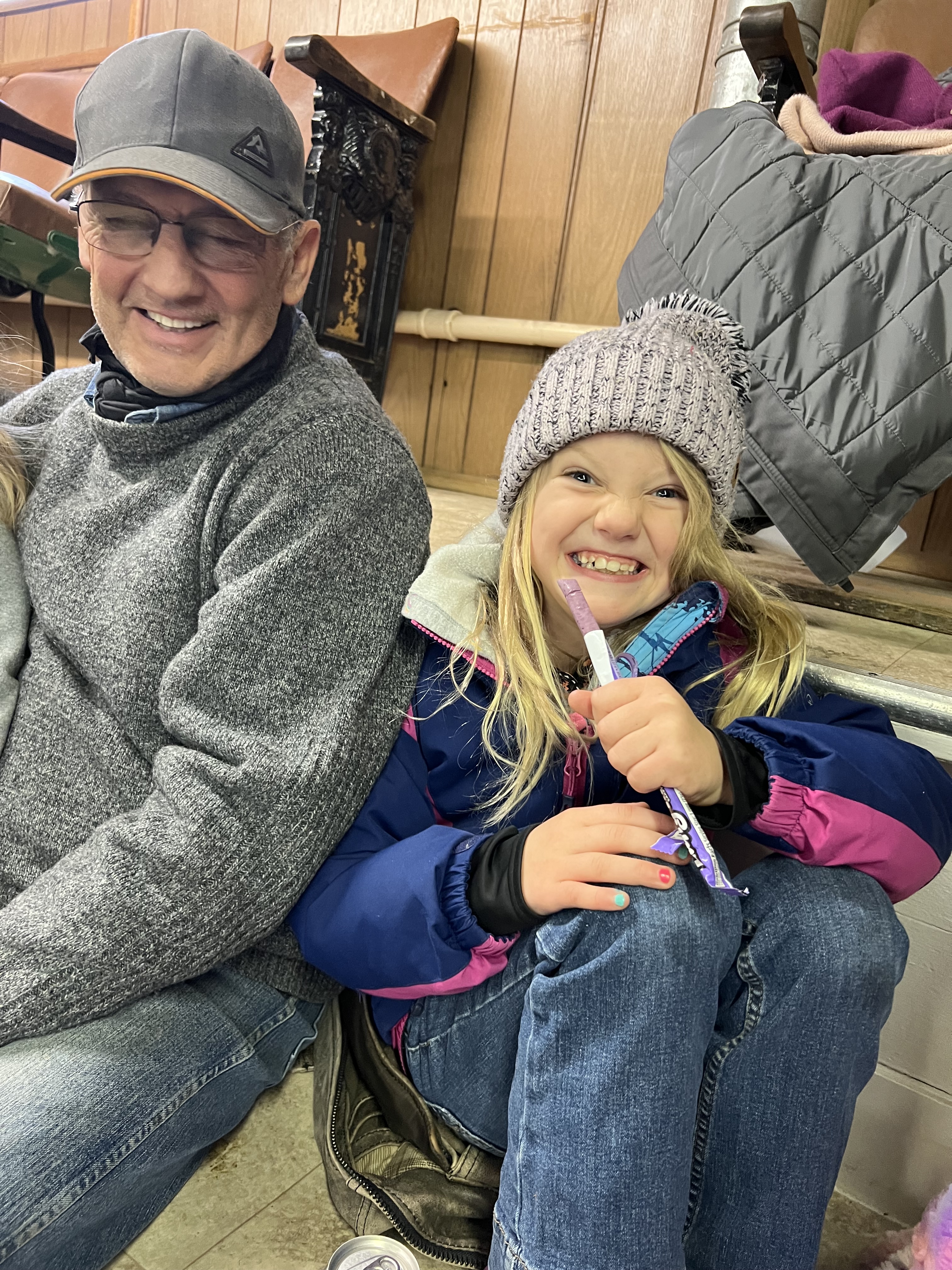
Happy Day After Thanksgiving! This week’s column is an update on shipping day and on the podcast Chad and I catch up after a really busy couple weeks and talk about all things, including the significance this time of the year has for our family. We talk a bit about our rocky road to parenthood as well as how scary it can be to face taking over a ranch operation before you feel fully ready. Also, call us if you need a kitten or some tips on how to survive a 7 year old birthday sleepover party!

Listen to the podcast here, or on Apple Podcasts, Spotify or Google.


The perks of being a ranch kid

“Aren’t you glad you kept them home from school?” My dad said to me, standing in his work boots and Carhart jacket, looking a little out of place in the middle of the blinking lights and pings of the pizza place arcade.

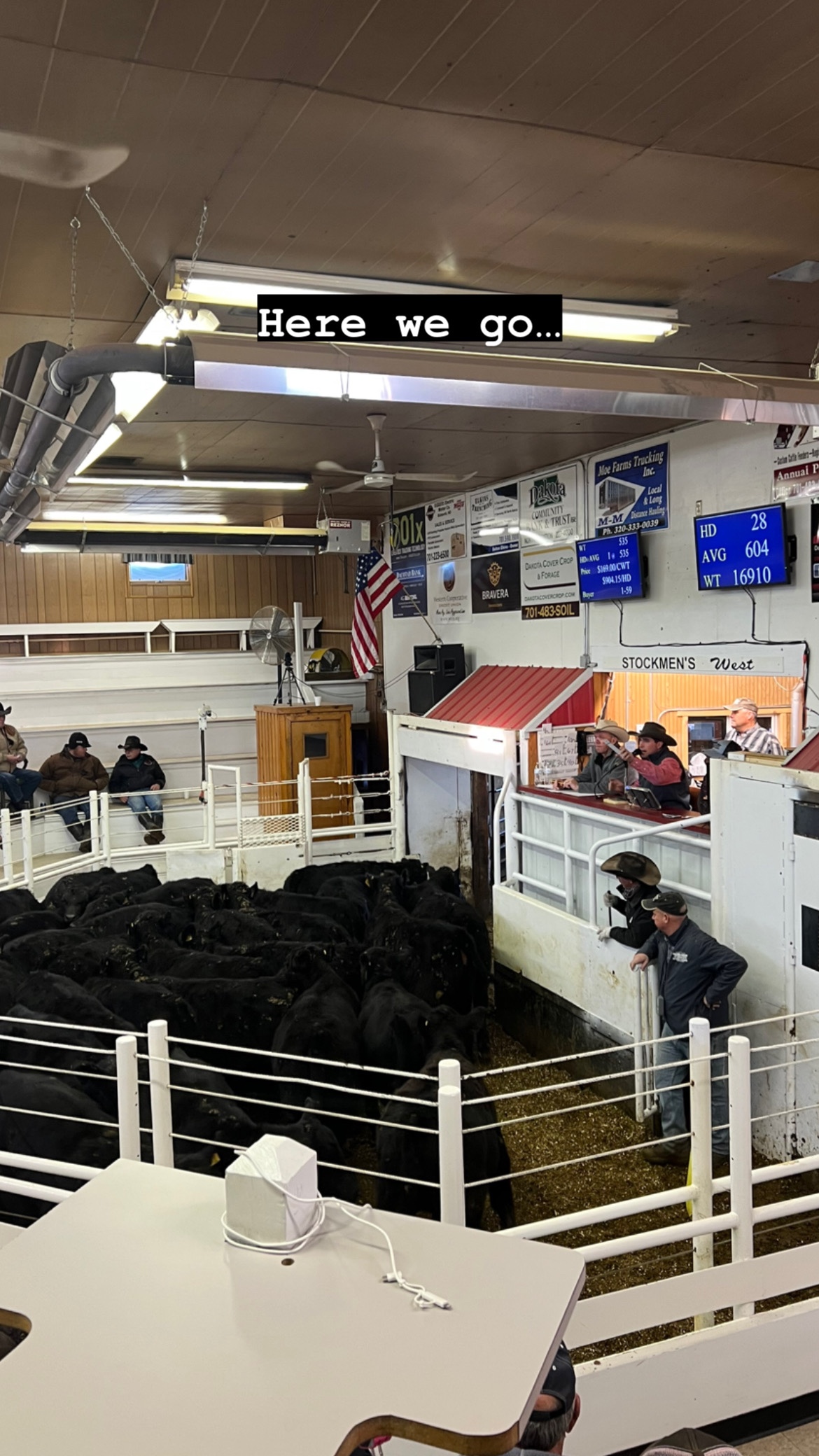
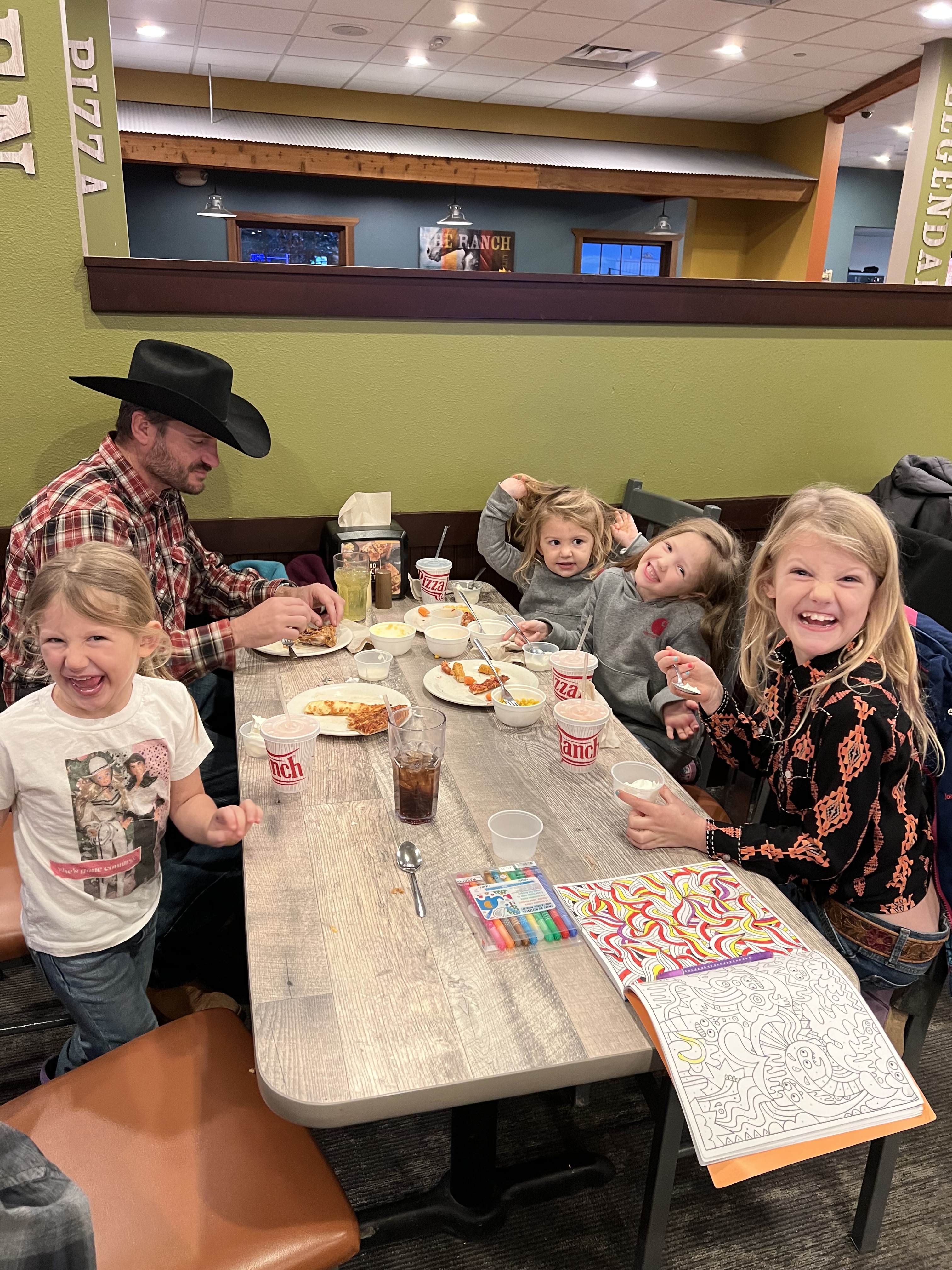
He had just bought us all supper and he was sort of beaming watching all four of his small granddaughters take their best shot at skee ball and whack- a-mole and I just couldn’t help but declare, out loud to him and my aunt, that this had been a great day. And they whole-heartedly agreed, our bellies full of carbs and cheese and ice cream, all of us smelling, and looking, a bit like sale barn.

We started the day in the chill of a barely above zero morning watching the guys sort the calves from the cows in the pen. I’d been gone for two days before, across the state singing for my supper and was feeling the repercussions of messing with the weekday schedule and questioning my career path. The evening prior I was still sixty miles from home and my friend called to let me know my six-year-old was at gymnastics in town and was wondering why I didn’t pack her leotard. And then I had to explain that I didn’t pack her leotard because my darling dear daughter was supposed to be on the bus heading home where her dad was in the tractor moving corrals and watching for her. It’s moments like these when the thirty-mile drive to civilization to retrieve a confused kid seems vast and crazy. And it’s moments like these I thank God for friends who have made the same mistakes and help without judgment, and a sister in town for groceries who can pick up the confused kid on her way home.

I bring this up because it sent me reeling a bit. I have a crazy schedule and a set of unconventional jobs, so when something slips with the kids, I find it fair game to beat myself up about it. I wonder if I chose a more 9 to 5 route if it would make me better at schedule keeping. Or if I could have found a way to stay home with them full time if the laundry wouldn’t pile up so high and our meals would be planned out and I would be a better, less distracted mom. I was putting Edie to bed that night trying to sort out how I was going to get the girls to school and be back in time to help get the calves on the truck and make sure the soup was set up and ready for lunch when I was reminded, out of the darkness, that I was in charge here.

And the kids could stay home from school on shipping day.

Of course they could! It’s, as my aunt pointed out, “the perk of a ranch kid’s job.” And to prioritize our children’s involvement in the process of what puts groceries in our cupboards is arguably one of the most important jobs of a rancher. They’re never too young. That’s why we’re here.

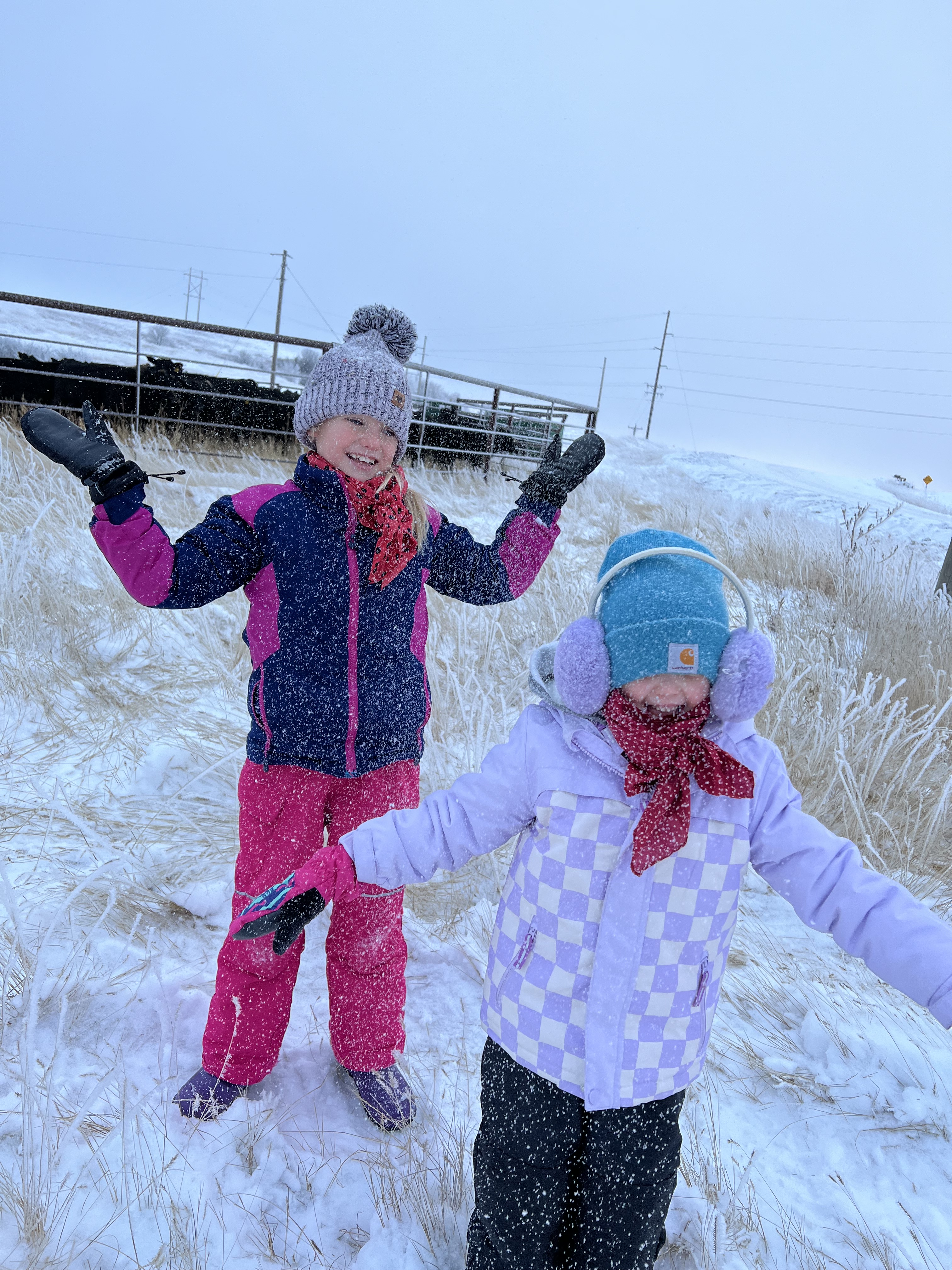
Not that it’s easier. Because a six and four year old were no help at all in the snow and the chill of the morning sort, but they felt a bit a part of it anyway, even if that part was throwing snow in the air and kicking frost off the fence rails. But if you thought they weren’t helpful there, they really weren’t in the sale barn, strutting in with their purple boots and pink backpack full of coloring projects and plastic ponies, my little sister and her two young daughters right behind us.

But the moment we stepped into that sale barn, the scent hit our nostrils and we were transported back to when we were the kids, getting to pick out an orange pop and a candy bar from the café before finding our place on the sale barn bench. So, first things first, the only place in the world a can of pop still costs $1 and we were all sorts of nostalgic.

And also? We were a spectacle, the four little girls and my sister and me. Add to the crew my dad, husband, my aunt and uncle and our calves had a regular cheering committee in Dickinson that day. When those calves hit the ring and the auctioneer pointed us out, I turned around to my daughters and squealed with nervous excitement “our calves! There’s our calves! Then I hit my sister’s leg and turned around to face the music with a weird and nervous smile while taking pictures.

In case you are wondering, this is not sale-barn protocol.

You’re just supposed to nod. That’s it.

But you know what is sale-barn-protocol? Rounding up the kids and their plastic ponies from the far corner of the bench seats where they were using up a little too much of a stranger’s personal space for their make-shift-pasture and heading out for pizza and ice cream to celebrate, smelling like sales barn and smiling, reveling in the perks of the job.

Bow hunting, Barbie dolls and tuning tiny guitars

So the snow has melted, and Halloween has come and gone and I am behind on everything. We’re trying out some real equipment to make the podcast sound better, so we’ll be recording an update tonight. In the meantime, here’s what we did last weekend for Halloween. . And don’t think for a second Chad put his costume together any sooner than 15 minutes before Trunk or Treat. We had some beautiful weather, no snowsuits necessary. I love Halloween

Next up is planning the girls’ birthday parties and selling calves. It’s a busy time of year around here, one that marks milestones and lots of reason for celebration. And now, this week’s column, which is sorta old news by now. We’ll catch up tomorrow on the podcast!

Bow hunting, Barbie dolls and tuning tiny guitars

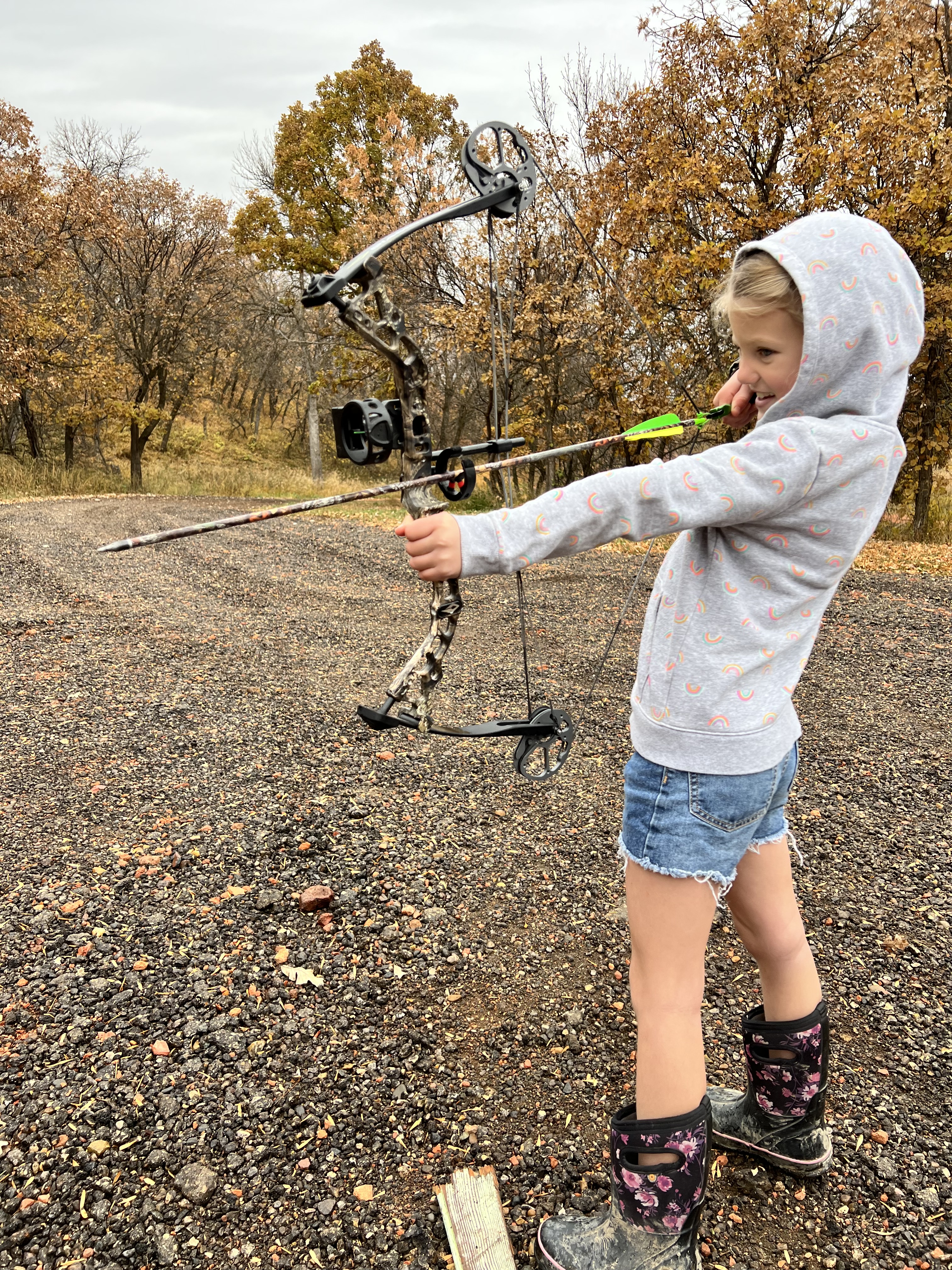
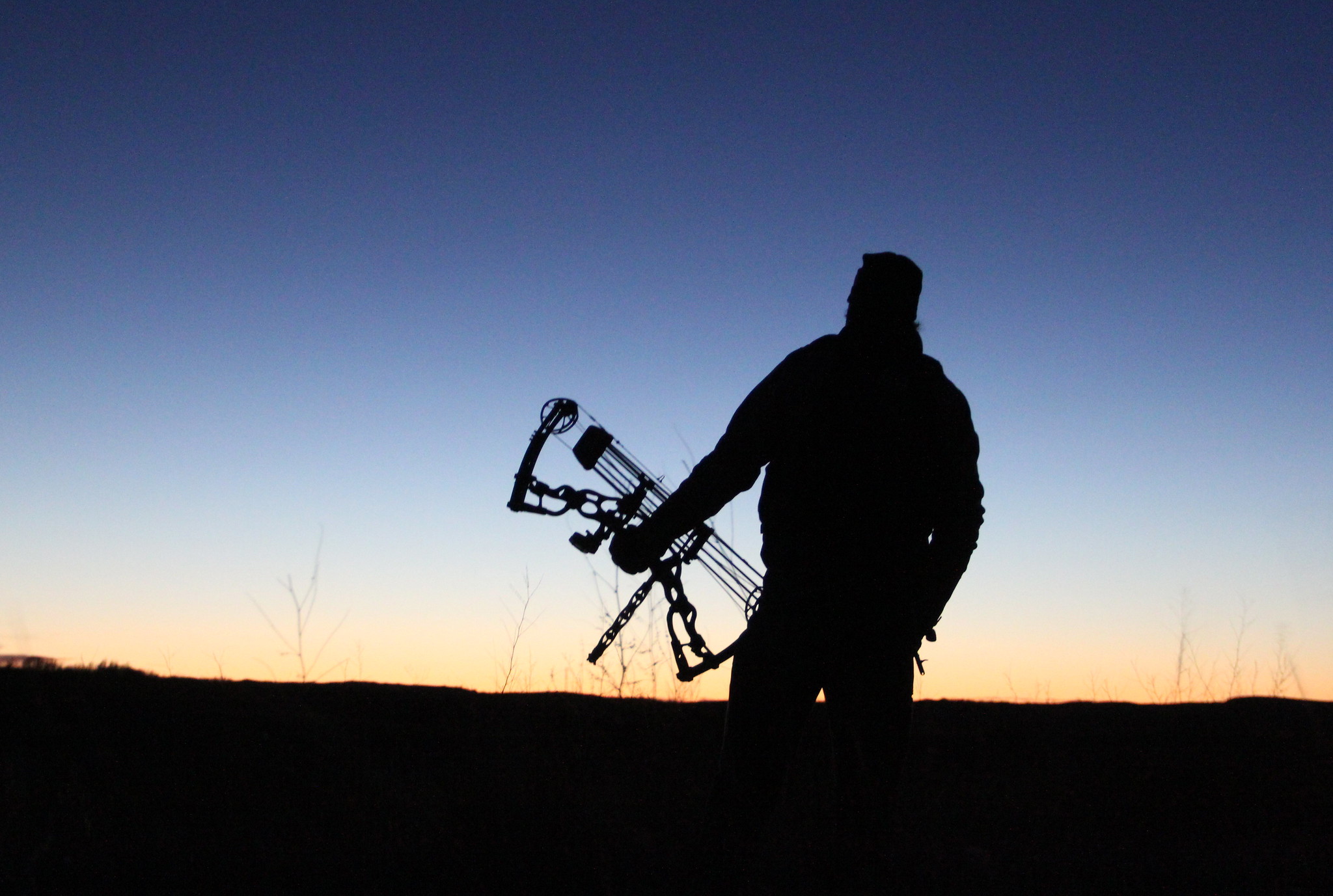
As October winds down and November comes in like a yeti, so we welcome bow hunting season at the ranch. My husband has been into archery since he was a little kid and has had our daughters practicing shooting their little recurve bows at a target set against the backdrop of the trees surrounding our house for the past year or so. He takes them out there, their arrows packed in the small, homemade leather quivers their grandpa Scofield made them, and I watch my husband patiently go through the process of safety and form and encouragement. Each arrow that actually manages to stick in the target they declare a “Bullseye!” and he never corrects them. I imagine every arrow counts to him as much as it counts to them, a real-time demonstration of skill and passion passed down to a new generation.

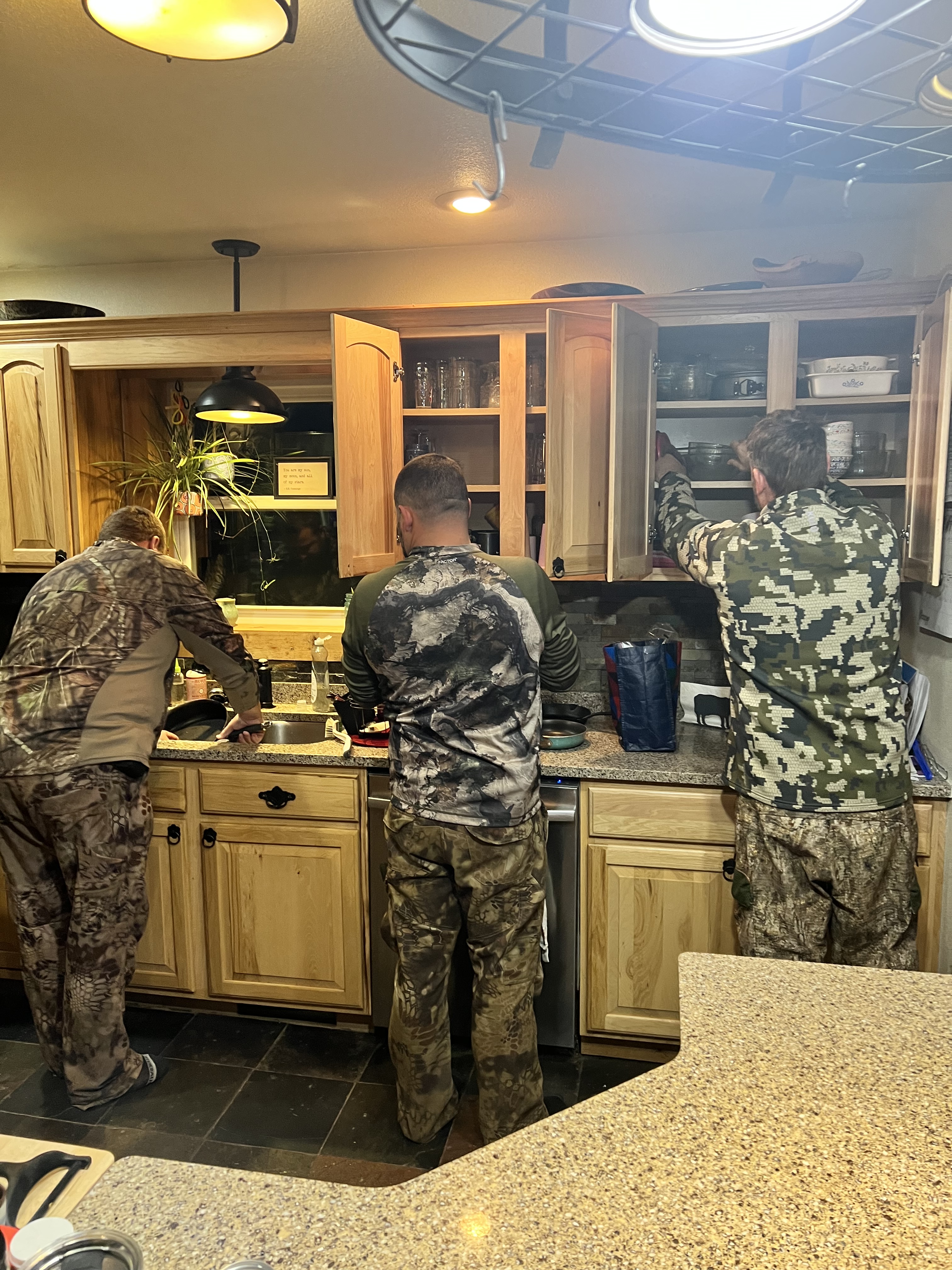
Last weekend a couple of our good friends from college headed west with their bows and camo and coolers and groceries to the ranch. It’s become one of our favorite times of the year, having this kind of company, the kind that has known us for years, at our best and at our worst. The kind who are smack dab in the middle of the same parenting phase we are in, and so maybe I don’t have to vacuum every corner of the house or worry about a meal plan because they always have it covered with homemade lasagna and soups, wild game and donuts, drinks and the occasional can of sauerkraut, plum jelly or jerky left behind. They even do the dishes. And let me tell you, three big, burly, camo-clad men making short work of the after-supper clean-up is quite the stereotype blasting site to behold in my kitchen. Glass of wine while they finish up here? Don’t mind if I do.

And while I’m completely aware weekends of hunting house guests could go the way of the dogs, for me their visits have come to feel like a little vacation in my own home and a nice reminder of the true gift we have here at the ranch. Because these men are so grateful for the opportunity it’s fun to see our place through their eyes, even more so now that our kids are getting older, because they’ve started to include them in the action and take them along. It’s a dream these dads have had for years watching their little bald burrito babies turn slowly into tiny people curious and vocal and wanting to learn, to be like dad.

So they spent a lot of time out at that target against the trees, everyone practicing patience and celebrating each shot, bullseye or not. And I know that we don’t always consciously do this, but I imagine when we’re teaching our children about the things that we know and love, it’s with the hope that it might enrich their lives in some way, or at least give them an option to be intrigued or infatuated, or completely disinterested, if that’s the case.

When the dust settled on the hunting weekend and our guests had packed up and left us with a couple jars of sauerkraut and a plan to be back, our daughters settled into what I thought might be a lazy Sunday afternoon after a few days of fresh air and late bedtimes. But it wasn’t long before my oldest was pulling out every craft supply in the house with a mission of creating Barbie dresses out of socks and no matter how many times I suggested that I could just grab my hot glue gun, the girl insisted this was a project that required sewing.

Now, weren’t we just speaking of skills that have been passed down from generation to generation? Yeah. Sewing wasn’t one of those skills for me, (just ask my Home Ec teacher). But before I could come up with an alternative project I walked into the kitchen to find her camo-clad dad at the counter with the sewing kit making Edie’s Barbie Christmas Sock Dress Vision a reality.

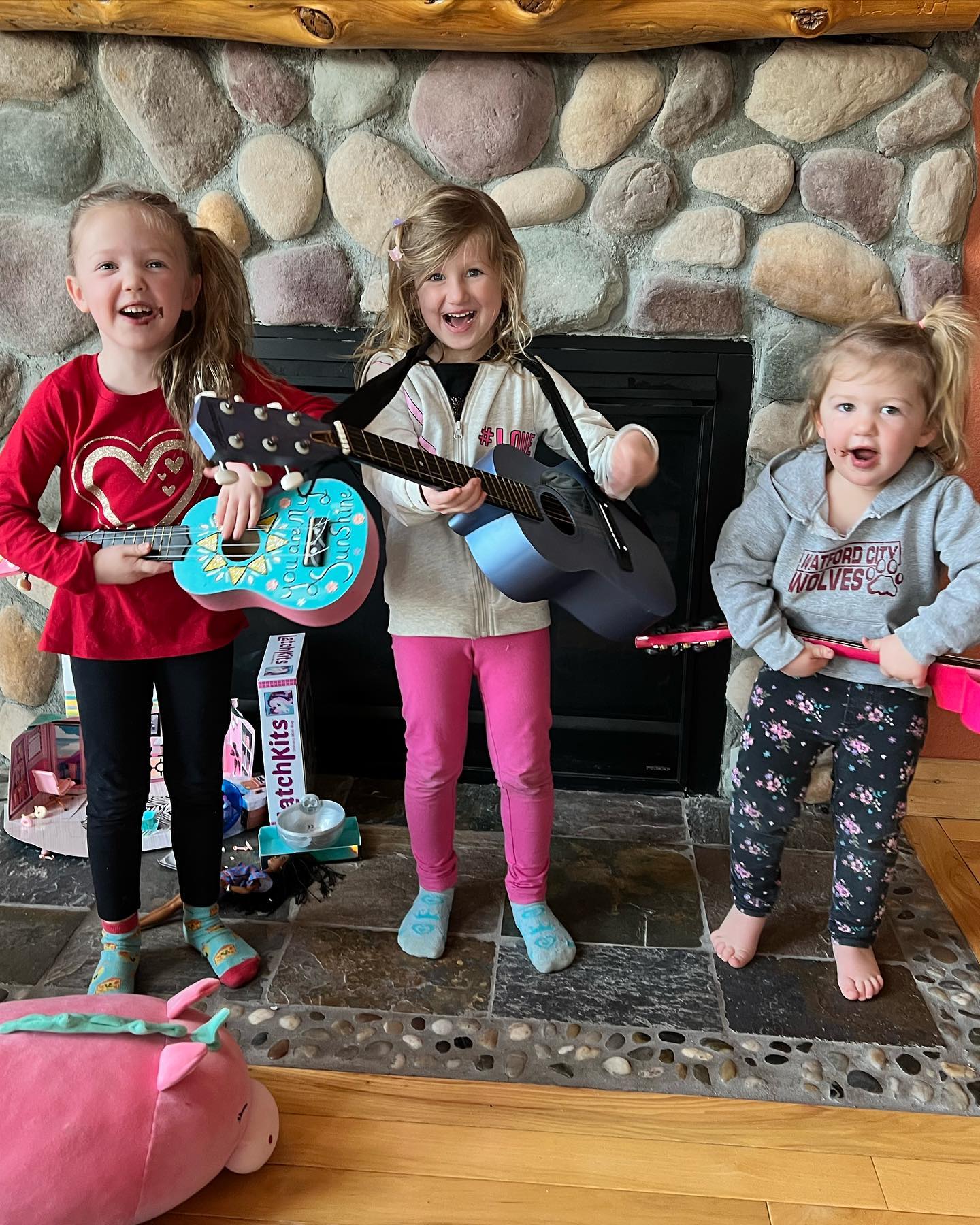
The man’s versatile, you have to give him that, and holds pretty true to that ‘ol Jack of All Trades adage. We’re lucky girls. Now if you’ll excuse me, I’m going to go tune some tiny guitars. Because if winter is coming this early, they may be interested in learning a couple indoor activities to get

The Layers of Fall

We don’t give this time of the year much recognition because we’re all scrambling to get work done before winter comes, so on the podcast I sit down to recognize it and talk it out with my husband. The conversation turns to fall work and food, naturally, because we’re up north and we’re getting cold and we’re starving for carbs and cream. Hear why I thinks Chad would be a good contestant on reality game shows and learn why my all time favorite meal was after I jumped out of a plane over the beach

There’s a moment between summer and late fall at the ranch that’s so good at being glorious that it actually makes us all believe we could last forever under a sky that’s bright blue and crisp and warm and just the right amount of breezy all at the same time.

Up here we’re easily swayed to forget about the drama that is our seasons. I imagine it’s a coping mechanism we develop that gets us crazy stoic people through -20 degree temperature snaps.

It’s forgetting that gets us through, but it’s remembering too. The combination is an art form.

Because at -20 degrees we remember that one-day it will be sunny and 75.

And when it’s sunny, 100 degrees and 100% humidity and there’s not a lake in sight, we remember the -20 degrees and somehow find a way to be grateful for it all.

Yes we keep taking off layers and putting them on again until we make ourselves the perfect temperature.

Funny then how we’re not really good at giving the in-between moments the credit they’re due around here. We usually grab them up and soak them in just enough to get some work done on a horse, paint the house, wash the car or get the yard cleaned up for winter.

Because we’re taught up here to use those perfect moments to prepare us for the not so perfect ones that are coming.

That’s why fall, though a romantic season for some, gives me a little lump in my throat that tastes a lot like mild panic.

Because while the pumpkins are nice and the apple cider tastes good enough, I can’t help but think that autumn is like the nice friend who slowly walks over to your lunch table with the news that your boyfriend doesn’t want to go out with you anymore.

And my boyfriend is summer. And when he’s gone, I’m stuck with the long and drawn out void that is winter promising Christmas, a hint of a sledding party and a couple shots of schnapps to get me through the break-up.

Hear what I’m saying?

But the change is beautiful. I can’t help but marvel at it no matter its underlying plot to dry up the leaves and strip them from their branches and jump start my craving for carbohydrates and heavy whipping cream in everything.

So I always decide to give it the credit it’s due when it starts to show off in full form, taking a break for the office and house work to marvel at the leaves, collect some acorns and walk the trails the cattle and deer cut through the trees during the heat of summer.

I will never call this moment a season, it’s too fleeting and foreboding for that, but I will reach out and touch those golden leaves and call it a sort of magic.

The kind that only nature can perform, not only on those leaves, but also on the hair on a horse’s back, the fat on the calf, the trickling creek bed, the tall dry grasses, used up flowers and a woman like me.

Yes, I’m turning too. My skin is lightening. My hunger unsuppressed. My eyelids heavy when the sun sinks below the hill much earlier than my bedtime.

My pants a little tighter with the promise of colder weather.

Ok. I’ve been reminded. Summer–a month of electric thunderstorms and endless days, sunshine that heats up my skin and makes me feel young and in love with a world that can be so colorful– is over.

And so I’m thankful for the moment in these trees to be reminded that I have a little time yet, but I best be gathering those acorns.

And pulling on my layers.

What they left behind

This week’s column is a revisited story from my book, “Coming Home.” Get your copy at www.veederranch.com.

On the Podcast this week I sit down with my husband to talk about homestead houses and how history can haunt us, just like the Goat Man Chad encountered near the Lost Bridge in the badlands. Find out what word I just made up out of thin air last week, hear a story about Lutheran kids dressing up as nuns and get the scoop on the spooky relic from the old house behind my childhood home that chills me still. 
Listen here, or on Spotify or Apple Podcasts

What they left behind

It’s a gloomy day, the rain is falling, the sky is gray and the trees are stripped from black branches. It’s Halloween season and all of the sudden I’m reminded of the old house that used to sit up in a grove of trees behind the yard where I grew up.

It’s not so uncommon around here for a family to purchase land from neighbors or inherit an old family homestead, so there aren’t many farmsteads around these parts that didn’t come with an old structure lingering on the property, providing ranch kids with plenty of bedtime ghost story material.

And so it went with the old house that stood tucked back on the other side of the barbed wire fence, against a slope of a hill, surrounded by oak trees and the remnants of Mrs. B’s famous garden. Her hearty lilac bushes, her grove of apple trees, her wild asparagus and rhubarb still thrive in the clearing she made in those trees all those mysterious years ago, before the family up and left, leaving that garden untended, the root cellar full and a house seemingly frozen in time.

“What happened to them?” I would contemplate with my cousins, one of our favorite subjects as our eyes grew heavy, tucked in bunk beds and sleeping bags scattered on the floor, together growing up, together trying to figure out what the passing of time really means and how a story could be left so undone.

Gramma took some old dresses, vintage black smocks with pearl buttons and lace collars from the small bedroom closet of the old house. We would pull them over our heads to perform pretend wedding ceremonies or attend fancy parties like we saw on our mothers’ soap operas, the fabric smelling like mothballs, dust and old forgotten things.

But no matter what character you were that day, you couldn’t help but think about who the real woman in those dresses once was. And who would leave them behind?

So, as it goes with kids, our curiosity outweighed our fear and we went on a mission to collect samples of this family’s life that still existed between those walls.

And while I remember kitchen utensils hanging neatly on hooks, canned beets and potatoes lined up on shelves, the table and chairs sitting in the sunlight against the window, waiting for a neighbor to stop over for coffee, I also remember bedrooms scattered with old newspapers and magazines, the dates revealing the last years of occupancy, the fashion of the season, stories of drought and cattle prices sprawled out among diary entries and old letters, a glimpse into a world that existed long before us kids sifting through the rubble in tennis shoes with neon laces.

And then I remember the dentures. Or maybe I just remember the story my oldest cousin told about the dentures. It doesn’t matter now who was actually there to witness it, it evolved to belong to everyone. An expedition to the old house, a creak of a cupboard door and the discovery of a jar full of teeth that nobody noticed before.

“The place is haunted.” That was the consensus, especially when, at the next visit, the unwelcome house guests were greeted at the door by a flurry of bats (or, more likely, a bat or two). Yes, the spirits of that mysterious couple came back to the place. How else could you explain the thriving asparagus plants? The teeth?!
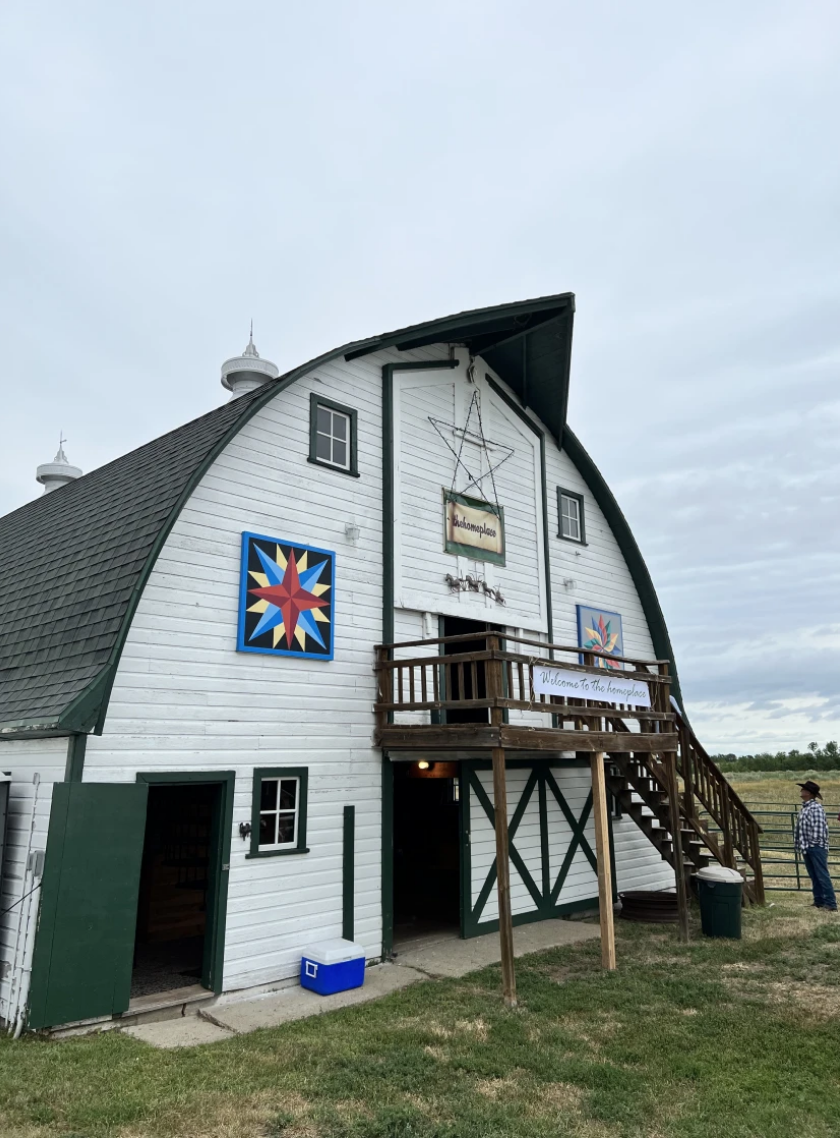
And so that was our story of the old house, a strangely fantastic pillar of our childhood adventures and a structure that had to eventually be burned down due to its disintegrating floor joists and general unsafe environment.

I stood in my snowsuit and beanie and watched the flames engulf the graying wood and shoot up over the tops of the black oak trees and wondered how it all eventually came down to this; a life turned into old forgotten things, turned into ashes, turned into stories.

Maybe that’s the scariest tale of them all.

But each fall the apples in the old woman’s orchard ripen, each spring her lilacs bloom and each year their names come to our lips because of what they left behind, making me wonder if we were right about the haunting thing after all.

The yard light’s back on

This week on the podcast I catch up with my husband after he returns from leaving for a 75 day hunting trip (ok, maybe is was just 5 days). A small change in the barnyard makes me reflect on how wrong they all were about the future of our home, and Chad wonders if I would wish my kind of creative drive on my children, and then asks me to explain gravity. There’s lots to unpack here, figuratively and literally…listen here or on Apple Podcast or Spotify.

There hasn’t been a yard light in the barnyard of the homestead place for ten years. It went out when we took the old house down after a fire and we didn’t get around to rewiring it. When the house went, so did we, we left the barnyard and moved up over the hill to a new house and so no one lives there full time, we just work there now—we saddle up, feed horses, bring the bulls in, ride the ponies…

When I left home at seventeen, I had this vision of all of the yard lights in my rural community going out, one by one by one behind me as I drove away and kept driving. In my lifetime, at that time, I had only seen things getting quieter out here. I saw old neighbors packing up and moving to town. I saw schools close and businesses come and go and come and go. I saw star football players heading to college and not looking back. We were told not to look back, unless it was to reflect—on a simple upbringing in a less complicated time in a place where work ethic and sacrifice are badges of honor—because it makes you employable, you know, having come from a small place, heading off to the big places. But don’t come back here. Not when you’re young. Not when there’s more opportunity, more money to be made in places where the streetlights and stoplights replaced yard lights long ago.

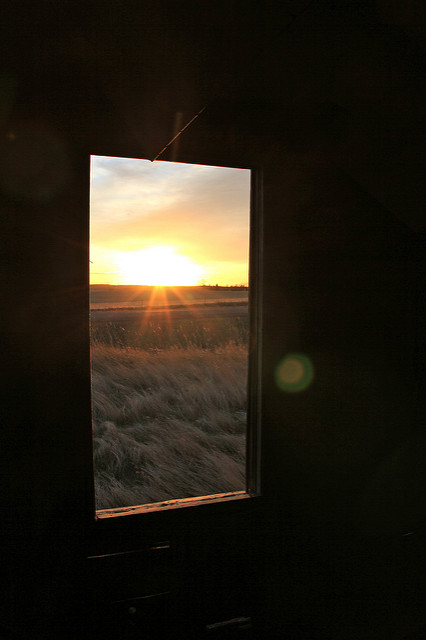
Last week, in the dark, I pulled my car off the highway and followed my headlights down the big hill on the gravel road, past my parents’ place and across the cattle guard. It’s at this point in my drive, if the weather’s cooled down or warmed up, depending, that I like to roll my window down to catch the scent of that little valley with the cattails and the stock tank. It smells like cool summer nights riding home from moving cows, or long walks through the draws after a day that tried to break me. It smells like plum blossoms or cattle watering, fresh cut hay or the thaw or the cold coming in, you know, like the scent of snow.

It smells like home and I try to catch it when I can, when I think of it. When I need to be reminded who I am and why I’m here.

And then up another big hill to the mailboxes and grain bins I take a right turn into my drive and then look to my left at the sky past the buttes to see what the stars are doing and then down to the barnyard and then, well look at that, the light was on.

Dad got the light back on.

It caught me so off guard, that yard light once again illuminating the scoria drive, the barn a shadow behind it, the little guest cabin that replaced the old house, waiting, now under its watch, for someone to come slip through the gate and under the covers.

And I wasn’t expecting it, but I remembered then that my dad did tell me, that the electricians were coming, that some old wiring was going to be replaced. I didn’t connect the yard light to that information I guess. But what took me most aback was my reaction to it. It stopped me in my tracks, it bubbled a lump up in my throat. Memories of pulling into my grandma’s yard as a little kid sleeping shotgun in my dad’s pickup for a weekend trip and then as a ranch kid leaving the place after a family supper or after a long ride or a late day helping or running wild past our bedtime with the cousins when my grandparents were still alive and we were all young, all of us, and we paid no mind to how anything would ever change that.

Seeing that light on made me realize that I didn’t think of its absence at all really. Not the way I thought I would. When it went out it was just gone and life carried on. We put a new yard light in over the hill and felt lucky and maybe that’s why. I didn’t have to mourn it, because the story I was told as a kid about this place, it turns out that they got it all wrong.

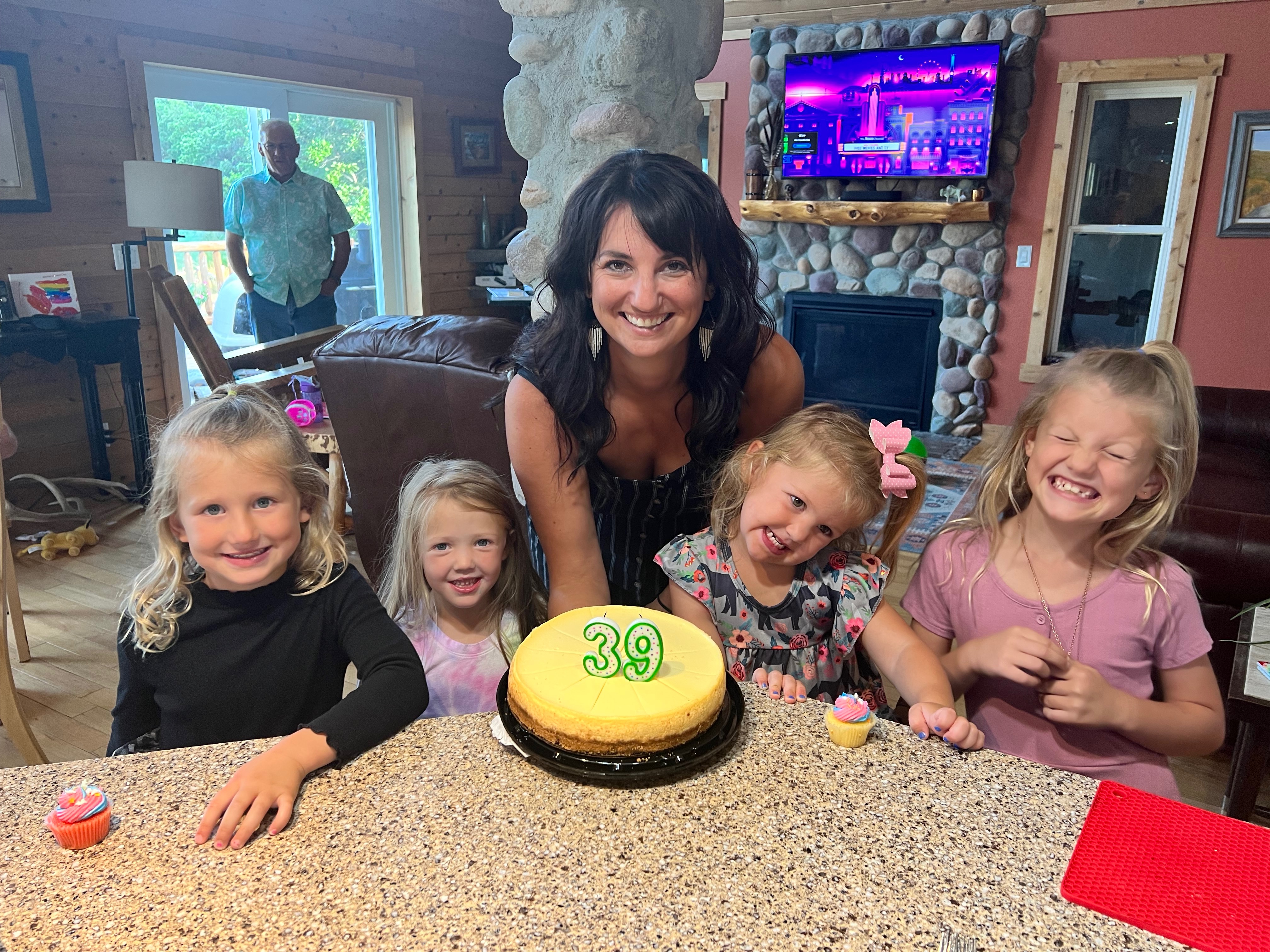
Because look at me, I am 39 now and driving my children home in the dark and in front of me the yard lights glow like beacons of hope for the future.

September and what keeps it precious

This week on the podcast I sit down with my little sister and talk of the weather turns to embarrassing moment confessions. The flies and the wasps and the rooster and the tomatoes and the mice are taking over the ranch and we talk about it all. Catch it here or on Apple Podcasts or Spotify.

The evenings are getting cooler as the sun sets a bit more quickly and I’m canning tomatoes and chopping up peppers from the garden for salsa so we can have a piece of summer when winter hits hard.

I can preserve our garden vegetables, but haven’t yet found a way to capture the smell of the season changing and the color of the green and gold leaves against an overcast morning sky. This season is so unpredictable, sneaking up on us slowly in the middle of a hot summer day and leaving with a strong gust of wind.

But this year it seems to be settling in despite the heat. The trees that were first to display their leaves this spring are the first to display their colors this September and I’m reminded of roundup season and spitting plums at my little sister on her pony, Jerry, as we rode behind our dad to gather cattle.

Working cows in the fall has always been one of my favorite events of the season. My memories find me as a young girl bundled up in my wool cap and my dad’s old leather chaps braving the cool morning and a long ride through coulees, up hills, along fence lines and under a sky that warmed the earth a little more with each passing hour.

I would strip off my cap first, and then went my gloves and coat, piled on a rock or next to a fence post for easy retrieval when the work was done. Dressing in layers is a different level on the ranch.

Moving cattle, even then, never felt like work to me—probably because I was never the one responsible for anything but following directions and watching the gate. It was during that long wait that I would make up the best songs, sing the loudest, find sticks for slingshots or the perfect feather for my hat.

Turns out these days my role working cattle hasn’t changed much. I remain the peripheral watcher, the one who makes sure the cows don’t turn back or find their way into the brush or through the wrong gate.

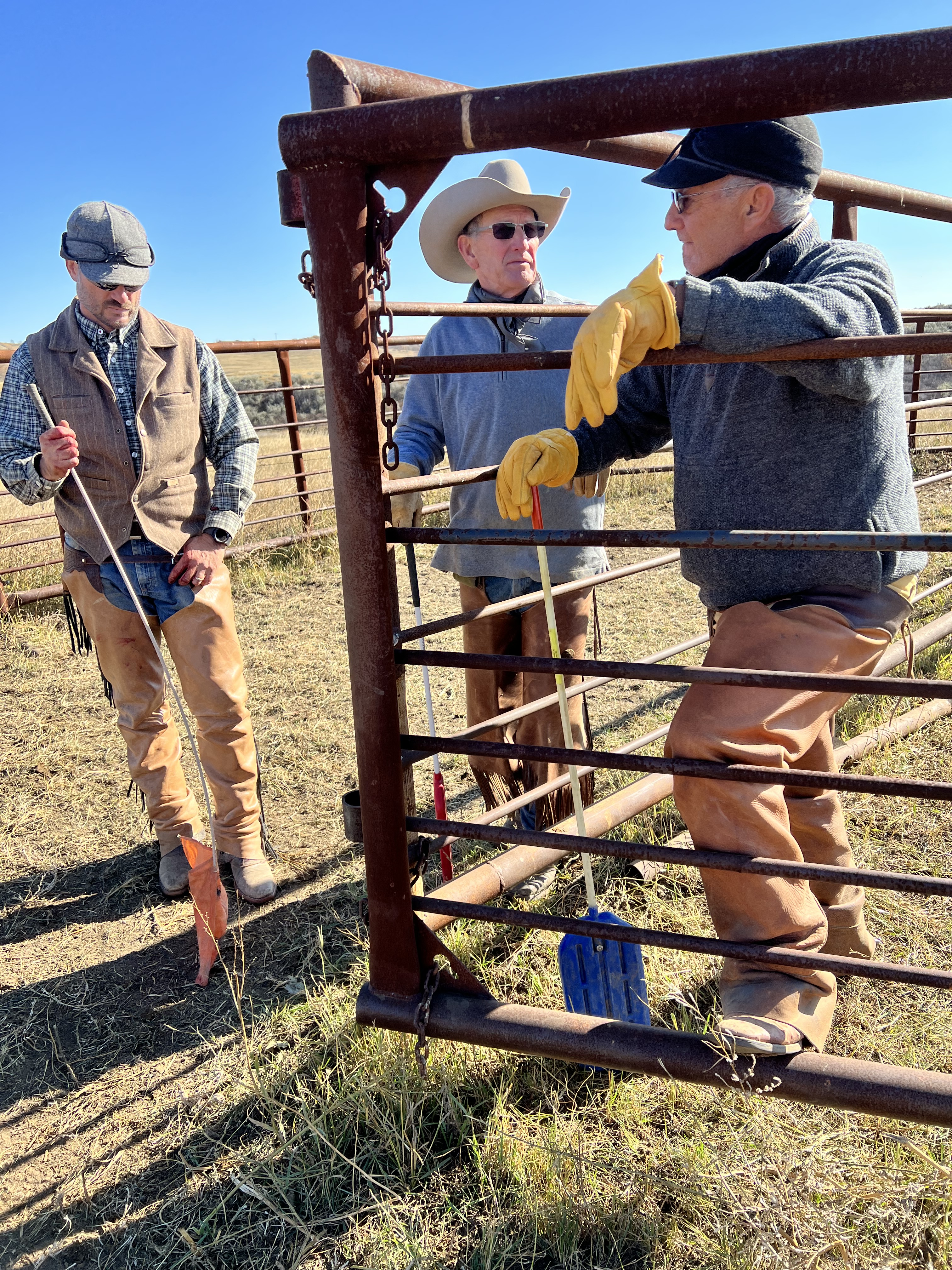
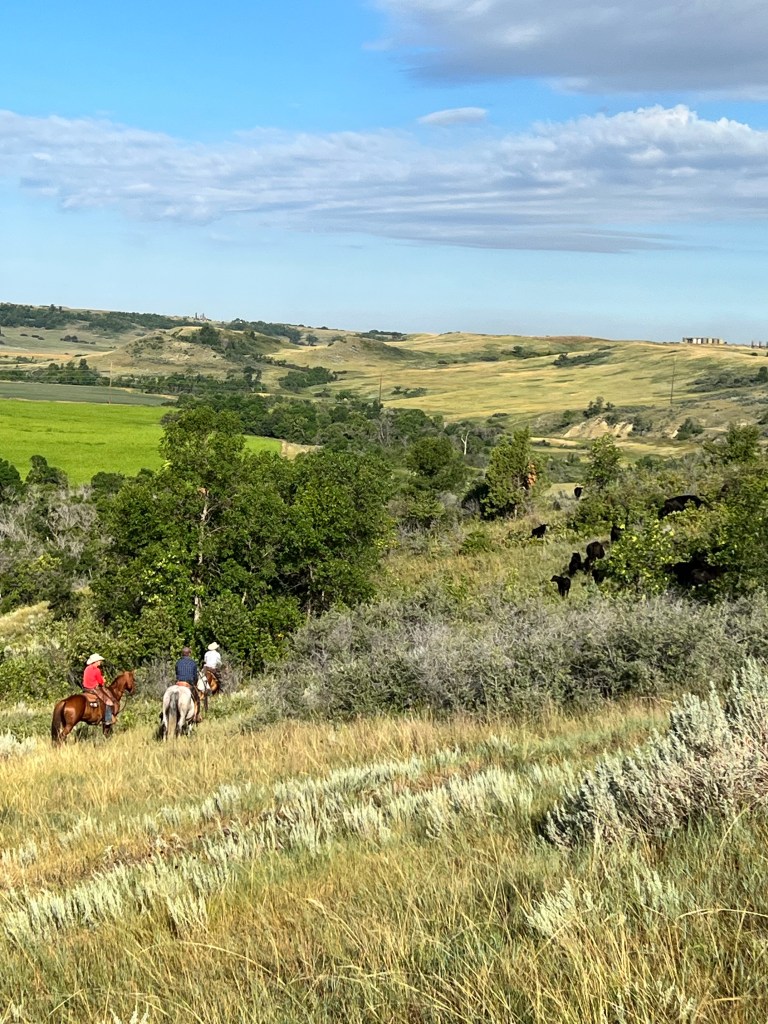
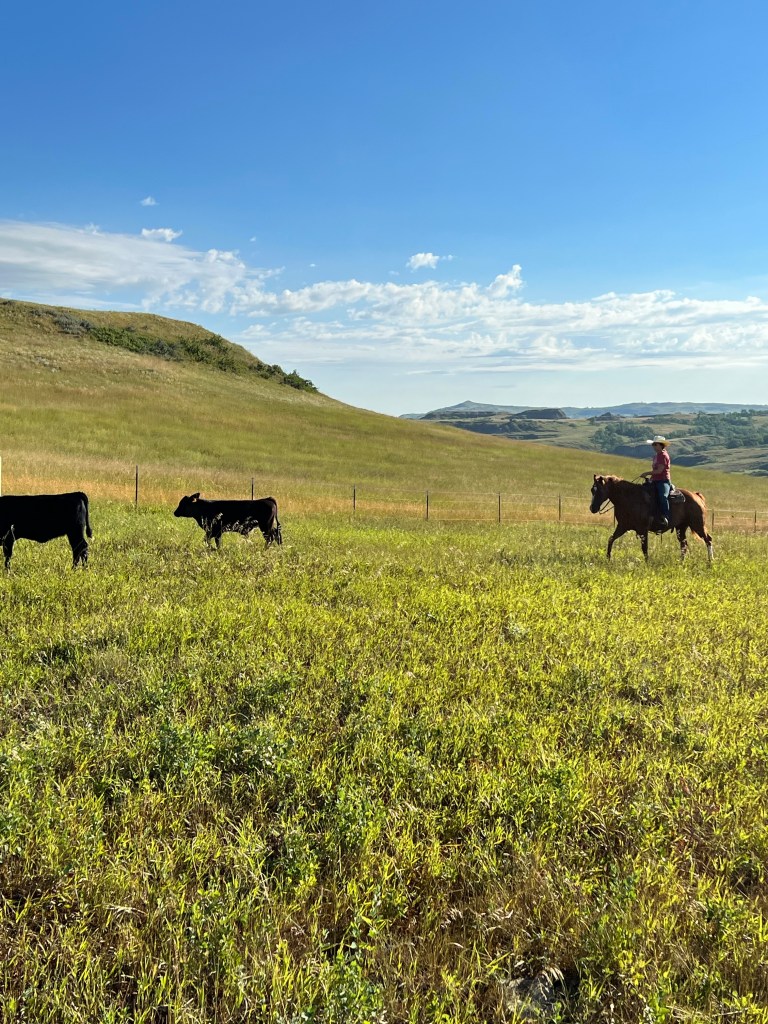
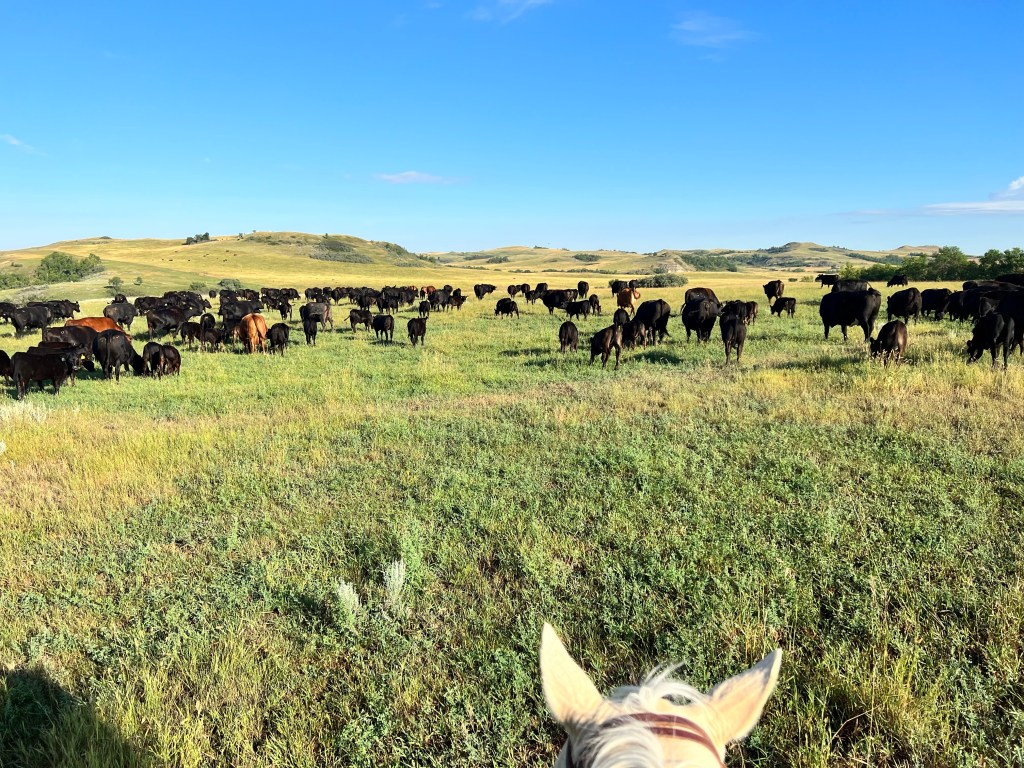
Recently our little ranch crew met in the morning to move cows to a different pasture. Dad, my uncle and aunt who summer up here from Texas, my little sister, my husband and I saddled horses in the crisp air of the morning and met to stretch out across the Peterson pasture and make the move through a couple gates to Hughes (every pasture has a name, these attached to the old homesteaders.)

It was pretty nice and easy because that’s the way we work cattle here. Just let them take the lead mostly, which occasionally finds you off your horse walking through the thick brush or chasing out across the pasture after a stray, or, sometimes deciding on another approach entirely because that’s the way they want to go.

With the exception of a wreck, nothing can really ruin this for me, sitting horseback on a cool morning slowly making its way into a hot afternoon.

I could walk these trails on the back of a horse forever and not get tired of them. Because each month the pastures change–a new fence wire breaks, the creek floods and flows and dries up, the ground erodes and the cows cut new trails, reminding me that the landscape is a moving, breathing creature.

And I am the most alive when I’m out here, and what makes it even sweeter is that I know the rest of the crew, my family, feels the same way too. I listen as they make conversation about the calf crop and plans for the day. I follow behind like I always have and look around to notice the way the light bounces off of cowboy hats and trees slowly turning golden.

I wait for instruction and find my direction while my husband cuts a path through the trees to search for hidden cows and my dad lopes up to the hilltop to scan the countryside.

I move a small herd toward the gate with my sister and wake a bull from the tall grass at the edge of the pasture. Dad comes up off the hill to join me, the cattle he’s found moving briskly in front of him toward the rest of the herd. We meet up quick to wonder where uncle Wade might be and find him over the hill waiting at the gate with the rest of the cattle. We push them through to taller grass and up to water to help them settle in. We wonder if we got them all.

And that’s how it goes generally, the six of us, this time with the exception of Dad stopping to take a picture of my little sister, creating the opportunity for one squirrelly calf to cut back. He laughed as he went after her, thinking what his own dad might say about stopping for a picture.

But why not take a picture? Morning makes its way into the afternoon and if we let ourselves, we might remember that we don’t get an infinite number of fall days like this in our lifetime. Isn’t that what keeps it all so precious?

We head toward home and talk about lunch and the fencing that needs to get done. And cattle prices. And the deer population. And the weather and the changing leaves and all of the things that need discussing when you’re on the back of a horse, on the edge of a season, on a piece of earth that’s constantly changing…even though, year after year, up here… I always feel the same.

This world needs more barn dances

In this week’s podcast, my husband and I reflect on who taught us to dance, how our Dirty Dancing days are over and pontificate on the old house that used to be on the ranch, who lived there and why they left

I think what this broken old world needs is a few more barn dances.

You may have forgotten that those used to be a thing that people did.

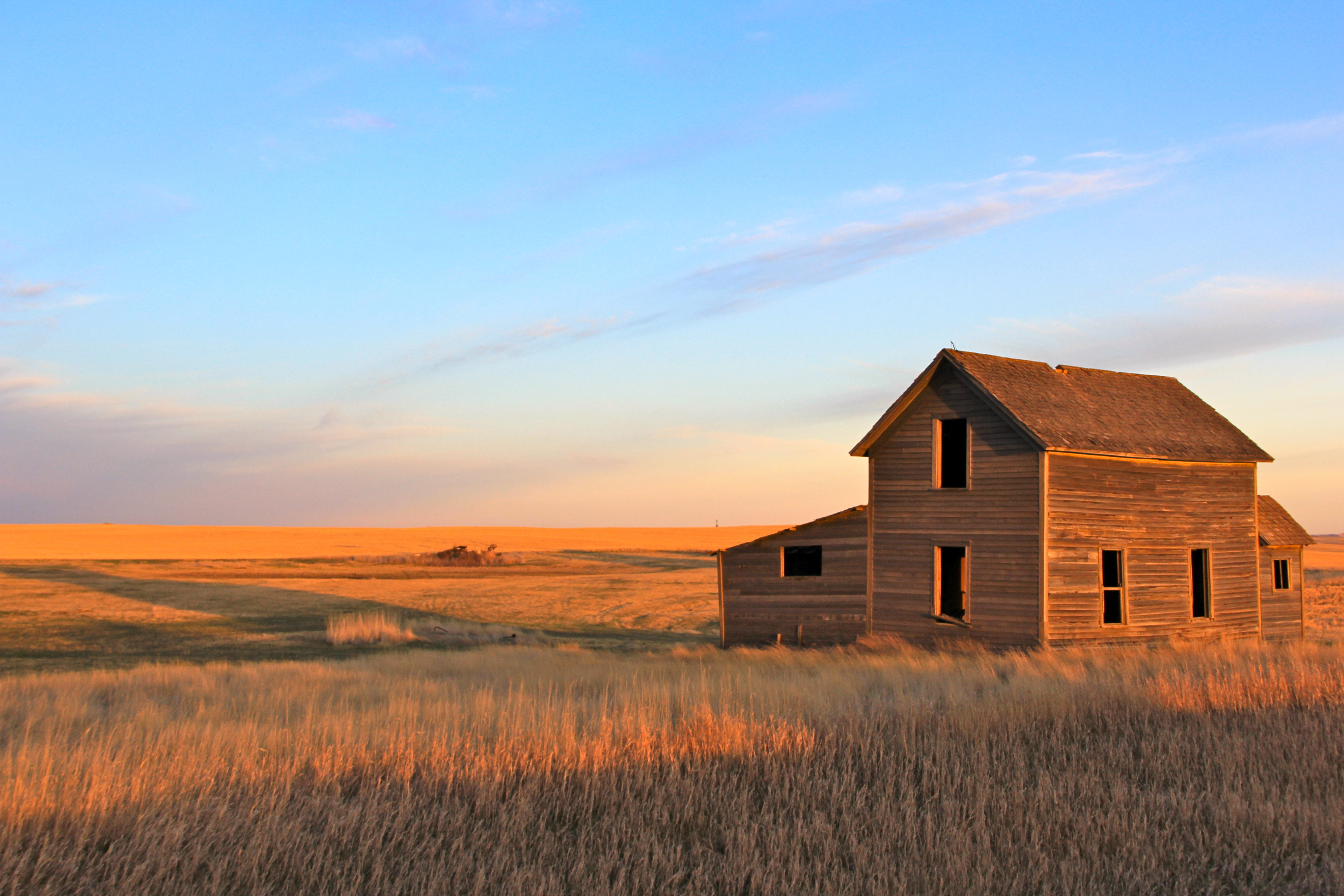
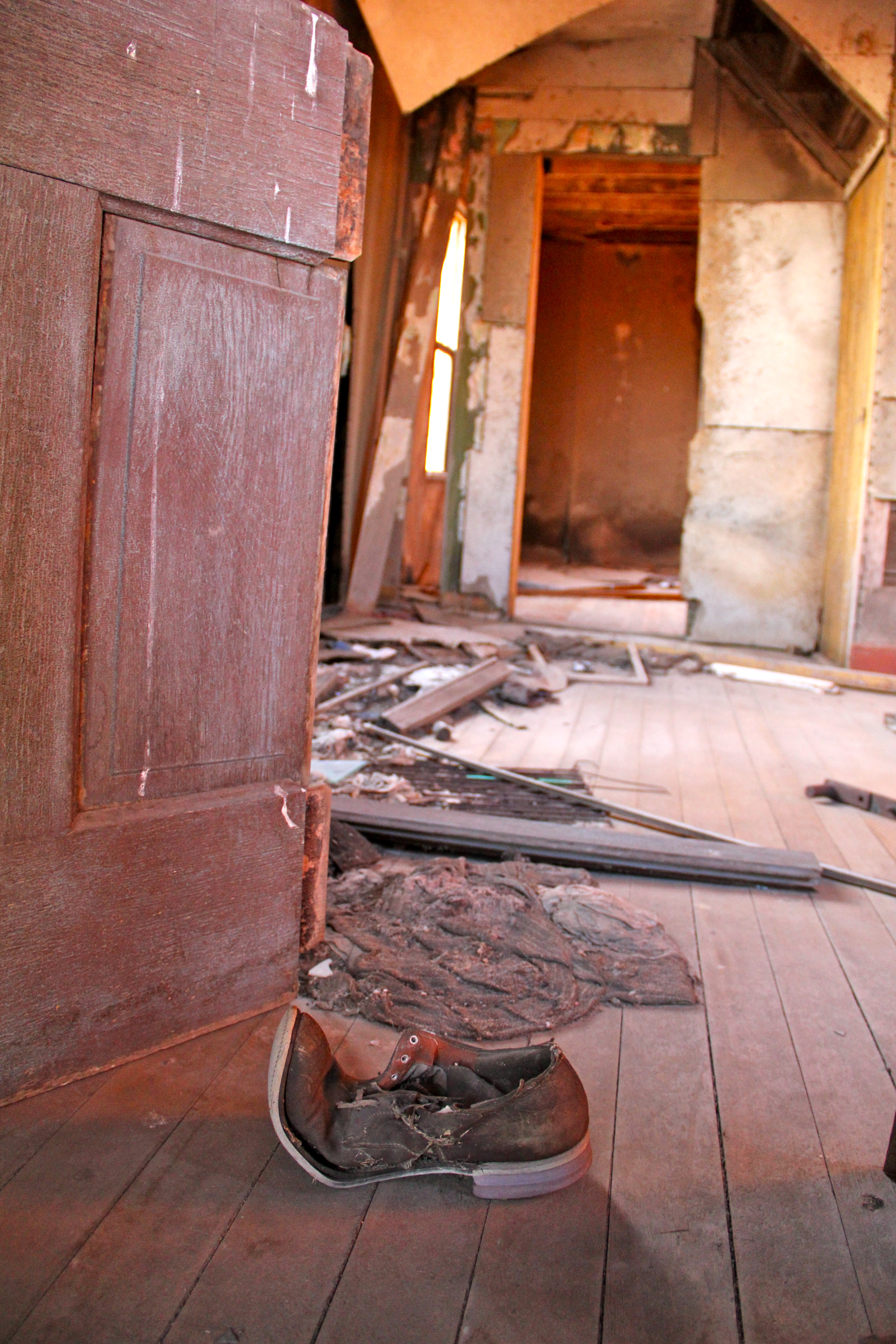
Above the house where I grew up is an old shed. It’s sat there for nearly a hundred years now I think. It outlasted the homestead house where a family used to live and then one day moved away, leaving what seemed to be everything behind—dresses and books and filled-in calendars and ledgers and dishes in the cupboards, canned garden vegetables in the root cellar, the lilac bushes and the apple orchard and mattresses and lace curtains moving like quiet ghosts with the wind cutting through the gaps in the walls. Old houses fall apart in the most slow and lonesome way when there’s no one there to sweep the floors and wipe the windows and serve the bread.

They left the house and all those things and they left that little wooden shed my dad said used to be a granary. He remembers it and he remembers those neighbors.

They used to have dances in there my dad told me when I was poking around as a kid. It seemed impossible to me. That granary was much too small, not even close to 1,000 square feet. If you danced it would be a tight circle. Add a guitar and a fiddle and the quarters would be beyond close. Tight. Unimaginable to us these days, losing ourselves and one another in wide-open floor plans, separate rooms and all the space between. Houses are big enough now so that you never have to lay a hand on each other on your way to the kitchen sink, or sit with legs touching on the living room sofa, or fall asleep to the sound of your sister breathing in the small bed next to you. Not if you didn’t want to anyway. Not if you’re what we call “lucky” to have all that room…

Back then I imagine the landscape, and the work that needed to be done upon it, gave you all the space you needed from the next living soul. Lonesome looked a bit different back then.

Maybe that’s why they turned tiny granaries into dance floors. Because wouldn’t you want to hear the slow drawl of the neighbor’s fiddle spill out of the leaky roof and into the night sky lit with stars? Wouldn’t you want to put your hand on her waist and swing her around laughing? Wouldn’t you want to sing along, to hear their voices overlap and chatter, gossiping and encouraging and entertaining to help you forget for a moment the worry of it all?

You would have wanted to then, when it was a bit quieter. When the world you knew stretched only as far as the horizon, or as far as you could afford a train ticket to take you. You see, they were islands too, in much different ways. And then, in so many of the same. Humans have always been humans, after all.

But the dancing in that tiny building, well, one hundred or so years ago, there was no other choice.

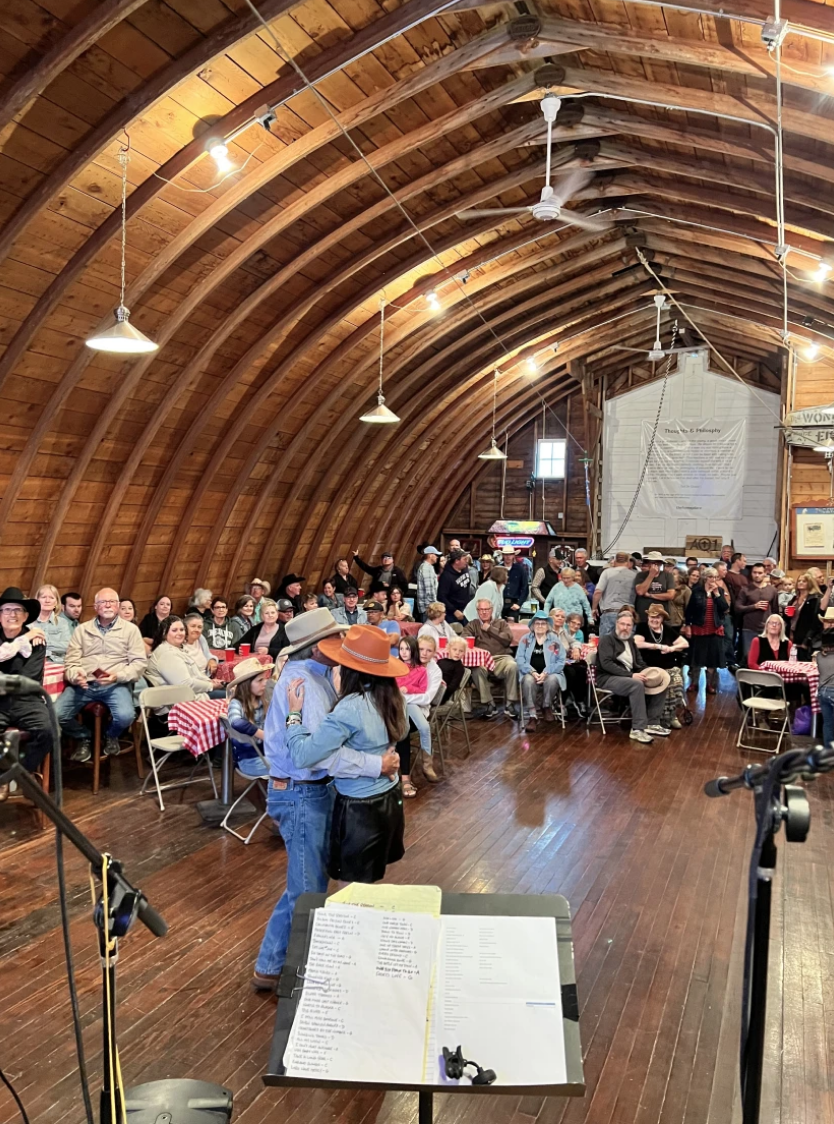
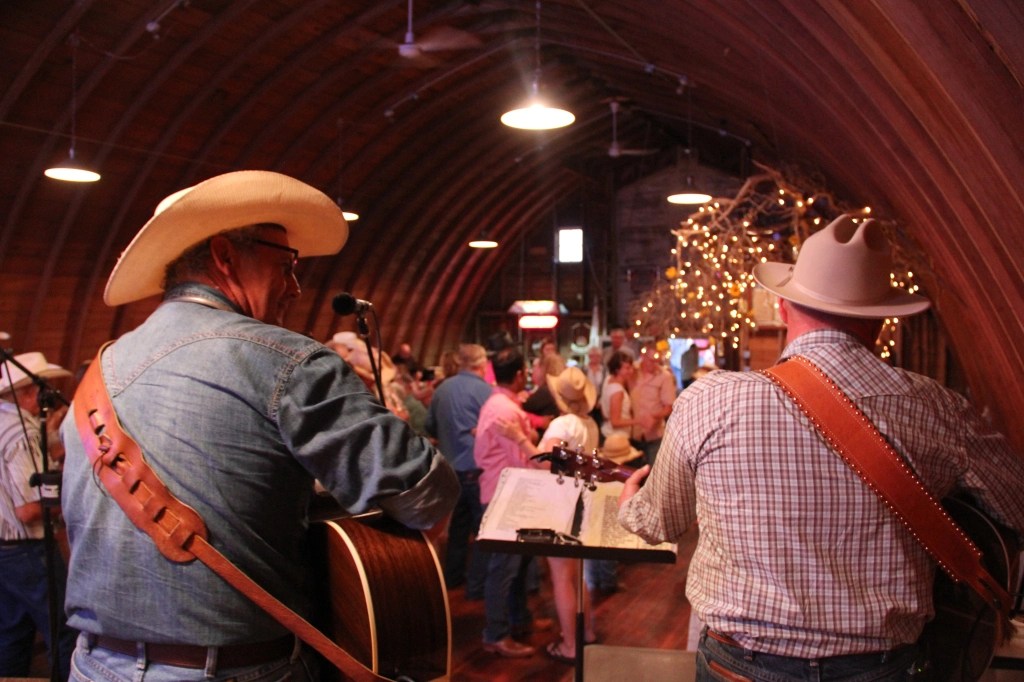
Now we have so many. So many excuses. So many oceans we’ve put between us… But last week a man in the middle of rural North Dakota, more than one hundred years from when the first barn was raised on this northern prairie landscape, called his family, his neighbors and friends, and told them to come on over to the Homeplace. Come on over to the barn. We’ll feed you. There will be music. And there will be dancing.

He’s been doing it for years, so they knew. They had it on their calendars. And his daughters and their families and he and his wife, they made the Fleischkuechle and the kuchen because that was tradition too. And me, well me and the guys were lucky enough to witness it all from the little stage in the corner of the loft of the old barn with the shined up floors where we strummed guitars and sang some songs they knew and some they didn’t and all with a beat for a good two step, or a waltz or a chance to join hands in a circle. Because I heard him say it into the microphone when he welcomed them all to that loft after a picnic supper–he didn’t want his grandchildren to grow up in a world where there were no barn dance. So he made sure, at least for his community, it was not a lost tradition.

And from my perch behind the microphone he reminded me that we may not all have big beautiful barns preserved from the cruel weather of time, but if we’re lucky, we have a spot that might work just fine enough for dancing in a circle.

Because I’m not sure, but I think it’s true, that just like old houses, people, they fall apart too, slow and lonesome if there’s no one there to sweep the floors, to brush past, to breathe the same close air, to sway side to side, and open the curtains and let the light in and serve the bread and do the things that, together, people are meant to do…